
Feature · Córdoba
The Granite and the Geranium: The Fragile Geometry of Córdoba’s May
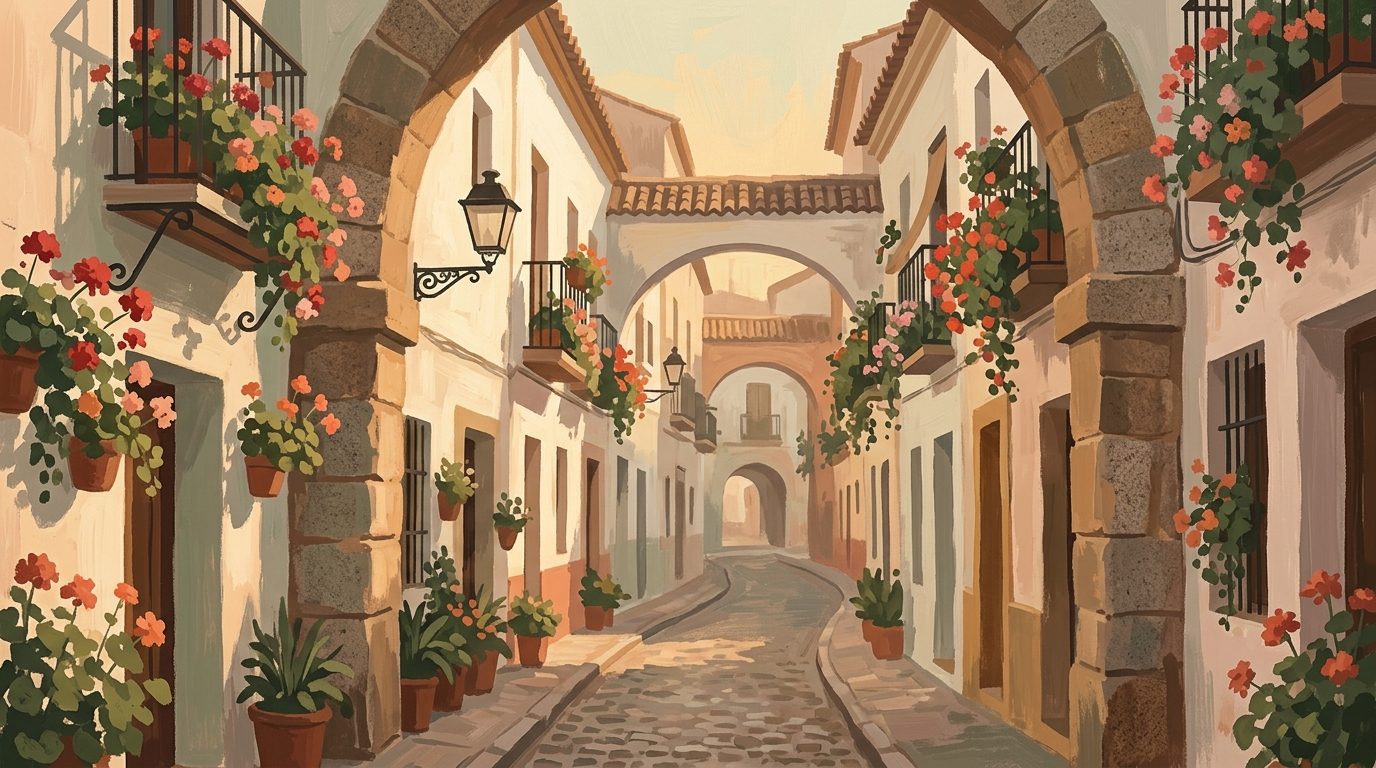
For two weeks in May, Córdoba’s residents throw open the doors of their private courtyards, turning a city of stone into a living, breathing laboratory of botanical obsession.
By Dan · Updated 7 June 2026 · 6 min read
Story context
This is a narrative feature, not a breaking-news report or a legal/practical guide. It is kept on the site because it adds local texture and reading value alongside the more practical Andalucía 365 guides.
Use the links below for planning details, current access, places to stay, transport or food guidance connected with the story.
In the cooling shadows of a lime-washed alleyway, the scent of damp terracotta and crushed jasmine acts as a compass, leading the way toward a door that, for eleven months of the year, remains resolutely shut. Within these limestone walls, the city does not merely bloom; it exhales a century of quiet, domestic obsession.
Ana María stands on a rickety wooden ladder that has seen more springs than most of the tourists currently queueing outside her front door. She is eighty-two years old, and her right hand, spotted with age and garden soil, grips a caña, a long bamboo pole with a rusted tuna tin wired to the end. With the precision of a surgeon, she lifts the pole toward a blue-painted flowerpot hanging three metres above the pebbled floor. The water trickles out, soaking the roots of a gipsy geranium that cascades like a velvet waterfall down the white wall. She performs this ritual six hundred times a day. If she misses a single pot, the fierce Cordoban sun will reclaim it by sunset.
For much of May, and specifically during the two-week official festival, the city of Córdoba undergoes a psychological and physical shift. The Festival de los Patios (check the official website for the current map and schedule before travelling) is not a garden show; it is an act of communal exhibitionism. In neighbourhoods like San Basilio and Santa Marina, families throw open their heavy wooden gates, inviting the world to step into the most private sanctum of the Mediterranean home. It is a moment where the boundary between the street and the soul dissolves, replaced by the humid, intoxicating air of a thousand blooming flowers. But beneath the aesthetics lies a narrative of fierce neighbourhood rivalry, the crushing weight of UNESCO heritage status, and a generational struggle to keep the water flowing in a drying landscape.
The Void at the Centre of the House
The Cordoban patio is an architectural response to a climate that often feels like an assault. Since the Roman era, and perfected during the Islamic Caliphate, the city’s houses have turned their backs on the street. They are fortresses of limestone and granite, designed to trap the cool night air and preserve it within a central void. This central courtyard is the lungs of the house. Without it, the residents would suffocate in the July heat that frequently pushes the mercury past forty-five degrees.
Following the Reconquista, these spaces evolved into the casas de vecindad, tenement houses where multiple families shared a single well and a single courtyard. Here, the patio was the theatre of daily life. It was where clothes were scrubbed, where children learned to walk, and where gossip was traded over the rhythmic sound of water. The flowers were never a luxury; they were a necessity, a natural evaporative cooling system that lowered the temperature of the house by five or six degrees. To plant a geranium was to buy a primitive form of air conditioning. Over time, the necessity became a competition, and by 1918, the city council formalised this pride into the first official festival.
The Geometry of San Basilio
In the San Basilio quarter, the stakes are visible in every shade of blue. This is the traditional heart of the festival, a labyrinth of narrow tracks near the Alcázar where the rivalry between neighbours is as old as the stones themselves. Here, the 'perfect' patio is defined by a rigid geometry. The floor must be chino cordobés, a mosaic of small, smooth river stones. The walls must be a blinding, chalky white, refreshed every April. And then there are the pots.
"It is a madness," says Manuel, who manages a patio on Calle Postrera that has won the first-place plaque more times than he can count on his fingers. "People see the flowers, but they don't see the clay. We spend thousands of euros on the pots alone. If the clay doesn't breathe, the plant dies. If the colour of the pot is too bright, it distracts from the bloom. Everything must be in balance."
The rivalry is not merely for the prize money, which barely covers the water bill for a top-tier patio. It is for the prestige of the mención de honor. In the bars of San Basilio, men and women argue over the pH level of the soil and the merits of different fertilisers with the intensity of football fans. There is a specific kind of 'patio-shame' reserved for those who allow their bougainvillea to become unruly or their citrus trees to drop fruit prematurely. This is a city where your social standing is measured by the health of your petunias.
The Cost of the Bloom
As the sun sets, the crowds thin, but the work for the owners only intensifies. The economics of the festival are increasingly precarious. While UNESCO heritage status in 2012 brought global recognition and a surge in tourism, it also brought a fossilisation of the tradition. There are strict rules on what can be planted and how the space must be maintained. Younger generations, lured by the ease of modern apartments in the Brillante district, are less inclined to spend their weekends scrubbing lime-scale off terracotta.
"We are becoming a museum," Manuel admits, leaning against a centuries-old well. "The tourists want the photo, but they don't want to live here. They don't want the humidity in their bedroom walls or the sound of five hundred people walking through their living room every day for two weeks."
The city council provides subsidies, but the real cost is human. The average age of a patio owner in the historic centre is climbing. The festival survives on the stamina of the elderly, on the Ana Marías of the city who refuse to let the tradition wither. There is a quiet anxiety that as these matriarchs pass away, the heavy gates of the patios will close for good, converted into boutique hotels or holiday rentals where the flowers are plastic and the wells are dry.
The Shadow of the Mezquita
Away from the primary tourist routes, in the northern reaches of the Santa Marina district, the patios take on a different character. Here, they are larger, often attached to the grand casas palacio of the old aristocracy. The Viana Palace (Palacio de Viana), with its twelve distinct courtyards, offers a masterclass in this architectural evolution, from the medieval Patio de los Gatos to the Renaissance-inspired Patio de las Columnas.
Yet, even in these grand spaces, the narrative remains one of survival. The patios represent a defiance of the geography. Córdoba is a city of scorched earth and dry winds, yet for these few weeks, it insists on being a rainforest. The sound of the fountains, echoing the water systems of the Umayyad caliphs, is a constant reminder that this beauty is an artificial construct, a fragile victory over the surrounding sun.
The tension between the public spectacle and the private life is most visible during the siesta. While the gates are technically open, the owners often sit in the shadows of their own kitchens, watching the visitors through half-closed shutters. There is a sense of being observed, of one's home being scrutinised for the slightest leaf-wilt. It is a peculiar Cordoban form of hospitality: generous, yet guarded.
The Final Petal
By the end of May, the air in Córdoba changes. The sweet, floral heaviness of the festival begins to be replaced by the dry, metallic heat of the coming summer. The competition winners have been announced, the plaques have been bolted to the walls, and the tourists begin to retreat to the cooler climates of the coast.
Ana María stands in her patio on the final evening. The last visitor has left, and the heavy iron bolt of her front door slides home with a definitive, metallic thud. The silence that follows is thick and cooling. She looks up at the walls, where the geraniums are already starting to drop their petals, dusting the pebbled floor like pink snow. She picks up a fallen blossom, crushes it between her fingers, and inhales. The spectacle is over, the museum is closed, and for the next forty-nine weeks, the garden belongs only to the stone, the water, and the woman with the bamboo pole.
Last reviewed: 21 June 2026 · Editorial policy
Related guides
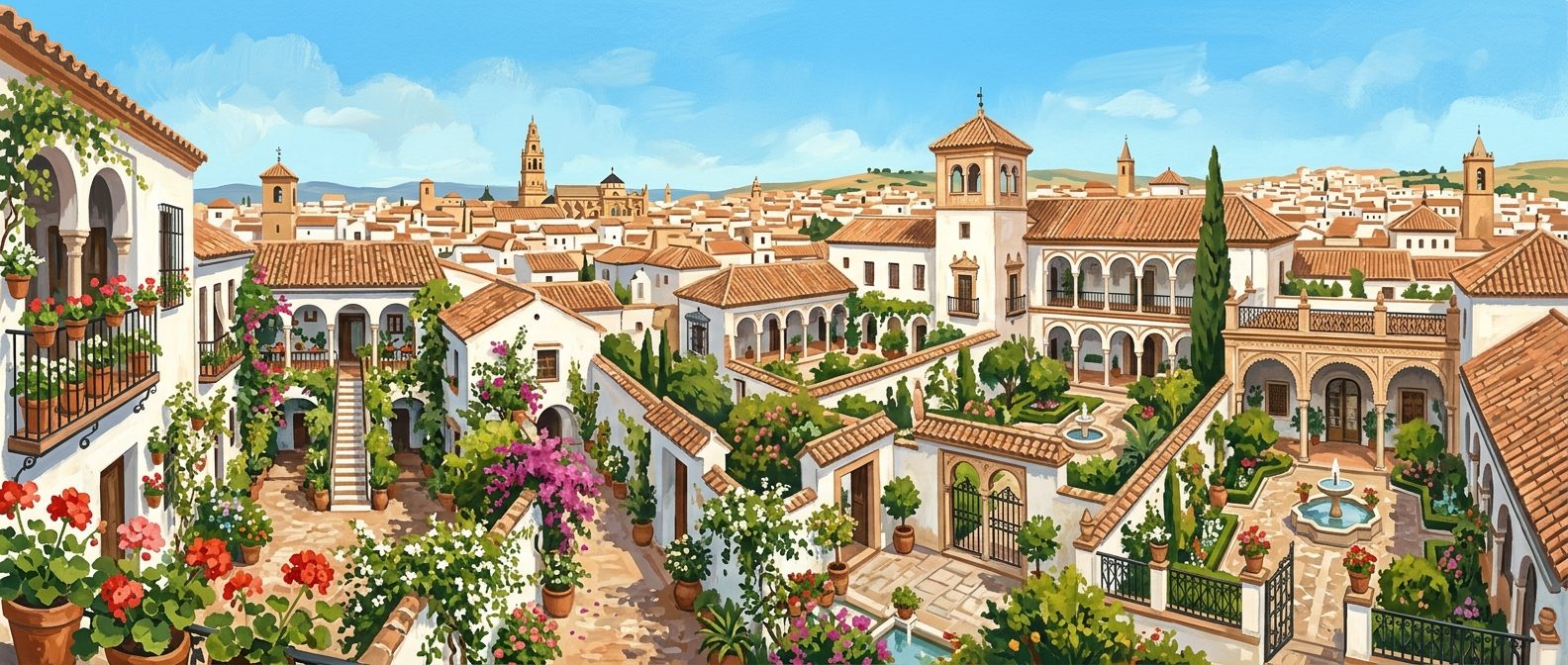
The Floral Courtyards of Córdoba: A Guide to the Patios and Palacio de Viana
Discover the flower-filled courtyards of Córdoba, from the twelve aristocratic patios of the Palacio de Viana to the UNESCO-listed private homes that open their doors during the May Patio Festival.
6 min read
The Siege of the Real: Inside Sevilla’s Private Universe
Beyond the yellow dust of the Real, Sevilla’s great fair is a labyrinth of closed doors where the city’s true social hierarchy is revealed in the clinking of glasses.
8 min read
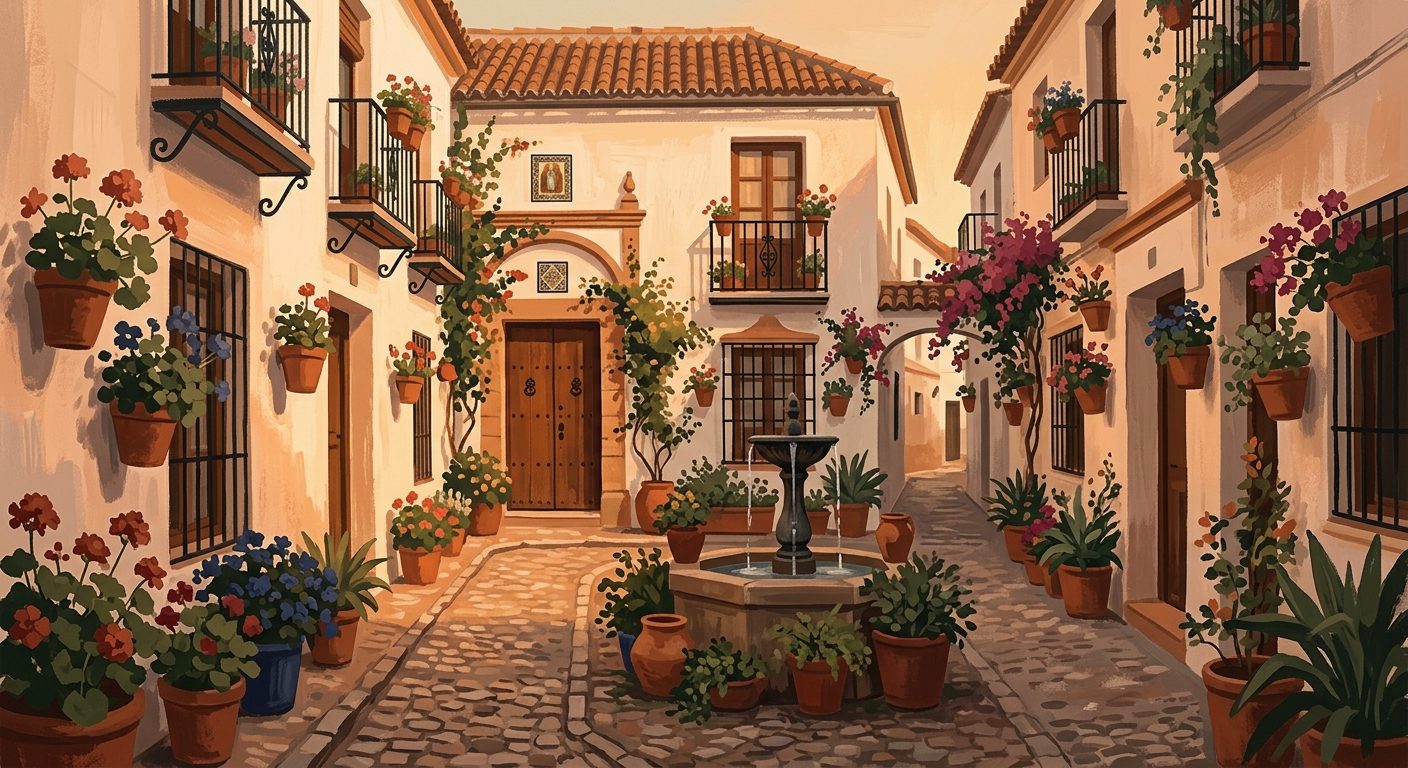
A Guide to the Patios de Córdoba
While other Andalucían festivals celebrate grand public spectacles, the Patios de Córdoba invite you into the most intimate of domestic spaces: the floral courtyards of private family homes.
10 min read
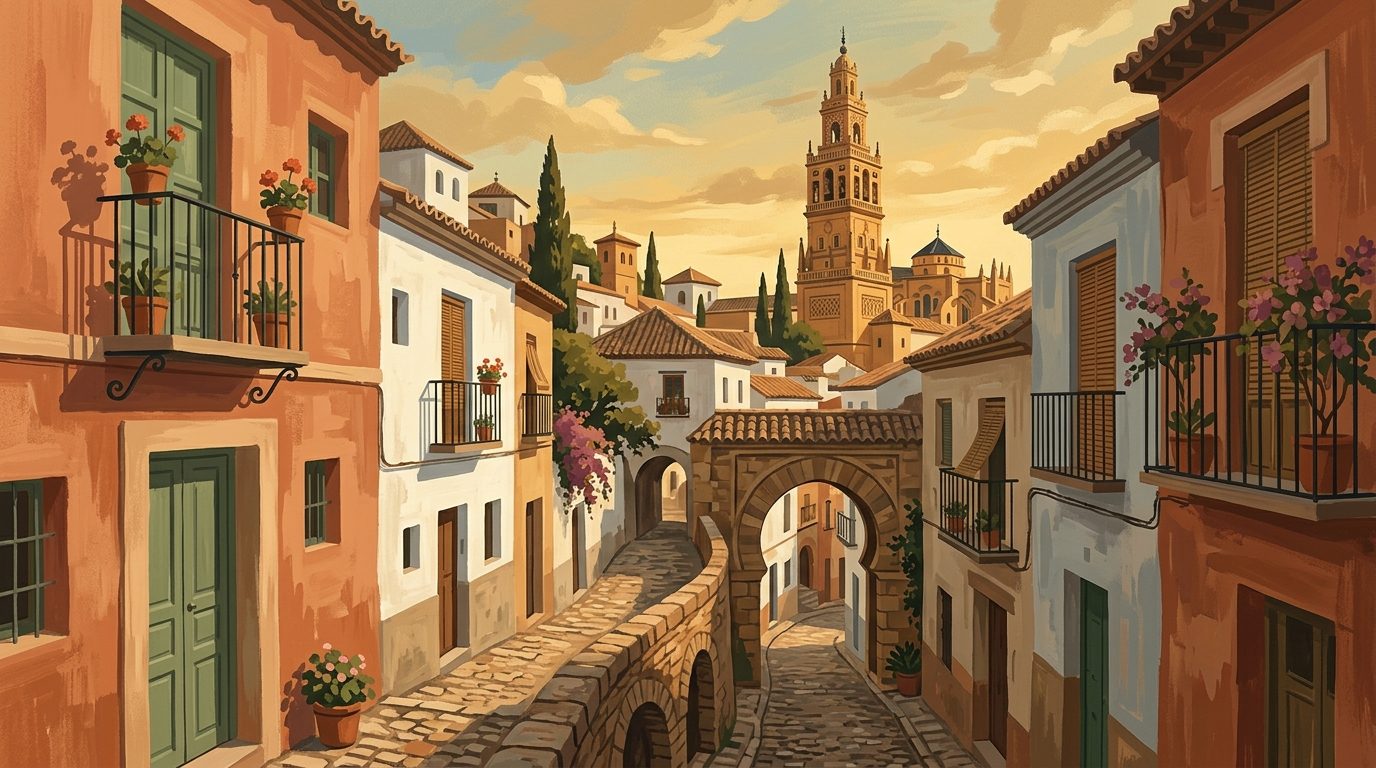
The Caliphate of Córdoba
In 929, Abd al-Rahman III declared himself Caliph, breaking religious ties with the Middle East and launching an era of unparalleled architectural and intellectual achievement.
8 min read
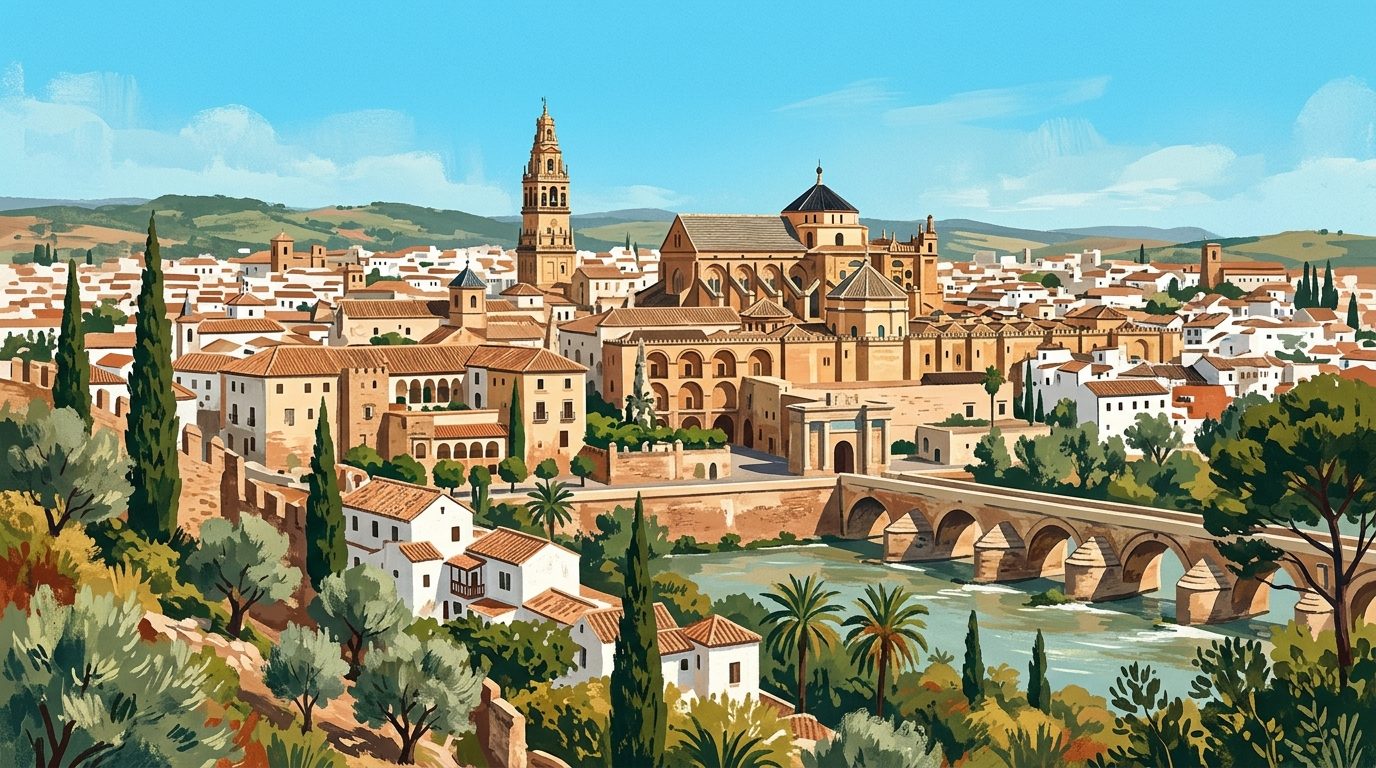
Exploring the Caliphate Capital: A Deep Dive into Córdoba
Discover the layers of the former Caliphate capital, from the mesmerising arches of the Mezquita to the hidden floral courtyards of the Judería.
8 min read
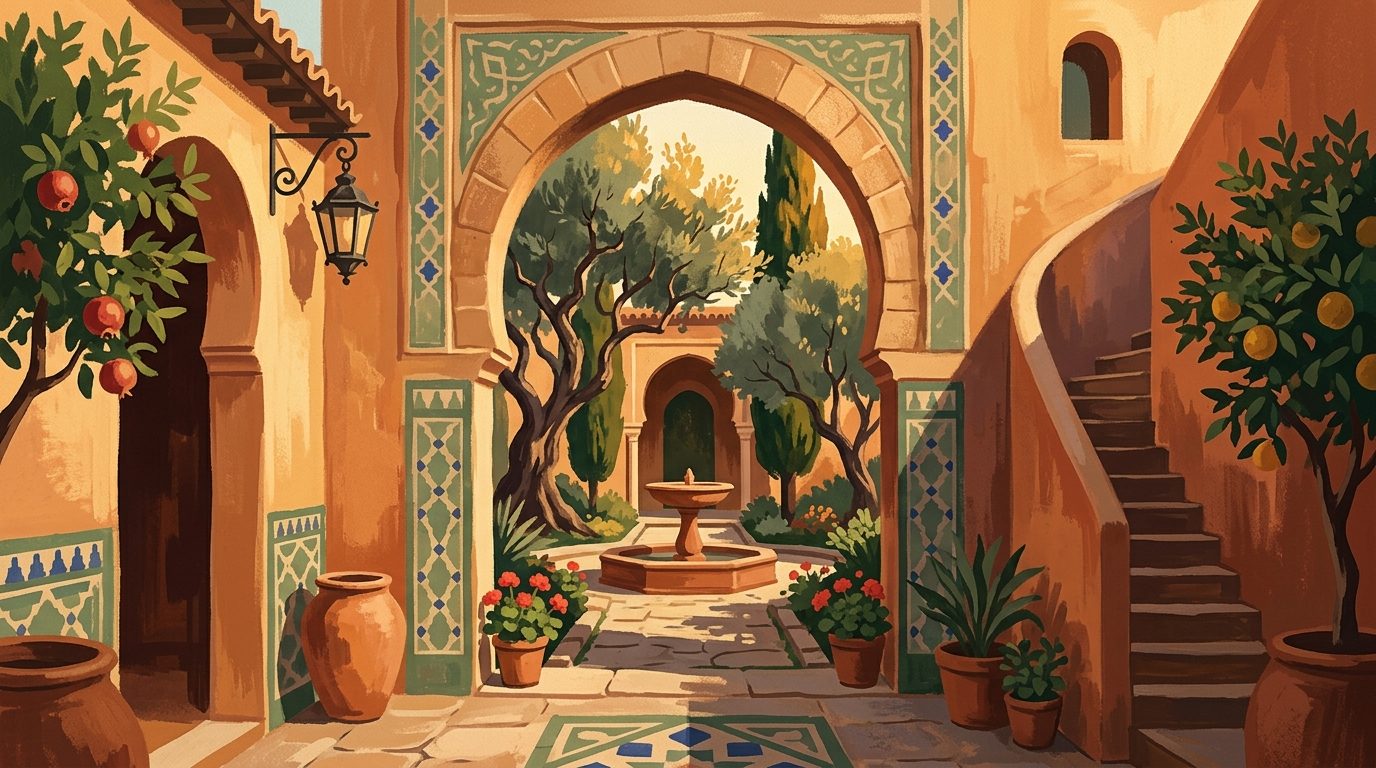
The Ghost in the Garden: Searching for the Al-Andalus Within
Eight centuries of Al-Andalus did not vanish in 1492; they simply moved indoors, into the kitchens, and onto the tip of the tongue.
7 min read
More from Córdoba
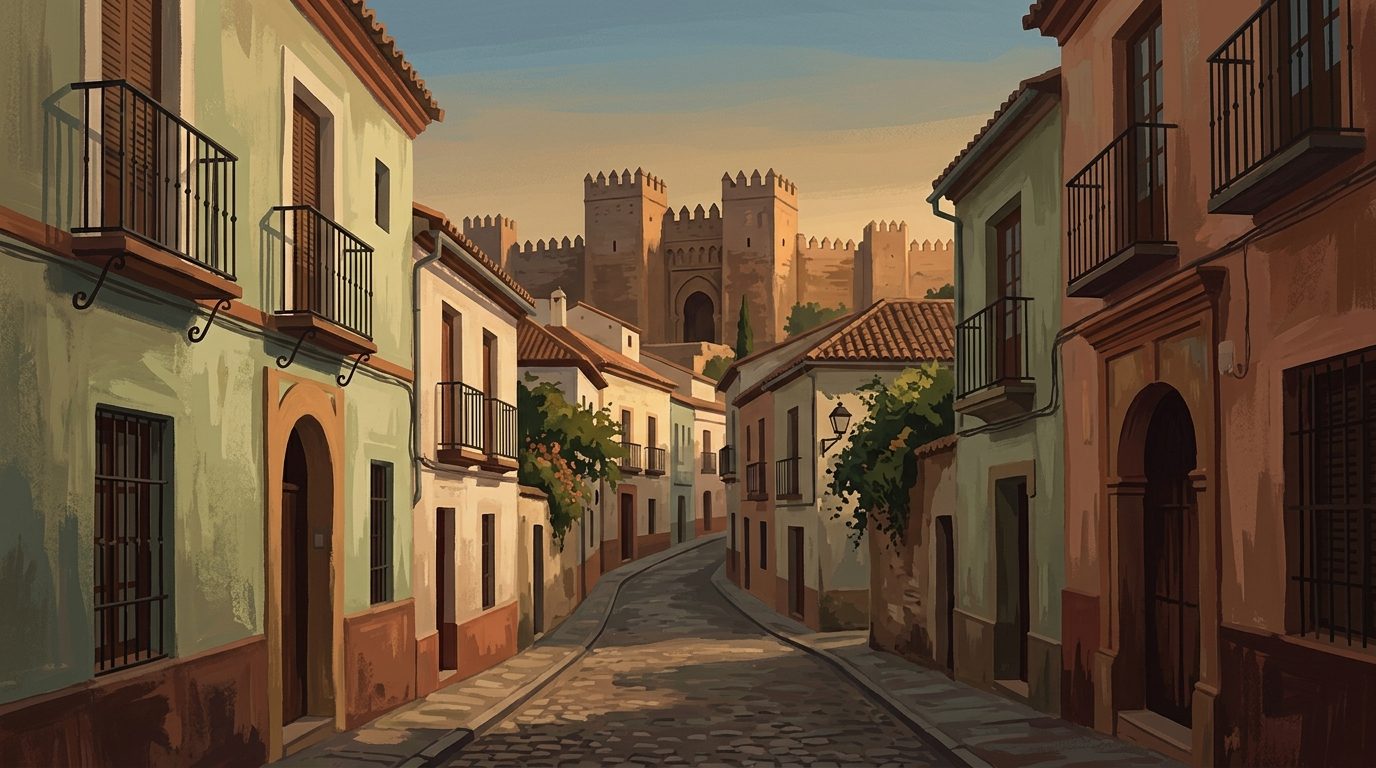
The Fall of Córdoba, 1236
In 1236, a daring winter raid by Castilian frontiersmen escalated into a full siege of the former Umayyad capital. The subsequent surrender of Córdoba marked a decisive turning point in the medieval history of the Iberian Peninsula.
8 min read
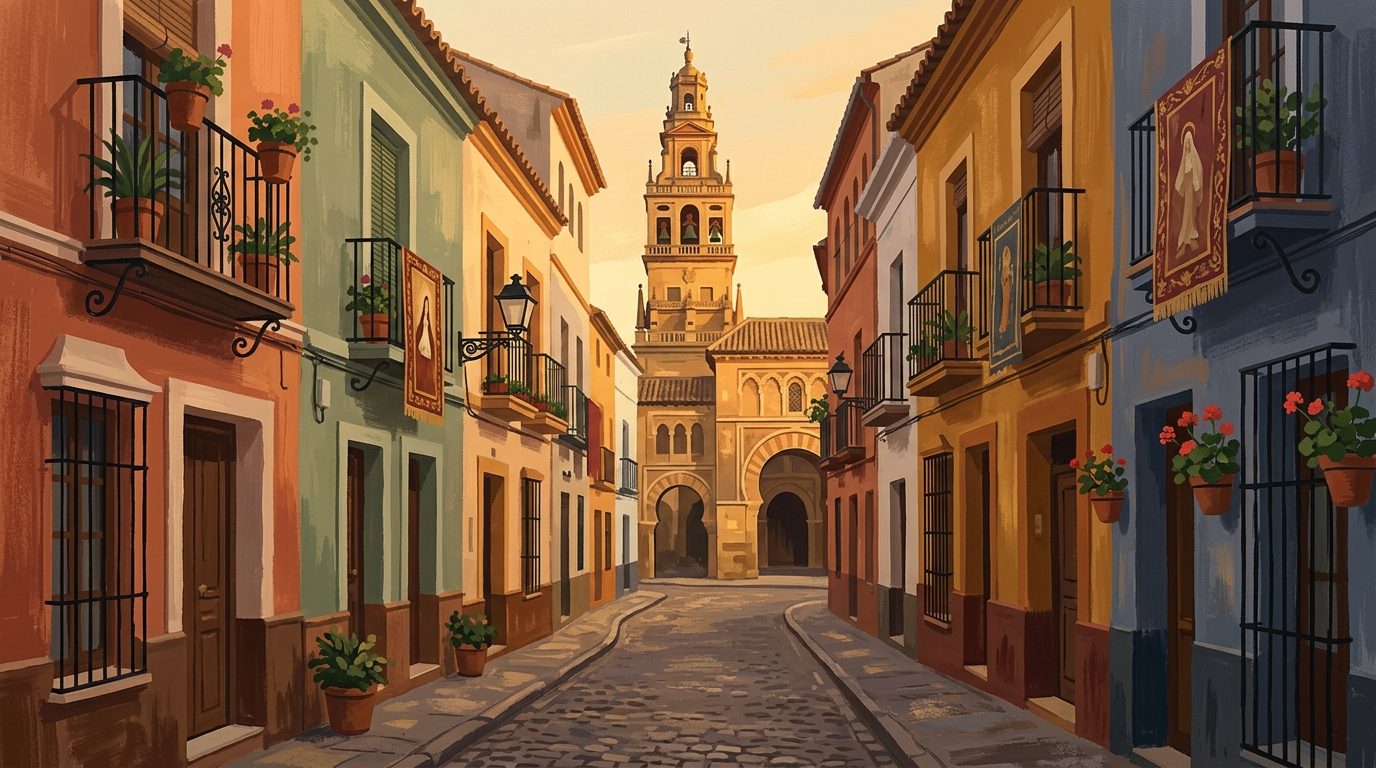
Semana Santa in Córdoba: The Definitive Guide
During Semana Santa in Córdoba, the air smells of orange blossom and incense as penitential floats pass beneath the candy-striped arches of the Mezquita.
8 min read
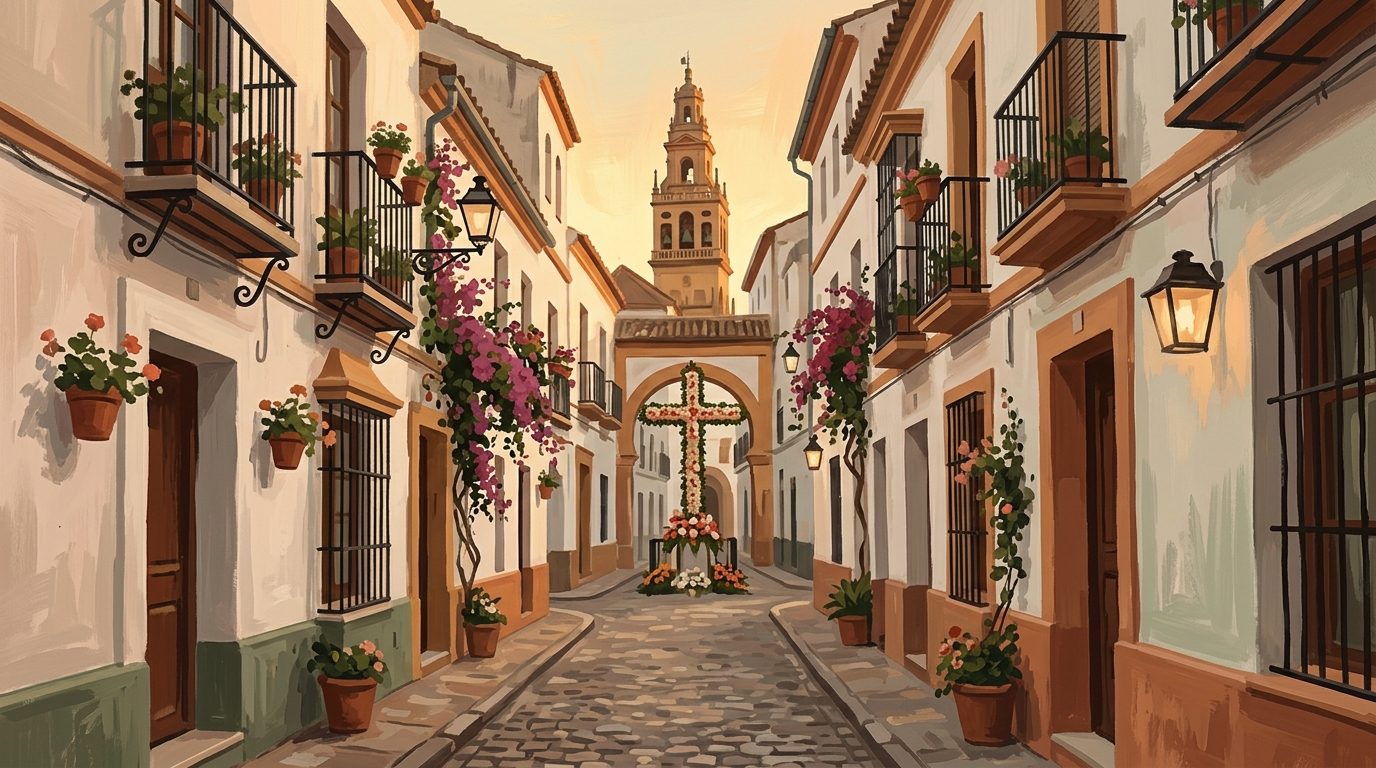
A Guide to the Cruces de Mayo Festival in Córdoba
Discover how Córdoba transforms its historic plazas into flower-draped street parties to celebrate the Cruces de Mayo festival.
8 min read
Newsletter
More stories from Andalucía
Weekly notes, seasonal picks, and the next guides worth bookmarking.