
Feature · Córdoba
A Guide to the Cruces de Mayo Festival in Córdoba
Discover how Córdoba transforms its historic plazas into flower-draped street parties to celebrate the Cruces de Mayo festival.
By Dan · Updated 24 July 2026 · 8 min read
This article contains affiliate links. If you book through them, we may earn a small commission at no extra cost to you.
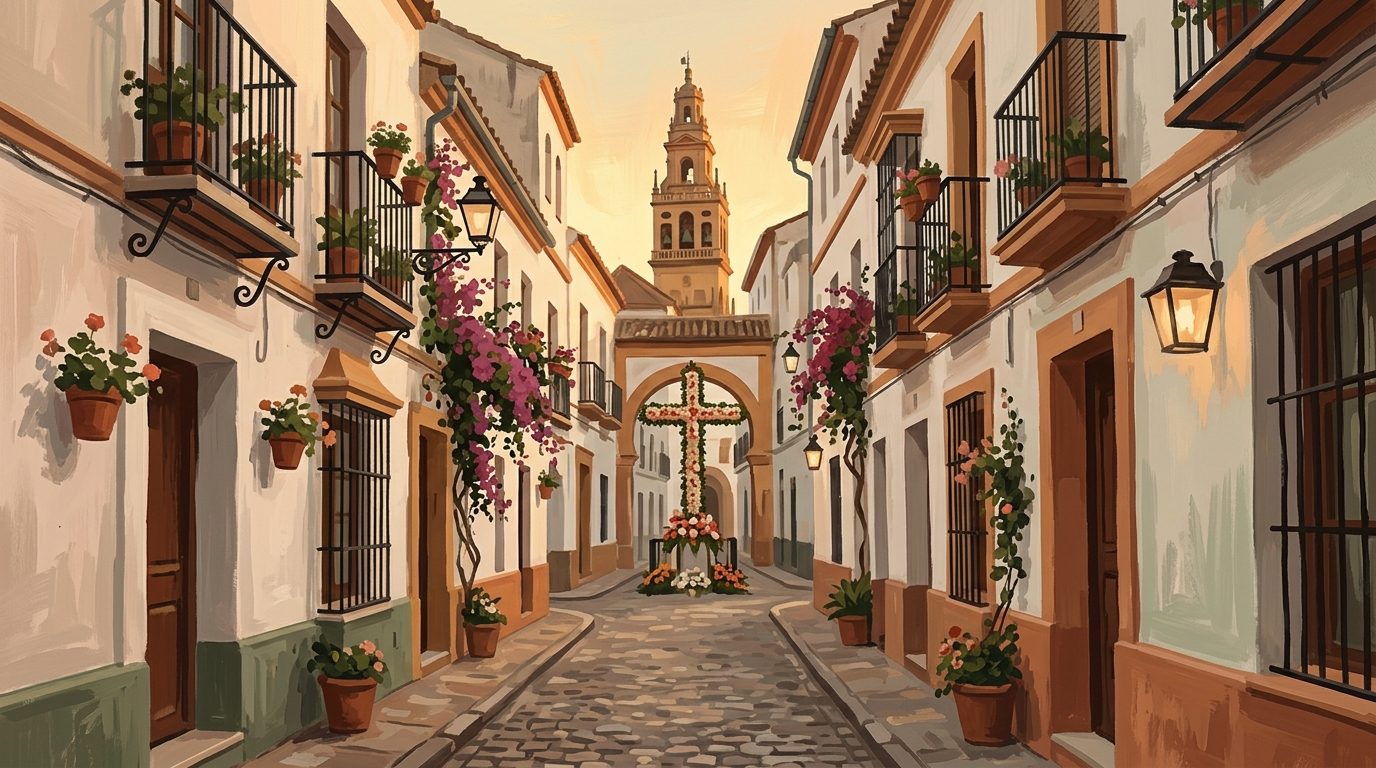
Córdoba does not merely celebrate the arrival of spring; it constructs monuments to it in the middle of its oldest squares. During the Cruces de Mayo, brotherhoods and local associations erect towering crosses of fresh carnations, transforming quiet cobbled plazas into open-air social clubs filled with sherry, flamenco, and neighbourhood pride.
Editor's note: The 2026 Cruces de Mayo and Patios festivals have now concluded. Visitors can now look forward to the city's summer cultural programme. Check the official Córdoba Tourism board for schedules and current events.
May is an intense month in Córdoba, and the Cruces de Mayo fires the starting pistol for four weeks of uninterrupted celebration known locally as the Mayo Festivo. While other Andalucían cities observe the Festival of the Crosses, nowhere else embeds the tradition so deeply into the fabric of its residential neighbourhoods. Here, the crosses are monumental structures entirely covered in fresh blooms, usually red or white carnations, erected directly on the cobblestones of attractive plazas.
The origins of the festival are rooted in pagan spring rituals, later absorbed by Christianity to celebrate the finding of the True Cross by Saint Helena. Today, the festival is a delicate balance of religious reverence and uninhibited street festivity. Local Catholic brotherhoods and cultural associations spend weeks designing and building the crosses. They also set up temporary bars next to their creations to raise vital funds for the year ahead.
This dual nature defines the event. You are standing before a blessed Christian symbol, yet the immediate surroundings resemble a giant, disaggregated fairground. Music drifts from large speakers, locals dance sevillanas on the paving stones, and bartenders dispense thousands of glasses of pale Montilla-Moriles wine. For a first-time visitor, understanding this transition from sacred geometry to late-night revelry is the key to appreciating the festival. You are witnessing the ultimate expression of Córdoba in spring: highly sociable, fiercely proud of its aesthetics, and always ready to share a glass of wine under the orange trees.
What to expect
The atmosphere is communal and exceptionally loud. By midday, the plazas fill with families, groups of friends, and couples taking a leisurely stroll to judge the floral arrangements. The city council organises a formal competition, and the rivalry among the neighbourhoods is fierce. You will see crosses adorned with traditional copper pots, antique shawls, and carefully arranged potted geraniums to create a classic Andalucían courtyard aesthetic in the open air. Look closely at the arrangements, and you will often spot a shiny red apple pierced by a pair of open scissors. This peculiar local tradition is placed at the foot of the cross to symbolically cut away bad gossip and ward off the evil eye.
As the sun sets, the mood shifts from a family promenade to a massive street party. The temporary bars, staffed by volunteers from the brotherhoods, start serving fino wine and beer at a rapid pace. Recorded music plays constantly, heavily favouring traditional flamenco and sevillanas, though later in the evening you might hear contemporary pop. The crowds around the most popular crosses become incredibly dense, particularly in the narrow streets of the historic centre. Expect to be jostled, expect to shout to be heard, and expect to stand for hours, as seating is virtually non-existent.
When it happens
The festival always takes place in late April or early May, usually encompassing the bank holiday weekend around the first of May, culminating on the Day of the Cross on the third of May. (Note: The 2026 festival has now concluded. Visitors for 2027 should look for dates spanning Thursday 29 April to Monday 3 May 2027). The structures are typically inaugurated on a Thursday evening and dismantled the following Monday or Tuesday, depending on how the calendar falls.
The rhythm of the day is highly structured. The bars open around midday, and the early afternoon is an excellent time to view the crosses while the bright sunlight highlights the floral designs. Around five in the afternoon, the crowds thin out slightly as people retreat for a late lunch or a siesta. By eight in the evening, the plazas fill up again, and the festivities continue until the mandatory music shut-off time, usually around two in the morning. Sundays tend to be slightly more relaxed, focusing on intergenerational family gatherings, while Friday and Saturday nights are the most intense periods of celebration.
The processions and the action
Unlike Semana Santa, there are no processions during the Cruces de Mayo. The action is entirely stationary. Between forty and fifty crosses are scattered across the city, each operated by a specific hermandad (brotherhood) or neighbourhood peña (social club).
The crosses in the historic centre are the most visually spectacular. The Hermandad de la Paz y Esperanza usually erects a magnificent cross on the Cuesta del Bailío, one of the most photographed spots in the city, using the sweeping stone staircase and bougainvillea as a dramatic backdrop. In the San Basilio neighbourhood, the Asociación de Vecinos Alcázar Viejo creates stunning displays that often incorporate the ancient city walls, while the Hermandad del Cristo de Gracia in the Plaza del Alpargate builds highly traditional floral monuments.
When visiting, you are participating directly in a local economy. The money you spend at the temporary bar funds the brotherhoods' charitable activities and helps maintain their elaborate floats for the following year's Easter week. Ordering is a chaotic but efficient process. You queue to buy paper tickets at a central booth, then exchange those tickets at the bar for drinks and tapas. Do not expect table service or elaborate menus. The offering is strictly limited to easy-to-serve local staples meant to keep the crowd fed and happy.
Where to watch and where to be
To experience the traditional soul of the festival, head to the Santa Marina and San Agustín neighbourhoods. The Plaza de Santa Marina, watched over by the bronze statue of the bullfighter Manolete, hosts a cross that draws a deeply local, older crowd during the day. The nearby Plaza de San Agustín is equally atmospheric, surrounded by decaying aristocratic mansions and narrow alleys.
For maximum visual impact, the cross at the Torre de la Malmuerta is invariably spectacular, often winning the municipal first prize for its intricate design. The Plaza de la Corredera, the city's grand seventeenth-century square, usually hosts a large cross, but the vast space somewhat dissipates the intimacy found in the smaller medieval plazas.
If you want to avoid the heaviest crowds, plan your route for the mid-morning, around eleven o'clock, before the bars open. You can photograph the crosses without a sea of plastic cups in the frame and appreciate the scent of the carnations. By nightfall, you must abandon any hope of a structured itinerary and simply let the crowd carry you from one plaza to the next.
What to wear and cultural sensitivities
Córdoba in early May is already hot, with daytime temperatures routinely exceeding thirty degrees Celsius. However, Andalucían dressing standards remain relatively formal. Locals will dress up for the occasion, treating the street as an extension of their living room. Men usually wear crisp, collared shirts and tailored trousers, while women often wear elegant spring dresses or stylish blouses. Shorts, beachwear, and rubber flip-flops immediately mark you as a tourist and are considered inappropriate for evening festivities.
While the atmosphere is highly relaxed, the crosses themselves demand respect. They are blessed religious symbols. Never attempt to touch the flowers, climb on the structures for a photograph, or rest your drink on the altar steps.
Photography requires discretion. Locals dancing sevillanas in the street are not performing for your benefit; they are simply enjoying their local culture. If you wish to take close-up photos of people dancing, it is polite to ask for permission with a nod or a gesture. Be mindful that you are a guest at a neighbourhood party, and gracious behaviour goes a long way in securing a warm welcome.
Where to eat and drink
The primary diet during the Cruces de Mayo consists of tapas purchased from the brotherhood bars. You will eat countless portions of salmorejo, the thick, cold tomato and bread soup garnished with Iberian ham and hard-boiled egg. Another absolute staple is the flamenquín, a deep-fried roll of pork loin and ham, perfect for soaking up alcohol.
If you need a break from standing and plastic cups, the city has excellent traditional taverns. In the Santa Marina district, Taberna La Sociedad on Calle San Pablo offers a brilliant refuge with excellent stewed bull's tail. Near the Plaza de la Corredera, Taberna Salinas has been serving local wine and fried aubergines with honey since 1889.
For a more formal meal away from the noise, Bodegas Campos on Calle de los Lineros provides an exceptional, quiet dining room steeped in local wine-making history. You must book a table here several weeks in advance. The local drink of choice at the crosses is Fino from the nearby Montilla-Moriles wine region. It is bone-dry, fortified, and deceptively strong. Pace yourself, especially under the midday sun.
Where to stay and booking advice
Accommodation during the May festivals is the most expensive and scarce of the entire year. You must secure your hotel at least six to eight months in advance.
If you want to be in the centre of the action, look for hotels in the Judería or near the Mezquita-Catedral. Hotel Las Casas de la Judería offers a beautiful network of traditional courtyards and immediate access to the historic centre. For a quieter retreat, consider the modern hotels situated across the Guadalquivir river, such as the Hesperia Córdoba. The walk across the Roman Bridge into the old town takes less than ten minutes, but the physical separation from the old city walls provides a much-needed sanctuary from the noise.
Avoid booking ground-floor apartments located directly on squares like Plaza de San Agustín or San Basilio unless you are prepared to sleep with earplugs, as the music and street chatter will continue well into the early hours of the morning.
Practical notes
Córdoba is impeccably connected by the AVE high-speed train network. You can reach the city from Madrid in less than two hours, and from Sevilla in just forty minutes. Driving into the city during May is highly discouraged. The historic centre is a maze of one-way streets, restricted residential zones, and temporary road closures to accommodate the crowds and the crosses. If you must bring a car, park it in a public garage on the outskirts of the historic centre, such as the Parking Paseo de la Victoria, and walk.
The city is relatively flat and highly walkable, which is fortunate because the municipal bus network often has to divert its standard routes around the closed plazas. Taxis are plentiful but may refuse to enter the narrowest streets during peak festival hours. Wear comfortable, supportive shoes. The cobblestones are unforgiving, and you will spend the majority of your day and night on your feet, moving slowly through the dense, joyful crowds.
Last reviewed: 14 July 2026 · Editorial policy
Related guides
The Wit of the Atlantic: A Guide to the Cádiz Carnival and Local Traditions
Every February, the narrow alleys of Cádiz transform into an open-air theatre where biting satire and local wit take centre stage. This is a celebration that prioritises the power of the word, making it the most intellectual and hilarious festival in Spain.
6 min read
Semana Santa in Córdoba: The Definitive Guide
During Semana Santa in Córdoba, the air smells of orange blossom and incense as penitential floats pass beneath the candy-striped arches of the Mezquita.
8 min read
Córdoba in December: A Guide to Winter in the Caliphate City
Experience the crisp air and festive traditions of Córdoba in December, from the orange-heavy gardens of the Alcázar to the chocolate nativity scenes of Rute.
6 min read
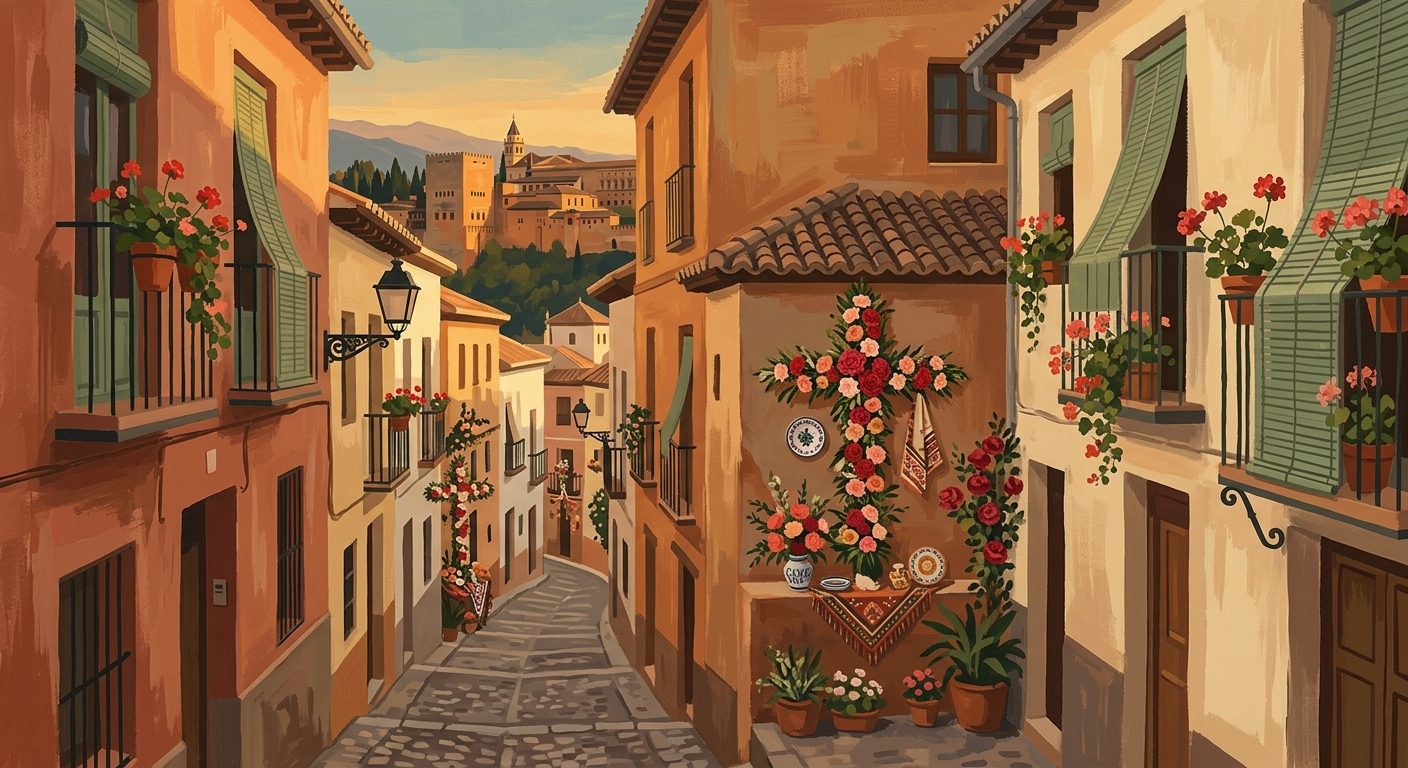
Cruces de Mayo in Granada: A Complete Guide
Discover how Granada transforms during the Cruces de Mayo festival. We detail where to find the most spectacular floral crosses, the local traditions to observe, and how to navigate the celebrations.
9 min read
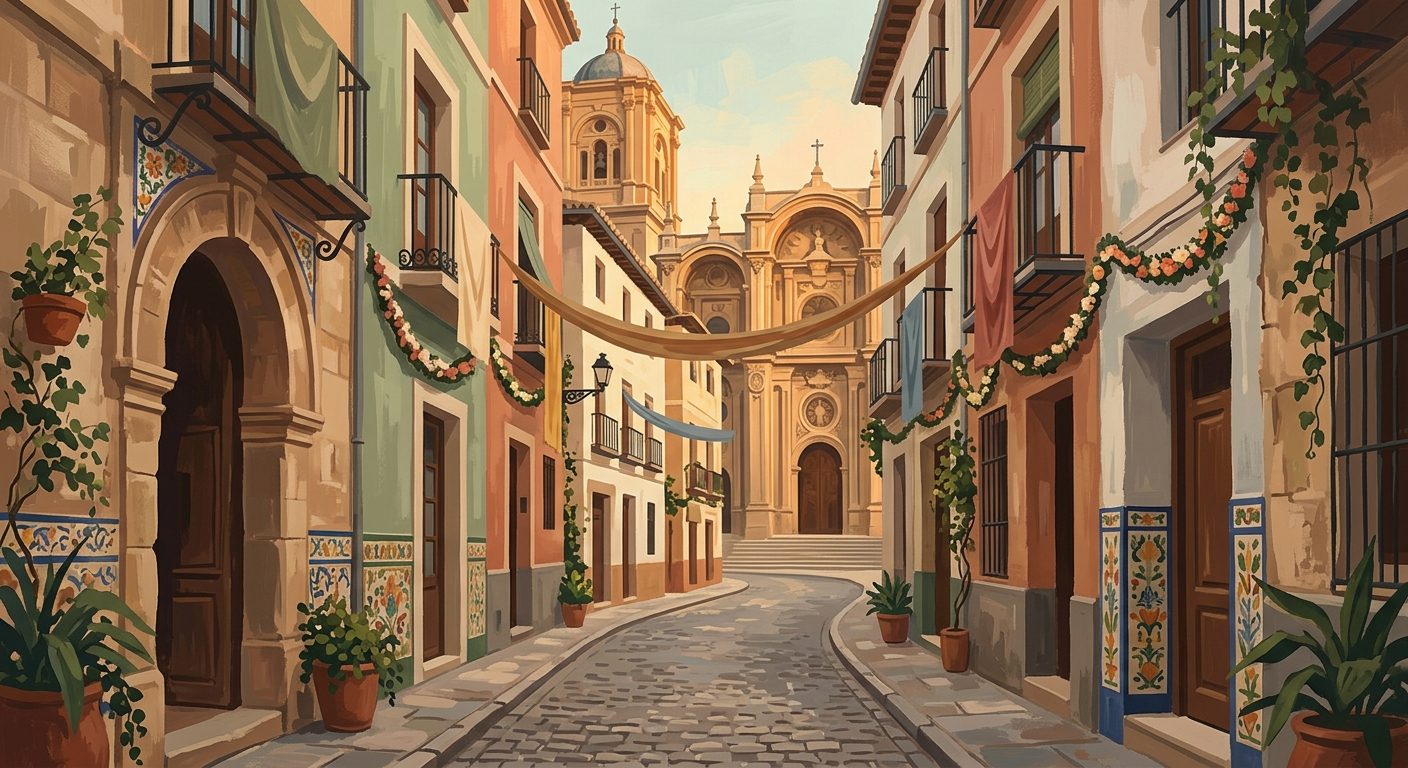
Corpus Christi in Granada: The Definitive Guide
In Granada, Corpus Christi is far more than a solemn religious observance. It is the city's largest annual festival, combining the scent of fresh rosemary crushed underfoot during the sacred Thursday procession with the unapologetic joy of the week-long public feria in Almanjáyar.
10 min read
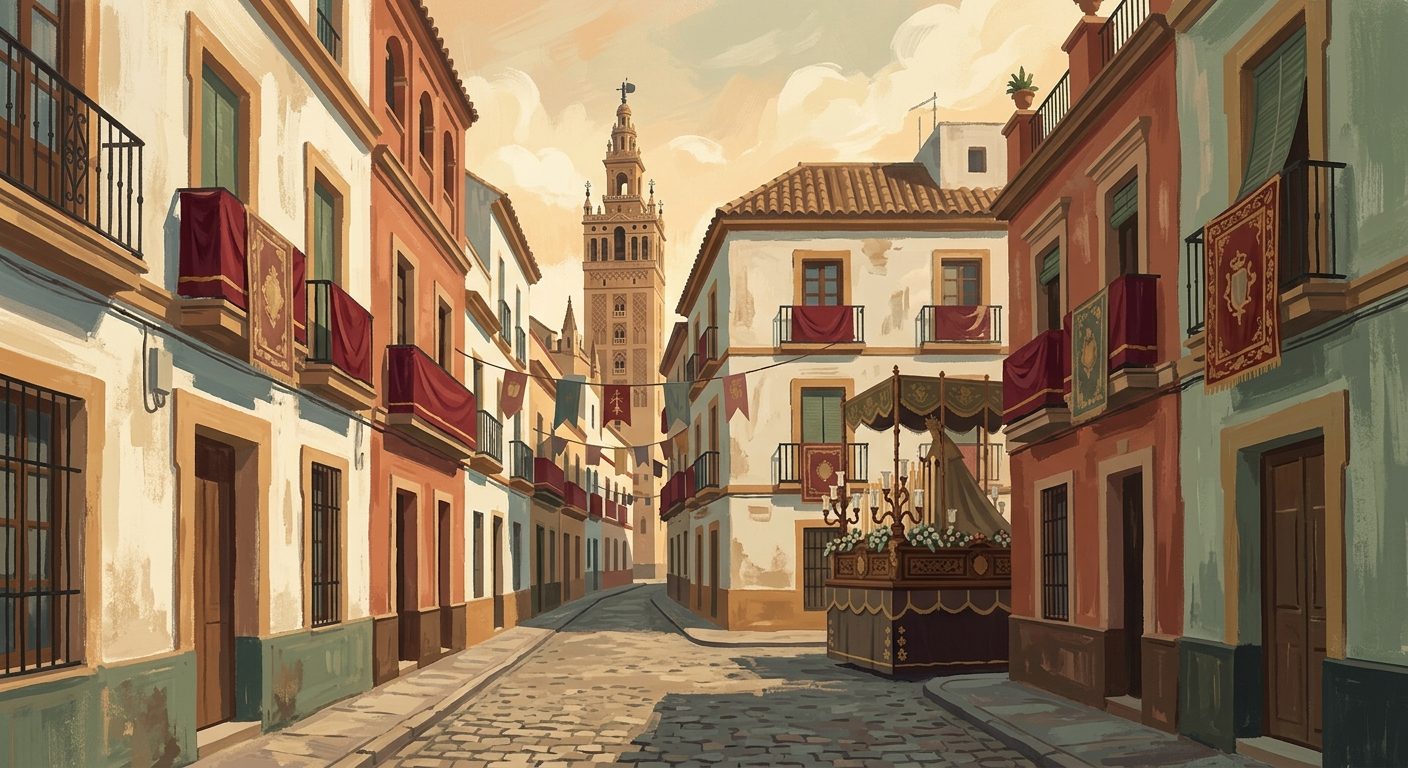
Semana Santa in Sevilla: A First-Timer's Guide
Semana Santa in Sevilla is an intense expression of faith, art and civic identity. Unlike other cities, the spectacular wooden floats are carried from below by hidden costaleros, moving to the slow beat of mourning marches or absolute silence.
8 min read
More from Córdoba
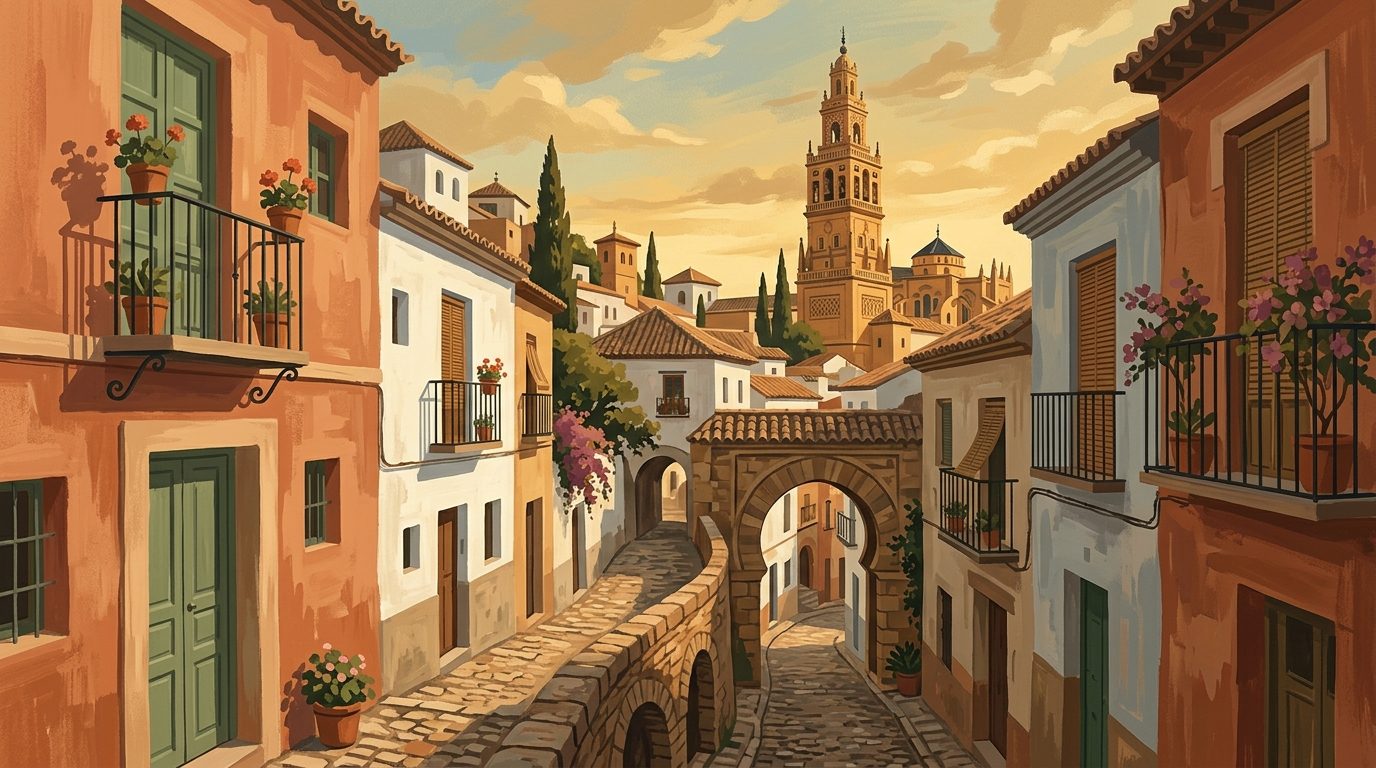
The Caliphate of Córdoba
In 929, Abd al-Rahman III declared himself Caliph, breaking religious ties with the Middle East and launching an era of unparalleled architectural and intellectual achievement.
8 min read
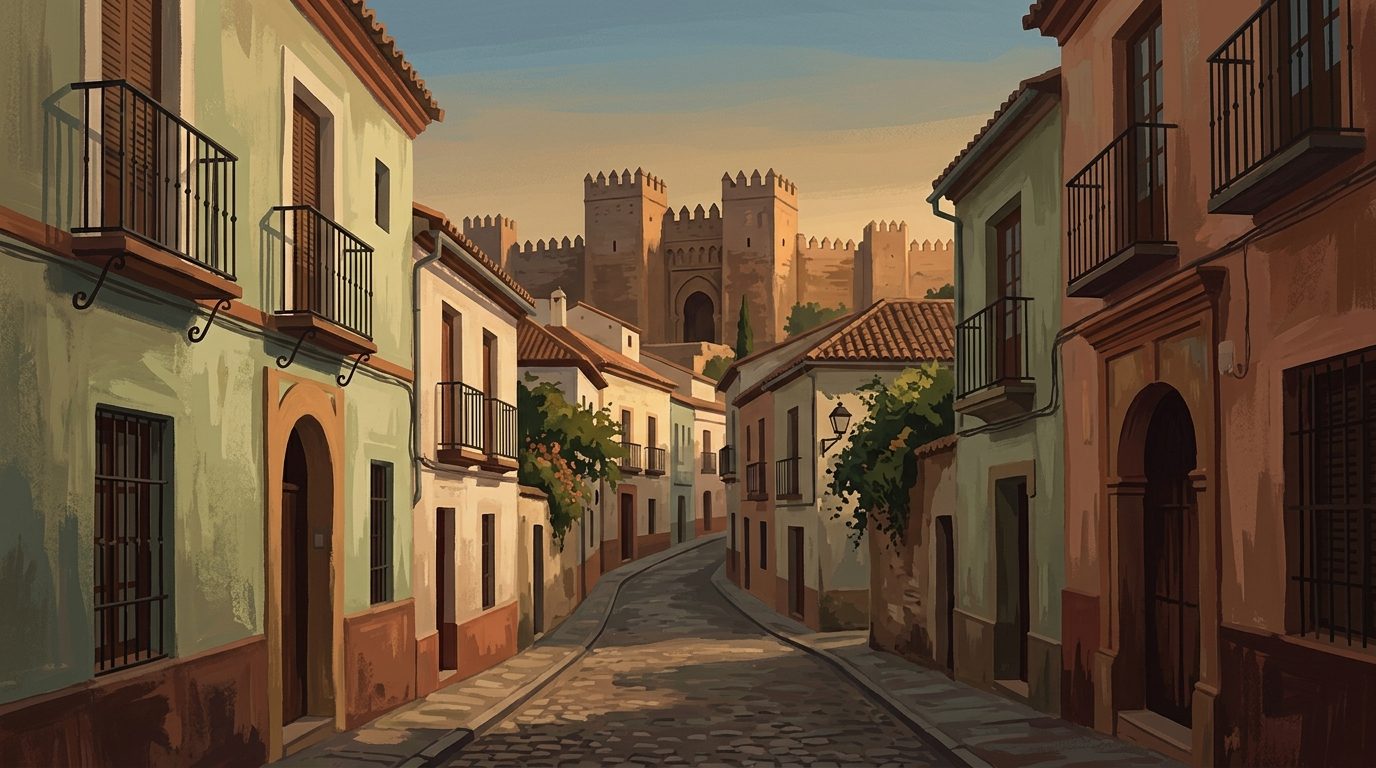
The Fall of Córdoba, 1236
In 1236, a daring winter raid by Castilian frontiersmen escalated into a full siege of the former Umayyad capital. The subsequent surrender of Córdoba marked a decisive turning point in the medieval history of the Iberian Peninsula.
8 min read
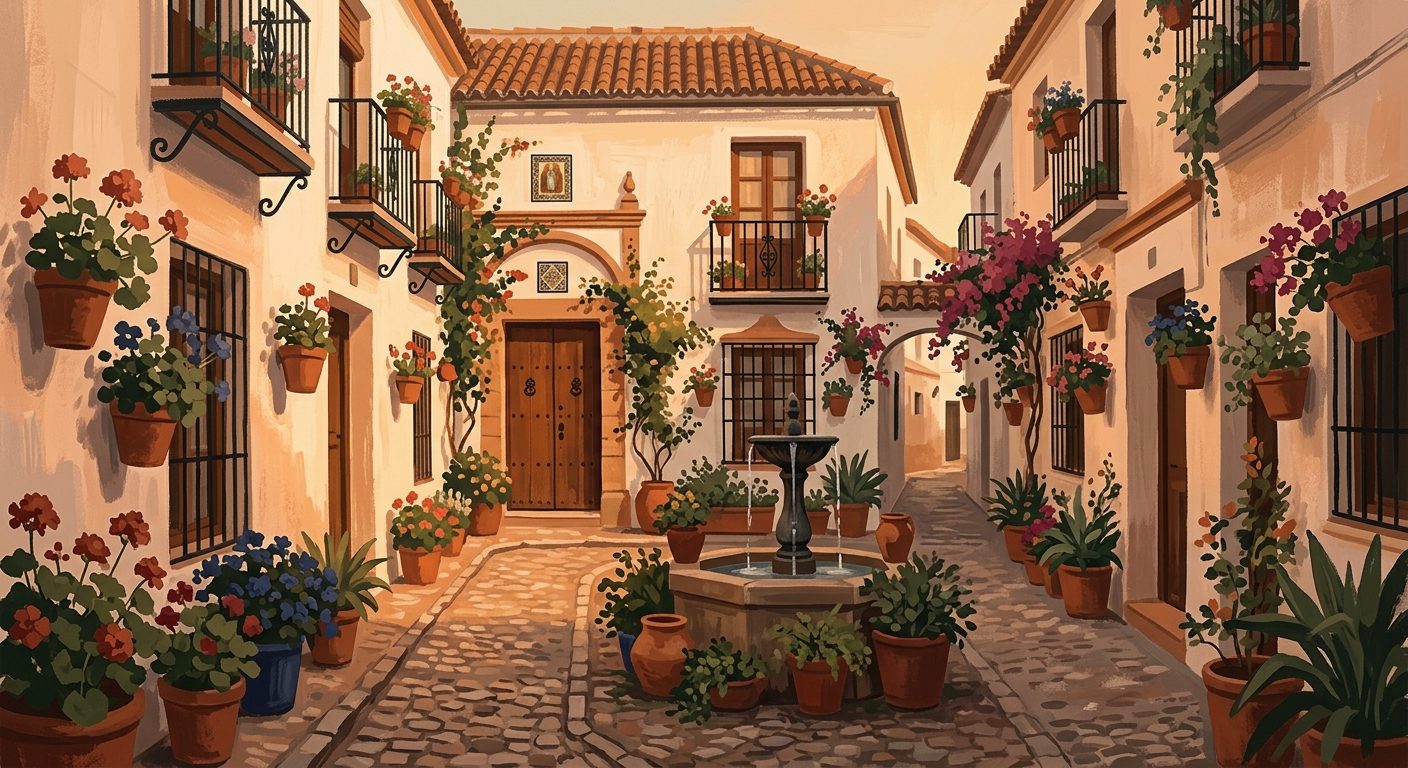
A Guide to the Patios de Córdoba
While other Andalucían festivals celebrate grand public spectacles, the Patios de Córdoba invite you into the most intimate of domestic spaces: the floral courtyards of private family homes.
10 min read
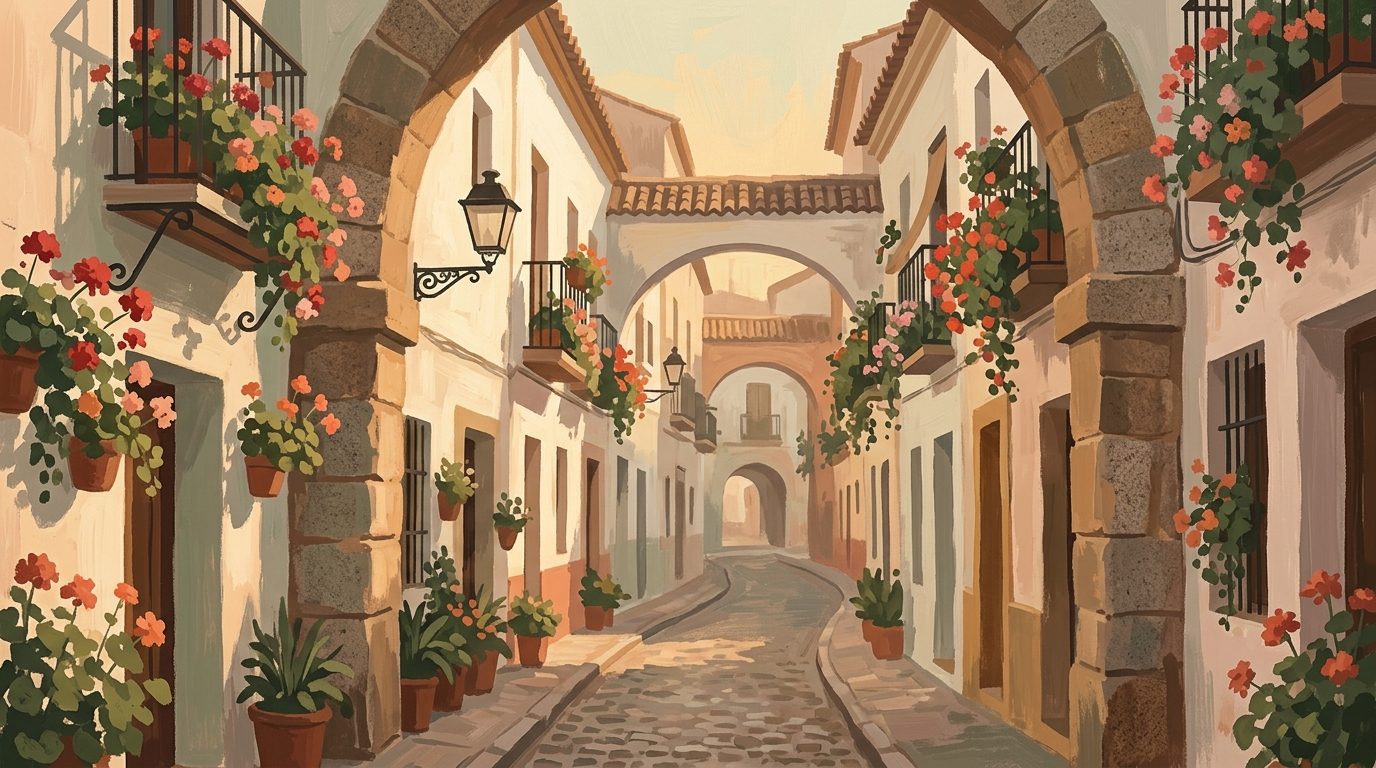
The Granite and the Geranium: The Fragile Geometry of Córdoba’s May
For two weeks in May, Córdoba’s residents throw open the doors of their private courtyards, turning a city of stone into a living, breathing laboratory of botanical obsession.
6 min read
Newsletter
More stories from Andalucía
Weekly notes, seasonal picks, and the next guides worth bookmarking.