
c. 600-200 BC
Iberians
Who were the sophisticated, iron-working peoples who controlled southern Spain before the Roman conquest? Their fortified hill towns and striking stone sculptures reveal a formidable culture caught between ancient local traditions and Mediterranean ambition.
The Iberian world was not a single kingdom with one capital. In Andalucía it is easier to understand it through local societies, hilltop settlements, cemeteries, sculpture, trade, and contact with Phoenician, Greek, Carthaginian, and later Roman networks.
The Dama de Baza is one of the clearest entry points for this period because it shows the level of elite funerary art in south-eastern Iberia. Cástulo, near Linares, is another key reference because it sits on the route between mining wealth, inland power, and later Roman control.
For travellers, the period often appears in museums rather than as a complete site visit. Pair this page with Jaén, Granada, and provincial archaeology collections before building an itinerary around specific remains.
4 chapters in this era
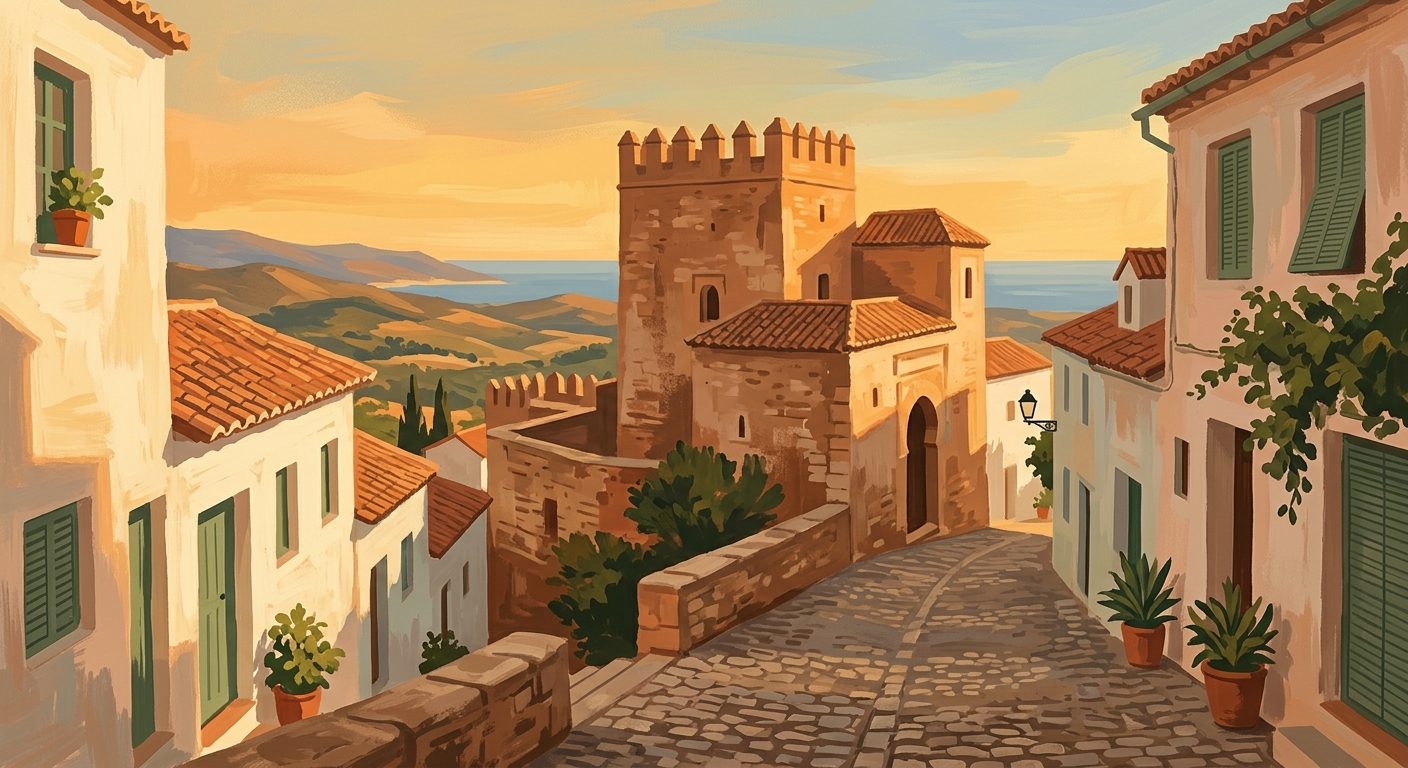
Iberian Warriors and Mercenaries: The Falcata and the Battlefield
The Iberian warrior was prized across the ancient Mediterranean for his martial skill and deadly iron weaponry. From the Punic Wars to the high sanctuaries of the Andalucían interior, their legacy survives today in bronze votive offerings and curved blades.
7 min read
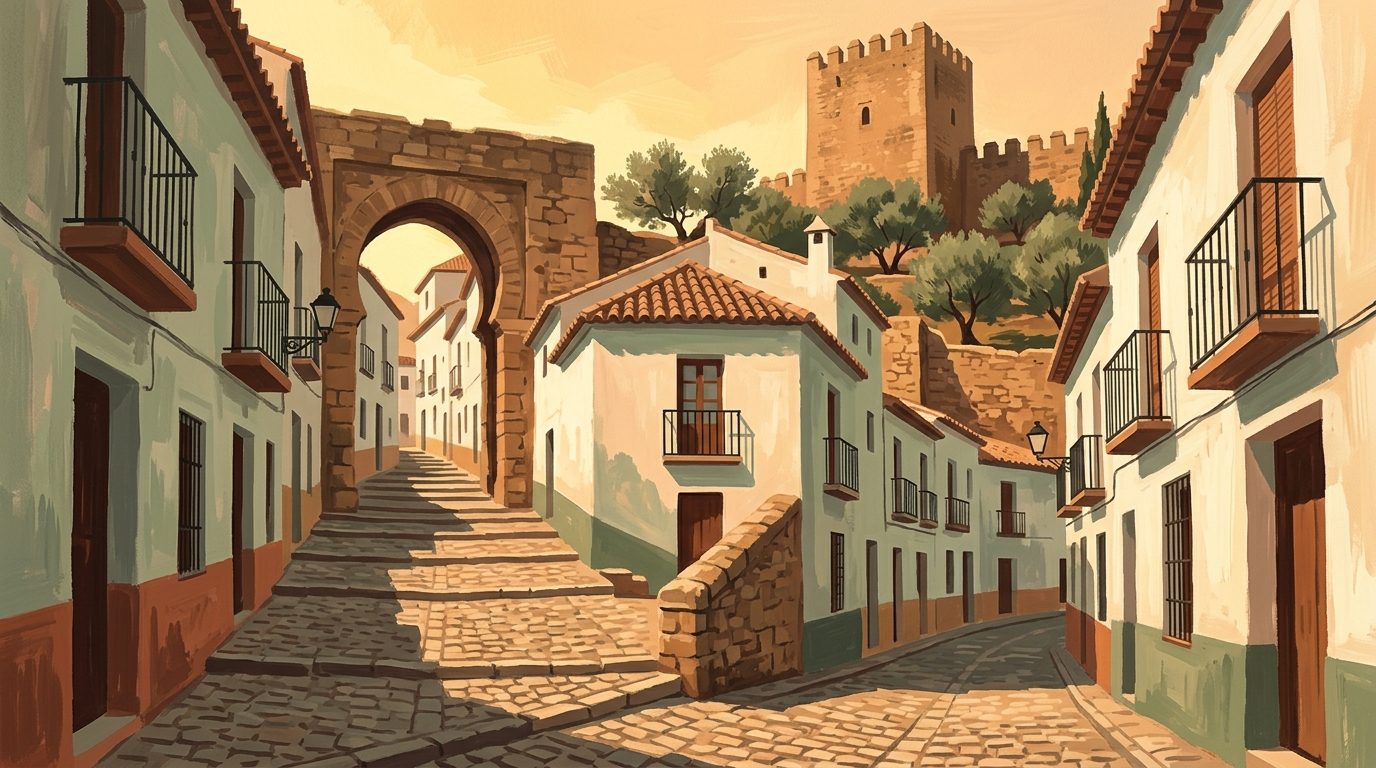
Iberian Cities and Oppida: The Fortified Hilltop Towns of Andalucía
The ancient Iberians transformed the landscape of southern Spain with massive fortified settlements known as oppida. These hilltop towns were the centres of a powerful aristocratic society built on agriculture, mining and Mediterranean trade.
7 min read
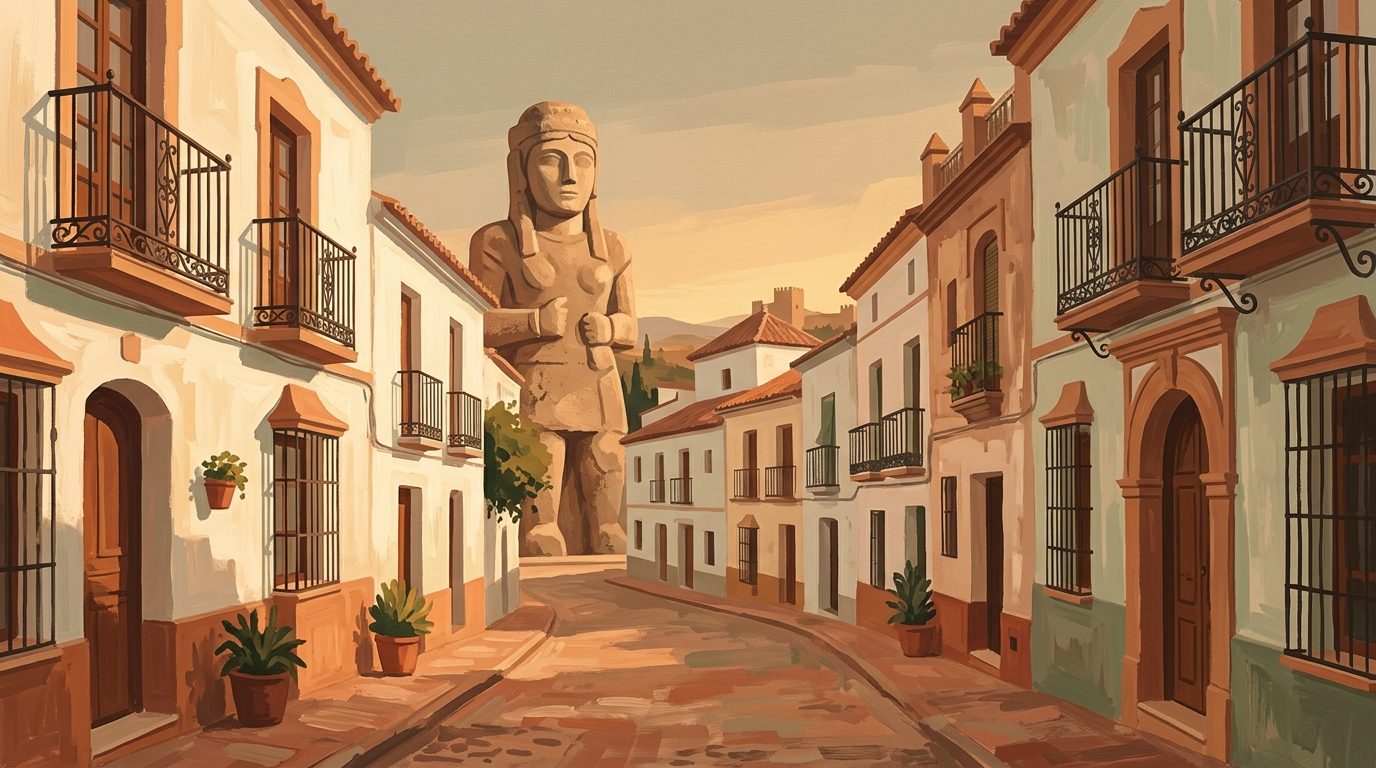
Iberian Art and Sculpture: The Great Ladies and Warrior Shrines
The monumental stone carvings of the Iberians reveal a society deeply concerned with lineage, divine protection, and the afterlife.
7 min read
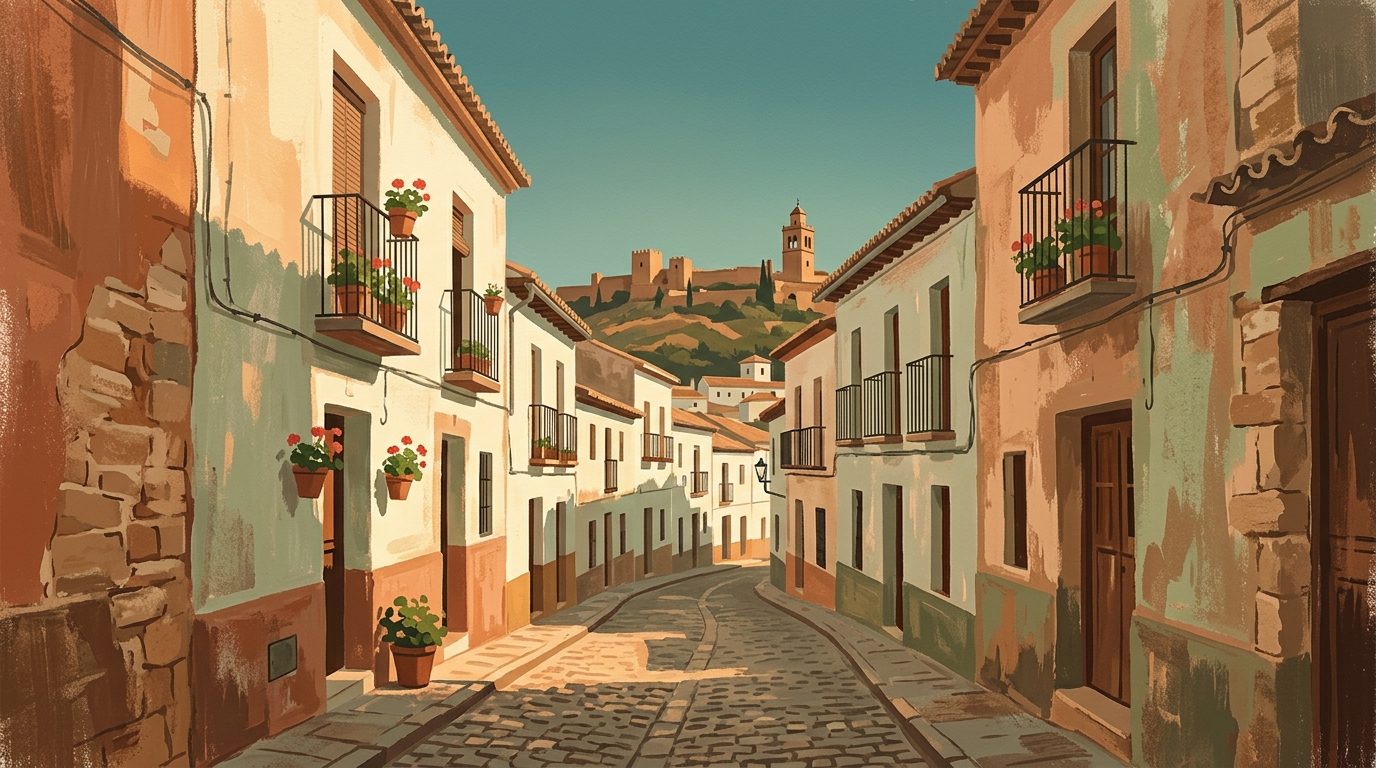
The Turdetani and Bastetani: Indigenous Peoples of Pre-Roman Andalucía
Before the Roman legions marched across the Iberian Peninsula, southern Spain was divided among powerful indigenous confederations. The Turdetani and Bastetani emerged as the dominant forces of this era, leaving behind written laws, monumental stone sculptures, and wealthy towns.
7 min read