
Feature
Iberian Art and Sculpture: The Great Ladies and Warrior Shrines
The monumental stone carvings of the Iberians reveal a society deeply concerned with lineage, divine protection, and the afterlife.
By Dan · Updated 21 June 2026 · 7 min read
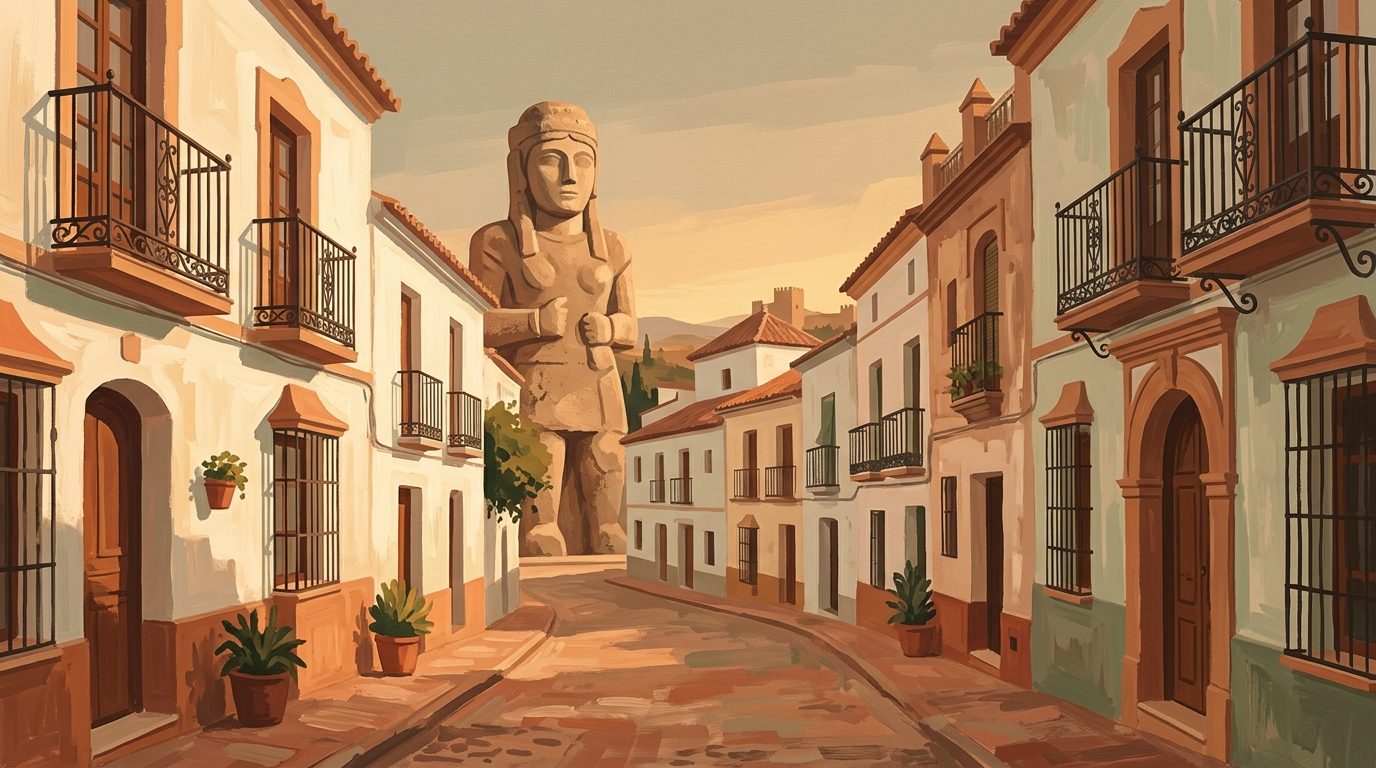
The monumental stone carvings of the Iberians reveal a society deeply concerned with lineage, divine protection, and the afterlife. From elaborately dressed matriarchs to dynamic warrior conflicts, these sculptures offer a silent but commanding window into an indigenous culture that thrived long before the arrival of Rome.
In July 1971, archaeologists working at the Cerro del Santuario necropolis in northern Granada uncovered a stone figure that would completely redefine the understanding of pre-Roman art in the Iberian Peninsula. Buried deep within a tomb was a life-sized limestone statue of a woman seated on a winged throne. She wore heavy mantles, massive disc-shaped earrings, and multiple necklaces of intricate beads. Her gaze had been hidden in the earth for over two millennia. This was the Lady of Baza. She belonged to the culture of the Iberians (c. 600 to 200 BC), an Iron Age people who controlled the eastern and southern coastlines of the peninsula, including the lands of modern Andalucía.
The statue was far more than just a monument. A small cavity carved into the right side of the throne contained cremated human remains, revealing that this magnificent sculpture was a functioning cinerary urn. In her hand, she held a small pigeon, a symbol often associated with divinity and the afterlife. The discovery provided irrefutable proof that the highly developed sculptural traditions of the region were inextricably linked to complex funerary rituals and the veneration of aristocratic ancestors.
A Society Set in Stone
The sudden flourishing of monumental stone sculpture among these communities remains one of the most fascinating artistic developments in European antiquity. Prior to the sixth century BC, indigenous art was largely confined to small-scale ceramics and rudimentary metalwork. However, as trade networks expanded across the Mediterranean, bringing Phoenician and Greek merchants to the southern coasts, local chieftains grew incredibly wealthy. They exchanged silver, copper, and agricultural surplus for luxury goods, wine, and exotic oils. This newly consolidated aristocratic class needed a visual language to legitimise their power and project their divine right to rule. They found it in stone.
Iberian sculptors borrowed stylistic elements from Eastern Mediterranean cultures. The almond-shaped eyes, the stiff, archaic smiles, and the use of mythical beasts like sphinxes and griffins all point to heavy Phoenician and Greek influence. Yet, the final products were entirely indigenous. The sculptors adapted these foreign motifs to suit local religious beliefs and social structures, creating a visual culture that was distinctly their own. They worked primarily in local limestone and sandstone, carving blocks that were originally painted in bright, striking colours. Traces of red, blue, and ochre still cling to the folds of the Lady of Baza's garments today.
The Enigmatic Damas
The most famous expressions of this artistic tradition are the Great Ladies, known as the "Damas". These busts and full-body statues represent women of high status, adorned in incredibly elaborate ritual clothing. While the Lady of Baza is arguably the most archaeologically significant because she was excavated from her undisturbed original context, she belongs to a broader tradition that includes the famous Lady of Elche. Although found just outside the borders of modern Andalucía in the province of Alicante, the Lady of Elche shares the exact cultural and stylistic DNA of her southern counterparts.
The identity of these women is a subject of ongoing historical debate. Early twentieth-century scholars often interpreted them as goddesses of fertility or death, pointing to the cavity in the Lady of Baza as evidence of her role as a divine receptacle for the soul. Modern archaeologists, however, increasingly view them as representations of real aristocratic women, perhaps priestesses or matriarchs of powerful ruling lineages. The sheer weight and complexity of their jewellery, including the iconic wheel-shaped hairpieces known as "rodetes", indicate an individual displaying the accumulated wealth of her family. When these matriarchs died, their idealised portraits were placed in monumental tombs to watch over their descendants and serve as focal points for local ancestor worship.
Warriors, Wolves and Sphinxes
While the Damas represented the serene, ritual authority of the elites, the other major theme in this sculptural tradition was martial prowess and heroic combat. The Iberians were a highly militarised society, and their chieftains often chose to be immortalised in the midst of battle. The most spectacular evidence of this comes from the Cerrillo Blanco site at Porcuna, located in the province of Jaén. Here, archaeologists discovered a massive deposit of deliberately smashed statues dating to the fifth century BC.
When pieced back together, the fragments revealed a monumental sculptural group depicting warriors engaged in fierce hand-to-hand combat. The figures are dynamic and muscular, showing men wielding curved falcata swords and carrying small circular shields known as caetras. Some warriors are depicted striking down enemies, while others struggle with mythological beasts. The Porcuna sculptures likely formed a "heroon", a monumental shrine dedicated to a deified ancestor or mythical founder of the ruling dynasty.
Interestingly, the statues were intentionally mutilated and buried around 400 BC. Historians debate the cause of this destruction. It could have been the result of an internal uprising, a dynastic shift, or a conquest by a rival tribe who sought to obliterate the visual symbols of the previous rulers. Alongside the warriors, tombs were frequently guarded by fearsome stone beasts. Bicephalic wolves, lions with bared teeth, and winged sphinxes were placed at the entrances of burial mounds to ward off evil spirits and protect the sanctity of the grave. The monument at El Pajarillo, also in Jaén province, features a heroic figure defending a sacred precinct against a massive stone wolf, symbolising the eternal struggle between order and chaos.
The Intimate Art of the Ex-Voto
Monumental stone carving was largely the preserve of the aristocracy, but a different artistic tradition flourished among the wider population. Across the rugged hills of the Sierra Morena, particularly at sanctuary sites like Castellar de Santisteban and the Despeñaperros pass, people offered thousands of small bronze figurines to their gods. These "ex-votos" offer a much more intimate look at the society.
Ranging from just a few centimetres to roughly twenty centimetres in height, these figures were cast using the lost-wax technique. Unlike the highly formal stone statues, the bronzes are highly stylised and sometimes entirely abstract. They depict men and women in attitudes of prayer, with arms outstretched or hands placed over their hearts. Some figures bring offerings of flatbreads or small animals, while others emphasise specific body parts, likely appealing to the gods for physical healing. The sheer volume of these figures indicates that religious practice was highly participatory. Pilgrims from surrounding settlements would travel to these rural sanctuaries, which were often located near springs or mountain caves, to leave their bronze prayers. The contrast between the imposing stone monuments of the plains and the massed bronze figures of the mountain shrines highlights the dual nature of their religious life.
Where to see it today
The dispersal of these archaeological finds means that a comprehensive understanding of the topic requires visiting a few key institutions. The surviving artefacts offer a direct physical connection to this ancient society.
Museo Arqueológico Nacional (Madrid): While located outside Andalucía, this museum is the essential repository for the most famous pieces of Iberian art. The Lady of Baza and the Lady of Elche are both displayed here in a dedicated, climate-controlled gallery. Visitors can examine the intricate detailing of the Lady of Baza's carved jewellery and the painted geometric patterns that still survive on the back of her throne. The museum also holds a vast collection of bronze ex-votos from the Despeñaperros sanctuaries, displayed en masse to replicate the feeling of an ancient shrine.
Museo de Jaén: For monumental warrior sculpture, this museum is unparalleled. The ground floor houses the extraordinary reconstructed figures from the Cerrillo Blanco at Porcuna. Seeing the dynamic combat scenes up close allows you to appreciate the skill of the carvers and the sheer violence depicted in the stone. The museum also displays the monumental group from El Pajarillo, including the heroic defender and the great stone wolf.
Museo Arqueológico de Granada: Located in the Renaissance Casa de Castril, this institution provides excellent context for the Lady of Baza's discovery. While the original statue resides in Madrid, the museum displays many of the grave goods found alongside her, as well as a high-quality replica of the Lady herself. Visitors can view the painted pottery, imported Greek ceramics, and iron weapons that accompanied the aristocratic burial, offering a broader view of the funerary culture in the Granada region.
If you visit
The province of Jaén offers the highest concentration of sites and museums related to this culture within modern Andalucía. The Museo de Jaén is best visited on a weekday morning when the galleries are quietest, allowing you to examine the Porcuna sculptures without interruption. From there, it is highly recommended to drive to the actual archaeological site of Cerrillo Blanco in Porcuna, which features a modern visitor centre explaining the excavation and destruction of the statues. Spring and autumn are the ideal seasons for exploring the outdoor archaeological sites in the Jaén countryside, as the summer temperatures in the Guadalquivir valley frequently exceed forty degrees Celsius. Keep in mind that most provincial museums are closed on Mondays, and some may have shortened hours on Sundays; check the official Museos de Andalucía portal before travelling for specific holiday closures.
Last reviewed: 21 June 2026 · Editorial policy
Related guides
The Long Decline and Final Abolition of the Inquisition in Andalucía
The twilight of the Holy Office was a slow, bureaucratic fading rather than a sudden collapse. Enlightenment ideals and political upheaval finally dismantled a system that had overseen centuries of religious orthodoxy.
8 min read
The Iberians in Andalucía: Warlords, Sculptors and the Dawn of Iron
Who were the sophisticated, iron-working peoples who controlled southern Spain before the Roman conquest? Their fortified hill towns and striking stone sculptures reveal a formidable culture caught between ancient local traditions and Mediterranean ambition.
6 min read
The Museum and the Metropolis: Málaga’s Radical Reinvention
Once a gritty industrial port and a mere transit hub for the Costa del Sol, Málaga has spent two decades undergoing a radical cultural transformation that has turned it into a global art capital.
7 min read
Ink and Olive Groves: A Literary Journey through Andalucía
Discover the literary heart of Southern Spain, from the tragic poetry of Lorca in Granada to Hemingway’s dramatic Ronda and the contemplative prose of Machado in Sevilla.
10 min read
The Auto-da-Fé in Andalucía: Spectacle and Judgement
The auto-da-fé was not merely a trial, but a highly choreographed spectacle of religious and political power. Across the great squares of Sevilla, Córdoba and Granada, these public acts of faith transformed the grim mechanics of judgement into grand urban theatre.
8 min read
Expulsion of the Jews and the Conversos
The Alhambra Decree of 1492 forced a devastating ultimatum upon the Jewish population of Andalucía: exile or conversion. For those who chose baptism, the decision marked the beginning of centuries of relentless inquisitorial surveillance.
7 min read
More guides
UNESCO World Heritage Sites in Andalucía
A curated guide to the cultural and natural sites in Andalucía recognised by UNESCO for their universal value. These landmarks offer a profound insight into the diverse civilisations of the region.
6 min read
The Best Beaches in Andalucía
From the Atlantic dunes of Huelva to the volcanic coves of Almería, the coastline of southern Spain offers an unparalleled variety of maritime landscapes.
6 min read
Phoenicians and Tartessians in Andalucía
Around three thousand years ago, eastern Mediterranean merchants arrived on the Iberian coast seeking silver and copper. Their arrival sparked a cultural collision that transformed local chiefdoms into the legendary civilisation of Tartessos.
6 min read
Roman Andalucía: Ruins and Archaeological Sites
Discover the monumental legacy of the Roman province of Baetica, from grand amphitheatres in the Guadalquivir valley to maritime cities on the Atlantic coast.
7 min read
Geological Wonders: Caves and Karst Landscapes of Andalucía
Discover the subterranean wonders and prehistoric secrets preserved within the limestone massifs and gypsum deposits of southern Spain.
6 min read
Castles and Fortresses of Andalucía
The fortresses of Andalucía are the stone guardians of a complex past, marking the ancient frontiers between empires and offering some of the most spectacular views in the southern peninsula.
6 min read
UNESCO Geoparks and Natural Wonders of Andalucía
Discover the geological heritage of Southern Spain through its UNESCO-designated geoparks and natural wonders. Explore the tectonic history and diverse ecosystems of Almería, Granada, and Cádiz.
6 min read
Cathedrals and Great Churches of Andalucía
A guide to the monumental religious architecture of Southern Spain, from the vast Gothic nave of Sevilla to the Renaissance masterworks of Jaén and Granada.
6 min read
The White Villages of Andalucía: A Guide to the Pueblos Blancos
Discover the iconic white villages of Cádiz and Málaga, where lime-washed houses and narrow Moorish streets define the rugged mountain landscape of Andalucía.
6 min read
Newsletter
More stories from Andalucía
Weekly notes, seasonal picks, and the next guides worth bookmarking.