
Feature
Iberian Warriors and Mercenaries: The Falcata and the Battlefield
The Iberian warrior was prized across the ancient Mediterranean for his martial skill and deadly iron weaponry. From the Punic Wars to the high sanctuaries of the Andalucían interior, their legacy survives today in bronze votive offerings and curved blades.
By Dan · Updated 24 June 2026 · 7 min read
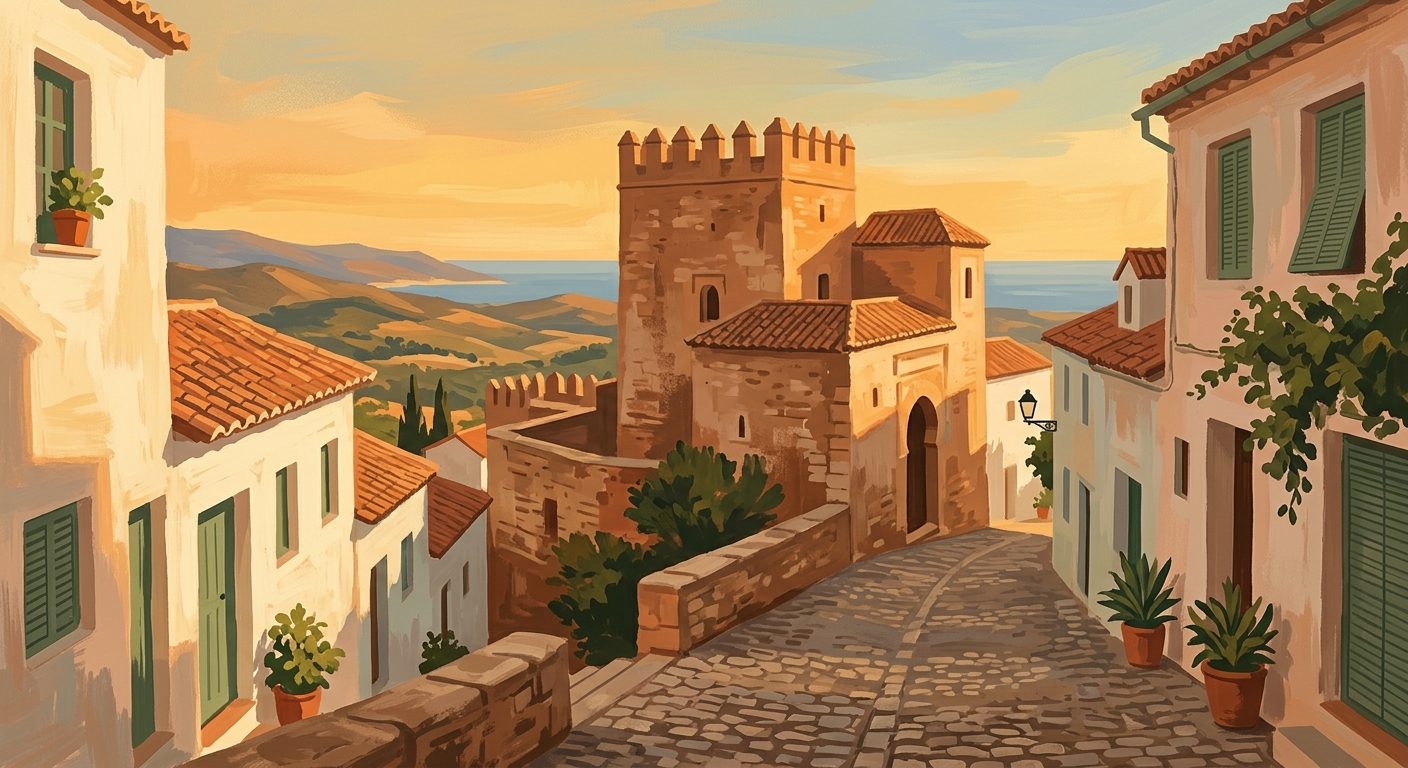
The Iberian warrior was highly prized across the ancient Mediterranean for his martial skill and deadly iron weaponry. From the Punic Wars to the high sanctuaries of the Andalucían interior, their legacy survives today in bronze votive offerings and the devastatingly effective curved blades they left behind.
To a Roman legionary or a Carthaginian general, the sight of an Iberian infantryman carrying a curved sword commanded immediate respect. These indigenous fighters from the southern and eastern coasts of the Iberian Peninsula were not merely local defenders of their rural settlements. During the Iberian era (circa 600 to 200 BC), when distinctive and powerful hillfort societies emerged across what is now Andalucía, these men became some of the most sought-after mercenaries in the ancient Mediterranean world.
The Iberian warrior elite forged a martial culture that placed immense value on individual heroism, unyielding loyalty to a chieftain and exceptional skill at arms. They marched in the armies of Hannibal at the Battle of Cannae and later served as essential auxiliaries for the Roman Republic. Today, they leave a trail of archaeological evidence stretching from the battlefields of Sicily to the deep interior of the Guadalquivir valley. Their reputation was built upon a combination of agile hit-and-run tactics, highly developed horsemanship and advanced iron-working technology. By examining the ruined weapons placed in their aristocratic tombs and the small bronze figurines they left at remote mountain shrines, modern historians can reconstruct a society where warfare was both a practical profession and a deeply spiritual undertaking.
The Iron Masters and the Falcata
The foundation of the Andalucían Iberian military reputation was exceptional metallurgy. The region was immensely wealthy in mineral deposits, particularly in the foothills of the Sierra Morena, and Iberian blacksmiths developed techniques to produce iron of remarkable flexibility and hardness. The most famous product of their forges was the falcata.
This single-edged sword featured a distinctive forward-curving blade designed to deliver a concussive chopping blow. The heavy blade distributed weight much like an axe, generating massive kinetic energy, while still retaining the sharp edge and pointed tip of a traditional sword. Classical historians noted the sheer terror these weapons inspired, documenting how a downward strike from a falcata could cleave through standard wooden shields and split bronze helmets down to the collarbone. Ancient sources record that Iberian smiths would bury iron plates in the damp earth for months, allowing the weaker, impure metal to rust away. They would then take the surviving core of high-quality iron and forge it into these devastating weapons.
A fully equipped Iberian warrior carried more than just a sword. Infantrymen typically bore the caetra, a small and circular shield made of wood, leather and metal. It was light enough to be highly manoeuvrable in close combat, allowing the fighter to deflect blows and strike back rapidly. For ranged attacks, they relied on the soliferrum. This was a heavy javelin forged entirely from a single piece of iron, from the barbed tip to the base. The immense weight of the soliferrum meant it could pierce almost any armour of the period when thrown at short range, designed to shatter enemy shield walls just moments before the Iberian infantry charged into the breached lines.
Tactics on the Mediterranean Battlefield
Rather than relying on the rigid, slow-moving phalanx formations favoured by Greek and early Roman armies, Iberian troops excelled at fluid and open-order combat. They utilised the rugged terrain of their homeland to their advantage, executing rapid ambushes, feigned retreats and sudden counter-attacks. Roman commanders fighting in the peninsula found this style of warfare particularly frustrating. They often noted how Iberian infantry could strike with brutal force, dissolve into the surrounding landscape to avoid a pitched battle, and then reform rapidly to attack from an entirely unexpected direction.
These specific combat skills made Andalucían fighters highly desirable as hired troops. As early as the fifth century BC, Iberian contingents were travelling across the sea to fight in Sicily for Greek tyrants, earning silver and prestige to bring back to their local chieftains. Their most famous historical deployment came during the Second Punic War, when the Carthaginian Empire recruited thousands of them to fight against Rome. The Barcid family, including the famed general Hannibal, leveraged the immense silver wealth of Andalucía to fund their armies and hire local tribesmen.
Classical authors like Polybius in his Histories and Diodorus Siculus described these men on the march, noting their distinctive white linen tunics bordered with purple bands. During Hannibal's legendary campaign over the Alps and into Italy, he relied heavily on his Iberian infantry and cavalry. At the decisive Battle of Cannae, Iberian swordsmen stood at the very centre of the Carthaginian line alongside Celtic allies. They were tasked with absorbing the massive, terrifying pressure of the advancing Roman legions, a desperate holding action that facilitated one of the greatest military encirclements in ancient history.
Aristocracy, Tombs and the Devotio
Warfare in Iberian society was intrinsically linked to social hierarchy and religious belief. At the top of the social pyramid sat a warrior aristocracy who controlled the agricultural wealth of the river valleys and the lucrative trade routes leading to the coast. These noble chieftains maintained large retinues of professional fighters bound to them by a sacred, life-long oath known as the devotio.
A warrior swearing the devotio dedicated his life entirely to his leader, promising to protect him in battle at all costs. The oath was not merely a military contract but a religious pledge to the gods. If the chieftain fell in combat, the surviving retainers were expected to take their own lives on the battlefield. Their failure to protect their lord was viewed as a profound spiritual disgrace, and dying alongside him was the only way to honour the sacred pact.
This profound connection between the martial and the spiritual is highly visible in their burial practices. When an aristocratic warrior died, his body was cremated, and his ashes were placed in an urn beneath a large stone monument or tumulus. His prized weapons were buried with him, but they were never left intact. Blacksmiths or mourners would heat the falcatas and soliferrums and physically bend, fold or break them. By destroying or "killing" the weapons, the Iberians ensured they could not be used by the living and would effectively travel into the afterlife to serve their master once again.
The dedication of these warriors is also recorded at high-altitude sanctuaries established in the mountainous passes of Andalucía. At remote shrines, worshippers deposited thousands of small bronze figurines known as ex-votos. A large proportion of these represent male warriors standing proudly with their falcatas drawn and their caetra shields raised. These offerings were likely deposited to seek divine protection before a harsh military campaign or to give thanks to the gods for a safe return from foreign lands.
Where to see it today
The finest surviving evidence of this ancient military culture is housed in the Museo de Jaén. This exceptional institution holds the spectacular sculptural group recovered from Cerrillo Blanco in the town of Porcuna. These life-sized stone carvings date back to the fifth century BC and depict aristocratic warriors engaged in heroic, mythological combat. One famous fragment shows a man wrestling a mythical griffin, while other pieces show highly detailed hand-to-hand combat between soldiers. These sculptures provide historians with invaluable visual details regarding how Iberian armour, tunics, crested helmets and weapons were worn in practice.
The Museo de Jaén also displays a formidable collection of original falcatas recovered from aristocratic burials across the province. Looking closely at the displays, you can see the intricate silver inlay that often decorated the iron blades and the complex hilts, which were frequently shaped like the heads of horses or predatory birds. Furthermore, the museum contains hundreds of the bronze warrior ex-votos recovered from the nearby mountain sanctuary of Collado de los Jardines, providing a haunting visual record of the men who marched to war over two millennia ago.
Further south, while the main building of the Museo Arqueológico de Sevilla is currently undergoing a significant long-term renovation, select highlights from its Iberian and Turdetanian collections are currently housed at the Convento de Santa Inés (check the 'Museos de Andalucía' official portal for the 'Colección de Obras Maestras' schedule before travelling). These collections provide excellent context for the broader society that supported and armed these fighters. Artefacts from the Guadalquivir valley highlight the immense agricultural and metallurgical wealth of the local Turdetanian people, who were part of the wider Iberian cultural sphere. Visitors can often view grave goods from warrior burials, including rusted iron spearheads, heavy shield bosses and imported Greek pottery. These luxury ceramic imports clearly demonstrate how returning mercenaries brought foreign wealth and new aesthetic tastes back to their home settlements in Andalucía.
If you visit
To fully appreciate the scale and craftsmanship of Iberian military artefacts, prioritise a trip to the Museo de Jaén. The museum is located in the provincial capital and requires at least two hours to properly explore the dedicated Iberian galleries on the ground floor. It operates year-round, though the most comfortable time to explore the surrounding province and its outdoor archaeological sites is during the cooler months of spring or autumn. Be sure to check the regional cultural website for current opening times before planning your itinerary, as the museum traditionally closes its doors on Mondays and public holidays.
Last reviewed: 21 June 2026 · Editorial policy
Related guides
Ink and Olive Groves: A Literary Journey through Andalucía
Discover the literary heart of Southern Spain, from the tragic poetry of Lorca in Granada to Hemingway’s dramatic Ronda and the contemplative prose of Machado in Sevilla.
10 min read
The Auto-da-Fé in Andalucía: Spectacle and Judgement
The auto-da-fé was not merely a trial, but a highly choreographed spectacle of religious and political power. Across the great squares of Sevilla, Córdoba and Granada, these public acts of faith transformed the grim mechanics of judgement into grand urban theatre.
8 min read
Expulsion of the Jews and the Conversos
The Alhambra Decree of 1492 forced a devastating ultimatum upon the Jewish population of Andalucía: exile or conversion. For those who chose baptism, the decision marked the beginning of centuries of relentless inquisitorial surveillance.
7 min read
Foundation of the Sevilla Inquisition Tribunal
In 1478, a papal bull established the Spanish Inquisition. Sevilla became the testing ground for a systematic pursuit of heresy that would define an era.
7 min read
Historical Memory and Exhumations in Andalucía: Unearthing the Past
For decades, the earth of southern Spain held the silent victims of systematic repression. Today, meticulous forensic exhumations are restoring names and dignity to thousands who lay forgotten in unmarked mass graves.
7 min read
The Long Decline and Final Abolition of the Inquisition in Andalucía
The twilight of the Holy Office was a slow, bureaucratic fading rather than a sudden collapse. Enlightenment ideals and political upheaval finally dismantled a system that had overseen centuries of religious orthodoxy.
8 min read
More guides
UNESCO World Heritage Sites in Andalucía
A curated guide to the cultural and natural sites in Andalucía recognised by UNESCO for their universal value. These landmarks offer a profound insight into the diverse civilisations of the region.
6 min read
The Best Beaches in Andalucía
From the Atlantic dunes of Huelva to the volcanic coves of Almería, the coastline of southern Spain offers an unparalleled variety of maritime landscapes.
6 min read
Phoenicians and Tartessians in Andalucía
Around three thousand years ago, eastern Mediterranean merchants arrived on the Iberian coast seeking silver and copper. Their arrival sparked a cultural collision that transformed local chiefdoms into the legendary civilisation of Tartessos.
6 min read
Roman Andalucía: Ruins and Archaeological Sites
Discover the monumental legacy of the Roman province of Baetica, from grand amphitheatres in the Guadalquivir valley to maritime cities on the Atlantic coast.
7 min read
Geological Wonders: Caves and Karst Landscapes of Andalucía
Discover the subterranean wonders and prehistoric secrets preserved within the limestone massifs and gypsum deposits of southern Spain.
6 min read
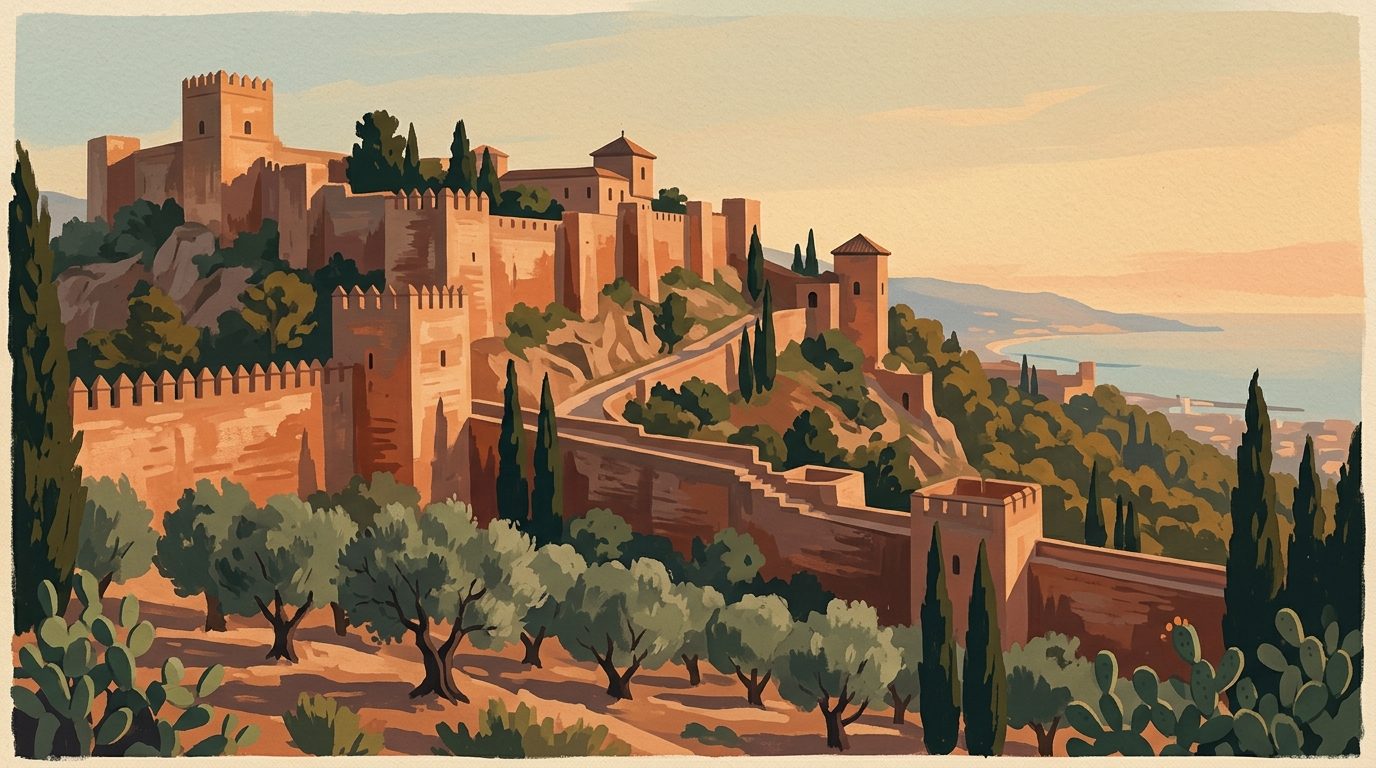
Castles and Fortresses of Andalucía
The fortresses of Andalucía are the stone guardians of a complex past, marking the ancient frontiers between empires and offering some of the most spectacular views in the southern peninsula.
6 min read
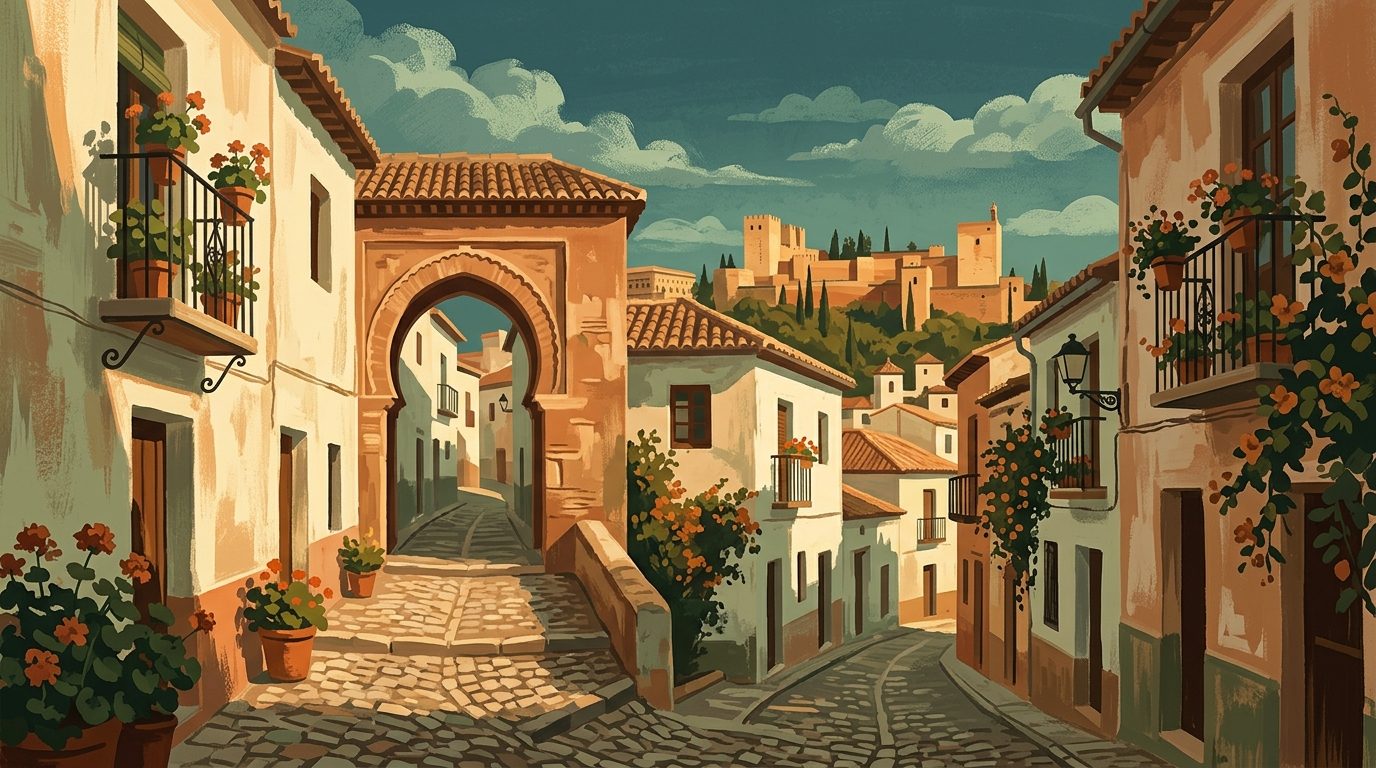
The Iberians in Andalucía: Warlords, Sculptors and the Dawn of Iron
Who were the sophisticated, iron-working peoples who controlled southern Spain before the Roman conquest? Their fortified hill towns and striking stone sculptures reveal a formidable culture caught between ancient local traditions and Mediterranean ambition.
6 min read
UNESCO Geoparks and Natural Wonders of Andalucía
Discover the geological heritage of Southern Spain through its UNESCO-designated geoparks and natural wonders. Explore the tectonic history and diverse ecosystems of Almería, Granada, and Cádiz.
6 min read
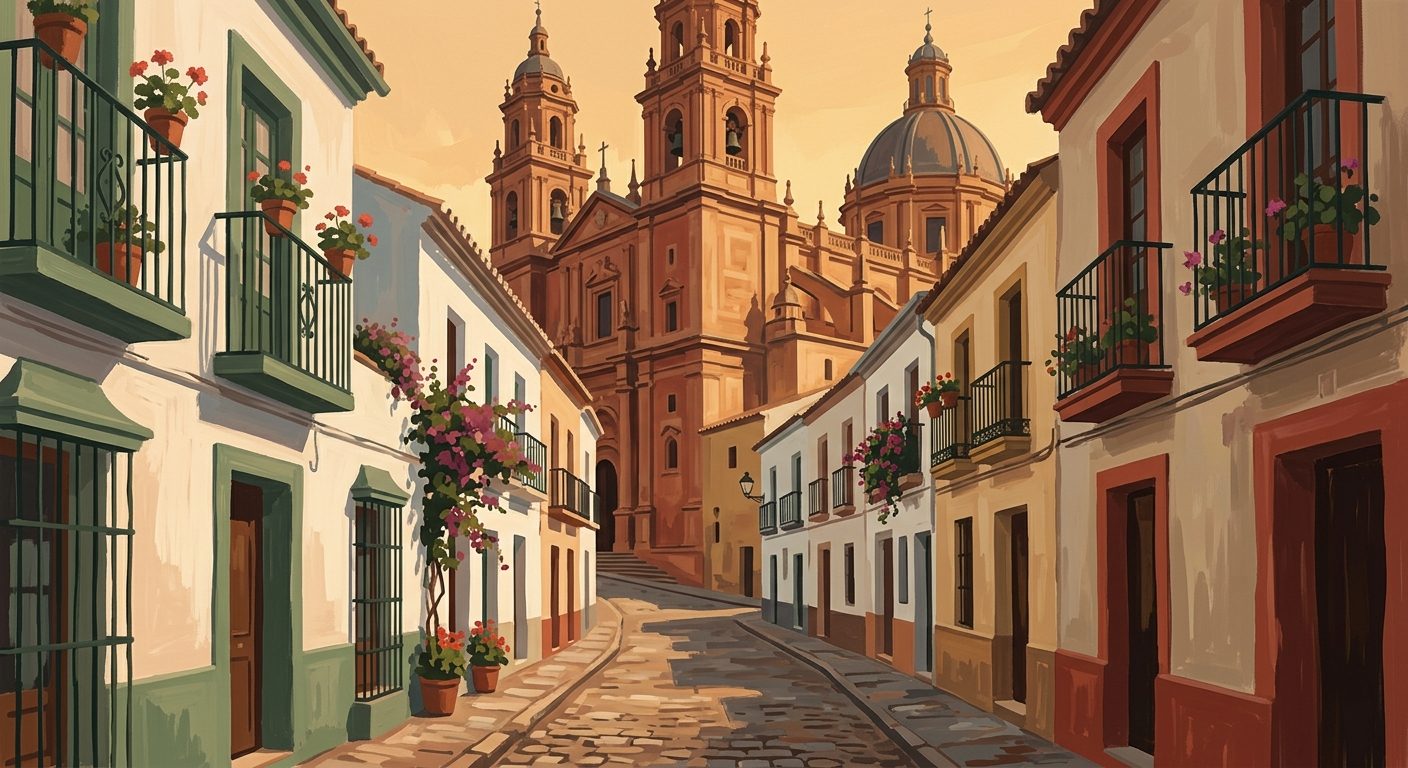
Cathedrals and Great Churches of Andalucía
A guide to the monumental religious architecture of Southern Spain, from the vast Gothic nave of Sevilla to the Renaissance masterworks of Jaén and Granada.
6 min read
Newsletter
More stories from Andalucía
Weekly notes, seasonal picks, and the next guides worth bookmarking.