
1478-1834
The Spanish Inquisition
From its very first tribunal in Sevilla to the shadow it cast over centuries of daily life, the Spanish Inquisition demanded absolute religious conformity. Its legacy remains etched in the architecture, archives and even the culinary traditions of southern Spain.
This is one of the hardest history subjects to turn into travel content because the evidence is often archival, social, and legal rather than a neat monument. The Inquisition affected people through investigations, confiscations, public punishment, censorship, and pressure on families with Jewish or Muslim ancestry.
Sevilla was one of the earliest and most important tribunal centres, while Córdoba, Granada, and other towns show how religious control intersected with urban life after conquest and conversion. The subject is best approached through context, archives, museums, and the history of communities rather than spectacle.
It helps to understand what the term actually means before visiting related quarters, churches, archives, or museums. For family history, academic work, or sensitive claims, rely on archives and specialist sources rather than simplified legends.
4 chapters in this era
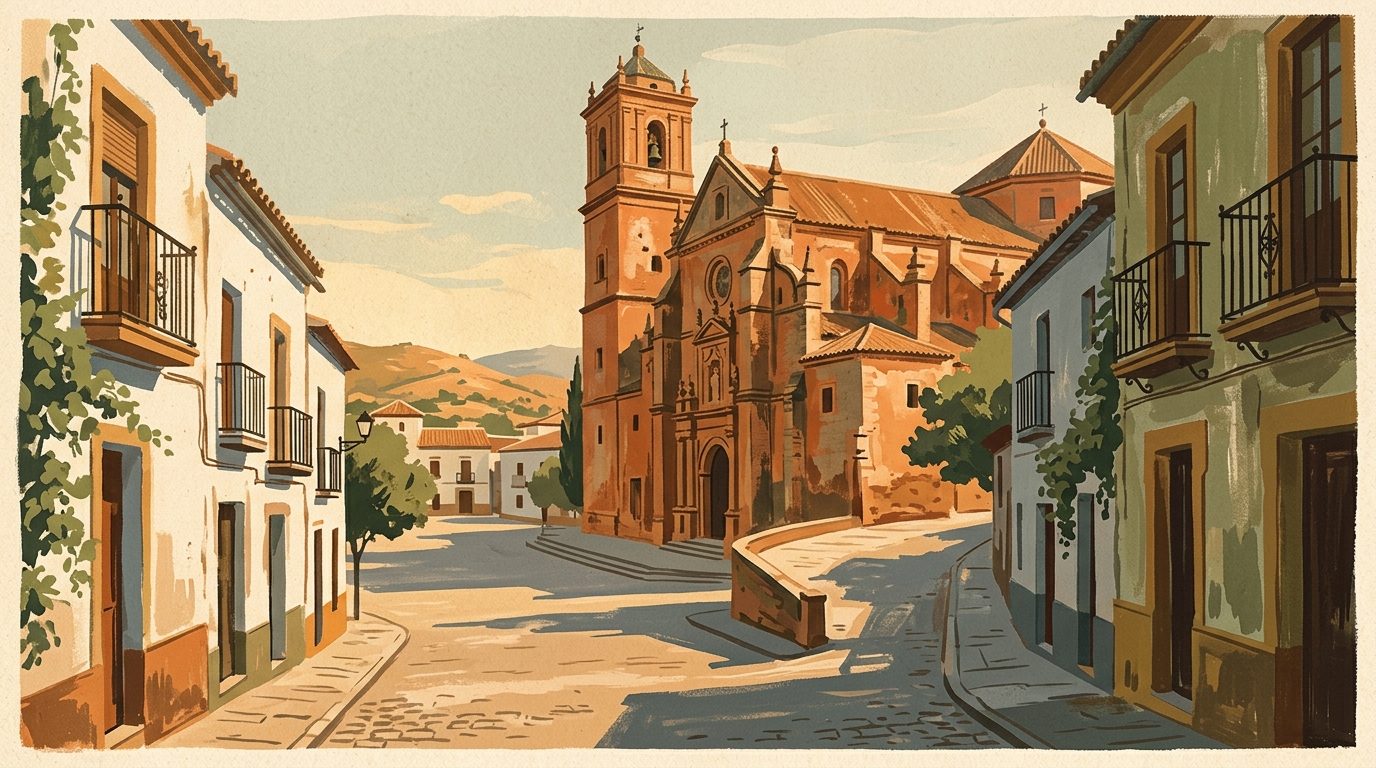
The Auto-da-Fé in Andalucía: Spectacle and Judgement
The auto-da-fé was not merely a trial, but a highly choreographed spectacle of religious and political power. Across the great squares of Sevilla, Córdoba and Granada, these public acts of faith transformed the grim mechanics of judgement into grand urban theatre.
8 min read
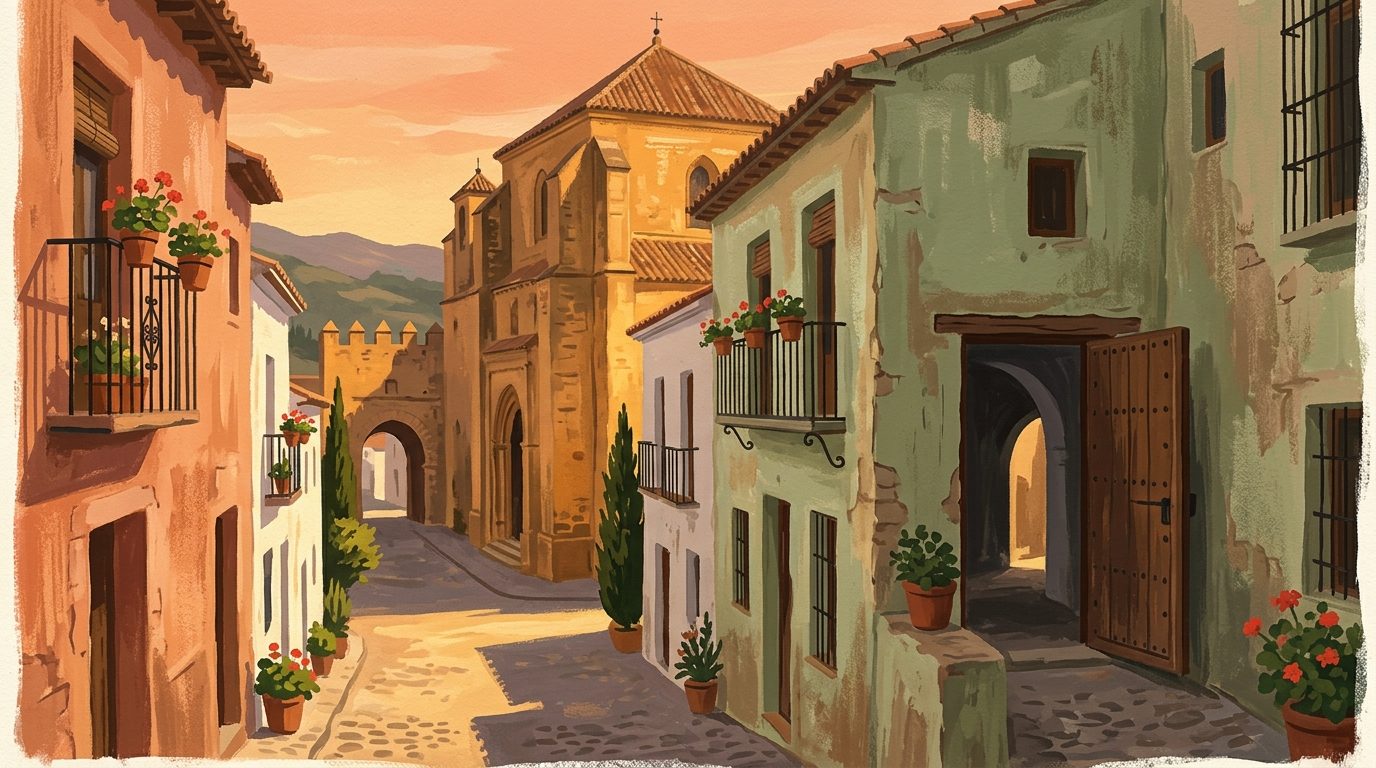
Expulsion of the Jews and the Conversos
The Alhambra Decree of 1492 forced a devastating ultimatum upon the Jewish population of Andalucía: exile or conversion. For those who chose baptism, the decision marked the beginning of centuries of relentless inquisitorial surveillance.
7 min read
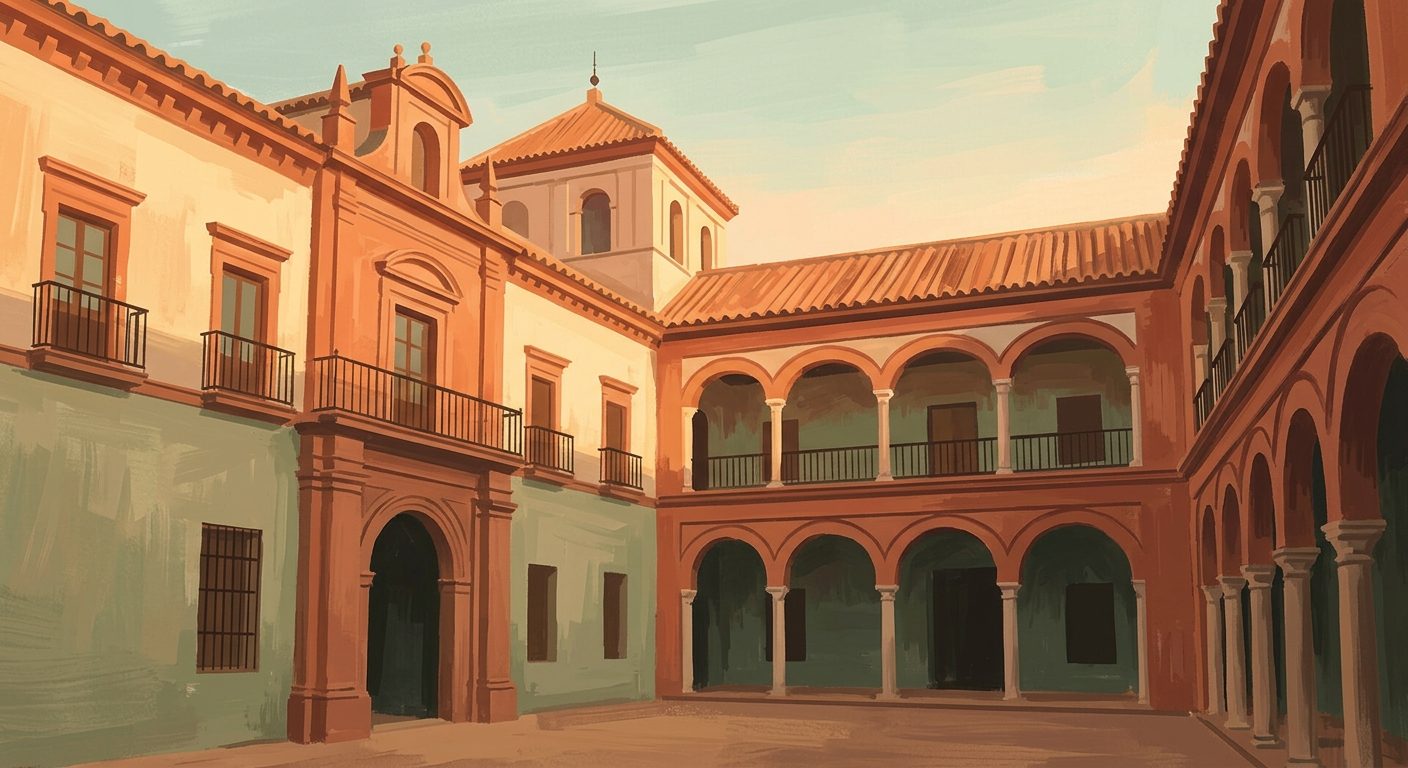
Foundation of the Sevilla Inquisition Tribunal
In 1478, a papal bull established the Spanish Inquisition. Sevilla became the testing ground for a systematic pursuit of heresy that would define an era.
7 min read
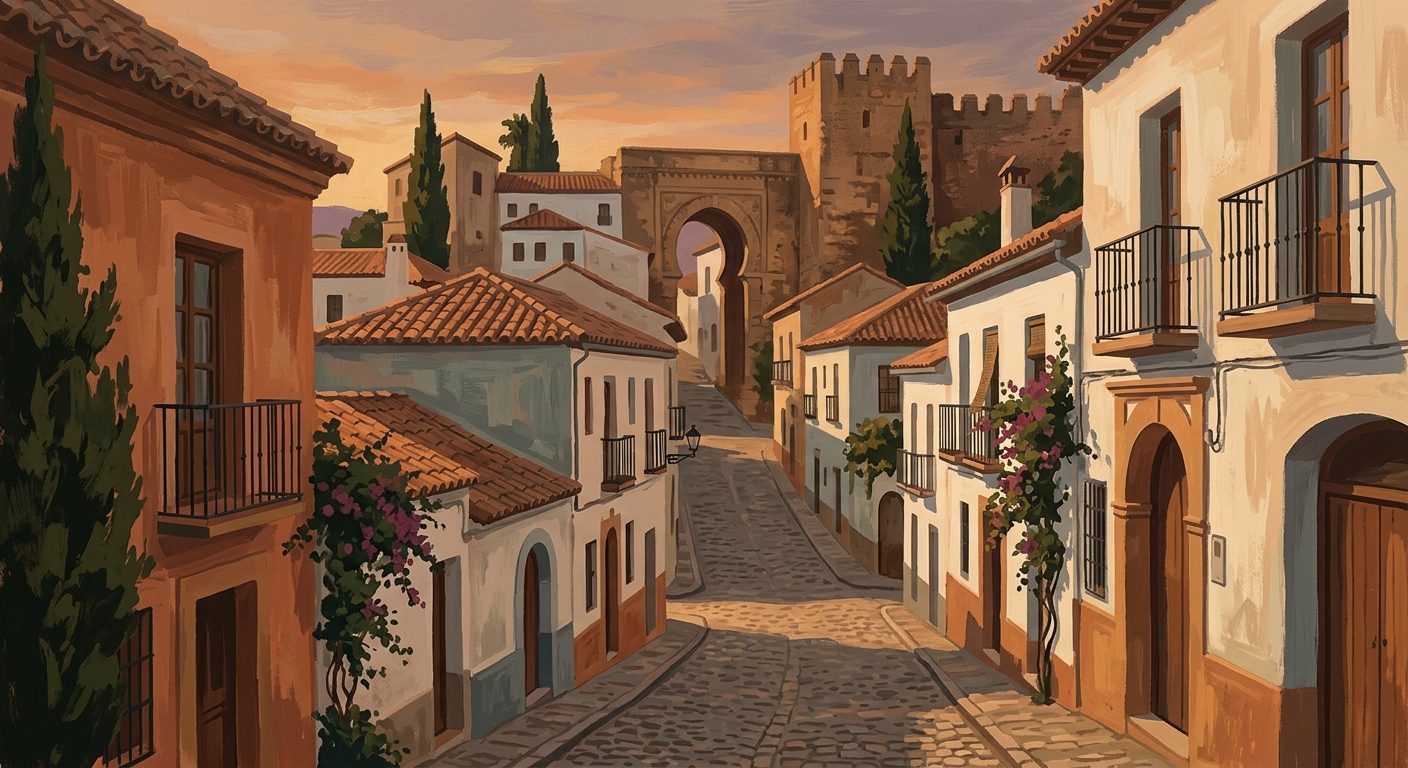
The Long Decline and Final Abolition of the Inquisition in Andalucía
The twilight of the Holy Office was a slow, bureaucratic fading rather than a sudden collapse. Enlightenment ideals and political upheaval finally dismantled a system that had overseen centuries of religious orthodoxy.
8 min read