
Feature
Expulsion of the Jews and the Conversos
The Alhambra Decree of 1492 forced a devastating ultimatum upon the Jewish population of Andalucía: exile or conversion. For those who chose baptism, the decision marked the beginning of centuries of relentless inquisitorial surveillance.
By Dan · Updated 24 June 2026 · 7 min read
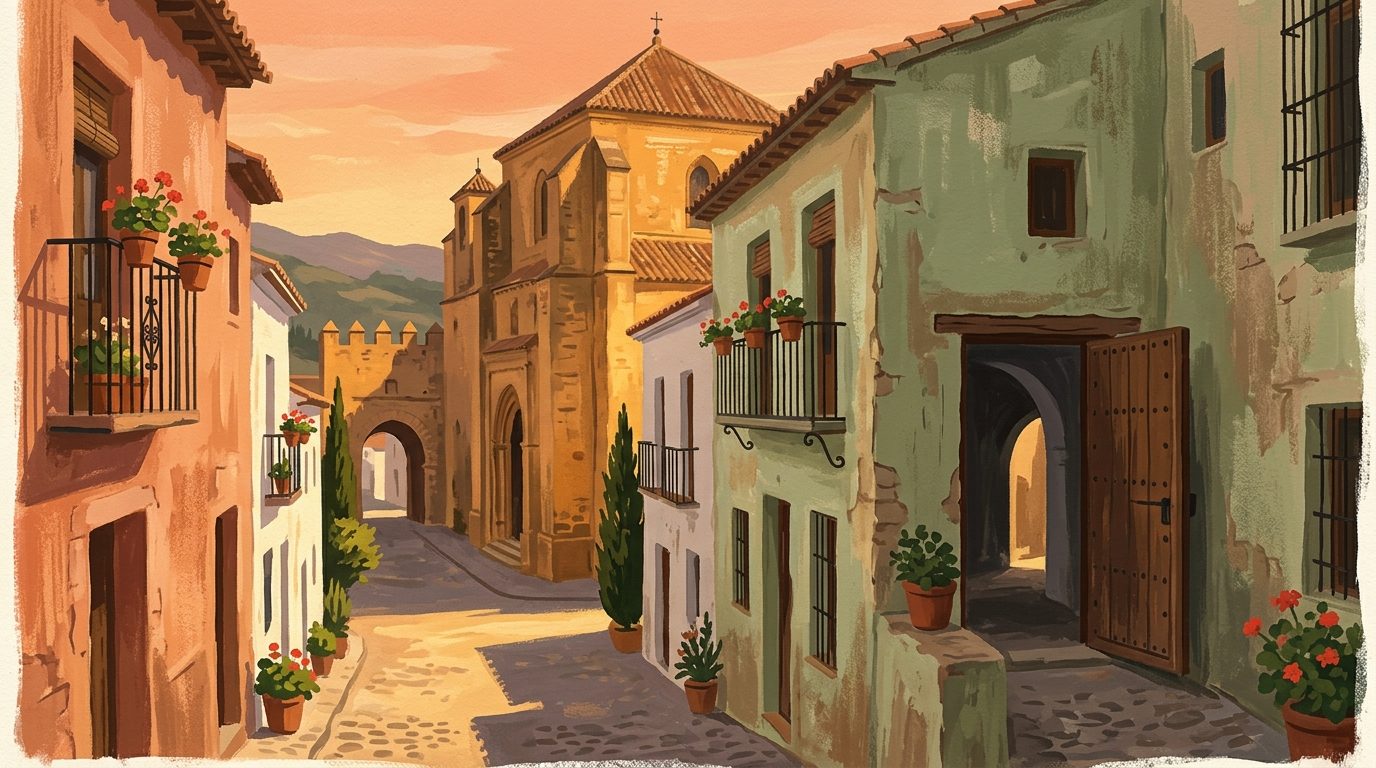
The Alhambra Decree of 1492 forced a devastating ultimatum upon the Jewish population of Andalucía: immediate exile or conversion to Christianity. For those who chose baptism, the decision marked not the end of their ordeal, but the beginning of centuries of relentless inquisitorial surveillance.
On 31 March 1492, the Catholic Monarchs, Ferdinand and Isabella, signed the Alhambra Decree. Within weeks, town criers across Andalucía proclaimed its stark terms. The region's Jewish communities, some of which traced their roots back to the Roman era, had just four months to liquidate their assets and depart the kingdom. Families in Córdoba, Sevilla and Jaén frantically sold homes and businesses for a fraction of their worth, expressly forbidden to take gold or silver coins with them into exile. This profound societal rupture occurred during the era of the Spanish Inquisition (1478 to 1834), an institution established primarily to root out religious heresy among those who had already converted to Christianity. The 1492 expulsion was deliberately designed to break all remaining ties between the exiles and the converts who stayed behind. The decree forever altered the demographic and cultural landscape of the Iberian Peninsula. It created a massive diaspora of Sephardic Jews across the Mediterranean and left a deeply traumatised population of conversos behind to face the fearsome scrutiny of the inquisitorial tribunals.
The Rupture of 1391 and the Rise of the Conversos
The crisis of 1492 was the culmination of a century of escalating religious tension. A hundred years earlier, in the summer of 1391, a wave of anti-Jewish violence had erupted in Sevilla and rapidly spread across Andalucía. Spurred by the inflammatory preaching of the Archdeacon of Écija, Ferrand Martínez, violent mobs attacked the Jewish quarters. Thousands of Jews were killed in the riots, and thousands more accepted forced baptism to save their lives and protect their families.
This mass conversion created a completely new social class: the conversos, or New Christians. Legally, these individuals were now free from the medieval restrictions placed upon practising Jews. They rapidly assimilated and rose to prominent positions within Andalucían civic administration, commerce, the nobility and even the upper echelons of the Catholic Church. However, their rapid socio-economic success bred fierce resentment among the Old Christian population, who viewed the converts with deep suspicion. Accusations soon multiplied that the conversos were only nominally Christian and were secretly maintaining Jewish rituals in the privacy of their homes, a practice known as crypto-Judaism.
The Machinery of Surveillance and Purity of Blood
To address these anxieties and establish religious uniformity, the crown sought and received papal authorisation to establish the Inquisition in 1478. It is a common misconception that the Inquisition targeted the Jewish faith directly. In fact, the tribunal had no legal jurisdiction over practising Jews. Its primary target was the baptised New Christians suspected of heresy and apostasy.
The inquisitors established powerful tribunals in major Andalucían cities, particularly in Sevilla and Córdoba, relying heavily on a vast network of civilian informants. Servants, neighbours and even family members were actively encouraged to report any suspicious behaviour to the authorities. The signs of secret judaising were exhaustively catalogued and published in edicts of grace. Informants watched closely to see if converso households lit fresh oil lamps on Friday evenings, abstained from eating pork or shellfish, changed into clean linen on Saturdays, or turned the faces of the dying towards the wall.
The stigma of Jewish ancestry did not fade after a single generation. Andalucían society became obsessed with genealogy following the introduction of limpieza de sangre (purity of blood) statutes. These discriminatory laws meant that anyone seeking a prominent position in the church, the universities, the guilds or the military orders had to prove they had no Jewish or Muslim ancestors. Conversos lived in a state of perpetual anxiety, knowing that a single accusation from a disgruntled neighbour or a jealous business rival could ruin their family's standing forever.
The Alhambra Decree and the Long Exile
Despite the Inquisition's brutal efficiency in prosecuting crypto-Jews, the crown and the first Inquisitor General, Tomás de Torquemada, concluded that the conversos would never truly assimilate as long as a practising Jewish community remained nearby to offer them religious instruction, kosher food and communal support. The extreme solution was total expulsion.
The logistical realities of the Alhambra Decree were a nightmare for the Jewish population of Andalucía. Contemporary chroniclers describe heart-wrenching scenes as ancient communities packed whatever non-prohibited goods they could carry and marched towards the coast to secure passage on ships bound for North Africa, Italy or the Ottoman Empire. They took their heavy iron house keys, their sacred liturgical texts and their distinctly Andalucían customs. In exile, they preserved their medieval Castilian language, now known as Ladino, passing it down through generations.
Those who could not bear the perilous journey, or who simply could not afford the exorbitant passage fees demanded by ship captains, submitted to baptism at the final hour. They joined the swollen ranks of the conversos, saving their physical homes but entering a life defined by spiritual compromise and constant fear of the inquisitorial spy network.
The Auto-da-Fé
Once accused by the Inquisition, a converso faced immediate imprisonment, secret trials and the total confiscation of their property to fund the tribunal's operations. The accused were not told the names of the witnesses testifying against them, making a legal defence nearly impossible. Confessions were routinely extracted through the use of judicial torture.
Those found guilty of heresy were forced to participate in an auto-da-fé (act of faith). This was a highly choreographed public spectacle of penance, often held in the main squares of Sevilla or Córdoba to maximise public humiliation. The condemned were forced to wear a sambenito, a coarse penitential tunic painted with flames or crosses. After the ceremony, these garments were hung in the offender's local parish church, serving as a permanent visual reminder to perpetuate the family's disgrace for generations. Those who refused to repent, or who were found to have relapsed into secret practice after a previous pardon, were relaxed to the secular authorities for execution by burning at the stake.
Where to see it today
The physical erasure of the Jewish presence in Andalucía was thorough, as synagogues were seized and converted into churches or private homes, and Jewish cemeteries were built over. However, crucial traces and archaeological evidence remain for the careful observer, many of which are highlighted by the Red de Juderías de España (Network of Spanish Jewish Quarters).
The Judería of Córdoba
The winding streets northwest of the Mezquita-Catedral still preserve their medieval urban layout. The focal point of this district is the Synagogue on Calle Judíos. Built in 1315, it survived the expulsion because it was repurposed over the centuries as a hospital, a shoemakers' guild and a nursery school. Today, it stands as one of only three surviving medieval synagogues in Spain. Its Mudéjar stucco work features intricate geometric patterns and Hebrew inscriptions from the Psalms. Just across the narrow street is the Casa de Sefarad, an independent cultural centre and museum dedicated to Sephardic history. Its extensive exhibits detail the domestic lives of the conversos, the specific methods of the Inquisition, and the rich intellectual traditions of Andalucían Jews.
The Barrio de Santa Cruz in Sevilla
Once the heart of the city's Jewish quarter, this neighbourhood still holds faint echoes of the 1391 violence. At the corner of Calle Susona, visitors can look up to find a small ceramic tile depicting a human skull. It marks the enduring legend of Susona ben Susón, a young conversa woman who allegedly betrayed her father's crypto-Jewish plot to the authorities in order to save her Old Christian lover. The legend dictates that her skull was hung above her door as a grim warning to others. Across the river in the Triana district, the Castillo de San Jorge served as the dreaded seat of the Sevillian Inquisition. Today, its excavated lower ruins house a sombre museum dedicated to the victims of religious repression, detailing the holding cells and the psychological weight of the tribunal.
Lucena
Known historically in Hebrew as Eliossana (the Pearl of Sefarad), Lucena was a unique settlement. During the early medieval period, it was an entirely Jewish city and a highly respected centre of rabbinic scholarship. In 2006, the construction of a new municipal ring road uncovered a vast Jewish necropolis on the southern edge of the town. Over three hundred tombs were carefully excavated, providing archaeologists and historians with critical evidence of medieval Jewish burial practices in Andalucía. The human remains were later reinterred with full religious honours in a designated area, but the site itself can be visited. Important artefacts and grave markers from these excavations are now displayed in the town's Archaeological and Ethnological Museum, located inside the Castillo del Moral.
If you visit
The most logical starting point for understanding this complex history is Córdoba, as the surviving synagogue offers a rare and tangible link to the pre-expulsion community. Spring and autumn provide the most comfortable weather for exploring the labyrinthine streets of these historic quarters on foot. Be aware that many municipal and state-run museums, including the Castillo de San Jorge in Sevilla and the Archaeological Museum in Lucena, are typically closed on Mondays. Additionally, the Castillo de San Jorge has had irregular closures for structural maintenance in recent years (check the official Junta de Andalucía cultural portal, the Sevilla City Council (ICAS) website, or municipal tourism offices before travelling). Booking a specialised walking tour through local historic societies or municipal tourist offices can provide essential context, as the remaining physical evidence of both the Jewish community and the Inquisition is often subtle and easily overlooked without expert interpretation.
Last reviewed: 21 June 2026 · Editorial policy
Related guides
Ink and Olive Groves: A Literary Journey through Andalucía
Discover the literary heart of Southern Spain, from the tragic poetry of Lorca in Granada to Hemingway’s dramatic Ronda and the contemplative prose of Machado in Sevilla.
10 min read
The Auto-da-Fé in Andalucía: Spectacle and Judgement
The auto-da-fé was not merely a trial, but a highly choreographed spectacle of religious and political power. Across the great squares of Sevilla, Córdoba and Granada, these public acts of faith transformed the grim mechanics of judgement into grand urban theatre.
8 min read
Foundation of the Sevilla Inquisition Tribunal
In 1478, a papal bull established the Spanish Inquisition. Sevilla became the testing ground for a systematic pursuit of heresy that would define an era.
7 min read
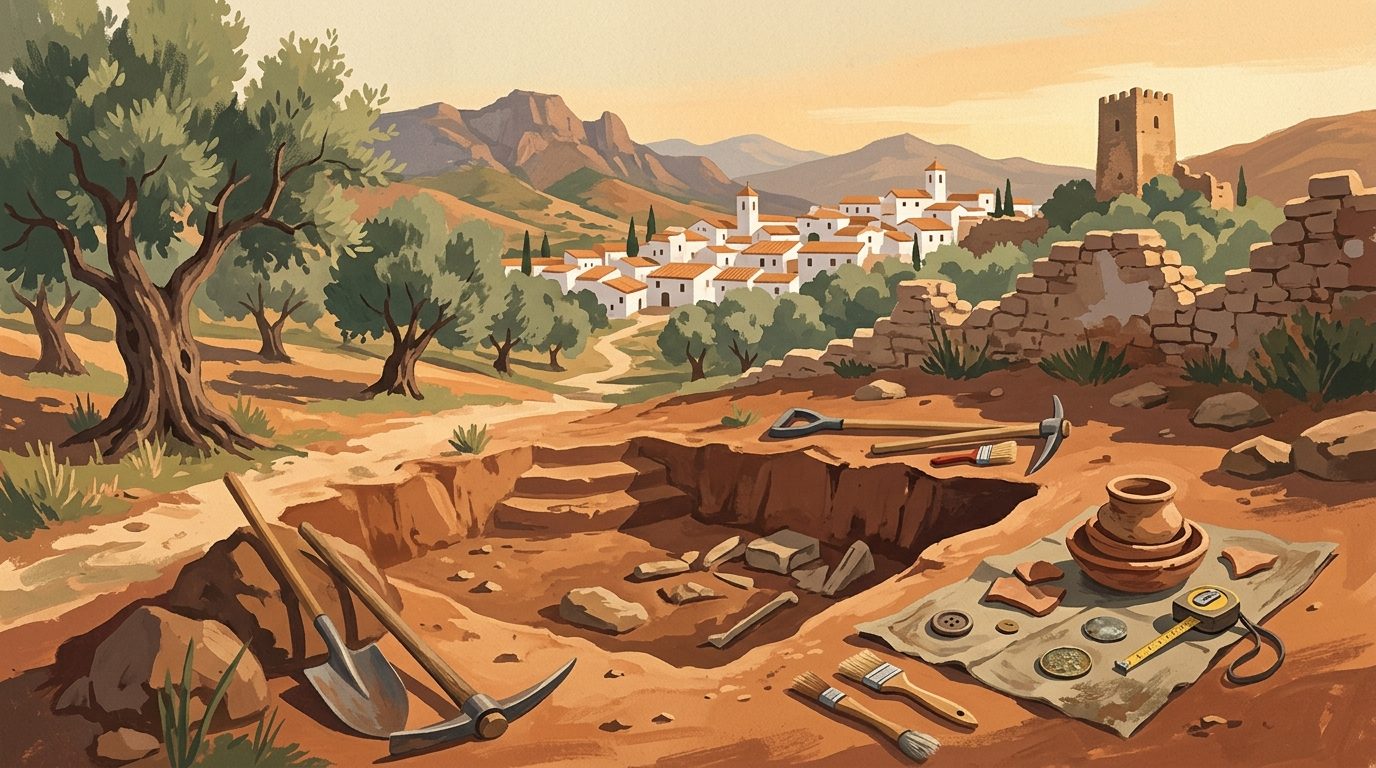
Historical Memory and Exhumations in Andalucía: Unearthing the Past
For decades, the earth of southern Spain held the silent victims of systematic repression. Today, meticulous forensic exhumations are restoring names and dignity to thousands who lay forgotten in unmarked mass graves.
7 min read
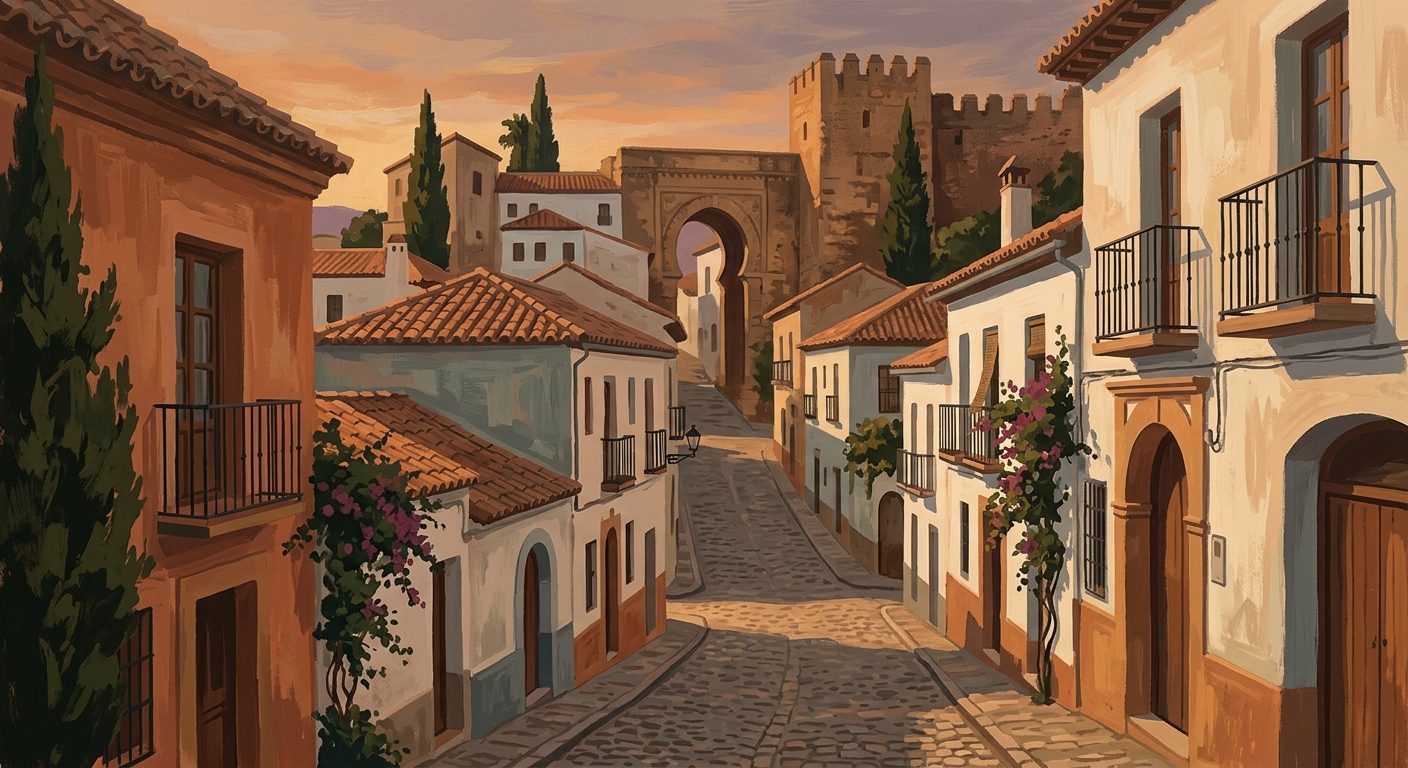
The Long Decline and Final Abolition of the Inquisition in Andalucía
The twilight of the Holy Office was a slow, bureaucratic fading rather than a sudden collapse. Enlightenment ideals and political upheaval finally dismantled a system that had overseen centuries of religious orthodoxy.
8 min read
The British in Río Tinto: Copper, Colony and the Rio Tinto Company
In 1873, a British syndicate purchased the ancient copper mines of Huelva from a bankrupt Spanish government. The resulting Rio Tinto Company Limited transformed the landscape into a massive industrial enterprise, leaving behind a profound legacy of Victorian architecture, immense open-pit mines, and pioneering railway engineering in western Andalucía.
8 min read
More guides
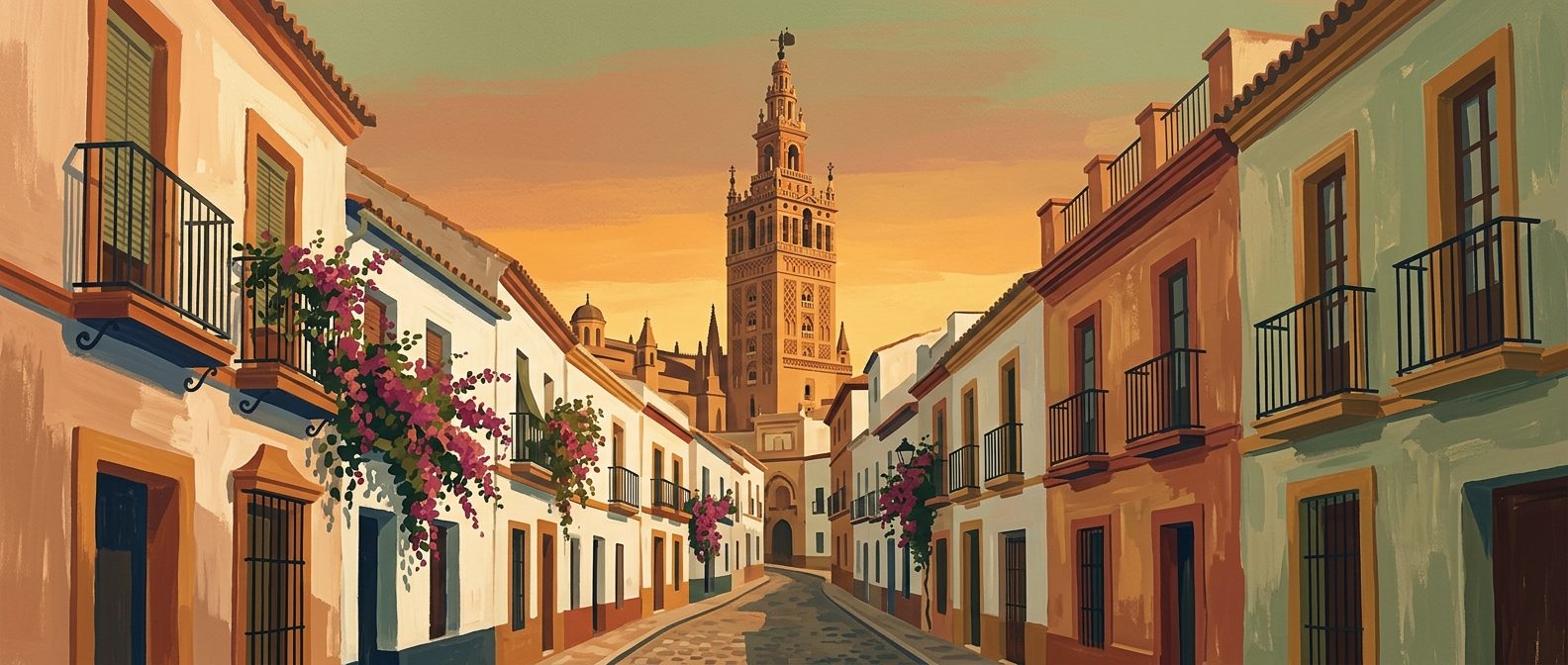
UNESCO World Heritage Sites in Andalucía
A curated guide to the cultural and natural sites in Andalucía recognised by UNESCO for their universal value. These landmarks offer a profound insight into the diverse civilisations of the region.
6 min read
The Best Beaches in Andalucía
From the Atlantic dunes of Huelva to the volcanic coves of Almería, the coastline of southern Spain offers an unparalleled variety of maritime landscapes.
6 min read
Phoenicians and Tartessians in Andalucía
Around three thousand years ago, eastern Mediterranean merchants arrived on the Iberian coast seeking silver and copper. Their arrival sparked a cultural collision that transformed local chiefdoms into the legendary civilisation of Tartessos.
6 min read
Roman Andalucía: Ruins and Archaeological Sites
Discover the monumental legacy of the Roman province of Baetica, from grand amphitheatres in the Guadalquivir valley to maritime cities on the Atlantic coast.
7 min read
Geological Wonders: Caves and Karst Landscapes of Andalucía
Discover the subterranean wonders and prehistoric secrets preserved within the limestone massifs and gypsum deposits of southern Spain.
6 min read
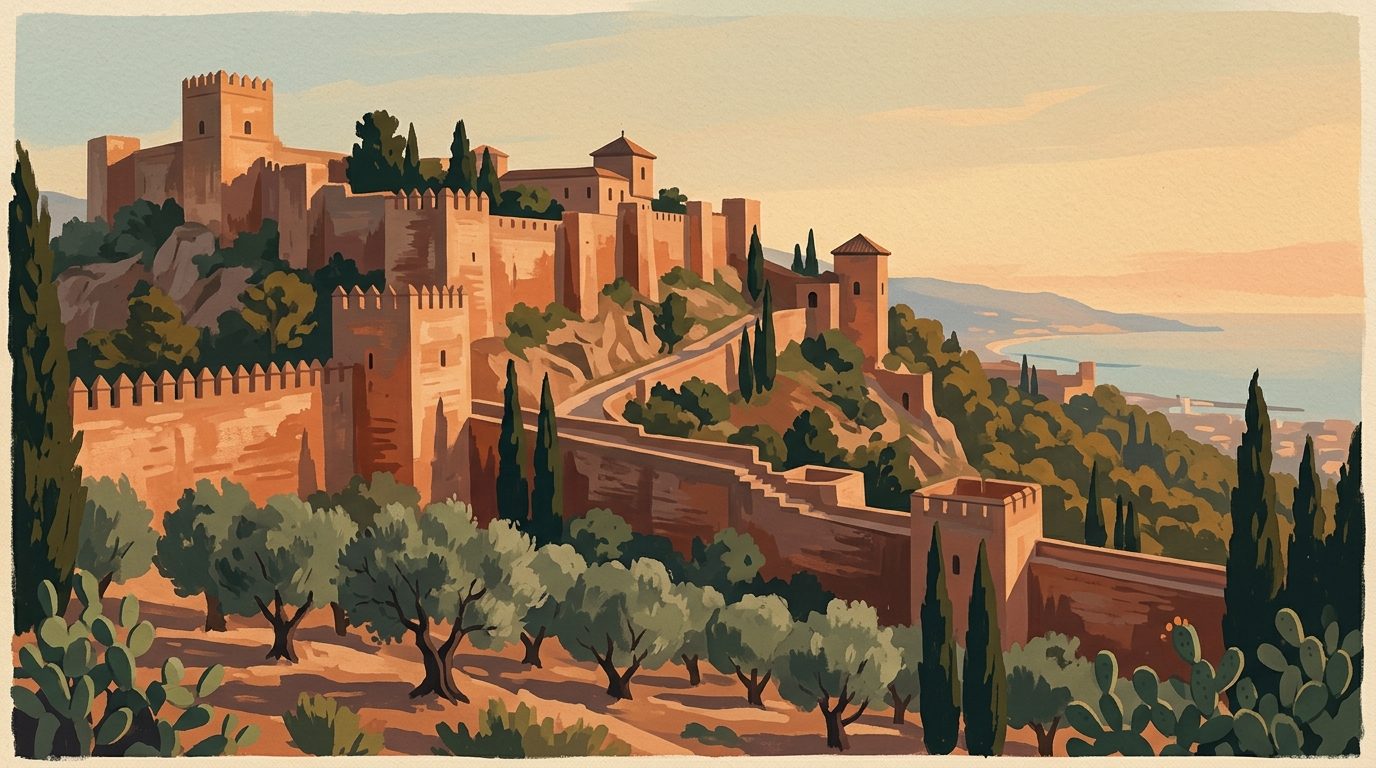
Castles and Fortresses of Andalucía
The fortresses of Andalucía are the stone guardians of a complex past, marking the ancient frontiers between empires and offering some of the most spectacular views in the southern peninsula.
6 min read
The Iberians in Andalucía: Warlords, Sculptors and the Dawn of Iron
Who were the sophisticated, iron-working peoples who controlled southern Spain before the Roman conquest? Their fortified hill towns and striking stone sculptures reveal a formidable culture caught between ancient local traditions and Mediterranean ambition.
6 min read
UNESCO Geoparks and Natural Wonders of Andalucía
Discover the geological heritage of Southern Spain through its UNESCO-designated geoparks and natural wonders. Explore the tectonic history and diverse ecosystems of Almería, Granada, and Cádiz.
6 min read
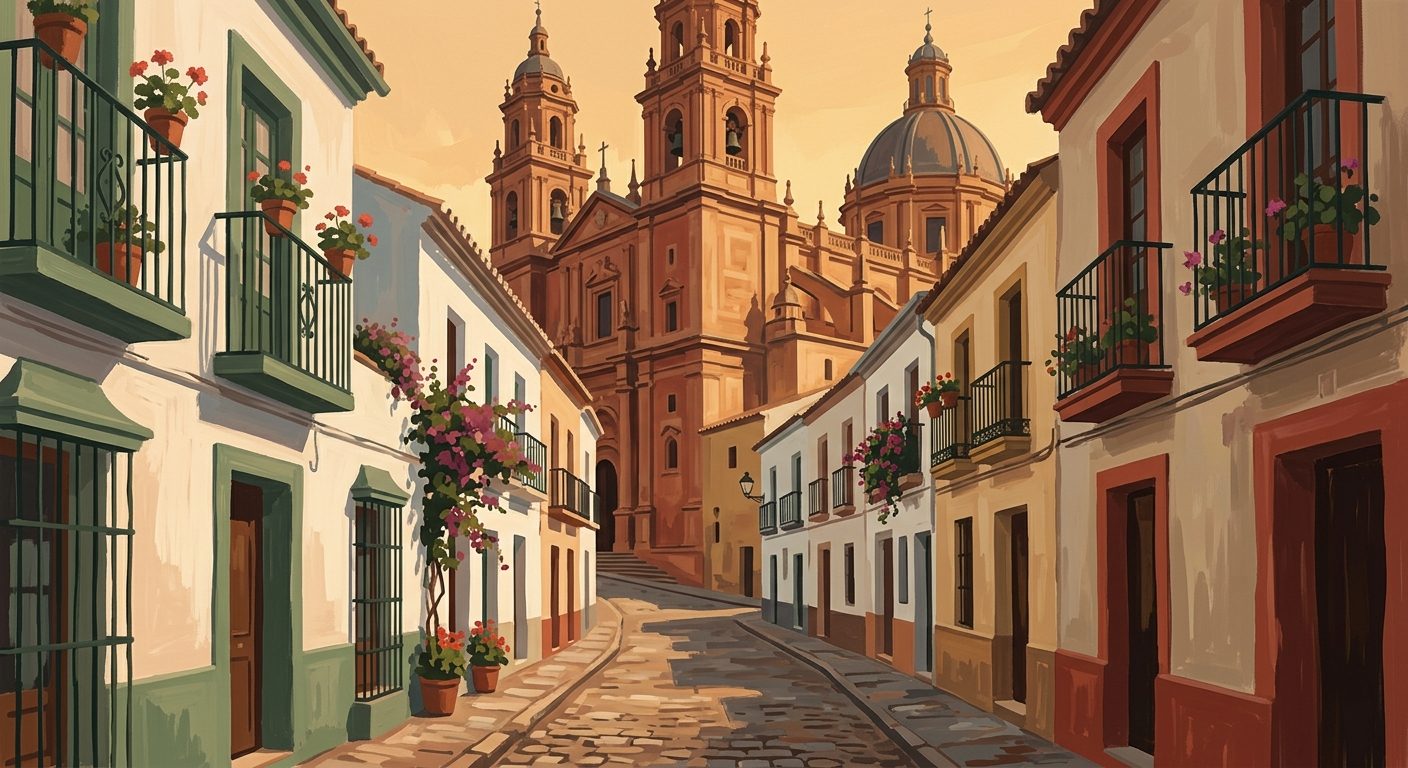
Cathedrals and Great Churches of Andalucía
A guide to the monumental religious architecture of Southern Spain, from the vast Gothic nave of Sevilla to the Renaissance masterworks of Jaén and Granada.
6 min read
Newsletter
More stories from Andalucía
Weekly notes, seasonal picks, and the next guides worth bookmarking.