
Living guide
A Practical Guide to Supermarkets and Food Shopping in Andalucía
A practical guide to food shopping in Andalucía: comparing supermarket chains, navigating municipal markets, understanding Sunday trading laws, and mastering local counter etiquette.
By Dan · Updated 16 July 2026 · 8 min read

Food shopping in Andalucía works best as a mix: supermarkets for routine staples, municipal markets for fresh produce, and small specialist shops for bread, meat, fish, olives and local habits.
New residents often look for one giant supermarket that solves everything. In practice, adapting to daily life in Spain means building a routine around two or three places. You might use a convenient chain for weekly basics, a busy municipal market for fresh seasonal food, and an occasional larger store for international or specialist items.
The Main Supermarket Chains
Andalucía is well served by both national and regional supermarket chains. The best choice depends on your location, transport options, and budget. When assessing the local cost of living, comparing these chains is a sensible first step.
- Mercadona: The dominant force in Spanish groceries. It is heavily focused on its own-brand products (Hacendado for food, Bosque Verde for cleaning, Deliplus for cosmetics), which are highly rated for quality and value. They have excellent fresh fish counters. They do not offer loyalty cards or regular sales, preferring an everyday low-price model.
- Carrefour and Alcampo: These are the hypermarkets, typically located in large out-of-town retail parks. They are ideal for massive weekly shops, household appliances, and finding dedicated international aisles. Carrefour also operates smaller convenience stores (Carrefour Market and Carrefour Express) in city centres.
- Lidl and Aldi: The familiar discount giants. They are extremely popular for weekly offers, organic ranges, and middle-aisle bargains. Their checkout process is famously fast, which catches many new arrivals off guard.
- Regional and Neighbourhood Chains: Supermercados MAS and El Jamón are deeply rooted in Andalucía, often featuring fantastic local meat and cheese counters. Covirán is a cooperative model, meaning you will often find a small Covirán serving as the vital lifeline in tiny whitewashed villages.
- Día: A ubiquitous neighbourhood discount chain, useful for quick top-ups and basic pantry items.
Municipal Markets (Mercados de Abastos)
Municipal markets are the beating heart of Andalucían food culture. They are usually housed in large, historic buildings in the centre of town and are divided into independent stalls (puestos) specialising in fruit, vegetables, meat, fish, or bakery items. Shopping here requires a slight shift in habits.
How to Navigate a Market Counter
- Arrive early: The best fish and prime cuts of meat are often gone by 11:30. Most markets close completely by 14:30.
- Find your place in the queue: When you approach a busy stall, do not simply stand and wait. You must ask the crowd, "¿Quién es el último?" (Who is last?). The person who arrived just before you will nod or raise their hand. You are now behind them. When a new person arrives and asks the same question, you reply, "Yo" (Me).
- Do not touch the produce: Unless signs explicitly say it is self-service, wait for the vendor to select and bag the fruit or vegetables for you. Pointing is fine, squeezing the tomatoes is frowned upon.
- Ask for advice: Vendors are experts. Tell the fishmonger you are making a stew and they will recommend the right fish and prepare it exactly as needed (cleaned, scaled, or filleted).
Opening Hours and Sunday Trading Laws
One of the biggest adjustments for new residents is understanding when shops are actually open. Unlike the UK or North America, Spain strictly regulates retail hours to protect smaller businesses.
Large supermarkets generally open Monday to Saturday from 09:00 or 09:30 until 21:30 without closing for lunch. However, smaller independent shops, bakeries, and village groceries still observe the traditional afternoon closure (siesta). They typically open from 09:30 to 14:00, close during the hottest part of the day, and reopen from 17:00 to 20:30.
By law, most supermarkets in Andalucía are closed on Sundays and public holidays (festivos). There are exceptions. During peak summer months, specific coastal towns designated as high-tourist zones are permitted to open on Sundays. Small convenience stores, often run by immigrant families and colloquially known as "chinos", are usually permitted to open on Sundays and holidays for essential top-ups. Always check a local calendar for regional saints' days, as a sudden Tuesday closure can completely derail a weekly shop.
Loyalty Cards and Home Delivery
Most major chains, aside from Mercadona, offer apps and loyalty cards. Carrefour's Club card, the Lidl Plus app, and Día's club card offer substantial discounts and digital receipts. Signing up for these usually requires you to input a Spanish ID number (NIE or TIE), though some allow passport numbers. Keep in mind that for large purchases or alcohol, you might occasionally be asked to present physical ID.
Home delivery is widely available in cities and coastal towns. Mercadona, Carrefour, and Día all offer delivery for a small fee. Setting this up requires creating an online account and verifying your address. If you are researching where to live in Andalucía, it is worth checking the delivery postcodes of major supermarkets, especially if you plan to live in a rural property (finca) accessed by unpaved tracks, where delivery vans may refuse to go.
Common Mistakes and What Catches People Out
- Weighing your own fruit: In some supermarkets, such as Alcampo, Carrefour, and certain Día stores, you must weigh your fresh produce and print a barcode sticker in the aisle before reaching the till. If you forget, the cashier cannot weigh it for you, holding up the entire queue while you run back. In Mercadona and Lidl, the cashier weighs it at the till. Watch what other shoppers are doing.
- Bagging panic: Spanish checkout clerks process items incredibly fast, especially in discount stores. They will not pack your bags for you. Place heavy items on the belt first, have your reusable bags open and ready in your trolley, and pack quickly. Alternatively, put everything straight back into your trolley and use the packing benches near the exit.
- Ignoring the seasonal calendar: Expecting fresh local strawberries in October or cheap asparagus in November will lead to disappointment. Andalucían agriculture is highly seasonal. Shopping seasonally yields much better flavour and significantly lower prices.
International Products and Dietary Requirements
Imported products can be wonderful comfort items, especially when you first relocate. If you live on the Costa del Sol, you will find dedicated British supermarkets like Overseas (Iceland) stocking everything from crumpets to familiar tea bags. Large Carrefour hypermarkets also feature dedicated international aisles covering British, Latin American, and Asian ingredients.
Be aware that imported items carry a hefty premium. Learning to substitute with local ingredients is a major part of settling in. For dietary requirements, Spain is remarkably progressive. Supermarkets like Mercadona clearly label almost everything with a bright "Sin Gluten" (gluten-free) or "Sin Lactosa" (lactose-free) logo, making allergy-sensitive shopping much easier than in many other European countries.
Food Safety, Returns, and Consumer Checks
If you purchase a spoiled item or encounter a persistent issue, your first step is to return to the customer service desk with your receipt (el ticket). Most chains will exchange or refund items without fuss. Do not throw the receipt away until you have unpacked and checked your shopping.
If a retailer refuses to resolve a genuine consumer rights issue, you have the right to request an official complaint form, known as a Hoja de Reclamaciones. By law, every business in Andalucía must carry these and provide them upon request. The form comes with triplicate carbon copies: one for the shop, one for you, and one that you submit to the local consumer office (OMIC). Simply asking for the form often prompts a swift resolution to the dispute.
Frequently Asked Questions
Can I drink the tap water in Andalucía?
Yes, tap water across Andalucía is strictly tested and entirely safe to drink. However, in many coastal areas, the water is very hard and heavily chlorinated, which affects the taste. This is why you will see locals buying large 5-litre or 8-litre bottles of water (agua mineral) for drinking and tea-making, while using tap water for boiling pasta and washing vegetables. Remember to dispose of these large bottles correctly in the yellow bins, as detailed in our guide to recycling and waste management.
Why are the eggs not in the fridge section?
In Spain, commercial eggs are not washed before sale. Washing removes a natural protective membrane (the cuticle) on the shell. Because this membrane remains intact, the eggs do not need to be refrigerated in the supermarket. Once you get them home, it is best to store them in your fridge to prolong freshness, especially during the hot Andalucían summer.
Do I need to leave a deposit for a supermarket trolley?
Yes, almost all supermarkets require a 50-cent, 1-euro, or 2-euro coin to unlock a trolley. You get the coin back when you return the trolley to the bay. It is highly recommended to keep a specific trolley coin or a reusable plastic token in your car or wallet.
Official and Provider Checks
Use retailer sites such as Mercadona, Lidl, Aldi and Día for current store details, opening hours, and delivery terms. For official updates on commerce rules, refer to the Junta's commerce pages and consumer pages. For food safety information, consult AESAN, and use the OCU for objective consumer comparisons and practical alerts.
Summary
- Build a routine using supermarkets for heavy basics and municipal markets for fresh seasonal food.
- Learn counter etiquette early: always ask "¿Quién es el último?" and do not touch market produce.
- Check holiday openings locally and remember that most shops close on Sundays, barring specific tourist zone exceptions.
- Watch out for stores where you must weigh and barcode your own fruit before reaching the checkout.
- Keep your receipts for returns, and know that the Hoja de Reclamaciones is your ultimate consumer protection tool.
Last reviewed: 14 July 2026 · Editorial policy
Related guides

Cost of Living in Andalucía by City: A Realistic Guide for Expats
A realistic guide to the cost of living in Andalucía. Learn how to budget for housing, utilities, healthcare, and daily expenses across different Andalucían cities without relying on outdated internet averages.
8 min read
Language Guide for Andalucía: Communication Tips for Visitors and Expats
Mastering communication in Andalucía means understanding the local Andaluz dialect and knowing how to navigate Spanish bureaucracy. Discover essential phrases, regional quirks, and practical tips for daily life.
7 min read
Money and Costs in Andalucía: A Practical Guide
A practical guide to money, daily costs, and banking in Andalucía. Discover typical prices for meals and transport, plus expert tips on avoiding ATM fees and navigating local banks.
9 min read
Master the Art of the Andalucían Kitchen: The Best Cooking Classes in Southern Spain (2026 Guide)
Discover the secrets of the Andalucían kitchen, from masterclasses in the markets of Sevilla to sherry-infused cooking in the hills of Cádiz.
7 min read

Beyond the Tapas Bar: A Guide to Andalucían Street Food
Discover the authentic taste of the south, from the salt-crusted sardine skewers of Málaga to the morning ritual of churros in Sevilla. This guide avoids the tourist traps to highlight where locals truly eat on the move.
6 min read
A Guide to Markets and Food Shopping in Andalucía
To understand the rhythm of life in Andalucía, you must follow the morning queue at the local food market. The mercado de abastos remains the undisputed heart of every town, where seasonal quality dictates the daily menu.
6 min read
More guides

Navigating Spanish Bureaucracy: A Practical Survival Guide
A practical survival guide to Spanish bureaucracy in Andalucía: official sources, appointments, documents, digital certificates, translations and when to use a gestor.
7 min read

Understanding the Spanish School System in Andalucía
A comprehensive guide for expats navigating the Spanish school system in Andalucía, covering state, concertado, and private schools, crucial admission timelines, catchment rules, and essential paperwork.
8 min read

A Practical Guide to Working Remotely from Andalucía
A comprehensive guide to legally and practically working remotely from Andalucía, covering digital nomad visas, tax residency, employment structures, internet setup, and navigating Spanish bureaucracy.
7 min read
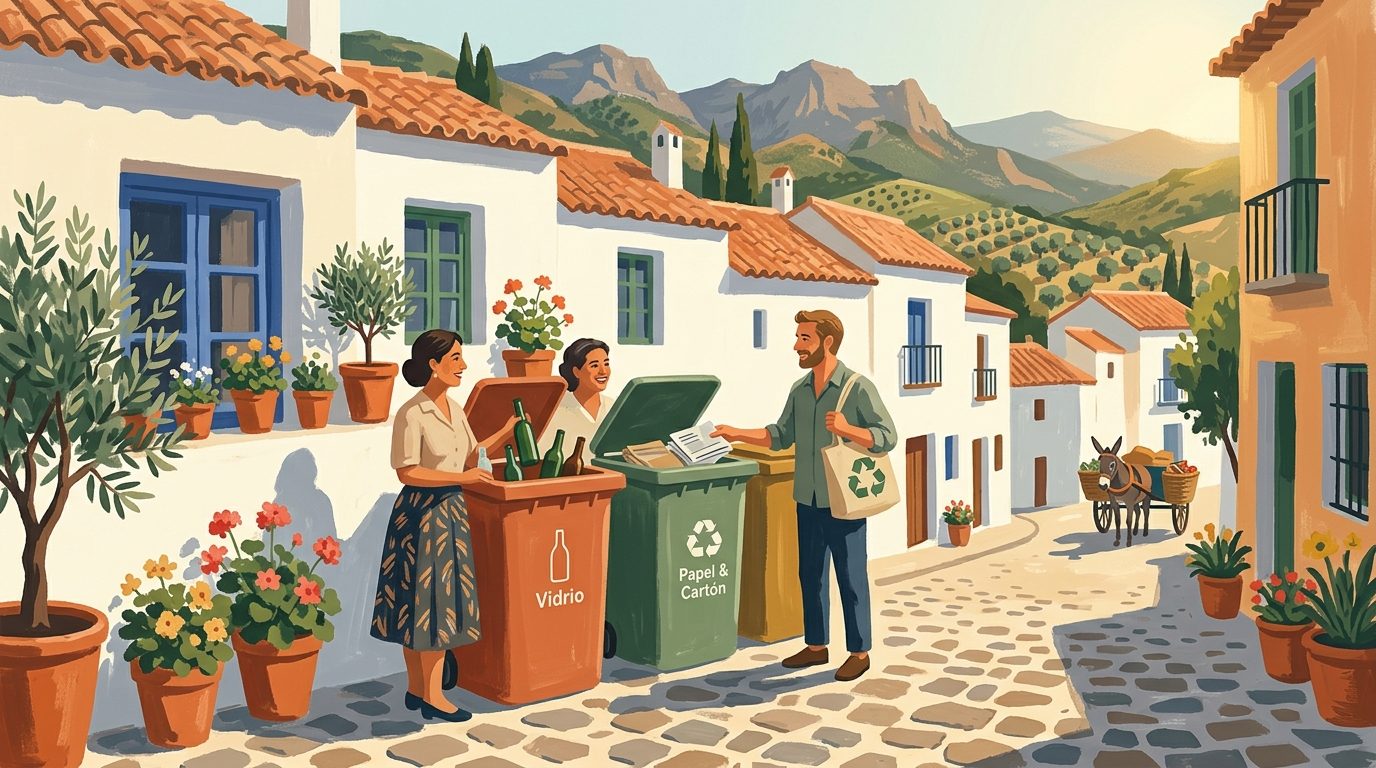
Recycling and Waste Management in Andalucía: A Practical Guide
A complete guide to recycling and waste in Andalucía. Learn how to use the colour-coded bins, access clean points, dispose of bulky items legally, and navigate local rubbish collection taxes.
8 min read

Registering a Foreign Vehicle in Spain: A Practical Guide
A comprehensive guide to registering a foreign vehicle in Andalucía. Learn the step-by-step process for ITV inspections, DGT paperwork, tax exemptions, customs rules, and the real-world friction to avoid.
8 min read
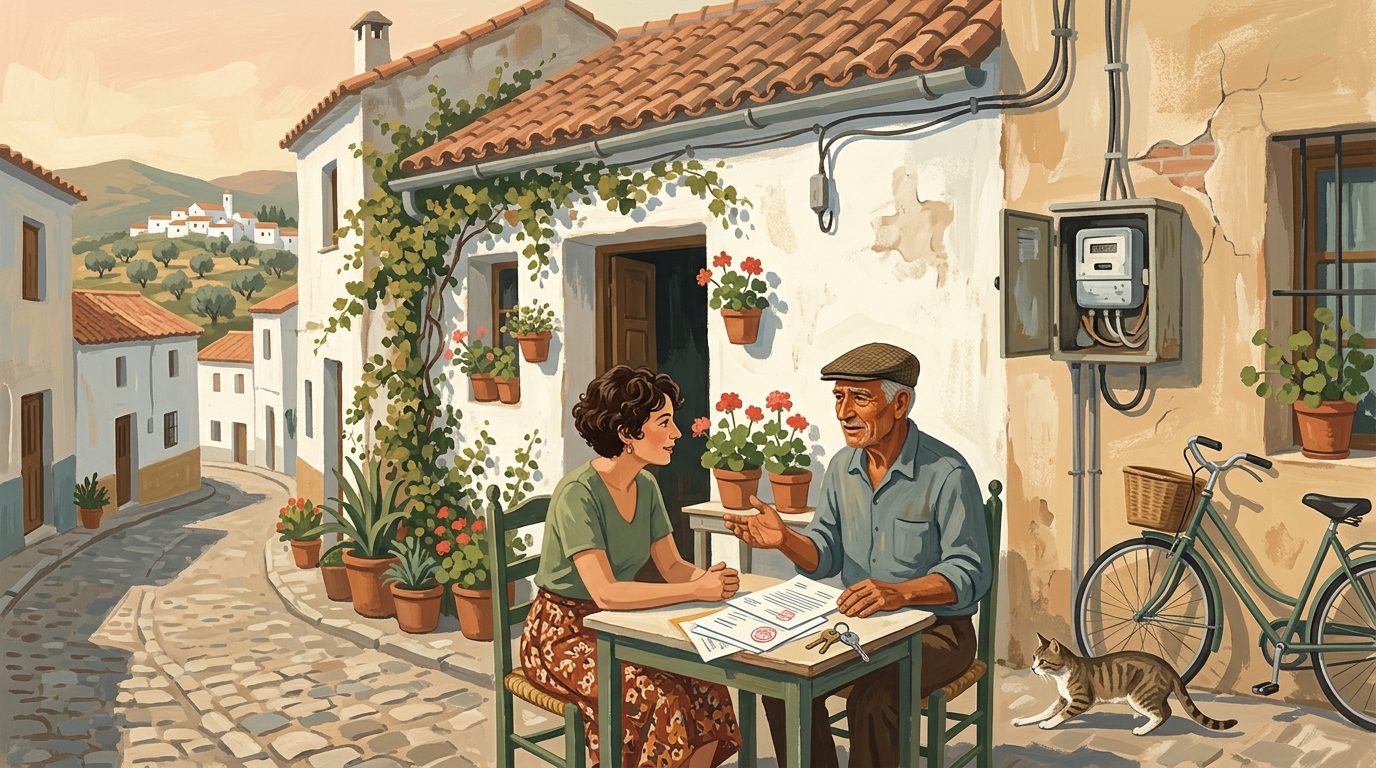
Setting Up Utilities in Andalucía: A Practical Guide
A complete guide to setting up utilities in Andalucía: navigating electricity (potencia and boletines), local water monopolies, gas bottles, internet contracts, and how to avoid inheriting previous debts.
8 min read
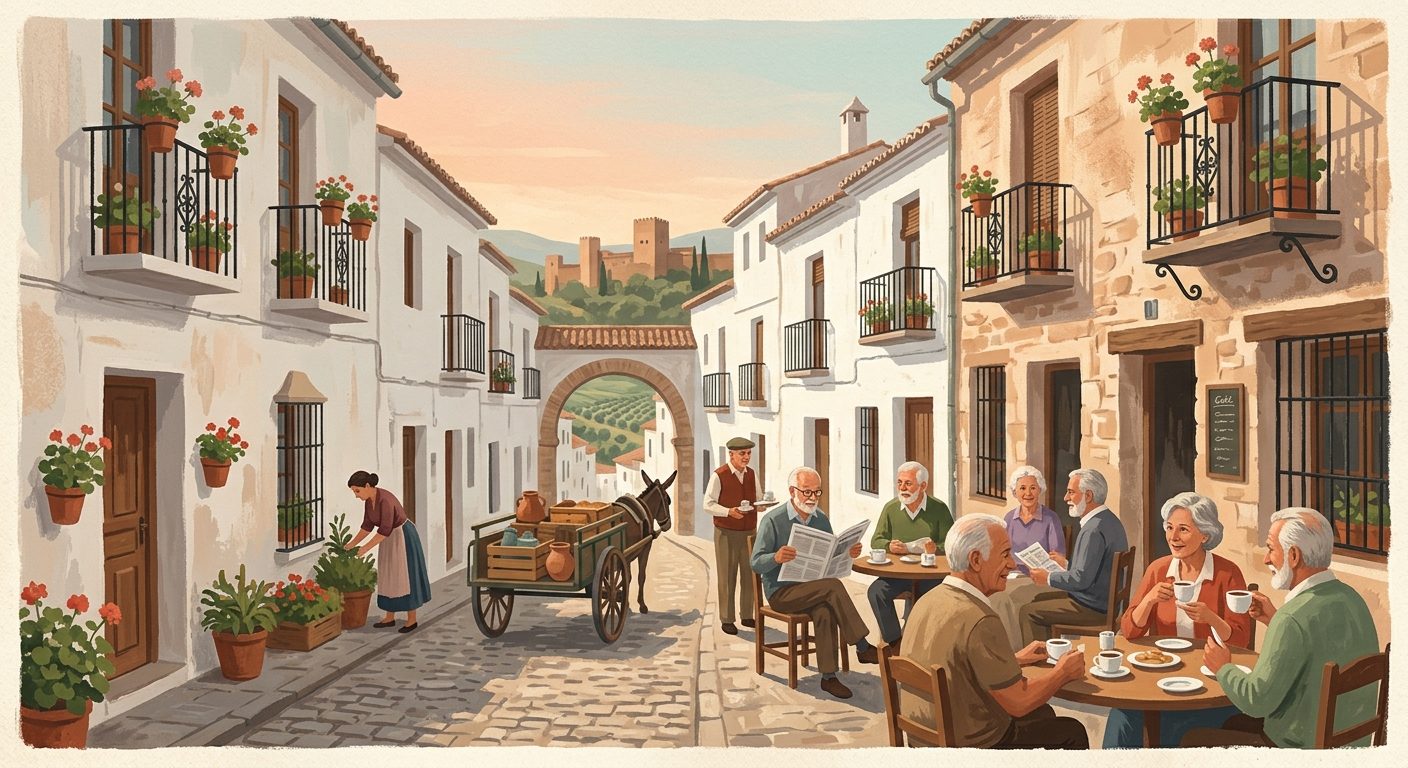
Retiring to Andalucía: A Practical Guide to Residency, Healthcare, and Finance
Retiring to Andalucía requires careful planning across residency, healthcare, and tax. This practical guide covers non-lucrative visas, the TIE process, S1 healthcare registration, pensions, and common administrative hurdles.
8 min read

Having a Baby in Andalucía: A Practical Guide to Maternity and Paperwork
Navigating pregnancy and childbirth in southern Spain involves managing a high-quality medical system alongside a complex administrative process.
8 min read

Building a Sustainable Life and Overcoming Homesickness in Andalucía
Settling in Andalucía requires more than just sunshine and paperwork. Learn how to navigate culture shock, build sustainable local routines, overcome homesickness, and manage seasonal changes in southern Spain.
7 min read
Newsletter
More stories from Andalucía
Weekly notes, seasonal picks, and the next guides worth bookmarking.