
Things to do
Exploring the Heavens: A Practical Guide to Stargazing in Andalucía
Andalucía offers some of Europe’s clearest night skies, particularly within its expansive Starlight Reserves. This guide covers the best locations and practical tips for observing the Milky Way across the southern Spanish landscape.
By Dan · Updated 16 July 2026 · 6 min read
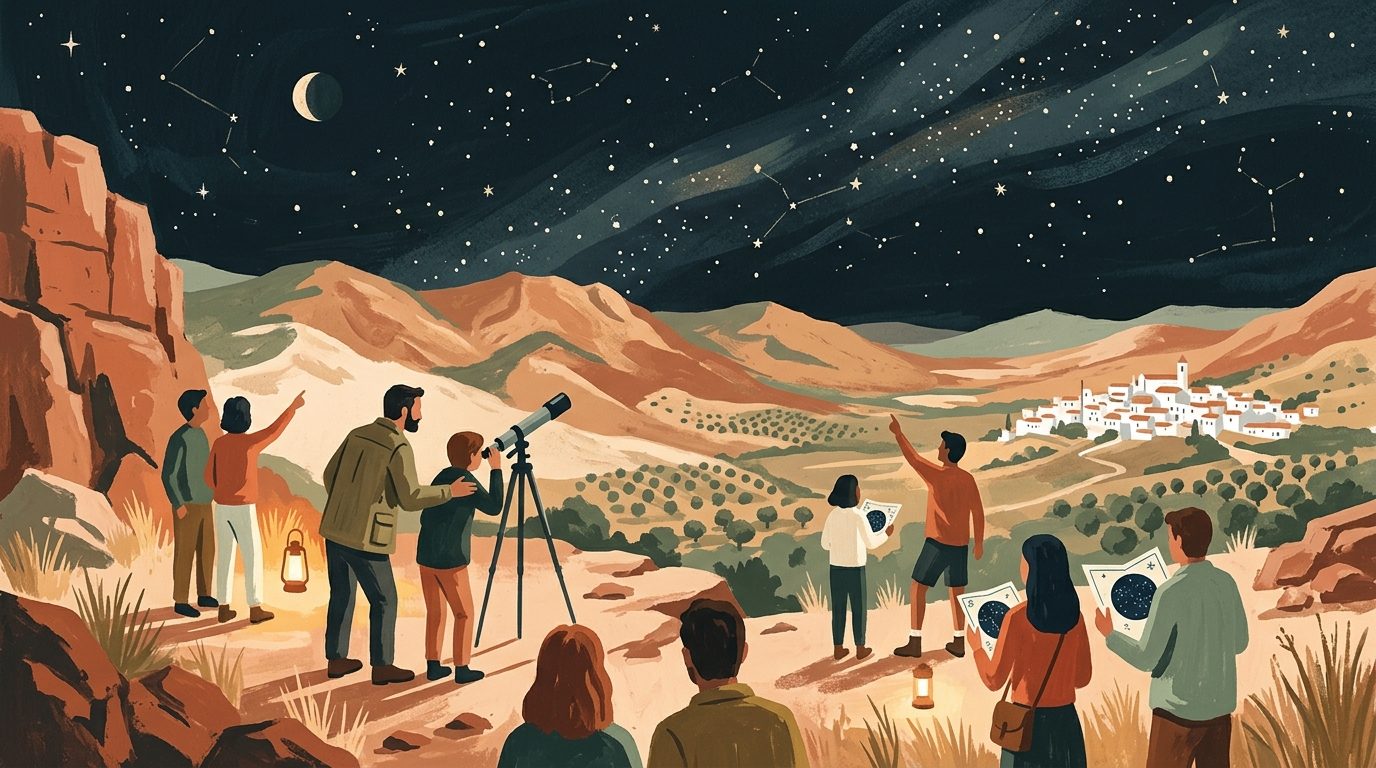
With some of Europe’s lowest light pollution and over 300 clear nights a year, Andalucía provides world-class conditions for observing the night sky. From the expansive Sierra Morena to the coastal cliffs of Almería, the region is a designated haven for astronomers and casual star-watchers alike.
Andalucía is uniquely positioned for astronomy. While many travellers focus on the sun-soaked beaches or the white villages of the interior, the region’s real spectacle begins after sunset. Large swathes of the territory, particularly in the northern mountain ranges and the arid eastern provinces, remain almost entirely free from the orange glow of city lights. This lack of light pollution, combined with high altitudes and a dry climate, results in a transparency of the atmosphere that is hard to find elsewhere in Europe. The regional government has leaned into this natural advantage, securing several Starlight Reserve certifications from the Starlight Foundation, an organisation backed by UNESCO that recognises areas with exceptional sky quality.
The infrastructure is excellent for seasoned astrophotographers with high-end telescopes and for anyone seeing the Milky Way with the naked eye for the first time. You will find dedicated observation points, specialised rural accommodation, and a growing number of local guides who can explain the mythology and science behind the constellations. Stargazing in Andalucía is an exercise in scale and silence, offering a chance to reconnect with the natural world in the quietude of the Spanish countryside. The following guide outlines where to go, who to book with, and how to make the most of the dark skies.
The Best Locations for Stargazing
Sierra Morena: The World's Largest Starlight Reserve
The Sierra Morena stretches across the northern part of Andalucía, spanning the provinces of Huelva, Sevilla, Córdoba, and Jaén. It holds the title of the world's largest Starlight Reserve, covering over 400 kilometres. The low population density here means that once you move away from the main towns, the darkness is absolute. In the province of Sevilla, the town of Cazalla de la Sierra serves as an excellent base. Here, the Sierra Norte is rugged and sparsely populated, providing a perfect backdrop for deep-sky observation.
For a structured experience, many local operators, such as CosmoNatura, offer guided sessions using professional-grade telescopes. They often set up in remote cortijos (farmhouses) where you can spend the evening learning about planetary alignments and distant nebulae. Prices for these sessions typically start around €20 to €30 per person for a group tour (check on the operator's website before travelling).
Los Pedroches: Dark Skies in the Dehesa
Located in the north of Córdoba province, the Valle de los Pedroches is a landscape of ancient oak forests and granite outcrops. This area received its Starlight Reserve status more recently and remains one of the most authentic spots for sky-watching. The lack of industrial development and the geographical shield provided by the mountains create a corridor of darkness that is remarkably stable. The town of Villanueva del Duque has been particularly active in promoting astronomy, installing public observation platforms with informational panels.
Local accommodation providers in Los Pedroches often cater specifically to astronomers. Some rural hotels provide planispheres and binoculars to guests. If you are looking for a professional guide, the AstroAndalus agency frequently organises events in this area, including "star parties" that combine local ham tasting with astronomical talks.
Sierras de Cazorla, Segura y Las Villas
This is Spain's largest protected natural park, located in the province of Jaén. The topography here is much more dramatic than the rolling hills of the Sierra Morena, with high peaks and deep limestone canyons. The sheer scale of the park means you can get miles away from any source of artificial light. The Cosmolarium, located in the Castillo de Hornos (Jaén), is a dedicated centre for astronomy. It is situated within a restored 13th-century castle and features a planetarium and several observation terraces overlooking the Tranco reservoir.
For those who prefer a more solitary experience, driving up to the higher altitudes near the source of the Guadalquivir river provides an unobstructed view of the horizon. The air here is thin and crisp, which reduces atmospheric distortion.
Cabo de Gata-Níjar: Coastal Darkness
While mountains are usually preferred for stargazing, the Cabo de Gata Natural Park in Almería offers a coastal alternative. This is one of the driest places in Europe, which means cloud cover is rarely an issue. By heading away from the city of Almería towards the village of Las Negras or the lighthouse at Cabo de Gata, you can look out over the Mediterranean and see the stars reflected in the water. The sky here is exceptionally clear, and the sound of the waves adds a different dimension to the experience.
During the summer months, local environmental groups often hold moonlight walks and star-watching sessions on the beaches of Los Genoveses or Mónsul. These are less about high-tech equipment and more about appreciating the celestial sphere in a dramatic natural setting.
The Sierra Nevada and La Alpujarra
The high-altitude villages of the Alpujarra, such as Bubión and Capileira, are famous for their clean air. At over 1,200 metres, you are already above much of the haze that can plague lower elevations. For the most serious observers, the Sierra Nevada Observatory (OSN) is located near the summit of Veleta, though this is a professional research facility with limited public access. However, many tour operators lead groups to the lower slopes of the ski station area during the summer months to watch the Perseid meteor shower in August.
Practical Information
Stargazing in Andalucía is accessible, but it requires some planning. While the summer months (July and August) offer the warmest nights and the highest chance of clear skies, the winter months often provide the best clarity as the cold air holds less moisture. If you are visiting in summer, temperatures in the mountains can still drop significantly after midnight, so bring a jacket even if it was 35°C during the day. In winter, thermal layers and a thermos of coffee are essential.
Most guided tours last between two and three hours and cost between €20 and €50 depending on the equipment provided (check on the operator's website before travelling). You do not need expensive gear to start; a decent pair of 10x50 binoculars can reveal the craters of the moon and the moons of Jupiter. Always check the lunar calendar before booking. A full moon is beautiful but its light will wash out the stars and the Milky Way. Aim for the days surrounding the New Moon for the darkest conditions.
Local Tips
To truly experience the Andalucían sky, download an app like Stellarium or SkySafari before you head out, as mobile signal can be spotty in the heart of the reserves. If you are driving yourself, be aware that the mountain roads are winding and often frequented by local wildlife like deer and wild boar at night, so drive slowly. Finally, consider staying in a 'Starlight Hotel'. These are certified rural houses that have committed to protecting the night sky and often have telescopes available for guest use, allowing you to observe at your own pace without the need for a formal tour group.
Last reviewed: 21 June 2026 · Editorial policy
Related guides
Restorative Andalucía: A Guide to Thermal Springs, Yoga, and Natural Wellness
Discover the restorative power of Southern Spain, from the ancient Arab baths of Granada to the healing mineral springs of the Alpujarra mountains.
7 min read
A Guide to the Best Via Ferrata Routes in Andalucía
Discover the best via ferrata routes in Andalucía, from the iconic cliffs of Ronda to the high-wire bridges of Comares and El Chorro.
6 min read
A Guide to Rock Climbing in Andalucía: The Best Crags and Routes
With over 10,000 routes across the region, Andalucía is arguably Europe’s premier winter climbing destination for sport enthusiasts.
6 min read
Bikepacking in Andalucía: A Complete Guide to Two-Wheeled Adventures
Discover how to plan the ultimate bikepacking adventure in southern Spain. Our guide covers route planning, essential gear, weather windows, and tips for navigating wild terrain.
13 min read
Motorcycle Touring in Andalucía: The Ultimate Rider's Guide
Forget the motorways; Andalucía’s true character is carved into its mountain passes, where immaculate asphalt drapes across deep ravines and high-altitude plateaus. This is a landscape built for motorcycles, offering thousands of kilometres of technical riding.
9 min read
The Spring Wildflower Season in Andalucía
Discover the exceptional botanical diversity of southern Spain, from the orchid-rich limestone sierras to the rare peonies of the cork oak forests.
7 min read
More guides
The Definitive Guide to Feria de Abril in Sevilla
Discover the cultural nuances, strict dress codes, and insider advice for navigating Sevilla's exclusive spring fair like a seasoned local.
9 min read
Golf in Jaén Province: A Practical Guide to Courses, Clubs, and Holidays
Discover the reality of playing golf in Jaén. From the 9-hole course at La Garza to local societies and combining rounds with olive oil tourism.
12 min read
Golf in Córdoba Province: Courses, Holidays, and Shops
Discover practical tips, course details, and holiday planning advice for playing golf in Córdoba province, from the mountain fairways of Sierra Morena to the historic greens of Los Pedroches.
10 min read
The Ultimate Guide to Golf in Cádiz Province
Discover the finest golf courses, resorts, and practical tips for planning your next golf holiday in the province of Cádiz. From championship layouts to essential details on green fees and club hire, everything you need is covered.
11 min read
Golf in Sevilla Province: Courses, Holidays and Local Pro Shops
Swap the crowded coastal fairways for the refined courses of Sevilla province. Discover top layouts designed by golfing legends, local shops, and expert tips for your next trip.
10 min read
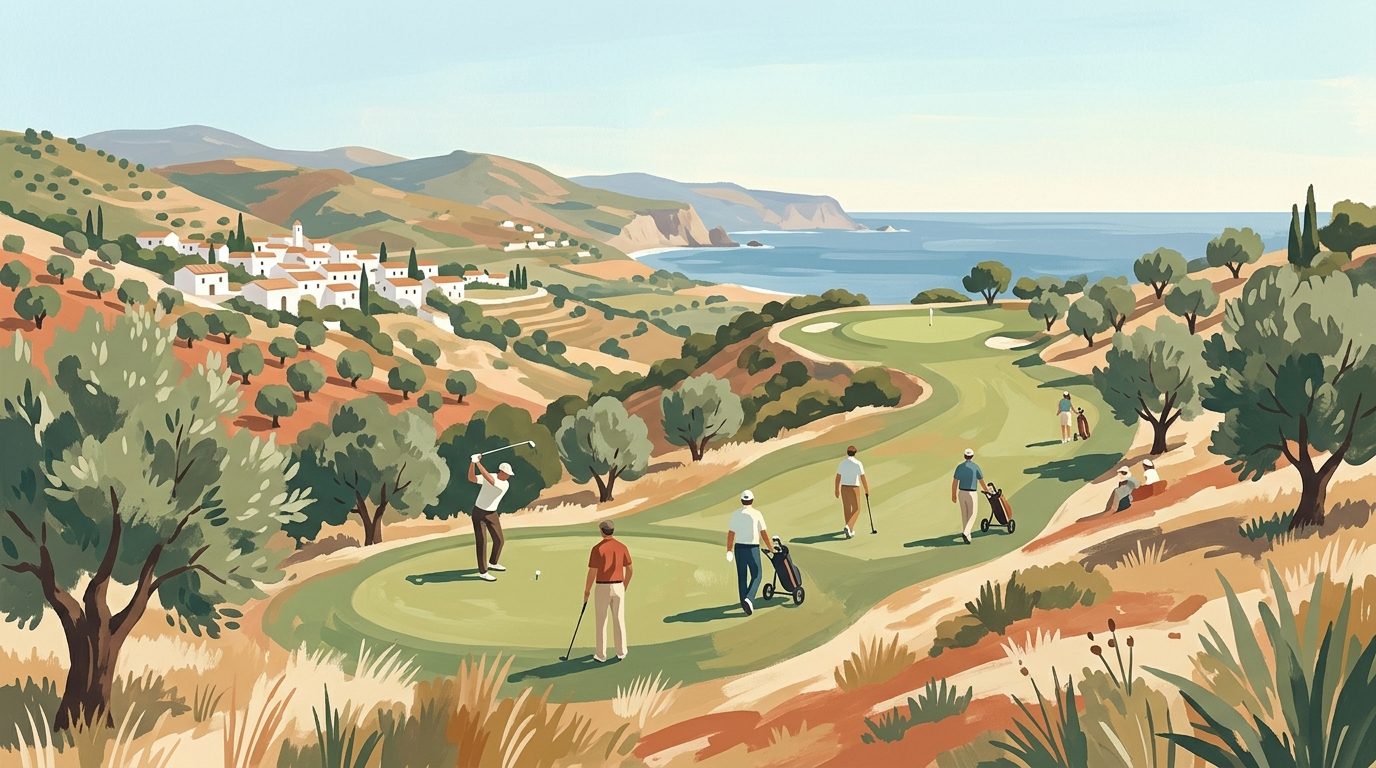
A Complete Guide to Golf in Málaga Province
From championship courses in Marbella to practical advice on club rentals and tee times, discover everything you need to know about playing golf in Málaga province.
11 min read
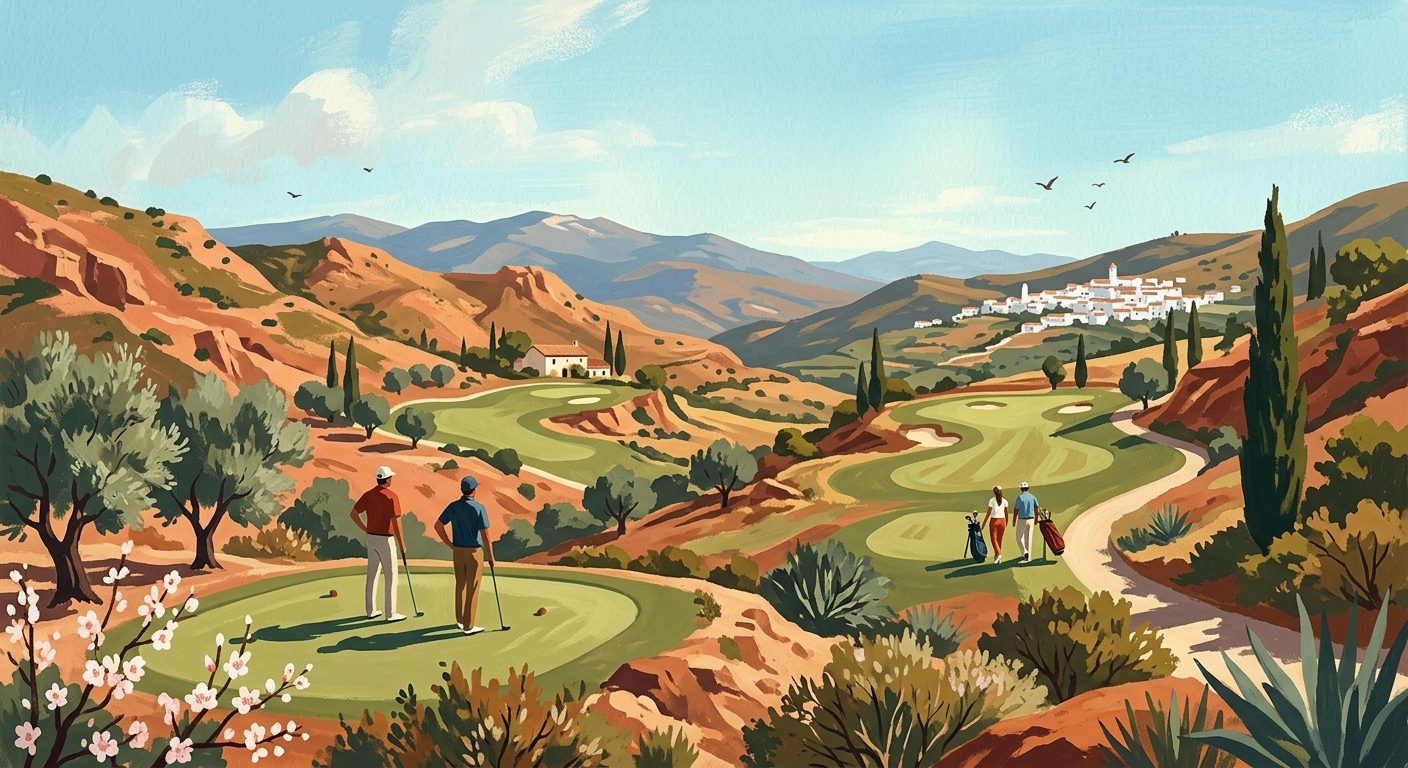
Golf in Granada Province: A Practical Guide to Courses, Holidays and Gear
Plan your perfect golfing trip with our practical guide to Granada's 18-hole courses. Discover green fees, club rental, and the best locations for a golf holiday.
12 min read
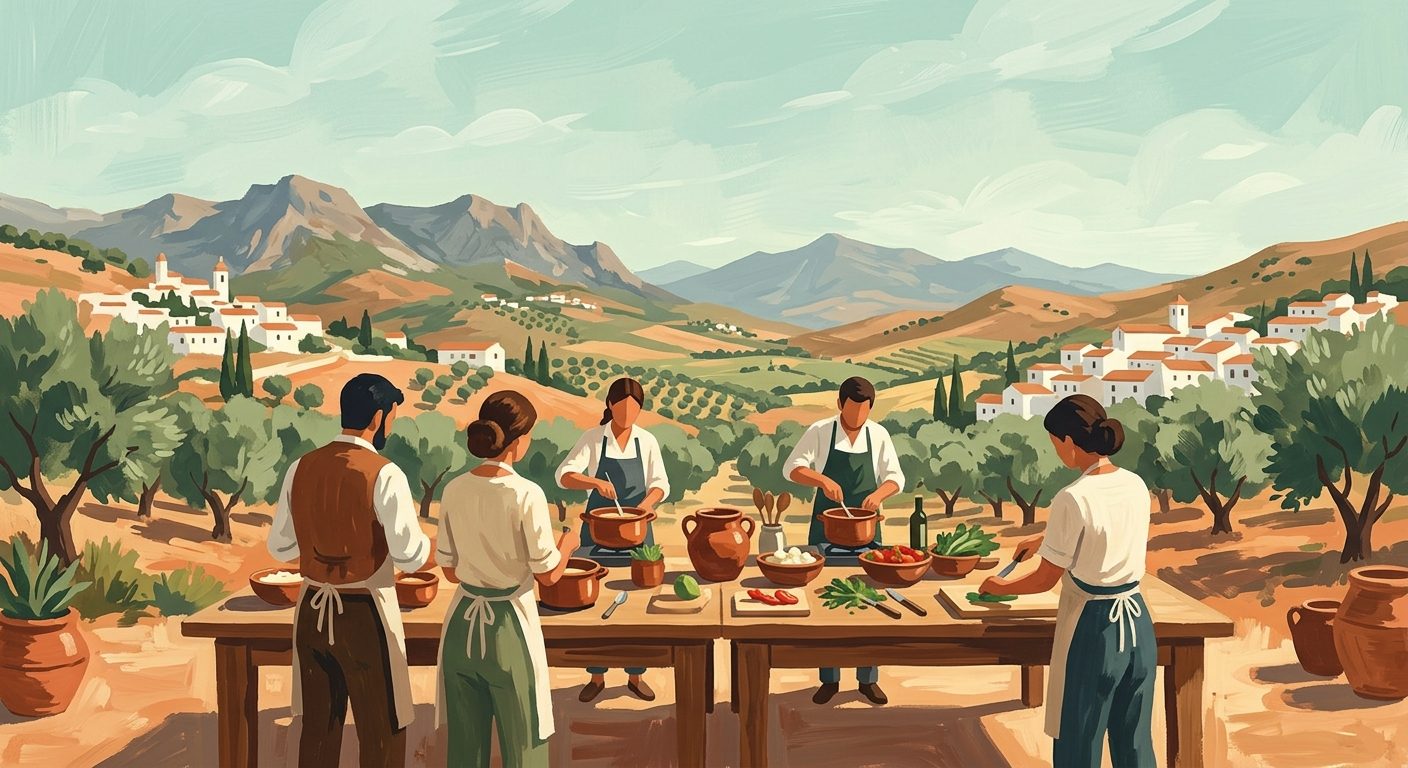
Hands-on Gastronomy: The Best Cooking Classes in Andalucía
Discover the art of Andalucían cuisine through hands-on workshops, from Triana's market-based schools to specialist Sherry cooking classes in Vejer.
6 min read
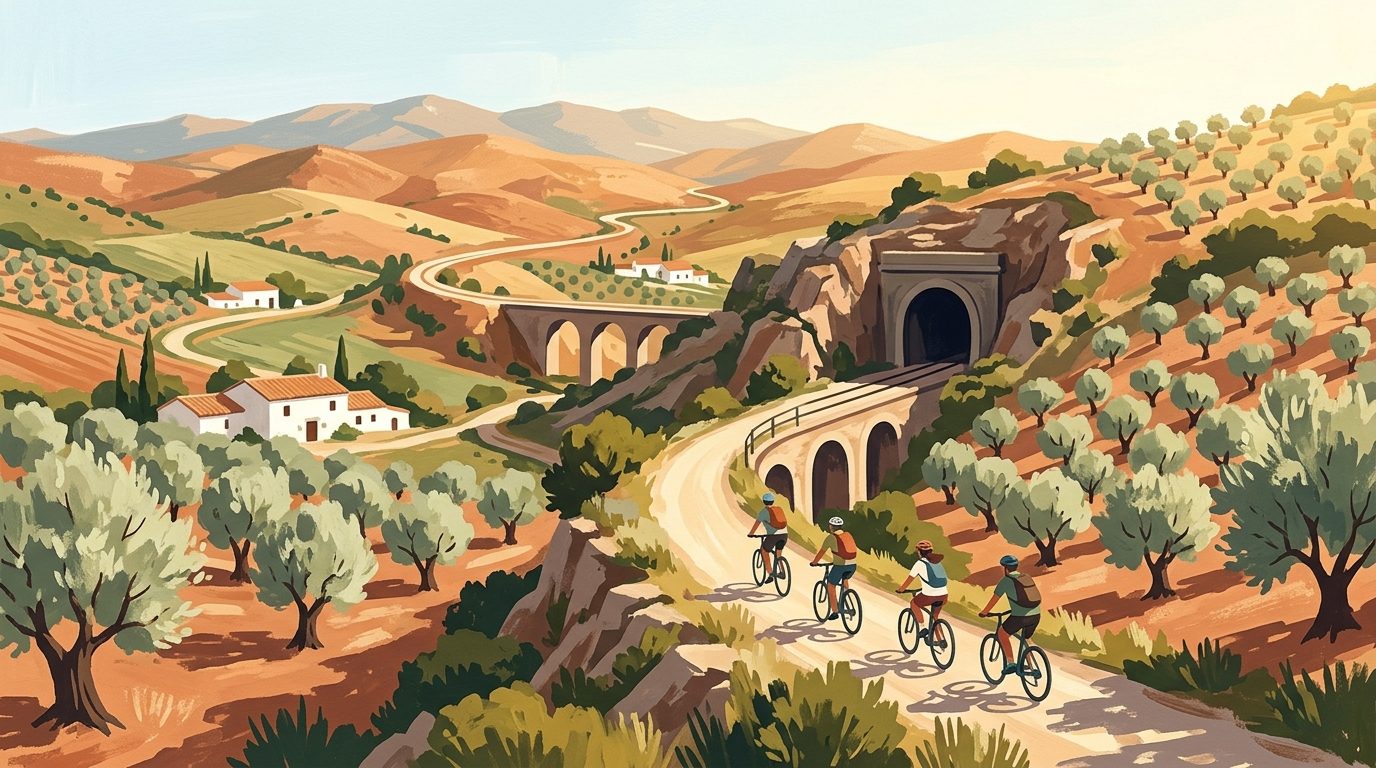
Cycling the Vías Verdes of Andalucía: A Complete Guide
Explore the disused railway lines of Andalucía. Discover the best Vías Verdes for cycling, from the tunnels of Cádiz to the olive groves of Jaén.
7 min read
Newsletter
More stories from Andalucía
Weekly notes, seasonal picks, and the next guides worth bookmarking.