
Food & drink · Málaga
Where to Eat in Nerja: A Food Lover’s Guide to the Axarquía Coast
From wood-fired paella on the sands of Burriana to the crowded tapas bars of the old quarter, Nerja offers an authentic taste of the Málaga coastline.
By Dan · Updated 16 July 2026 · 6 min read
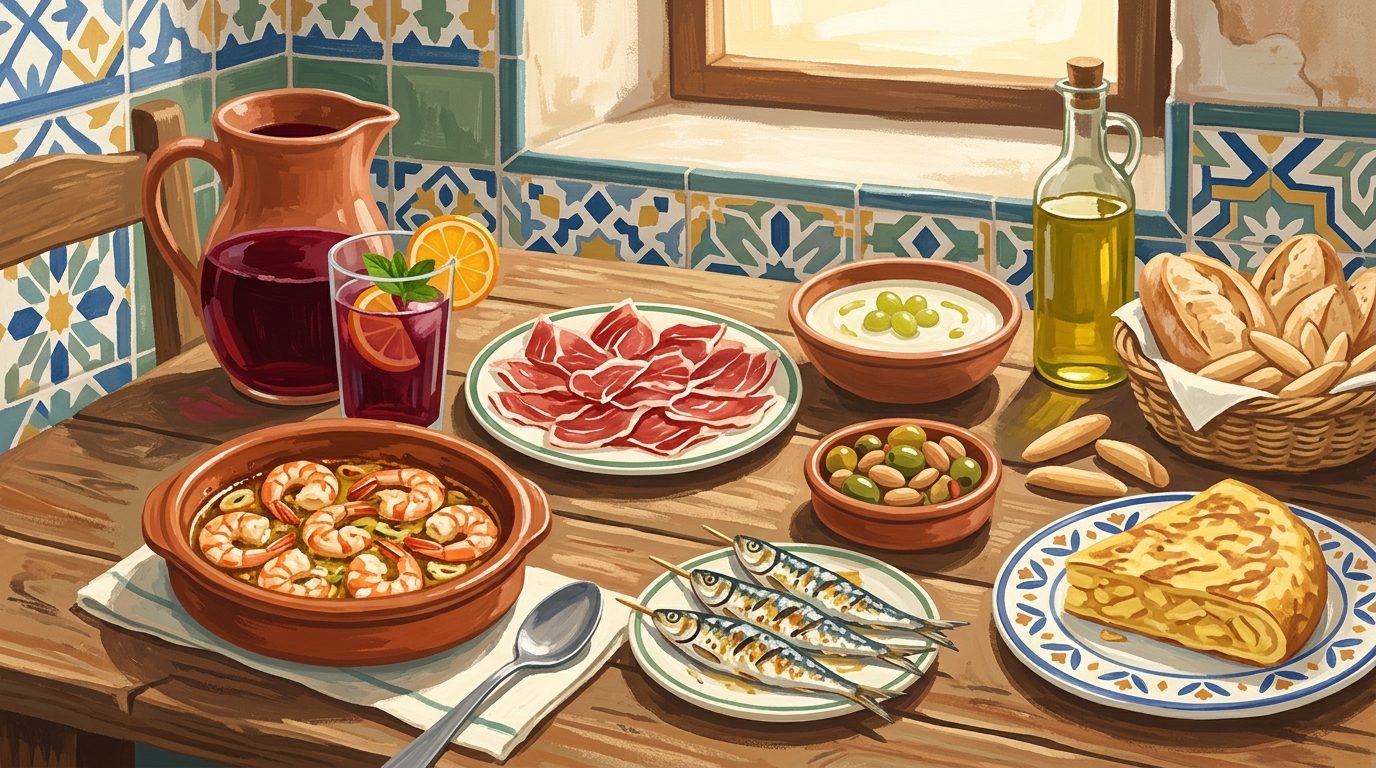
Forget the predictable tourist menus; Nerja is a town where the scent of roasting sardines meets the sweet aroma of Axarquía moscatel. To eat well here, you simply need to follow the locals away from the main squares and towards the woodsmoke of the beach or the narrow lanes of the old town.
Nerja occupies a unique position on the Costa del Sol. Situated where the Sierra de Almijara mountains tumble into the Mediterranean, it serves as the culinary gateway to the Axarquía region. Unlike the high-rise sprawl further west, Nerja has maintained a character that feels rooted in its fishing village origins. This is reflected in the kitchens, where the produce of the sea meets the subtropical bounty of the surrounding hills: think avocados, mangoes, and the deep, dark sweetness of miel de caña (cane syrup) from nearby Frigiliana.
The dining scene here is layered. You have the traditional chiringuitos (beach restaurants) where the cooking is done over open flames, the traditional tapas bars of the Casco Antiguo (Old Quarter) where a drink often secures you a free plate of food, and a growing number of refined establishments that are elevating Andalucían ingredients to new heights. To eat like a local in Nerja is to embrace the seasons, from the silvery sardines of the summer to the hearty potajes (stews) of the cooler months.
The Ritual of the Espeto and Burriana Beach
If there is one smell that defines a Nerja summer, it is the scent of leña de olivo (olive wood) smoke drifting across the sand. This is the signal that the espetos are being prepared. An espeto refers to the bamboo skewer used to pin fresh fish, most traditionally sardinas (sardines), before they are pushed into the sand surrounding a boat-shaped barbecue. The trick is the placement; the fish are cooked by the heat of the embers rather than the flame, resulting in skin that is perfectly crisp and flesh that remains incredibly succulent.
Burriana Beach is the spiritual home of the large-scale beach lunch. While there are many options, Chiringuito Ayo remains an institution. Ayo himself is often seen tending to the enormous, shallow pans of paella leña (wood-fired paella). It is a casual, high-energy environment where the price (€) is modest and the portions are generous. For something slightly more refined but still firmly on the sand, Chiringuito Moreno offers exceptional fritura malagueña (Málaga-style fried fish). When ordering fried fish, look for boquerones (anchovies) or rosada (kingklip), a local favourite with a meaty, white texture.
Seafood Excellence: Beyond the Beach
While the beach bars offer atmosphere, some of the best seafood in Nerja is found in the town centre. La Marina is a prime example. This is a marisquería (seafood restaurant) in the truest sense. You don't always need a menu here; you simply look at the display of the morning’s catch. Look out for quisquillas de Motril (small, sweet blue-hearted shrimp) or conchas finas (large, smooth-shelled clams usually served raw with a squeeze of lemon and a dash of pepper). The price point here is mid-range (€€), reflecting the quality and freshness of the haul.
Another local haunt is La Puntilla. It is tucked away on a side street and is often packed with residents by 2:00 PM. It is famous for its tapas, but their full plates of gambas al pil-pil (prawns sizzling in garlic and chilli oil) are among the best in town. The atmosphere is loud, functional, and entirely authentic. This is the place to try calamaritos (small squid) or almejas (clams) cooked in white wine and garlic.
Dining Near the Balcón de Europa
The Balcón de Europa is the town’s focal point, a promenade jutting out over the sea. While the immediate vicinity is home to some uninspiring tourist traps, a short walk into the surrounding streets reveals excellent dining. El Niño on Calle Almirante Ferrándiz is a reliable spot for traditional plates. Their ajoblanco (a cold almond and garlic soup topped with grapes) is a classic of the region and perfect for a hot afternoon.
For those seeking a modern interpretation of Andalucían flavours, Oliva provides a more sophisticated experience (€€€). Here, the chef takes local ingredients like Axarquía goat's cheese or Iberico pork and presents them with contemporary flair. It is a world away from the rustic beach bars, showing the versatility of the local larder. The wine list here is particularly good, focusing on the burgeoning Sierras de Málaga designation.
The Axarquía Larder and Local Wines
The hills behind Nerja provide a bounty that many coastal towns lack. The microclimate allows for the cultivation of tropical fruits that you won't find elsewhere in Europe. Mangoes and avocados from the Axarquía are exported across the continent, but they taste best when they have ripened on the tree and are served in a simple salad with tomate picado (chopped tomatoes) and local olive oil.
Wine enthusiasts should look for labels from Bodegas Bentomiz. Their Ariyanas range, produced in the nearby hills of Sayalonga, includes some of the finest dry Moscatels in Spain. Unlike the cloyingly sweet dessert wines often associated with Málaga, these are crisp, floral, and perfect pairings for the local seafood. If you prefer the traditional sweet style, a glass of Vino de Terruño made from sun-dried raisins is the traditional way to end a meal in the Axarquía.
Ordering Like a Local
In Nerja, the tapa culture is still alive and well. In many traditional bars, such as El Pulguilla, you will be offered a choice of a small plate with every drink you order. It is common to stand at the bar for the first two drinks, sampling the tapas, before moving to a table for raciones (larger sharing plates).
Timing is everything. Lunch rarely starts before 2:00 PM, and dinner is a late affair, often beginning at 9:00 PM or later. If a restaurant is empty at 7:30 PM, it doesn't mean it’s bad; it means the locals haven't finished their siesta. When ordering seafood, always ask for the sugerencias del día (suggestions of the day). If the waiter tells you a certain fish is fuera de carta (not on the menu), it usually means it was bought at the market that morning and is the freshest thing in the building.
Where to Find the Best
Burriana Beach
- Chiringuito Ayo (Playa Burriana): Famous for open-air paella cooked over wood fires. A casual, busy spot perfect for a long lunch. (€)
- Chiringuito Moreno (Playa Burriana): Excellent for espetos de sardinas and fried fish platters right on the sand. (€€)
The Old Quarter (Casco Antiguo)
- El Pulguilla (Calle Almirante Ferrándiz): A classic tapas bar where you choose your free tapa from a list. It's usually crowded, loud, and brilliant. (€)
- La Puntilla (Calle Bolivia): This is the go-to for fresh shellfish and traditional fried fish. (€€)
- La Marina (Calle de la Castilla): A formal fishmonger-style restaurant. Essential for high-quality Mediterranean seafood. (€€)
Calle Cristo & Surroundings
- Redondo (Calle de la Gloria): Known for its circular bar and a vast array of tapas. A great place to start an evening of bar-hopping. (€)
- Oliva (Plaza de España): For a refined, modern Andalucían dining experience with an excellent local wine list. Bookings recommended via their website. (€€€)
- Bakus (Calle Hernando de Carabeo): Situated with views over Playa Carabeillo, offering a creative fusion of Mediterranean flavours. Reservations advised through their website. (€€€)
Last reviewed: 21 June 2026 · Editorial policy
Related guides
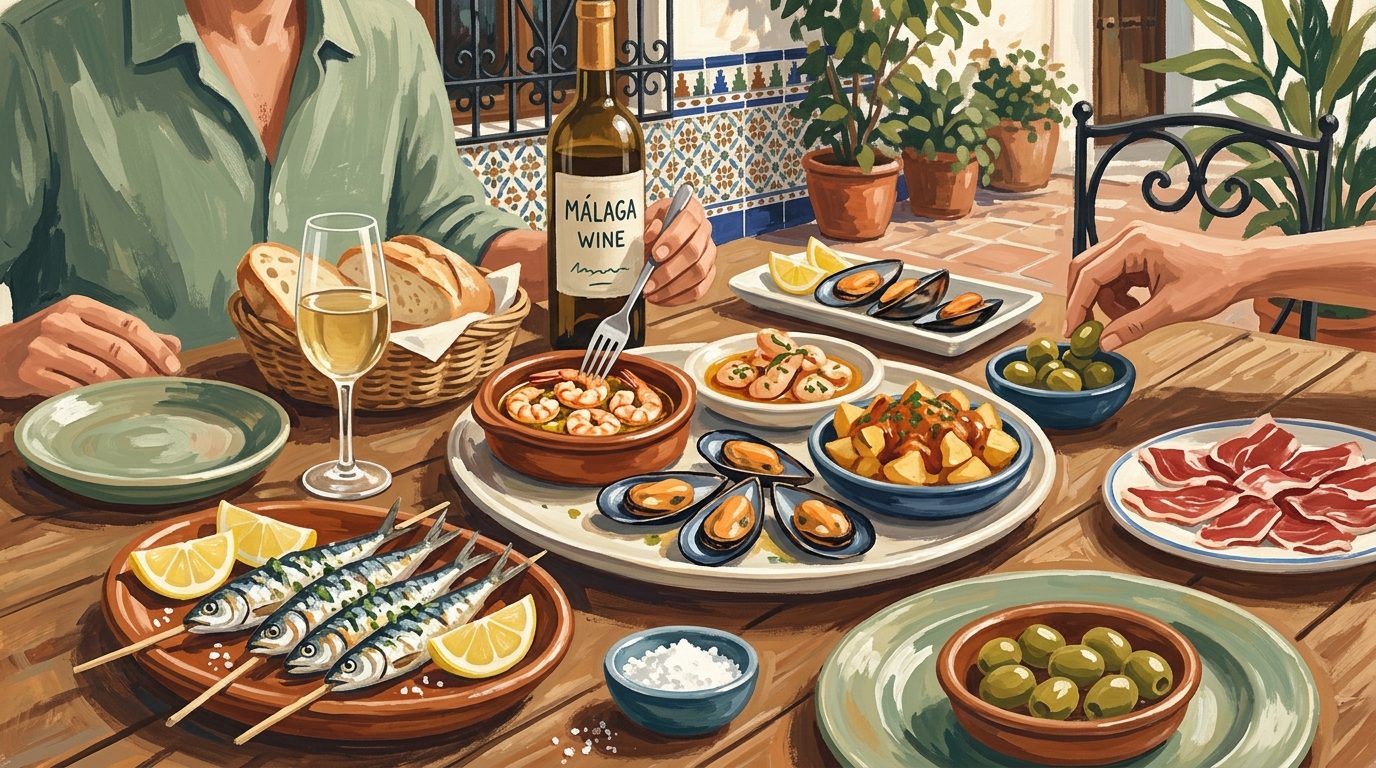
Where to Eat in Málaga: From Beachfront Espetos to Soho Small Plates
Forget its reputation as a mere transit point; Málaga has transformed into one of Spain’s most compelling food cities, balancing salt-crusted beach traditions with a sharp, modern dining scene.
7 min read
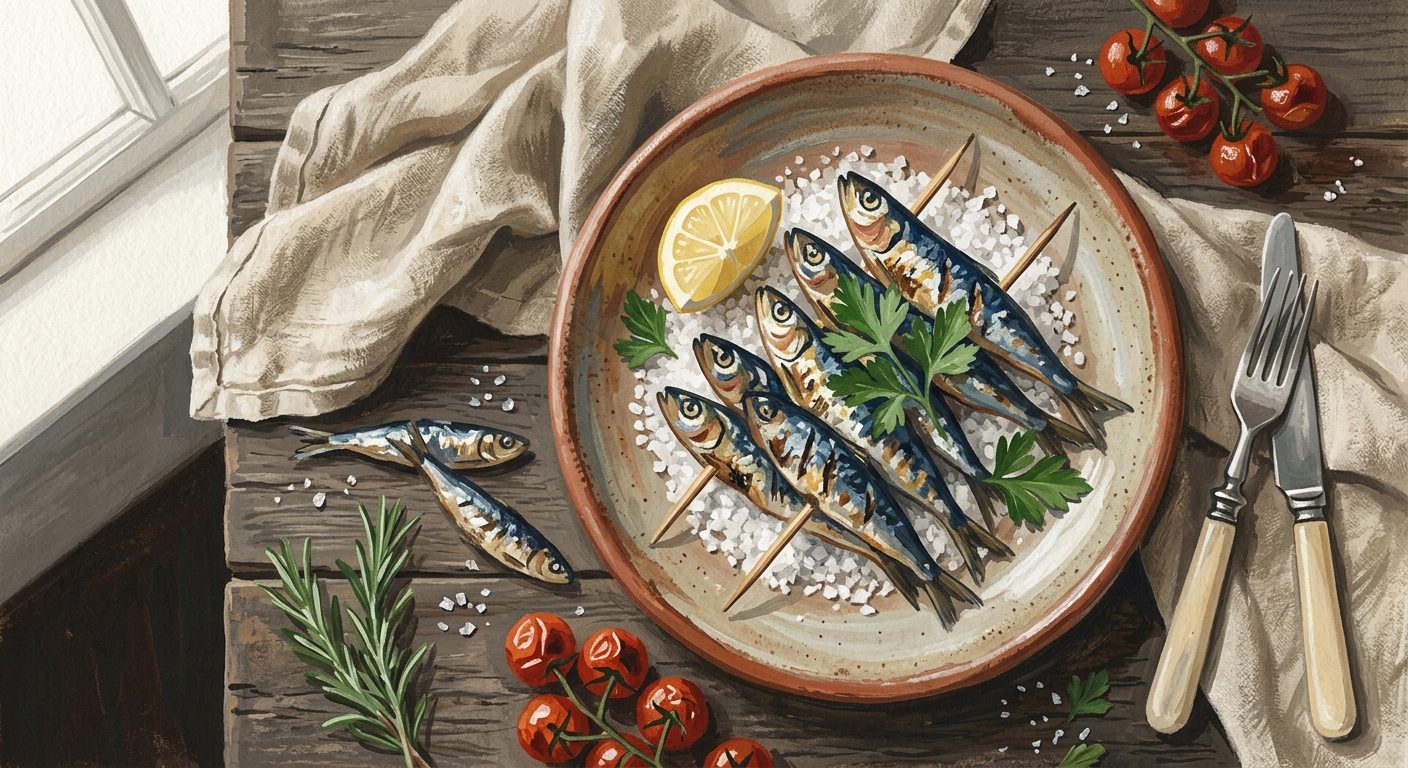
Traditional Espetos de Sardinas: The Taste of Málaga
Discover how to prepare authentic Espetos de Sardinas, the iconic grilled skewers from the beaches of Málaga, using traditional Andalucían techniques.
4 min read
Master the Art of the Andalucían Kitchen: The Best Cooking Classes in Southern Spain (2026 Guide)
Discover the secrets of the Andalucían kitchen, from masterclasses in the markets of Sevilla to sherry-infused cooking in the hills of Cádiz.
7 min read
Where to Eat in Cádiz: From Atlantic Seafood to Market Tapas
Discover the salt-tangled flavours of Europe’s oldest city, where bluefin tuna, paper cones of fried fish, and crispy shrimp fritters define the culinary landscape.
6 min read
Beyond the Tapas Bar: A Journey Through the Flavours of Andalucía
Discover the essential dishes of Southern Spain, from the chilled salmorejo of Córdoba to the smoky espetos of the Málaga coast.
7 min read
A Serious Eater's Guide to Granada: From Free Tapas to Fine Dining
Beyond the Alhambra lies a city where the drink-to-food ratio remains the best in Spain, anchored by a free tapas culture that rewards the adventurous diner.
7 min read
More from Málaga
Newsletter
More stories from Andalucía
Weekly notes, seasonal picks, and the next guides worth bookmarking.