
attraction · Sevilla
Conjunto Arqueológico de Itálica
Andalucía 365 · Updated 18 July 2026
Our Verdict
“A vast, sun-baked Roman archaeological site featuring one of the empire's largest amphitheatres and exceptionally well-preserved floor mosaics.”
Last verified: July 2026
Located just outside the Andalusian capital in Santiponce, the Conjunto Arqueológico de Itálica preserves the remains of the first Roman city founded on the Iberian Peninsula. Established in 206 BC by Scipio Africanus to settle wounded veterans, Itálica later achieved imperial glory as the birthplace of emperors Trajan and Hadrian. Today, the excavated site reveals the grand nova urbs (new city) commissioned by Hadrian, featuring wide, paved avenues, sprawling aristocratic mansions, and one of the largest amphitheatres in the Roman Empire. Visitors can walk among the foundations of ancient villas, admiring highly detailed floor mosaics that have survived for millennia. Itálica appeals strongly to history enthusiasts and those looking to understand the deep classical roots of Roman Sevilla, offering a monumental counterpoint to the Moorish and Christian architecture of the province.
The Legacy of Scipio and the Emperors
Before Hadrian's grand architectural expansion, Itálica began as a strategic military outpost. Following the decisive Battle of Ilipa in 206 BC, the Roman general Scipio Africanus established the settlement to house his wounded legionaries and secure control over the fertile Guadalquivir basin. This original footprint, known as the vetus urbs (old city), now lies hidden beneath the streets of modern Santiponce. Over the centuries, the town grew in wealth and influence, largely driven by the agricultural riches of the surrounding landscape. Its political zenith arrived in the late first and early second centuries AD, when it produced two of Rome's most capable rulers: Trajan and his successor, Hadrian. Their unprecedented patronage transformed their provincial hometown into a monumental showcase of imperial power, elevating its status to a formal Roman colony and reshaping its urban identity.
The Imperial Amphitheatre
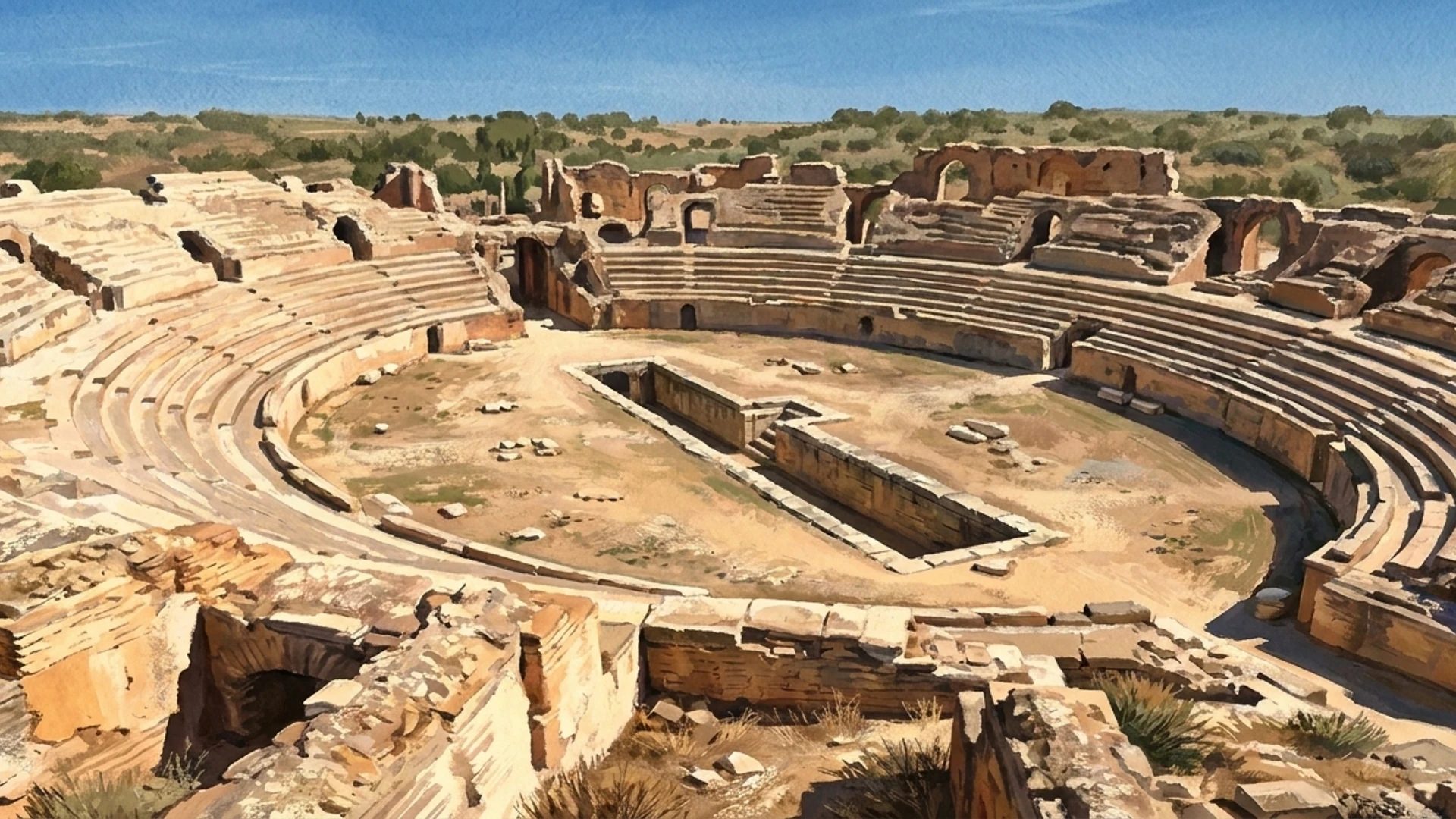
The undisputed centrepiece of the archaeological park is its colossal amphitheatre. Constructed during the reign of Hadrian, this elliptical arena was designed to seat approximately 25,000 spectators. This staggering capacity far exceeded the local population, indicating its status as a major regional destination for gladiatorial combat, beast hunts and public spectacles. Today, visitors can walk through the vaulted stone vomitoria and stand on the surviving terraces to grasp the sheer scale of the structure. The central arena features a deep, exposed fossa (pit), which would have been covered by a wooden floor and used to house wild animals and stage machinery. The lower seating tiers remain largely intact, allowing you to trace the architectural ambition of Roman engineering and imagine the roar of the crowds that once filled the stands.
Walking the Nova Urbs
Beyond the amphitheatre, the site encompasses the nova urbs, the ambitious urban expansion driven by Hadrian in the second century AD. Unlike the older, original settlement, this newer district was built on a grand scale with wide, orthogonal streets designed to accommodate chariot traffic and pedestrian arcades. Walking along these ancient thoroughfares, you can observe the sophisticated infrastructure of the city, including its complex drainage systems, lead piping and the remnants of public thermal baths. At the heart of this grid lies the Traianeum, a massive temple precinct dedicated to the deified Emperor Trajan, surrounded by a vast porticoed courtyard. The sheer width of the streets and the scale of the public buildings reflect a city designed to project authority and permanence.
Mosaics and Aristocratic Mansions
The residential quarters of Itálica offer a fascinating glimpse into the domestic lives of its wealthiest citizens. The city is renowned for its expansive domus (courtyard houses), which cover entire city blocks and feature some of the finest Roman mosaics in Spain. The House of the Birds (Casa de los Pájaros) is named for its exquisite central mosaic, which depicts 33 different avian species in vivid, polychrome detail. Nearby, the House of the Planetarium (Casa del Planetario) contains a floor mosaic illustrating the seven planetary deities that give their names to the days of the week. These intricate artworks, left in situ rather than moved to a museum, provide a tangible connection to the artistic tastes, wealth and mythological beliefs of Roman Hispania.
Our verdict
Itálica is an essential archaeological site that vividly illustrates the wealth and power of Roman Andalusia. The scale of the amphitheatre and the quality of the mosaics are undeniably impressive, offering a direct link to the classical past. However, visitors should manage their expectations: this is an excavated ruin, not a reconstructed city. Much of the site consists of low foundation walls, requiring a degree of imagination to visualise the former grandeur of the nova urbs. The archaeological park is vast and highly exposed, making it a demanding visit during the warmer months. For those with a genuine interest in antiquity, it is a highly rewarding excursion, but casual visitors might find the extensive, sun-baked ruins repetitive after the first hour.
Practicalities and Planning
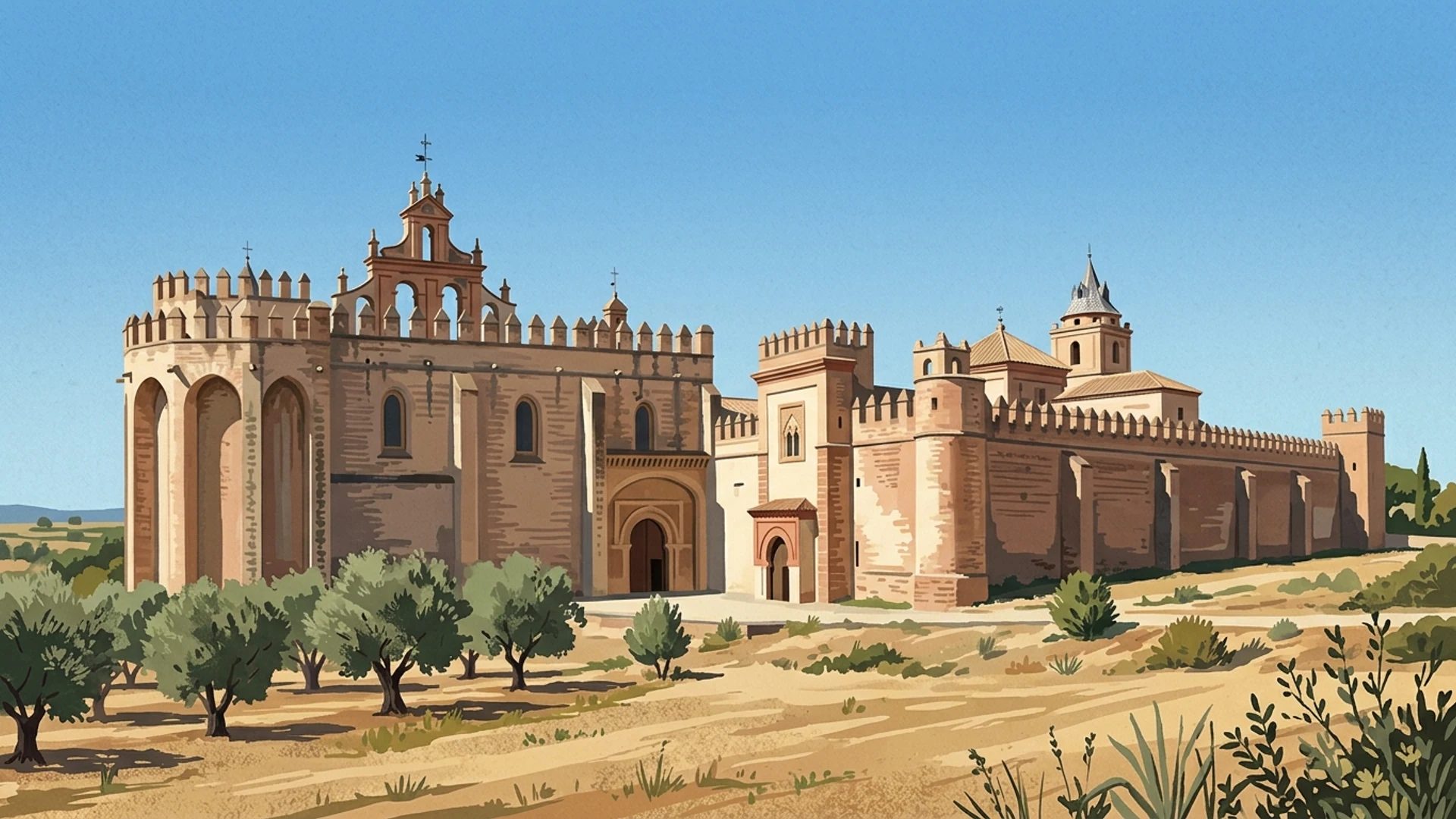
Reaching Itálica from the regional capital is straightforward, making it an easy addition to a long weekend in Sevilla. Regional buses depart regularly from the Plaza de Armas bus station, dropping passengers a short walk from the entrance. If you are making the trip, consider pairing your visit with the nearby Monasterio de San Isidoro del Campo for a complete historical overview of the municipality. When planning your visit, weather is the most critical factor. The archaeological site offers almost no shade, and the stone ruins radiate heat. During the summer, it is imperative to arrive as soon as the gates open and to bring ample water and sun protection. The terrain consists of uneven dirt paths, original Roman paving stones, and loose gravel, which can present challenges for those with limited mobility or pushchairs. Sturdy, flat footwear is essential for navigating the expansive grounds safely. For current opening times and access conditions, always consult the official Conjunto Arqueológico de Itálica website before travelling.
Nearby worth your time
A few well-placed stops for extending the day without turning it into a checklist.
Continue through Itálica & Roman Sevilla
Step back into the wider landscape with local guides, nearby places and the province overview.
Things to do · 9 min
The Definitive Guide to Feria de Abril in Sevilla
Discover the cultural nuances, strict dress codes, and insider advice for navigating Sevilla's exclusive spring fair like a seasoned local.
Things to do · 10 min
Golf in Sevilla Province: Courses, Holidays and Local Pro Shops
Swap the crowded coastal fairways for the refined courses of Sevilla province. Discover top layouts designed by golfing legends, local shops, and expert tips for your next trip.
Itinerary · 13 min
One Week in Sevilla: A Complete Seven Days Itinerary
Spending a full week in Sevilla allows you to slow down and adopt the local rhythm. You can explore the monumental centre, wander through neighbourhood markets, and take the train to nearby Andalucían cities without feeling rushed.