
Attractions in Andalucía
The Alhambra, the Mezquita, flamenco tablaos, natural parks and prehistoric caves: the essential sights across southern Spain.
Filter by Province
Filter by Type
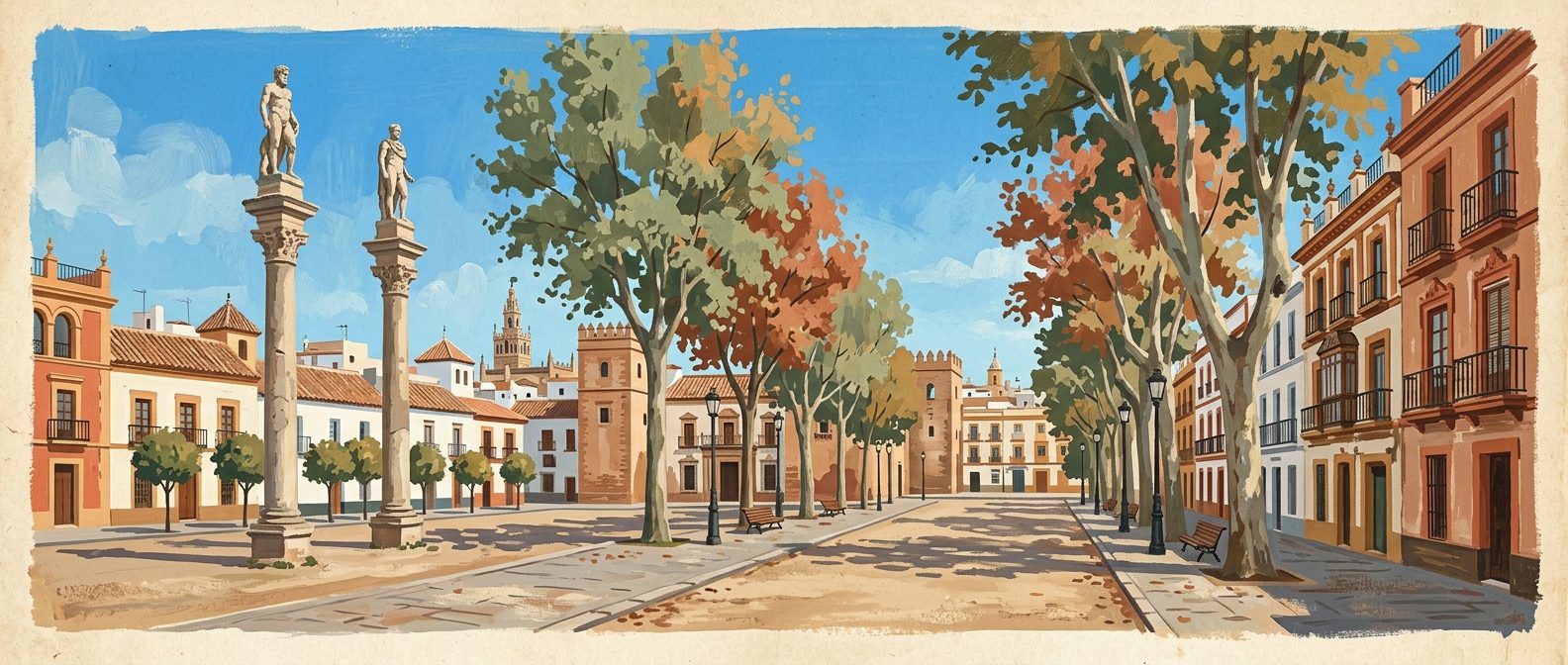
Alameda de Hércules
“The Alameda de Hércules trades pristine monuments for unfiltered street life. It is loud, gritty, and heavily used, offering a vital look at modern Sevilla. Skip it if you expect immaculate courtyards, but visit for the excellent food scene, independent atmosphere, and a true sense of the city's contemporary character.”
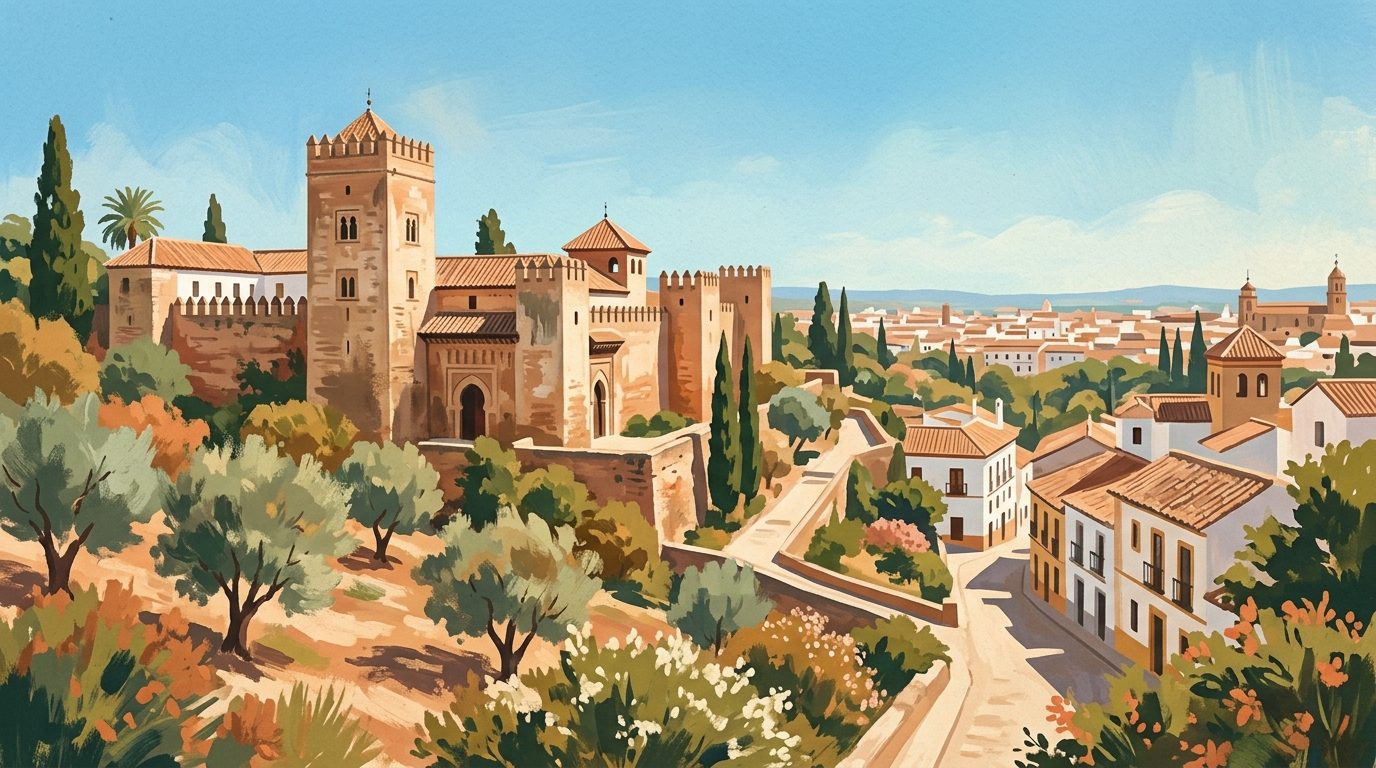
Alcázar de la Puerta de Sevilla
“A formidable military complex that physically maps the architectural evolution of southern Spain. Its steep towers and layered gates offer a tangible sense of ancient strategic power, though visitors should be prepared for steep climbs and uneven stone steps. The panoramic views alone make the ascent worthwhile.”
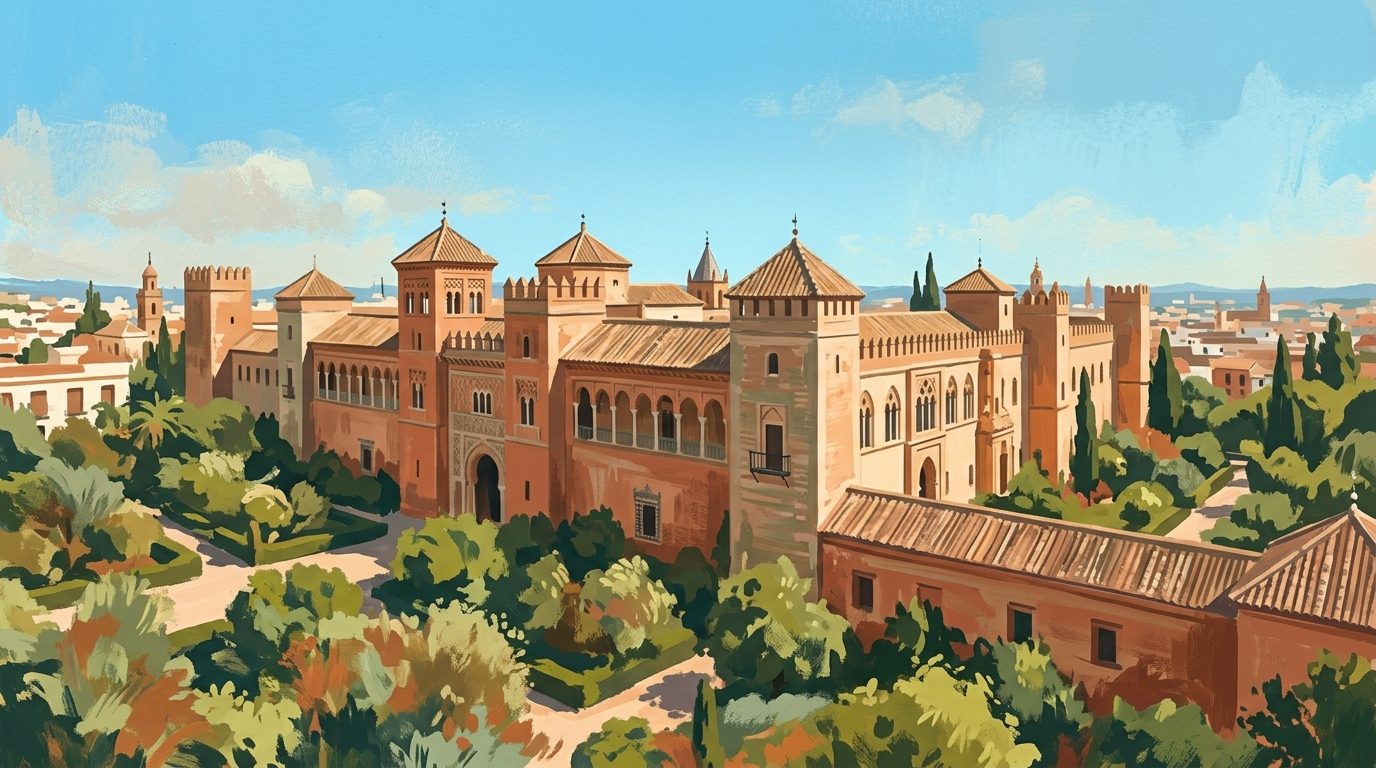
Alcázar del Rey Don Pedro
“The Alcázar del Rey Don Pedro offers a compelling look at medieval military adaptation. While the original palatial interiors are lost, the monumental defensive walls, the pioneering Cubete artillery fort, and the vast, unhindered views across the plains make this an essential stop for anyone exploring the architectural history of Andalucía.”
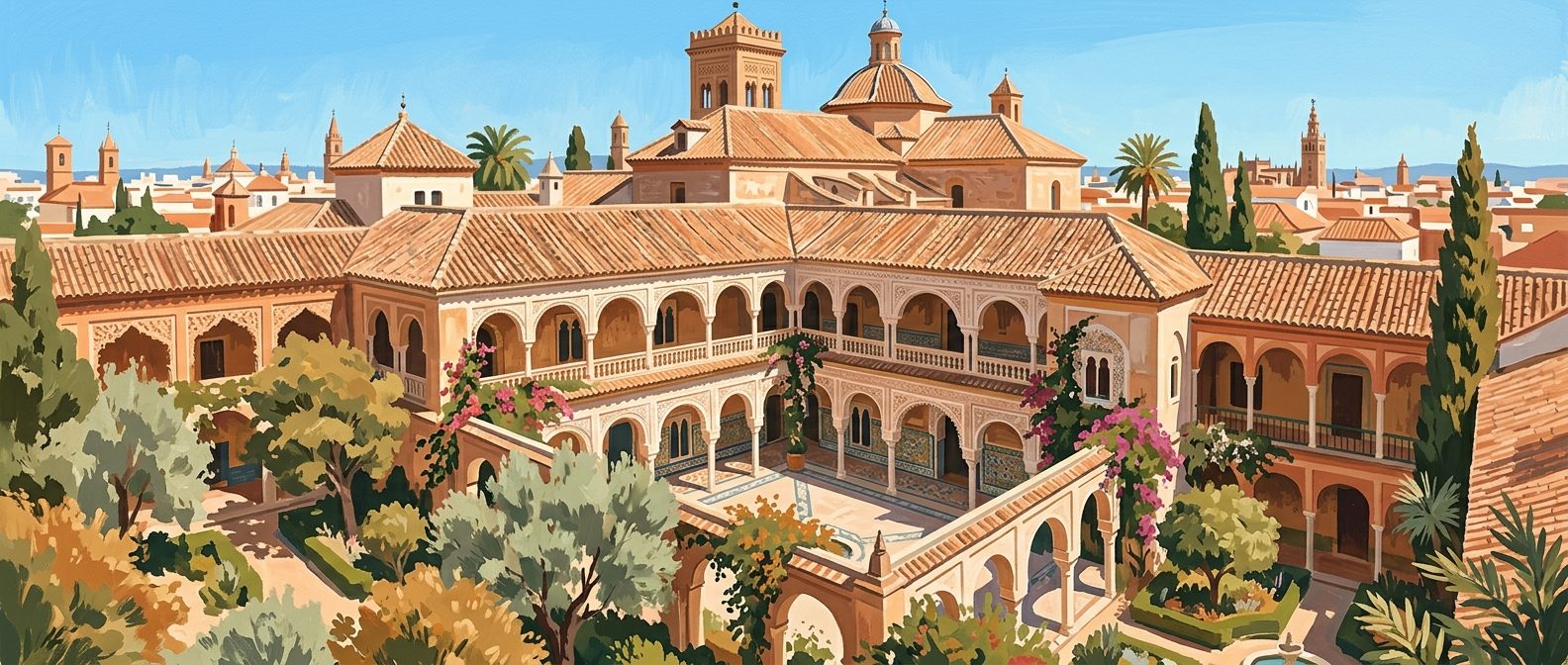
Casa de Pilatos
“Casa de Pilatos is an essential stop for architecture enthusiasts and those seeking a refined, uncrowded alternative to the main tourist trail. The ground floor tilework and gardens are spectacular. However, the guided upper floor tour can feel rushed. Independent travellers will be perfectly satisfied sticking to the magnificent lower courtyards.”
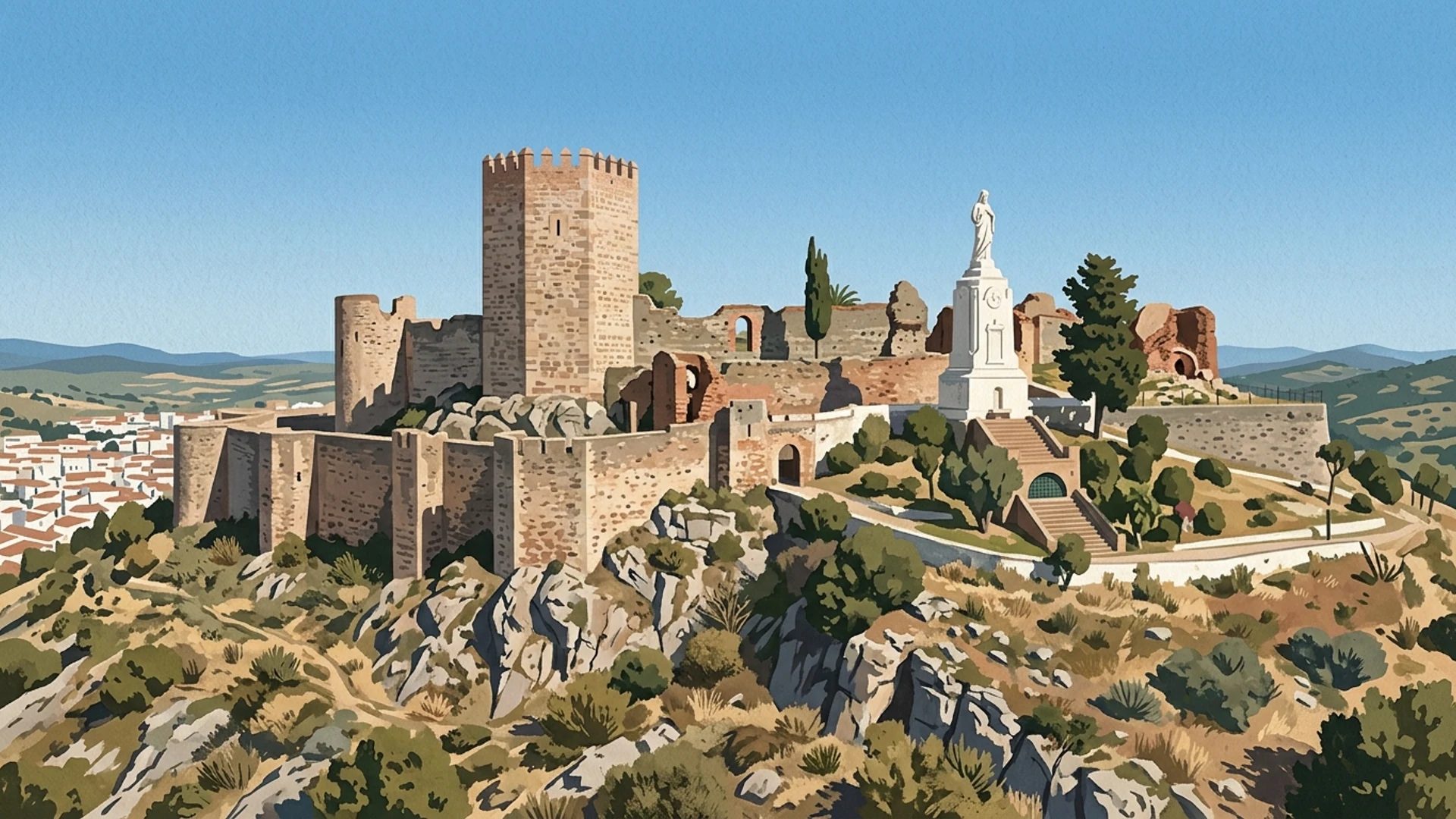
Castillo de Constantina
“The hilltop castle anchors Constantina's medieval history and provides a distinct built-heritage counterpart to Cerro del Hierro, though the steep climb and restricted interior access require careful planning.”
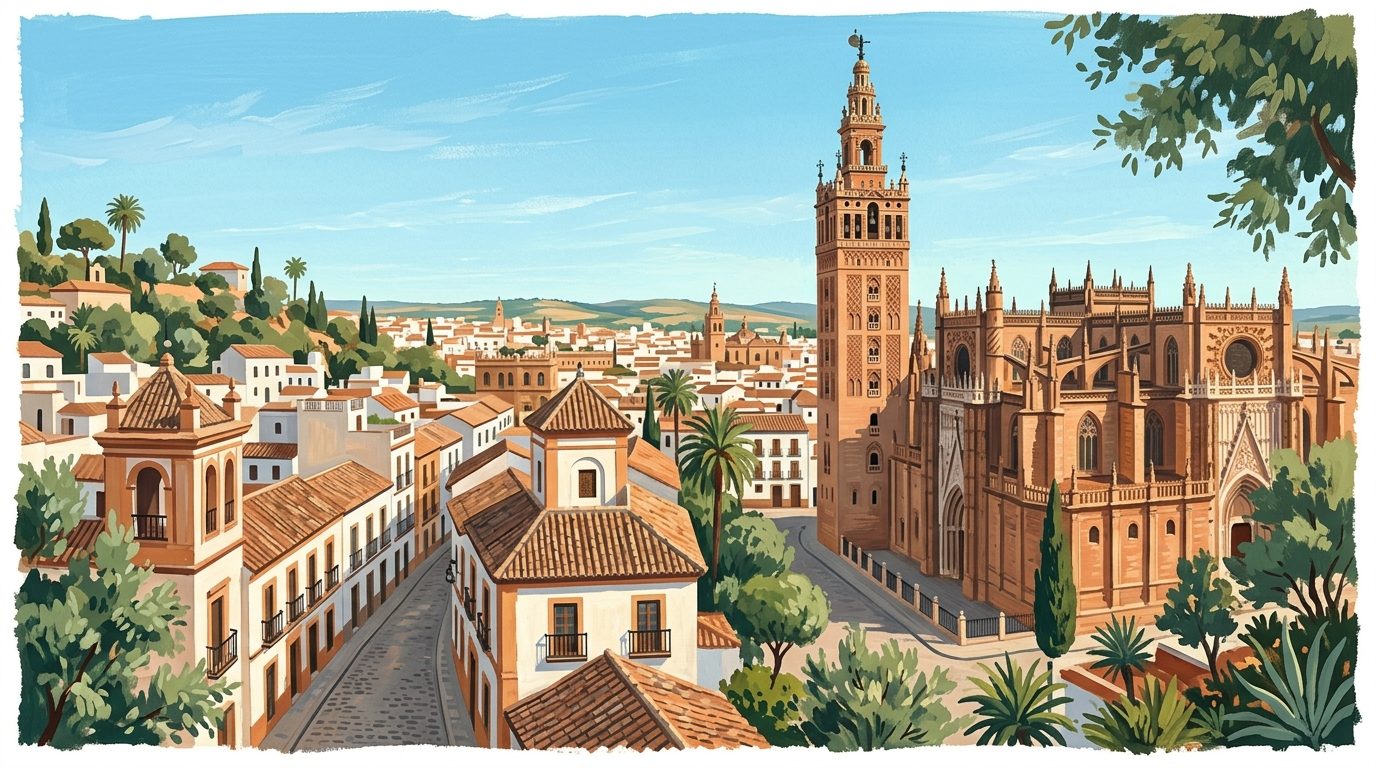
Church of Santa María
“This monumental church offers a masterclass in Andalucían architectural history, from its Islamic courtyard to its towering Gothic vaults. While the dim lighting demands patience, the wealth of Renaissance silver and Plateresque carving rewards careful observation. It remains an essential, commanding stop for anyone exploring the rural riches of the Sevillian plains.”
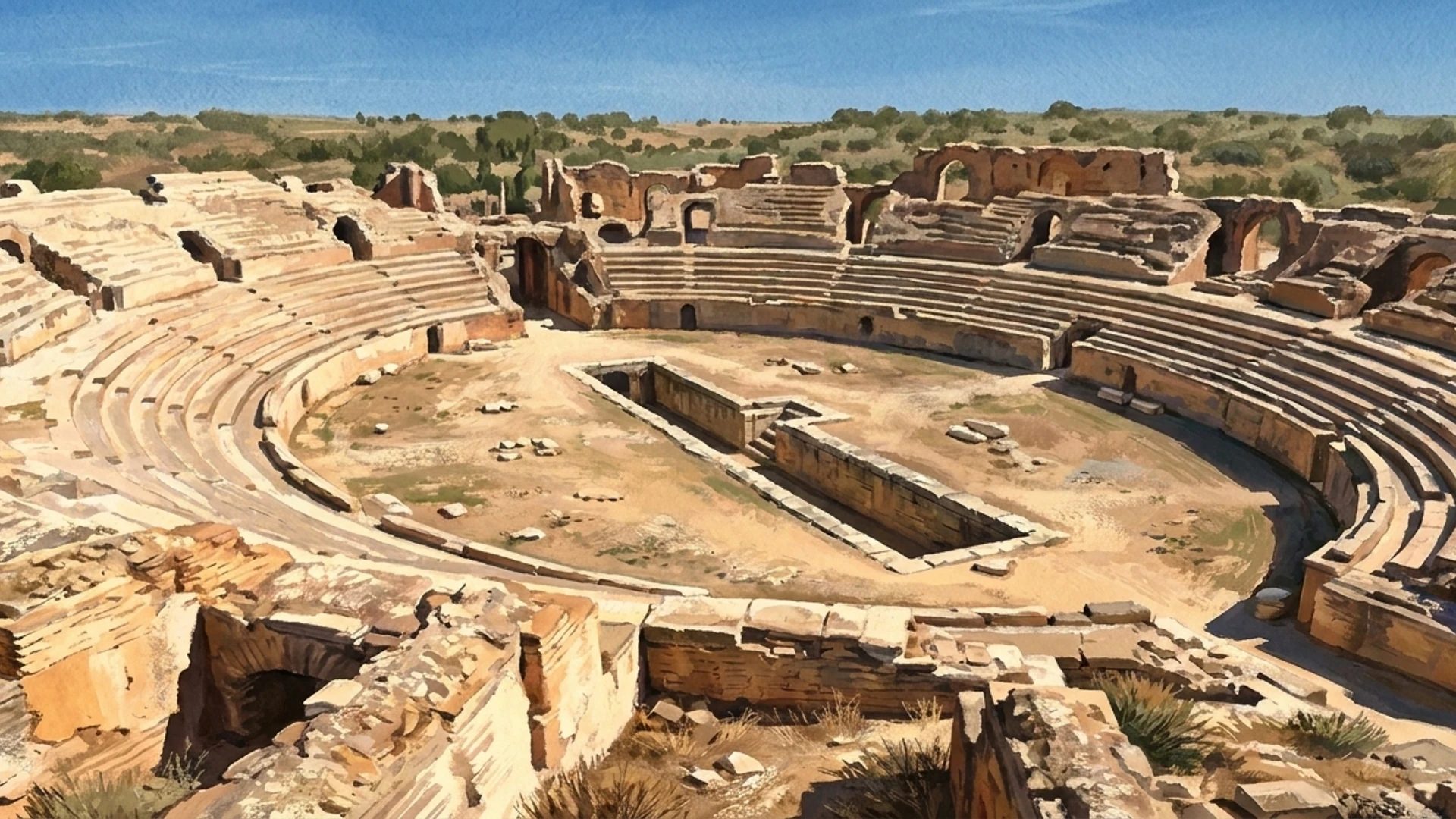
Conjunto Arqueológico de Itálica
“A vast, sun-baked Roman archaeological site featuring one of the empire's largest amphitheatres and exceptionally well-preserved floor mosaics.”
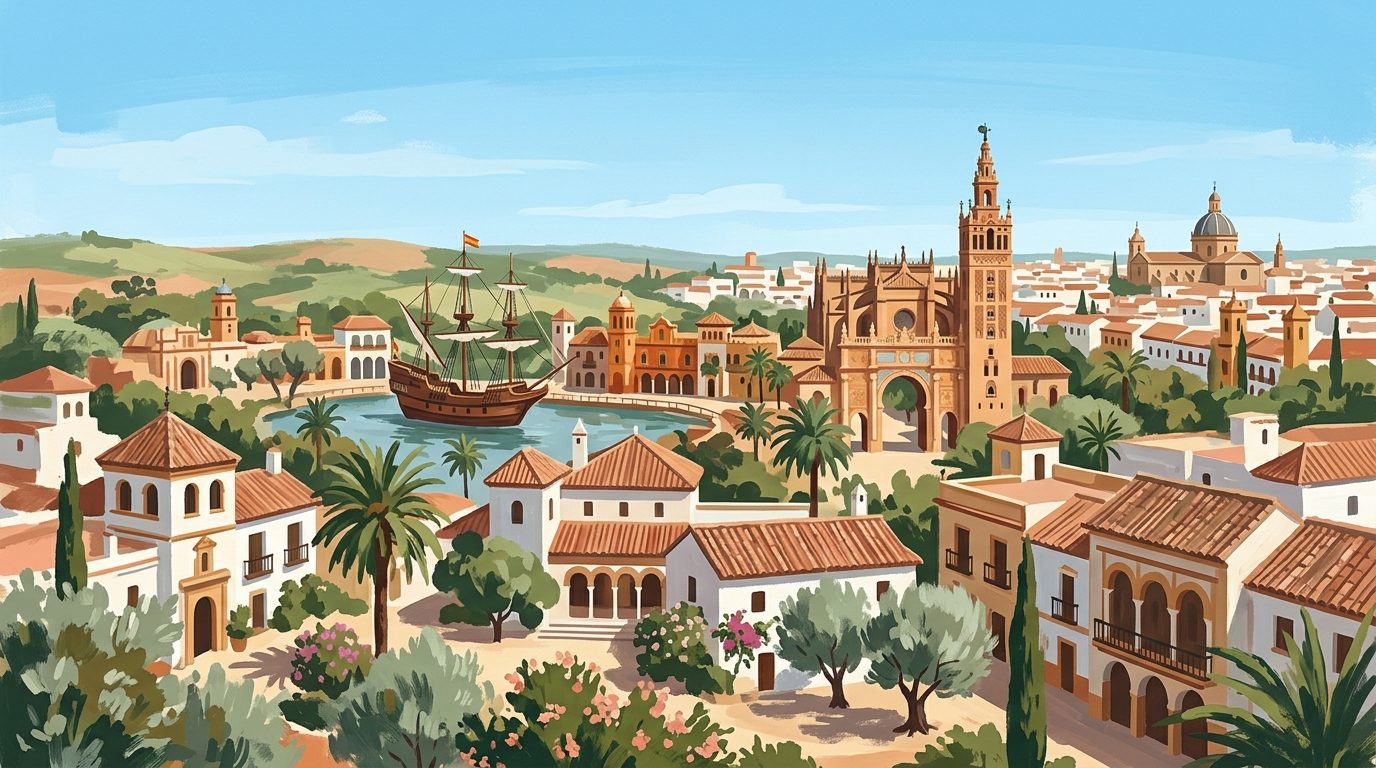
Isla Mágica
“Isla Mágica elevates the standard theme park experience by rooting its rides and architecture in Seville’s rich sixteenth-century maritime history. While the searing summer heat can make the concrete paths challenging, the dedicated Agua Mágica water park and thrilling rollercoasters offer an essential, high-energy release for families exploring the Andalucían capital.”
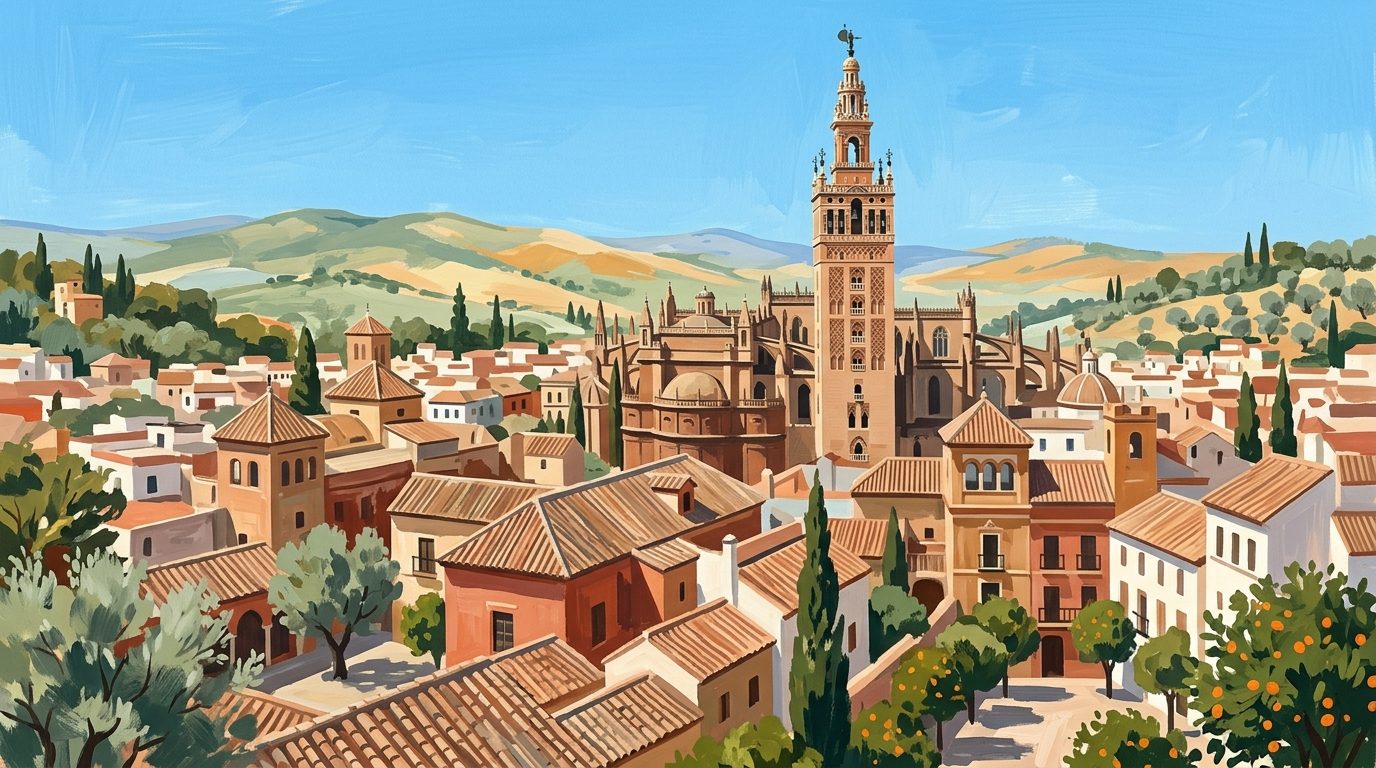
La Giralda
“La Giralda offers an unparalleled physical timeline of Sevilla, merging Almohad brickwork with Renaissance stonework. While the interior ramps are often congested and the ringing bells can be deafening, the historical significance and panoramic rooftop views make this ascent a mandatory experience for anyone seeking to understand the city's layered past.”
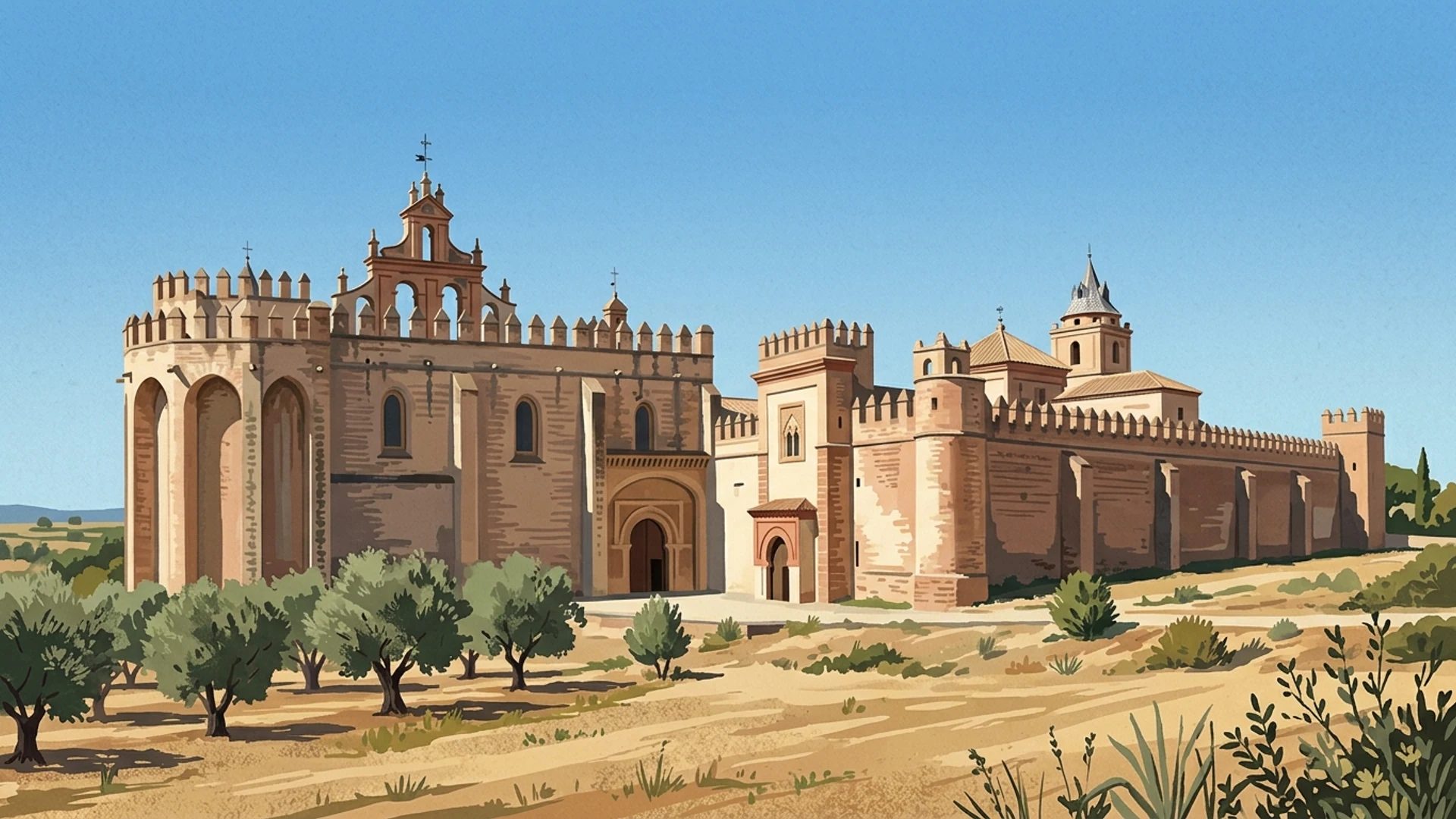
Monasterio de San Isidoro del Campo
“A striking Gothic-Mudéjar fortress-monastery that hides world-class Baroque sculpture and the dramatic secret history of the Spanish Protestant Reformation.”
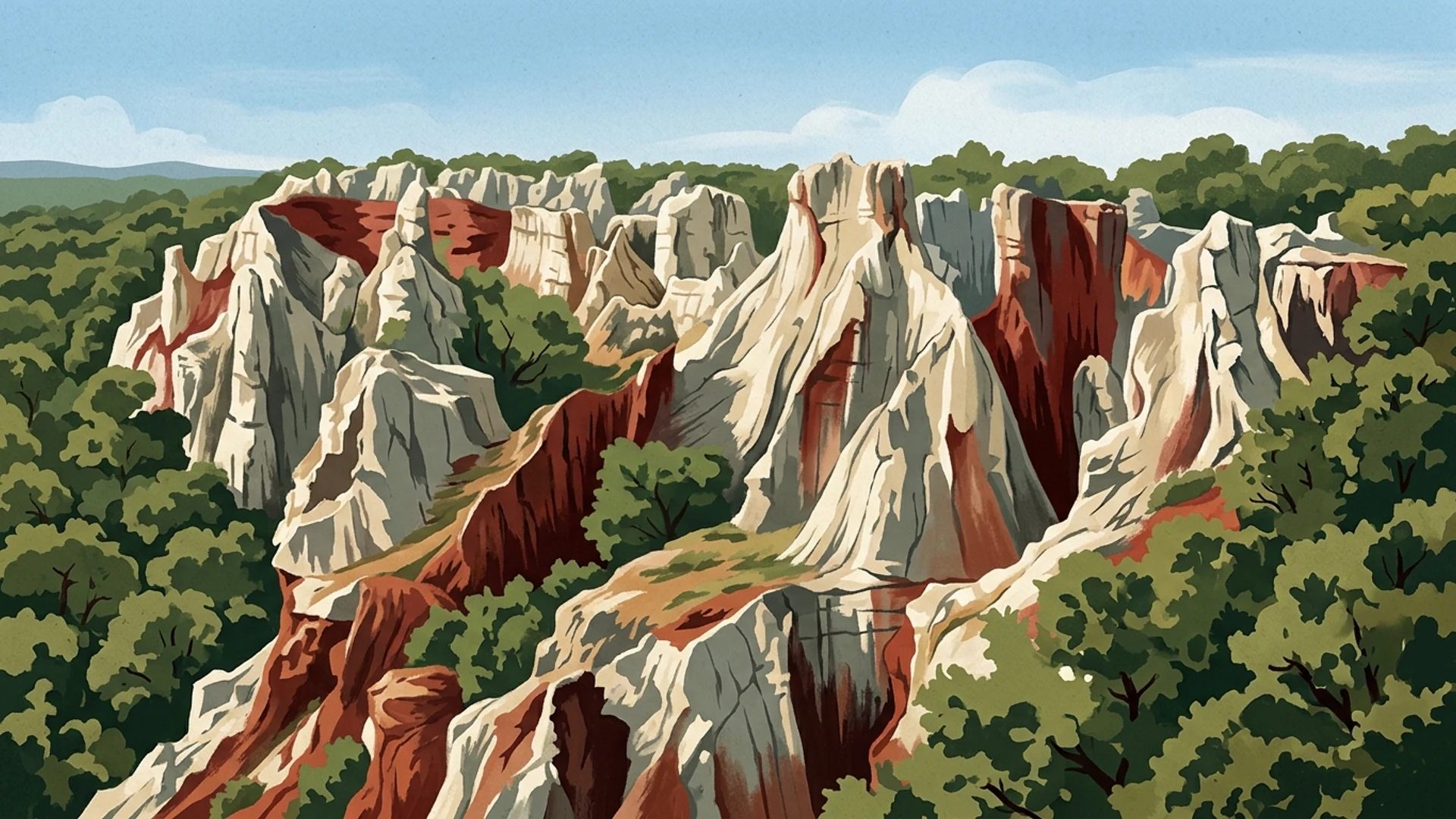
Monumento Natural Cerro del Hierro
“A surreal paleokarst landscape where centuries of iron mining have exposed a dramatic topography of limestone needles and deep chasms, now reclaimed by nature.”
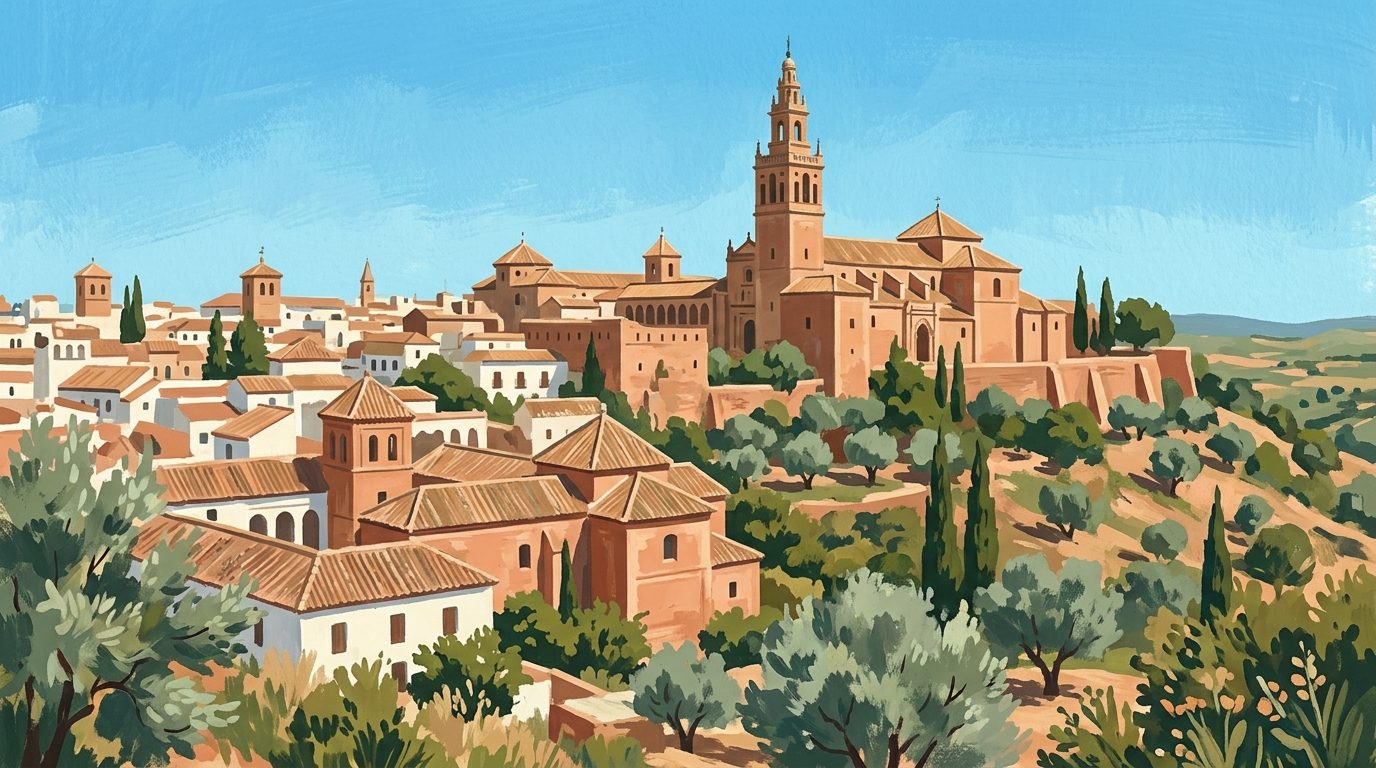
Museo de la Ciudad de Carmona
“A brilliantly structured municipal museum housed in a noble sixteenth-century palace. It offers an indispensable and highly digestible overview of the region's layered history, making it the perfect starting point before exploring the wider town.”
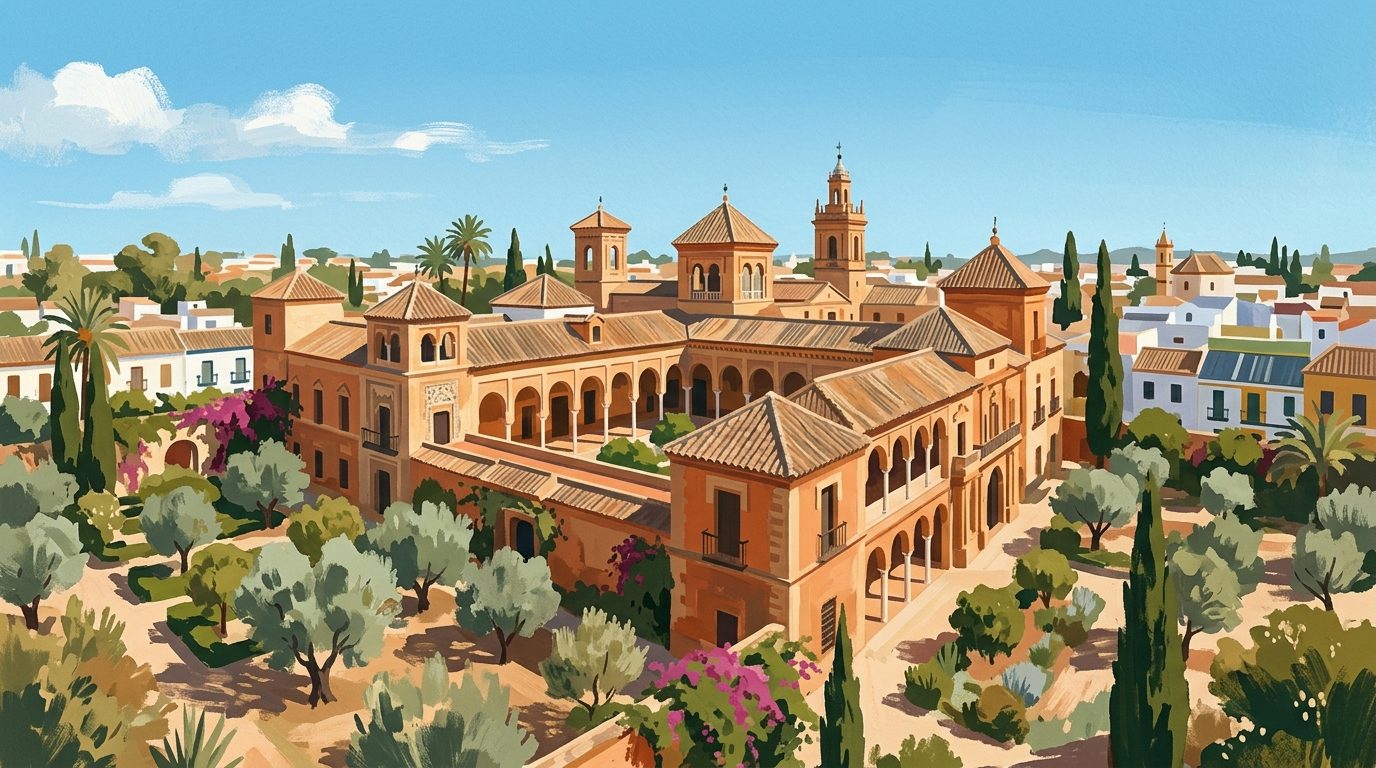
Palacio de las Dueñas
“Palacio de las Dueñas provides a deeply personal counterpart to the monumental scale of Sevilla's major royal sites. It rewards visitors who appreciate quiet horticultural beauty and a genuine glimpse into aristocratic domesticity. The lack of detailed curatorial signage means an audio guide is highly recommended, but the rich historic atmosphere makes this estate a tremendously worthwhile hour of exploration.”
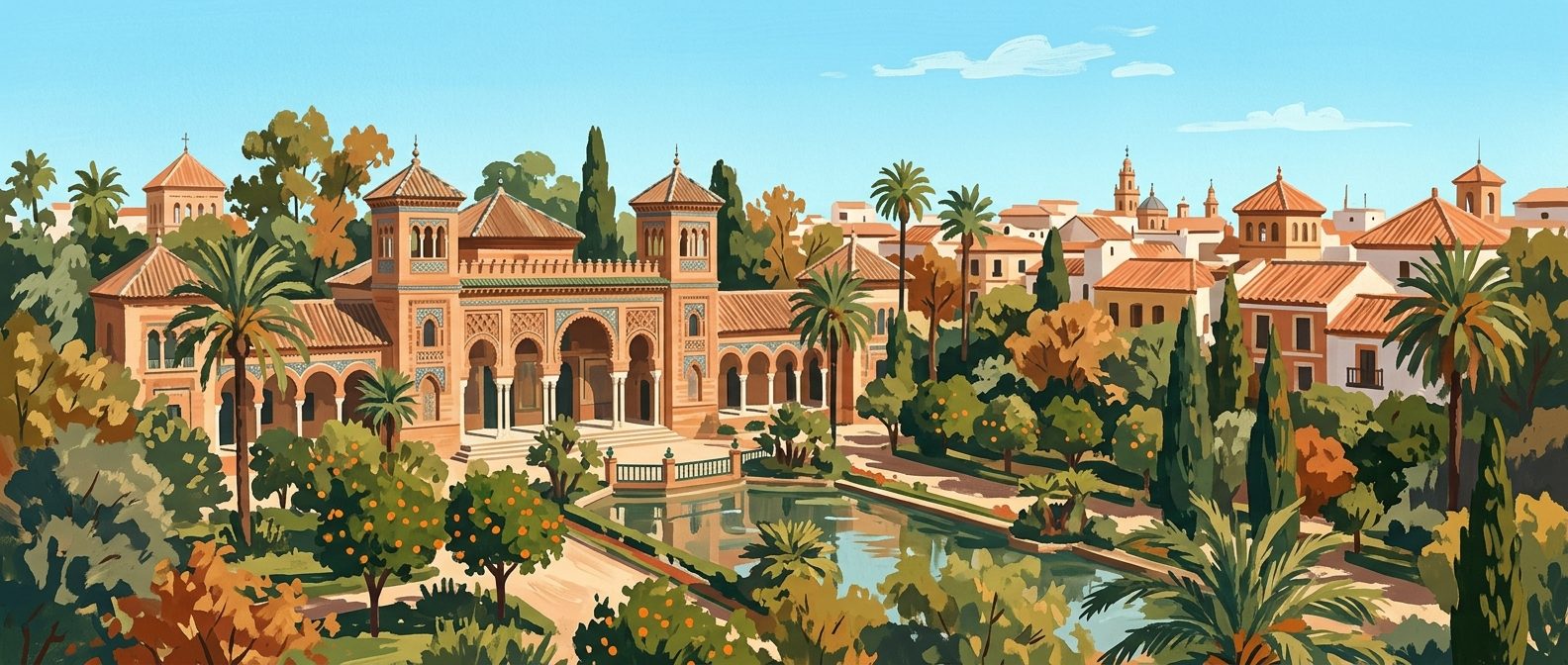
Parque de María Luisa
“Parque de María Luisa is an essential destination that offers a vital contrast to the dense, stone-paved streets of the historic centre. It succeeds brilliantly as a botanical garden and architectural showcase. Despite occasional weathering and noisy resident parakeets, its sheer scale and atmospheric shaded pathways make it thoroughly rewarding.”
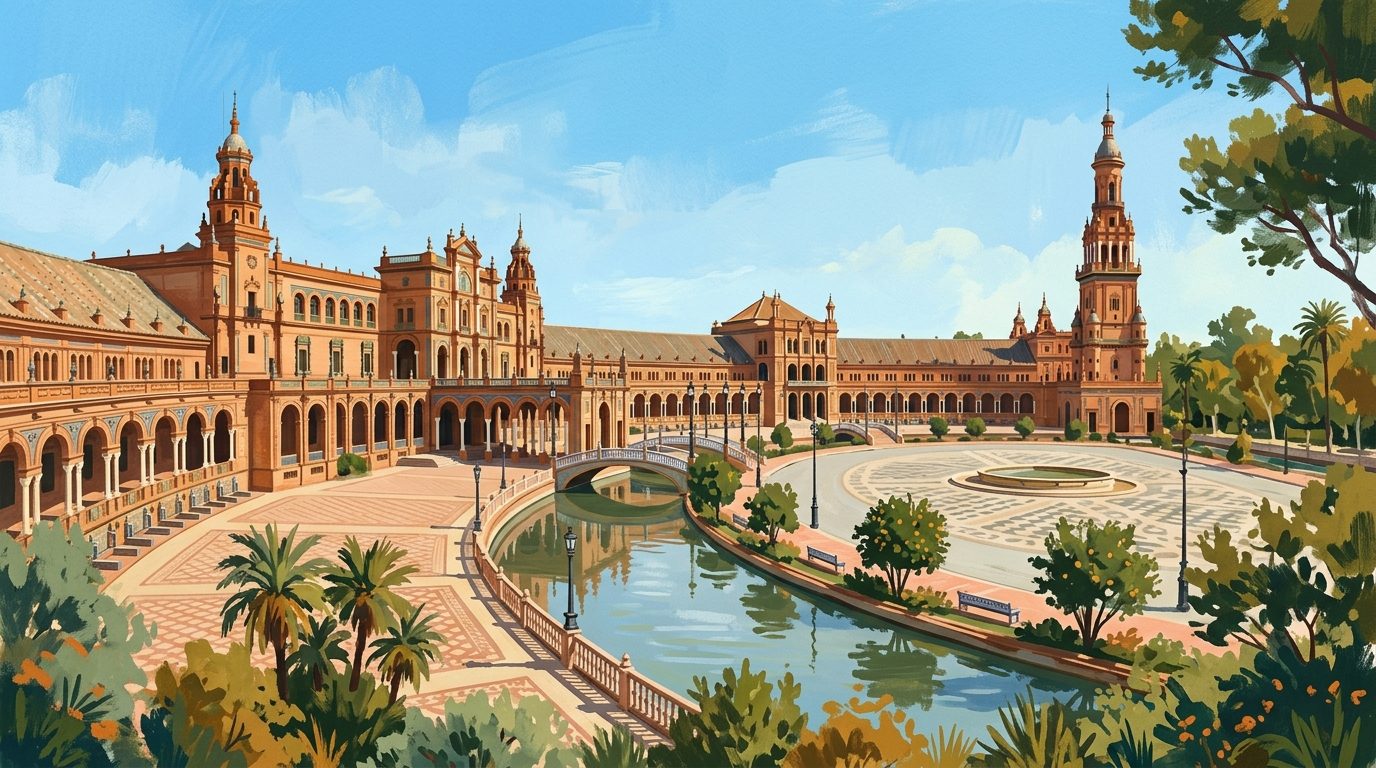
Plaza de España
“An intimidatingly massive display of regionalist architecture, the Plaza de España manages to remain intimate through its meticulously painted ceramic alcoves. While summer afternoons turn the stone square into an unbearable heat trap, an early morning visit reveals the true majesty of Aníbal González’s 1929 masterpiece before the crowds arrive.”
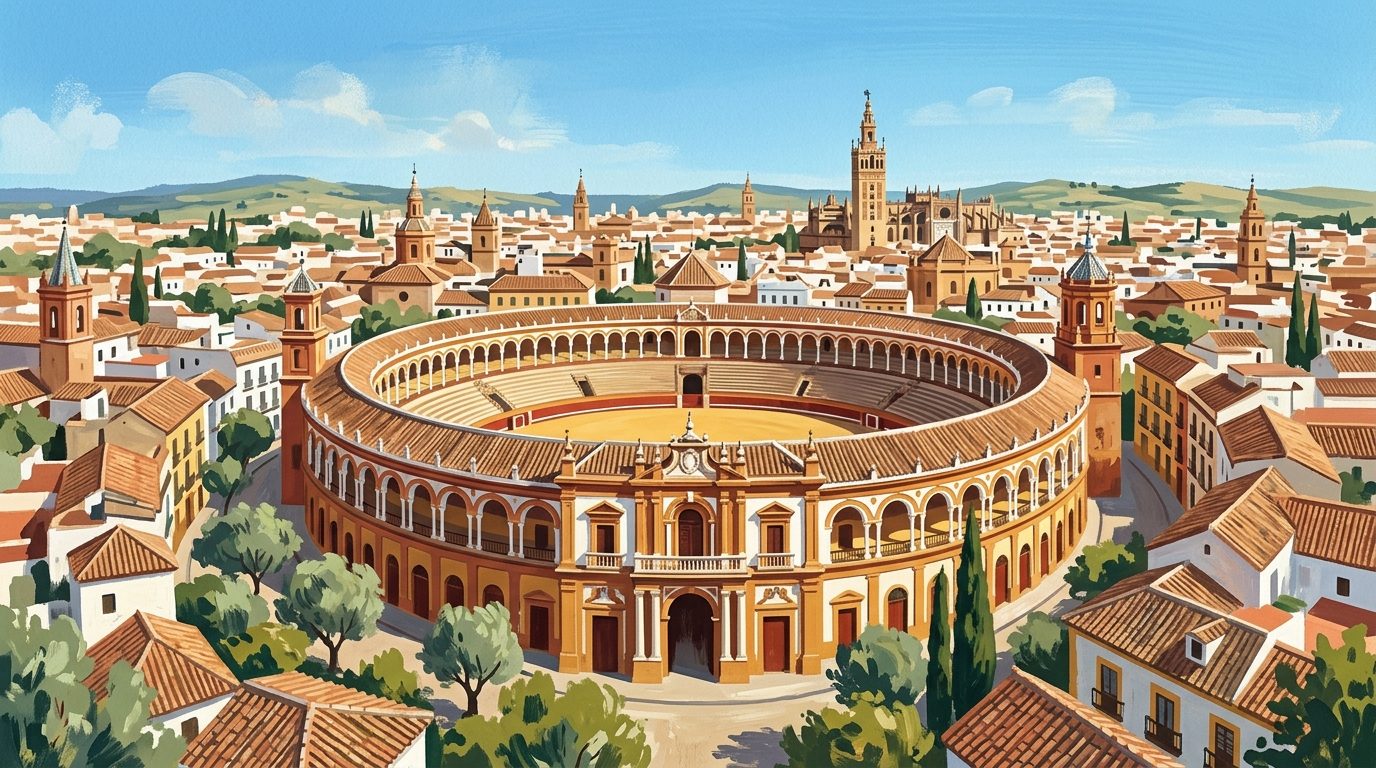
“Regardless of your stance on the events it hosts, the Real Maestranza is an essential architectural and historical site. The museum offers unmatched context for Andalucían traditions, while the sheer scale of the Baroque arena provides a fascinating, candid look into the opulent and perilous world of Spanish bullfighting.”
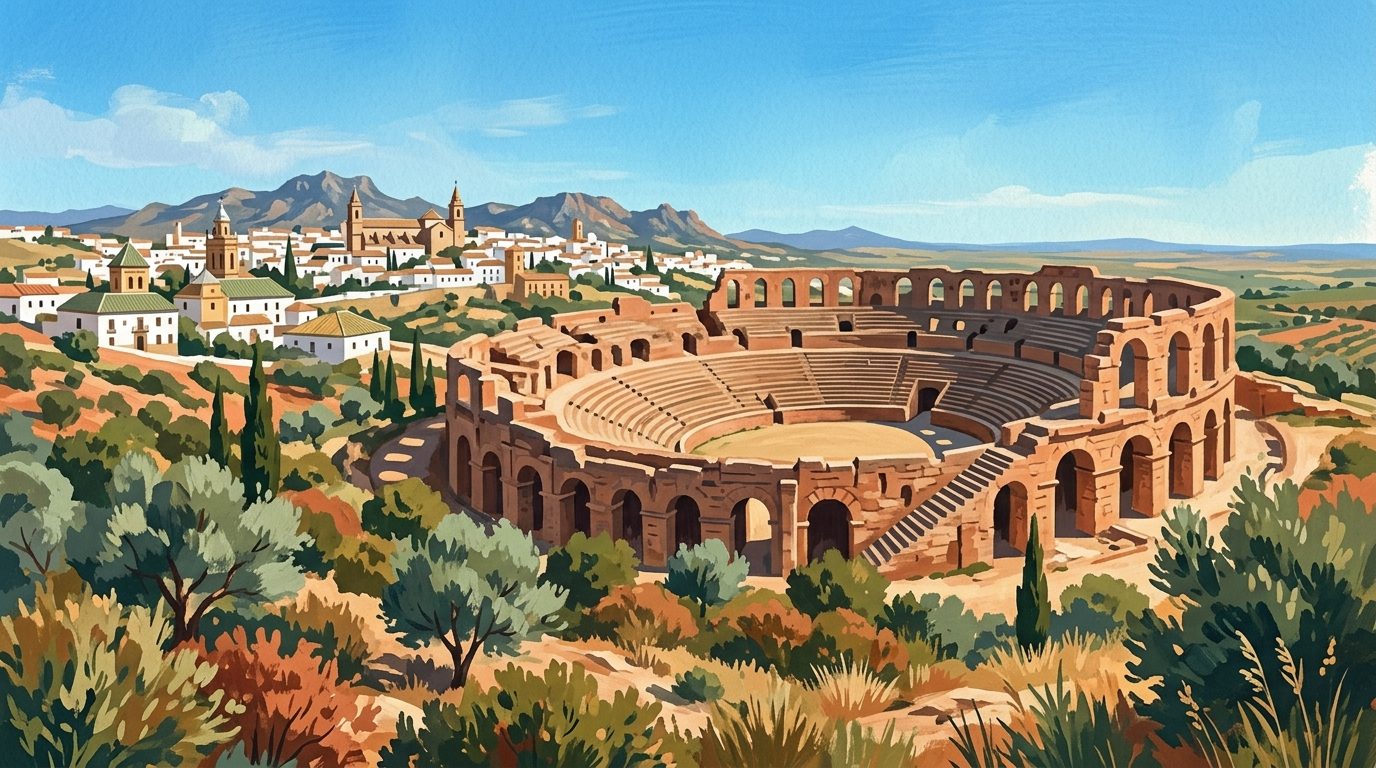
Roman Amphitheatre of Carmona
“This is a raw archaeological footprint rather than a reconstructed arena. The exterior-only view can feel limited, especially if you expect the scale of Itálica, but the site matters for its exceptionally early date and makes far more sense when paired with the neighbouring necropolis museum.”
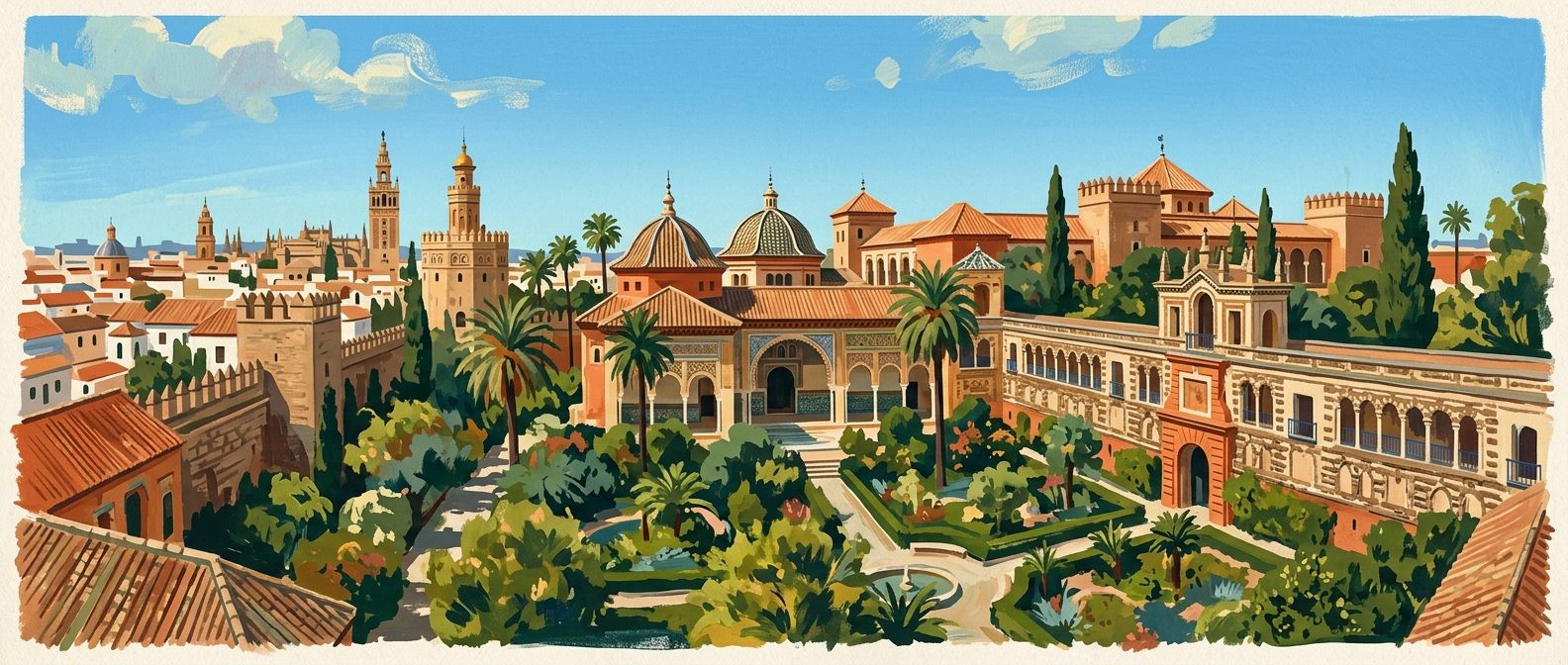
Royal Alcázar of Seville
“The Royal Alcázar is an architectural masterpiece that justifies its immense popularity. The fusion of Islamic and Christian design is visually spectacular, but the relentless crowds can be exhausting. Book your tickets weeks in advance, skip the restrictive upper apartments, and focus your energy on the intricate Mudéjar courtyards and expansive gardens.”
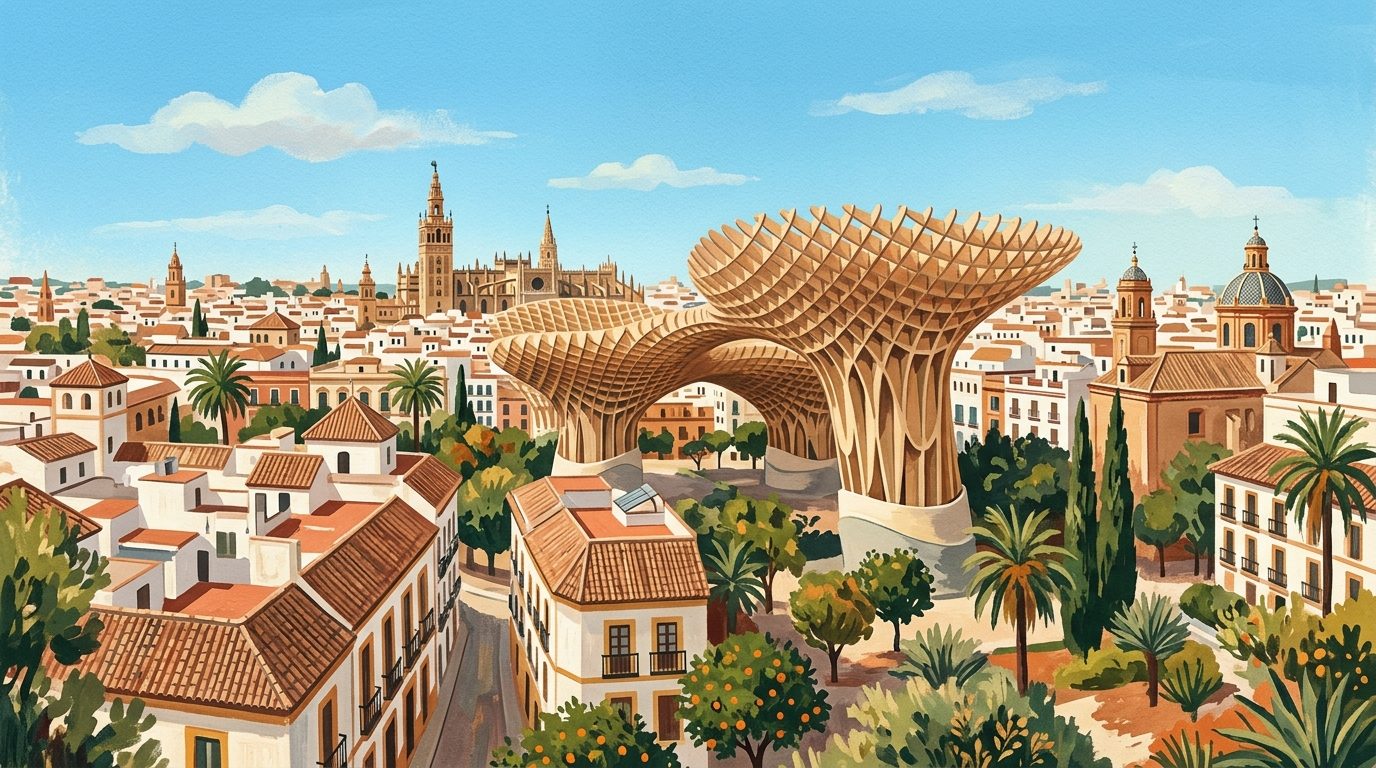
Setas de Sevilla
“Las Setas is a divisive but undeniably spectacular feat of modern engineering. While traditionalists may balk at its aesthetic, it offers the most comprehensive rooftop view of Sevilla without the need to climb a bell tower. It is an essential stop for architecture enthusiasts and photographers.”
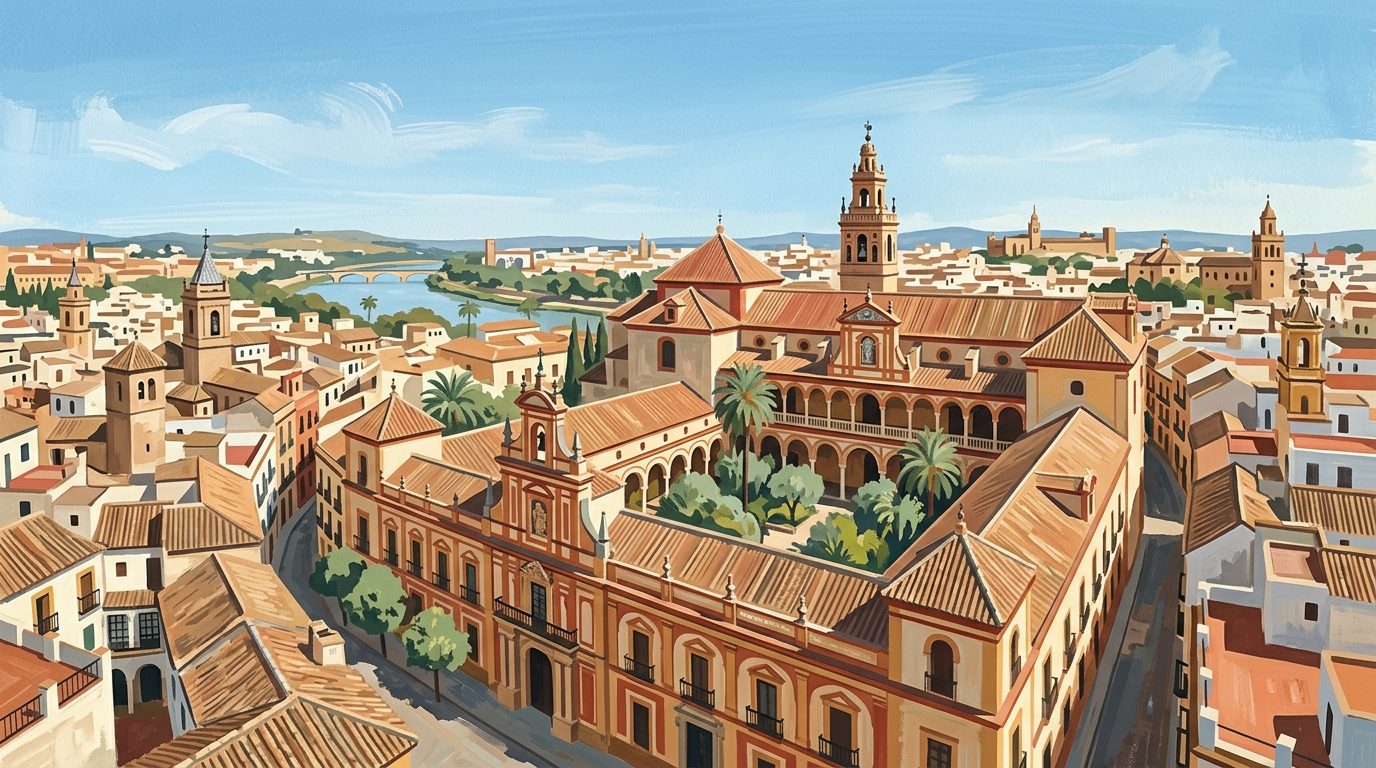
Seville Museum of Fine Arts
“Housed in a spectacular 17th-century convent, this definitive collection of Andalucían painting offers a quiet retreat from the busy streets. While the heavy focus on religious iconography requires a specific interest, the monumental works of Murillo and Zurbarán make it an essential stop for anyone studying the Spanish Golden Age.”
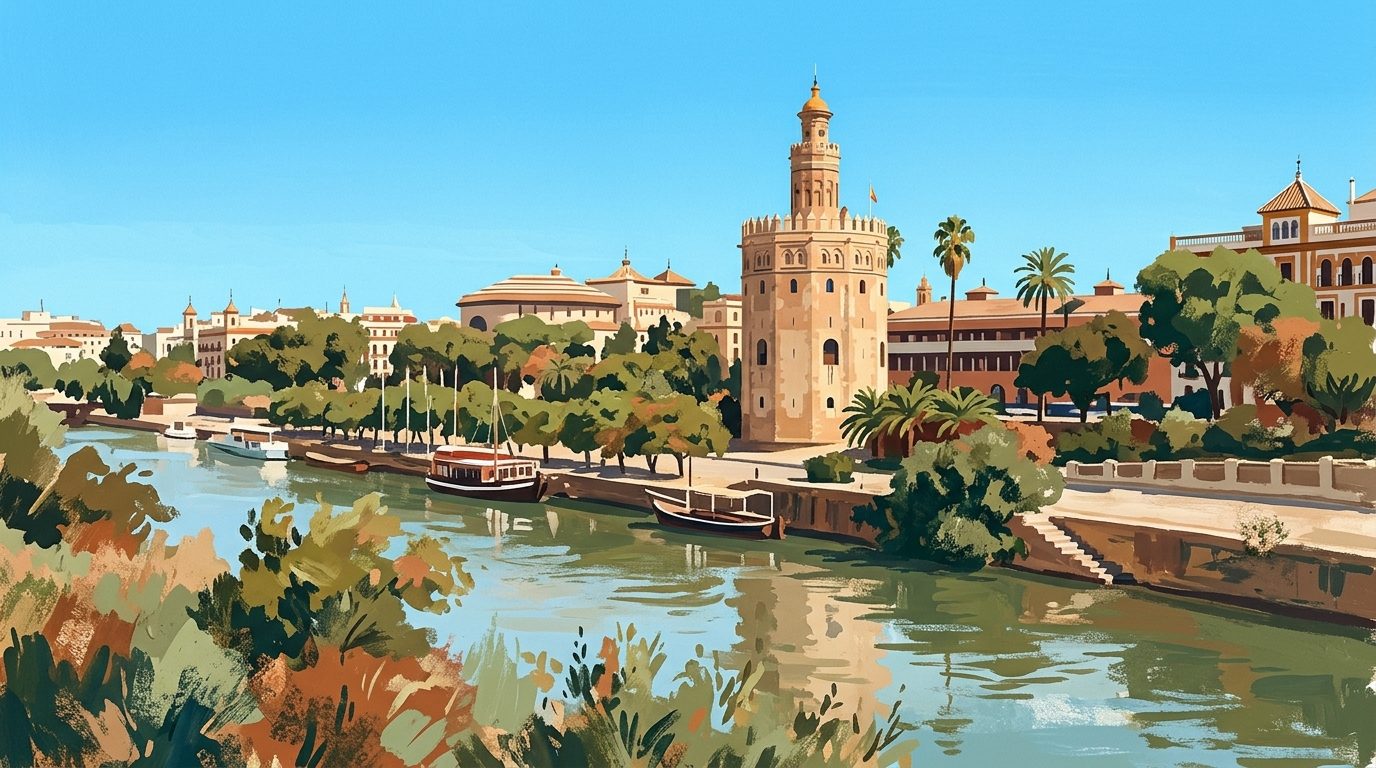
Torre del Oro
“The Torre del Oro pairs a compact naval museum with some of the best river views in Sevilla. While the maritime exhibits are traditional and mostly in Spanish, the short climb and lack of heavy crowds make its rooftop terrace a rewarding, stress-free stop for architecture and photography lovers.”