
Things to do · Sevilla
The Definitive Guide to Feria de Abril in Sevilla
Discover the cultural nuances, strict dress codes, and insider advice for navigating Sevilla's exclusive spring fair like a seasoned local.
By Dan · 20 June 2026 · 9 min read
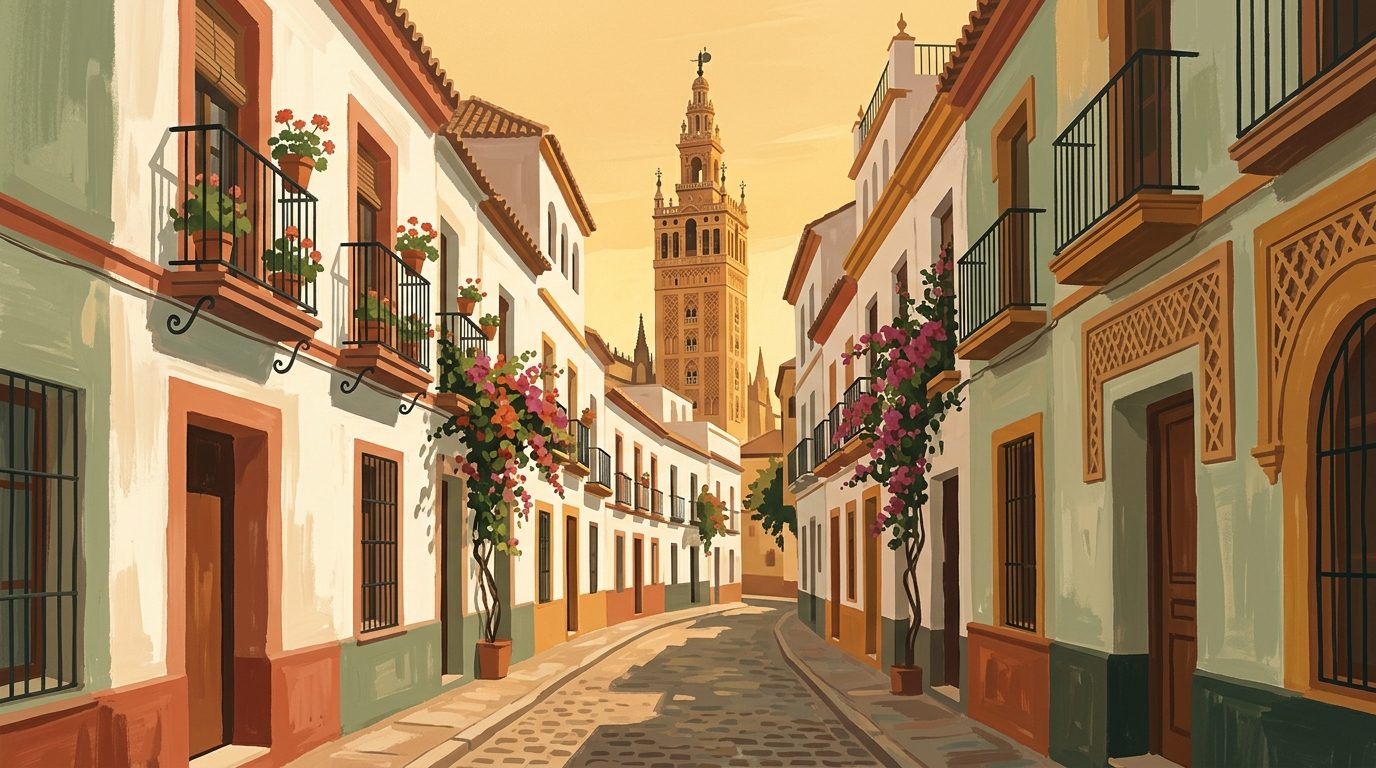
While other spring fairs in Andalucía invite the entire world into open tents, Sevilla holds fast to an intricate system of private families, clubs, and brotherhoods. Entering the Real de la Feria is akin to stepping into a temporary city where the social hierarchies, traditions, and rhythms of the Andalucían capital are vividly reconstructed in canvas and wood.
Spring in Sevilla is defined by two monumental events. If Semana Santa is the solemn, spiritual soul of the city, the Feria de Abril is its physical, earthly release. Taking place roughly two weeks after Easter, the fairgrounds in the Los Remedios neighbourhood transform into a sprawling ephemeral town, paved with the same yellow albero sand used in bullrings.
Although it originated in 1847 as a modest cattle and agricultural fair organised by a Basque and a Catalan, the event quickly evolved into a high society gathering. Today, it is the most anticipated secular event of the year for locals. However, first-time visitors must understand a fundamental truth. Unlike the fairs of Málaga or Córdoba, the Feria de Abril is an overwhelmingly private affair. The vast majority of the striped canvas tents, known as casetas, belong to prominent families, associations, or groups of friends who pay steep annual fees for their upkeep.
To visit the Feria is to be a spectator to the greatest social theatre in Spain. You will watch flawless Andalucían horses parade down streets named after legendary bullfighters, listen to the relentless rhythm of sevillanas drifting from every doorway, and witness a city dressing up to celebrate itself. While the closed nature of the casetas can feel exclusionary to outsiders, understanding the rules of engagement allows you to appreciate the spectacle and partake in the public spaces with genuine respect.
What to expect
The scale of the fairgrounds, known as the Real de la Feria, is staggering. Over one thousand identical, green and red striped casetas line fifteen temporary streets. A colossal, illuminated gateway called the Portada serves as the main entrance, and its design changes every year to honour a different local monument or institution.
During the daylight hours, the atmosphere is elegant and equestrian. Hundreds of horse-drawn carriages, or coches de caballos, circulate through the designated streets. The men driving them wear traditional short suits (traje de corto) and wide-brimmed hats, while their passengers showcase impeccable tailoring and traditional flamenco dresses.
As the sun sets, the horses retreat, and the energy shifts. The thousands of paper lanterns crisscrossing the streets illuminate, and the fair transitions into a nocturnal celebration. Families with young children head home or to the adjacent amusement park, and younger crowds take over. The soundscape is dominated by the rhythmic clapping and guitar strumming of sevillanas, a traditional folk dance consisting of four distinct parts. Inside the casetas, members and their invited guests consume astonishing quantities of manzanilla sherry from Sanlúcar de Barrameda, usually mixed with lemonade or Sprite to create the ubiquitous, dangerously refreshing drink known as rebujito.
When it happens
The Feria de Abril typically begins two weeks after the end of Semana Santa. While the 2026 festivities concluded in late April, the 2027 fair is expected to return to the Real de la Feria in mid-April (tentative dates: 18 to 24 April 2027). Always verify final dates on the official Sevilla City Council (Ayuntamiento) website. Historically, it ran from Tuesday to Sunday, but recent referendums among locals have extended the celebration. The fair now officially commences at midnight on Saturday with the Alumbrao, the ceremonial switching on of the Portada and the millions of lights across the Real.
The evening leading up to the Alumbrao is known as the Sábado del Pescaíto. Members gather in their respective casetas for an inaugural dinner featuring fried fish, marking the unofficial start of the festivities.
Each day of the week follows a similar rhythm. Key timings to remember for your visit include:
- Horse parades: 12:00 to 20:00 daily
- Caseta lights: Sunset to dawn
- Fireworks: Final Saturday at midnight
After eight in the evening, horses are strictly forbidden from the fairgrounds for safety reasons. The fair concludes on the following Saturday at midnight with a spectacular fireworks display over the Guadalquivir river. If you prefer the equestrian displays and a brighter, family-oriented environment, visit between one in the afternoon and seven in the evening. For dancing and a heavier drinking culture, the hours between ten at night and the early morning are when the fair is at its loudest.
The action: public versus private casetas
The most common mistake visitors make is assuming they can walk into any caseta and order a drink. In Sevilla, a private caseta is considered an extension of the family home. You would not walk into a stranger's dining room uninvited, and the same etiquette applies here. Doorkeepers (porteros) stand at the entrance of most tents to ensure only members and their explicit guests enter.
However, you are not entirely locked out. The city council operates around fifteen public casetas, which are open to everyone and free to enter. These include tents dedicated to the various districts of Sevilla (such as Distrito Casco Antiguo or Distrito Triana), political parties, and trade unions. The Caseta Municipal is the largest and often features live music performances.
Inside a public caseta, the mechanics are similar to a busy bar. You must purchase tickets (tickets de consumición) at a central booth before taking them to the bar to exchange for food and drink. The menu is resolutely traditional. Expect plates of acorn-fed Iberian ham, aged Manchego cheese, fried dogfish (cazón en adobo), prawn tortillas, and small, savoury sandwiches called montaditos.
Music across the entire Real is strictly regulated. City ordinances dictate that only sevillanas and traditional flamenco music may be played. You will not hear reggaeton or international pop music until you cross over into the Calle del Infierno, the massive adjacent funfair where hundreds of rides, arcade games, and fast food stalls operate with flashing neon and blaring modern soundtracks.
Where to watch and where to be
If you do not have access to a private caseta, your best strategy is to embrace the role of an observer. The intersection of Calle Joselito el Gallo and Calle Juan Belmonte is widely considered one of the finest spots to watch the carriage parades. Arrive around three in the afternoon, stand near the edge of the pavement (keeping a safe distance from the horses), and watch the continuous loop of beautifully decorated carriages.
For a more relaxed atmosphere, head towards the edges of the Real, near the Guadalquivir river. The streets closer to the Portada, such as Calle Antonio Bienvenida, are the most crowded and serve as the main arteries for people entering and leaving. Moving deeper into the fairgrounds towards Calle Costillares offers a slightly more breathable environment.
When you need a break from the relentless noise and yellow dust, retreat to the nearby neighbourhood of Los Remedios, or cross the river into the historic centre. Many locals actually prefer to eat lunch in a proper restaurant in Triana or Los Remedios before walking over to the fairgrounds for drinks and dancing in the late afternoon.
What to wear and cultural sensitivities
The Feria de Abril enforces an incredibly strict, albeit unwritten, dress code. This is an event where locals spend thousands of euros on custom tailoring.
For women, the traditional attire is the traje de flamenca. It is the only regional dress in Spain that evolves with annual fashion trends, meaning hemlines, sleeve shapes, and patterns change every season. If you choose to wear one, buy a proper dress from a reputable boutique in the city centre. Do not, under any circumstances, purchase a cheap, plastic polka dot costume from a souvenir shop. Doing so is considered deeply disrespectful and will instantly mark you as a tourist treating a revered cultural event like a fancy dress party. If you are not wearing a flamenco dress, opt for smart, elegant clothing. Think midi dresses, tailored trousers, and high-quality fabrics.
For men, the standard uniform is a tailored suit and tie, regardless of the heat. A sports coat with dress trousers is acceptable during the day, but a tie remains highly recommended. Shorts, sandals, flip-flops, sportswear, and casual trainers are completely unacceptable on the fairgrounds.
When taking photographs, be mindful. Snapping wide shots of the carriages and the Portada is perfectly fine. However, pointing your camera directly inside a private caseta or closely photographing a specific family in their carriage without asking permission is considered rude. Treat the environment with the same respect you would afford a private wedding reception.
Where to eat and drink
If you rely solely on the public casetas, be prepared for long queues and somewhat mass-produced food. To eat well, you must plan ahead. Many attendees begin their day with lunch outside the fair.
In the adjacent Los Remedios neighbourhood, establishments like Bar Blanca Paloma on Calle San Jacinto (technically in Triana, just on the border) serve excellent traditional tapas, though they will be exceptionally busy. Cervecería La Grande on Calle San Jacinto is another local institution for cold beer and fresh prawns before heading into the fair.
Once inside the Real, stick to the classics. Order a jarra of rebujito to share, and request small glasses to keep the drink cold. Pair it with plates of jamón ibérico and fried fish. Late at night, as you prepare to leave the fairgrounds, you must partake in the final ritual. Look for the large churro stalls set up just outside the Portada or near the Plaza de Cuba. A paper cone of freshly fried churros dipped in thick, dark chocolate is the mandatory conclusion to a day at the Feria.
Where to stay and booking advice
Accommodation in Sevilla during the Feria de Abril is notoriously expensive and difficult to secure. Hotel rates routinely triple or quadruple, and the best properties sell out up to a year in advance. If you plan to attend, you must book your room at least six to nine months prior to your arrival.
The most convenient neighbourhoods are Los Remedios and Triana, as they allow you to walk directly to the fairgrounds without relying on public transport. However, staying in the historic centre (Casco Antiguo) or the Arenal district is also highly practical. From the centre, you can enjoy a scenic walk across the Puente de San Telmo or the Puente de los Remedios.
Avoid staying in the outer suburbs unless you are prepared for lengthy, complicated commutes late at night. The convenience of walking back to your accommodation after a long day of drinking sherry and navigating crowds cannot be overstated.
Practical notes
Getting to the fairgrounds requires patience. The streets of Los Remedios are heavily restricted, and taking a standard taxi directly to the Portada is often slower than walking due to gridlock.
The city organises a special bus service (the Feria shuttle) that departs constantly from the Prado de San Sebastián and drops passengers right at the entrance. Alternatively, the Sevilla Metro is highly efficient. Disembark at either Plaza de Cuba or Parque de los Príncipes. Both stations are a short, five-minute walk from the Real.
Bring physical cash. While an increasing number of public casetas now accept card payments, the card machines frequently crash due to overwhelmed cellular networks. Cash ensures you can always buy food, drinks, or tokens for the amusement park rides.
Finally, pace yourself. The combination of intense Andalucían spring heat, a lack of shade, and the deceptive lightness of rebujito has ruined many a visitor's afternoon. Drink plenty of water, seek the shade of the public tents during the hottest hours, and remember that the Feria is an endurance event, not a sprint.
Last reviewed: 21 June 2026 · Editorial policy
Related guides
Feria de Abril Complete Guide: Surviving and Thriving in Sevilla's Greatest Week
Sevilla’s Feria de Abril is notoriously impenetrable for outsiders, a closed-doors celebration of Andalucían high society and endless rebujito. These insights strip away the confusion, detailing exactly how to navigate the public casetas, master the unforgiving dress code, and survive a week on the sand of Los Remedios.
10 min read
Semana Santa in Sevilla: A First-Timer's Guide
Semana Santa in Sevilla is an intense expression of faith, art and civic identity. Unlike other cities, the spectacular wooden floats are carried from below by hidden costaleros, moving to the slow beat of mourning marches or absolute silence.
8 min read
Semana Santa Guide: Decoding Andalucía's Most Intense Week
Holy Week in Andalucía is a profound sensory experience of heavy incense, brass bands, and thousands of shuffling feet. This guide decodes the intricate schedules, unwritten rules, and distinct regional styles of Spain’s most intense cultural phenomenon.
9 min read
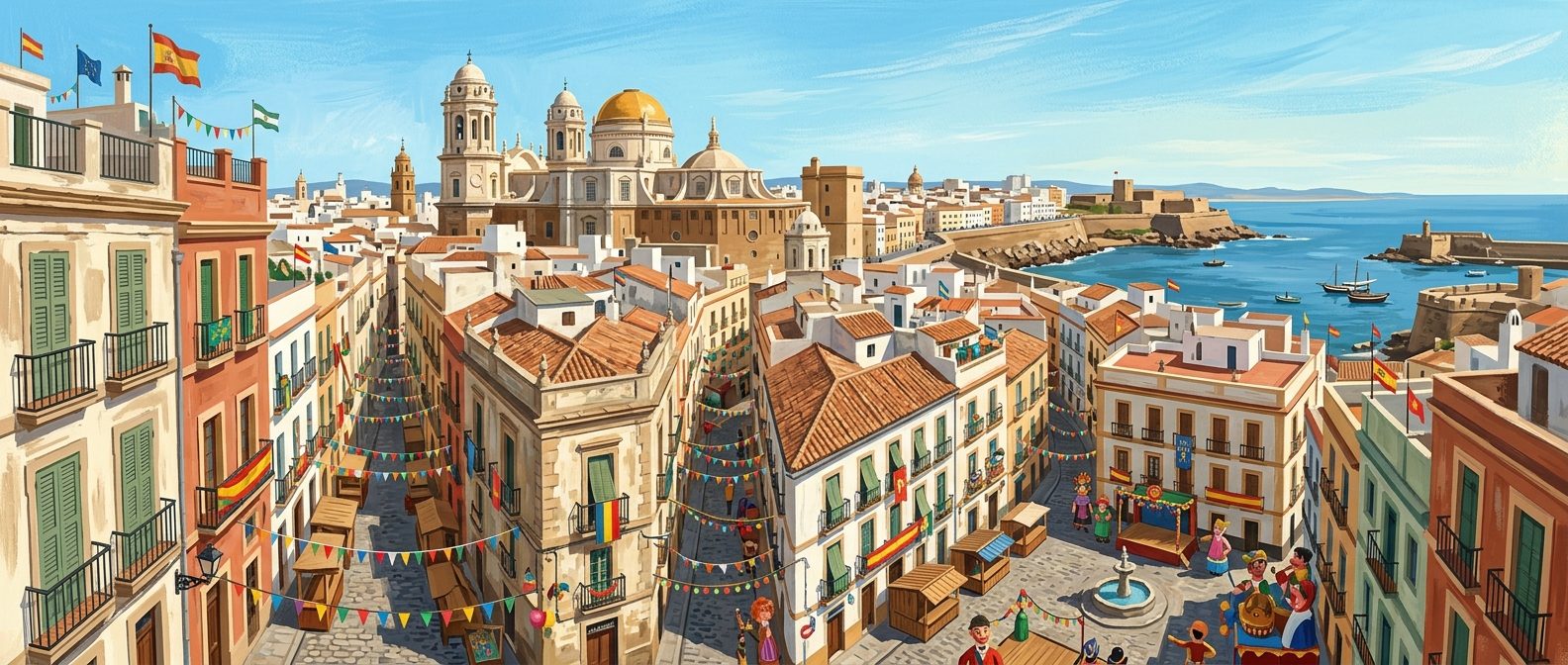
The Wit of the Atlantic: A Guide to the Cádiz Carnival and Local Traditions
Every February, the narrow alleys of Cádiz transform into an open-air theatre where biting satire and local wit take centre stage. This is a celebration that prioritises the power of the word, making it the most intellectual and hilarious festival in Spain.
6 min read
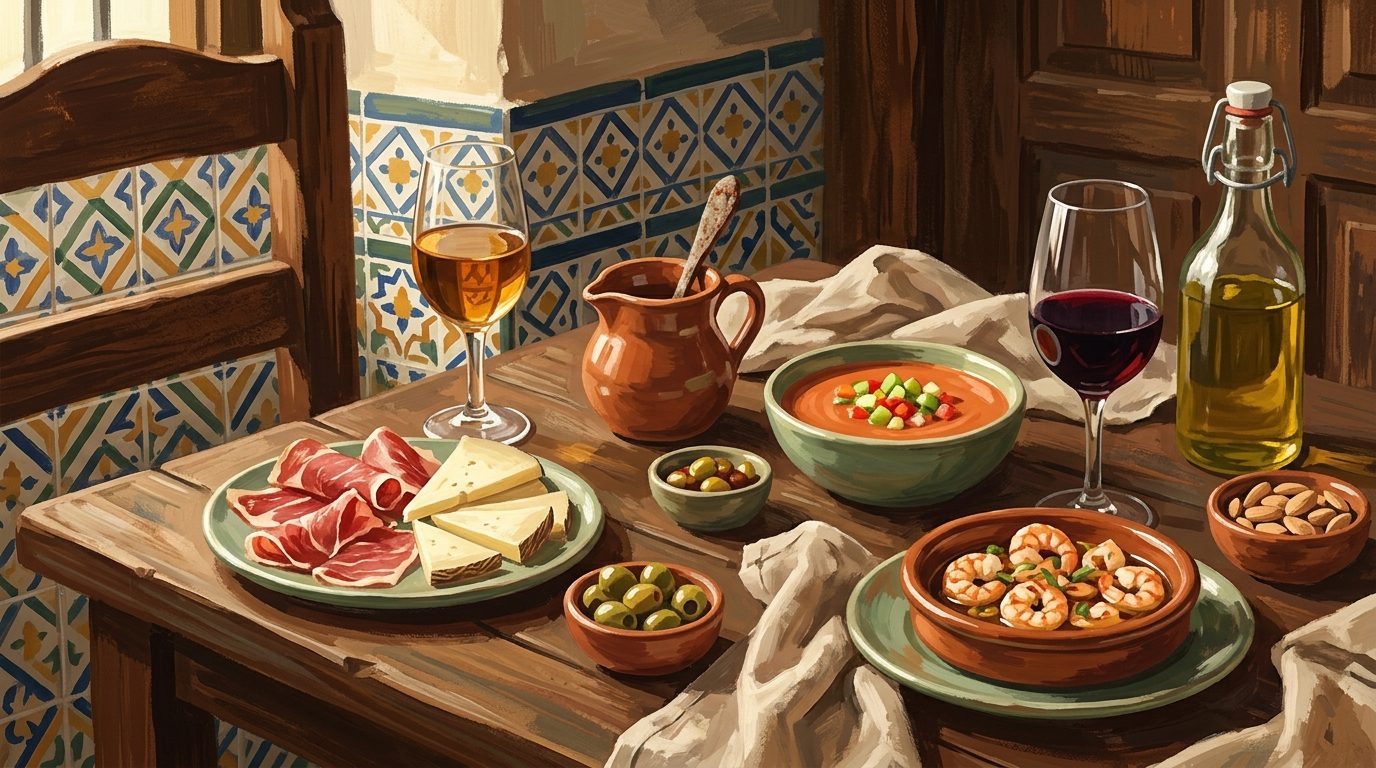
A Calendar of Flavour: The Best Food Festivals in Andalucía
From the smoky beach fires of Málaga to the prestigious ham auctions in Huelva, Andalucía’s food festivals offer a seat at the table of the region’s most authentic traditions.
7 min read
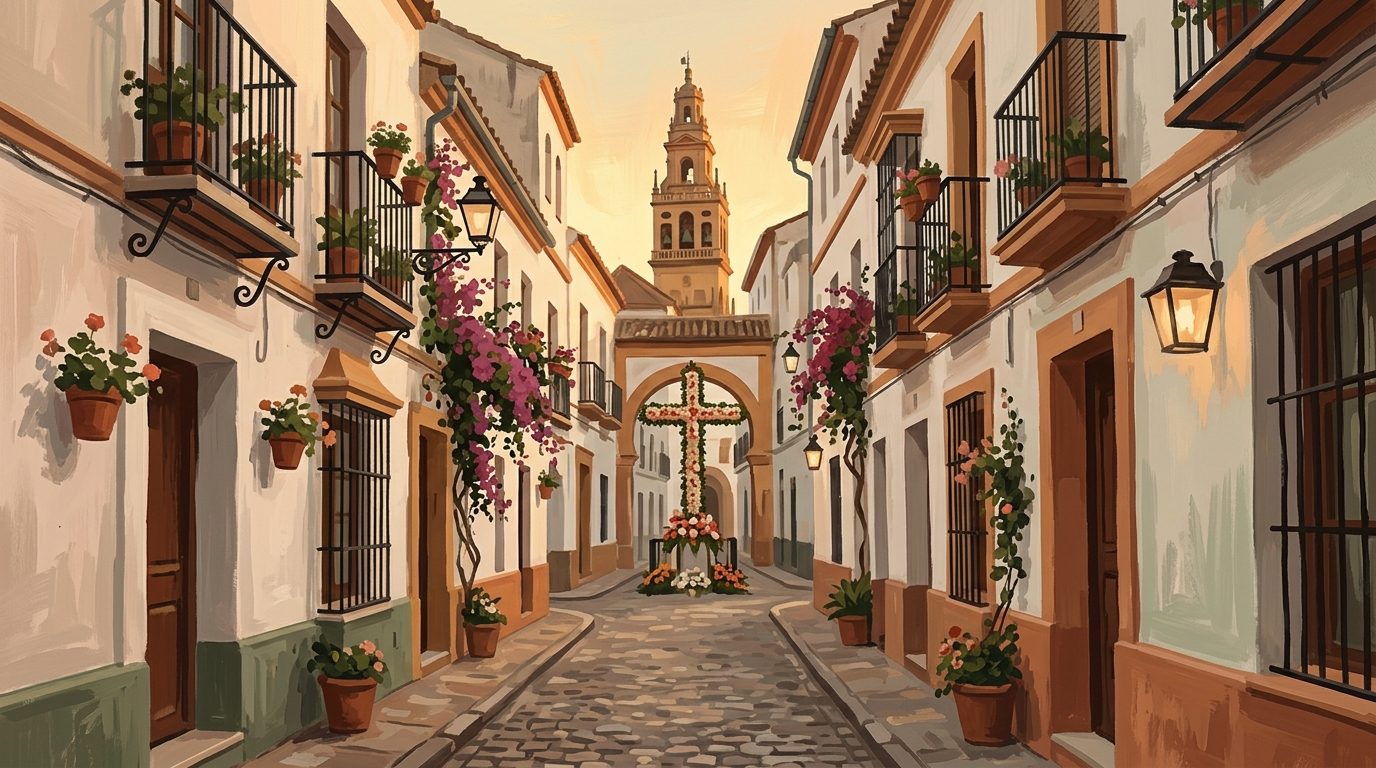
A Guide to the Cruces de Mayo Festival in Córdoba
Discover how Córdoba transforms its historic plazas into flower-draped street parties to celebrate the Cruces de Mayo festival.
8 min read
More from Sevilla
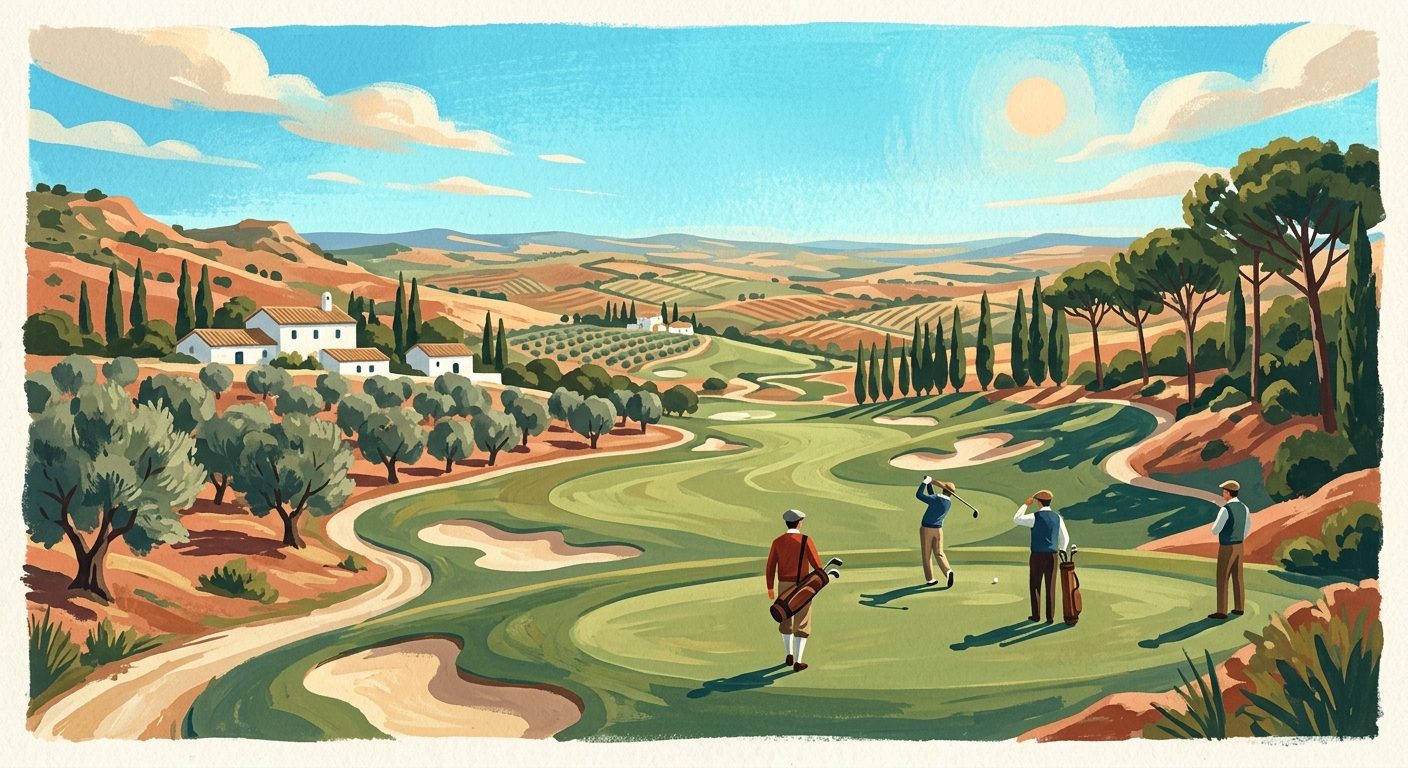
Golf in Sevilla Province: Courses, Holidays and Local Pro Shops
Swap the crowded coastal fairways for the refined courses of Sevilla province. Discover top layouts designed by golfing legends, local shops, and expert tips for your next trip.
10 min read
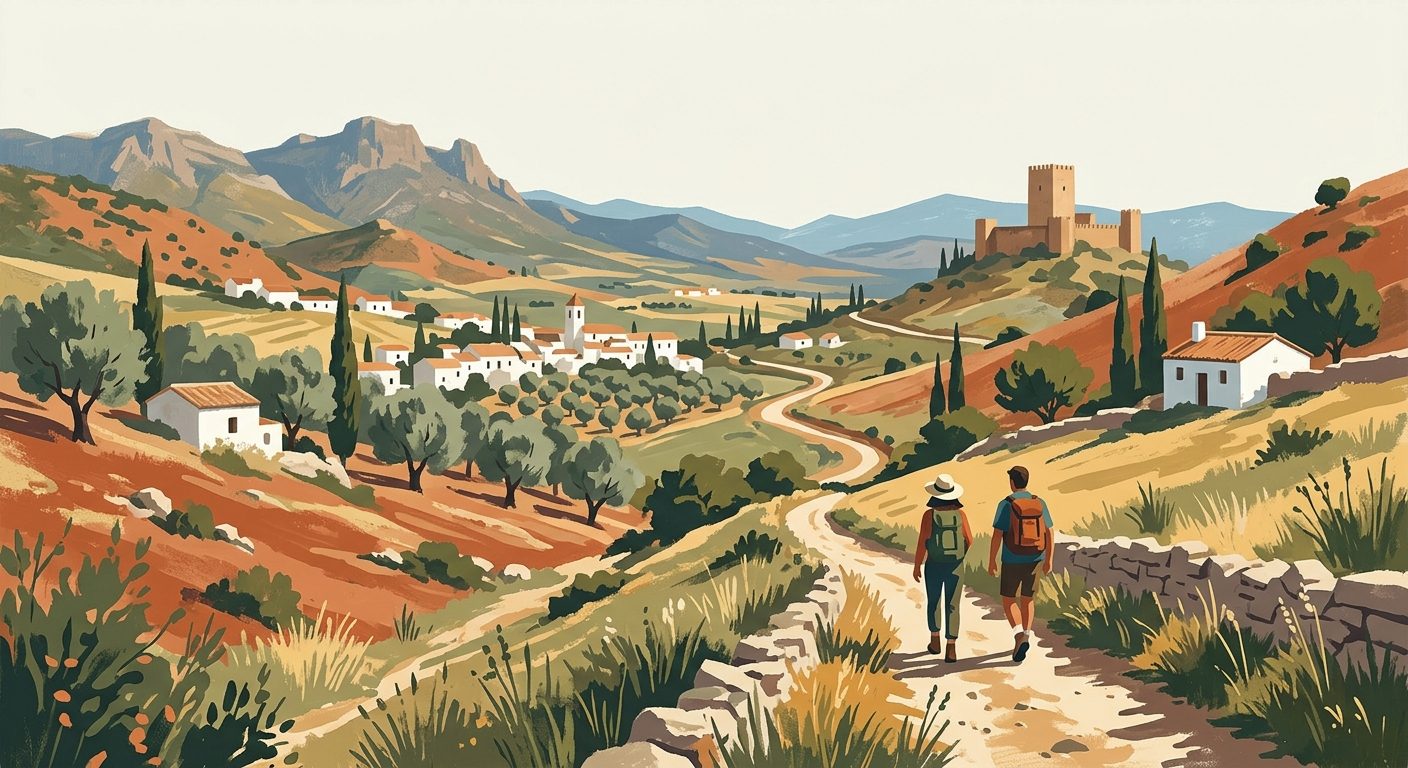
Exploring the Trails: A Guide to Hiking and Walking in Sevilla
Sevilla province offers a diverse range of walking landscapes, from the dramatic karst formations of the north to the tranquil riverside paths of the Guadalquivir.
5 min read
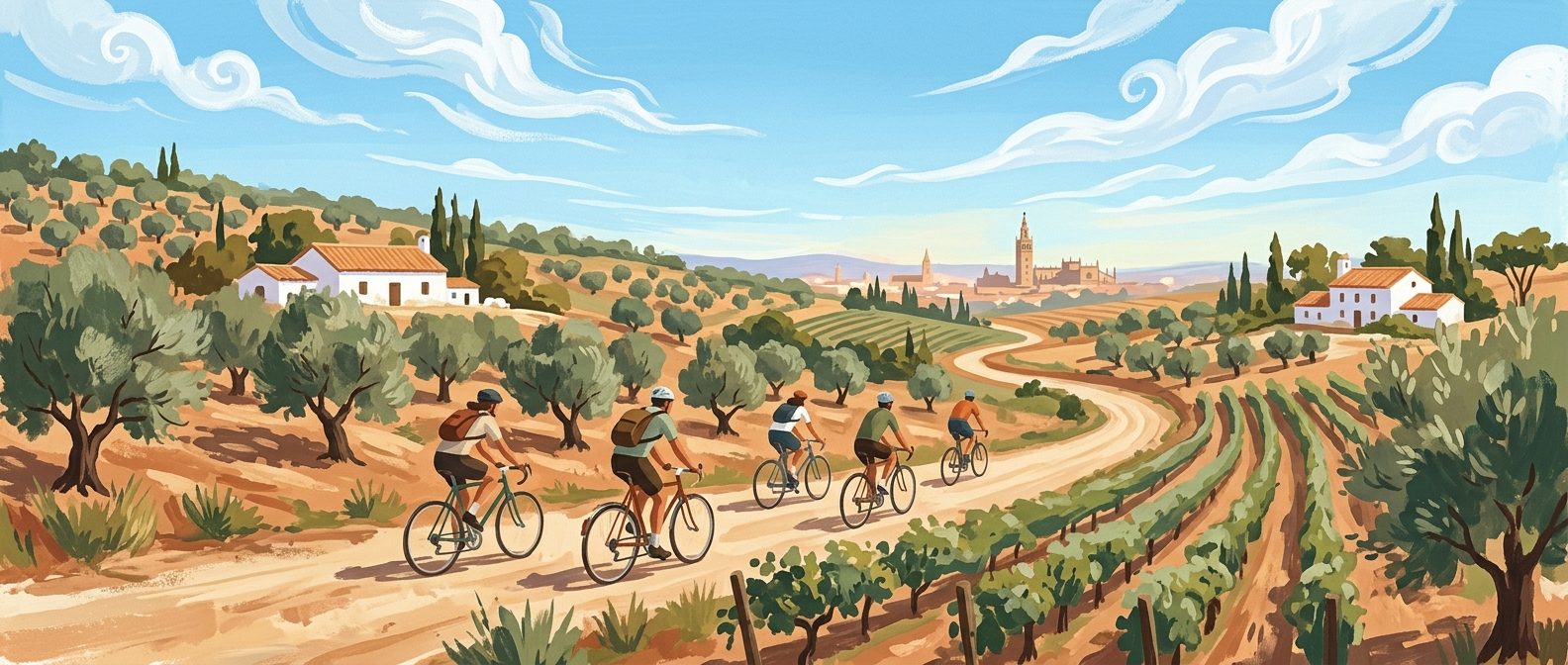
A Guide to Cycling in Sevilla: Two Wheels, No Hills
With nearly 200 kilometres of segregated cycle lanes, Sevilla is widely regarded as one of the most bike-friendly cities in Europe. Its flat terrain and sun-drenched avenues make exploring on two wheels both practical and exceptionally pleasant.
5 min read
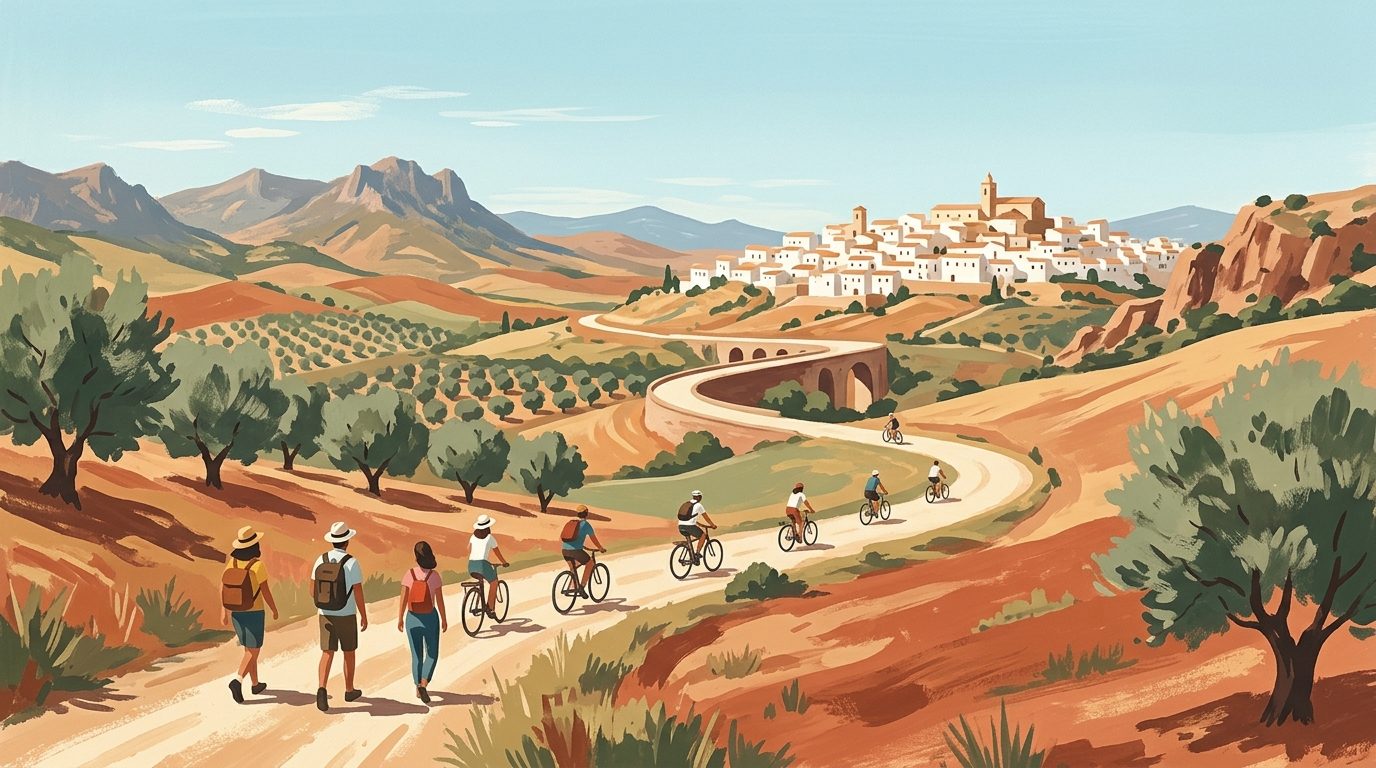
Beyond the Orange Trees: The Best Day Trips from Sevilla
Broaden your Andalucían horizons with these essential day trips, ranging from the Roman ruins of Itálica to the dramatic clifftop views of Ronda.
7 min read
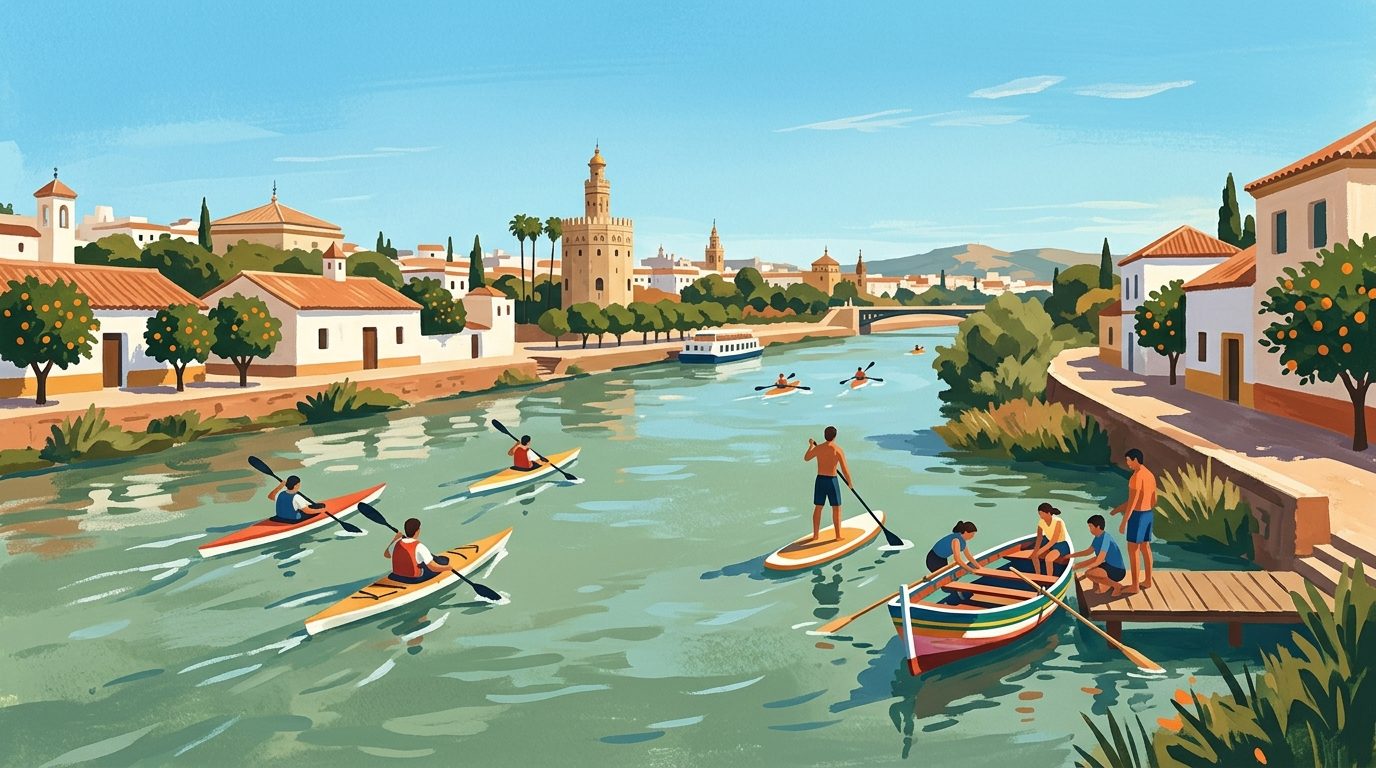
Water Sports in Sevilla: Navigating the Guadalquivir
Discover the best ways to explore Sevilla's Guadalquivir river, from sunset paddleboarding and city kayaking to professional rowing and nature tours in the marshes.
6 min read
Newsletter
More stories from Andalucía
Weekly notes, seasonal picks, and the next guides worth bookmarking.