
Where to stay · Córdoba
Hotels with a Pool in Cordoba: Best Rooftops and Historic Patios
A guide to finding the best hotel pools in Cordoba, from historic courtyard plunge pools to modern rooftop terraces.
By Dan · Updated 24 July 2026 · 5 min read
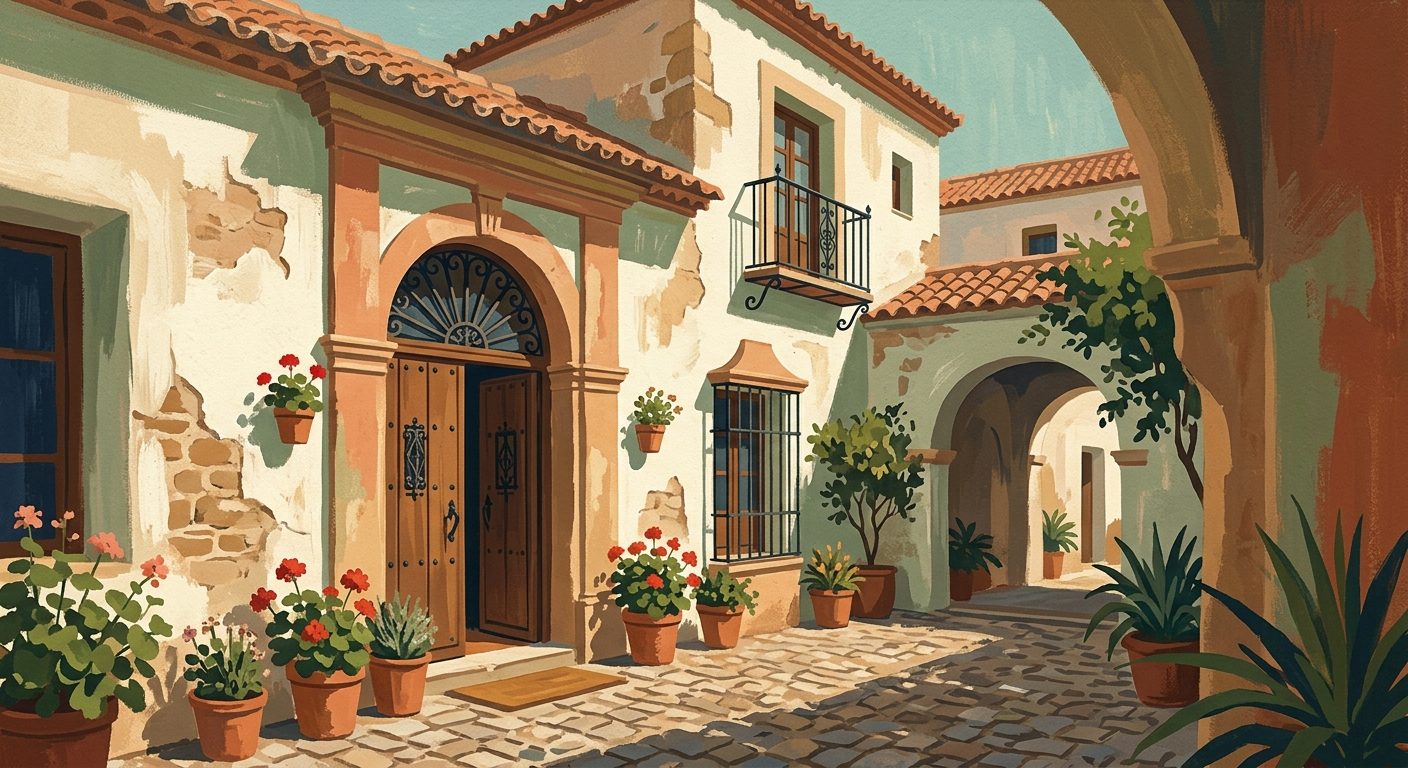
This article contains affiliate links. If you book through them, we may earn a small commission at no extra cost to you.
Cordoba recorded some of the highest temperatures in Europe last summer, making a hotel pool more of a functional requirement than a luxury during the peak months. However, space in the historic centre is extremely limited, and a "pool" in this city is rarely a place for swimming laps.
What "pool" actually means here
In Cordoba, the term pool usually refers to one of two things: a rooftop plunge pool or a traditional patio alberca. Because the city centre is a dense network of medieval streets, few hotels have the footprint required for a full-sized swimming pool. Most installations in the Judería and the Old Town are designed for cooling off rather than exercise. These pools are typically small, often no more than three or four metres long, and are frequently shallow.
Seasonality is a major factor that catches travellers out. Unlike coastal resorts, many Cordoba hotel pools are strictly seasonal, opening only from late May or early June until mid-September. Even if the temperature hits 35 degrees Celsius in April or October, do not assume the pool will be filled or open for use. Always verify the specific opening and closing dates if you are travelling on the shoulder of the summer season.
You should also distinguish between rooftop pools and courtyard pools. Rooftop pools, such as the popular terrace at H10 Palacio Colomera, offer sun and occasionally views of the Mezquita, but they can be exposed to the intense, direct heat of the afternoon. Courtyard pools, often styled after the traditional Andalucían alberca (a stone water tank), are shaded and cooler, providing a more temperate environment but very little opportunity for sunbathing. If your priority is a tan, the rooftop is essential. If your priority is escaping the 40-degree heat, a shaded ground-floor pool is often more effective.
Best areas of Cordoba for it
The Judería is the most popular place to stay, but it presents the most challenges for pool seekers. Because these hotels are often converted from historic homes, pools are shoehorned into tiny spaces. The trade-off here is convenience: you are steps away from the Mosque-Cathedral, but your pool might be a glorified bathtub shared with fifty other guests. Space for sun loungers is particularly scarce in this neighbourhood, though highly rated boutique options like Las Casas de la Judería manage to incorporate beautiful, traditional patio pools into their historic footprints.
San Basilio, located just west of the Alcázar, is another excellent option. This area is famous for its flower-filled patios and feels slightly less cramped than the heart of the Judería. Hotels here often have slightly more generous courtyard spaces. The trade-off is that you are a ten-minute walk from the main restaurant clusters, though the area is much quieter at night.
For those who want a genuine swimming experience, the Vial Norte and the modern districts near the train station are more realistic. These hotels are contemporary builds and often feature larger rooftop pools with proper decking and bar service. The trade-off is the aesthetic: you will be staying in a standard modern city environment rather than a historic Moorish quarter, and you will face a 15 to 20 minute walk to reach the historic sights.
How to pick by budget
Budget options (€) with pools are usually found in the newer parts of the city or in larger, basic hotels near the river. At this price point, expect a functional rooftop tank with limited furniture. You may find that there are only half a dozen sunbeds for a hotel with a hundred rooms, meaning you need to time your visit carefully to secure a spot. Shade is often minimal, so these pools are best used in the early morning or late evening.
Mid-range hotels (€€) in Cordoba offer the best balance of style and utility. These are often boutique properties where the pool is a design feature. You can expect high-quality tiling, comfortable seating, and perhaps a small poolside bar or honesty fridge. However, these pools are almost exclusively for cooling off. If the hotel is in a converted manor house, the pool will likely be in a central patio, which offers a beautiful, atmospheric setting but can be echoey if other guests are loud.
Top-end properties (€€€) provide the only real opportunity for larger gardens and more substantial pools. There are a handful of converted palaces and luxury estates on the outskirts of the historic centre that maintain private gardens, with Hospes Palacio del Bailío being a standout example. Here, the pools are large enough for short laps and are surrounded by mature trees and grass. This is the only bracket where you are likely to find a pool that feels like a resort-style escape from the city streets rather than a small urban amenity.
Practical tips for booking
The most common pitfall when booking a pool hotel in Cordoba is the capacity limit. Local health and safety regulations often dictate a maximum number of people allowed in the water or on the terrace at one time. In smaller boutique hotels, you may be required to book a one-hour time slot at the reception. This can be frustrating if you planned to spend the whole afternoon by the water. Check the hotel policy on "pool reservations" before you commit, and whether there is an extra charge for "Day Pass" access if you are not a resident guest, as some Cordoba rooftops now sell external access.
Check the sunbed-to-room ratio. In the historic centre, it is common for a hotel to have only four or five loungers. If you are travelling in July or August, this can lead to competition. If lounging is your priority, look for hotels that specifically mention a "solarium" or a large terrace area, which usually indicates more space for seating.
Confirm the presence of a lift if you are booking a hotel with a rooftop pool. Many historic buildings in Cordoba have narrow stairs and restricted lift access. If you have mobility issues, a rooftop pool in a converted 17th-century house might be difficult to reach. Finally, always ask if the hotel provides pool towels. Many central hotels do not have the laundry capacity to provide separate towels for the pool, and using room towels on the terrace is often discouraged or carries a surcharge.
Last reviewed: 21 June 2026 · Editorial policy
Related guides

A Weekend in Cordoba: Two Days in Andalucía's Caliphate City
Spend 48 hours in Cordoba exploring the mesmerising Mezquita, getting lost in the whitewashed streets of the Judería, and eating excellent salmorejo.
9 min read
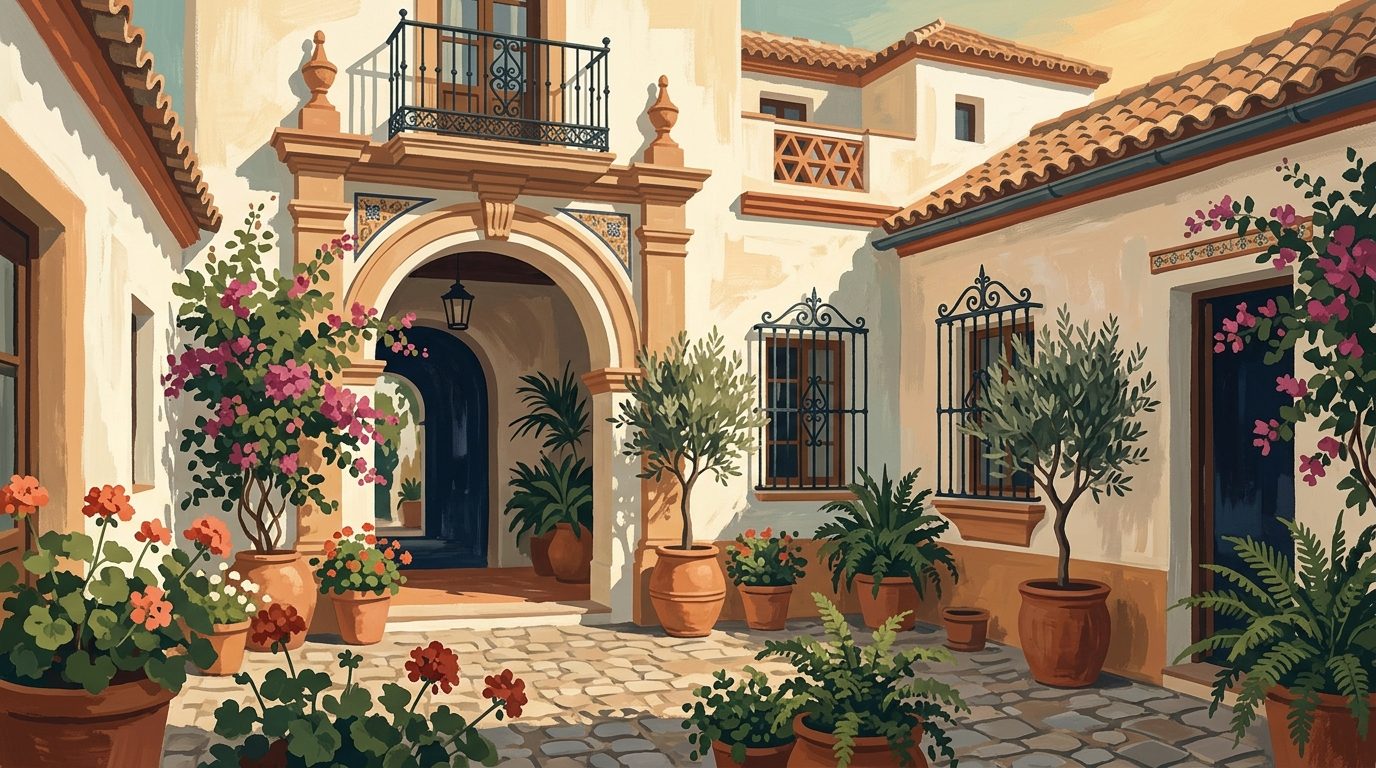
Hotels with Family Rooms in Cordoba: Best Stays with Pools and Patios
A practical guide to choosing family-friendly accommodation in Cordoba, from historic Judería courtyards to modern hotels with swimming pools.
6 min read
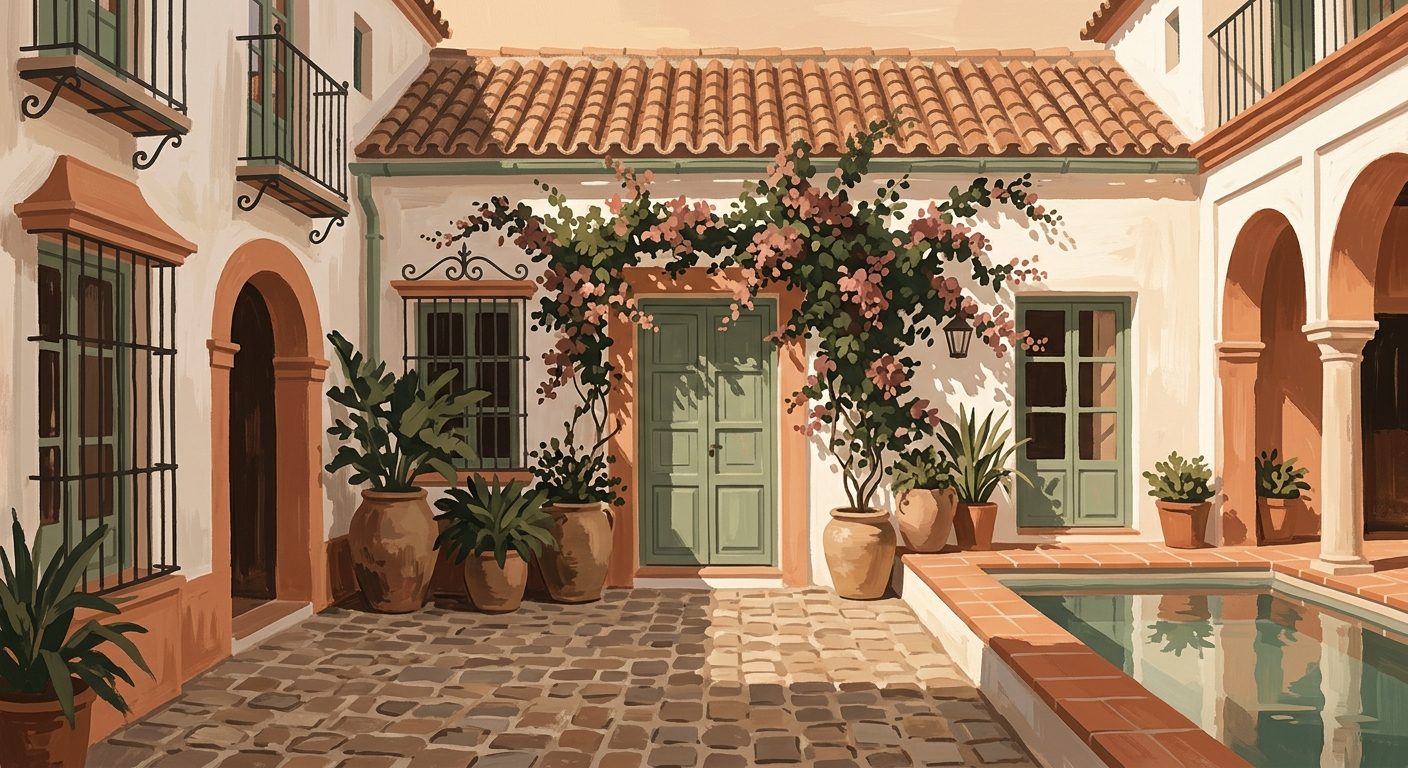
Hotels with a Pool in Cadiz: Rooftop Terraces and Beachfront Resorts
How to choose hotels with pools in Cádiz, including rooftop plunge pools, spa facilities, beachfront options, seasonality, lift access and wind checks.
3 min read
Hotels with Family Facilities in Jerez: Best Pools and Pram Access
A practical guide to choosing the right family accommodation in Jerez, from pool-equipped hotels to the best neighbourhoods for pram access.
6 min read
Luxury Hotels in Malaga: Palace Conversions and Seaside Resorts
Discover the best areas for a high-end stay in Malaga, from historic palace conversions in the centre to grand seaside resorts in La Malagueta.
5 min read
Hotels with a Pool in Malaga: From Rooftop Plunges to Garden Villas
A guide to navigating the pool hotel scene in Malaga, from historic rooftop plunge pools in the city centre to garden villas in the eastern suburbs.
5 min read
More from Córdoba
Boutique Hotels in Cordoba: Historic Patios and Manor Houses
Discover the nuances of Cordoba boutique hotels, from historical patio houses in the Judería to grand manor houses in the quiet Santa Marina district.
6 min read
Adults Only Hotels in Córdoba: Best Boutique Stays in the Judería
Choose the perfect child-free stay in Cordoba, from historic manor houses in the Judería to quiet boutique hotels in San Basilio.
5 min read
Luxury Hotels in Cordoba: Best Historic Palaces and Boutique Stays
A practical guide to selecting the best high-end accommodation in Cordoba, from historic palace conversions to modern boutique stays.
5 min read
Romantic Hotels in Córdoba: Traditional Patios and Mezquita Views
A practical guide to choosing romantic accommodation in Córdoba, from traditional patio-centred manor houses to luxury suites with views of the Mezquita.
6 min read
Cordoba Pet Friendly Hotels: A Practical Guide
Choosing a pet-friendly hotel in Cordoba requires balancing historic charm with practical needs like green space and summer cooling. Explore pet fees, weight limits, and the best neighbourhoods for dog owners.
6 min read
Newsletter
More stories from Andalucía
Weekly notes, seasonal picks, and the next guides worth bookmarking.