
Where to stay · Córdoba
Luxury Hotels in Cordoba: Best Historic Palaces and Boutique Stays
A practical guide to selecting the best high-end accommodation in Cordoba, from historic palace conversions to modern boutique stays.
By Dan · Updated 24 July 2026 · 5 min read
This article contains affiliate links. If you book through them, we may earn a small commission at no extra cost to you.
Luxury in Cordoba is defined by architectural heritage and scale. You will not find sprawling 500-room resorts here; instead, the top tier of accommodation consists of converted aristocratic mansions and former convents, such as the Hospes Palacio del Bailío or Las Casas de la Judería, located within the medieval street plan.
What luxury actually means here
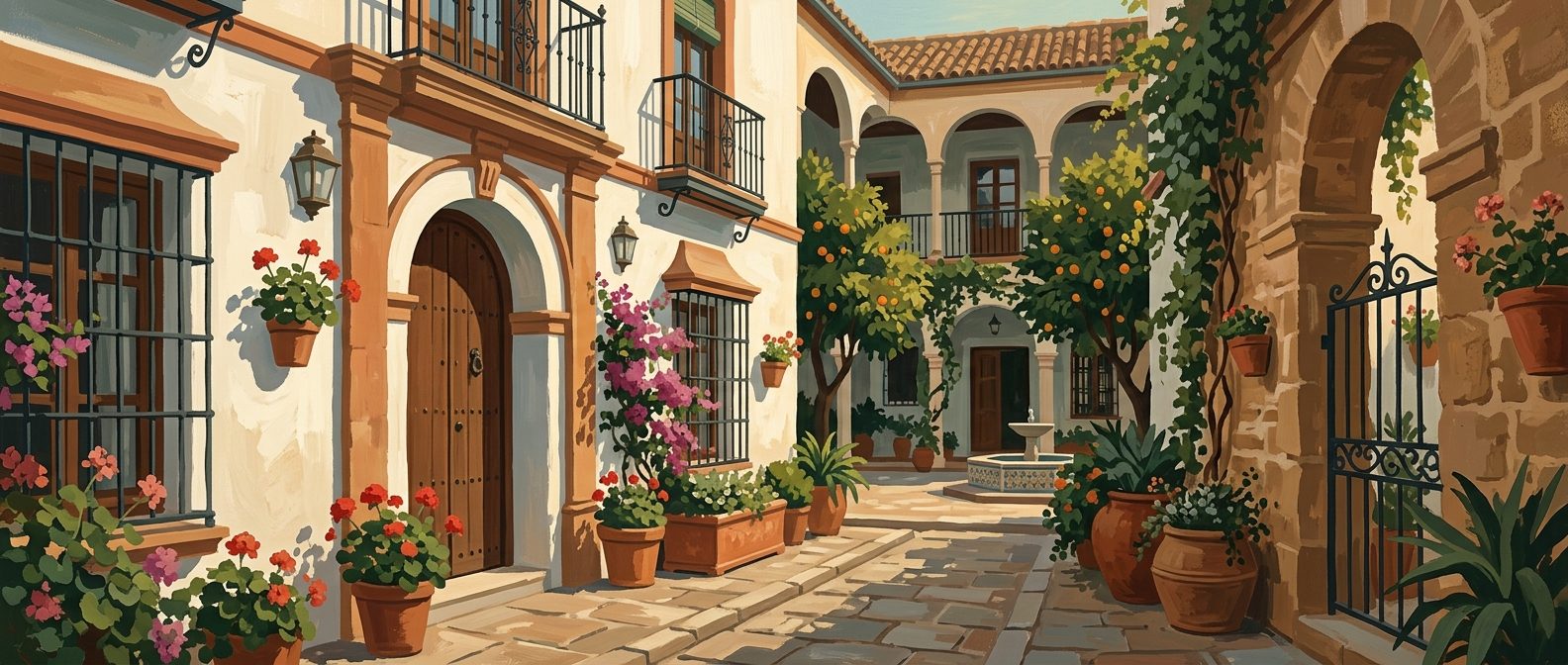
In Cordoba, luxury is synonymous with the casa-palacio (palace house). Because the city centre is a protected UNESCO site, modern construction is limited, meaning the most expensive hotels are almost always historical renovations. A five-star rating in this city usually guarantees three things: a central courtyard (patio) around which the hotel is organised, significant archaeological features such as Roman mosaics or Moorish stonework, and a high staff-to-guest ratio.
You should be aware that five-star status is relatively rare in Cordoba. Many of the most refined properties choose to remain as four-star superior hotels because the physical constraints of their 16th-century buildings (such as room sizes or lift dimensions) prevent them from meeting technical five-star requirements. Do not dismiss a four-star boutique hotel if it offers the location and amenities you require, as the service level often matches or exceeds that of the official five-star establishments.
The true luxury in this city is space and silence. In a city of narrow, echoes-heavy streets, a room that overlooks a private garden or an internal colonnade rather than a public alleyway is a premium feature. Furthermore, because of the intense summer heat, a swimming pool is a definitive luxury. In Cordoba, these are often small plunge pools or rooftop basins rather than full-sized lap pools, owing to the structural limits of historic rooftops.
Best areas of Cordoba for it
The Juderia (the old Jewish Quarter) is where you will find the most traditional high-end stays. The primary advantage is being within a five-minute walk of the Mezquita and the Roman Bridge. However, there are significant trade-offs. This area is almost entirely pedestrianised and the streets are paved with uneven cobbles. If your hotel does not offer a valet service, you will be dragging luggage through crowds of tourists. Noise is also a factor; even luxury rooms can be affected by the sound of tour groups or street cleaners in the early hours if the windows face outward.
For a quieter, more aristocratic experience, look towards the San Andres and Santa Marina neighbourhoods. These districts sit north of the main tourist hub and are home to the city’s grandest historic palacios. The hotels here, such as the aforementioned Hospes Palacio del Bailío, tend to be larger, with more extensive gardens and quieter surroundings. The trade-off is a 15 to 20-minute walk to the main sights, though many visitors find the authentic local atmosphere and the proximity to the Viana Palace worth the extra distance.
The modern centre (Centro), specifically around the Plaza de las Tendillas and Calle Claudio Marcelo, offers a different type of luxury. The hotels here, like the modern Eurostars Palace, are often housed in grand early 20th-century buildings with higher ceilings and better soundproofing. This area is more accessible for taxis and private cars, making it a better choice if you have mobility issues or a heavy amount of luggage. The trade-off is that you lose the medieval atmosphere of the Juderia in favour of a commercial, high-street environment.
How to pick by budget
At the entry level of luxury (approximately 150 to 200 Euros per night, though you should always check on the operator's website before travelling), you should expect a high-design boutique hotel in a restored house. At this price point, you are paying for the location and the aesthetic of the building. Rooms may be on the smaller side, and you might not have access to an onsite spa or a full-service restaurant. You will, however, usually get high-quality linens, premium toiletries, and a personalised concierge service.
In the mid-range luxury bracket (250 to 400 Euros), you are looking at the better rooms in the city’s established four-star superior and five-star hotels. This budget typically secures a junior suite or a room with a specific feature, such as a private terrace or a view of a significant courtyard. You should expect access to a rooftop pool, a well-equipped gym, and an onsite hammam or small spa facility. Breakfast is usually included at this level and features high-quality local products like Valle de los Pedroches ham.
At the top end (500 Euros and above), you are booking the premier suites in Cordoba’s most famous historical buildings. This often includes original frescoes, private plunge pools, and direct views of the Mezquita’s bell tower. Service at this level is highly proactive, often including valet parking, private check-in, and the ability to organise exclusive after-hours tours of the city's monuments. These rooms are often the only ones in the city that offer genuine square footage and separate living areas.
Practical tips for booking
Parking is the most frequent source of frustration for luxury travellers in Cordoba. Many high-end hotels in the Juderia claim to have parking, but this often means a remote garage 10 minutes away. Always confirm if the hotel offers a valet service where you can drop the car at the door. If they do not, and you are driving a large vehicle, you may be better off staying in the Centro area where underground car parks have wider access ramps.
During the Cordoba Patios Festival in May, booking six to twelve months in advance is essential. Rates for luxury rooms can triple during this peak period, and minimum stay requirements are common. Conversely, if you visit in July or August, prices drop significantly because of the heat, but you must ensure your hotel has a high-specification air conditioning system; older palace conversions can sometimes struggle to maintain low temperatures in the height of an Andalucían summer.
Finally, always clarify the window situation when booking a luxury room. In traditional Cordoban architecture, many rooms face inward toward the central patio. While this is culturally authentic and very quiet, it can feel claustrophobic for some as there is no street view and limited direct sunlight. If you prefer natural light and a view of the city, specifically request an exterior-facing room in your booking notes and confirm that the windows are double-glazed to mitigate street noise.
Last reviewed: 21 June 2026 · Editorial policy
Related guides
A Weekend in Cordoba: Two Days in Andalucía's Caliphate City
Spend 48 hours in Cordoba exploring the mesmerising Mezquita, getting lost in the whitewashed streets of the Judería, and eating excellent salmorejo.
9 min read
Boutique Hotels in Jerez: Historic Palaces and Sherry Bodega Stays
A guide to selecting boutique accommodation in Jerez, from historic merchant palaces in the old quarter to high-end stays near the famous sherry bodegas.
5 min read
Boutique Hotels in Cordoba: Historic Patios and Manor Houses
Discover the nuances of Cordoba boutique hotels, from historical patio houses in the Judería to grand manor houses in the quiet Santa Marina district.
6 min read
Cádiz Boutique Hotels: A Practical Guide to Booking
Choose the best boutique stay in Cádiz by understanding the unique layout of 18th-century merchant houses and the trade-offs of the city's historic districts.
6 min read
Boutique Hotels in Marbella: Character Stays in the Old Town & Golden Mile
Discover how to choose the right boutique hotel in Marbella, from historic townhouses in the Casco Antiguo to exclusive design hotels on the Golden Mile.
5 min read
Boutique Hotels in Sevilla: Character Stays in Santa Cruz and El Arenal
A practical guide to choosing the best boutique hotels in Sevilla, from historic palace conversions in Santa Cruz to sophisticated townhouse stays in El Arenal.
6 min read
More from Córdoba
Adults Only Hotels in Córdoba: Best Boutique Stays in the Judería
Choose the perfect child-free stay in Cordoba, from historic manor houses in the Judería to quiet boutique hotels in San Basilio.
5 min read
Romantic Hotels in Córdoba: Traditional Patios and Mezquita Views
A practical guide to choosing romantic accommodation in Córdoba, from traditional patio-centred manor houses to luxury suites with views of the Mezquita.
6 min read
Cordoba Pet Friendly Hotels: A Practical Guide
Choosing a pet-friendly hotel in Cordoba requires balancing historic charm with practical needs like green space and summer cooling. Explore pet fees, weight limits, and the best neighbourhoods for dog owners.
6 min read
Hotels with a Pool in Cordoba: Best Rooftops and Historic Patios
A guide to finding the best hotel pools in Cordoba, from historic courtyard plunge pools to modern rooftop terraces.
5 min read
Hotels with Family Rooms in Cordoba: Best Stays with Pools and Patios
A practical guide to choosing family-friendly accommodation in Cordoba, from historic Judería courtyards to modern hotels with swimming pools.
6 min read
Newsletter
More stories from Andalucía
Weekly notes, seasonal picks, and the next guides worth bookmarking.