
Where to stay · Granada
Granada Romantic Hotels: A Practical Guide to Choosing Your Stay
Choosing a romantic hotel in Granada requires balancing iconic Alhambra views against the logistical challenges of the city's historic hillside neighbourhoods.
By Dan · Updated 13 May 2026 · 5 min read
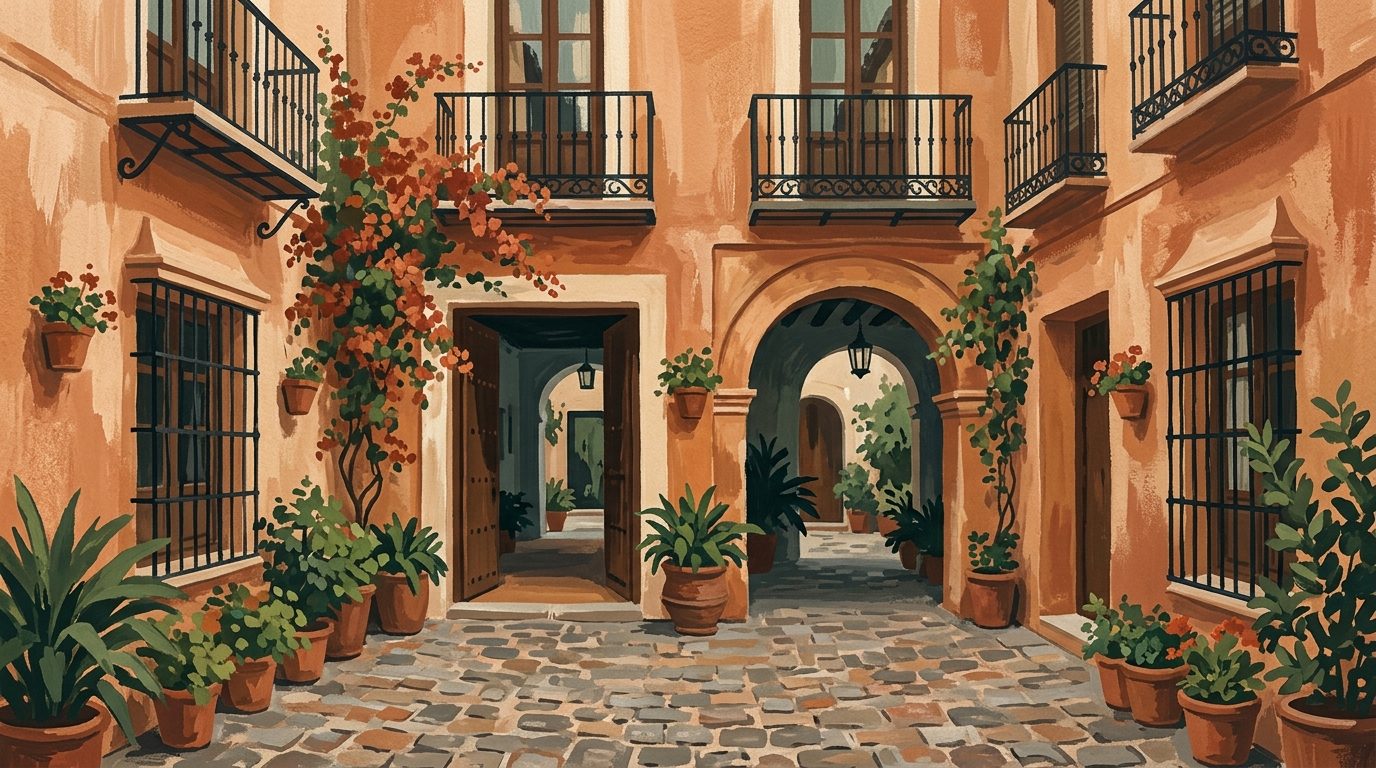
In Granada, romanticism is defined by the view. A hotel is rarely chosen for its modern amenities alone, but rather for its proximity to the Alhambra or its location within the winding, historic streets of the Moorish quarter.
What "romantic" actually means here
In Granada, a hotel is usually marketed as romantic based on two specific factors: its proximity to the Alhambra and its historic architecture. This is not a city for sprawling resort complexes or ultra-modern skyscrapers. Romance here is found in the "Carmen" (a traditional Granada house with a walled garden and high walls), the "Corrala" (a house built around a central courtyard), and the view across the Darro valley to the Nasrid Palaces.
A romantic room often comes with trade-offs that can frustrate the unprepared traveller. In the older districts, buildings are protected by strict heritage laws. This means rooms are frequently smaller than international standards and elevators are a rarity. Sound insulation in a 16th-century palacio is often poor, and you may hear noise from the street or the courtyard. If your idea of romance involves a large marble bathroom and total silence, you may prefer a modern hotel in the city centre over a historic building in the Albaicín.
Views are the primary currency of romance in this city. However, the term "Alhambra view" is used loosely by hotel marketing departments. Some rooms offer a panoramic vista of the fortress, while others require you to lean out of a small window to see a fragment of a stone tower. Always clarify if the view is from the bedroom itself or merely from a communal roof terrace. In Granada, you generally get exactly what you pay for when it comes to the sight of the palace.
Best areas of Granada for it
The Albaicín is the most obvious choice for a romantic stay. This UNESCO-listed district sits on the hill directly opposite the Alhambra. Staying here allows you to wake up to the sight of the red fortress across the valley. The atmosphere is historic, with narrow winding lanes and hidden plazas. However, the logistics are challenging. Most of the Albaicín is pedestrianised or restricted to local taxis and authorised residents (ZBE zones). If you choose this area, expect to carry luggage over steep, uneven cobblestones. It is also a high-traffic tourist zone, so your privacy is limited to what happens behind your hotel walls.
The Realejo offers a more local, sophisticated alternative. This former Jewish quarter feels less like a tourist museum than the Albaicín but still retains its historic character. It sits at the base of the Alhambra hill, making it a shorter walk to the palace entrance. The lower Realejo is flat and full of excellent tapas bars, while the upper Realejo climbs steeply and contains some of the city's most elegant private villas. It is a good choice for couples who want a mix of historic charm and easy access to the modern city centre.
For those who value convenience and modern luxury, the area around the Cathedral and Plaza Nueva is practical. While it lacks the hillside views of the Albaicín, it places you within walking distance of everything. The hotels here are often housed in grand 19th-century buildings with higher ceilings and better soundproofing. It is less scenic in the traditional sense, but far easier for those with heavy luggage or mobility concerns. You will find more standard hotel services here, such as 24-hour room service and reliable lifts.
How to pick by budget
At the budget level (around 60 to 90 Euros per night), romance is found in small, family-run guesthouses. You can expect clean, simple rooms, often with traditional tile work and a central patio. You will likely forgo a direct Alhambra view from your window, but many of these establishments have a shared roof terrace where you can watch the sunset. Service is personal but limited. You should check whether your room has a private bathroom, as some older guesthouses in the Albaicín still use shared facilities.
The mid-range bracket (100 to 200 Euros) is where you find the boutique hotels that Granada is famous for. These are typically restored mansions or converted convents. You can expect higher quality linens, air conditioning (which is essential from June to September), and more stylish decor that blends Moorish influences with contemporary design. In this price range, you can often secure a room with a partial view or a small private balcony. Some mid-range hotels also offer small plunge pools in their courtyards, though these are often for aesthetics rather than actual swimming.
Top-end hotels (250 Euros and above) provide the full Granada experience. This includes staying in some of the most historic buildings in Spain, such as the Parador located within the Alhambra grounds themselves. At this level, you are paying for location and the silence. Top-tier hotels offer the best views, often from large terraces or floor-to-ceiling windows. Expect high-end amenities like spa facilities, fine-dining restaurants on-site, and concierge services that can help secure hard-to-get tickets for local monuments.
Practical tips for booking
Book your stay at least three to four months in advance if you are visiting during the peak seasons of spring (April to June) or autumn (September to October). These months offer the best weather, but hotels sell out quickly, especially those with direct views. If you are travelling in July or August, ensure your hotel has high-quality air conditioning, as Granada temperatures frequently exceed 35 degrees Celsius and older buildings can trap heat.
Accessibility is a major factor in Granada. If you are arriving by car, do not attempt to drive into the Albaicín or Realejo yourself. The streets are extremely narrow and many are restricted to authorised vehicles only, with heavy fines for violators. Confirm with your hotel if they have a parking agreement with a garage in the city centre and take a taxi from there to the hotel entrance.
Always confirm the specific room type when booking. A standard double in a historic building might be significantly smaller than what you are used to in modern hotels. If a view is your priority, email the hotel directly after booking to request a high floor or a specific orientation. Ask specifically if the view is direct and unobstructed. Finally, verify the check-in procedure if you are arriving late, as many smaller boutique hotels do not have a 24-hour reception desk and require advance notice for late arrivals.
Last reviewed: 21 June 2026 · Editorial policy
Related guides

Two Days in Granada: A Step-by-Step Itinerary
Two days in Granada gives you just enough time to explore the Alhambra and lose yourself in the steep alleys of the Albaicín. This itinerary balances major monuments with the city's legendary free tapas culture.
10 min read
Luxury Hotels in Granada: Historic Palaces and Alhambra Views
Discover the best luxury hotels in Granada, from historic Albaicín palaces with Alhambra views to sophisticated five-star properties in the city centre.
5 min read
Choosing a Romantic Hotel in Cádiz
How to choose a romantic hotel in Cádiz, with verified boutique and spa options, neighbourhood trade-offs, Atlantic-view checks and practical booking advice.
8 min read
Romantic Hotels in Jerez: Best Historic Palaces and Spa Retreats
A practical guide to romantic hotels in Jerez, comparing palace-house stays, San Miguel tabanco nights, spa-focused bases, parking, festival timing and official booking checks.
5 min read
Hotels with Gorge Views in Ronda: Best Romantic and Historic Stays
Choosing a romantic hotel in Ronda involves a choice between dramatic views of the Tajo gorge and the quiet, historic seclusion of the Moorish Old Town.
5 min read
Romantic Hotels in Córdoba: Traditional Patios and Mezquita Views
A practical guide to choosing romantic accommodation in Córdoba, from traditional patio-centred manor houses to luxury suites with views of the Mezquita.
6 min read
More from Granada
Hotels with a Pool in Granada: Rooftop Plunges and Seasonal Tips
Finding a hotel with a pool in Granada requires understanding seasonal limits and the difference between a rooftop plunge and a full-sized basin.
5 min read
Boutique Hotels in Granada: Historic Cármenes and Palacetes
Choose between historical cármenes in the Albaicín and modern palacetes in the city centre with our guide to Granada boutique hotels.
5 min read
Quiet and Boutique Hotels in Granada: Best Adult-Focused Retreats
A practical guide to quiet and adult-focused hotels in Granada, comparing Albaicín, Realejo and Cathedral bases with Alhambra access, stairs, transport and spa checks.
6 min read
How to Book Hotels with Alhambra Views in Granada: Best Neighbourhoods and Rooms
Secure the perfect view of Granada's palace complex by choosing the right neighbourhood and room category for your budget.
5 min read
Hotels with Family Rooms in Granada: Best Neighbourhoods for Kids
Discover the most practical neighbourhoods and hotel configurations for a family stay in Granada, from the flat streets of the Centro to the modern parks of the Ronda district.
5 min read
Hotels with Pets in Granada: Best Stays and Essential Travel Tips
A practical guide to booking pet-friendly accommodation in Granada, including neighbourhood recommendations, weight limits, and essential Alhambra logistics.
4 min read
Newsletter
More stories from Andalucía
Weekly notes, seasonal picks, and the next guides worth bookmarking.