
Where to stay · Sevilla
Boutique Hotels in Sevilla: Character Stays in Santa Cruz and El Arenal
A practical guide to choosing the best boutique hotels in Sevilla, from historic palace conversions in Santa Cruz to sophisticated townhouse stays in El Arenal.
By Dan · Updated 24 July 2026 · 6 min read
This article contains affiliate links. If you book through them, we may earn a small commission at no extra cost to you.
Sevilla is the capital of the boutique hotel in Andalucía, where historic casa-palacios have been converted into small-scale accommodation that prioritises design over the standardised services of larger chains.
What boutique actually means here
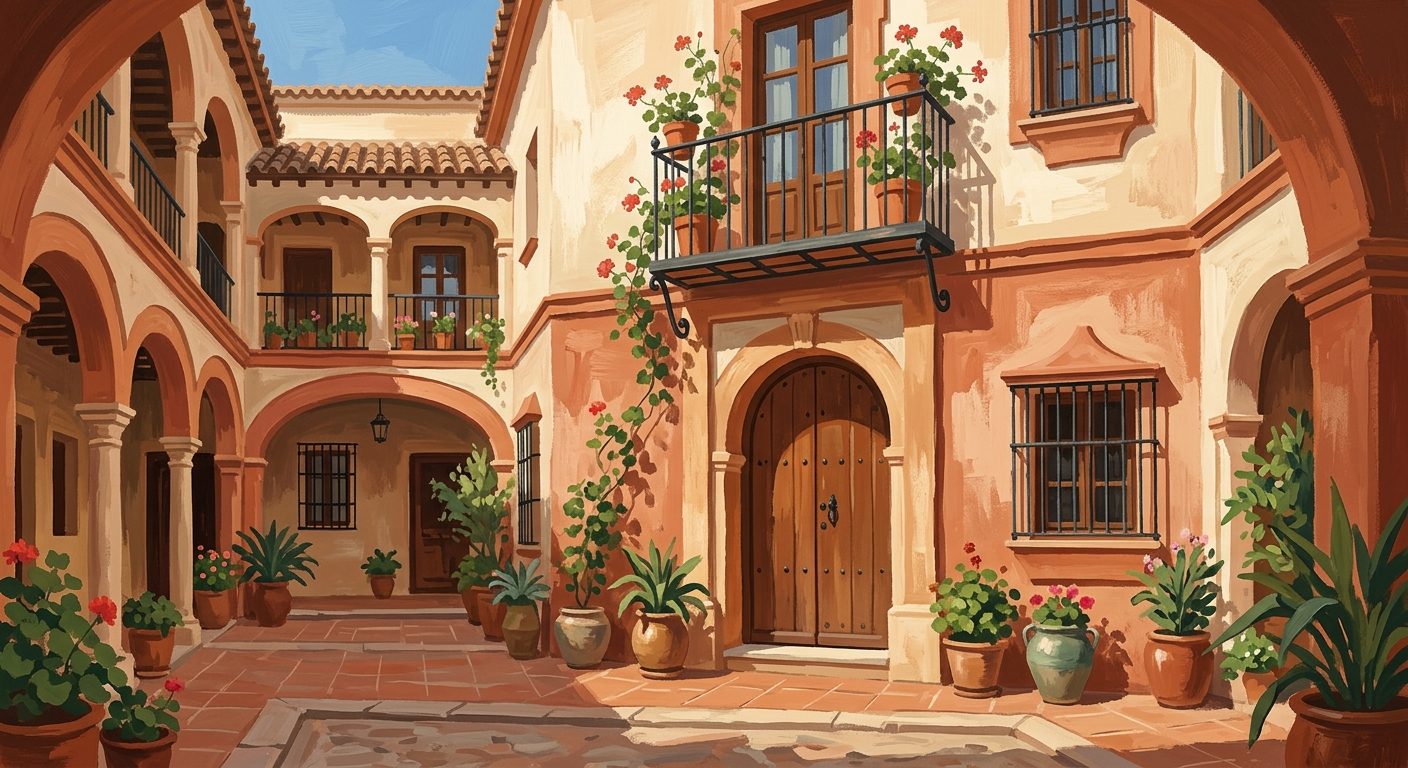
In Sevilla, the boutique label almost always refers to a restored historic building, usually an 18th-century noble residence or a 19th-century townhouse built around a central courtyard. The architectural logic of the city dictates the experience: these hotels are typically vertical and narrow, with rooms arranged across three or four floors around a central patio. This layout presents a specific trade-off regarding light and noise. If you choose an interior room facing the courtyard, you will benefit from a significant reduction in street noise, but you may have very little natural light. Conversely, exterior rooms provide views of the narrow streets but can be subject to the sounds of late-night foot traffic and early-morning delivery scooters.
True boutique hotels in Sevilla usually cap their room count at around 40 or 50, but many of the most authentic options have fewer than 20. This small scale means you will not find 24-hour room service or massive gym facilities. Instead, the focus is on the rooftop terrace, which is a non-negotiable feature for a high-quality Sevilla boutique. These spaces are used for breakfast in the spring and autumn, and usually feature a plunge pool for the summer months. Be aware that in this city, a plunge pool is rarely large enough for swimming: it is designed for a quick dip to lower your body temperature during the 40-degree heat of July and August.
Another factor is the elevator situation. Because many of these hotels are protected heritage buildings, elevators are often retrofitted into small spaces. They are frequently tiny and slow. If you have mobility issues or large amounts of luggage, you should confirm the specific dimensions and reach of the lift before booking, as some rooftop terraces or mezzanine levels may still require using a short flight of stairs.
Best areas of Sevilla for it
The Barrio Santa Cruz is the most famous location for boutique stays, with notable options like Casa del Poeta or Hotel Casas de la Judería, but it is also the most challenging. This is the old Jewish quarter, a labyrinth of winding alleys that are mostly pedestrianised. The benefit is being seconds away from the Cathedral and the Alcázar. The trade-off is the logistical difficulty of arrival. Taxis cannot reach the front door of many hotels in this area: you will likely be dropped at the Plaza de San Francisco or the Archivo de Indias and will need to walk the final 300 to 500 metres with your suitcases over uneven cobbles.
El Arenal offers a more sophisticated, slightly more accessible alternative. Located between the Cathedral and the Guadalquivir river, this neighbourhood is home to some of the city's most refined townhouse conversions. It feels less like a tourist theme park than Santa Cruz and provides better access to high-end tapas bars and the opera house. The streets are slightly wider, making taxi drop-offs easier, though through-traffic can make street-facing rooms noisier during the day.
For those who want a quieter, more residential atmosphere, the areas of San Lorenzo and San Vicente (to the north of the centre) are ideal. These neighbourhoods are located in the north-western part of the historic centre. Here, boutique hotels tend to be larger, often occupying grander palacios with more spacious courtyards. It is a 15 to 20 minute walk to the main monuments, but you are rewarded with a much more authentic sense of Sevillano life and significantly less foot traffic outside your window. This is the best area for travellers who value space and silence over being in the immediate vicinity of the Cathedral.
How to pick by budget
For a budget boutique experience (€), look for converted guest houses or "hostales", such as Casa de Colón, that have undergone recent renovations. In Sevilla, many two-star establishments offer the aesthetic of a boutique hotel, including white-washed walls and traditional tiling, but with fewer amenities. You should expect smaller rooms, often with a window facing a small internal light well rather than a grand patio. These properties may not have a lift or a pool, and breakfast is likely to be a simple affair of toast and coffee at a nearby bar included in the rate.
Mid-range boutique hotels (€€), like Hotel Amadeus, are the standard in Sevilla. At this level, you are paying for a rooftop terrace with a view, a lift, and high-quality linens. Rooms will feature more thoughtful design, often mixing contemporary furniture with original architectural details like exposed brickwork or wooden ceiling beams. The service at this level is personal, with staff able to assist with difficult restaurant reservations or flamenco tickets. These hotels usually offer a small plunge pool on the roof, which is essential as we are now entering the peak heat period of June to September.
Top-end boutique hotels (€€€), such as Hotel Palacio de Villapanés or Corral del Rey, occupy the most significant historic buildings in the city. You are paying for architectural heritage: think marble columns, original frescoes, and expansive private suites. These properties often feature high-end bathroom products, 24-hour reception, and perhaps a small spa or a high-quality restaurant on-site. At this price point, you should expect a high degree of privacy and rooms that are significantly larger than the city average. Many top-end boutiques also offer private terraces for their best suites, providing a secluded space to view the Giralda tower.
Practical tips for booking
Booking lead times in Sevilla are some of the longest in Andalucía. For the peak periods of Semana Santa (Holy Week) and the Feria de Abril (April Fair), the best boutique hotels are often fully booked six to eight months in advance. During these two weeks, prices can triple or quadruple, and many hotels impose a minimum stay of three to five nights. If your travel dates are flexible, the months of July and August offer the lowest rates. However, as we are now entering the high-summer season, you must rigorously check a hotel's air conditioning standards. Older historic buildings can struggle to stay cool, and modern, high-performance climate control is non-negotiable when Sevilla reaches its 40-degree summer peaks.
When booking, always confirm the bed configuration in writing. In many older boutique properties, "double beds" are actually two twin beds pushed together. If a true matrimonial bed is important to you, specify this during the booking process. Additionally, if you are arriving by car, do not attempt to drive to the hotel door in the historic centre. Sevilla's old town is a maze of cameras, one-way systems, and extremely narrow streets that can easily scrape a rental car. Instead, ask the hotel for the nearest public car park and use a taxi for the final leg of the journey. Most boutique hotels do not have their own parking garages due to the age of the buildings.
Last reviewed: 21 June 2026 · Editorial policy
Related guides

One Week in Sevilla: A Complete Seven Days Itinerary
Spending a full week in Sevilla allows you to slow down and adopt the local rhythm. You can explore the monumental centre, wander through neighbourhood markets, and take the train to nearby Andalucían cities without feeling rushed.
13 min read
Boutique Hotels in Cordoba: Historic Patios and Manor Houses
Discover the nuances of Cordoba boutique hotels, from historical patio houses in the Judería to grand manor houses in the quiet Santa Marina district.
6 min read
Choosing a Romantic Hotel in Cádiz
How to choose a romantic hotel in Cádiz, with verified boutique and spa options, neighbourhood trade-offs, Atlantic-view checks and practical booking advice.
8 min read
Boutique Hotels in Ronda: Character Stays Overlooking the Gorge
How to choose boutique hotels in Ronda, with verified gorge-side and rural examples, neighbourhood trade-offs, view checks and access advice.
3 min read
Boutique Hotels in Jerez: Historic Palaces and Sherry Bodega Stays
A guide to selecting boutique accommodation in Jerez, from historic merchant palaces in the old quarter to high-end stays near the famous sherry bodegas.
5 min read
Cádiz Boutique Hotels: A Practical Guide to Booking
Choose the best boutique stay in Cádiz by understanding the unique layout of 18th-century merchant houses and the trade-offs of the city's historic districts.
6 min read
More from Sevilla
Hotels with Pet-Friendly Rooms in Sevilla: Fees and Walking Areas
Discover how to choose the right pet-friendly accommodation in Sevilla, from weight limits and nightly fees to the best neighbourhoods for walking your dog.
5 min read
Hotels with a Pool in Seville: Rooftop Plunges and Full Facilities
A practical guide to choosing a hotel with a pool in Sevilla, covering the difference between rooftop plunge pools and full-sized swimming facilities across the city's key neighbourhoods.
5 min read
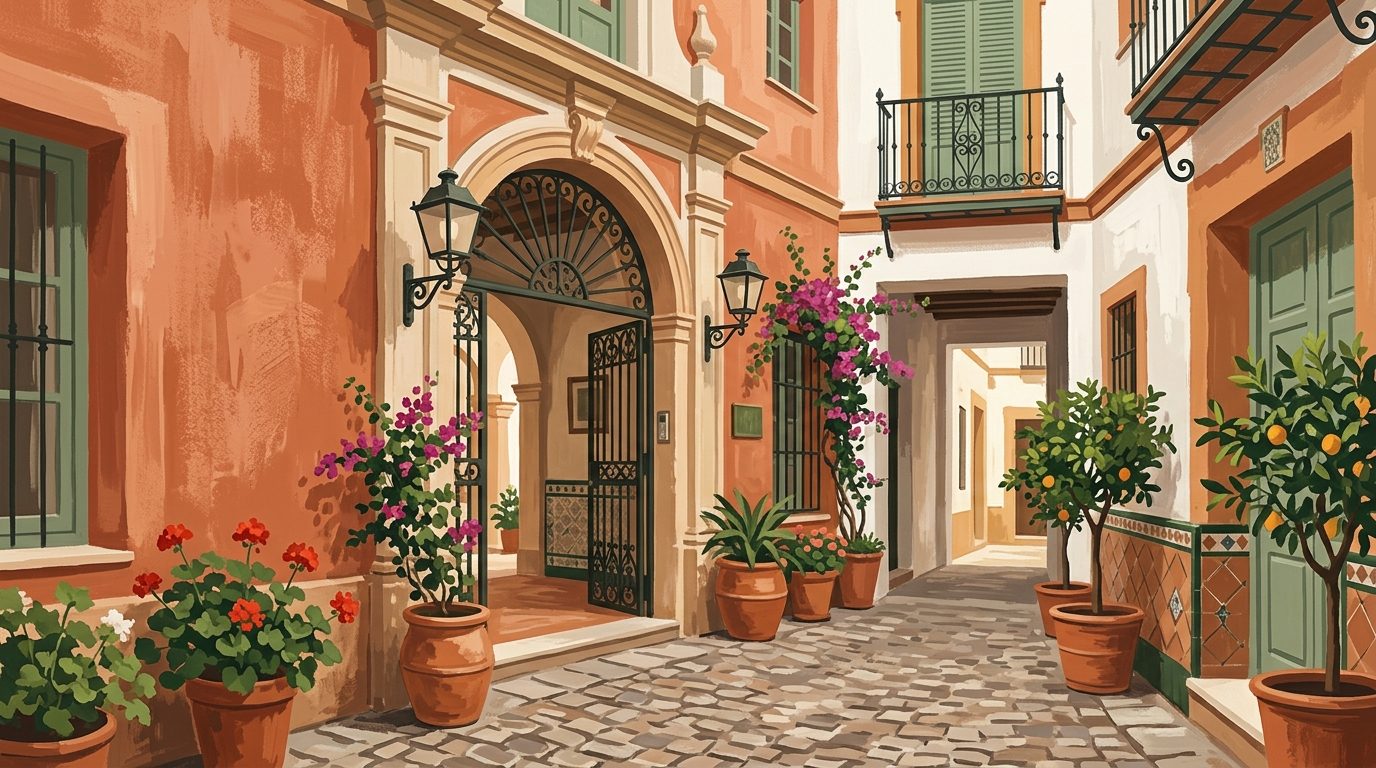
Romantic Districts in Sevilla: Where to Stay in Santa Cruz and El Arenal
Choose between historic palace houses in Santa Cruz or stately riverfront suites in El Arenal with our expert guide to Sevilla's most romantic districts.
5 min read
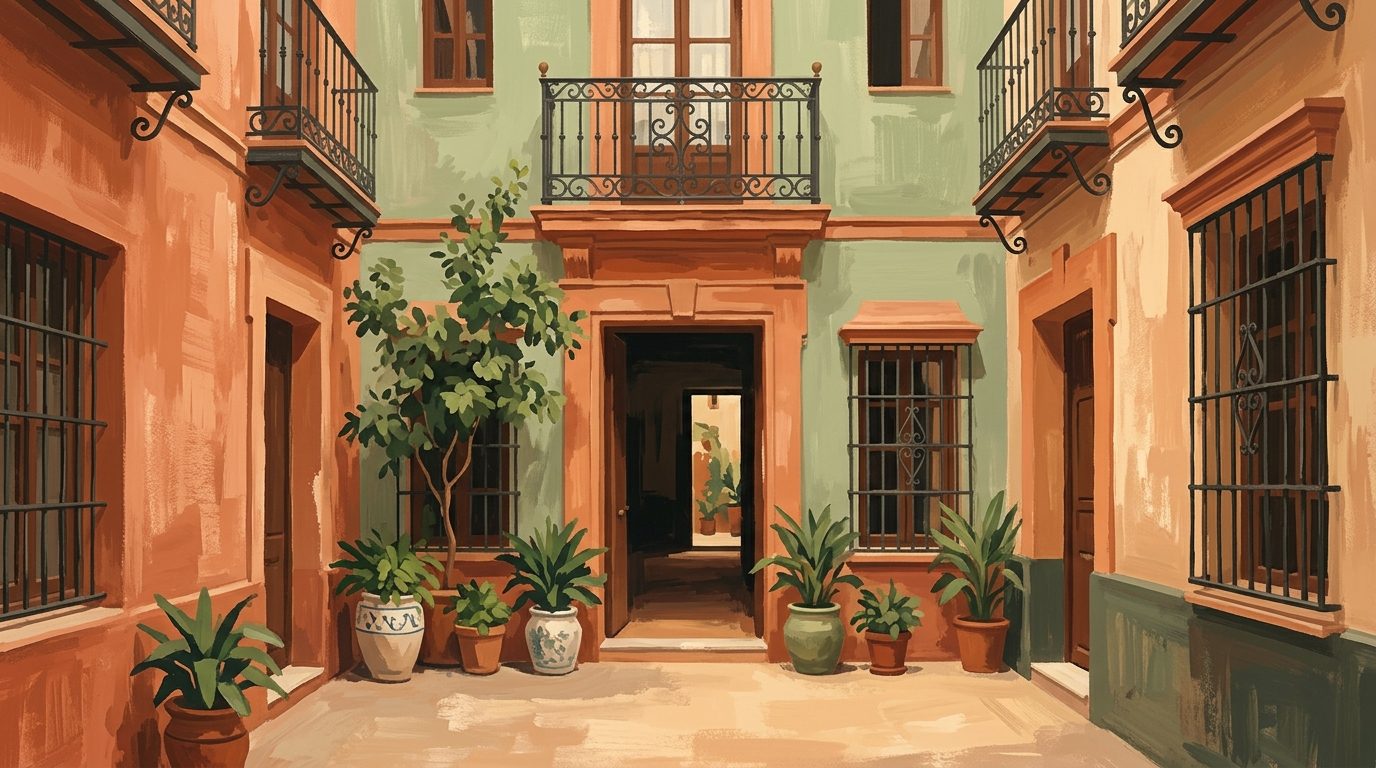
Adults Only Hotels in Sevilla: Best Neighbourhoods and Booking Advice
A practical guide to adults-only hotels in Sevilla, comparing Santa Cruz, El Arenal, Alameda and quieter bases with festival, rooftop, taxi and transport checks.
6 min read
Newsletter
More stories from Andalucía
Weekly notes, seasonal picks, and the next guides worth bookmarking.