
Where to stay · Sevilla
Hotels with Pet-Friendly Rooms in Sevilla: Fees and Walking Areas
Discover how to choose the right pet-friendly accommodation in Sevilla, from weight limits and nightly fees to the best neighbourhoods for walking your dog.
By Dan · Updated 14 July 2026 · 5 min read
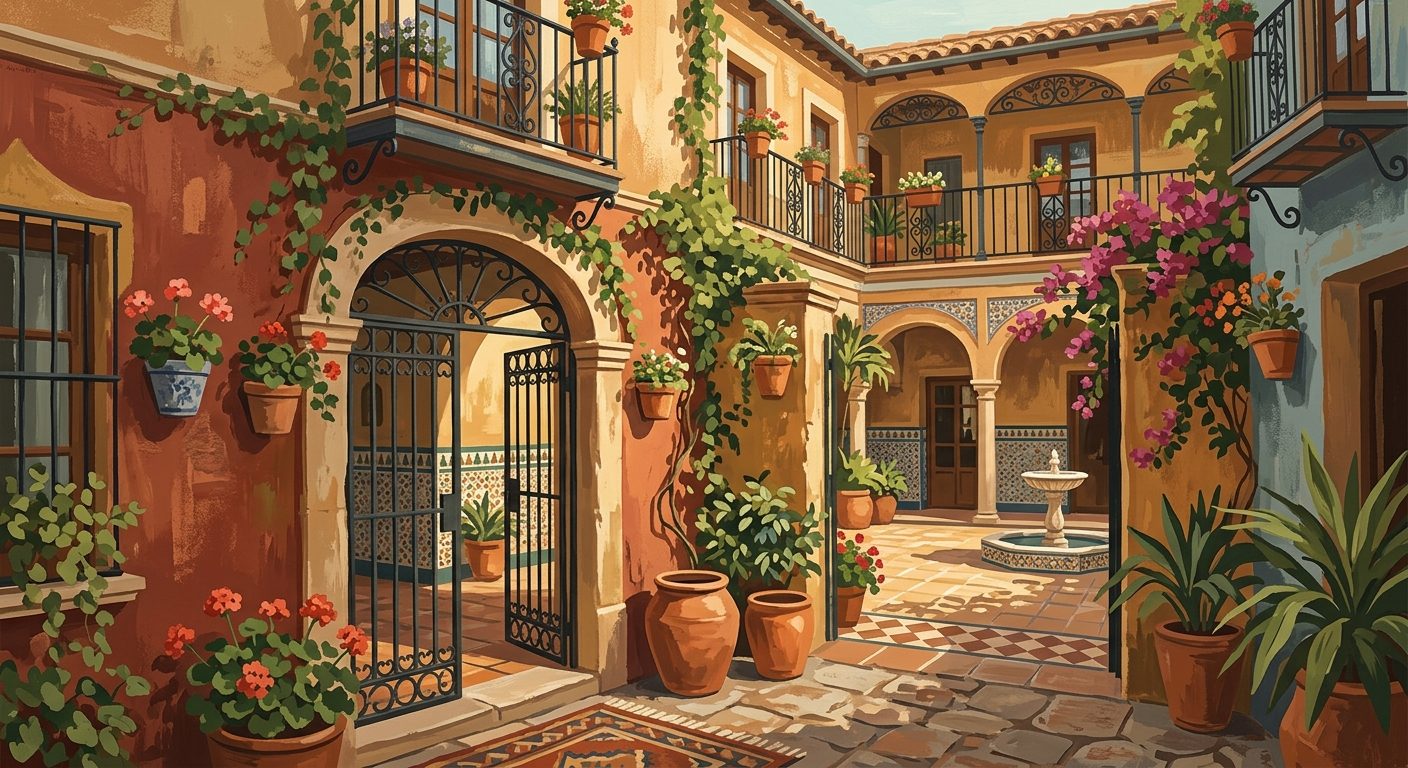
Sevilla is increasingly accommodating to travellers with dogs, but the city's compact historic centre and intense summer heat pose specific challenges for pet owners. Choosing the right hotel requires balancing proximity to green spaces with the strict weight and fee policies common across Andalucían urban centres.
What "pet friendly" actually means here
In Sevilla, the term "pet friendly" is rarely an open invitation for all animals. For the majority of hotels in the city centre, this filter specifically refers to dogs, and occasionally cats, under a strict weight limit. The most common cap is 10kg or 15kg, though some modern chains, such as NH Hotels, are beginning to allow larger breeds up to 25kg. If you are travelling with a large breed, such as a Golden Retriever or a Greyhound, your options in the old town (Casco Antiguo) will be extremely limited. You will likely need to look at modern, international chain hotels located on the periphery or in the business districts.
Pricing is rarely inclusive. Most hotels charge a daily supplement that typically ranges from 15 to 30 Euros per night, as seen with chains like Meliá (check on the operator's website before travelling). This is often framed as a cleaning fee. Be aware that some establishments charge this as a flat one-off fee per stay, while others apply it daily, which can significantly alter your total bill over a week-long visit. Unlike more rural parts of Andalucía, city hotels in Sevilla often restrict where your pet can go. It is standard practice for pets to be barred from breakfast rooms, roof terraces, and pool areas. You should also expect a policy that forbids leaving your dog unattended in the room; if the hotel staff hear barking while you are out at a tapas bar, they will call you to return immediately.
Physical space is another factor. The boutique hotels in the Santa Cruz district are often converted from historic townhouses with narrow corridors and steep stairs. These properties rarely have lifts that can accommodate a large pet carrier, and the rooms themselves may be too small for a dog bed to fit comfortably on the floor. For more space, look for properties that offer rooms with private internal patios or ground-floor access.
Best areas of Sevilla for it
Location is the most important factor for pet owners in Sevilla because of the lack of greenery in the very centre. If you stay in the heart of the tourist district, you will find yourself walking long distances on hard stone or tarmac before finding a suitable place for your dog to exercise.
The area around the Parque de María Luisa and the Paseo de las Delicias is the most practical choice, particularly during the July heat, as the park's canopy provides significant temperature relief. Note that while dogs are welcome in the park, they must remain on leads except in designated 'zona canina' areas detailed by the official Sevilla Tourism board. This neighbourhood provides immediate access to the city's largest park, offering plenty of shade and space for morning and evening walks. The trade-off is that you are roughly a 15 to 20-minute walk from the Cathedral, though the route is flat and straightforward.
El Arenal and the riverfront along the Canal de Alfonso XIII (the Guadalquivir) is another excellent option. The Paseo de Cristóbal Colón has a long, wide pedestrianised path that runs parallel to the water. This is a popular spot for local dog walkers. Staying here puts you close to the main sights like the Maestranza bullring and the Torre del Oro, but it can be noisy due to heavy traffic on the main road.
Triana, located across the bridge, offers a more residential feel. While the streets are narrow, the proximity to the river walk (Calle Betis and further north) makes it manageable. However, parking in Triana is notoriously difficult, so if you are driving into the city with your pet, ensure your hotel has a private garage with direct lift access to the lobby.
How to pick by budget
At the budget level (€), expect very basic facilities. You will likely be charged a flat fee for the pet, and you should not expect any extras like water bowls or dog beds. Many budget options are located near the Santa Justa train station. These are functional and often have more floor space than old-town pensions, but they lack character and require a bus or taxi ride to reach the historic centre.
In the mid-range (€€) bracket, you will find the best balance of location and comfort. Many four-star hotels in the centre now offer specific pet packages. At this level, the weight limits are usually strictly enforced, but the rooms are generally large enough to accommodate a medium-sized dog. These hotels are often more professional about their pet policies, providing clear written rules at check-in to avoid any surprises regarding cleaning fees.
Top-end (€€€) hotels in Sevilla provide the most seamless experience, often providing branded dog beds, bowls, and even gourmet pet menus. However, do not assume that a high price tag means more flexibility. Many five-star properties have the strictest rules of all to protect their high-end furnishings. You can expect to pay a premium supplement, sometimes as high as 50 Euros per night (check on the operator's website before travelling), for the privilege of bringing your pet into these historic buildings.
Practical tips for booking
Always confirm the weight limit in writing before you pay a non-refundable deposit. Many booking platforms list a hotel as "pets allowed" without specifying the 5kg or 10kg limit that the hotel actually enforces. A quick email to the reception can save you from being turned away at the door.
Seasonality is a major concern in Sevilla. From June to September, the pavement temperatures can exceed 50 degrees Celsius by midday, which is dangerous for a dog's paws. If you visit during the summer, you must plan your walks for before 9:00 or after 21:00. This makes choosing a hotel with a cool, shaded interior patio or a location very close to a park even more vital.
Finally, check the hotel's policy on balcony access. Many traditional Sevillano buildings have low railings or Juliet balconies that may not be secure for a curious pet. If your dog is prone to jumping or is particularly small, request a room with a standard window or an enclosed courtyard view. Also, confirm if the hotel requires you to bring your own pet bedding; even pet-friendly spots often prohibit animals from using the hotel's linens and furniture.
Last reviewed: 14 July 2026 · Editorial policy
Related guides

One Week in Sevilla: A Complete Seven Days Itinerary
Spending a full week in Sevilla allows you to slow down and adopt the local rhythm. You can explore the monumental centre, wander through neighbourhood markets, and take the train to nearby Andalucían cities without feeling rushed.
13 min read
Hotels with Pets in Cádiz: Beach Laws and Best Walking Areas
How to book pet-friendly accommodation in Cádiz, with hotel-policy questions, dog-walking areas, beach-rule cautions and official pet-law sources.
3 min read
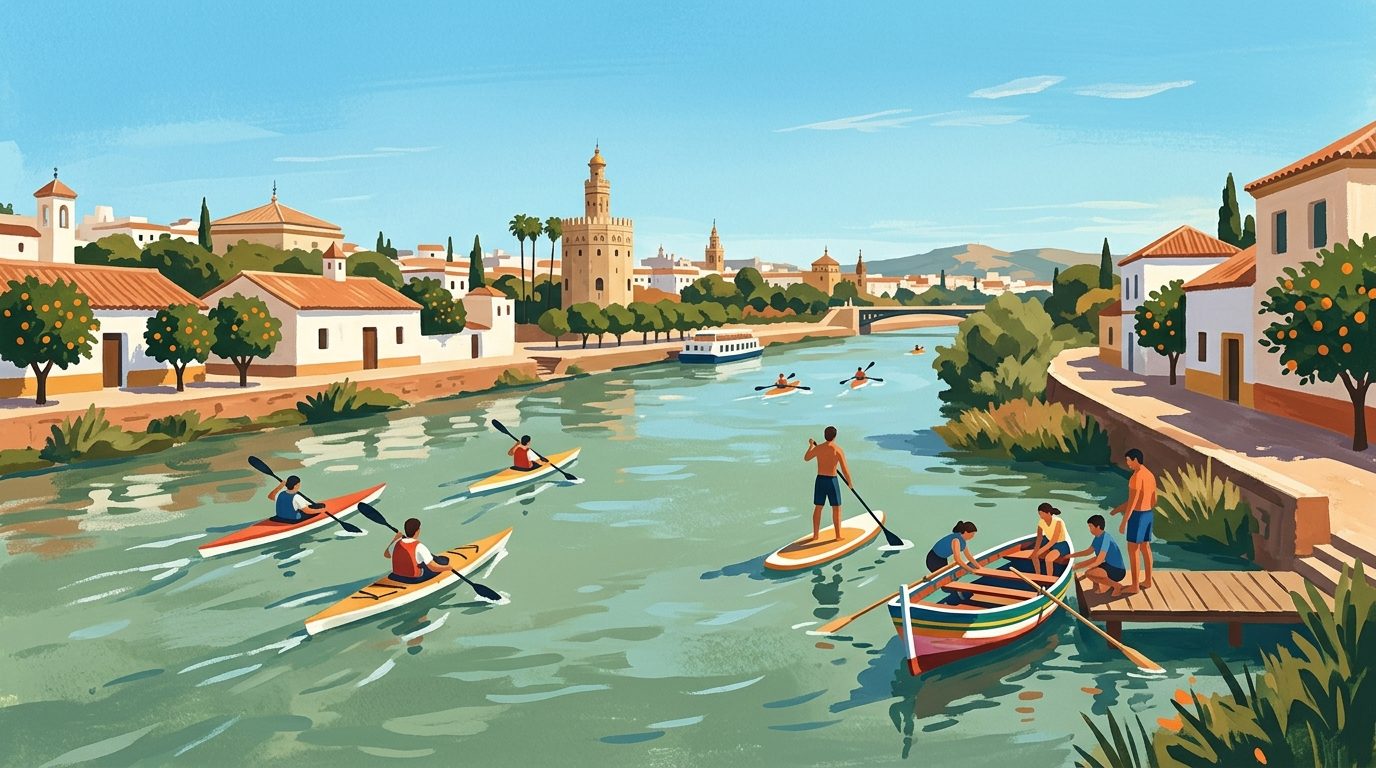
Water Sports in Sevilla: Navigating the Guadalquivir
Discover the best ways to explore Sevilla's Guadalquivir river, from sunset paddleboarding and city kayaking to professional rowing and nature tours in the marshes.
6 min read

The Soul of the South: An Insider’s Guide to Sevilla City
Discover the soul of Andalucía in Sevilla, from the soaring heights of the Giralda to the intimate, tiled courtyards of the Barrio Santa Cruz.
9 min read

A Long Weekend in Sevilla: The Definitive Four Days Itinerary
A precise 4-day guide to Sevilla, covering the Gothic Cathedral, royal palaces, Triana's pottery workshops, and the best tapas bars in the city.
8 min read

Sevilla in August: Surviving and Thriving in the Frying Pan of Europe
August in Sevilla is a time of extreme heat and evocative silences. Learn how to navigate the 40°C temperatures, enjoy local mountain festivals, and experience the city's late-night culture.
6 min read
More from Sevilla
Hotels with a Pool in Seville: Rooftop Plunges and Full Facilities
A practical guide to choosing a hotel with a pool in Sevilla, covering the difference between rooftop plunge pools and full-sized swimming facilities across the city's key neighbourhoods.
5 min read
Romantic Districts in Sevilla: Where to Stay in Santa Cruz and El Arenal
Choose between historic palace houses in Santa Cruz or stately riverfront suites in El Arenal with our expert guide to Sevilla's most romantic districts.
5 min read
Adults Only Hotels in Sevilla: Best Neighbourhoods and Booking Advice
A practical guide to adults-only hotels in Sevilla, comparing Santa Cruz, El Arenal, Alameda and quieter bases with festival, rooftop, taxi and transport checks.
6 min read
Boutique Hotels in Sevilla: Character Stays in Santa Cruz and El Arenal
A practical guide to choosing the best boutique hotels in Sevilla, from historic palace conversions in Santa Cruz to sophisticated townhouse stays in El Arenal.
6 min read
Newsletter
More stories from Andalucía
Weekly notes, seasonal picks, and the next guides worth bookmarking.