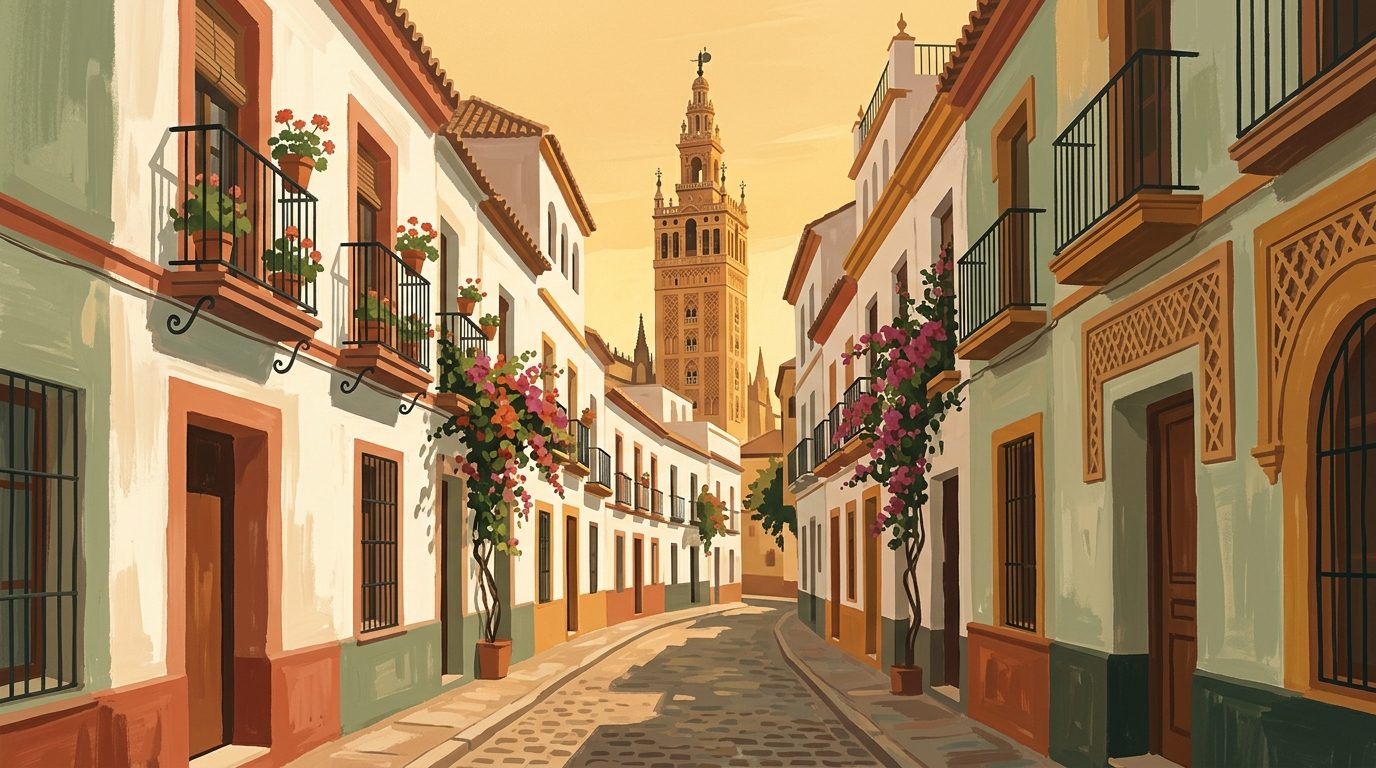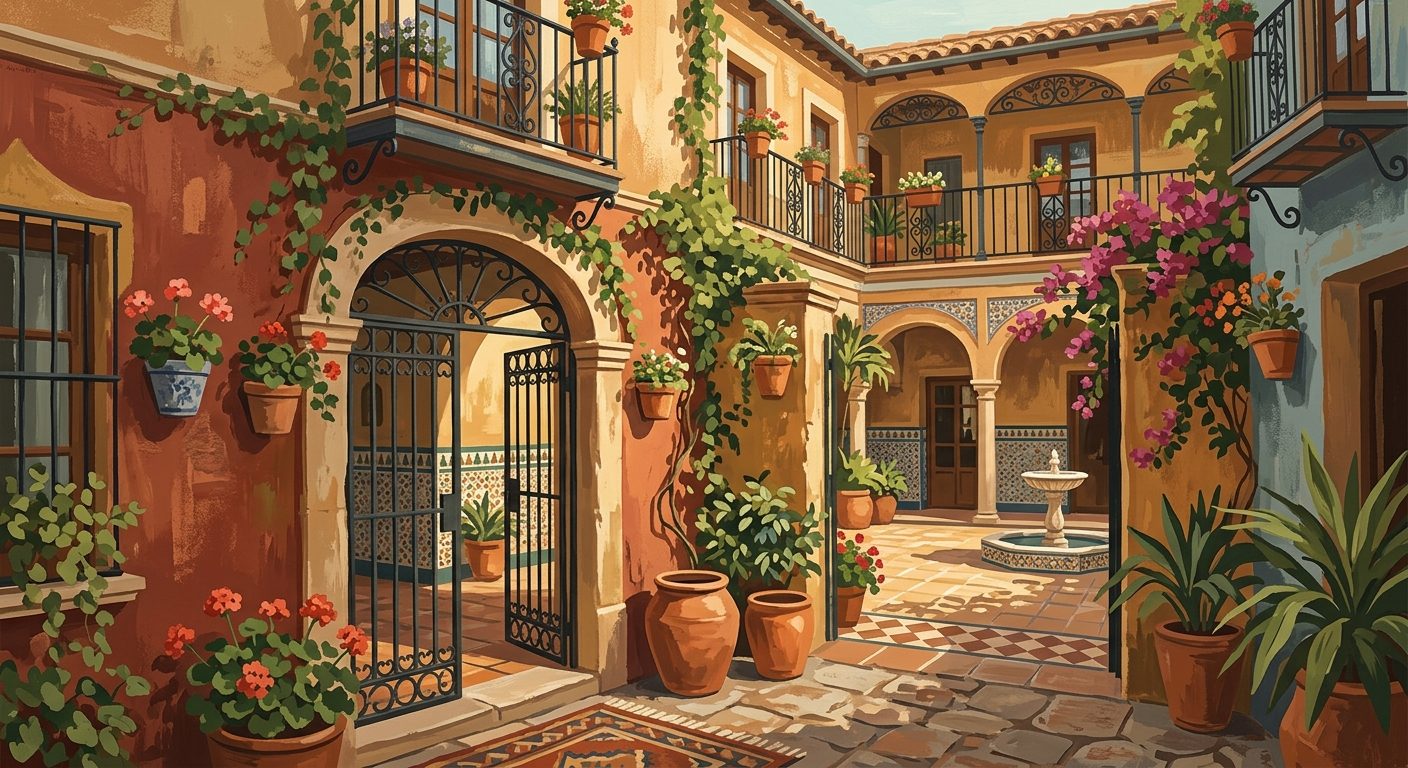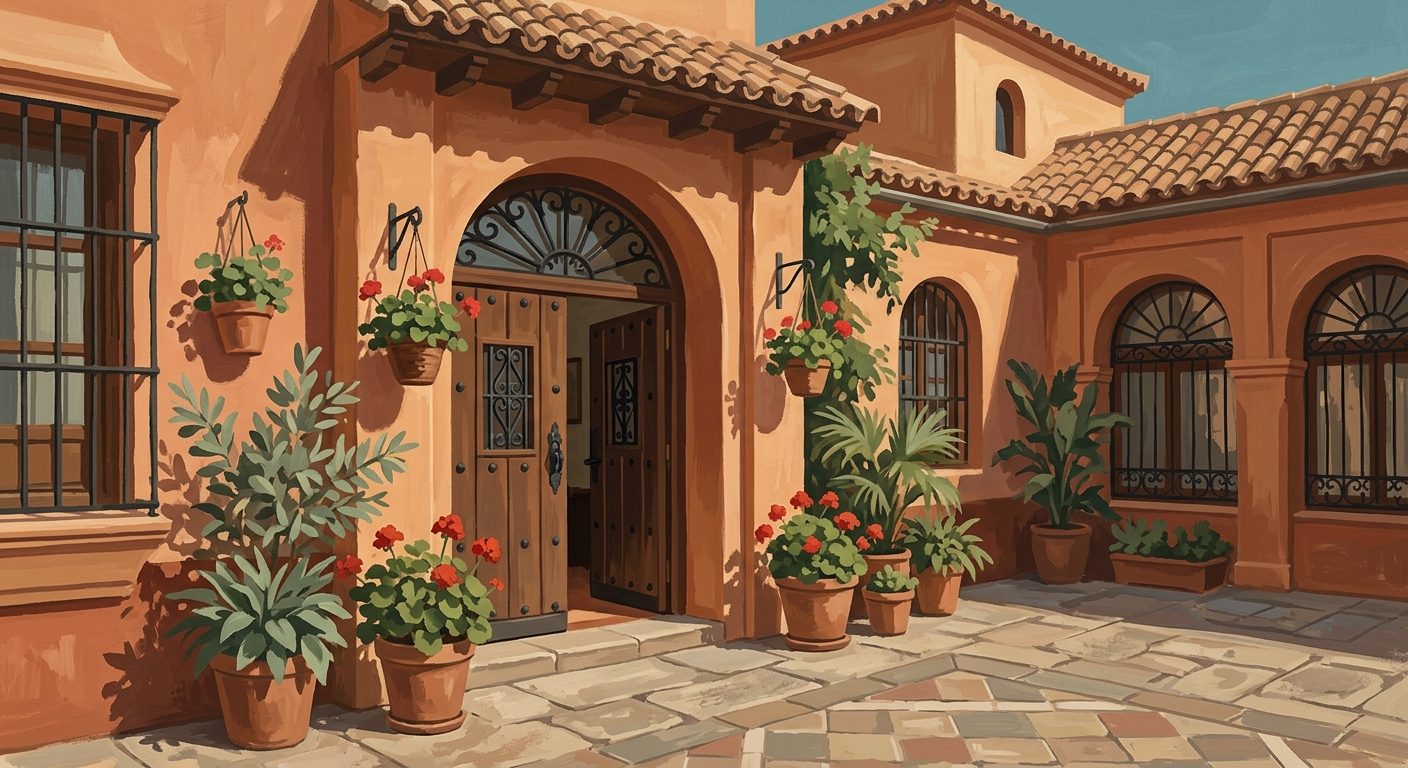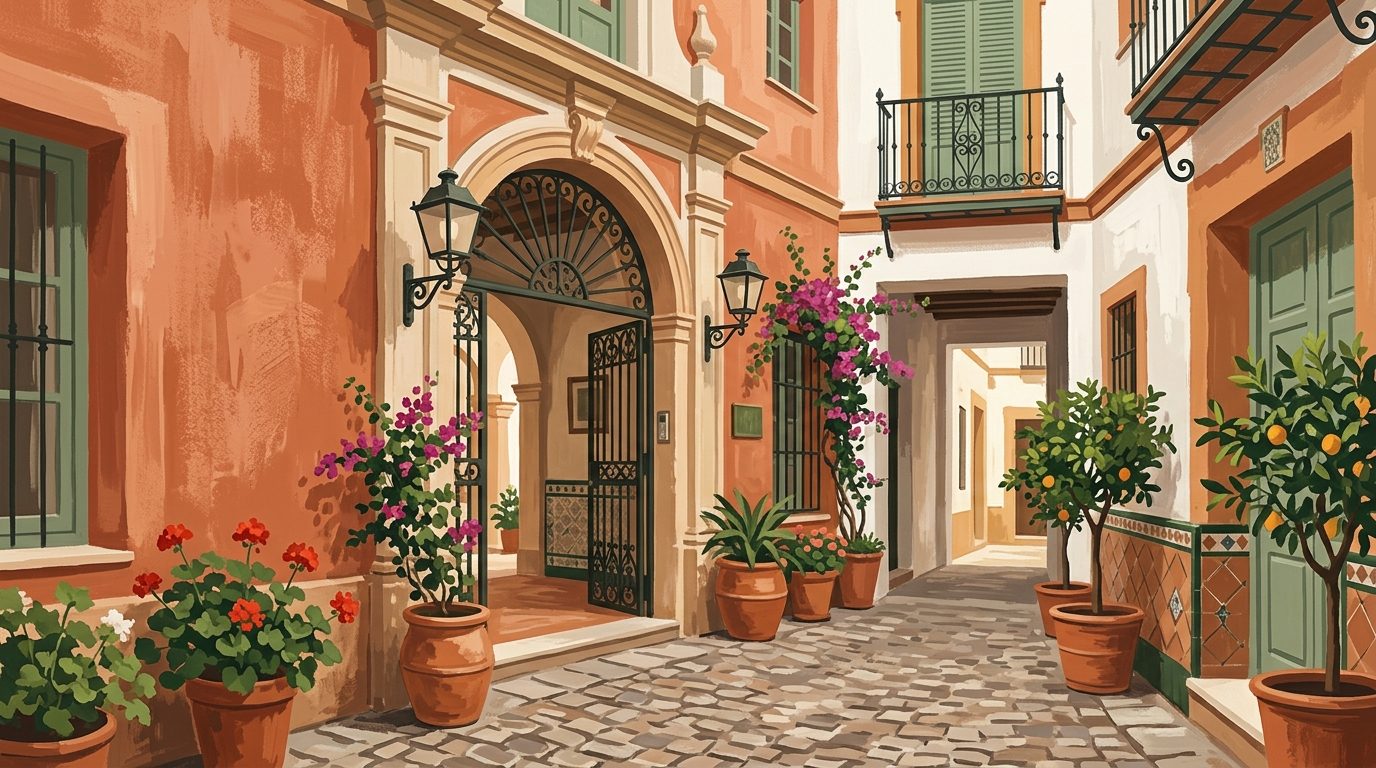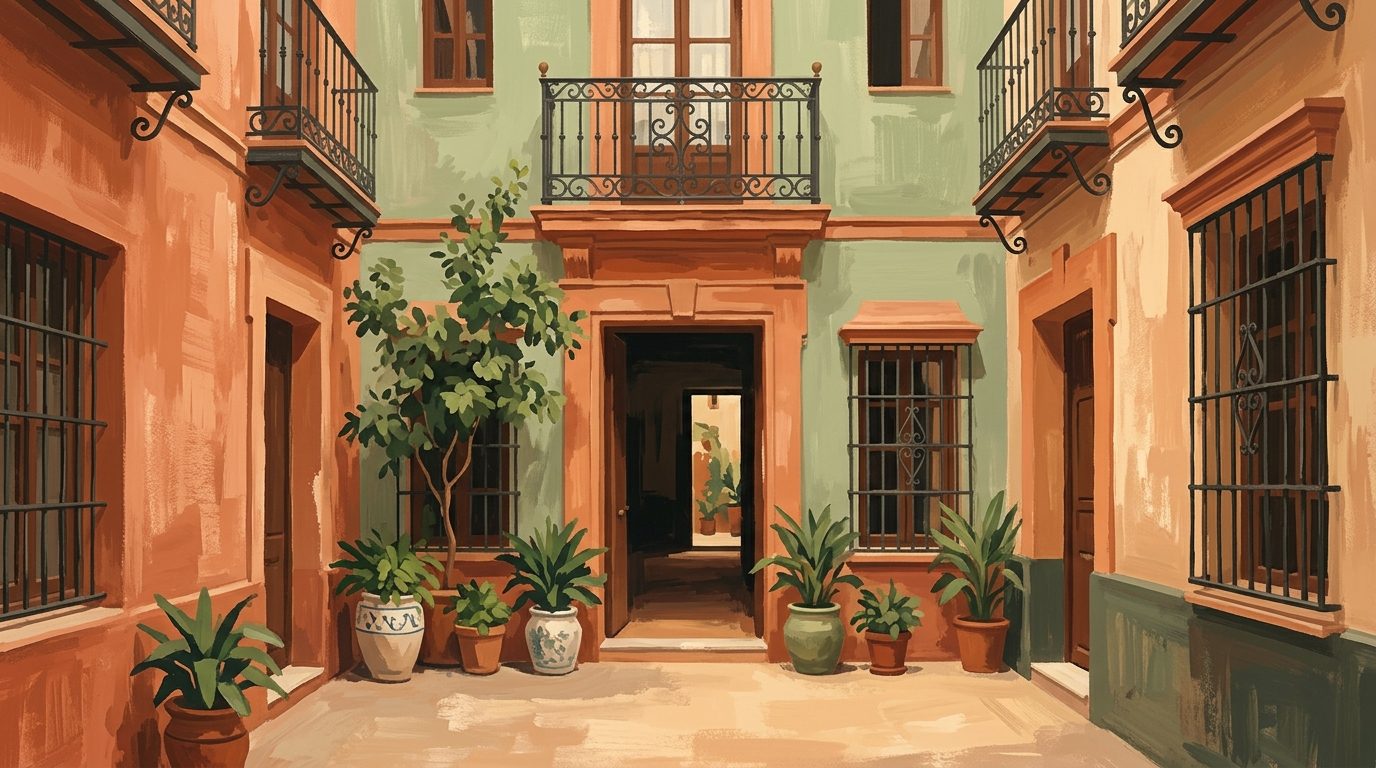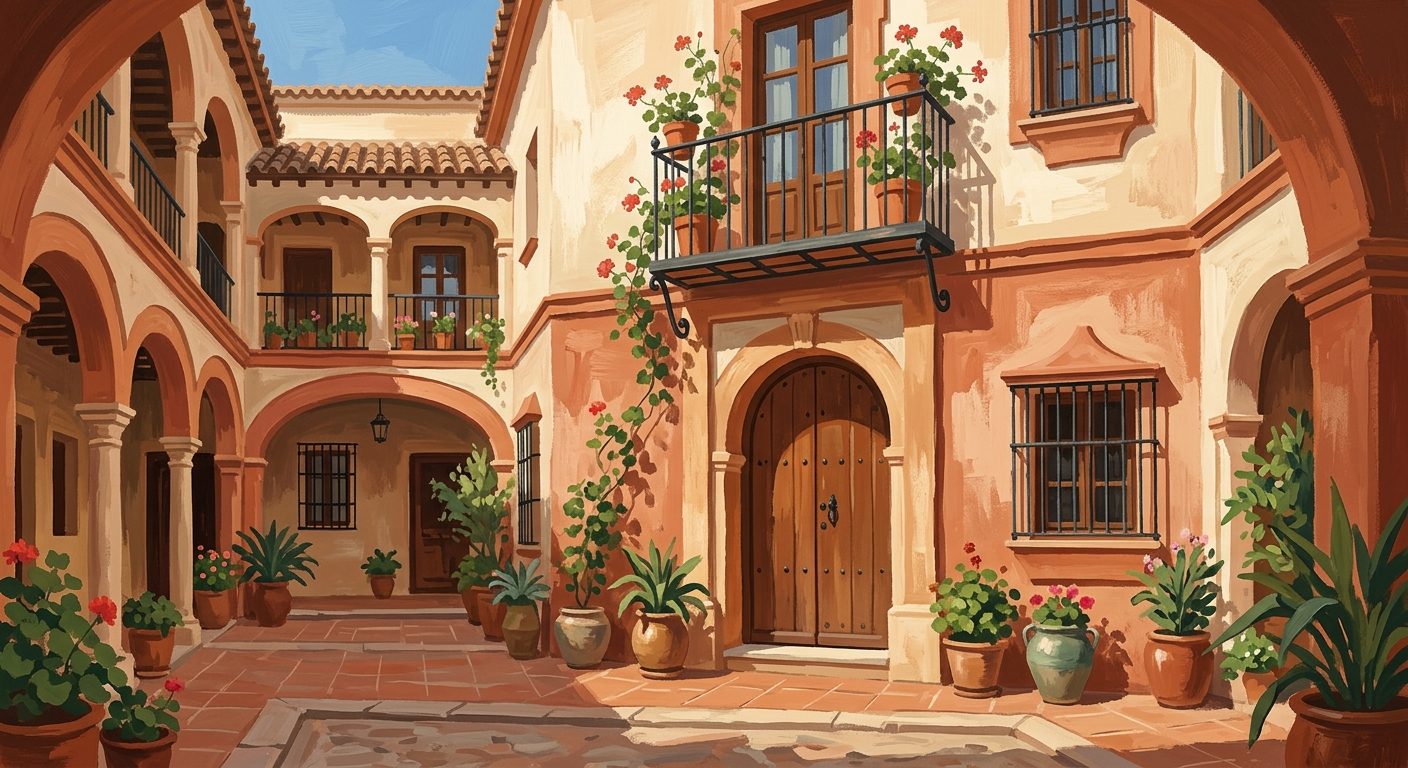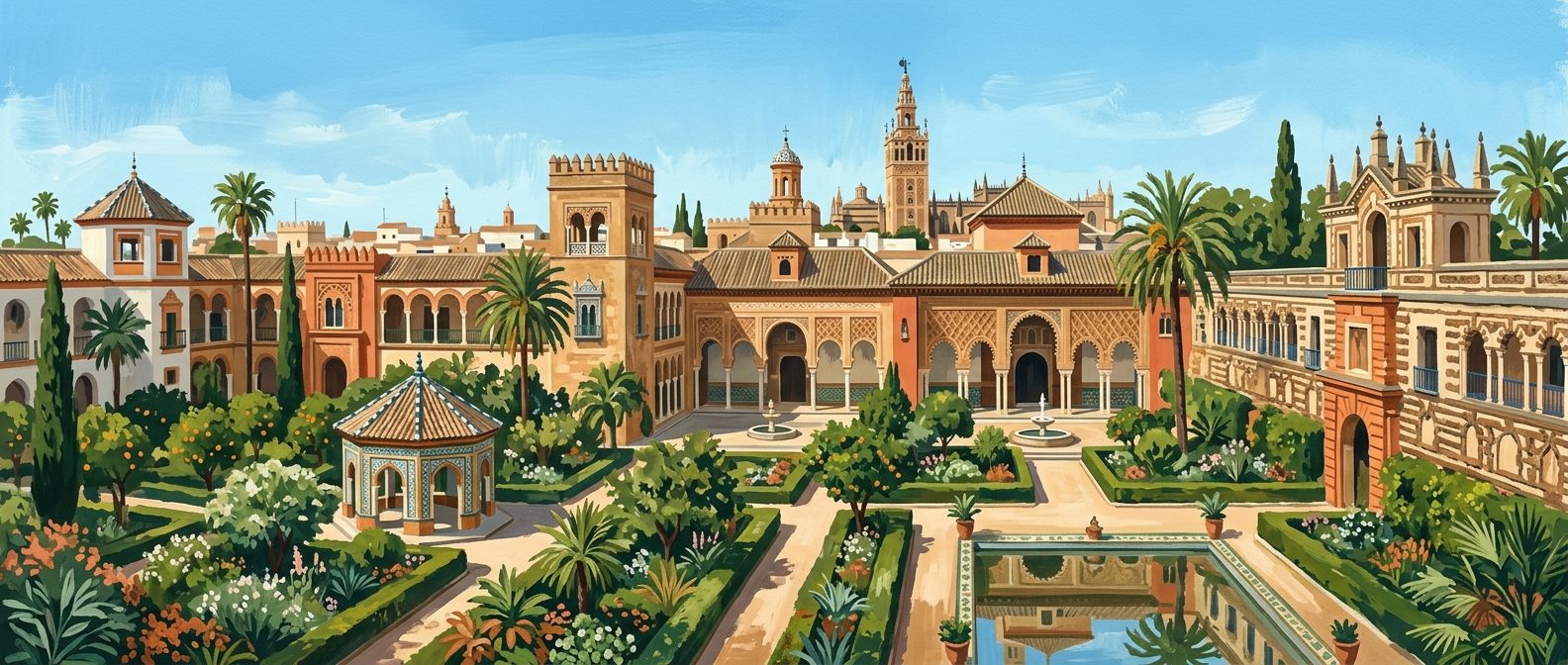
The Real Alcázar is a sprawling complex where Islamic art and Christian kingship collide in a spectacular display of Mudéjar craftsmanship. As Europe’s oldest royal palace still in use, it offers a peaceful walk through shaded courtyards and vast, fragrant gardens.
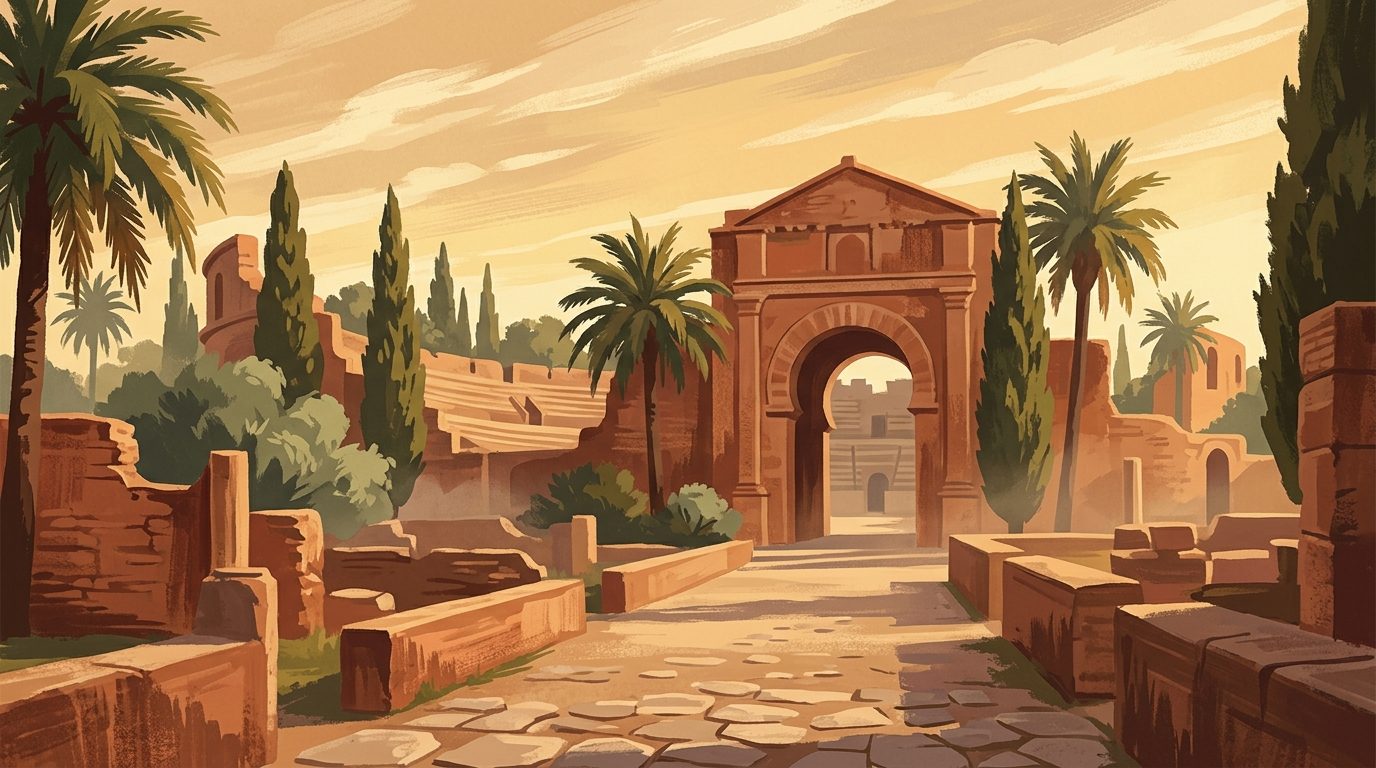
Stepping through the Puerta del León into the Real Alcázar de Sevilla is like walking through a physical timeline of Spanish power. This UNESCO World Heritage site is a palimpsest of architectural styles, where 11th-century Almohad walls support 14th-century Christian palaces and 16th-century Renaissance wings. For over a millennium, this has been the seat of Sevilla's rulers, and it remains an official residence for the Spanish Royal Family when they visit the city. Its enduring appeal lies in the way it marries the delicate, geometric precision of Islamic design with the later decorative flourishes of the Renaissance.
First-time visitors and regular returners alike find that the Alcázar is the definitive landmark of Sevilla, with enough quiet garden corners for repeat visits. It is a place that rewards slow exploration, from the intricate plasterwork of the inner rooms to the wide, citrus-scented expanses of the royal grounds. Because it is so popular, managing your time here requires a little planning, but the rewards are an unparalleled insight into the culture that defines Andalucía.
What to See & Do
The complex is large, and it is easy to become turned around in its sequence of courtyards. To get the most out of your visit, focus on the distinct architectural zones that tell the story of the palace’s evolution.
The Palace of Pedro I and the Mudéjar Style
The centrepiece of the complex is the Palacio de Pedro I, constructed in the 1360s. King Pedro I, often called 'the Cruel' or 'the Just' depending on who you ask, commissioned Muslim craftsmen from Granada and Toledo to build a palace in the Mudéjar style. This fusion created some of the most beautiful interiors in Spain. The Patio de las Doncellas (Courtyard of the Maidens) is the highlight here, featuring a long reflecting pool surrounded by sunken gardens and exceptionally fine lace-like plasterwork. It was designed to impress visitors with the King's sophistication and his links to the sophisticated artistry of the Al-Andalus period.
Salón de Embajadores
Leading off the main courtyard is the Ambassador’s Room, perhaps the most spectacular space in the entire Alcázar. Look up to see the incredible gilded cedarwood dome, which was added in 1427. The dome represents the universe, with its intricate patterns and stars, and it is supported by four muqarnas (ornamental stalactite-like structures) in the corners. The walls are covered in azulejos (ceramic tiles) and inscriptions that praise the King in both Latin and Arabic, a reminder of the cultural blending of the era.
The Gothic Palace
In contrast to the delicate Mudéjar rooms, the Gothic Palace, built by Alfonso X, offers a completely different aesthetic. It features large, vaulted halls and heavy masonry, reflective of the tastes of the Christian monarchs following the Reconquista. The Salón de los Tapices (Tapestry Hall) displays huge woven scenes, while the chapel contains the famous 'Virgen de los Navegantes', a painting that depicts Mary protecting explorers like Christopher Columbus, reminding us of Sevilla's central role in the age of discovery.
The Gardens and the Water Gardens of Dorne
The Alcázar gardens are among the oldest and most varied in Europe. They transition from formal, structured Islamic-style patios to large, rambling Renaissance terraces. You’ll find the Estanque de Mercurio, a large pond featuring a statue of the god Mercury, which feeds an ingenious water organ. Film fans will recognise these terraces and the long Galería de Grutescos (Grotto Gallery) as the Water Gardens of Dorne from the television series Game of Thrones.
One of the most evocative spots is the Baños de Doña María de Padilla. These are vaulted rainwater tanks located beneath the Gothic Palace. The symmetry of the arches reflecting in the still water creates a calm, cool atmosphere that is particularly welcome during the intense heat of a Sevilla summer.
Practical Information
Planning ahead is essential for the Real Alcázar, as ticket numbers are strictly limited and they often sell out days or weeks in advance.
- Opening Times: From April to 14th September, the palace is open daily from 09:30 to 19:00. From 15th September to March, the hours are 09:30 to 17:00. The complex is closed on 1st and 6th January, Good Friday, and Christmas Day. (Check the official booking site before travelling).
- Ticket Prices: General admission tickets and separate time-slotted passes for the Cuarto Real Alto (the upper royal apartments) are available online. Reduced rates are offered for students (aged 14 to 30) and seniors over 65. (Check the official booking site for current prices before travelling).
- Free Entry: On Mondays during the last hour of opening, entry is free for everyone, though you still need to book these tickets online in advance to guarantee a slot.
- How to Get There: The main entrance is the Puerta del León, located on Plaza del Triunfo, right next to the Cathedral. If you are staying in the centre, it is easily reached on foot. The T1 tram stops at Archivo de Indias, just a two-minute walk away.
- Parking: Driving in the centre of Sevilla is difficult and largely restricted to residents. The nearest public car parks are at Paseo de Colón or Cano y Cueto (near Jardines de Murillo). It is better to use public transport or walk.
Where to Eat Nearby
The area surrounding the Alcázar, particularly the Barrio Santa Cruz, is packed with options, though some can be tourist-heavy. For a truly authentic experience, head to Las Teresas on Calle Santa Teresa. This is a classic Sevillian tapas bar with hams hanging from the ceiling and excellent manzanilla sherry. It’s perfect for a quick bite after your visit. For something slightly more modern, El Pasaje offers creative takes on Andalucían classics in a contemporary setting. If you want a full meal with a view of the Cathedral walls, Pelayo Bar is a reliable choice with a lively atmosphere and excellent grilled meats.
Where to Stay
Staying in the Barrio Santa Cruz puts you on the doorstep of the palace. For a luxury experience, the Hotel Alfonso XIII is a legendary choice, built in 1928 and featuring stunning Neo-Mudéjar architecture that mirrors the Alcázar itself. For something more intimate, look for boutique hotels like Hotel Doña María, which has a rooftop terrace overlooking the Giralda. There are also many beautifully restored 18th-century townhouses in the surrounding narrow streets that offer a quiet, traditional stay.