
Feature
A Definitive Guide to the Bienal de Flamenco in Sevilla
The Bienal de Flamenco in Sevilla is the global summit of a living art form, transforming palaces and historic theatres into arenas of profound emotion.
By Dan · Updated 24 July 2026 · 9 min read
This article contains affiliate links. If you book through them, we may earn a small commission at no extra cost to you.
The Bienal de Flamenco in Sevilla is not a simple music festival. It is the global summit of a living art form, transforming palaces, theatres, and historic cloisters into arenas of profound emotion. Every two years, the city breathes cante, baile, and toque, demanding absolute surrender from both artists and audiences.
Sevilla is the undisputed capital of flamenco, and the Bienal is its most significant declaration of cultural supremacy. Every even-numbered year, the city hosts a month-long exploration of an art form that is deeply woven into the local identity. While other cities host excellent festivals, Sevilla offers an unmatched scale and intensity. This is where the heavyweights of the genre premiere their most ambitious productions and where rising stars make their definitive mark.
The local context is essential to understanding the gravity of this event. In Sevilla, flamenco is not folklore preserved for tourists. It is a constantly evolving dialogue between pure, orthodox tradition and daring, avant-garde experimentation. The festival reflects this tension perfectly. On any given night, you might witness an austere recital of traditional cante jondo by an octogenarian in a 16th-century church, followed by a contemporary dance piece incorporating electronic music in a modern auditorium.
The Bienal dominates the cultural life of the city. Posters line the avenues, conversations in cafes dissect the previous night's performances, and the streets echo with rhythmic palmas (hand claps) long into the night. For a thoughtful visitor, attending the Bienal offers a rare window into the soul of Andalucían culture. It requires preparation, respect for the artists, and an openness to experiencing a range of intense, sometimes demanding, emotional states. The reward is a profound connection to an art form that expresses the very essence of human joy, sorrow, and defiance.
What to expect
Expect an atmosphere of intense focus and rigorous critique. The local audience in Sevilla is highly educated in flamenco and notoriously demanding. They know exactly when a performer is giving everything and when a routine is merely technically proficient. This creates a charged environment in the theatres, where the silence during a performance is as profound as the roar of approval at the end.
The scale of the festival is massive, featuring dozens of official shows spread across multiple weeks. Visually, the Bienal moves between extremes. You will see solo artists alone on a bare stage under a single spotlight, as well as elaborate theatrical productions with massive sets, full orchestras, and complex choreography. Emotionally, the experience can be draining. True flamenco relies on duende, an untranslatable concept referring to a moment of authentic, almost supernatural emotional connection. When it happens, the air in the room changes, and the shared experience between artist and audience is remarkably powerful.
Outside the official venues, the atmosphere spills into the streets. While the main performances are ticketed and formal, the energy inevitably migrates to local peñas (flamenco clubs) and bars, particularly in neighbourhoods like Triana and the Alameda de Hércules.
When it happens
The 24th Bienal de Flamenco takes place in September 2026 (check the official website for exact dates and ticket release announcements before travelling). It typically runs for three to four weeks, bridging the late summer heat and the slightly cooler early autumn.
Each day during the festival follows a distinct rhythm. The mornings are usually quiet, with press conferences, masterclasses, and parallel cultural exhibitions taking place in cultural centres. As the sun begins to set, the official programme starts. Early evening performances, often focused on solo guitar or traditional singing, usually begin around 7:00 pm.
The main theatrical events take place at 8:30 pm or 9:00 pm. These are the large-scale premieres that draw the biggest crowds and the most intense media scrutiny. Finally, the late-night sessions, which often feature more experimental works or intimate recitals, start at 11:00 pm and can easily run well past midnight. After the official programme concludes for the night, performers, critics, and aficionados gather in local bars, where spontaneous singing and dancing often continue until dawn.
The performances and the action
Unlike a street festival, the core action of the Bienal happens within curated, ticketed venues. The programming is divided into several categories. There is pure cante (singing), which is the undisputed heart of the art form for purists. These recitals often feature minimal accompaniment, perhaps just a single guitar and the rhythmic tapping of knuckles on a wooden table.
Then there is baile (dance), which ranges from traditional, upright, and percussive styles to highly contemporary interpretations that push the boundaries of movement. You will also find toque (guitar playing), where solo instrumentalists demonstrate staggering technical virtuosity.
Key artists who frequently use the Bienal to premiere works include legendary figures like Eva Yerbabuena, Rocío Molina, Israel Galván, and Farruquito. A premiere at the Bienal is a high-profile event. The reviews published in local papers the following morning are discussed and debated furiously across the city.
Beyond the official programme, the action extends into the peñas flamencas. These private cultural associations, such as Peña Cultural Flamenca Torres Macarena, sometimes open their doors to non-members during the festival. The atmosphere here is entirely different. It is raw, unamplified, and deeply communal, offering a stark contrast to the polished acoustics of the major theatres.
Where to watch and where to be
The choice of venue significantly alters the experience. The Teatro de la Maestranza is the grandest stage, reserved for massive dance companies and symphonic flamenco productions. It is formal, impressive, and offers excellent sightlines.
For a more theatrical and traditional setting, the Lope de Vega Theatre is a historic choice. Because it has faced long-term closures for renovations, major performances frequently move to modern alternative venues like the Cartuja Center CITE (check the official schedule for current venue availability). When open, its classic horseshoe shape and intimate acoustics make it perfect for both dance and singing. The Teatro Central, located across the river on the Isla de la Cartuja, is the home of the avant-garde. If a performance involves experimental lighting, modern dance crossovers, or unconventional instrumentation, it will happen here.
Some of the most magical moments occur in historical venues. The Real Alcázar gardens host open-air performances under the stars, offering a spectacular visual backdrop. The Iglesia de San Luis de los Franceses, a masterpiece of baroque architecture, is often used for unamplified singing, taking advantage of the extraordinary natural reverb of the church dome.
If you want to immerse yourself in the post-show atmosphere, head to the Alameda de Hércules. This long, tree-lined plaza is the centre of bohemian Sevilla. Bars like El Cañaveral or the historic Casa Manteca in the Arenal district become unofficial gathering points for artists and fans dissecting the night's events.
What to wear and cultural sensitivities
Sevillanos take pride in their appearance, and this extends to attending the theatre. For performances at the Maestranza, Lope de Vega, or Cartuja Center CITE, smart evening wear is expected. Men generally wear a jacket, and women opt for elegant dresses or tailored separates. While you will not be turned away for wearing trainers, you will feel entirely out of place. For the late-night shows at the Teatro Central or the outdoor venues, the dress code is slightly more relaxed, but a polished appearance is always appreciated.
Cultural sensitivities around flamenco are strict. The most critical rule is absolute silence during a performance. Flamenco, particularly cante, requires intense concentration from the artist. Whispering, checking your phone, or rustling a programme is considered highly disrespectful.
Do not attempt to join in with the rhythmic clapping (palmas). The timing in flamenco is incredibly complex, often based on 12-beat cycles with shifting accents. Even well-intentioned clapping by an amateur will throw off the performers and anger the audience. Leave the jaleos (shouts of encouragement like olé) to the locals unless you are absolutely certain of the correct moment to express your appreciation.
Photography and video recording are strictly prohibited during all official performances. Theatre ushers are vigilant, and audiences will quickly confront anyone holding up a glowing screen.
Where to eat and drink
Dining during the Bienal requires strategic planning because Spanish mealtimes clash directly with the performance schedules. With main shows starting at 8:30 pm and ending around 10:30 pm, you must adopt the local habit of eating a substantial late lunch and having tapas after the theatre.
Near the Maestranza and Lope de Vega, the Arenal neighbourhood offers excellent options. Bodeguita Romero is an institution, famous for its pringá montaditos (slow-cooked meat sandwiches). For a more formal, sit-down meal before an early show, Restaurante Ispal serves innovative Andalucían cuisine.
If you are attending shows at the Teatro Central, dining options on the Isla de la Cartuja are limited. It is better to eat in the Alameda de Hércules before crossing the river. Espacio Eslava remains one of the best tapas bars in the city, offering creative dishes like slow-cooked egg on boletus cake. Be prepared to queue, as they do not take reservations for the bar area.
For late-night drinking and impromptu flamenco discussions, La Anselma in Triana is famous, though it leans heavily toward a festive, crowded atmosphere. For a quieter drink where you might actually hear a guitarist playing in the corner, seek out small tabernas in the Macarena district.
Where to stay and booking advice
The Bienal draws thousands of international visitors, making accommodation extremely competitive. You should book your hotel or apartment at least six to eight months in advance. Waiting until the summer will leave you with very expensive or poorly located options.
For the most convenient access to the major theatres, look for accommodation in the Arenal or Alfalfa neighbourhoods. Staying here means you can easily walk back to your room after a midnight performance without worrying about taxis. The Hotel Alfonso XIII is the ultimate luxury option, frequently hosting the festival's elite performers and international critics.
If you prefer a more bohemian atmosphere and proximity to the avant-garde venues and late-night bars, the Alameda de Hércules or the Macarena neighbourhood are excellent choices. Triana, located across the river, is deeply historic and strongly associated with the birth of flamenco. Staying in Triana provides a romantic, local feel, though it requires a slightly longer walk to the main city centre venues.
Be wary of very cheap rentals in the immediate vicinity of the cathedral, as these are often on noisy streets that stay loud until 4:00 am.
Practical notes
Getting around Sevilla during the Bienal is generally straightforward, as the historical centre is compact and highly walkable. However, September can still be fiercely hot, with daytime temperatures frequently exceeding 35 degrees Celsius. Plan your movements carefully and avoid walking long distances in the mid-afternoon sun.
If you need to reach the Teatro Central or venues further out, the local bus network (TUSSAM) is reliable and air-conditioned. Taxis are plentiful at designated ranks, but securing one immediately after a major show at the Maestranza can be difficult. It is often faster to walk ten minutes away from the venue before hailing a cab.
Tickets for the Bienal go on sale several months before the festival begins. High-profile premieres sell out within hours. You must monitor the official Bienal de Flamenco website and purchase your tickets the moment they are released. Do not rely on purchasing tickets at the door.
Finally, pace yourself. It is tempting to book three shows a day to maximise your experience, but flamenco is an emotionally demanding art form. Attending one main performance and allowing yourself time to process it, perhaps over a quiet drink in a historic plaza, is far more rewarding than rushing frantically between venues.
Last reviewed: 21 June 2026 · Editorial policy
Related guides
Flamenco Origins & Best Shows: A Journey Through the Heart of Andalucía
True flamenco is rarely found on a brightly lit stage accompanying a three-course dinner; it lives in the breathless silence of a cramped sherry tavern and the rhythmic agony of a soleá sung at midnight. To understand this complex art form, you have to trace its steps through the gitano quarters of Sevilla, Jerez, and the caves of Granada.
9 min read
The Sound of Silence: Inside Semana Santa
The drumbeat hits the sternum first, a rhythmic thud that vibrates through the marrow before the ear registers the sound. Then comes the silence: a heavy, suffocating quiet.
7 min read
LGBTQ+ Travel Guide to Andalucía
A practical guide to safety, nightlife, legal rights and relocation logistics for LGBTQ+ travellers and residents in Andalucía.
8 min read
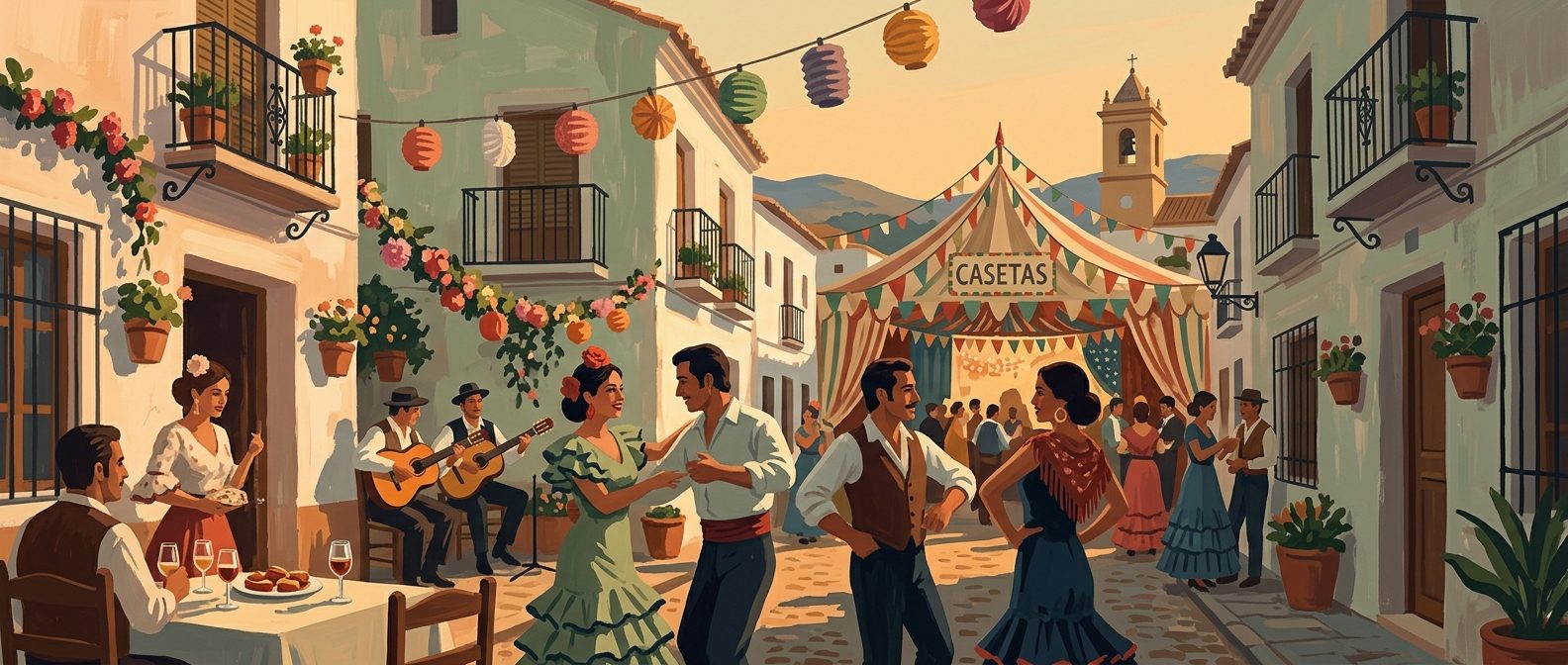
Understanding Spanish Festival Culture in Andalucía
A deep dive into Andalucían festival culture for residents and visitors. Understand Semana Santa, ferias, local holidays, etiquette, administrative friction and how to survive the local party season.
9 min read
Andalucía in April
April brings the intoxicating scent of orange blossom and the dramatic spectacle of Semana Santa to Andalucía, offering the perfect balance of warm weather and cultural depth.
7 min read
Andalucía in May: A Guide to Spring Weather and Festivals
May is the peak of spring in Andalucía, offering the perfect balance of warm sunshine and famous cultural events like the Córdoba Patio Festival.
6 min read
More guides
UNESCO World Heritage Sites in Andalucía
A curated guide to the cultural and natural sites in Andalucía recognised by UNESCO for their universal value. These landmarks offer a profound insight into the diverse civilisations of the region.
6 min read
The Best Beaches in Andalucía
From the Atlantic dunes of Huelva to the volcanic coves of Almería, the coastline of southern Spain offers an unparalleled variety of maritime landscapes.
6 min read
Phoenicians and Tartessians in Andalucía
Around three thousand years ago, eastern Mediterranean merchants arrived on the Iberian coast seeking silver and copper. Their arrival sparked a cultural collision that transformed local chiefdoms into the legendary civilisation of Tartessos.
6 min read
Roman Andalucía: Ruins and Archaeological Sites
Discover the monumental legacy of the Roman province of Baetica, from grand amphitheatres in the Guadalquivir valley to maritime cities on the Atlantic coast.
7 min read
Geological Wonders: Caves and Karst Landscapes of Andalucía
Discover the subterranean wonders and prehistoric secrets preserved within the limestone massifs and gypsum deposits of southern Spain.
6 min read
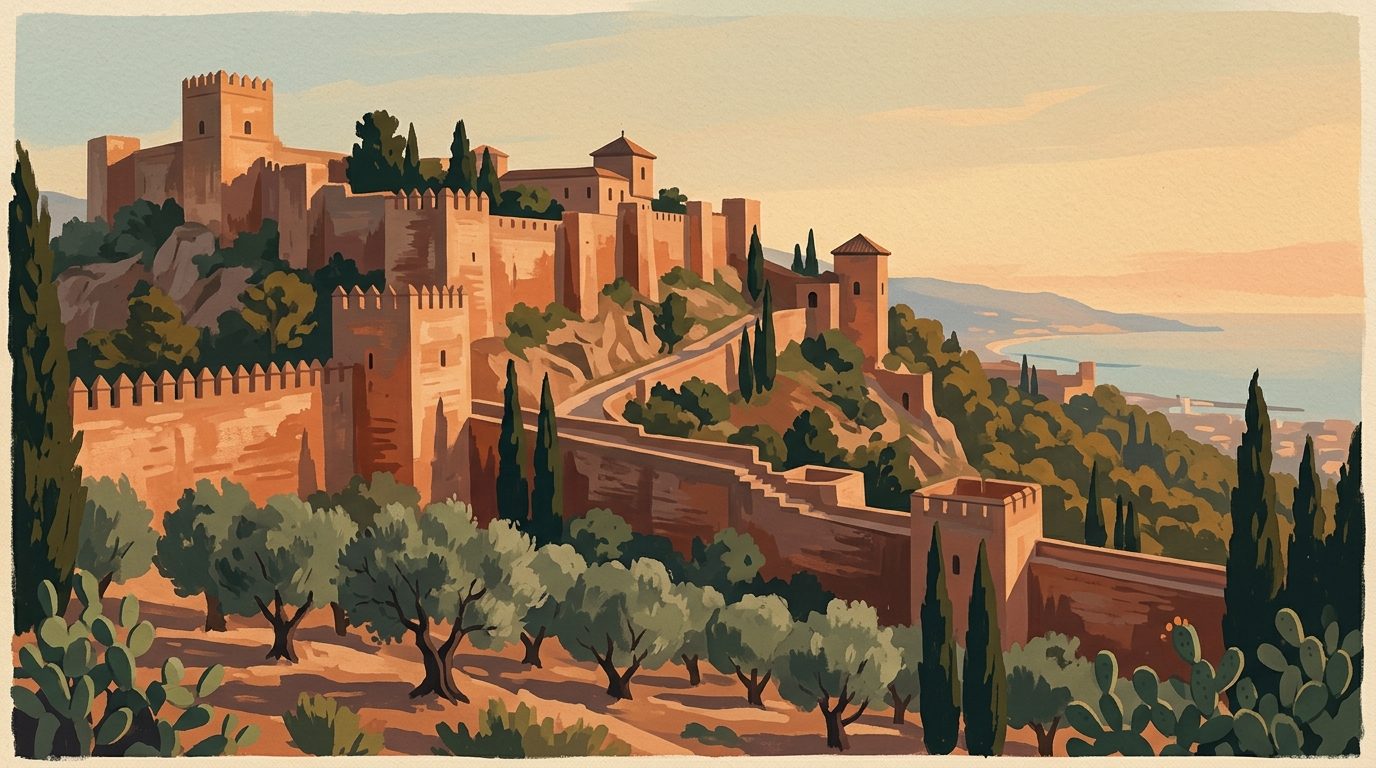
Castles and Fortresses of Andalucía
The fortresses of Andalucía are the stone guardians of a complex past, marking the ancient frontiers between empires and offering some of the most spectacular views in the southern peninsula.
6 min read
The Iberians in Andalucía: Warlords, Sculptors and the Dawn of Iron
Who were the sophisticated, iron-working peoples who controlled southern Spain before the Roman conquest? Their fortified hill towns and striking stone sculptures reveal a formidable culture caught between ancient local traditions and Mediterranean ambition.
6 min read
UNESCO Geoparks and Natural Wonders of Andalucía
Discover the geological heritage of Southern Spain through its UNESCO-designated geoparks and natural wonders. Explore the tectonic history and diverse ecosystems of Almería, Granada, and Cádiz.
6 min read
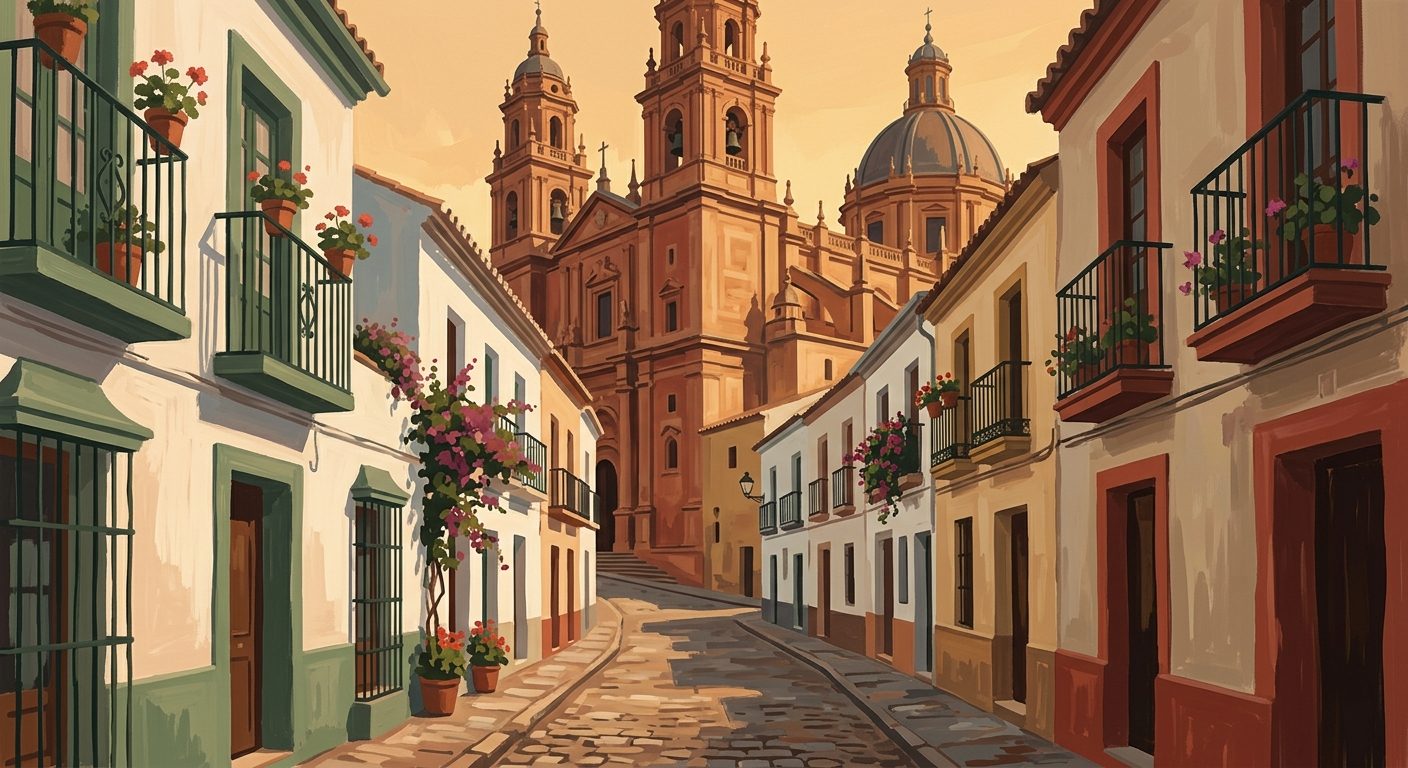
Cathedrals and Great Churches of Andalucía
A guide to the monumental religious architecture of Southern Spain, from the vast Gothic nave of Sevilla to the Renaissance masterworks of Jaén and Granada.
6 min read
Newsletter
More stories from Andalucía
Weekly notes, seasonal picks, and the next guides worth bookmarking.