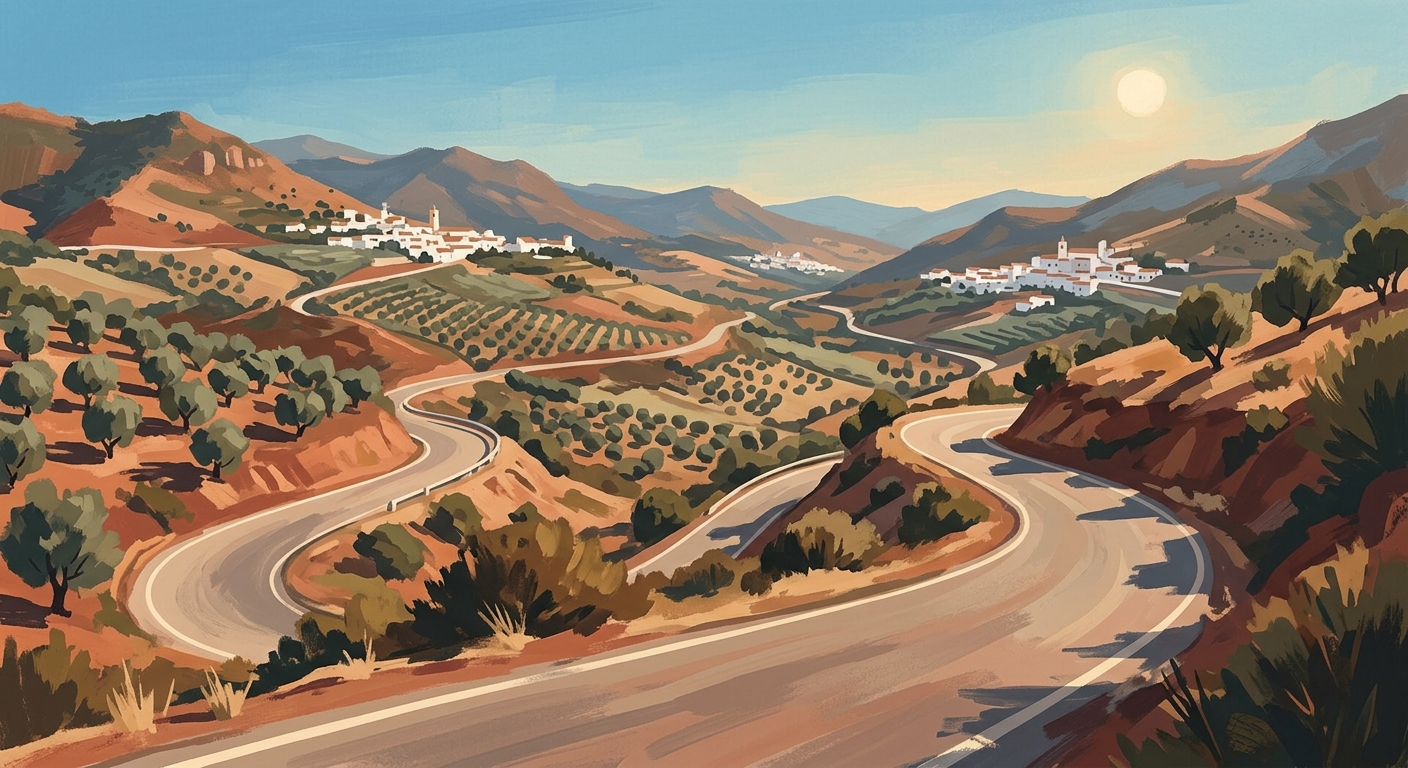
itinerary
Spend 72 hours exploring the heart of the Andalucían capital. This pacing allows time for the Real Alcázar, late tapas in Triana and the essential afternoon siesta.
itinerary
3 Days in Sevilla: The Complete Itinerary
1 May 2026 · 9 min read · 1,842 words
Three days in Sevilla is exactly enough time to absorb its rhythm. You will see the headline palaces, but you will also have the luxury of long lunches in the shade and late nights leaning against tiled tapas bars. This plan maps out an authentic approach to the Andalucían capital.
Sevilla rewards the patient traveller. With three full days to spend in the city, you can move past the frantic rush of tight schedules and settle into the local rhythm. This means stepping out early for major monuments, pausing for a lingering lunch by 2:00 pm, retreating to your accommodation during the fierce heat of the late afternoon, and emerging again when the sun dips low. A highly packed schedule only leads to exhaustion here, particularly in the warmer months. Our route covers the essential palaces, winding alleys and riverside paths, while maintaining enough flexibility to order a second glass of sherry at a corner bar.
If you only have two days, you might have to skip the northern neighbourhoods or your time across the river in Triana. With three days, you have the luxury of taking in the fine art museum, the sweeping Plaza de España and the local atmosphere of the Alameda de Hércules. We leave ancient Roman ruins like Italica for a fourth day, keeping your focus strictly on the city centre.
The pacing here assumes you will walk almost everywhere. The historic centre is largely pedestrianised, intensely flat and visually stunning at every turn, making walking the most logical way to navigate. Prepare for late meals, prepare to stand at crowded bars, and prepare to be entirely captivated.
Day 1: The Royal Heart and Barrio Santa Cruz
Morning
Start your day early at 9:00 am at the Real Alcázar. This royal palace complex requires tickets booked several weeks in advance, and arriving right at opening time helps you beat the largest crowds. Spend at least two hours exploring the mudéjar courtyards, the intricate tilework of the Patio de las Doncellas, and the expansive gardens filled with peacocks and orange trees. Make sure to walk down into the highly atmospheric Baños de Doña María de Padilla, a vaulted underground rainwater tank. Once you finish, it is a brief five-minute walk past the Archivo de Indias to the next stage of your day.
Lunch
Avoid the tourist traps immediately surrounding the cathedral. Instead, walk ten minutes into the tight alleys of Barrio Santa Cruz or towards the El Arenal district. Casa Morales on Calle García de Vinuesa is an authentic institution. Stand at the bar in the back room, surrounded by enormous clay wine jars, and order a selection of montaditos (small toasted sandwiches) and a cold glass of manzanilla sherry. The waiters keep your tab by writing in chalk directly on the wooden bar, a tradition that survives in only a few historic taverns.
Afternoon
Enter the Catedral de Sevilla around 3:30 pm to avoid the morning tour groups. You must pre-book your ticket to skip the long queue at the ticket office. Inside, you can see the monumental tomb of Christopher Columbus and marvel at the sheer scale of the Gothic nave. Climb the Giralda tower, which uses a series of gentle ramps rather than stairs, for spectacular panoramic views over the city rooflines. Afterwards, take a leisurely twenty-minute walk through the Jardines de Murillo down to the Plaza de España. The late afternoon light hitting the brickwork and the ceramic tile alcoves is ideal for photography.
Evening
Head back towards the El Arenal neighbourhood as the city wakes up from its siesta. Find Bodeguita Antonio Romero on Calle Antonia Díaz. You will need to stand shoulder to shoulder with locals starting their evening. Order their famous piripi sandwich, filled with pork, bacon, cheese, tomato and mayonnaise. Follow this with a short, five-minute walk to the edge of the Guadalquivir river. Strolling along the Paseo de Cristóbal Colón as the streetlamps illuminate the water provides the perfect end to your first day.
Day 2: Triana Across the River
Morning
Cross the Puente de Isabel II, commonly known as the Triana bridge, around 10:00 am. Turn right into the Mercado de Triana, an indoor market built directly over the ruins of the Castillo de San Jorge, which was once the headquarters of the Spanish Inquisition. Wander the aisles of stalls selling Iberian ham, fresh fish and local produce. A five-minute walk down Calle San Jorge brings you to the Centro de la Cerámica Triana. This excellent museum explains the long legacy of tile production in the neighbourhood, and you can walk through the original brick kilns.
Lunch
Walk ten minutes south to Calle San Jacinto, the main pedestrian artery of Triana. Blanca Paloma is a neighbourhood favourite located just off the main drag on Calle San Jacinto. You will need to arrive right at 1:30 pm to secure a spot at the bar before the local lunch rush begins. Order the aubergines fried with honey and a plate of cazón en adobo, which is dogfish marinated in cumin and vinegar before being deep-fried.
Afternoon
Walk off your lunch by taking a stroll along Calle Betis, the colourful street that hugs the riverbank. This vantage point offers excellent views back toward the city centre, perfectly framing the Giralda tower and the Maestranza bullring. Cross the river back into the main city via the Puente de San Telmo. You will immediately see the Torre del Oro, a thirteenth-century military watchtower that now houses a small maritime museum. From here, you have an easy walk back to your hotel for a required late-afternoon rest.
Evening
Dedicate this evening to traditional flamenco and historic dining. Book an intimate, early evening show at Casa de la Memoria on Calle Cuna, a fifteen-minute walk from the cathedral. They prohibit photography and drinks during the performance, ensuring absolute focus on the acoustic guitar, the singing and the dancing. Afterwards, walk twenty minutes north to El Rinconcillo on Calle Gerona. Founded in 1670, this is widely recognised as the oldest bar in Sevilla. Find a spot at the counter and order a plate of acorn-fed jamón ibérico alongside their classic spinach with chickpeas (espinacas con garbanzos).
Day 3: Art, Views and the Northern Quarters
Morning
Head to Plaza de la Encarnación to see the Metropol Parasol, affectionately known by locals as Las Setas (the mushrooms) due to its massive wooden canopy. Arrive at 10:00 am and take the lift to the top for a sprawling, undulating walkway over the city. Underneath the structure, the Antiquarium preserves extensive Roman mosaics discovered during construction. Once back on the ground, walk ten minutes north to the Palacio de las Dueñas. This aristocratic residence features beautiful courtyards, lemon trees and an impressive art collection, typically with far smaller crowds than the Alcázar.
Lunch
Walk another ten minutes into the quiet, residential San Lorenzo neighbourhood. Eslava, located on Calle Eslava, is one of the most highly regarded tapas bars in the entire city, offering a modern twist on traditional Andalucían flavours. You absolutely must arrive before 1:30 pm to get a table or secure space at the bar. Their slow-cooked egg served on a boletus mushroom cake with a caramelised wine reduction is legendary.
Afternoon
After a leisurely lunch, take a fifteen-minute stroll to the Museo de Bellas Artes on Plaza del Museo. Housed in a beautifully restored seventeenth-century convent, it holds an exceptional collection of Spanish art, focusing heavily on local masters like Murillo and Zurbarán. The peaceful courtyards alone are worth the entry fee. Note that the museum is firmly closed on Mondays, so you will need to swap this with your Sunday plans if your days align with the start of the week.
Evening
Conclude your trip in the Alameda de Hércules. This large, tree-lined plaza is a twenty-minute walk from the art museum. Originally a drained swamp, it is now flanked by two massive Roman columns at its southern end. The Alameda transforms into a highly social, relaxed space in the evening, acting as the alternative heart of the city. It is lined with dozens of casual bars and restaurants. Find a terrace table at Bar Antojo, order a cold Cruzcampo beer, and watch the families, dog walkers and groups of friends enjoy the cooling night air.
Where to stay
Barrio Santa Cruz: Staying here puts you right next to the cathedral and the Real Alcázar. The narrow, winding streets are highly romantic, but they are also packed with visitors during the middle of the day. It is an excellent choice for first-time visitors who want to step out directly into the historic centre and do not mind a slightly higher noise level.
El Arenal: Situated between the cathedral and the river, this area offers a slightly more authentic feel while remaining perfectly central. It is densely packed with excellent traditional tapas bars and feels slightly less congested than Santa Cruz. It is arguably the best base for those prioritising food and drink access.
Triana: Located across the river, Triana retains a fiercely independent neighbourhood identity. It is perfect for returning visitors or those who prefer to stay among locals. Walking to the main monuments takes about twenty to thirty minutes, but you are rewarded with lower prices and genuine local culture.
Alameda and Macarena: The northern section of the historic centre around the Alameda de Hércules is the younger, more bohemian heart of the city. Choose this area if you prefer a busy nightlife scene, modern cafes and boutique apartments over traditional hotels.
Practical notes
- Arrival logistics: The EA airport bus runs directly from Sevilla Airport to the city centre, stopping at the Santa Justa train station and the Torre del Oro. It takes roughly thirty-five minutes and is significantly cheaper than a taxi. Santa Justa station connects Sevilla to Madrid and Córdoba via high-speed AVE trains.
- Getting around: Sevilla is a city built for walking. Pack extremely comfortable, flat shoes, as the cobbled streets are notoriously hard on the feet. The MetroCentro tram is useful for travelling from the Plaza Nueva down to the San Bernardo train station, but you will likely rely on your own feet for the vast majority of your stay.
- Tickets to pre-book: You absolutely must book your Real Alcázar tickets online at least three to four weeks in advance. The Cathedral also demands advanced booking to secure a specific entry time. Do not assume you can simply walk up to the ticket office for either monument, particularly in the peak spring or autumn seasons.
- What to wear by season: If travelling from June to September, breathable linen and lightweight cotton are strictly necessary. Temperatures regularly exceed forty degrees Celsius, making the midday heat dangerous. In winter, mornings and evenings are crisp and require a warm jacket, but daytime temperatures are often pleasant enough for a light jumper. Dress smartly for dinner, as locals take immense pride in their evening appearance.
- Crowd management: The best way to avoid the crowds is to embrace the local timetable. Visit the main monuments the moment they open. Take a long lunch, retreat to your accommodation between 4:00 pm and 7:00 pm when the streets are at their hottest and busiest, and head out for dinner after 9:00 pm. Restaurants will be entirely empty before 8:30 pm.
More guides
2 Days in Granada: A Step-by-Step Itinerary
Two days in Granada gives you just enough time to explore the Alhambra and lose yourself in the steep alleys of the Albaicín. This itinerary balances major monuments with the city's legendary free tapas culture.
10 min read
Read guide →
48 Hours in Sevilla: A Weekend Itinerary
Spend a weekend in Sevilla navigating the royal palaces, historic tapas bars and shaded plazas. This two-day plan balances major architectural sights with long lunches and evening walks along the river.
8 min read
Read guide →
2 Days in Sevilla: A Complete Itinerary
Two days in Sevilla requires strict prioritisation to avoid exhaustion under the Andalucían sun. This itinerary balances the grand monuments of the historic centre with the slower, more local rhythm of Triana and Santa Cruz.
10 min read
Read guide →
A Weekend in Cordoba: Two Days in Andalucía's Caliphate City
Spend 48 hours in Cordoba exploring the mesmerising Mezquita, getting lost in the whitewashed streets of the Judería, and eating excellent salmorejo.
9 min read
Read guide →
7 Days in Cordoba: The Complete One-Week Itinerary
Seven days in Cordoba allows you to sink into the slow rhythm of Southern Spain. Beyond the famous Mosque Cathedral, a full week gives you time to explore aristocratic palaces, sip local wines in ancient taverns, and venture out to the olive groves and castles of the surrounding province.
12 min read
Read guide →
One Week in Ronda: A Seven-Day Itinerary for the Serranía
A seven-day stay in Ronda allows you to experience the deep gorge and ancient streets long after the day-trippers have left. Using the city as a base, you can easily explore the surrounding white villages, hike the Sierra de las Nieves, and settle into the true rhythm of mountain life.
13 min read
Read guide →
Seven Days in Malaga: A One-Week Itinerary
Spending a full week in Malaga allows you to explore the historic centre at a relaxed pace while leaving time for the coast and nearby mountains. This plan balances world-class art and Moorish architecture with long lunches by the Mediterranean Sea.
12 min read
Read guide →
A Weekend in Granada: The Perfect Two-Day Itinerary
Make the most of 48 hours in Granada with our practical guide. We balance essential palace visits with unhurried tapas crawls through the Albaicín and Realejo neighbourhoods.
9 min read
Read guide →
A Perfect Weekend Itinerary for Malaga
Spend 48 hours in Malaga discovering a coastal city that balances centuries of Moorish architecture with excellent art galleries and outstanding local seafood. This weekend plan helps you navigate the historic centre, avoid the longest queues, and eat at the best neighbourhood tapas bars.
9 min read
Read guide →Newsletter
More stories from Andalucía
Weekly notes, seasonal picks, and the next guides worth bookmarking.