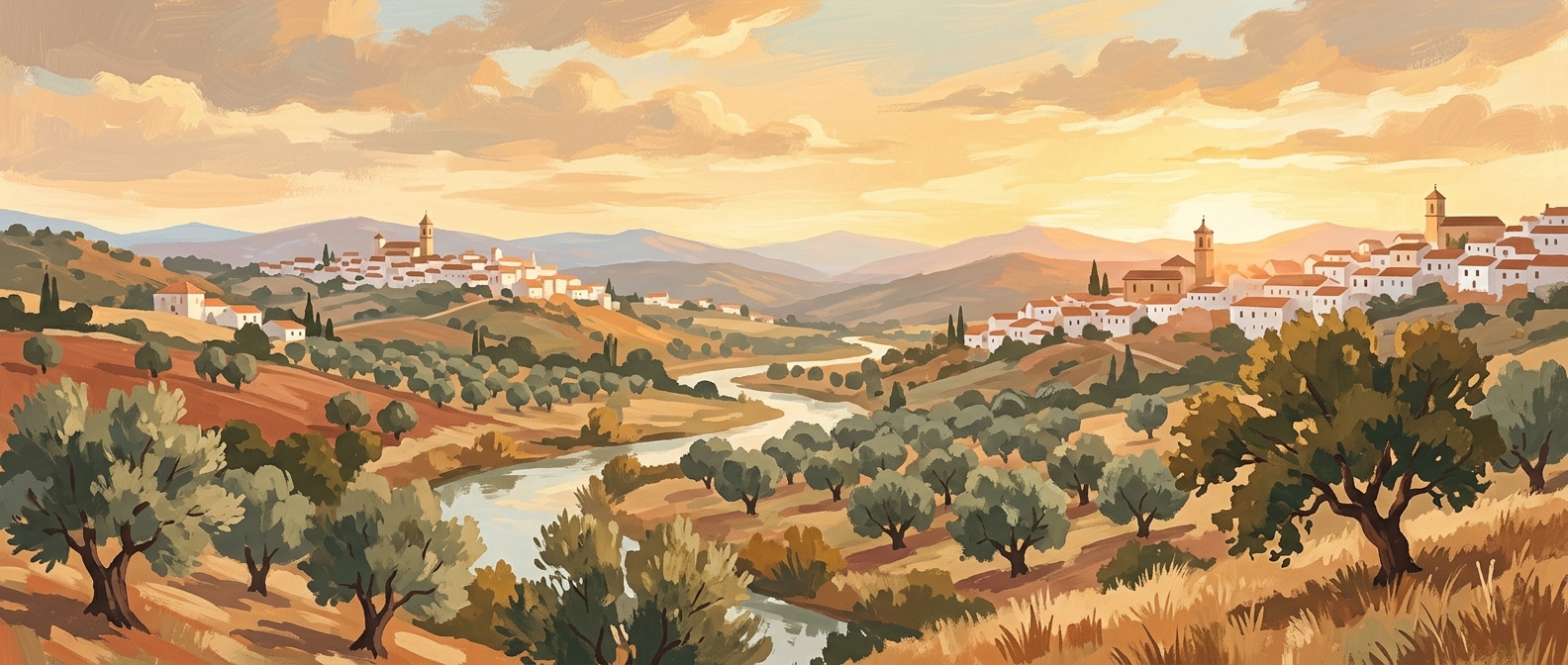
seasonal · Seville
Seville in September offers a graceful transition as the summer heat breaks, the local tapas bars reopen, and the world-renowned Bienal de Flamenco takes centre stage.
seasonal · Seville
Seville in September: A Reawakening After the Heat
19 April 2026 · 6 min read · 1,251 words
As the fierce furnace of August begins to cool, Seville enters its most atmospheric transition. The province wakes from its summer siesta, reclaimed by locals as the evening air over the Guadalquivir turns from stifling to refreshing.
September in the province of Seville marks a slow, graceful exhale. After the punishing temperatures of July and August, when the city feels almost surrendered to the most heat-hardy visitors, the ninth month brings the Sevillanos back to their streets. It is a period of social reawakening. The scent of bitter orange leaves, dusty from a long summer, begins to freshen as the humidity shifts. The pace of life moves from heat-induced survival mode to a spirited reclamation of public spaces.
While the first fortnight often mirrors the intensity of August, the transition after the 20th of the month is palpable. This is the month when the traditional tapas bars, many of which close for a well-earned summer break, throw open their shutters. The squares of the Alfalfa and San Lorenzo neighbourhoods fill with families once more, and the city regains its heartbeat. For many seasoned travellers, September is arguably a better time for a first visit than the frantic, overcrowded weeks of the April Fair or Holy Week. You receive the same architectural grandeur and cultural depth, but with a sense of space and a more authentic local rhythm.
The Weather: Navigating the Heat Shift
To understand Seville in September, one must respect the thermometer. In the city of Seville and the lowland towns of the Guadalquivir valley, such as Écija (often called the 'Frying Pan of Europe'), the first half of the month remains hot. You should expect daytime highs of 34°C to 37°C. It is not uncommon for the mercury to touch 40°C during an early September heatwave. However, unlike August, the nights begin to provide relief, dropping to a comfortable 18°C or 19°C.
The real shift occurs after the autumn equinox. Around the final week of September, the city often experiences the Veranillo de San Miguel, an Indian summer that brings golden light and manageable highs of 28°C to 30°C. Rainfall is infrequent, typically averaging only two or three days in the month. When it does rain, it usually arrives as a dramatic, short-lived afternoon thunderstorm that clears the air of summer dust.
In the Sierra Norte de Sevilla - the mountainous north of the province - temperatures are consistently five to seven degrees cooler than in the city. By mid-September, the evenings in mountain villages like Constantina or Cazalla de la Sierra require a light woollen layer. If you find the city heat too oppressive, these highlands offer a sanctuary of cork oaks and crisp evening air.
What to pack: Light linen and cotton remain essential for the daytime. However, by late September, you will notice locals transitioning into autumn fashion despite the heat; a light jacket or pashmina is sensible for late-night outdoor dining.
Events & Festivals: Flamenco and Ferias
September is arguably the most significant month in the calendar for flamenco enthusiasts. In even-numbered years, the city hosts La Bienal de Flamenco, the most prestigious flamenco festival in the world. It spans nearly the entire month, with performances in historic venues like the Real Alcázar and the Teatro de la Maestranza. In odd-numbered years, the city maintains this momentum with the Septiembre es Flamenco cycle, featuring smaller, more intimate performances.
Beyond the city limits, the province celebrates the end of the harvest. The Feria de Consolación in Utrera (usually held around the 8th of September) is one of the most significant festivals in the province. It is a traditional celebration of horse parades, flamenco dress, and temporary marquees (casetas) where the public is often welcome to join the dancing. Unlike the more private April Fair in the city, the provincial ferias often feel more accessible to outsiders.
In the town of Carmona, the Romería de la Virgen de Gracia takes place in September. This is a religious pilgrimage where locals dress in traditional attire and travel on horseback or in decorated wagons. It provides a window into the deep-seated rural traditions of Andalucía that remain unchanged by modern tourism.
What to Do: Activities for the Transition
The return of the 'tapas season' is a highlight for any food lover. During the peak of summer, many locals stick to light soups like gazpacho or salmorejo. As September progresses, the heavier, more complex dishes return to the chalkboards. Look for carrillada (braised pork cheek) or espinacas con garbanzos (spinach with chickpeas). The evening walk, or paseo, along the banks of the Guadalquivir river near the Torre del Oro becomes the social centre of the city between 8:00 PM and 10:00 PM.
September is also the ideal time to explore the Real Alcázar and the Seville Cathedral. While these sites are popular year-round, the reduction in large tour groups compared to the spring peak makes the experience far more contemplative. The gardens of the Alcázar are particularly pleasant in the late afternoon as the shadows lengthen across the Moorish water features.
For those willing to travel an hour outside the city, the Roman ruins of Itálica in Santiponce are far more bearable in the September sun than in the height of summer. Walking the ancient amphitheatre - one of the largest in the Roman Empire - requires little shade, so the softening of the heat in late September is a significant practical advantage.
Who Should Visit?
- Culture Lovers: Especially those with an interest in flamenco. The quality of performances in September is unmatched.
- Couples: The evening atmosphere by the river and the candlelit tables in the Santa Cruz quarter are at their most romantic.
- Foodies: The reopening of traditional bars and the introduction of autumn ingredients make this a prime month for culinary exploration.
- Slow Travellers: Those who enjoy watching a city return to its natural rhythm rather than seeing it at its most tourist-heavy peak.
Not ideal for: Families with very young children who may struggle with the still-significant afternoon heat in the first two weeks of the month. Hikers should also wait until the very end of the month to explore the Sierra Norte, as the trails remain very dry and dusty until the first rains arrive.
Practical Notes: Crowds and Prices
September offers a sweet spot for the budget-conscious traveller. While not as inexpensive as the deep winter months of January or February, accommodation prices are significantly lower than in April or May. You can often find high-quality boutique hotels in the city centre for 30% less than their spring peak rates.
Crowd levels are moderate. You will still need to book tickets in advance for the Cathedral and the Alcázar, but you won't face the crushing queues of the spring holidays. Reservations for popular restaurants like El Rinconcillo or Cañabota are still necessary, but usually only a few days in advance rather than weeks.
Transport within the province remains reliable. The regional trains (Cercanías) to towns like Lora del Río or the buses to Carmona are rarely full, making day trips a low-stress option.
Monthly Verdict
September is the connoisseur’s month in Seville. It offers a bridge between the white-heat of summer and the social frenzy of autumn. By choosing the latter half of the month, you gain the best of both worlds: long, sun-drenched days that feel like summer, but with evening temperatures that invite long, lazy dinners in the open air. It is a month of transition where the city feels most like itself.
More from Seville
Seville in August: Surviving and Thriving in the Frying Pan of Europe
August in Seville is a time of extreme heat and evocative silences. Learn how to navigate the 40°C temperatures, enjoy local mountain festivals, and experience the city's late-night culture.
6 min read
Read guide →
Seville in July: Survival and Splendour in the Sizzling South
Seville in July is a city of extremes, where the midday sun dictates a quiet siesta and the nights come alive with late-night tapas and riverfront festivals.
6 min read
Read guide →
Seville in February: A Guide to the Pre-Spring Thaw
Experience Seville in February, a month of crisp blue skies, early orange blossoms, and exceptional travel deals before the spring crowds arrive.
6 min read
Read guide →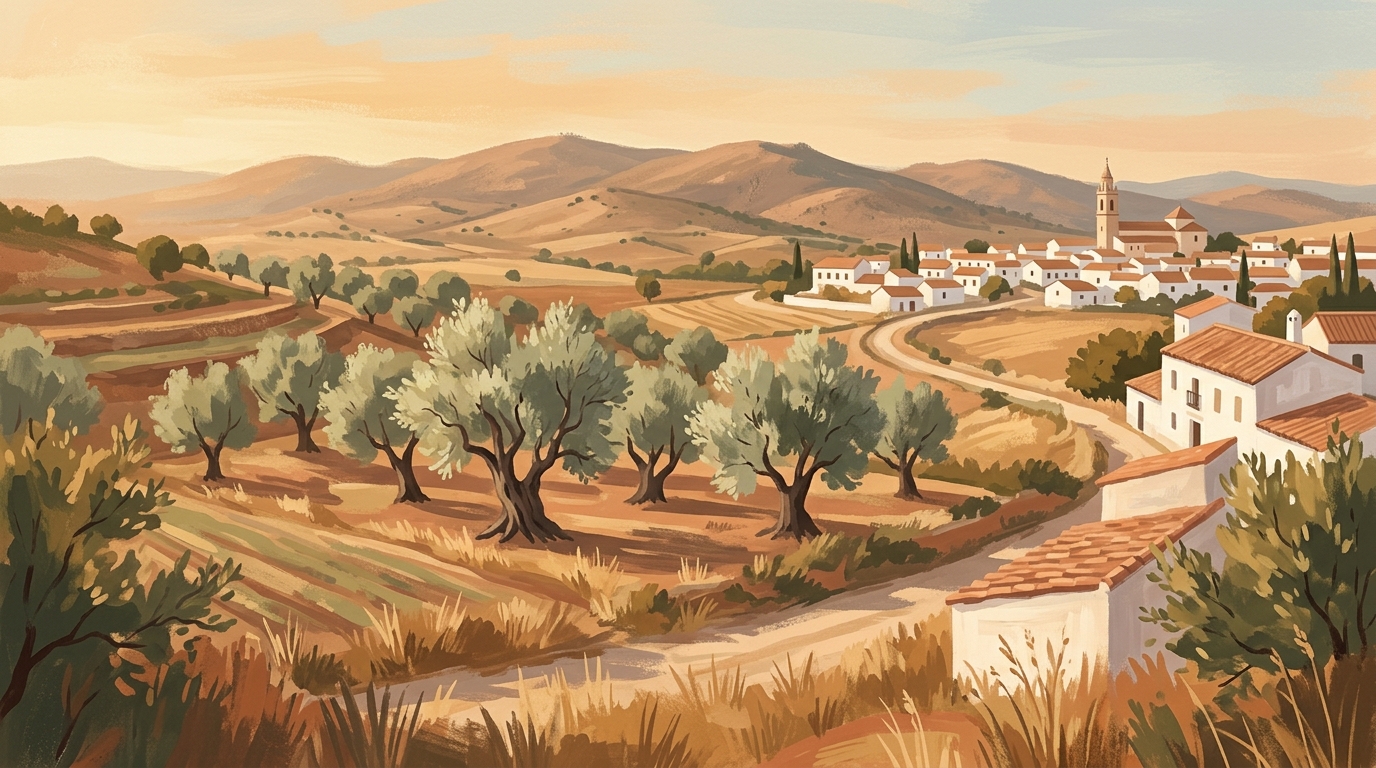
A Guide to Seville in October: Golden Light and Cultural Awakening
October brings a sigh of relief to the province of Seville, as the intense summer heat fades into a gentle warmth that makes the historic streets and rural towns accessible once more.
6 min read
Read guide →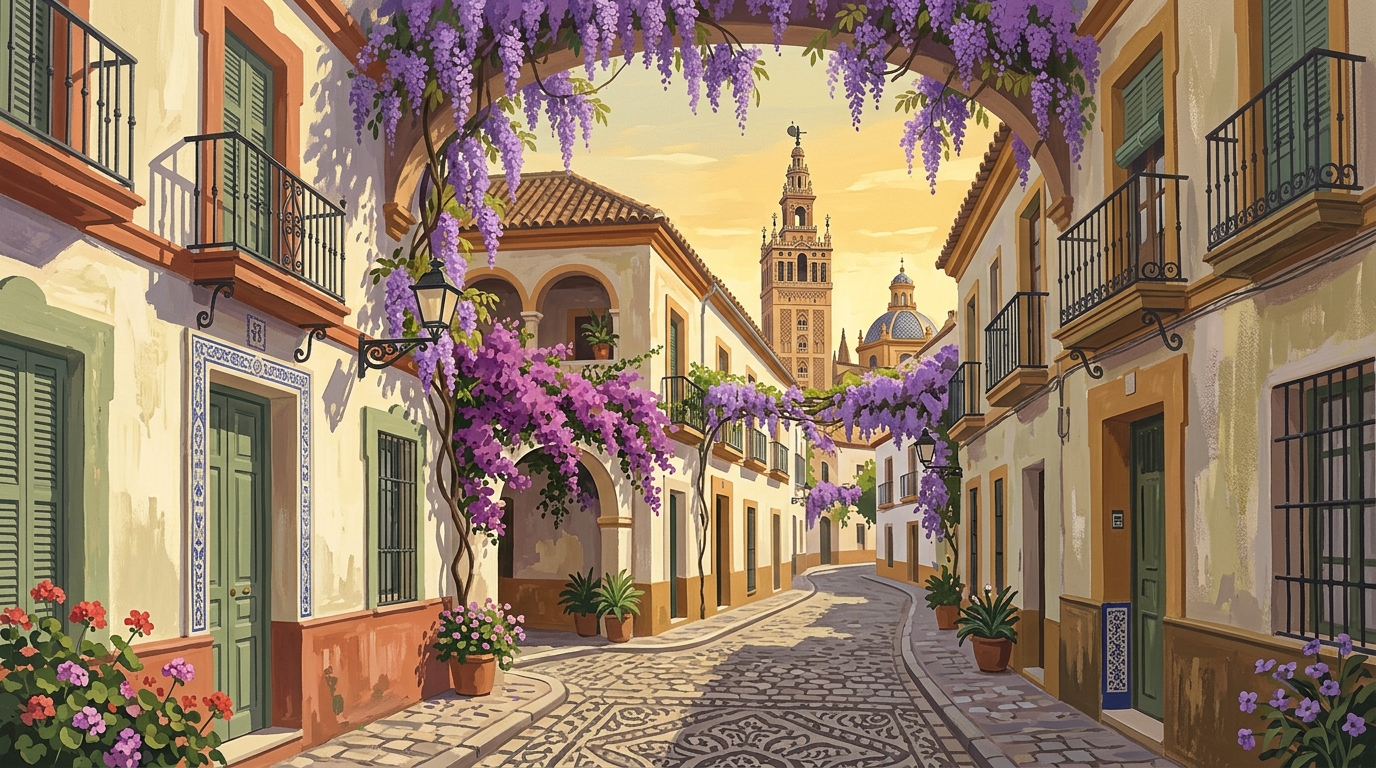
Seville in May: A Purple City in the Pre-Summer Calm
Experience the provincial capital as the jacaranda trees bloom and the heavy crowds of the spring festivals subside. May offers the perfect balance of warm sunshine and accessible culture before the intense summer heat arrives.
6 min read
Read guide →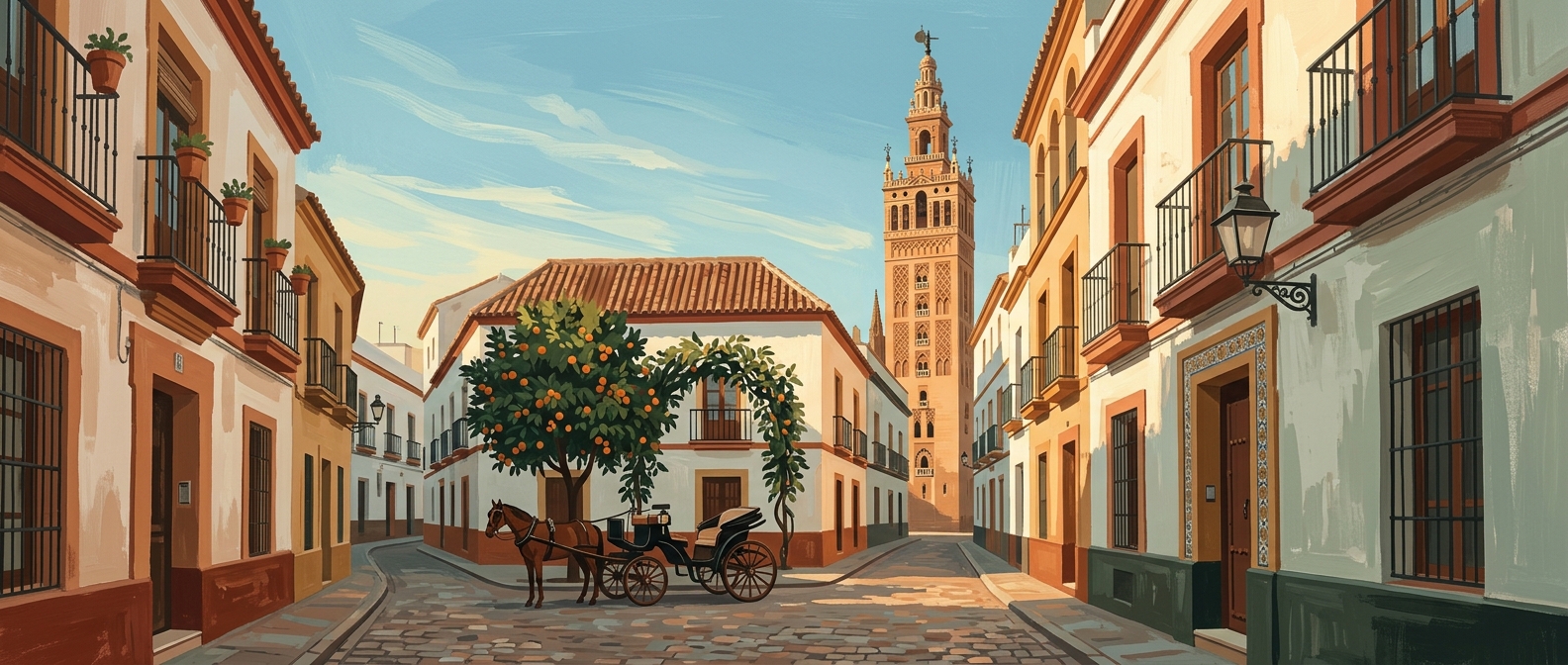
Seville in January: Crisp Skies and Quiet Streets
Seville in January offers a sharp, clean light and quiet streets that reveal the province's architectural bones. After the epiphany celebrations, the region settles into a calm rhythm perfect for slow exploration.
5 min read
Read guide →Newsletter
More stories from Andalucía
Weekly notes, seasonal picks, and the next guides worth bookmarking.