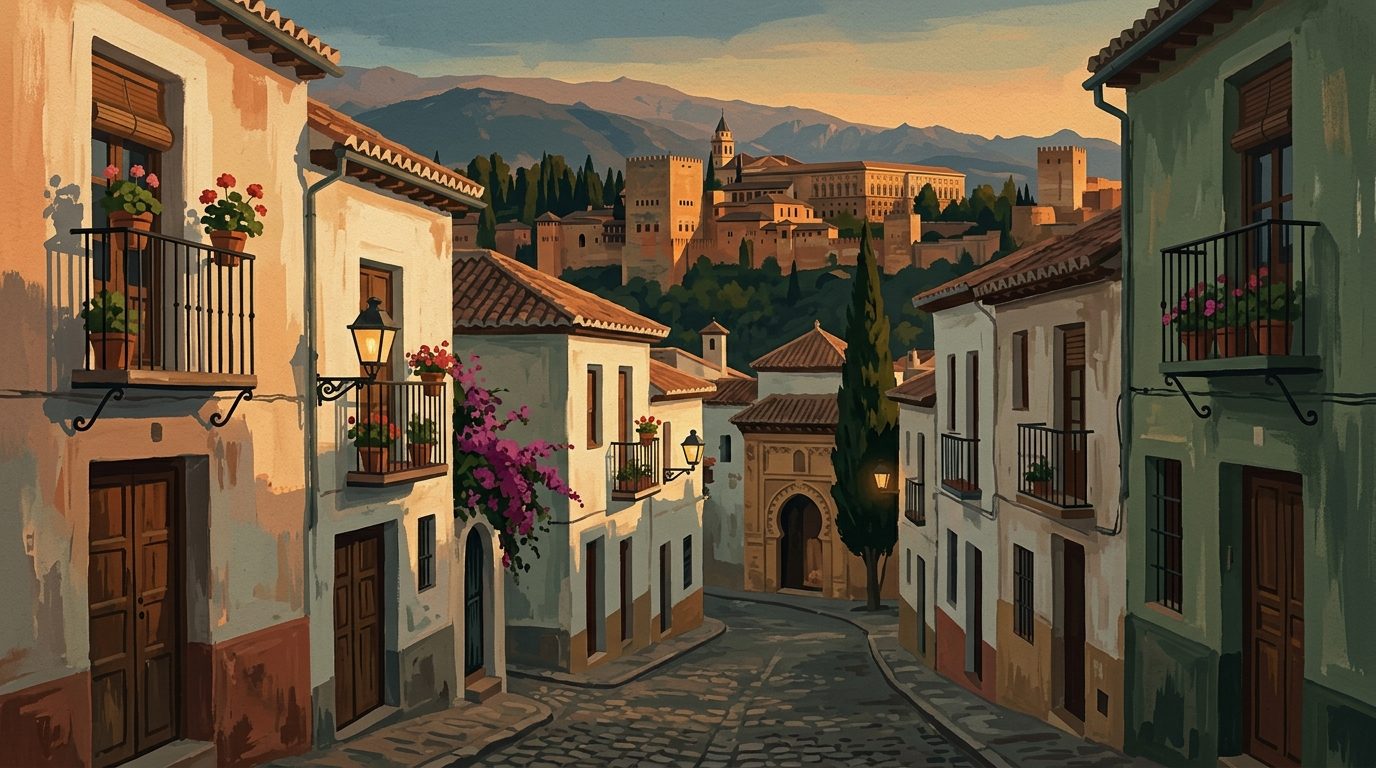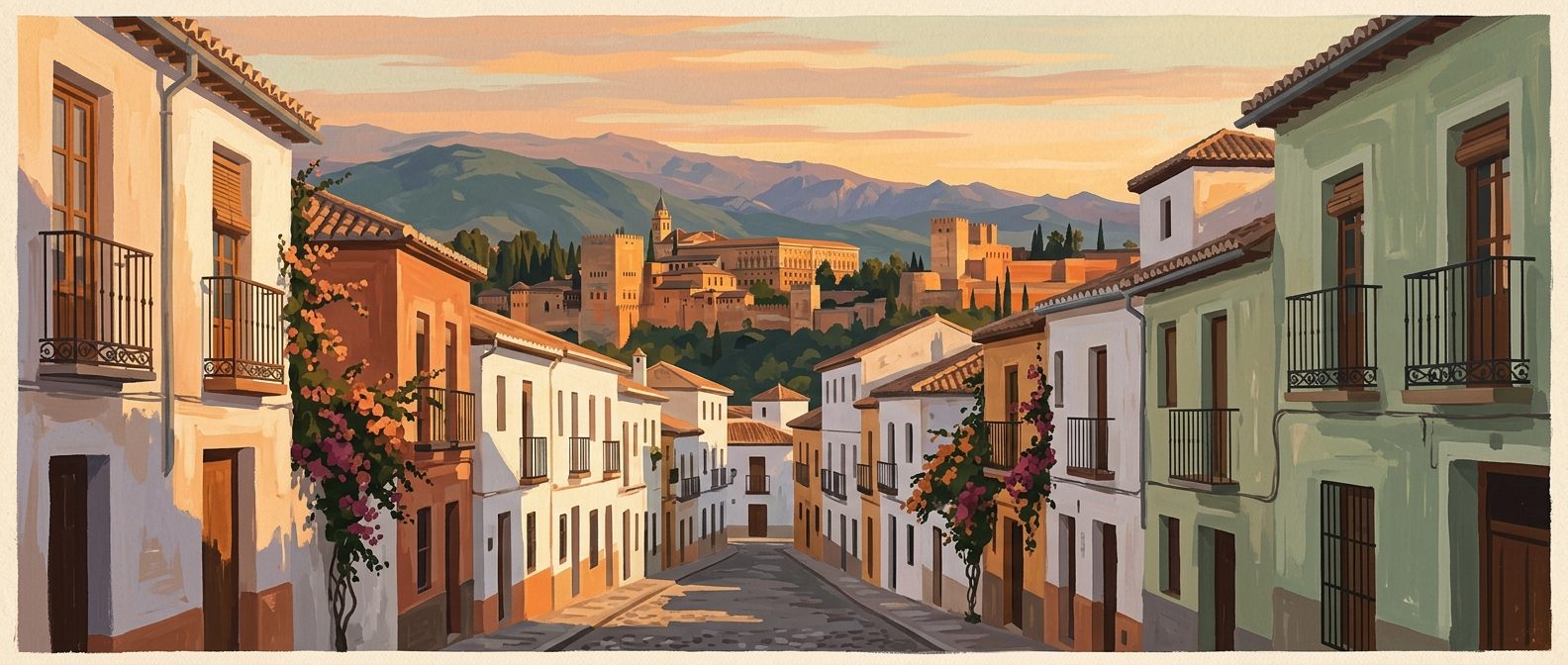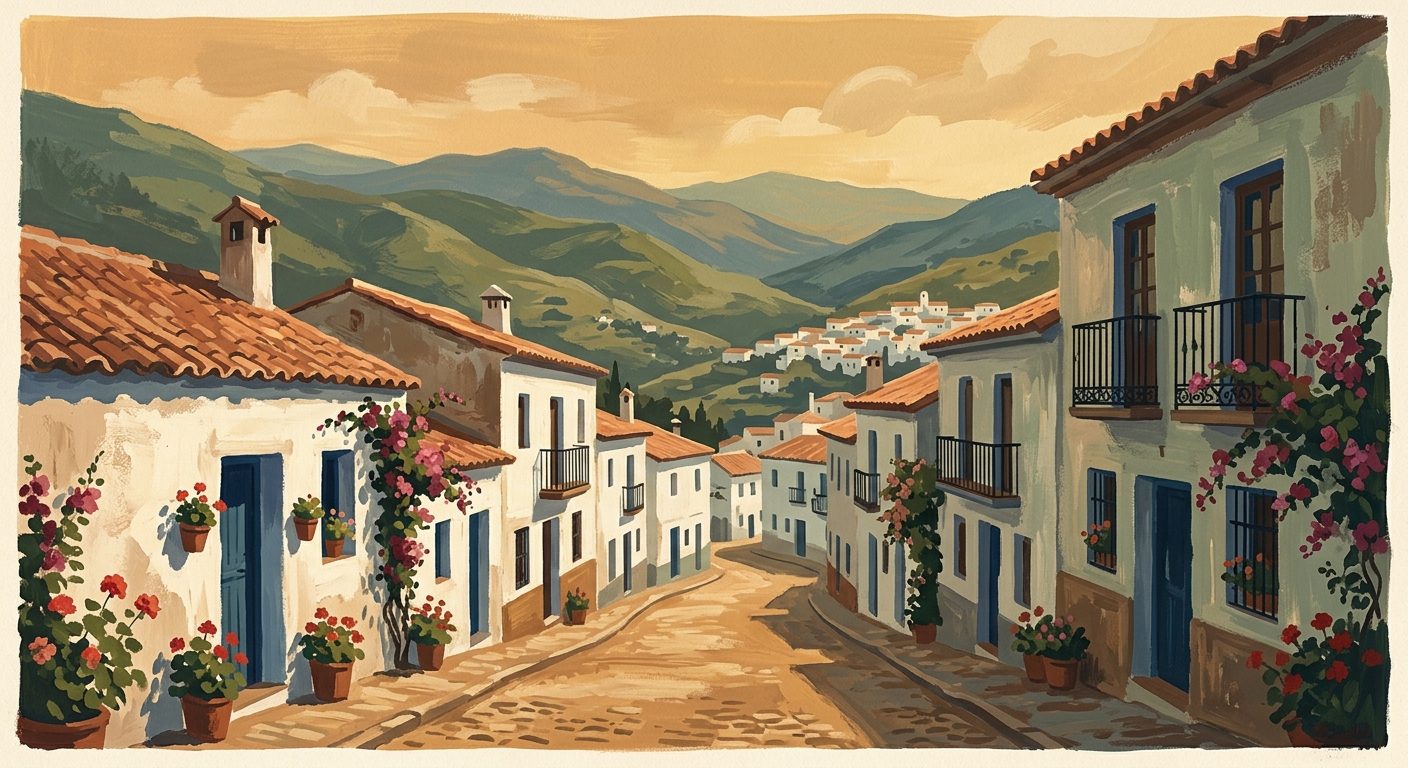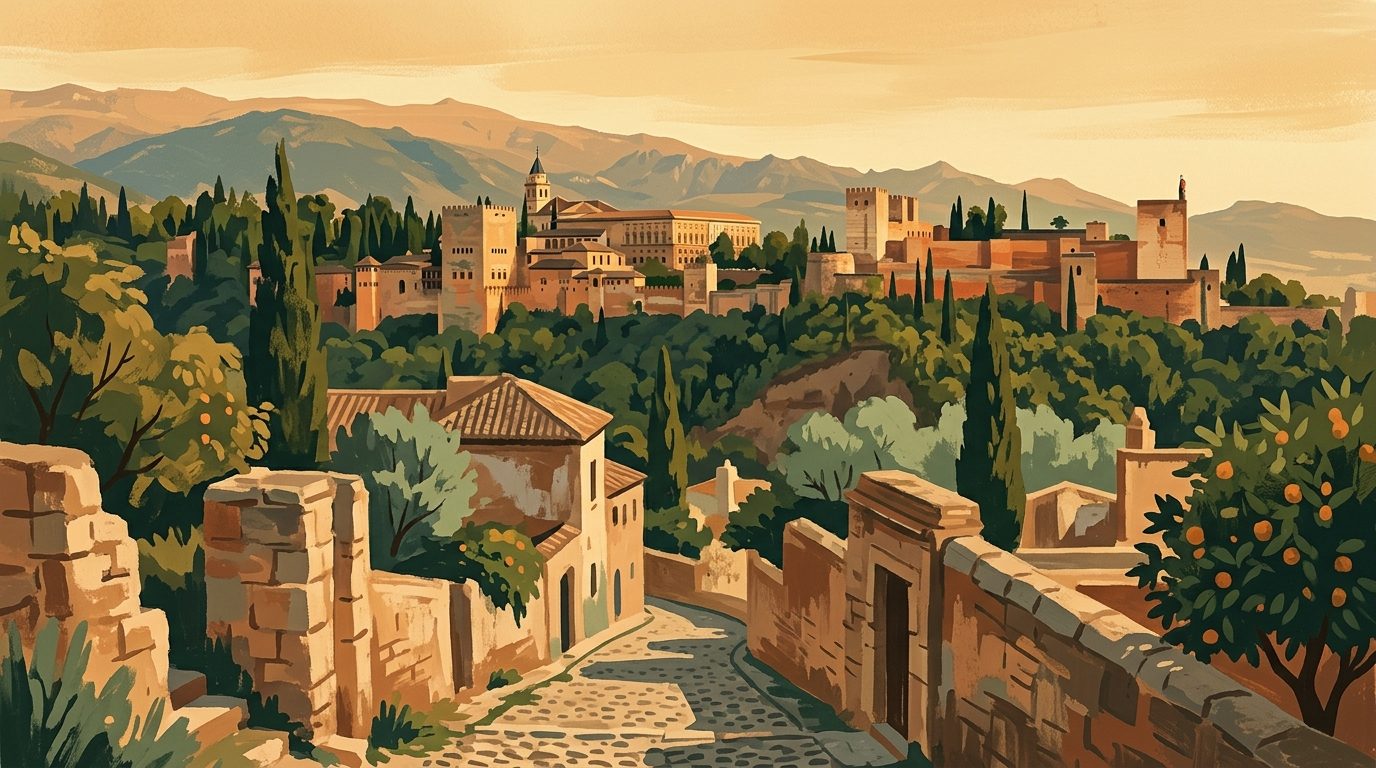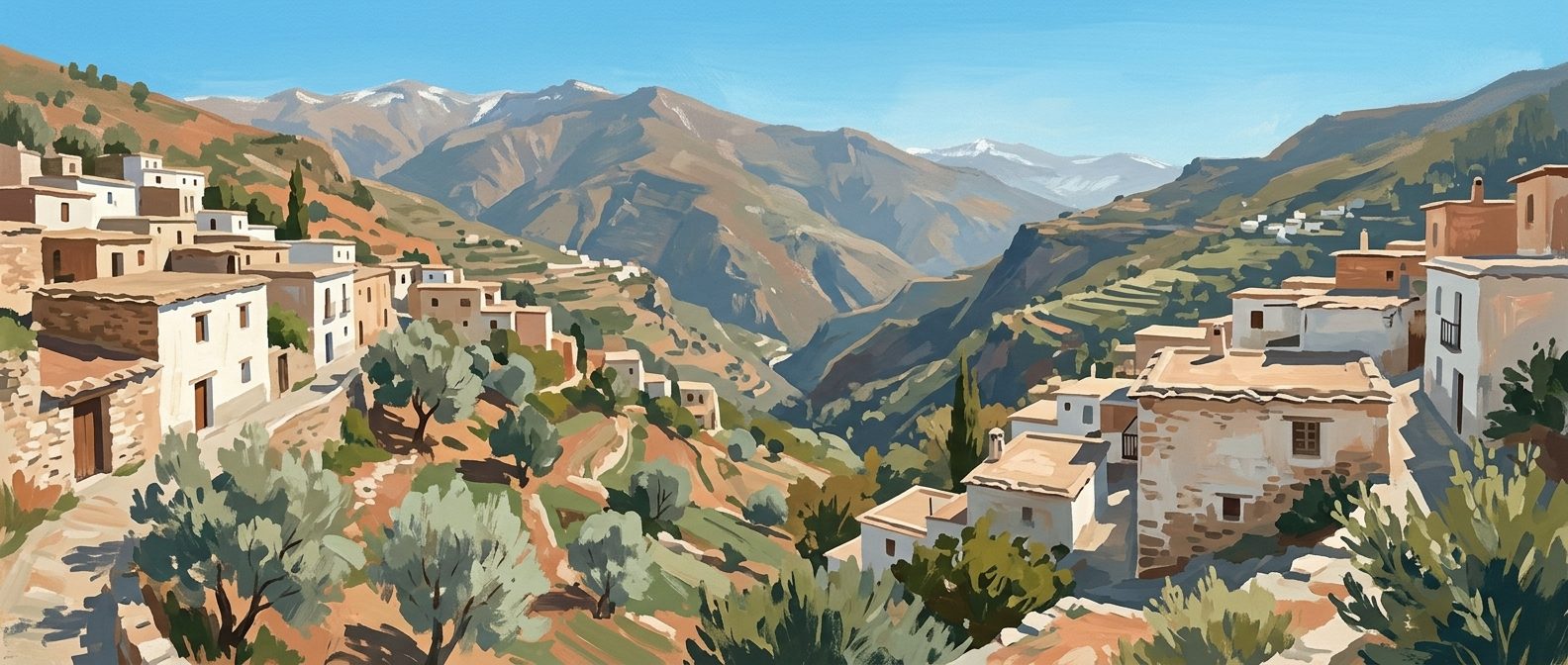
Positioned halfway up the dramatic slopes of the Sierra Nevada, Bubión offers a preserved look at the traditional Berber-inspired architecture of the Alpujarras. It serves as a tranquil base for walkers seeking to explore the high-altitude trails and whitewashed villages of the Poqueira valley.
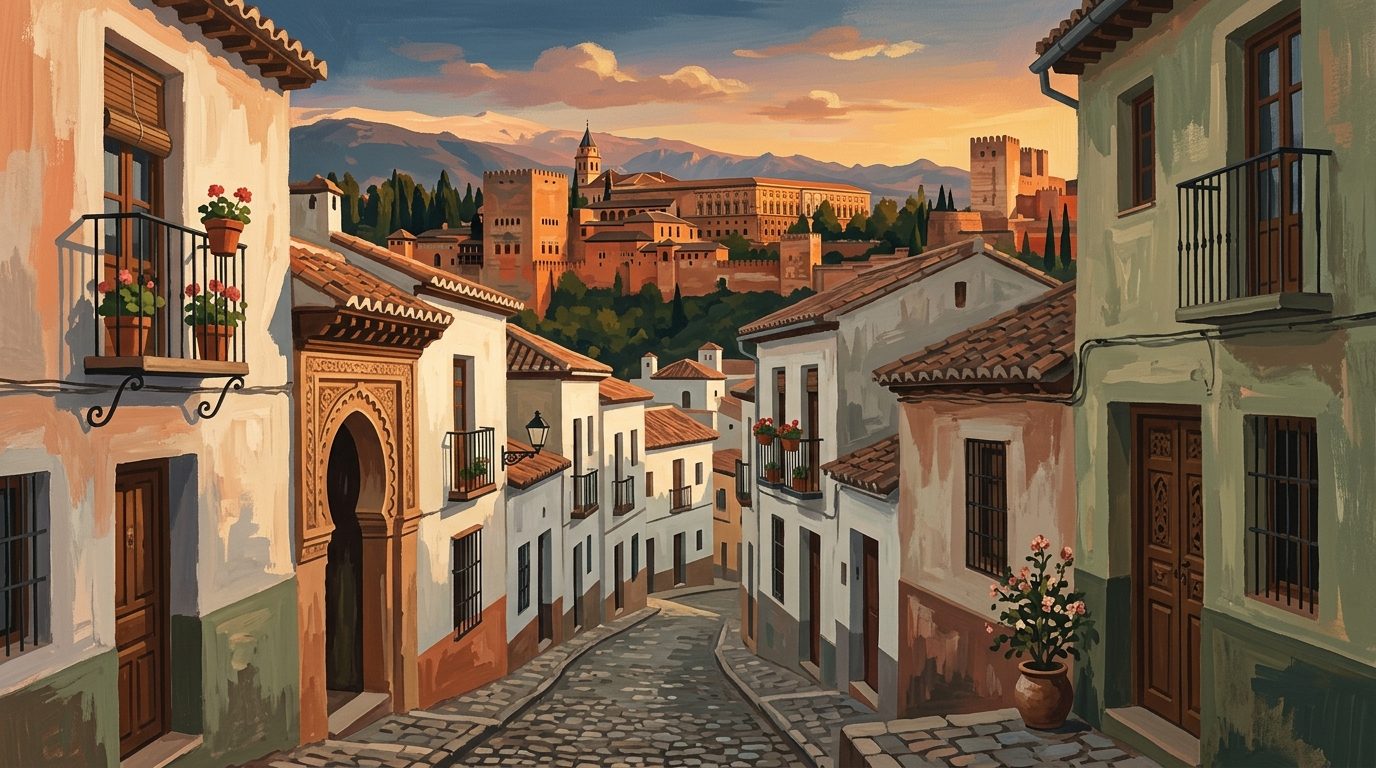
Bubión occupies a unique position in the Alpujarra Granadina. While its neighbours, Pampaneira and Capileira, often draw larger crowds, Bubión remains the most peaceful of the three villages that cling to the steep walls of the Poqueira Gorge. At an altitude of 1,300 metres, the air here is noticeably cooler and crisper than on the coast, providing a welcome respite during the height of summer. The village is a masterclass in adaptation, with its narrow, stepped streets and houses designed to withstand the rugged mountain climate. It is a place where the pace of life is dictated by the seasons and the chime of the church bells rather than the rush of modern tourism.
The history of the village is deeply intertwined with the Berber tribes who settled here over a millennium ago. Their architectural legacy is visible in every corner, from the flat-roofed houses to the complex irrigation channels that still bring water down from the Sierra Nevada snowmelt. Today, Bubión is recognised as one of the most beautiful villages in Spain, yet it retains an authentic, lived-in feel. You are as likely to see a local farmer tending to a small terraced plot of land as you are to encounter a hiker preparing for a trek into the National Park. This balance of culture and nature makes it an essential stop for anyone exploring the province of Granada.
What to See & Do
Traditional Berber Architecture
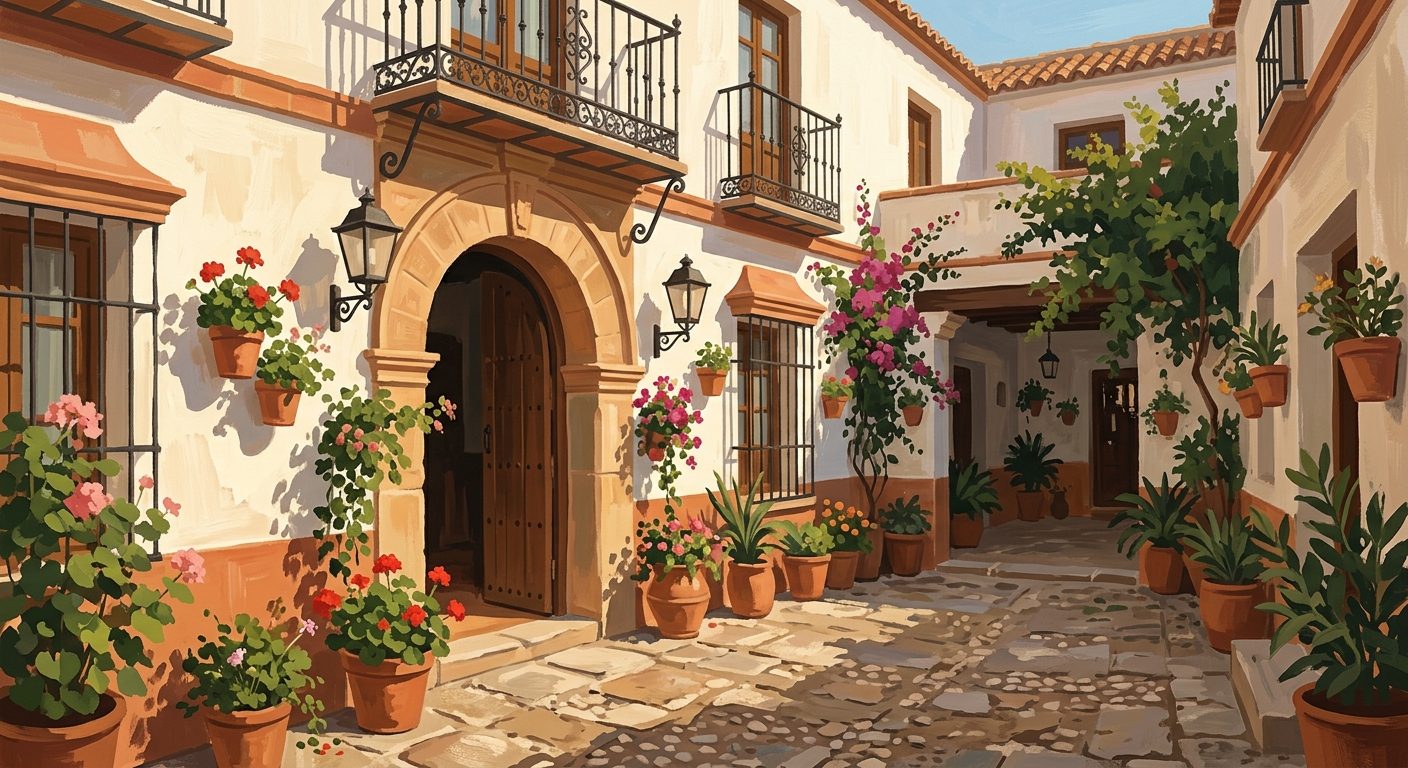
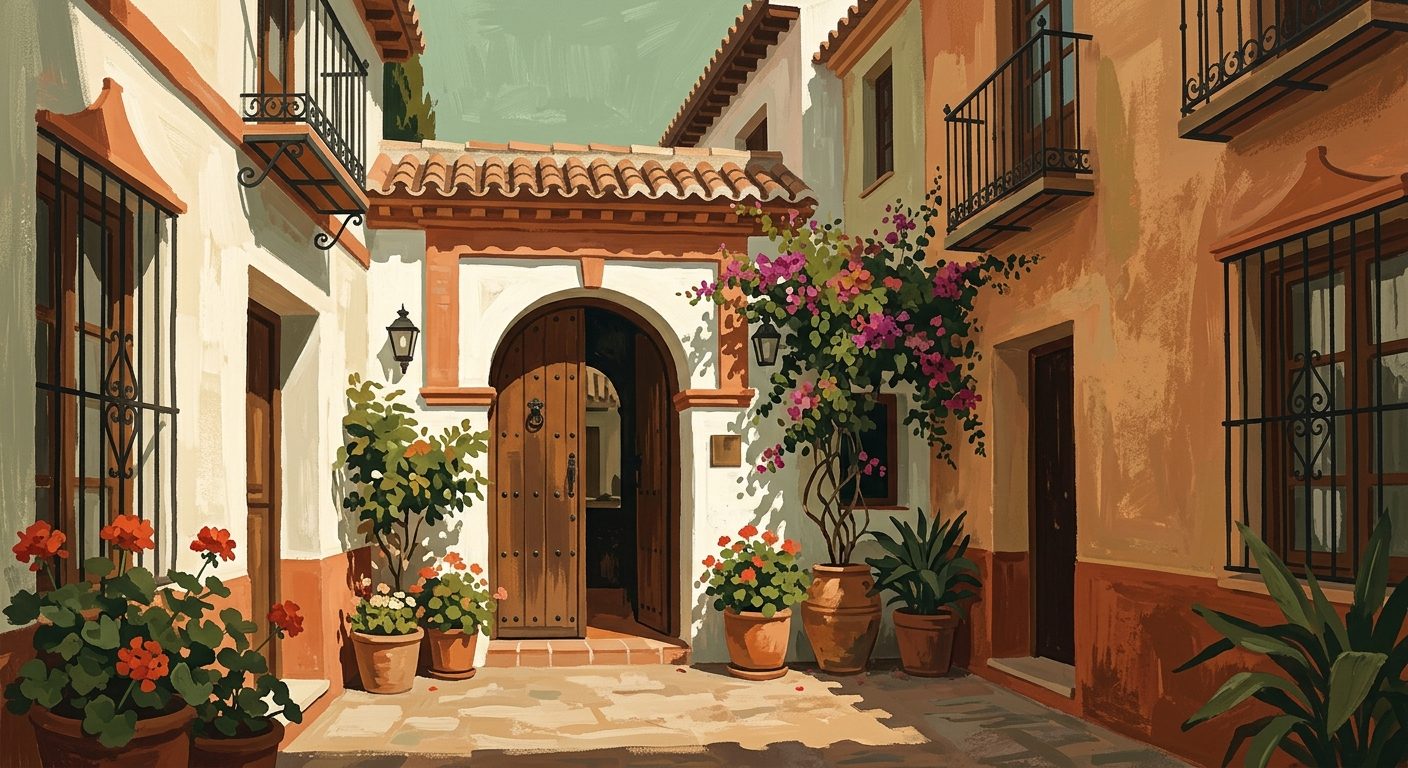
The most striking feature of Bubión is its architecture. Unlike the pitched roofs found in most of Europe, the houses here are topped with terraos, flat roofs made of a waterproof local clay called launa. These roofs were traditionally used for drying crops such as peppers and maize. Walking through the village, you will also notice tinaos, which are covered walkways that span the street, creating sheltered passages between houses. These structures are often supported by thick chestnut beams and provide shade in the summer and protection from snow in the winter.
Don't forget to look up at the chimneys. Known for their cylindrical shape and small slate caps, these iconic Alpujarran chimneys are a signature of the skyline. They are designed to prevent the fierce mountain winds from blowing smoke back into the hearths, and they remain a functional part of the village’s character today.
Museo de la Casa Alpujarreña
To understand how people lived in this challenging environment before the advent of modern conveniences, a visit to the Folk Museum (Casa Alpujarreña) is essential. Located in the Plaza de la Iglesia, this 16th-century house has been meticulously preserved to show the layout of a traditional family home. The ground floor was historically reserved for livestock, providing natural warmth for the living quarters above. Inside, you can see ancient looms, agricultural tools, and a traditional kitchen filled with ceramics. The museum offers a poignant look at the self-sufficient lifestyle that defined the region for centuries.
Church of the Virgin of the Rosary
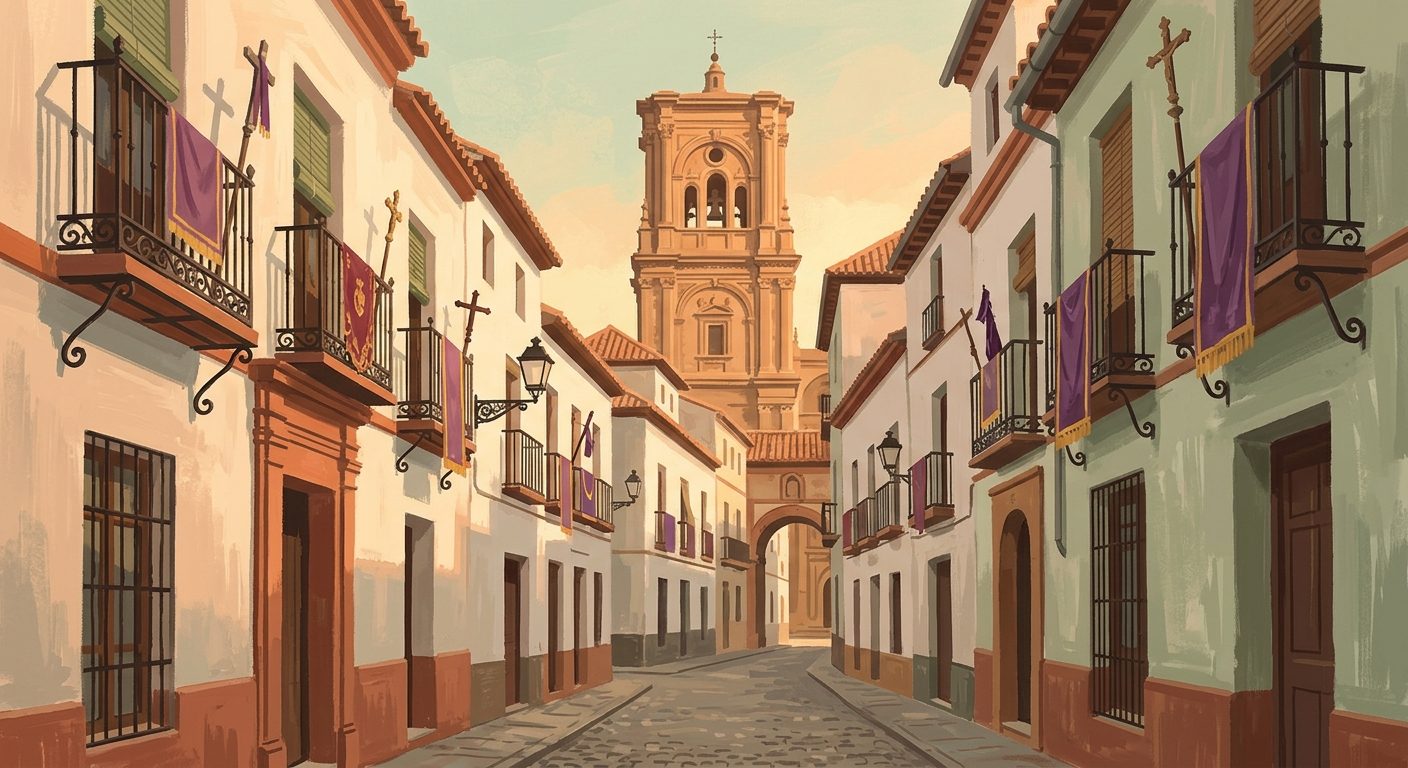
The parish church is a fine example of the Mudejar style, built over the foundations of a former mosque. Its square tower, which once doubled as a defensive structure, stands prominently against the backdrop of the Veleta peak. Inside, the architecture is simple and sturdy, reflecting the character of the mountain people. The square in front of the church offers some of the best views in the village, looking straight down the gorge towards the Mediterranean in the far distance.
Hiking the Poqueira Gorge
Bubión is a primary hub for hikers. One of the most popular short walks is the path connecting the three villages of the gorge. From Bubión, you can follow a well-marked trail down to Pampaneira (approximately 30 to 40 minutes) or up to Capileira (about 25 minutes). These paths take you through ancient oak forests and past abandoned threshing floors, offering perspectives of the village that you cannot see from the main road.
For more ambitious trekkers, the GR-7 long-distance path passes directly through Bubión. This route connects the village with the Taha de Pitres area to the east. The terrain is demanding but rewarding, with trails winding through terraced hillsides and crossing small mountain streams. Always ensure you have a physical map or a reliable GPS app, as weather conditions can change rapidly at this altitude.
Practical Information
Getting There: Bubión is located on the A-4129 road. From Granada city, it is a roughly 75-minute drive via the A-44 and the mountain roads through Lanjarón and Órgiva. Be prepared for numerous hairpin bends and narrow sections. For those using public transport, the ALSA bus service runs three times daily from Granada’s main bus station to the Alpujarras. A one-way ticket costs approximately €7 to €9 (as of May 2026, check on the operator's website before travelling), and the journey takes around 2 hours and 15 minutes.
Parking: Like most Alpujarran villages, the interior of Bubión is largely pedestrianised and the streets are too narrow for cars. There is a free public car park located at the entrance of the village on the main road, and another smaller area near the Villa Turística. It is best to park here and explore the village on foot.
Museum Entry: The Museo de la Casa Alpujarreña usually charges a small entry fee of approximately €2 per person. Opening times can vary slightly by season (check on the operator's website before travelling) but generally, it is open from 11:00 to 14:00, with additional evening hours (17:00 to 19:00) on Fridays and Saturdays. The museum is traditionally closed on Tuesdays (confirm with the local tourist office in the Plaza de la Iglesia, though hours may vary during the July/August summer season).
Where to Eat Nearby
Gastronomy in Bubión is hearty and based on local mountain produce. Restaurante Teide, a family-run establishment on the main road, has been serving traditional dishes since the 1970s. Their Plato Alpujarreño, a combination of fried eggs, potatoes, chorizo, ham, and morcilla, is the definitive local meal. For something slightly more contemporary, Restaurante Plaza 6 in the main square offers local ingredients with a modern twist, including excellent lamb and home-grown vegetables. Both venues offer terraces where you can eat while overlooking the valley, which is a highlight of any visit.
Where to Stay
For a comfortable and quiet stay, the Villa Turística de Bubión is a collection of individual stone cottages that mimic the layout of the village. It offers a swimming pool and spectacular views from almost every room. If you prefer a more intimate experience, Hostal Las Terrazas de la Alpujarra provides a warm welcome and traditional decor. Many visitors also choose to rent private self-catering apartments, which allow for a more authentic experience of living within the village’s historic core.