Set 1,476 metres above sea level, Trevélez offers crisp mountain air and some of the finest air-cured ham in Europe. It serves as a rugged gateway to the highest peaks of the Sierra Nevada, providing a quieter alternative to the more tourist-heavy villages of the Poqueira Gorge.
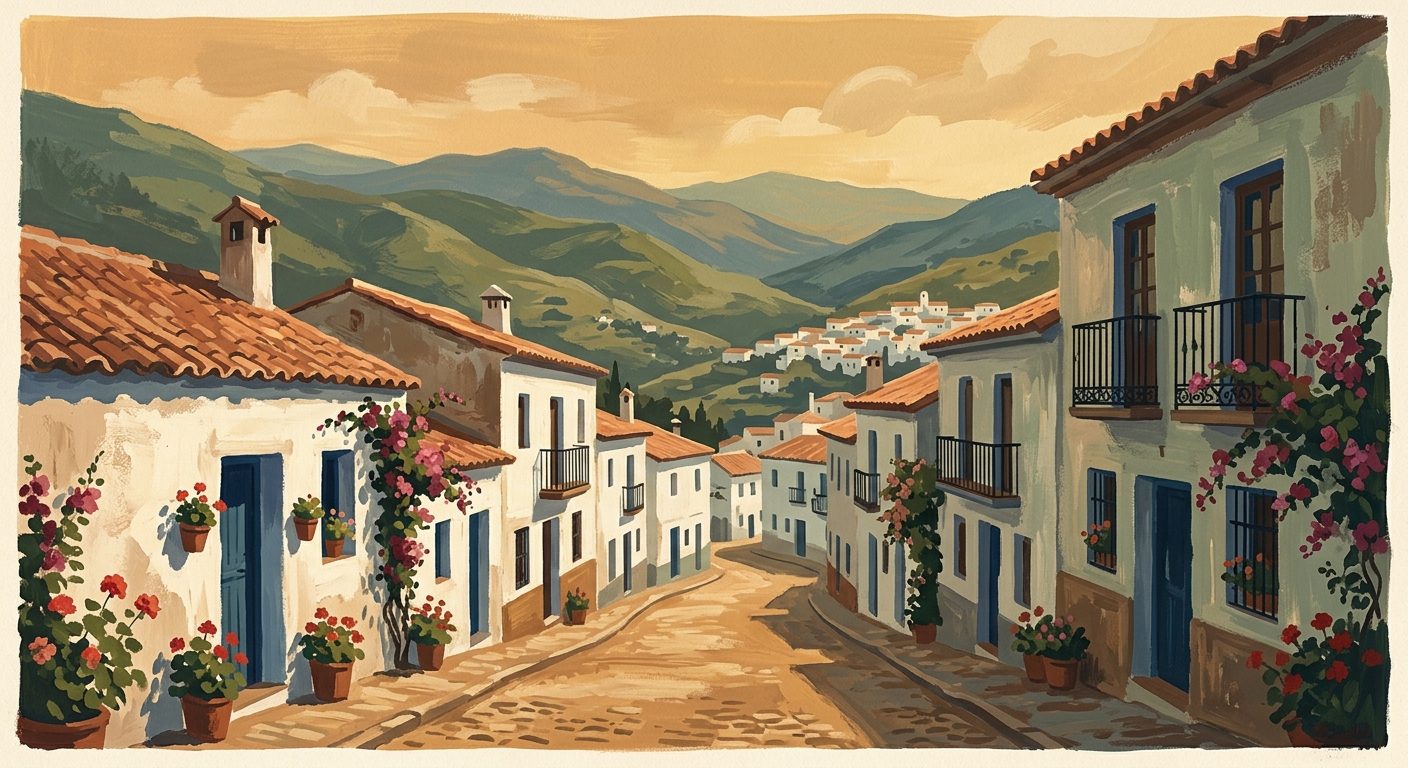
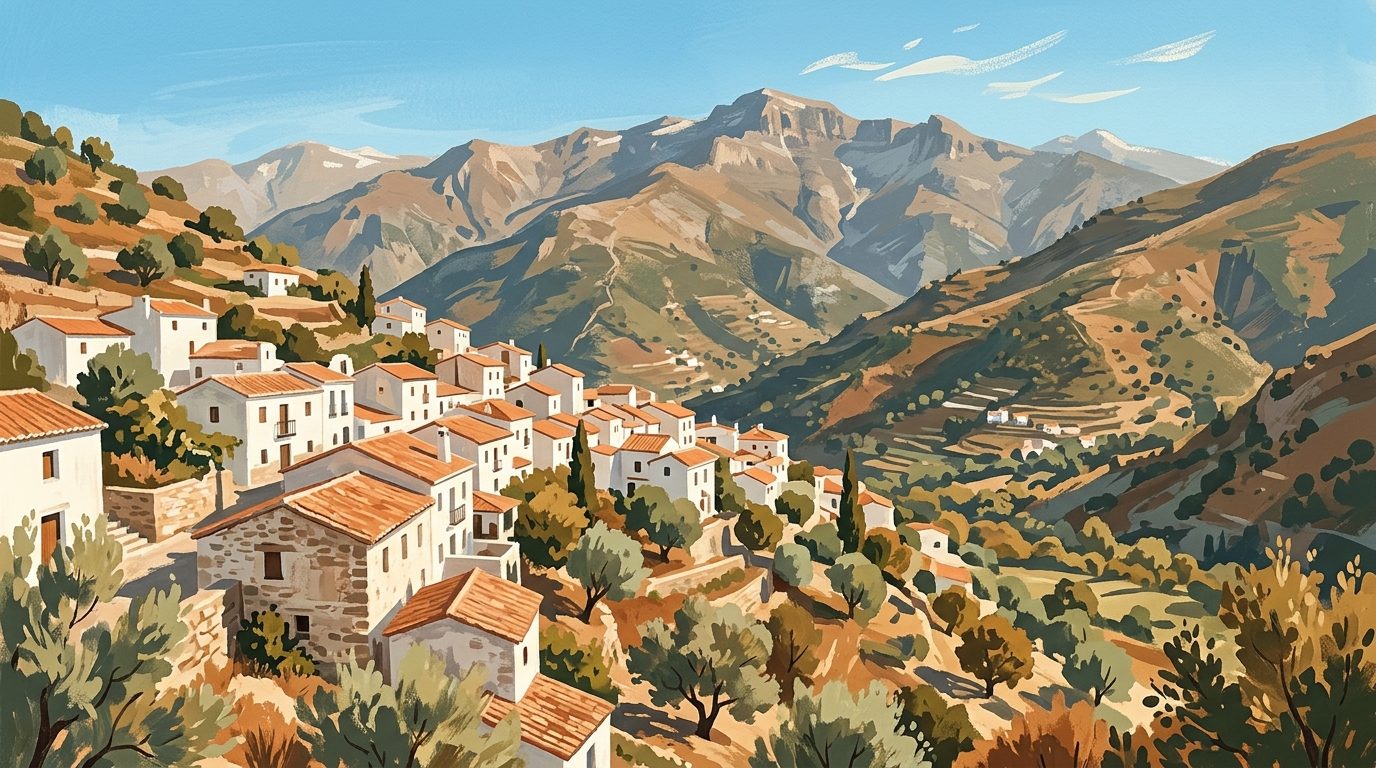
Trevélez sits at the end of a winding mountain road in the Alpujarra Granadina, sculpted into the slopes of the Sierra Nevada. While Trevélez is often cited as the highest village in Spain, it is technically the highest in the Alpujarra and Andalucía (Valdelinares in Teruel holds the official Spanish record at 1,692m). The village is divided into three distinct levels: the Barrio Bajo (Lower Quarter), Barrio Medio (Middle Quarter), and Barrio Alto (Upper Quarter). The elevation difference between the lowest and highest points of the village is nearly 200 metres, creating a vertical landscape where the sound of the Trevélez River provides a constant acoustic backdrop.
The village is famous for its cool, dry climate, which is the essential ingredient for its most famous export: Jamón de Trevélez. Unlike the more manicured villages of Capileira or Pampaneira, Trevélez feels like a working mountain outpost. It is a place of slate roofs, chimney stacks topped with flat stones, and narrow alleys that were designed for mules rather than cars. For hikers, it is the primary southern trailhead for those looking to conquer Mulhacén, the highest peak on the Iberian Peninsula.
What to See & Do
Explore the Three Barrios
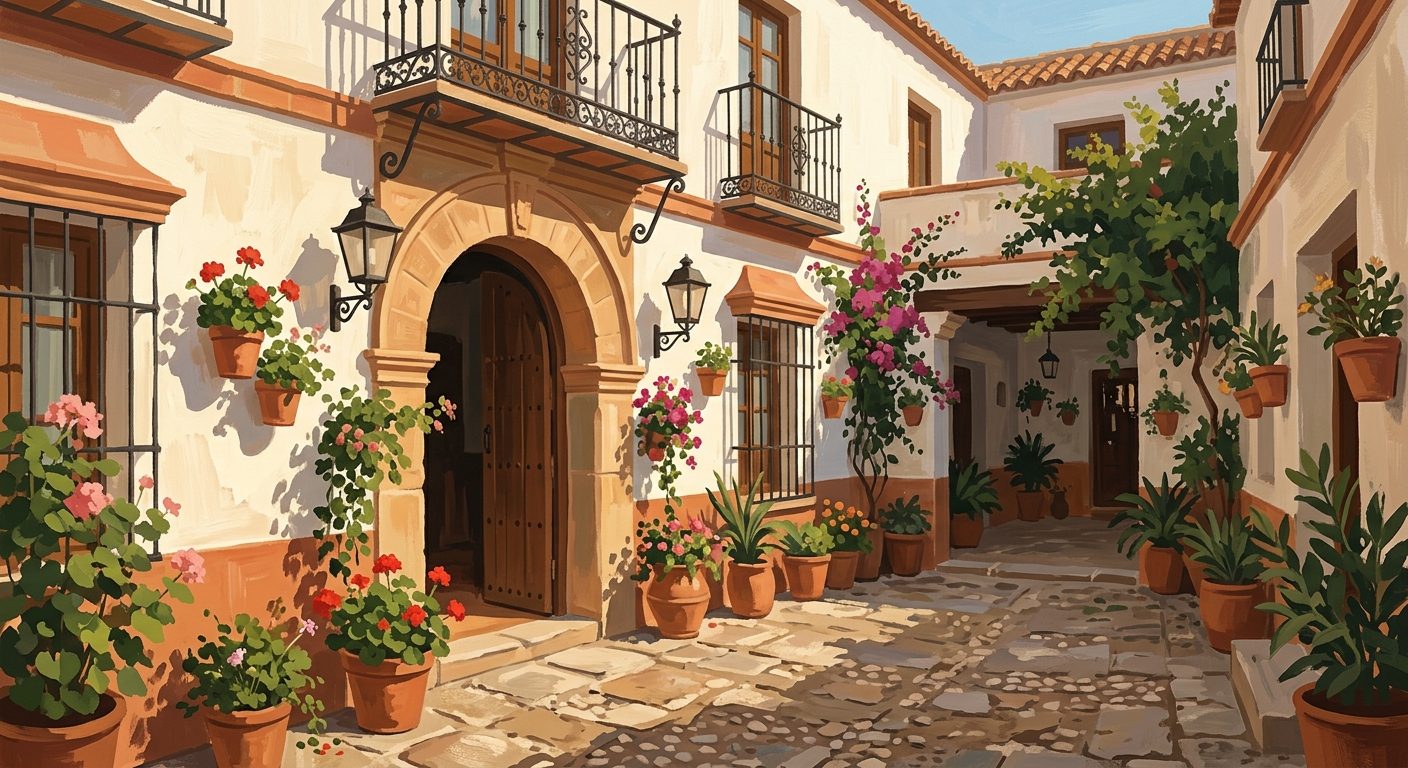
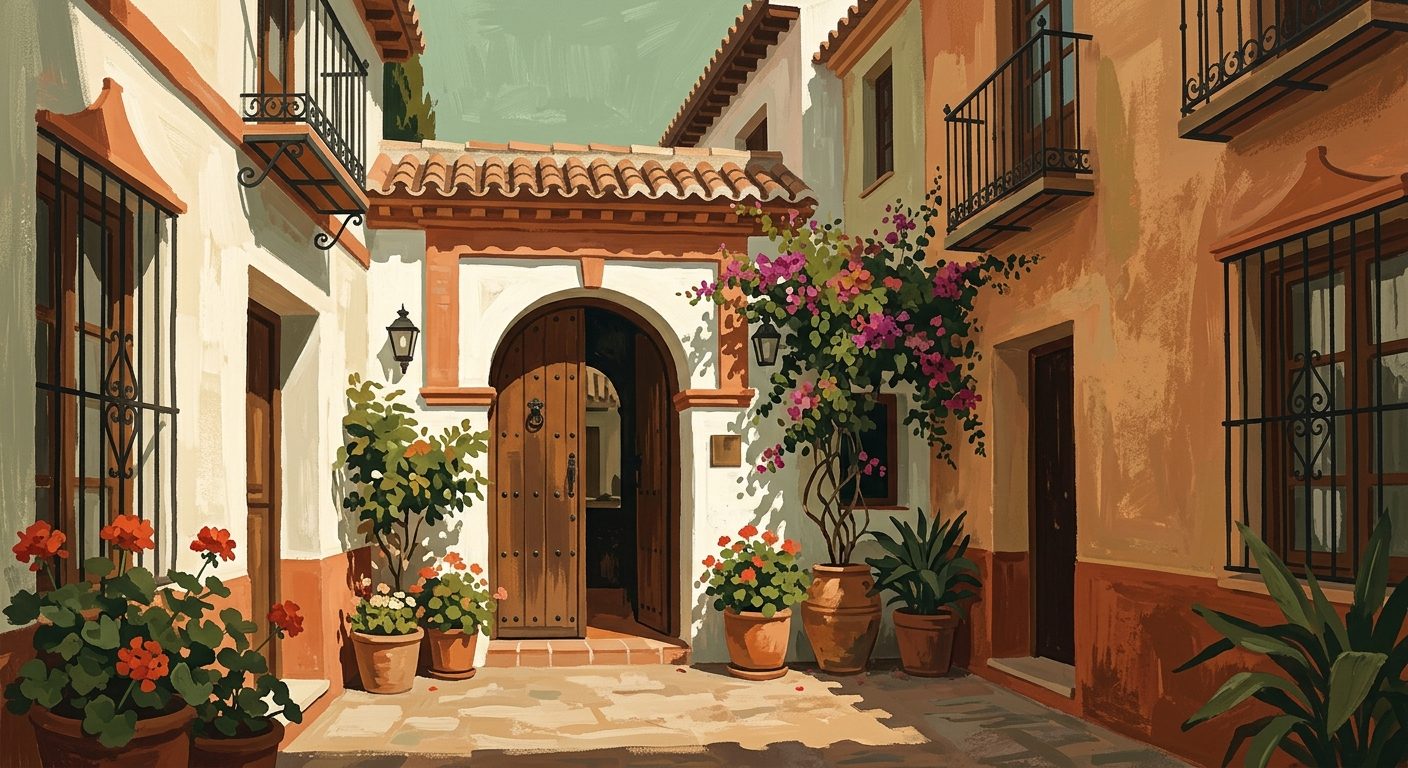
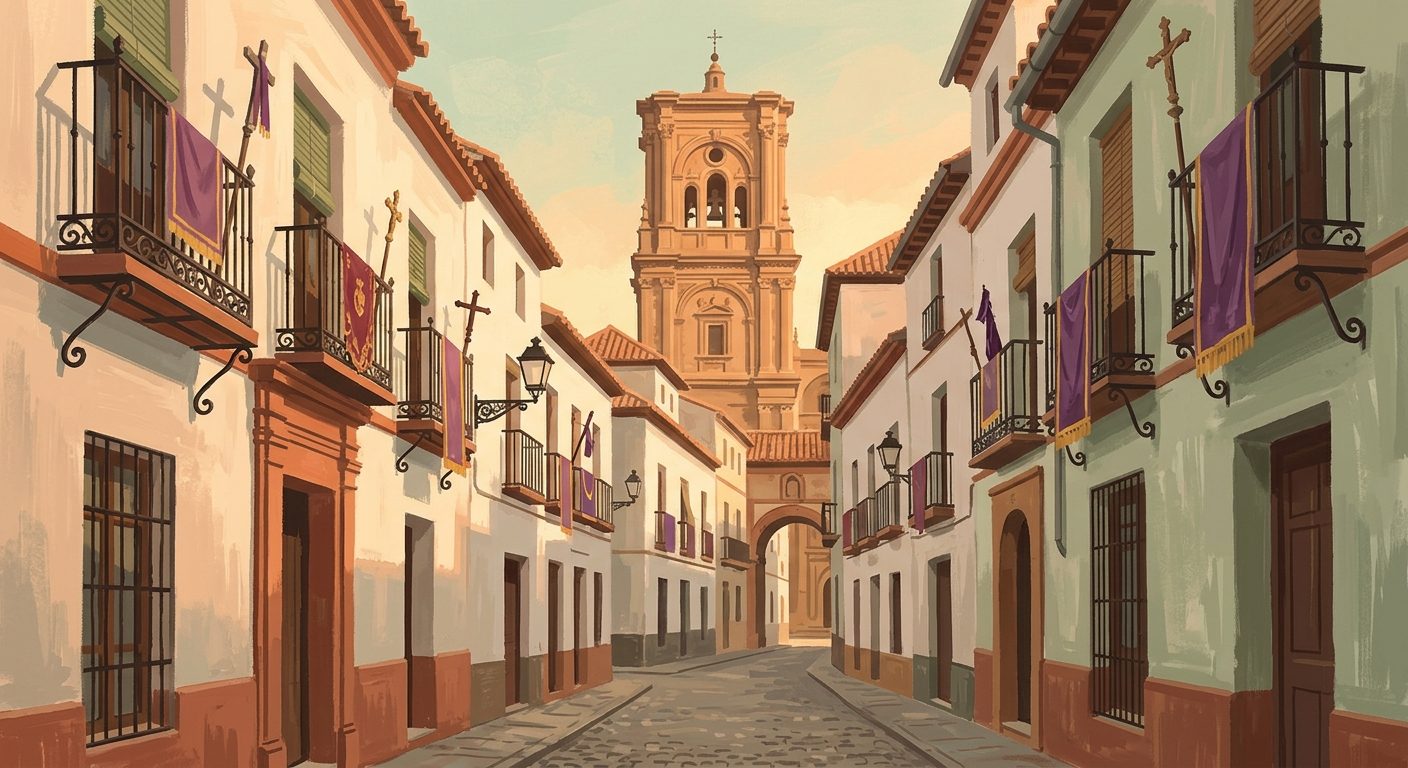
To truly understand Trevélez, you must walk between its three quarters. The Barrio Bajo is the most commercial area, home to several large jamón drying houses (secaderos) and souvenir shops selling local ceramics and rugs (jarapas). As you climb toward the Barrio Medio, the commercial atmosphere fades, replaced by traditional Alpujarran architecture and small plazas. The Barrio Alto is the oldest and most authentic part of the village. Here, the streets are steepest and the views over the valley are most expansive. It is also where you will find the traditional laundry basins (lavaderos) where locals once gathered to wash clothes by hand.
Tour a Jamón Secadero
The high-altitude air of Trevélez is perfect for curing ham without the need for chemical preservatives. The Jamón de Trevélez has held a Protected Geographical Indication (PGI) status since the 19th century, famously favoured by Queen Isabella II. Several secaderos in the Barrio Bajo offer guided tours. You can see thousands of hams hanging in temperature-controlled rooms, slowly maturing over 14 to 30 months. These tours usually end with a tasting, allowing you to sample the sweet, nutty flavour that only the Sierra Nevada breeze can produce.
Hiking to Siete Lagunas and Mulhacén
Trevélez is a paradise for serious hikers. The most iconic route leads from the Barrio Alto up to Siete Lagunas (Seven Lagoons), a stunning glacial cirque at 2,900 metres. This is a demanding trek that takes approximately 7 to 9 hours round trip, involving a steep ascent through pine forests and alpine meadows. For those with even more stamina, the trail continues from the lagoons to the summit of Mulhacén (3,479m). This is a significant undertaking that requires proper mountain gear. While most trails are clear by late June, high-altitude weather remains unpredictable.
The Trevélez River and Trout Fishing
The river flowing through the valley is one of the coldest and cleanest in Andalucía, fed by the melting snow of the high peaks. It is famous for its wild trout. While fishing is regulated and requires a permit from the Junta de Andalucía (Licencia de Pesca Continental), a walk along the riverbanks provides a refreshing escape from the summer heat. The Rio Trevélez also powers several ancient flour mills, some of which are still visible as ruins along the hiking paths leading out of the village.
Practical Information
Getting There
Driving to Trevélez is an experience in itself. From Granada, take the A-44 south towards Motril, then follow signs for the Alpujarra (A-348) and finally the A-4132. The journey takes roughly 1 hour and 45 minutes. The road is narrow and features many hairpin turns, so careful driving is required. If you prefer public transport, the ALSA bus company typically runs three services daily from Granada's main bus station, though schedules vary on Sundays and public holidays. The journey takes approximately 3 hours and 15 minutes; prices usually start from €8.50 each way, but verify the seasonal July timetable on the ALSA website (check on the operator's website before travelling).
Parking
Parking in the upper parts of the village is extremely difficult and not recommended for visitors. There is a large, free public car park in the Barrio Bajo, located near the main entrance to the village. From here, it is a steep but manageable walk to the higher quarters.
Opening Times & Costs
Most shops and ham drying houses are open from 10:00 to 14:00 and 16:30 to 20:00. Guided tours of the secaderos typically cost between €5 and €10, depending on the level of tasting included (check on the operator's website before travelling). Entry to the village and its hiking trails is free. If you plan to visit the local church, the Iglesia de San Benito, it is usually open during mass times on Sundays or by request at the local parish office.
Where to Eat Nearby
Eating in Trevélez is a hearty affair. You cannot leave without trying the Plato Alpujarreño, a mountain feast consisting of fried eggs, potatoes, chorizo, black pudding (morcilla), and, of course, Trevélez ham. Restaurante González in the Barrio Medio is a local favourite, known for its wood-fired oven and exceptional grilled meats. For a more elevated view, Mesón La Fragua in the Barrio Alto offers traditional dishes like trout with ham and almond sauce, served in a dining room that overlooks the valley floor. For a quick snack, any bar in the village will serve a generous tapa of jamón with your drink.
Where to Stay
For a traditional experience, Hotel La Fragua offers comfortable rooms in the Barrio Alto, providing a peaceful environment far from the main road. If you prefer a more rustic setting, Camping Trevélez is located about 1km outside the village; it offers wooden cabins and tent pitches with incredible views of the stars. For those planning an early start for Mulhacén, staying in the Barrio Alto is advantageous as it places you directly at the trailhead.