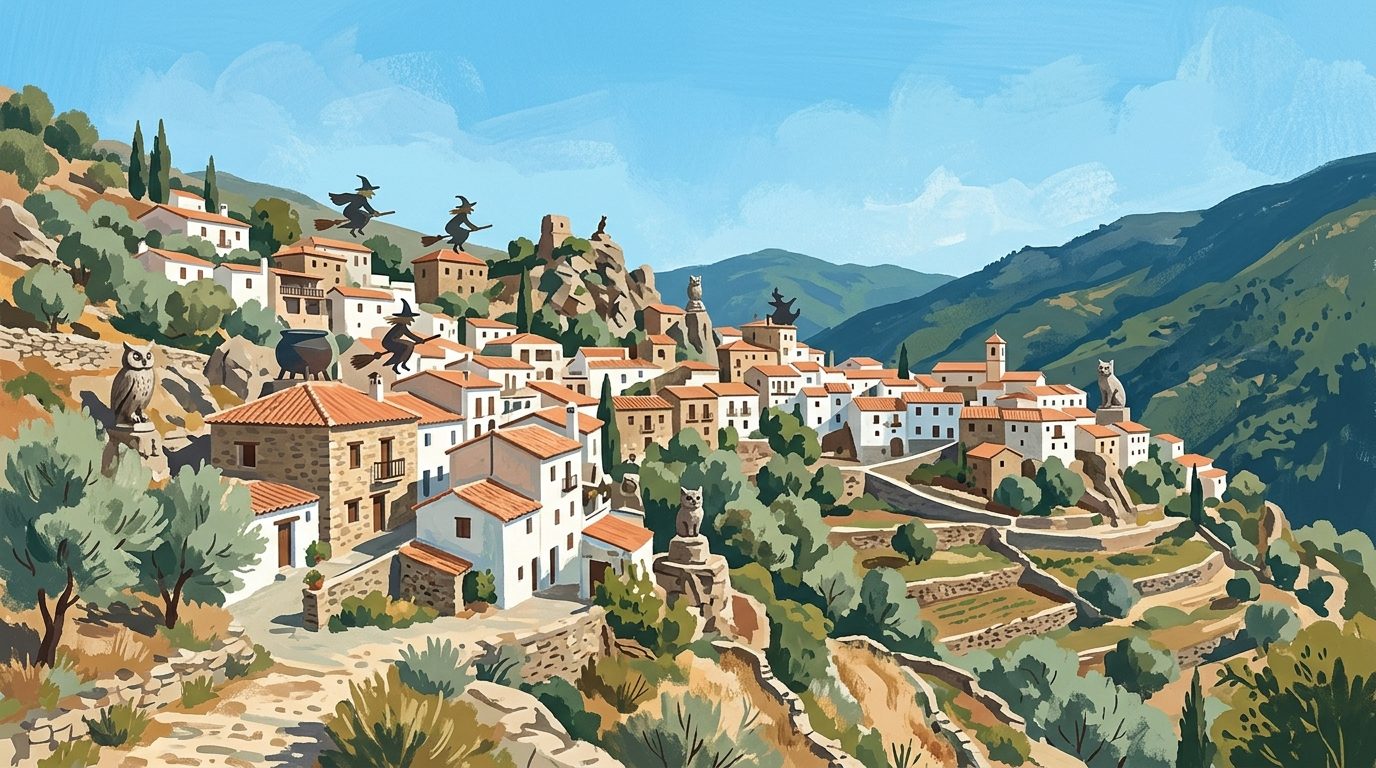
This mountain village has embraced its historical nickname to become a living museum of witchcraft and folklore. Visitors find a peculiar mix of traditional whitewashed streets and giant sculptures inspired by dark fairy tales.
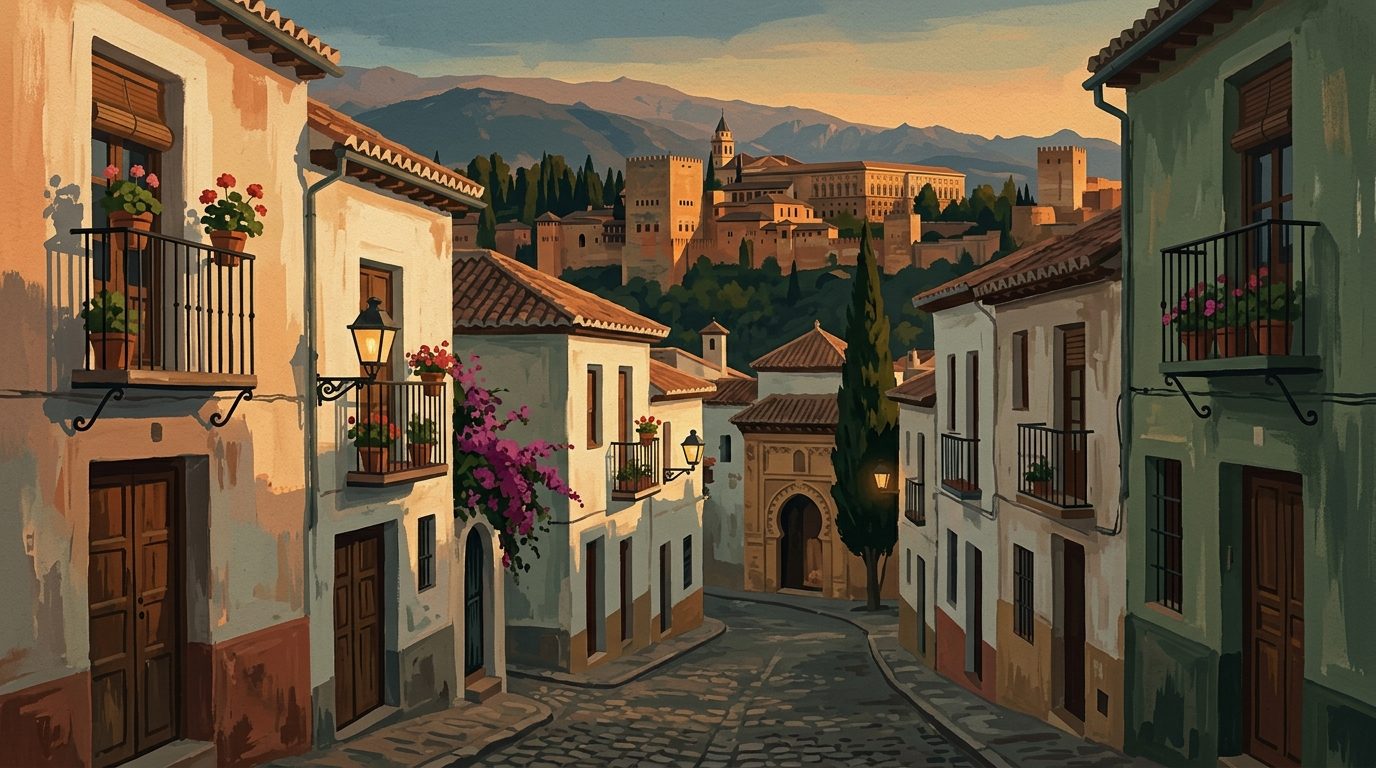
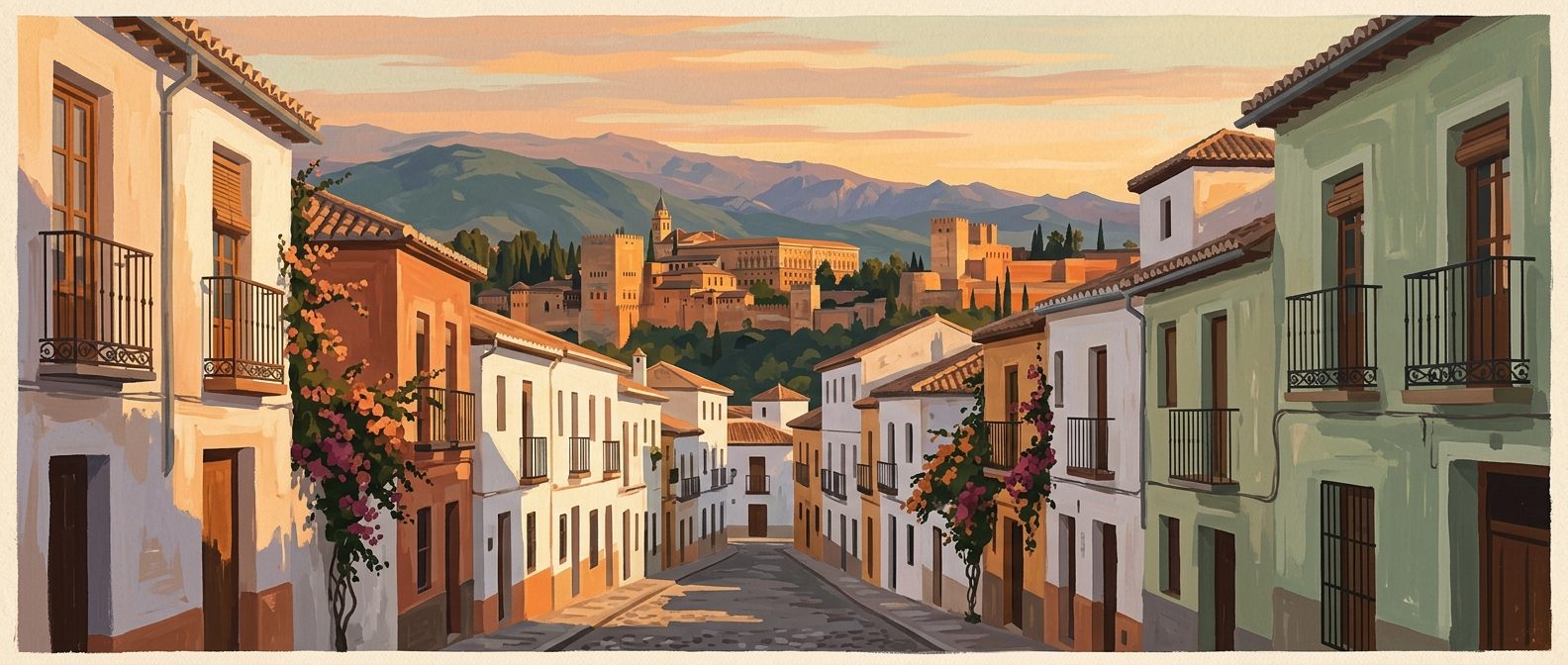
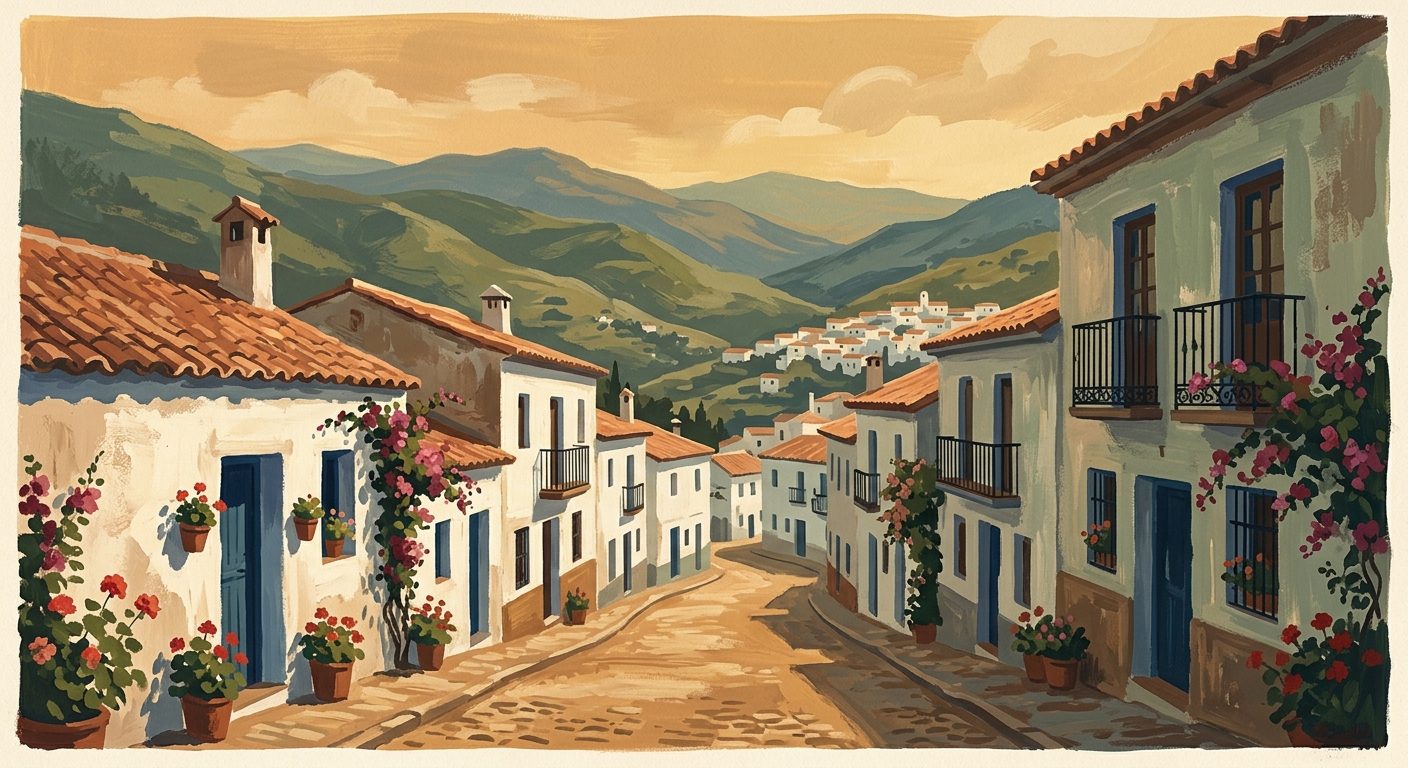
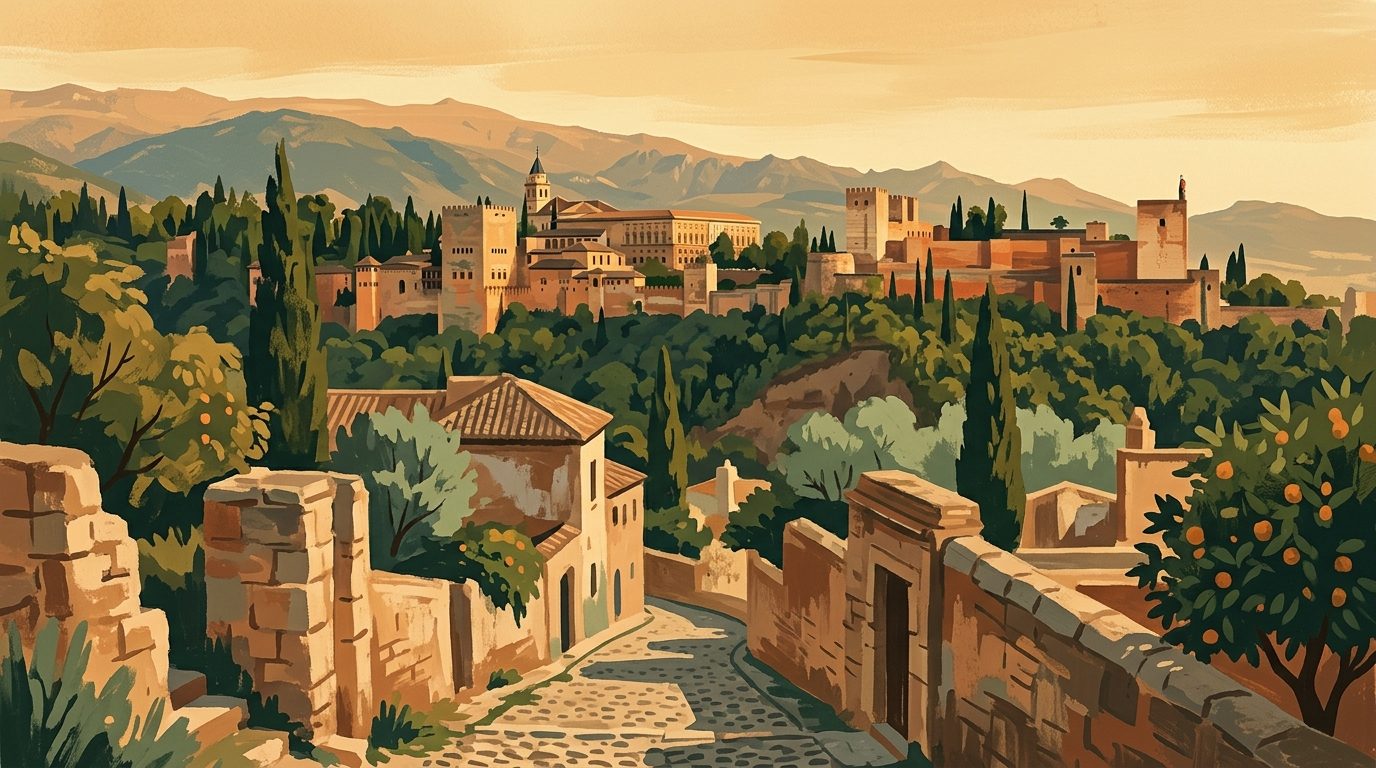
High on the southern slopes of the Sierra Nevada, Soportújar stands apart from its neighbours in the Alpujarra Granadina. While places like Pampaneira and Bubión are known for their carpets and steep moorish streets, Soportújar is famous for its witches. This identity is not a modern marketing invention but is rooted in the village's resettlement after the Christian Reconquest. When families from Galicia moved here in the 16th century, they brought with them Celtic legends and stories of meigas (witches). The surrounding villagers, suspicious of these northern customs, labelled the residents of Soportújar as witches, a title the town has since reclaimed with significant creativity.
Today, the village is an open-air gallery of the macabre and the magical. It serves as a fascinating detour for those exploring the Barranco de Poqueira, offering a playful break from the more solemn historical sites of the region. The project, known as the 'Proyecto Embrujo', has turned the village into a destination where mythology and traditional architecture coexist, providing some of the most unusual photographic opportunities in Andalucía.
What to See & Do
The Head of Baba Yaga
Your arrival in Soportújar is marked by the imposing giant head of Baba Yaga. This Slavic witch, known for living in a hut on chicken legs, is depicted here with weathered features and a piercing gaze. The sculpture sits at the entrance to the village, setting the tone for the rest of the walk. It is a favourite spot for children and photography enthusiasts, serving as the gateway to the 'enchanted' zone.
Mirador del Embrujo and the Witches' Fountain
In the main square, the Plaza de la Iglesia, you will find the Mirador del Embrujo. This viewpoint offers a wide panorama of the surrounding mountains and the Mediterranean in the far distance. Beside the viewpoint are two bronze statues of witches preparing a brew in a large cauldron. Just a few steps away is the Fuente del Dragón, a fountain featuring a large carved dragon. Local lore suggests the water from this fountain has properties that aid fertility, though most visitors simply use it to cool down during the summer months.
La Era de los Aquelarres
To reach the highest point of the village, follow the steep paths up to the Era de los Aquelarres. This former threshing floor has been converted into a thematic viewpoint dedicated to the assembly of witches. From here, the views across the Barranco de Poqueira are exceptional. You will find sculptures of black cats, owls, and a skull-shaped house. It is the best place to appreciate the layout of the village and the way the traditional flat-roofed houses (terraos) cling to the mountainside.
The Hansel and Gretel House
Located near the centre of the village, this building is designed to look like the edible gingerbread house from the Brothers Grimm fairy tale. It currently serves as a small shop and local information point (check on the official tourism website before travelling, as commercial use of village installations can change). The exterior is decorated with sweets and colourful details that contrast sharply with the white lime-wash of the surrounding buildings. It is a short walk from the Calle Zanjaniella, which is reputedly the narrowest street in the village.
The Spider of the Bridge
As you walk through the lower parts of the village, look out for the giant spider sculpture perched on a stone bridge. Part of the charm of Soportújar is that these installations are scattered throughout the residential areas, encouraging visitors to explore the quiet backstreets that might otherwise be overlooked. The juxtaposition of a giant arachnid against a backdrop of drying peppers and geranium pots is a sight unique to this corner of Granada.
Practical Information
Opening Times: As Soportújar is a public village, the main sculptures and viewpoints are accessible 24 hours a day. However, to see the village at its best, arrive before 11:00 or after 17:00 during weekends to avoid the busiest periods.
Ticket Prices: Entry to the village and access to all the outdoor sculptures is free of charge. There are small fees if you choose to enter specific private exhibitions or thematic museums that occasionally open in the peak season.
How to Get There: From Granada, take the A-44 motorway south towards Motril and exit at Órgiva (junction 164). Follow the A-348 and then the A-4132 towards Trevélez. The turn-off for Soportújar is well-signposted. The drive takes approximately one hour and fifteen minutes, though allow extra time during peak weekends when parking queues form.
Parking: Parking inside the village is strictly prohibited for non-residents. There is a designated car park at the entrance of the village. During weekends and public holidays, a small fee (usually around €2 to €5; check on the official town hall website for current rates) is charged to manage the flow of traffic. It is advisable to park here rather than attempting to navigate the narrow village roads, which often lead to dead ends.
Where to Eat Nearby
For a traditional experience, Restaurante El Olivo offers classic Alpujarreño dishes. Their Plato Alpujarreño, a hearty combination of loin, chorizo, black pudding, potatoes, and fried eggs, is a local staple. The restaurant has a terrace that provides shade during the afternoon.
Taberna de Romero is another excellent choice, particularly for its tapas and grilled meats. It sits near the main square, making it a convenient spot to rest after exploring the sculptures. They often serve local Granada wines that pair well with their cured meats and cheeses. If you prefer a lighter bite, several small bakeries in the village sell empanadas and traditional sweets.
Where to Stay
Accommodation within Soportújar consists primarily of small rural houses and apartments, such as El Mirador de la Bruja, which offer a quiet atmosphere once the day-trippers have left. For those seeking more traditional hotel services, the nearby villages of Pampaneira or Capileira offer a wider selection of hostals and boutique hotels. Staying overnight in Soportújar allows you to experience the village at dusk when the shadows from the sculptures create a truly atmospheric environment.