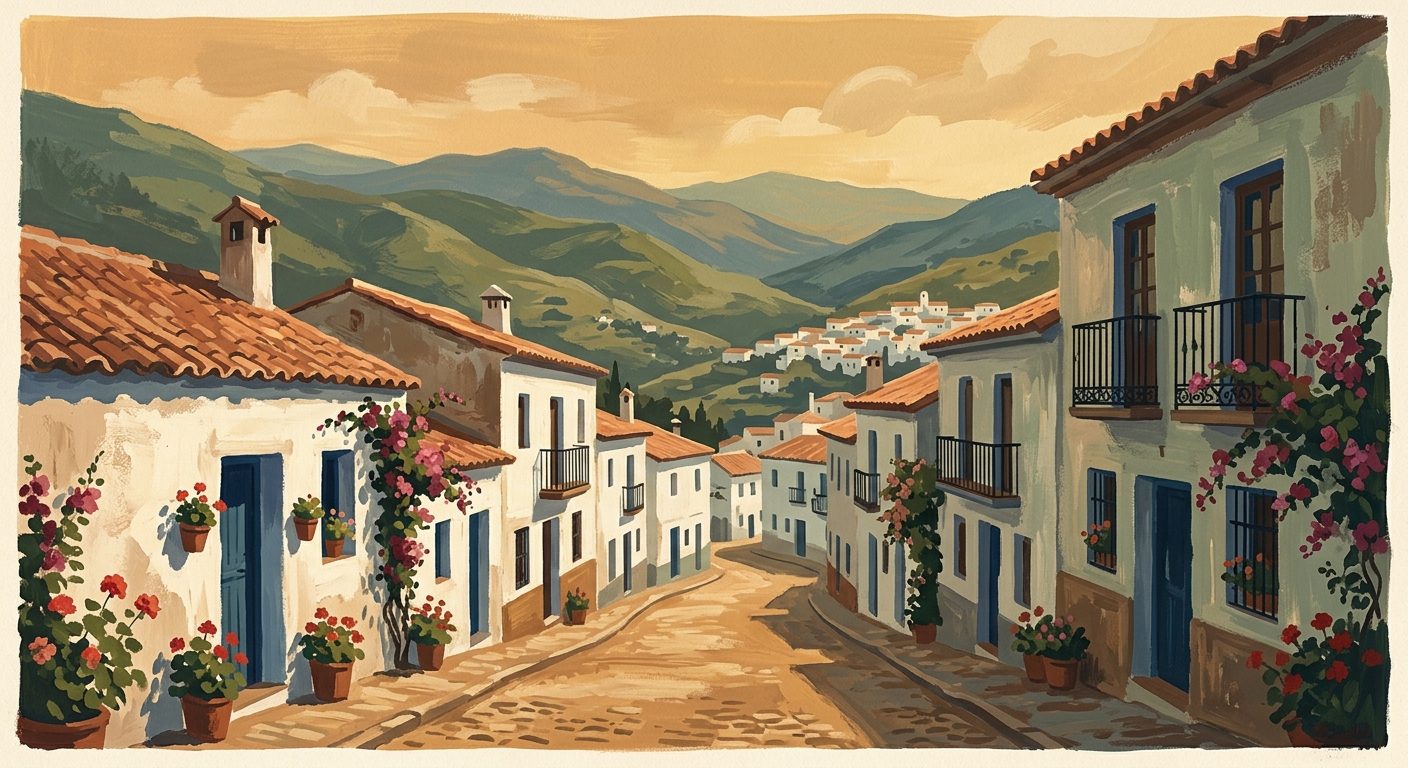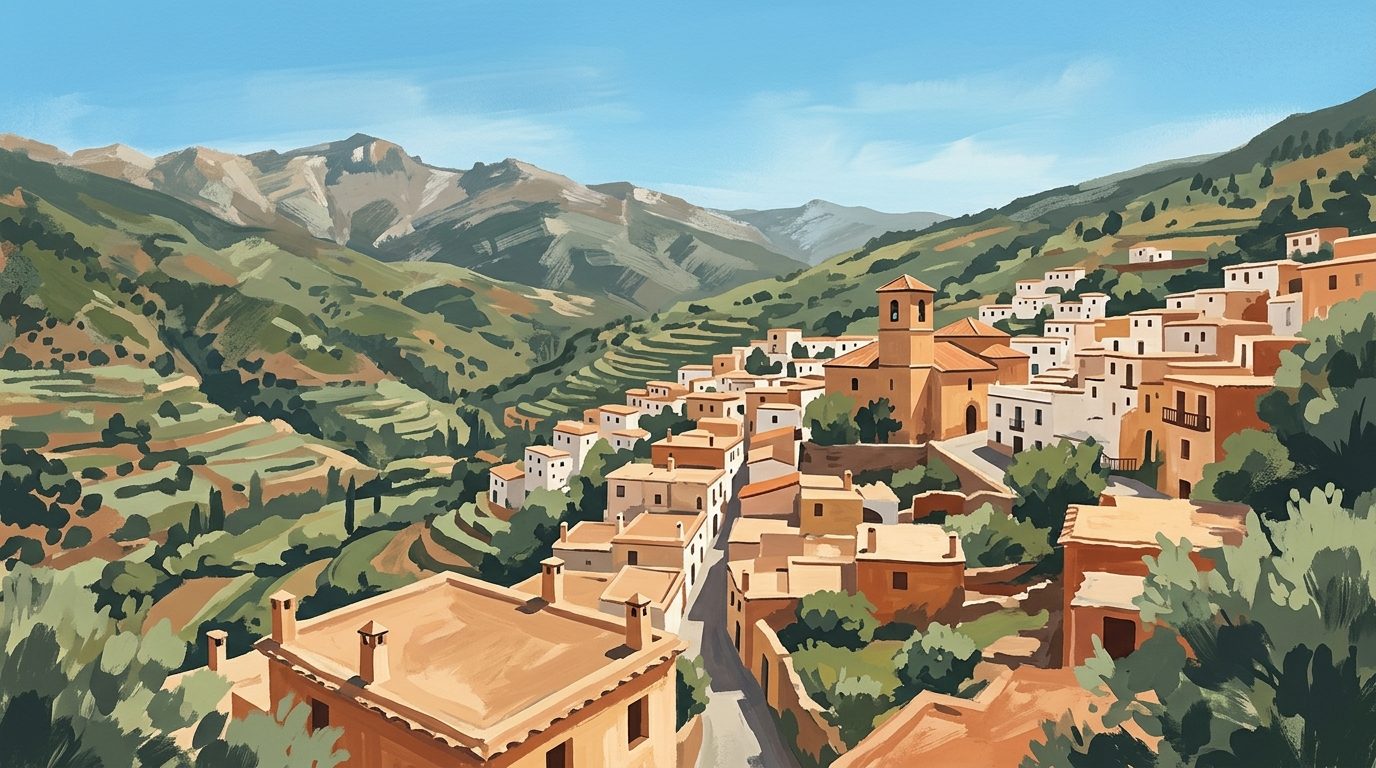
At 1,436 metres above sea level, Capileira is the highest of the three villages clinging to the Poqueira gorge. This whitewashed settlement serves as the final outpost of civilisation before the rugged slopes of the Sierra Nevada take over.
Capileira is the crowning glory of the Barranco de Poqueira, a deep ravine on the southern slopes of the Sierra Nevada mountains. While its neighbours, Pampaneira and Bubión, are equally beautiful, Capileira offers a distinct sense of elevation and space. Its name derives from the Latin capitellum, meaning 'heights', and the village lives up to the title. From almost any street corner, the views stretch across the valley to the Mediterranean on clear days, while the snow-capped peaks of Mulhacén and Veleta loom directly behind the rooftops.
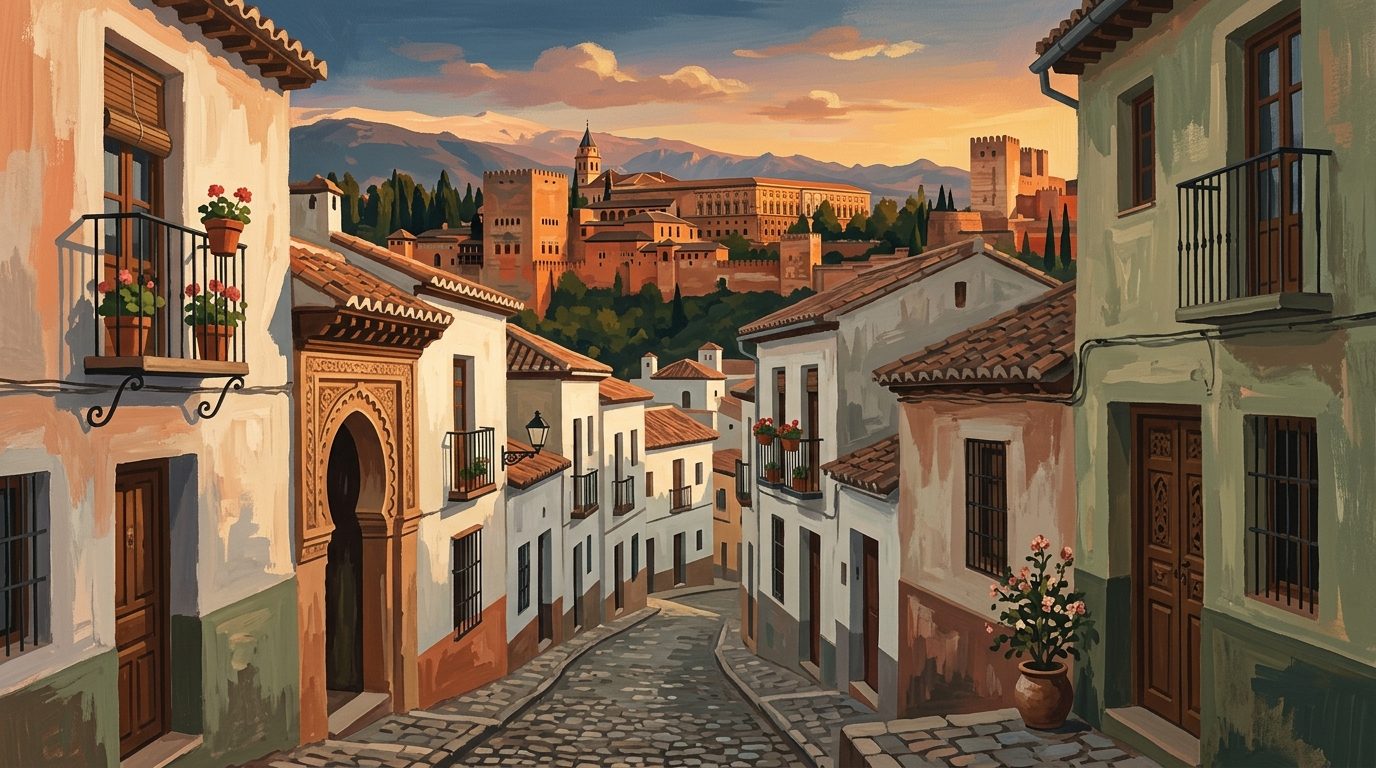
The village is defined by its Berber-style architecture, a legacy of the Moorish inhabitants who sought refuge in these high valleys during the Reconquista. Today, Capileira is a protected historical site, where the air is crisp, the water from the fountains is ice-cold, and the pace of life remains tethered to the seasons. Capileira provides a base that is both rugged and remarkably hospitable.
What to See and Do
The Traditional Architecture and 'Tinaos'
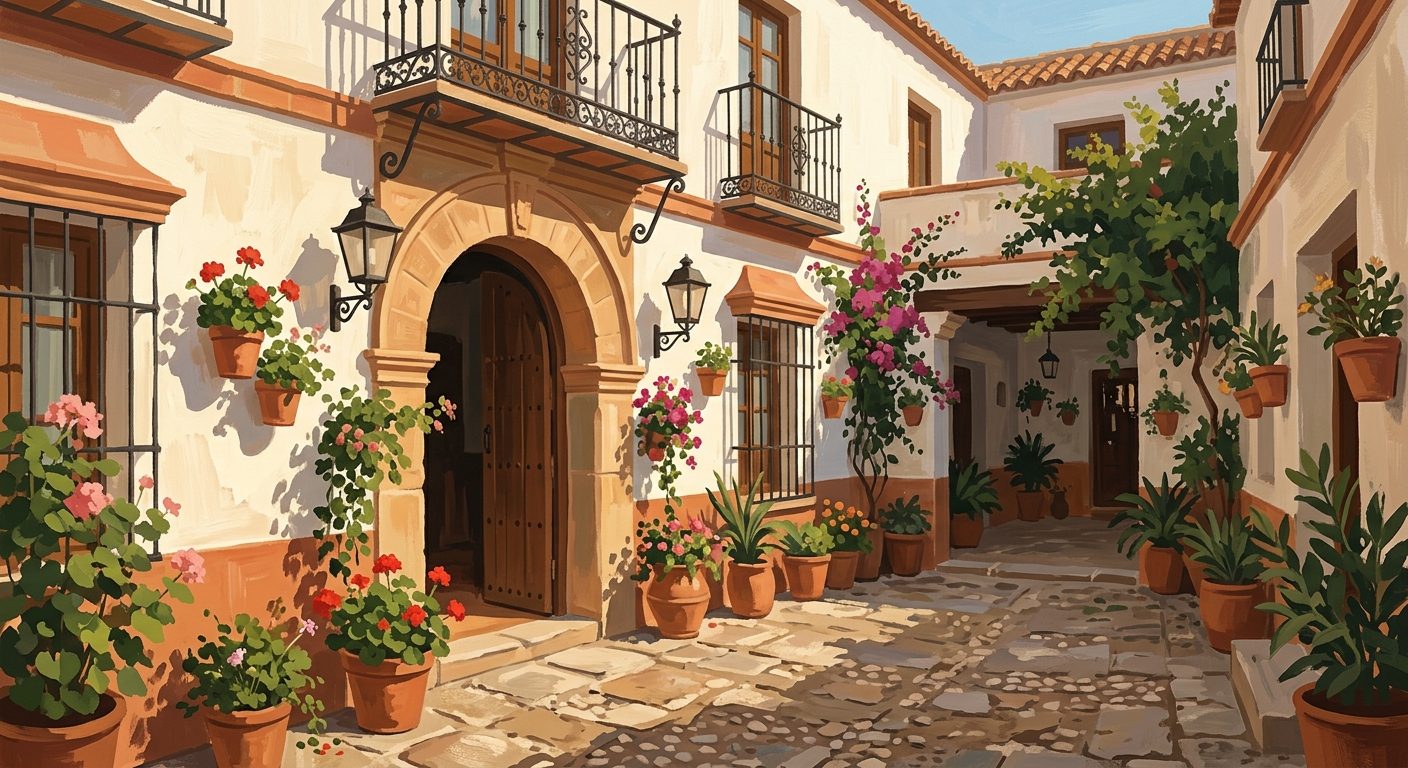
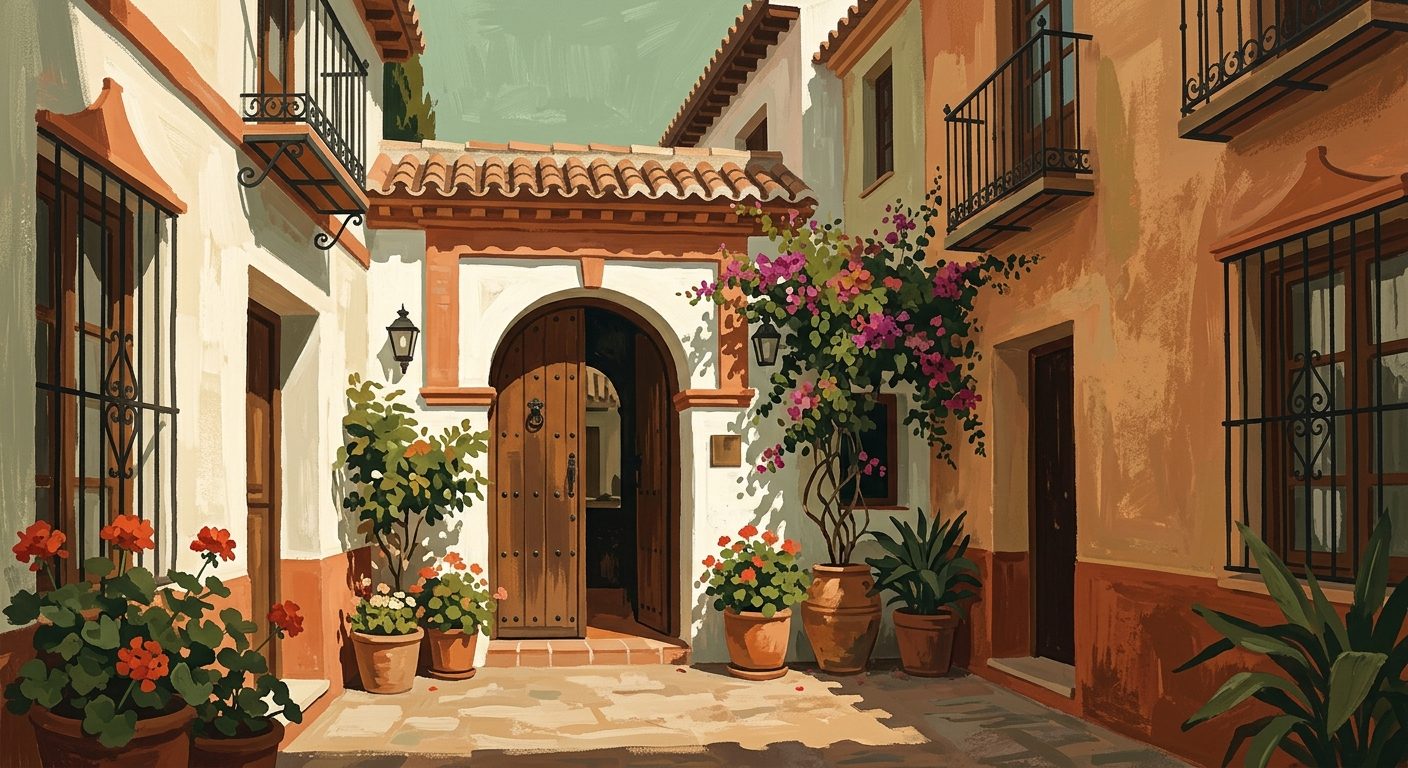
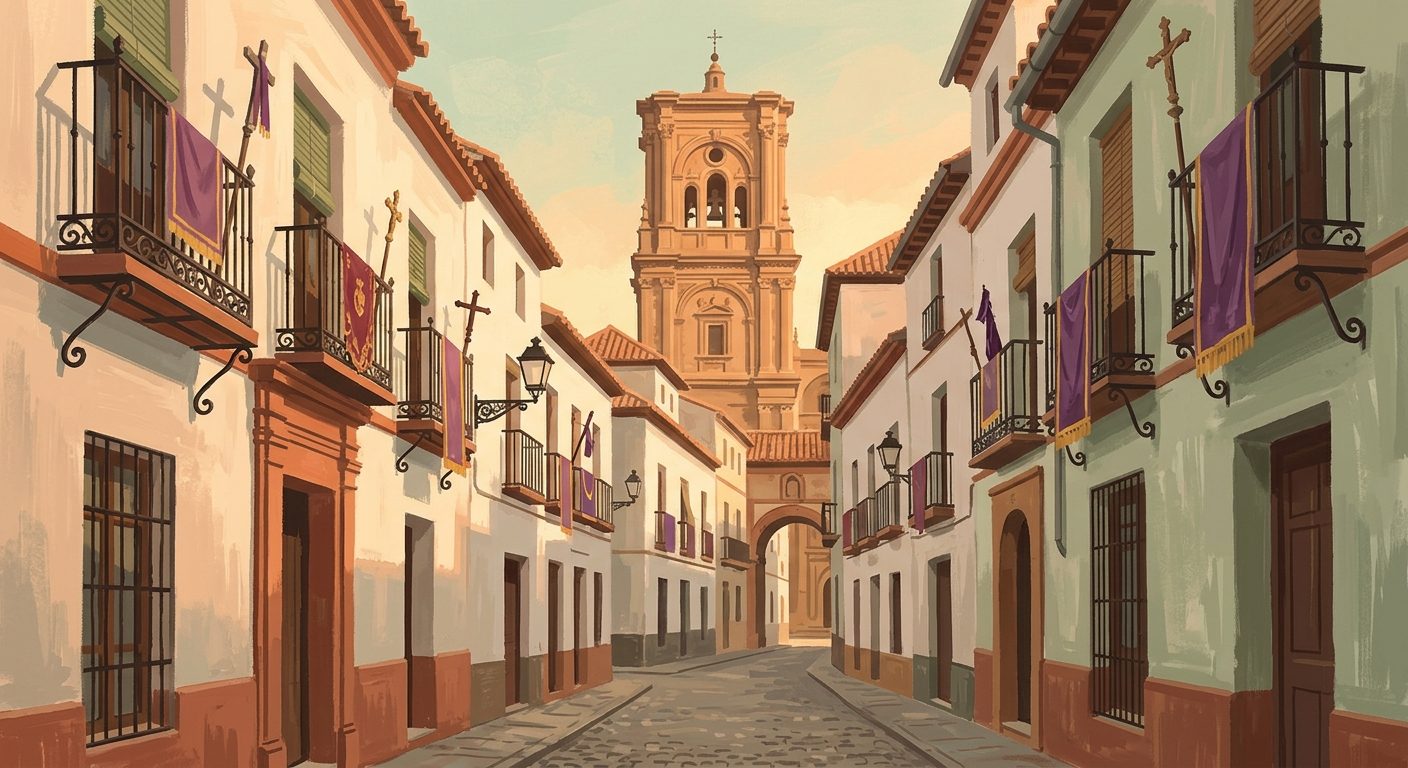
The greatest pleasure in Capileira is simply walking. The village is built into the hillside in a series of terraces, with flat-roofed houses made of stone, slate, and a waterproof clay known as launa. Keep an eye out for the tinaos: architectural passageways that bridge the street between two houses. These covered spaces were designed to provide shelter from the sun in summer and snow in winter, often featuring heavy wooden beams and stone pillars.
As you wander, look up at the distinctive cylindrical chimneys topped with slate 'hats'. These are more than decorative; they are designed to prevent the fierce mountain winds from blowing smoke back into the hearths. The lower barrio (district) is particularly quiet and atmospheric, where the narrow paths are often shared with mules carrying wood or supplies to more inaccessible houses.
Casa-Museo Pedro Antonio de Alarcón
Located in the Calle Mentidero, this museum is housed in a traditional Alpujarran building. It is named after the 19th-century writer from Guadix who famously documented his travels through the region in his book La Alpujarra. The museum serves a dual purpose: it commemorates the life of Alarcón and functions as an ethnographic centre. Inside, you will find two floors of exhibits displaying agricultural tools, traditional weaving looms, and household items that offer a window into the self-sufficient mountain life of previous centuries.
Iglesia de Nuestra Señora de la Cabeza
The village church stands on the site of a former mosque. While the current structure dates largely from the 18th century, its Mudéjar origins are evident in its simple, sturdy lines. Inside, the golden Baroque altarpiece is a striking contrast to the whitewashed simplicity of the exterior. The church square is a natural focal point for the village, often serving as the setting for local festivals, including the traditional chestnut-roasting celebrations (Mauraca) in November.
Hiking the High Peaks
Capileira is the primary gateway for those looking to summit Mulhacén (3,479m). During the summer months, the High Peaks Interpretation Service (SIAC) operates a microbus that takes hikers from the village up to the Alto del Chorrillo at 2,700 metres. This significantly reduces the ascent time, making it possible to reach the summit and return to the village in a single day.
For those preferring a shorter route, the La Cebadilla circuit is exceptional. This 8km circular trail starts at the top of the village, follows the upper edge of the Poqueira gorge to an abandoned hydroelectric village, and returns along the riverbed. It takes roughly three to four hours and offers some of the best perspectives of the agricultural terraces that still line the valley walls.
Artisan Shopping
The Alpujarra is famous for its jarapas: colourful, hand-woven rugs made from recycled fabric. Capileira has several workshops where you can see the looms in action. Beyond textiles, look for high-quality leather goods, local honey, and the famous almond-based sweets that reflect the area's Moorish heritage.
Practical Information
Getting There and Parking
The drive from Granada takes approximately 90 minutes. Follow the A-44 towards Motril, then take exit 164 for Lanjarón and the Alpujarras. The road (A-4132) is well-maintained but extremely winding; take care on the narrow stretches between Bubión and Capileira.
Parking inside the village is difficult and generally discouraged. There is a large public car park at the southern entrance of the village (near the bus stop) and another smaller area at the northern end. Both are free, but they fill up quickly on weekends and bank holidays. It is best to park at the entrance and explore on foot.
Bus Services
ALSA operates a regular service from Granada Bus Station to Capileira. There are typically three departures daily; however, timetables change seasonally and on public holidays. Tickets cost around €8 each way (check the official ALSA website before travelling for current prices and schedules). The journey takes approximately 2 hours and 15 minutes. Note that the bus stops in several villages along the way, including Órgiva and Pampaneira.
Museum and Services
Casa-Museo Pedro Antonio de Alarcón: Open Tuesday to Sunday, 11:00 to 14:00. Closed on Mondays. Entry is approximately €2. It is always wise to check local signage as hours can shift seasonally.
SIAC Bus (Sierra Nevada National Park): This service typically runs from late June to October, depending on snow conditions. Reservations are essential and can be made at the Information Point near the village entrance, by calling +34 958 76 30 90, or by consulting the Sierra Nevada National Park website. The return ticket is approximately €13 per person.
Where to Eat Nearby
For authentic mountain fare, El Tilo in the main square is a reliable favourite. Its terrace is the perfect spot for people-watching while enjoying a Plato Alpujarreño: a hearty combination of fried eggs, potatoes, chorizo, blood sausage, and serrano ham. Another excellent choice is El Corral del Castaño, located near the northern car park. This restaurant offers a more refined take on local ingredients, specialising in game meats like wild boar and venison. For a quick tapas break, Bar El Tinao is popular with locals and serves generous portions of goat's cheese and local cured meats.
Where to Stay
Hotel Finca Los Llanos is the largest hotel in the village, offering comfortable rooms and a swimming pool with views across the ravine. It captures the rustic style of the area while providing modern amenities. For a more intimate experience, Hotel Rural Alfajía de Antonio is a charming guest house located in a quiet street. Its rooms are traditionally decorated with local textiles, and the roof terrace provides an unmatched panorama of the Sierra Nevada peaks.