Órgiva serves as the administrative heart of the Alpujarras, offering a bridge between the high mountain peaks and the tropical valley floor. It is a town defined by its eclectic mix of traditional Spanish life and an international community that has called these valleys home for decades.
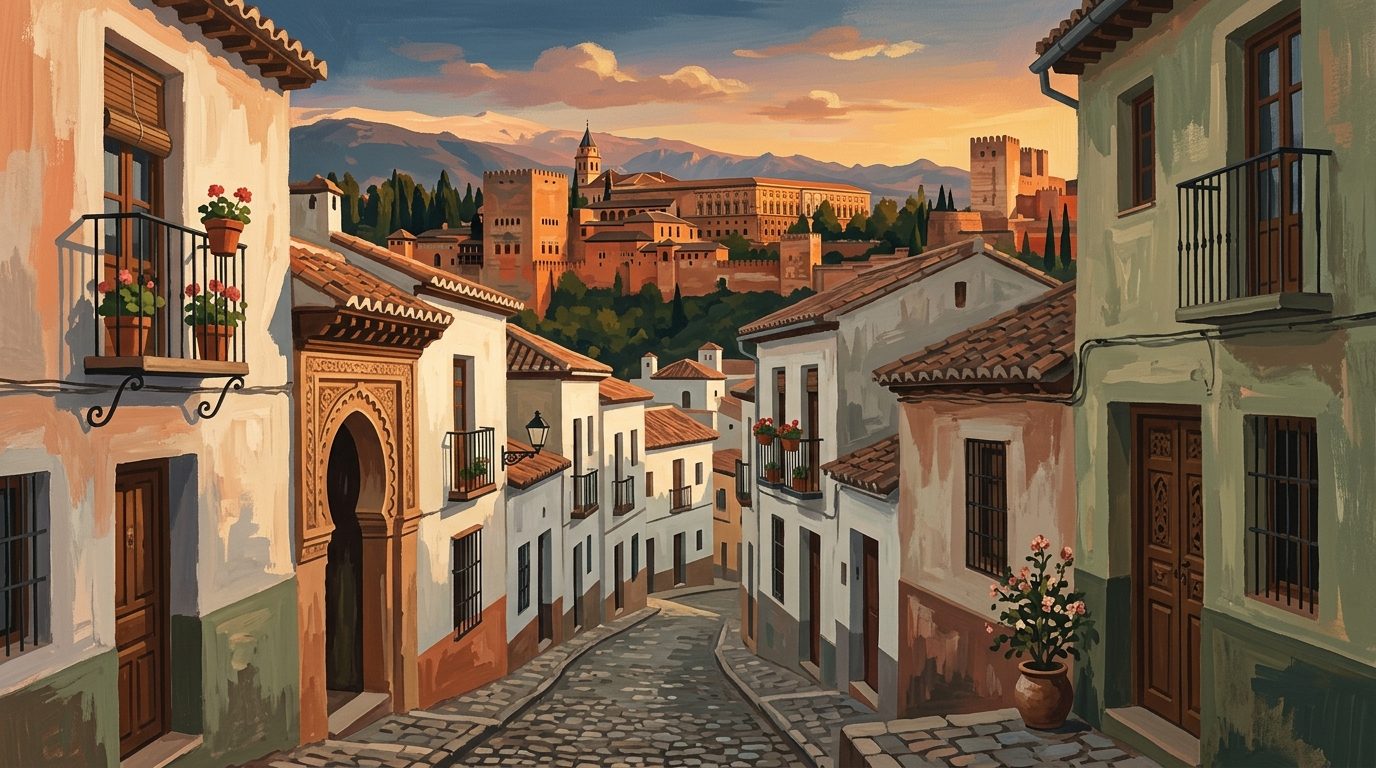
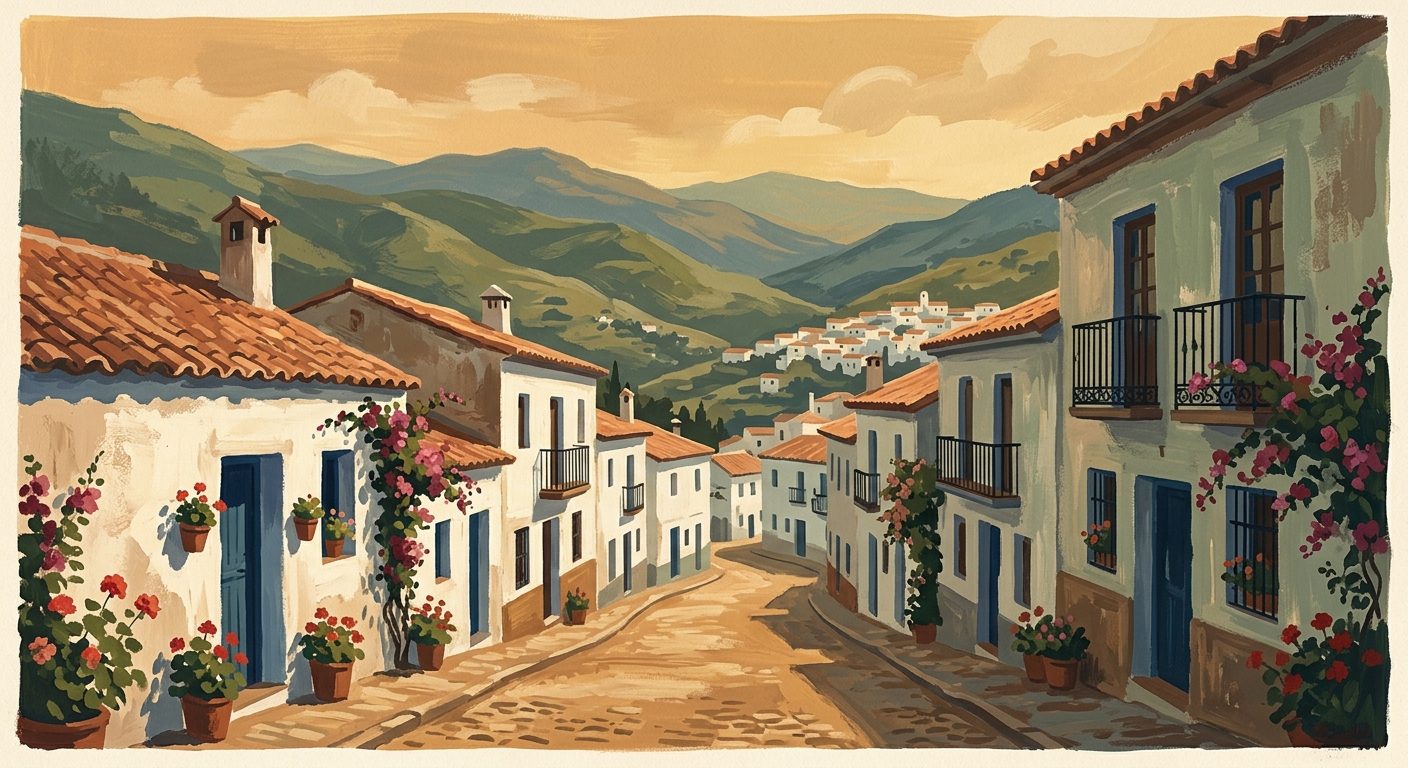
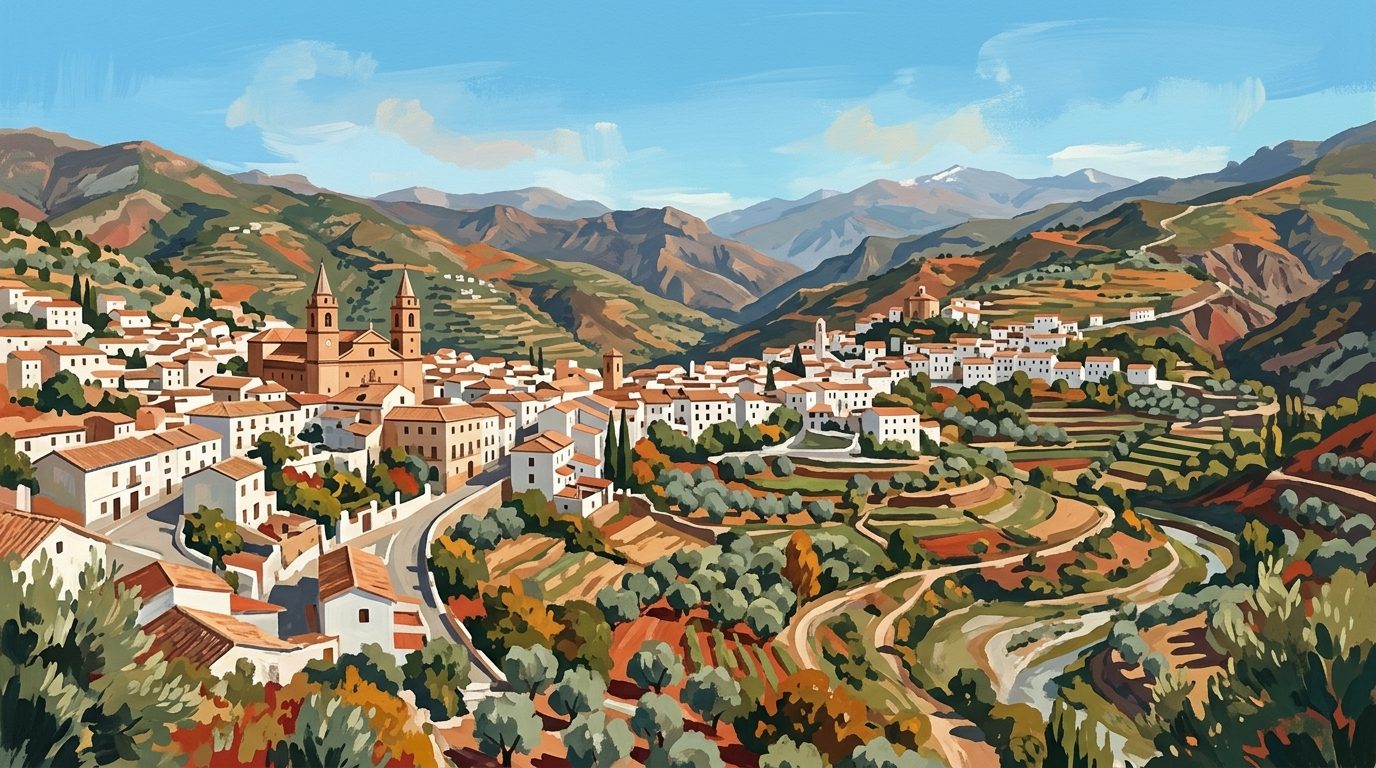
While many visitors to the Alpujarra head straight for the white-washed heights of the Barranco de Poqueira, skipping Órgiva means missing the true pulse of the region. Situated in a fertile valley where the Guadalfeo and Chico rivers meet, this market town sits at an elevation of 450 metres. It enjoys a milder climate than its higher neighbours, allowing citrus trees and olive groves to flourish alongside the rugged scenery of the Sierra Nevada foothills. It is not your typical postcard-perfect Alpujarran village; instead, it is a functional, lived-in town with a distinct character shaped by a centuries-old Spanish agricultural heritage and a 50-year influx of international seekers, artists, and alternative thinkers.
The town serves as a crossroads. On one side of the main road, you will find elderly men in flat caps discussing the almond harvest over a glass of local wine; on the other, you might see a Sufi dervish in traditional robes or a family from an eco-community purchasing organic supplies. This social blend creates an atmosphere found nowhere else in Andalucía. It is a place of practical utility, where the high mountain villagers come to do their banking and legal paperwork, but also a place of creative energy and spiritual diversity.
What to See & Do
The Parish Church of Nuestra Señora de la Expectación
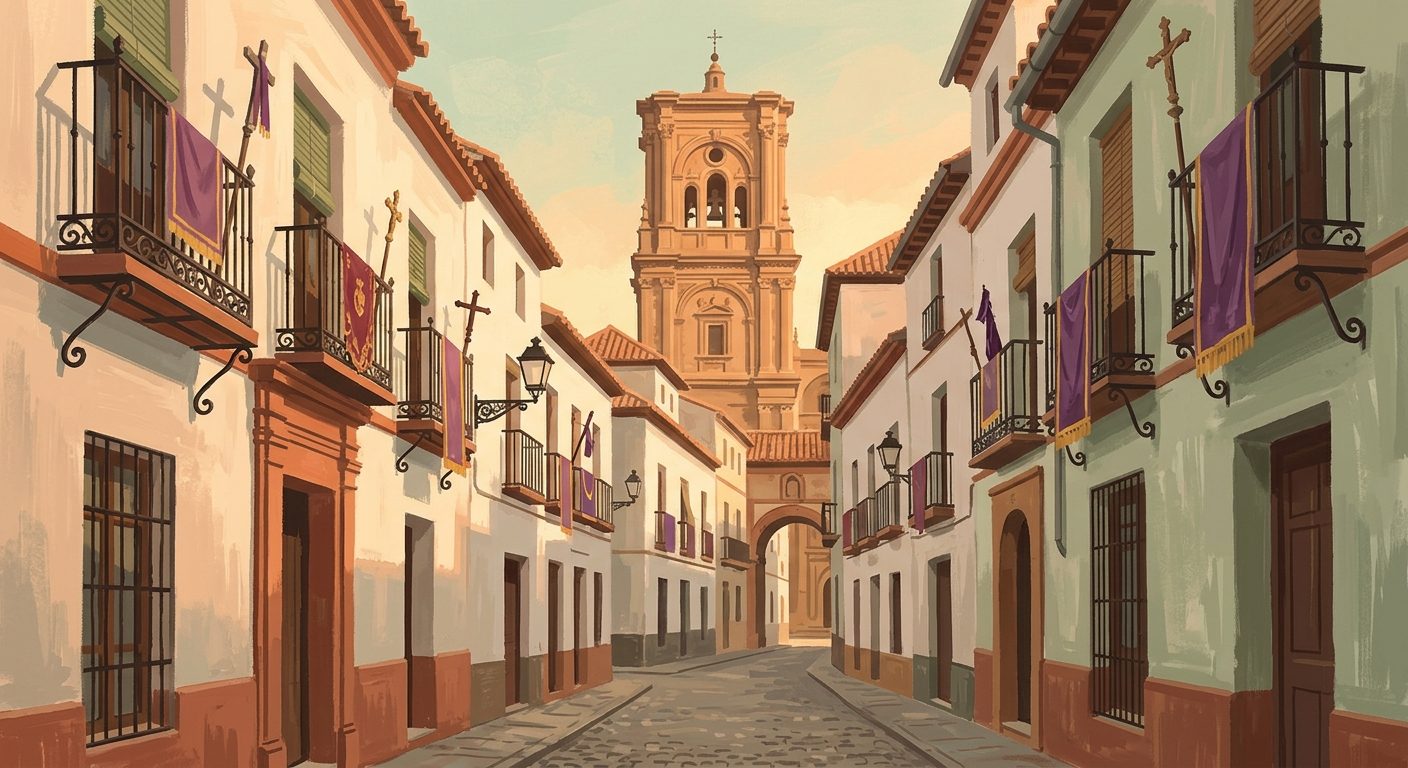
The defining silhouette of Órgiva is formed by the twin spires of the Iglesia de Nuestra Señora de la Expectación. This 16th-century building, largely reconstructed in the late 18th century, features a striking Baroque façade. The interior is equally impressive, housing a celebrated image of Christ, the Cristo de la Expiración, carved by the school of Martínez Montañés. Local lore suggests that during the Civil War, the townspeople protected this statue with such fervour that it remained unscathed. The church towers are visible from almost every approach to the town, acting as a permanent landmark against the backdrop of the Lújar and Nevada mountain ranges.
The Thursday Market
Every Thursday morning, the town transforms for its weekly market. This is the largest outdoor market in the Alpujarras and draws people from throughout the province. Located primarily around the upper part of the town, in and around the Plaza de la Alpujarra and surrounding streets, it is a sensory experience. Stalls overflow with seasonal produce: huge Raf tomatoes, locally grown avocados, and the famous Alpujarran lemons. Beyond the food, the market reflects the town's alternative spirit, with stalls selling handmade incense, bohemian clothing, intricate jewellery, and ecological soaps. It is the best time to see the town at its most animated, though it is wise to arrive early to secure a parking spot.
The Sala Cervantina and the Public Library
One of the most surprising cultural assets in Órgiva is its extraordinary collection of Miguel de Cervantes’ masterpiece, Don Quixote. Housed in the public library (Biblioteca Pública Hurtado de Mendoza), the Sala Cervantina contains copies of the book in more than 80 different languages. This collection began in the mid-20th century and has grown through donations from world leaders and visitors. You can find versions in Esperanto, Braille, and dozens of obscure dialects. It shows the town's outward-looking nature and its unexpected connection to the pinnacle of Spanish literature.
The Century-Old Olive Grove Route
For those who wish to explore the natural surroundings without a strenuous mountain climb, the Ruta de los Olivos Centenarios is an excellent choice. This signposted circular walk takes you through the outskirts of the town where some olive trees are believed to be over a thousand years old. These gnarled, sculptural giants are part of the town's agricultural backbone. The path offers clear views of the high peaks of the Sierra Nevada to the north and the deep valley of the Guadalfeo to the south. The walk is relatively flat and takes about two hours at a leisurely pace.
Alternative Communities and the Sufi Mosque
Órgiva is famous for being home to one of the largest Sufi communities in Europe. While the community is integrated into the town, they maintain a mosque and a communal way of life in the Pago de Beneficio area. This international influence extends to various eco-settlements nearby. While these are private residences and not tourist attractions, the influence is felt in the town's health food shops, yoga studios, and the general tolerance for diverse lifestyles. It is common to see workshops advertised for everything from permaculture to transcendental meditation in the local cafés.
Practical Information
Opening Times: Most shops in Órgiva follow the traditional siesta schedule, opening from 09:00 to 14:00 and reopening from 17:00 to 20:00. The Thursday market begins around 09:00 and starts packing away by 14:00. The Public Library and Sala Cervantina are typically open Monday to Friday, 09:00 to 14:00, but hours can vary; we recommend confirming with the Órgiva tourist office (+34 958 785 582) before visiting.
Ticket Prices: There are no entry fees for the church or the Cervantes library, though a small donation to the church is always appreciated. The olive grove walks are free of charge.
How to Get There: From Granada city, Órgiva is approximately a 75-minute drive. Take the A-44 motorway south towards Motril, exiting at junction 164 for the A-348 towards Lanjarón and Órgiva. ALSA operates a regular bus service from the Granada bus station, with several departures daily; the journey takes roughly 1 hour and 30 minutes (check the Granada to Órgiva route on the ALSA website or the local bus station for the most current fares and seasonal timetables).
Parking: On non-market days, parking is relatively easy along the main avenue or in the car park near the Rio Chico. On Thursdays, however, the town becomes extremely crowded. It is recommended to park on the outskirts near the entrance to the town (by the petrol station) and walk the five minutes into the centre.
Where to Eat Nearby
Bar El Limonero: This is a local favourite for its peaceful garden terrace. It offers a menu that caters well to the town's diverse population, featuring excellent vegetarian options alongside traditional Spanish tapas. The atmosphere is relaxed, making it a perfect spot for a long lunch under the shade of fruit trees. Their homemade lemonade is a must-try during the summer months.
Restaurante El Camping: Located slightly out of the town centre at the campsite, this restaurant is renowned for its hearty, traditional Alpujarran cuisine. It is one of the best places to try the Plato Alpujarreño, a robust mountain meal consisting of fried potatoes, peppers, eggs, ham, morcilla (black pudding), and chorizo. The portions are generous and the service is friendly.
Pizzeria El Atasque: Reflecting the town's international flavour, this spot serves thin-crust pizzas cooked in a wood-fired oven. It is popular with locals and expats alike, offering a reliable, high-quality alternative to traditional Spanish fare in a casual setting.
Where to Stay
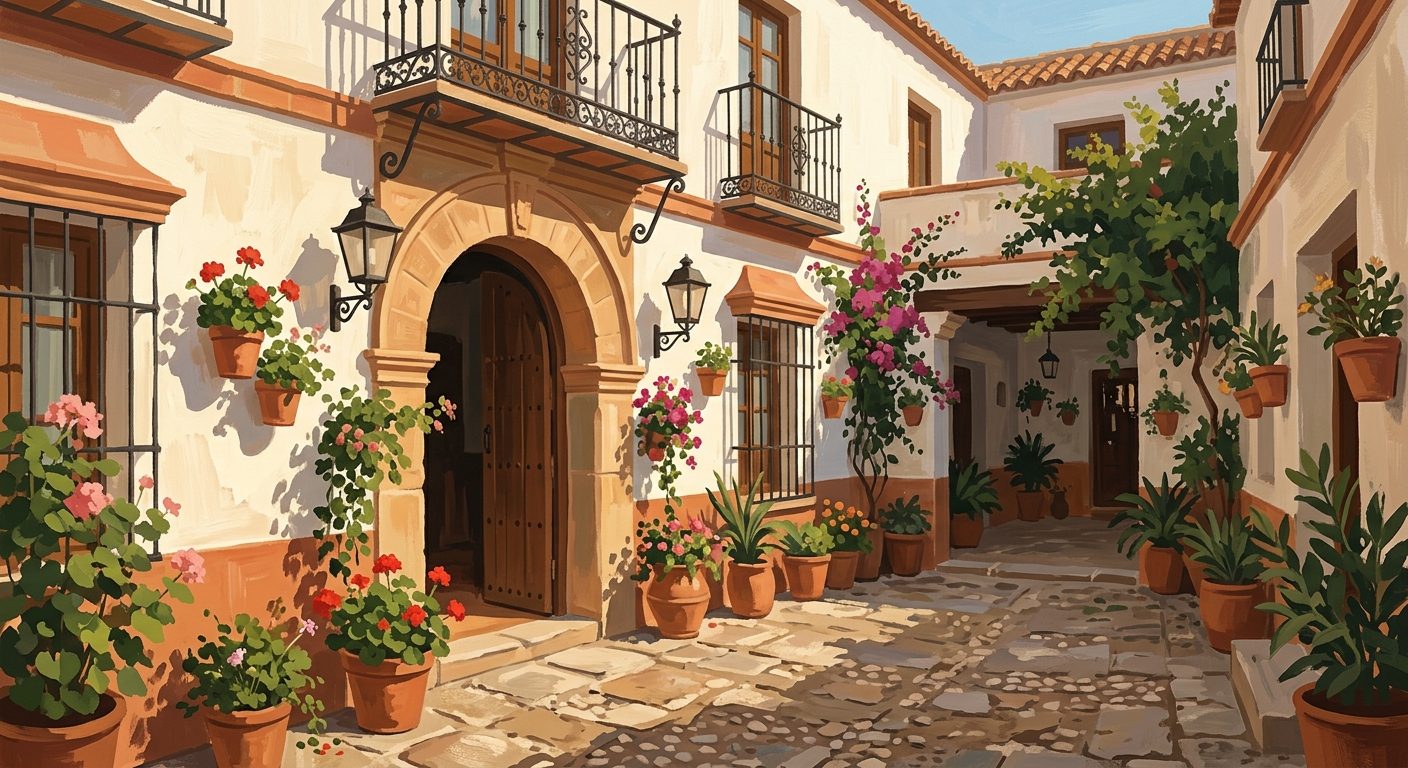
Accommodation in Órgiva ranges from traditional townhouses to rural retreats. Hotel Taray Botánico is a stand-out option, situated just outside the town centre. It features expansive botanical gardens and a swimming pool, offering a quiet escape from the town's activity. For those seeking a more rustic experience, numerous cortijos (farmhouses) are available for short-term holiday rentals in the surrounding valley, providing a base for exploring both the town and the high mountain trails.