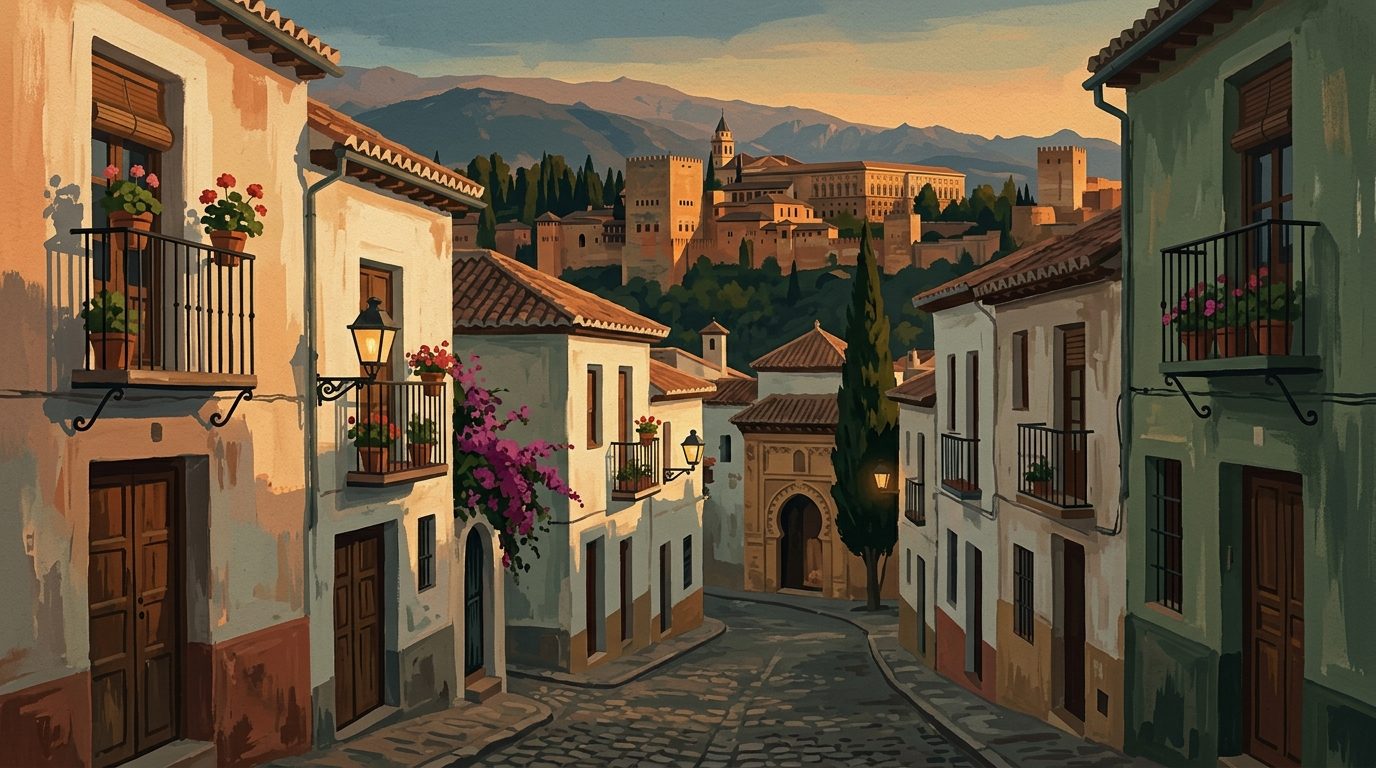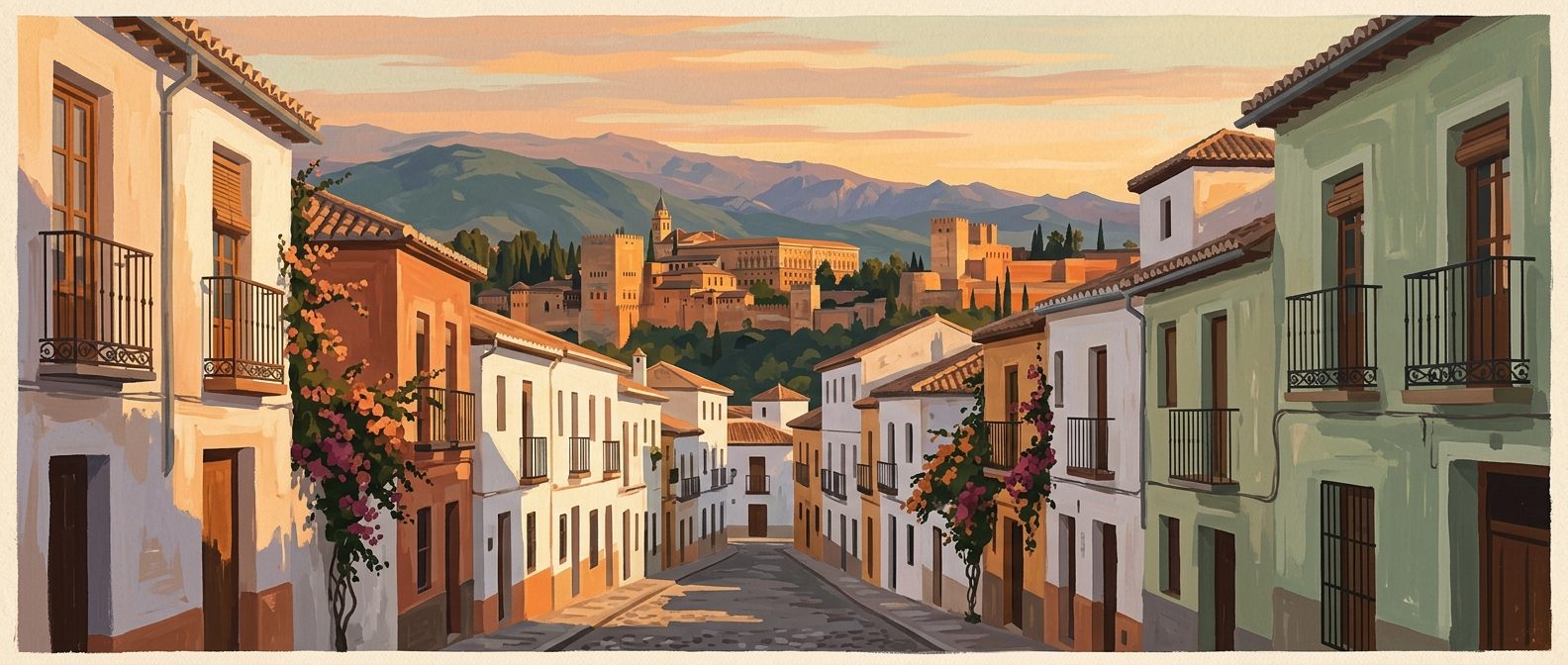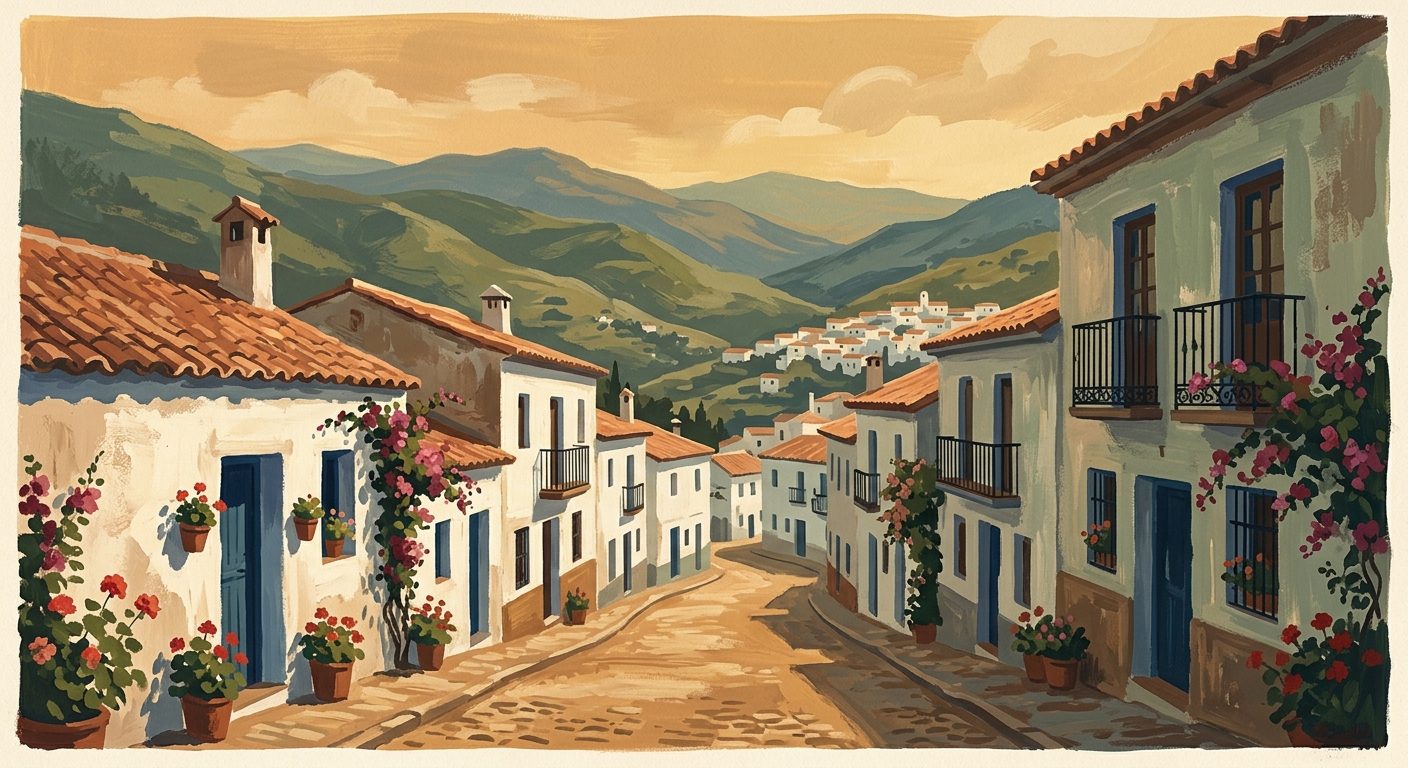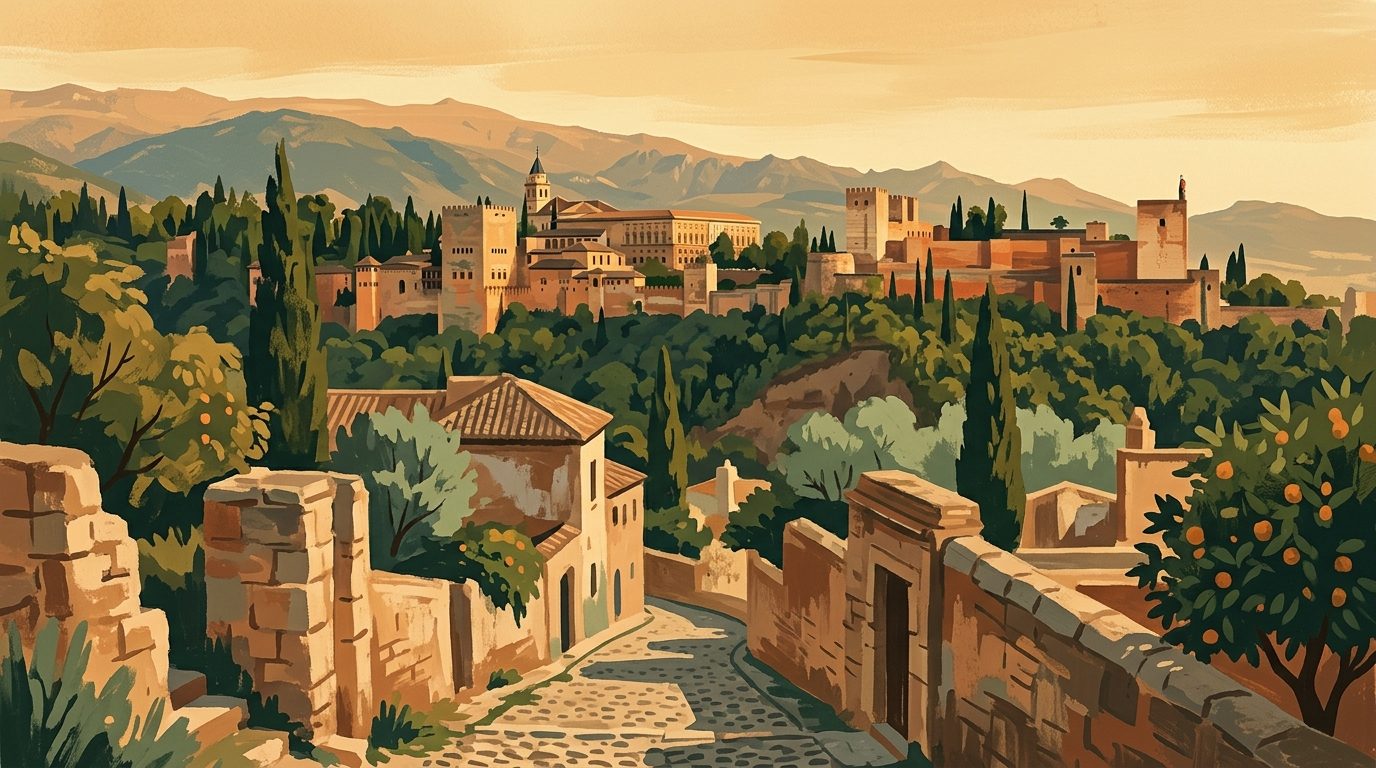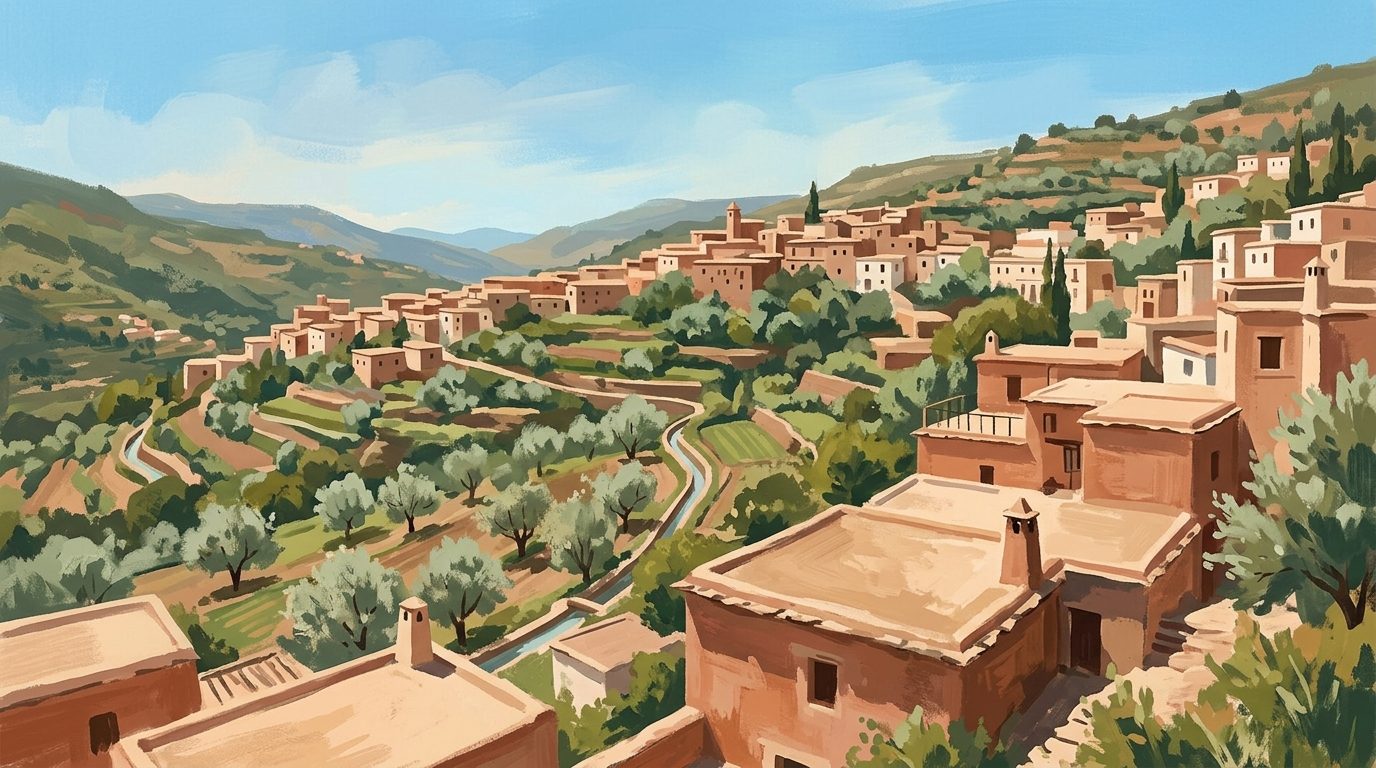
La Taha offers a slower pace of life than the famous villages of the Poqueira Gorge, preserving a landscape of terraced farms and medieval water systems. It is the ideal base for walkers looking to experience the authentic rural character of the Granada mountains.
While the famous trio of Pampaneira, Bubión, and Capileira draws the majority of visitors to the Alpujarra Granadina, those who travel just a few miles further east find a more tranquil alternative. Pitres is the administrative centre of the municipality known as La Taha, a collection of seven distinct hamlets that cling to the southern slopes of the Sierra Nevada. This area retains a character that feels remarkably untouched by modern tourism, defined by its steep, narrow streets, flat-roofed houses, and an intricate network of Moorish irrigation channels known as acequias.
The name 'La Taha' is a linguistic relic of the Nasrid Kingdom of Granada, referring to an administrative district. Today, exploring this area involves moving between Pitres, Capilerilla, Mecina Fondales, Mecinilla, Fondales, Ferreirola, and Atalbéitar. Each hamlet has its own identity, yet they are all linked by ancient mule tracks and the sound of running water. For a visitor, La Taha provides a window into the traditional agricultural life of the mountains, where the air smells of woodsmoke in winter and jasmine in the summer.
What to See & Do
The Central Hub of Pitres
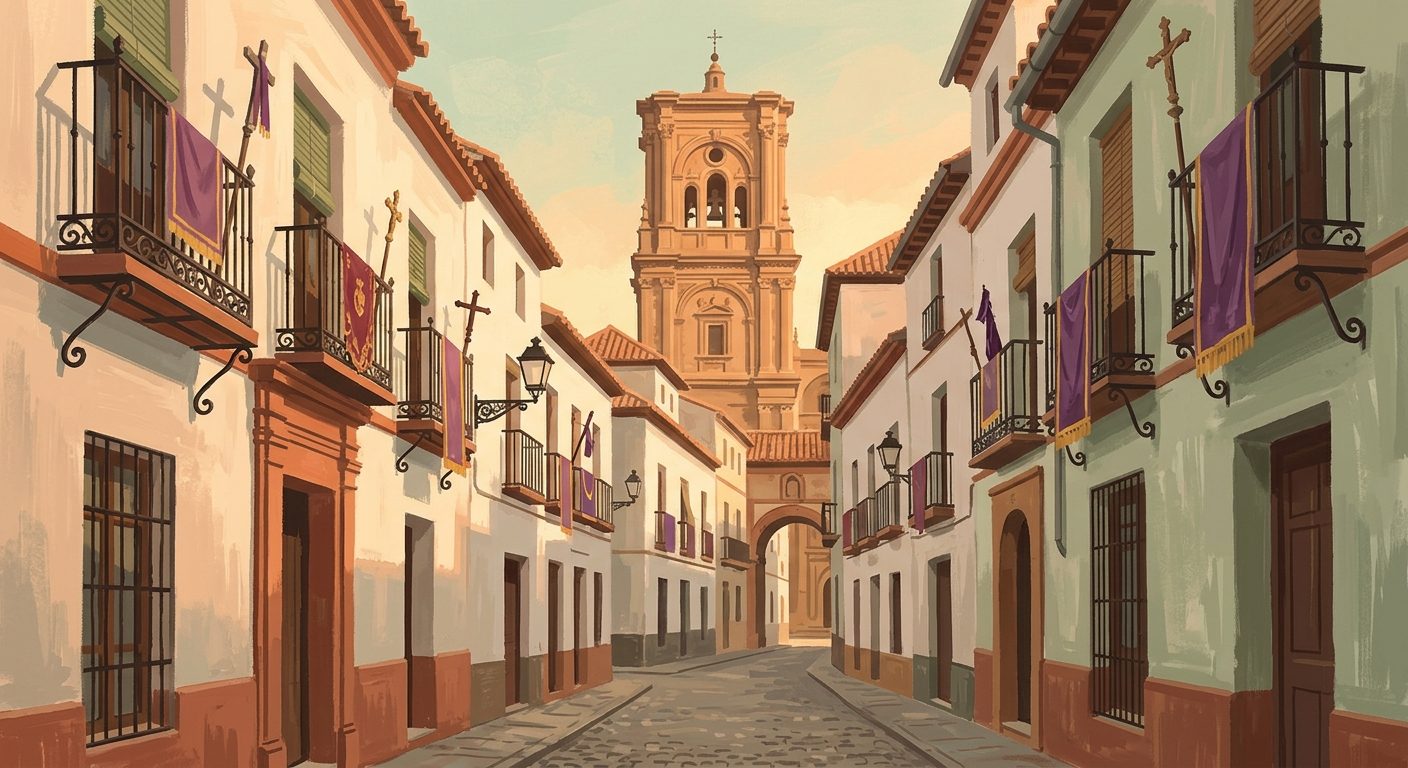
Pitres is the largest village and serves as the social heart of the municipality. Unlike the purely whitewashed villages elsewhere, the architecture here is functional and sturdy. The main square, Plaza de la Constitución, is where local life unfolds. It is home to the 16th-century Church of San Cristóbal, which was built over the site of a former mosque. The church tower is a prominent landmark, visible from the surrounding hiking trails.
On Friday mornings, the square transforms for the weekly market. This is an excellent place to observe the local culture; you will see farmers in flat caps selling oversized tomatoes, local honey from the Sierra Nevada, and hand-woven rugs (jarapas). Pitres also has a quirky local legend: in the 19th century, the residents famously petitioned for a harbour despite being located 1,200 metres above sea level. This self-deprecating humour remains part of the village identity today.
Ferreirola and the Sour Water Spring
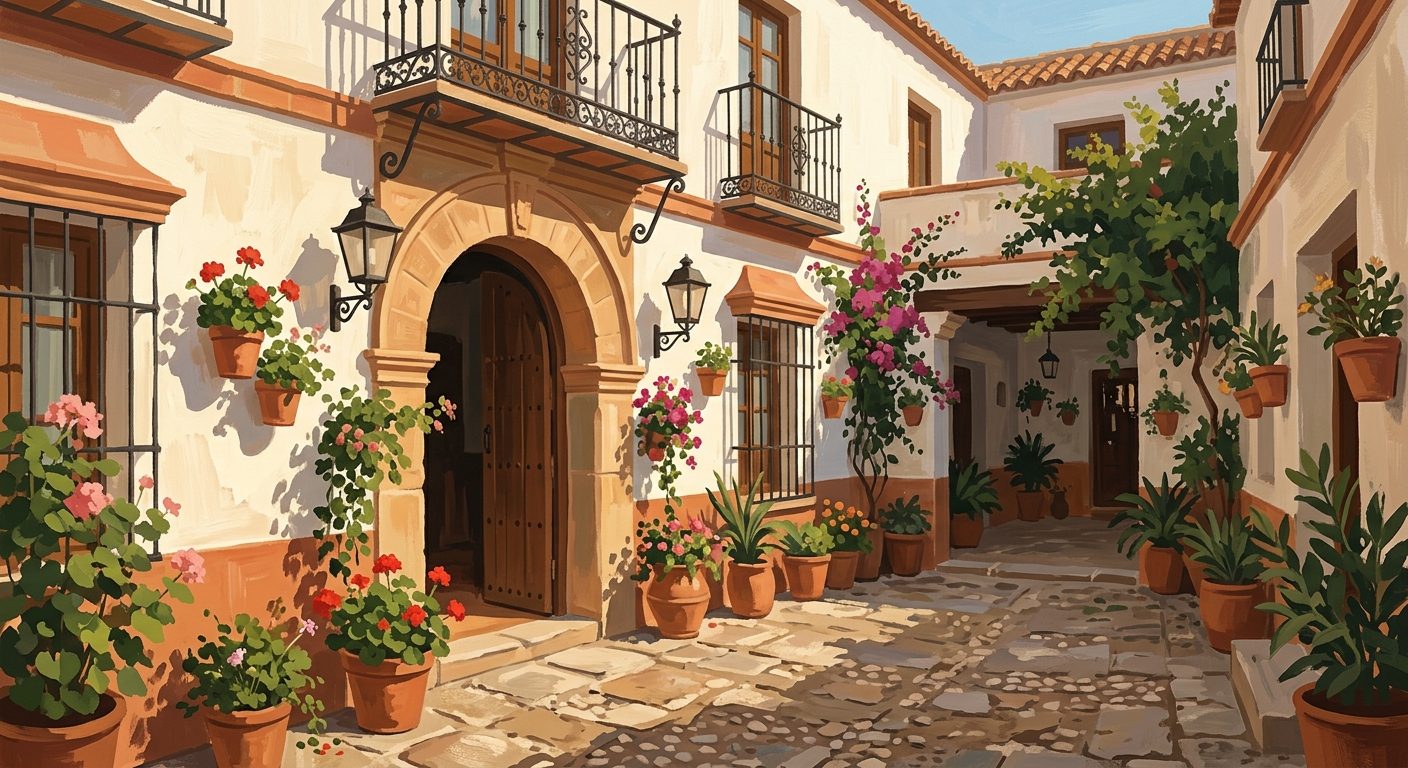
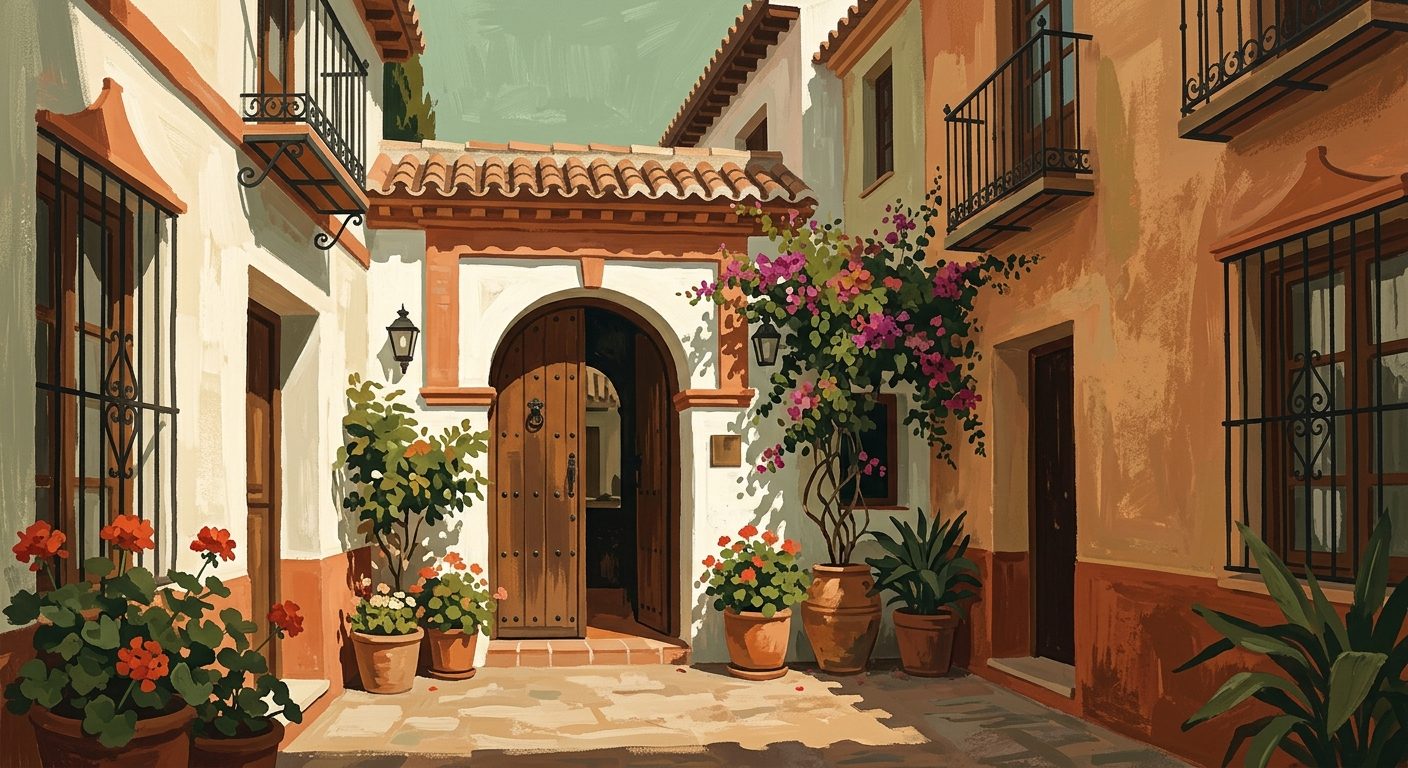
Ferreirola is arguably the most attractive of the smaller hamlets. Its architecture is a textbook example of the 'Berber style': houses built into the slope with flat roofs made of 'launa' (a waterproof clay) and distinctive 'tinaos', which are covered walkways that span the street. The village is famously quiet, with no through-traffic for cars in many of its narrowest alleys.
The main draw in Ferreirola is the Fuente de la Gaseosa. This natural spring produces water that is naturally carbonated and high in iron. It has a sharp, metallic taste that locals swear by for its health properties. You will often see residents from across the valley filling up glass bottles at the stone trough. The walk down from Pitres to Ferreirola takes you through terraced orchards of almond and fig trees, providing some of the best views in the region.
Mecina Fondales and the Medieval Bridge
Mecina Fondales is actually a group of three small neighbourhoods: Mecina, Mecinilla, and Fondales. Walking through Fondales feels like stepping back several centuries. The streets are exceptionally narrow, designed to provide shade and protection from the mountain winds. Following the path downhill from Fondales leads you to the Rio Trevélez. Here, you can cross a medieval stone bridge that once formed part of the main silk route through the mountains. The descent is steep, but the riverside is a cool, shaded spot perfect for a rest before the climb back up.
Hiking the Acequia Routes
The defining feature of the landscape around La Taha is the acequia system. These irrigation channels were engineered by the Moors over a thousand years ago to direct snowmelt from the high peaks down to the village crops. There are several well-marked trails, such as the PR-A 299 (Ruta de la Taha), which connect the hamlets. Walking alongside an acequia is a peaceful experience, as the gentle trickle of water accompanies you through groves of ancient chestnut trees and past small vegetable patches (huertos) where locals still grow potatoes and beans using traditional methods.
Practical Information
Getting There
Pitres is approximately 75 kilometres from Granada city. The drive takes about an hour and fifteen minutes. From Granada, take the A-44 south towards Motril, then take the exit for Lanjarón and Órgiva (A-348). Follow the signs for the Alpujarra Alta/Pampaneira, and stay on the A-4132 past the turn-off for the Poqueira Gorge. The road is incredibly winding and narrow in places; drive with caution and expect to encounter local buses or cyclists on blind bends.
Public Transport
The ALSA bus service runs from Granada's main bus station to Pitres. The journey takes roughly two hours and fifteen minutes. Tickets typically cost between €7.50 and €10.00 each way, though it is essential to check the ALSA website for the most current fares, seasonal adjustments, and daily departure frequencies before travelling. Be aware that the bus stops in several villages along the route, so it is a slow but scenic journey. It is advisable to book tickets in advance through the ALSA website or app, especially during the summer months.
Parking and Access
In Pitres, there is a public car park located just off the main road at the entrance to the village, and parking is generally available in the main square except on market days (Friday). In the smaller hamlets like Ferreirola or Fondales, parking is extremely limited. It is best to park in Pitres and explore the other hamlets on foot. The paths between villages are well-signposted but involve significant elevation changes, so sturdy walking shoes are essential.
Opening Times
Most shops in Pitres follow the traditional siesta schedule, opening from 09:00 to 14:00 and then again from 17:00 to 20:00. On Sundays, almost everything except for a few cafes will be closed. The local pharmacy in Pitres operates on a rota system with other villages in the valley.
Where to Eat Nearby
L’Atelier (Mecina Fondales): This is one of the most respected vegetarian restaurants in the province. Located in a beautiful house with a terrace, it offers creative dishes using locally sourced organic produce. It is essential to book ahead and check seasonal opening days, as it is popular with locals and hikers alike.
Restaurante El Mirador (Pitres): Situated on the edge of the village, this restaurant offers a terrace with sweeping views across the valley towards the Contraviesa mountains. The menu focuses on hearty Alpujarran staples like 'Plato Alpujarreño' (potatoes, eggs, ham, sausage, and peppers) and slow-cooked lamb. It provides excellent value and generous portions.
La Cueva de la Mora (Ferreirola): A small, atmospheric bar perfect for a drink and a tapa after a walk. It is known for its local cheeses and cured meats. The shaded outdoor seating area is a great place to soak in the silence of Ferreirola.
Where to Stay
Hotel Mecina Fondales: A charming hotel built in the traditional style with thick stone walls and wooden beams. It features a swimming pool and a peaceful garden, making it a comfortable base for exploring the hamlets. Casería de Papel: Located just outside Pitres, this rural apartment complex offers self-catering options in a converted paper mill. It is surrounded by trees and provides a high degree of privacy for those looking to truly switch off from the outside world.