
711-1492
Al-Andalus
For nearly eight hundred years, Islamic civilisation flourished on the Iberian Peninsula. How did a distant province of the Umayyad empire become a beacon of science, art, and poetry in medieval Europe?
Al-Andalus is the period many visitors recognise first, but it is not just a list of famous monuments. It covers shifting emirates, the Caliphate of Córdoba, Taifa courts, Almoravid and Almohad rule, and finally the Nasrid kingdom of Granada.
The major sites help anchor the chronology. Córdoba explains the early power of the emirate and caliphate, Medina Azahara shows court ambition outside the city, and Granada preserves the most complete Nasrid palace landscape at the Alhambra and Generalife.
When planning visits, separate historical interest from practical logistics. The Alhambra and Mezquita-Cathedral need current ticket and access checks, while smaller alcazabas and old quarters often work better as part of a wider city walk.
5 chapters in this era
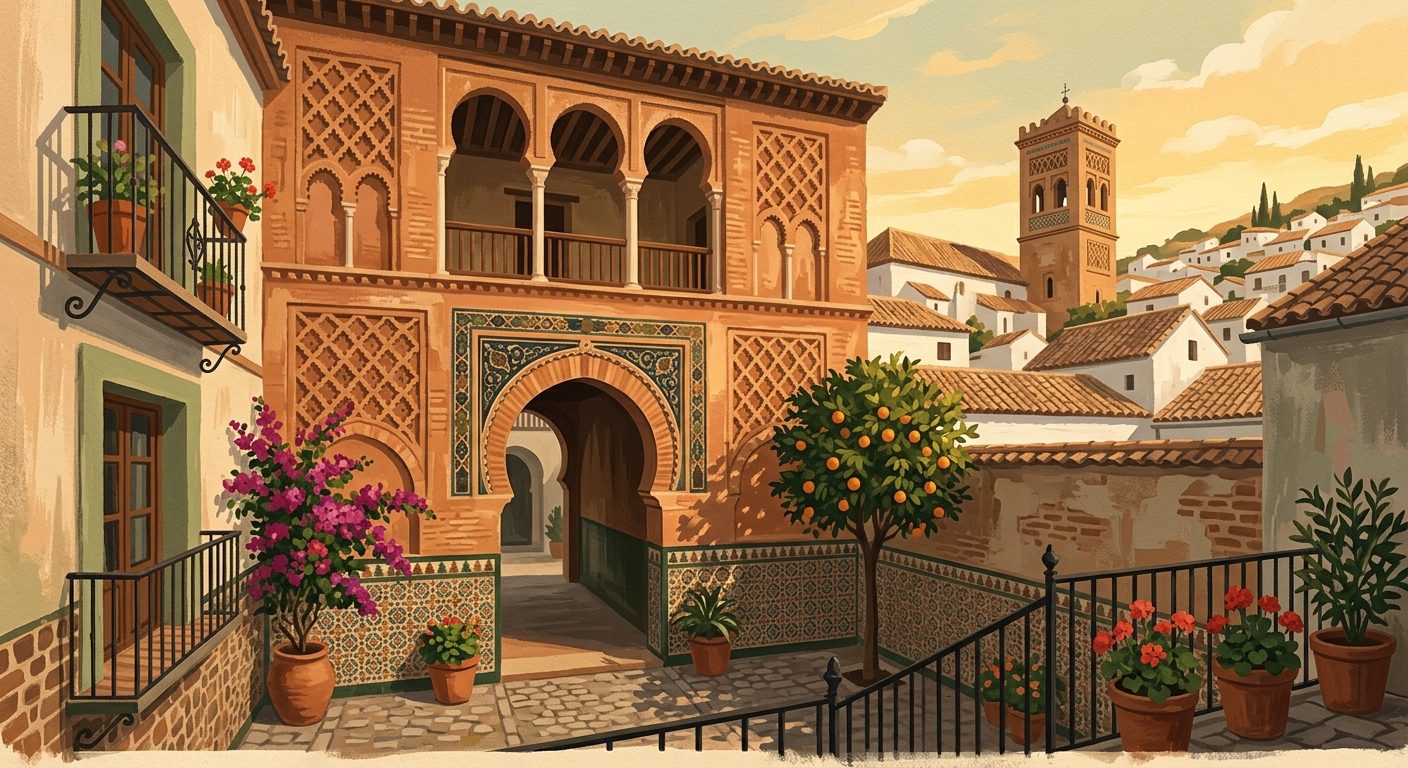
The Mudéjar Legacy: Islamic Craftsmanship Under Christian Rule
The Mudéjar style is a striking visual paradox of medieval Spain. It represents the profound aesthetic triumph of a conquered people over their conquerors, creating a unique architectural fusion that defined the visual identity of post-Reconquista Andalucía.
7 min read
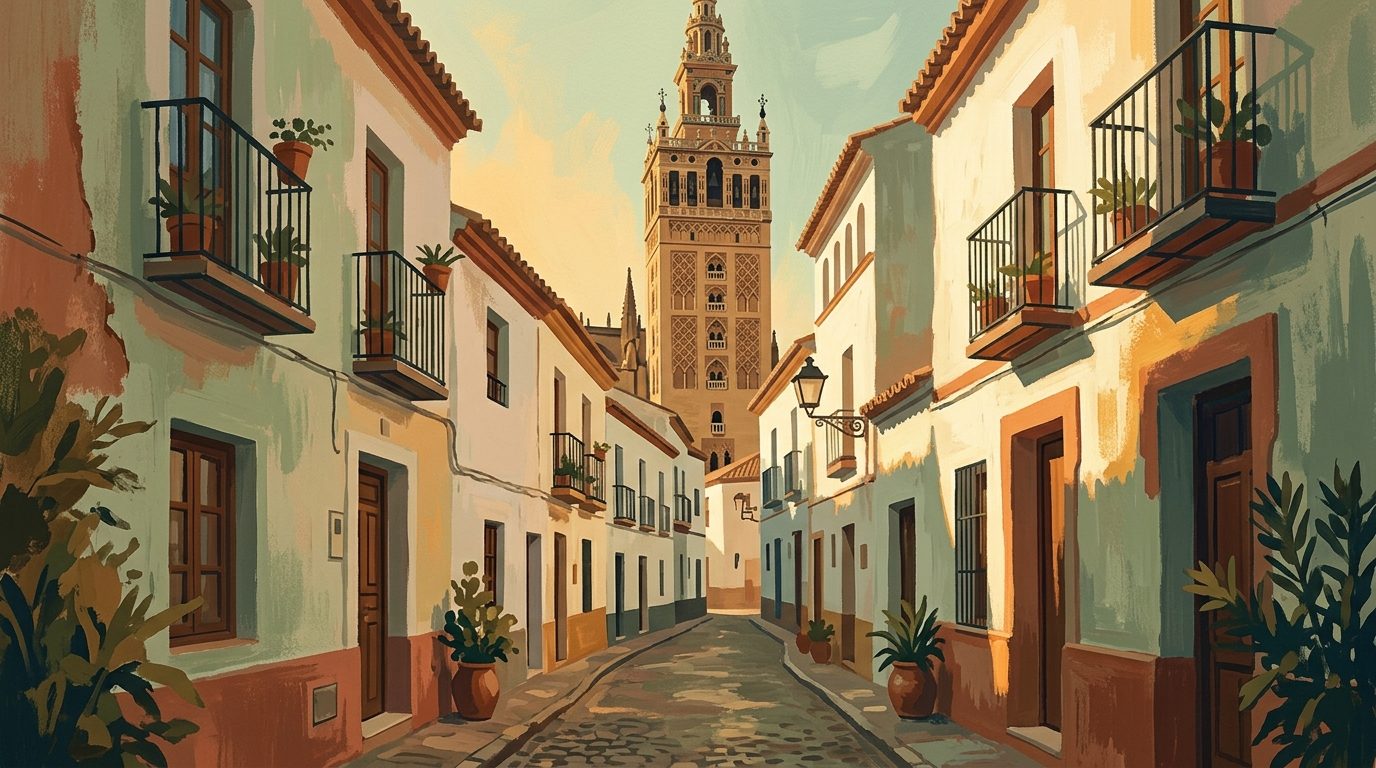
The Berber Empires: Almoravids, Almohads and the Rebuilding of Sevilla
The arrival of the North African Almoravid and Almohad dynasties shifted the centre of Islamic power in the Iberian Peninsula. They brought austere religious reform, immense military strength, and a monumental architectural vision that permanently reshaped Sevilla.
7 min read

Nasrid Granada: The Last Islamic Kingdom of Iberia
Discover how the Nasrid dynasty forged a pragmatic mountain emirate that survived for over two centuries, creating the Alhambra and leaving a lasting architectural legacy.
8 min read

The Caliphate of Córdoba
In 929, Abd al-Rahman III declared himself Caliph, breaking religious ties with the Middle East and launching an era of unparalleled architectural and intellectual achievement.
8 min read
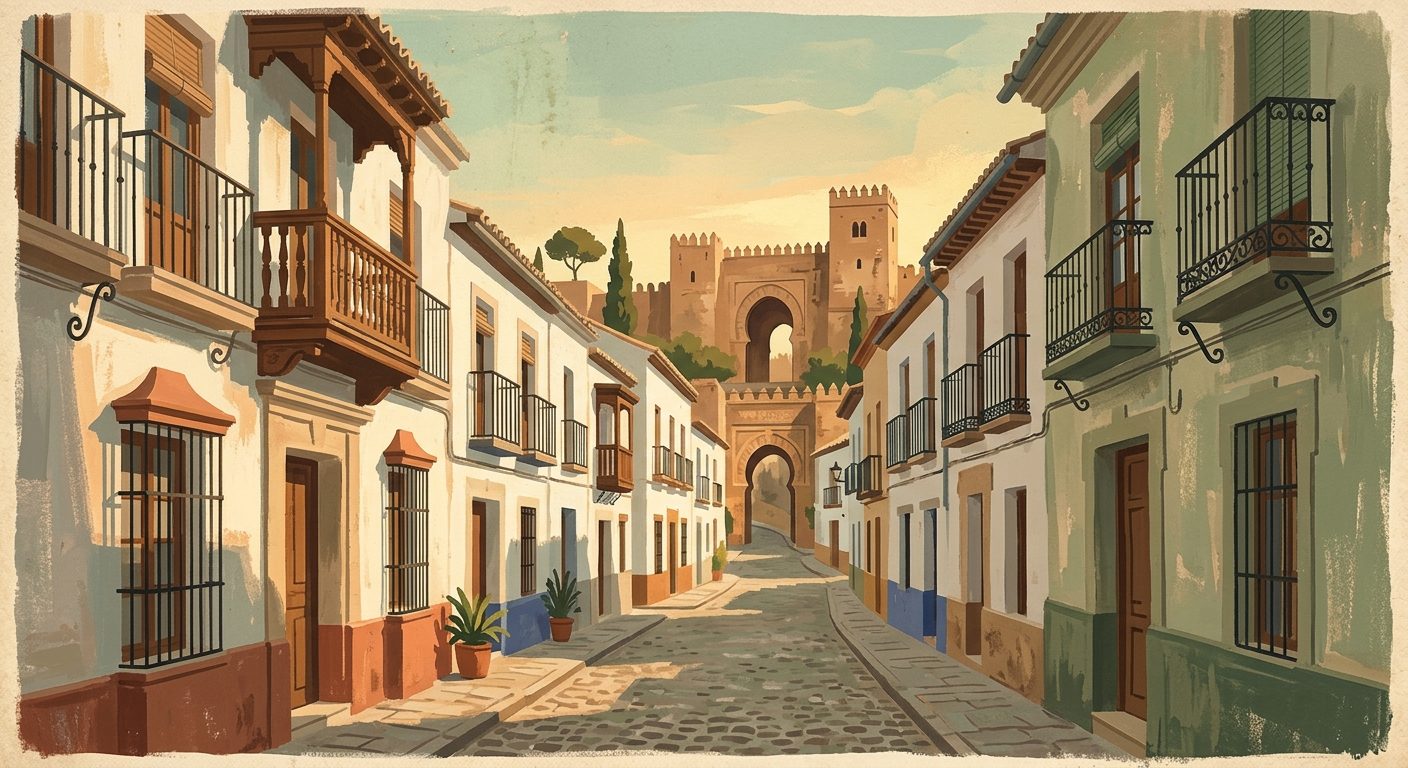
The Taifa Kingdoms: Fractured Courts and Cultural Glory
After the collapse of the Caliphate of Córdoba in 1031, Islamic Spain fractured into dozens of competing city-states. What these Taifa kingdoms lacked in military might, they made up for in extraordinary cultural and architectural patronage.
8 min read