
Feature
The Mudéjar Legacy: Islamic Craftsmanship Under Christian Rule
The Mudéjar style is a striking visual paradox of medieval Spain. It represents the profound aesthetic triumph of a conquered people over their conquerors, creating a unique architectural fusion that defined the visual identity of post-Reconquista Andalucía.
By Dan · Updated 16 July 2026 · 7 min read
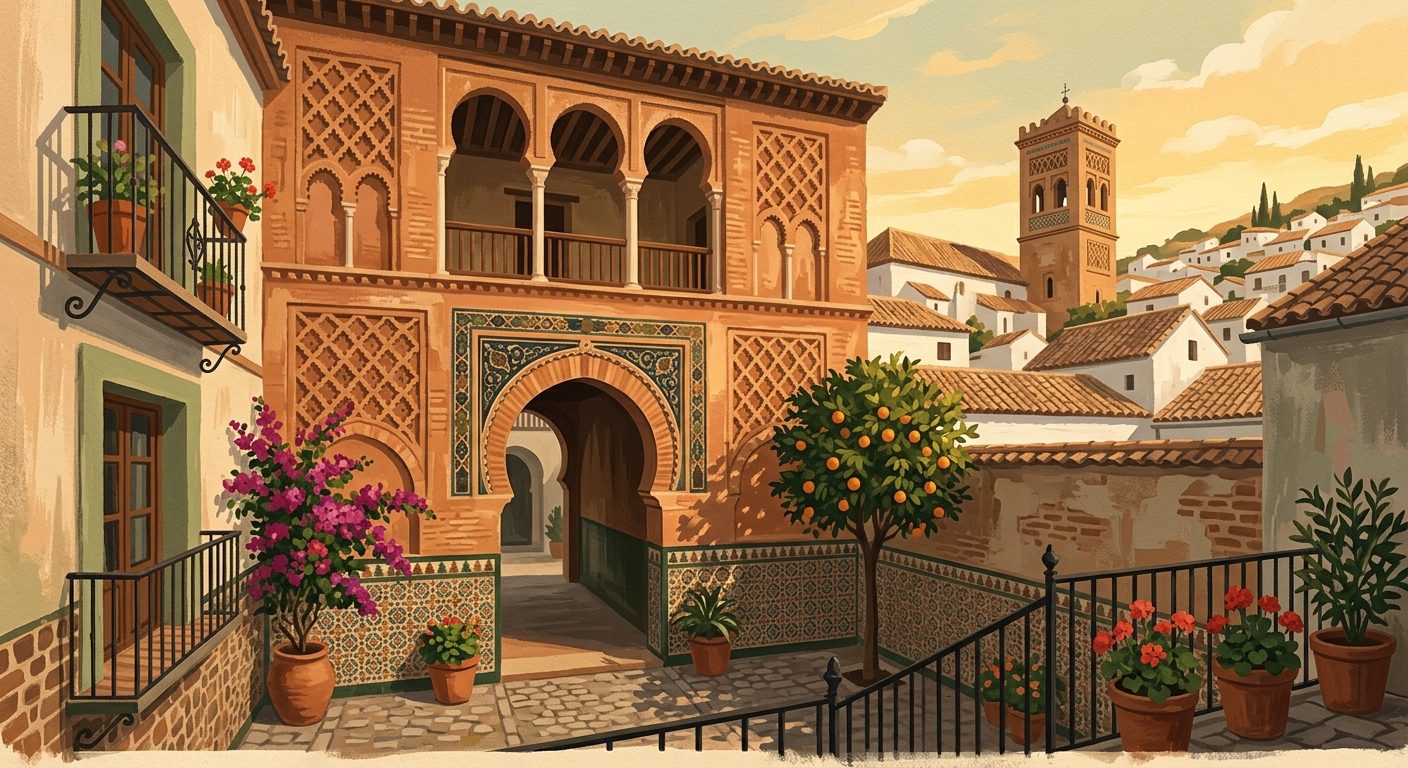
The Mudéjar style is a striking visual paradox of medieval Spain. It represents the profound aesthetic triumph of a conquered people over their conquerors. Even as Christian monarchs reclaimed territories, they chose to surround themselves with the intricate geometric beauty of Islamic craftsmanship.
In 1364, King Peter I of Castile ordered the construction of a new royal palace within the ancient walls of the Real Alcázar in Sevilla. Despite being a Christian monarch engaged in bitter dynastic struggles, Peter did not look to the Gothic cathedrals of northern Europe for his architectural inspiration. Instead, he summoned master craftsmen from Granada and Toledo. Peter, known as the Cruel to his enemies and the Just to his supporters, needed a residence that projected absolute authority. By commissioning this palace, he was making a deliberate political statement. He aligned himself with the sophisticated legacy of the conquered caliphates rather than the austere courts of his northern Christian rivals. These artisans worked in wood, brick, and plaster, creating a spectacular complex of scalloped arches, star-patterned wooden ceilings, and glazed ceramic tiles. The resulting Palacio de Don Pedro stands as the ultimate expression of the Mudéjar legacy. This cultural phenomenon emerged during the broader era of Al-Andalus (711 to 1492), when Islamic rule and culture dominated the Iberian Peninsula.
As Christian kingdoms advanced southward during the Reconquista, they absorbed large populations of Muslims. Those who remained in Christian territory were known as Mudéjares, a term derived from the Arabic word mudajjan, meaning permitted to remain or subjugated. Over time, the term evolved to describe the hybrid architectural and artistic style produced by these Muslim artisans and their later Christian and Jewish apprentices. It is a style that speaks of complex cultural entanglements, where the aesthetic tastes of the vanquished became the ultimate symbol of prestige for the victors.
A Visual Language of Power
The adoption of Islamic aesthetics by Christian rulers was not merely a matter of convenience or a lack of alternative builders. Christian kings recognised that appropriating the visual language of the caliphs and emirs allowed them to position themselves as the legitimate heirs to the grandeur of the peninsula's Islamic past. The palaces and churches they commissioned did not look like the austere Romanesque or soaring Gothic structures of France and northern Spain. They featured horseshoe arches, intricate stucco work, and geometric tile patterns that mirrored the royal courts of Córdoba and Sevilla.
This architectural synthesis was not limited to royal palaces. Across rural Andalucía, parish churches were built with Mudéjar bell towers that closely resembled minarets. These towers often featured interlaced brickwork arches, known as sebka patterns, identical to those found on the Giralda in Sevilla. Inside these churches, Christian congregations gathered beneath wooden ceilings that were structurally identical to those found in mosques, demonstrating how deeply Islamic structural logic had permeated local building traditions. Mudéjar architecture is characterised by the application of these Islamic decorative techniques to Christian structural forms. A Romanesque apse might be constructed entirely of brick and decorated with blind arches in the Islamic style. A Gothic nave might be crowned not by a stone vault, but by a striking wooden ceiling carved with interlocking stars.
Wood, Brick, and Plaster
Mudéjar craftsmen, known as alarifes, were masters of inexpensive, readily available materials. Where Gothic builders relied on expensive, time-consuming stone masonry, the alarifes worked miracles with brick, pine wood, and gypsum plaster. This economic efficiency made the style highly attractive to the nobility and the church, allowing for the rapid construction of highly decorated spaces across various urban centres.
The three pillars of Mudéjar craftsmanship are woodwork, plasterwork, and ceramics. The wooden ceilings, known as artesonados, are perhaps the most spectacular surviving elements. These structures are built using the lacería technique, where wooden polygons are joined together to form complex, infinite star patterns representing the heavens. Below the ceilings, the upper walls were typically covered in yesería, intricately carved plaster panels featuring Arabic calligraphy, geometric interlacing, and vegetal motifs.
The lower walls were protected and decorated with azulejos, glazed ceramic tiles that introduced striking colours into the interior spaces. Early Mudéjar ceramics relied on the alicatado technique, where artisans cut individual pieces of coloured tile to form intricate mosaic patterns. By the sixteenth century, this evolved into the cuenca or arista methods, where patterns were stamped into wet clay, allowing for faster production and wider distribution of these intricate designs across Andalucía.
The Social Reality of the Mudéjares
While the art form flourished and became deeply embedded in Andalucían culture, the human reality for the Mudéjar population was marked by increasing marginalisation. In the immediate aftermath of a city's conquest, treaties often guaranteed Muslims the right to practise their religion, retain their property, and govern themselves under Islamic law. However, these guarantees were steadily eroded over the centuries.
Historians note that the Mudéjar experience varied wildly depending on geography and the specific terms of capitulation. In some towns, Mudéjares were allowed to maintain their own butchers, bakeries, and local magistrates. Yet, increasing pressure from the church and Christian settlers led to mounting sumptuary laws. These regulations frequently dictated what clothes the Mudéjares could wear, prohibited them from carrying weapons, and restricted their ability to travel freely between towns.
Mudéjares were typically confined to specific neighbourhoods, known as morerías, and subjected to special taxes. Despite their invaluable economic contributions as agricultural workers, carpenters, masons, and potters, they occupied the lower rungs of a rigid social hierarchy. The paradox of the Mudéjar legacy is that Christian society heavily favoured their artistic and technical skills while simultaneously marginalising them as a people.
The situation deteriorated significantly after the fall of Granada in 1492. In 1502, the Catholic Monarchs issued an edict requiring all Muslims in Castile, which included Andalucía, to convert to Christianity or face expulsion. Those who converted became known as Moriscos. Although the Mudéjares disappeared as a distinct religious group, their descendants continued to practise their crafts, ensuring that the Mudéjar aesthetic survived well into the sixteenth and seventeenth centuries.
Where to see it today
The most extraordinary surviving examples of Mudéjar craftsmanship are concentrated in the historic capitals of Andalucía. (Check on the operator's website before travelling for current opening times and booking requirements).
Real Alcázar de Sevilla
The Palacio de Don Pedro within the Real Alcázar is widely considered the crowning achievement of civil Mudéjar architecture. Visitors should look closely at the Patio de las Doncellas, where lobed arches rest on slender marble columns, and the plasterwork walls feature the coat of arms of Castile alongside Arabic inscriptions praising God. The Salón de Embajadores is the true masterpiece of the complex. Gaze upwards to see the media naranja (half-orange) dome, a spectacular gilded wooden ceiling constructed in 1427, which symbolises the universe.
Casa de Pilatos
Located a short walk from the Alcázar in Sevilla, the Casa de Pilatos is a sixteenth-century aristocratic mansion that demonstrates how Mudéjar aesthetics evolved and blended with Renaissance influences. The courtyard is completely covered in some of the finest Mudéjar azulejos in Andalucía, featuring dizzying geometric patterns in blue, green, and ochre. The grand staircase, topped by a magnificent wooden honeycomb ceiling, illustrates the enduring appeal of Islamic craftsmanship among the Christian nobility long after the fall of the Islamic emirates.
Capilla Real de Granada
While the Royal Chapel is primarily a late Gothic structure built to house the tombs of the Catholic Monarchs, it contains subtle yet profound Mudéjar elements. The original roof structure of the adjacent Lonja (merchants exchange) features a beautifully preserved artesonado ceiling. Furthermore, the museum collection houses the personal artefacts of Queen Isabella, including Moorish textiles and caskets crafted by Mudéjar artisans. These objects highlight the intimate presence of Islamic craftsmanship in the daily lives of the very monarchs who ended Islamic political rule in the Iberian Peninsula.
If you visit
To fully appreciate the intricate details of Mudéjar architecture, it is best to organise your visit to these sites early in the morning when the low sunlight catches the carved plasterwork and illuminates the glazed tiles. The UNESCO-listed Real Alcázar de Sevilla is the essential starting point, but tickets should be booked well in advance, particularly during the peak travelling seasons of spring and autumn. When exploring the palaces, bring a pair of small binoculars or use a camera zoom to examine the high artesonado ceilings, as the finest geometric woodwork and Arabic calligraphy are often located far above eye level.
Last reviewed: 21 June 2026 · Editorial policy
Related guides
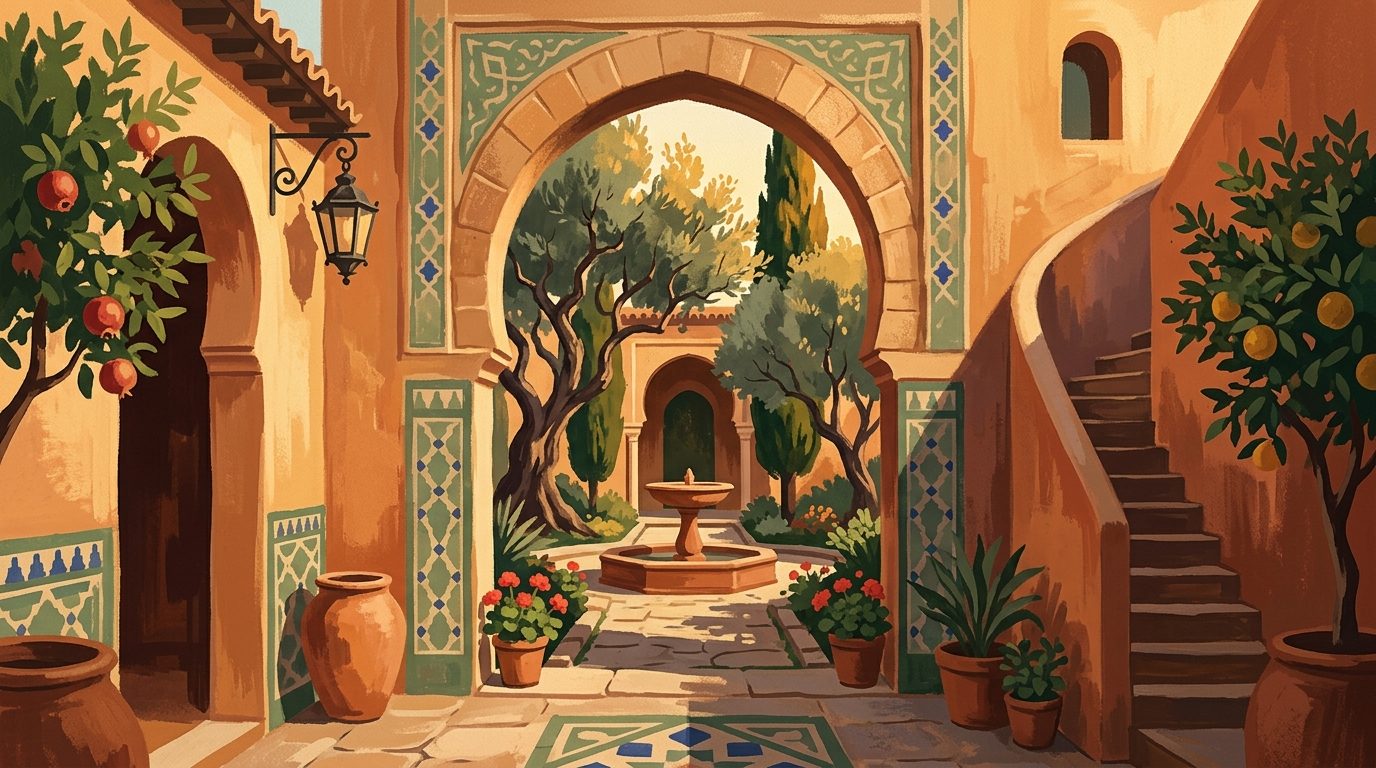
The Ghost in the Garden: Searching for the Al-Andalus Within
Eight centuries of Al-Andalus did not vanish in 1492; they simply moved indoors, into the kitchens, and onto the tip of the tongue.
7 min read
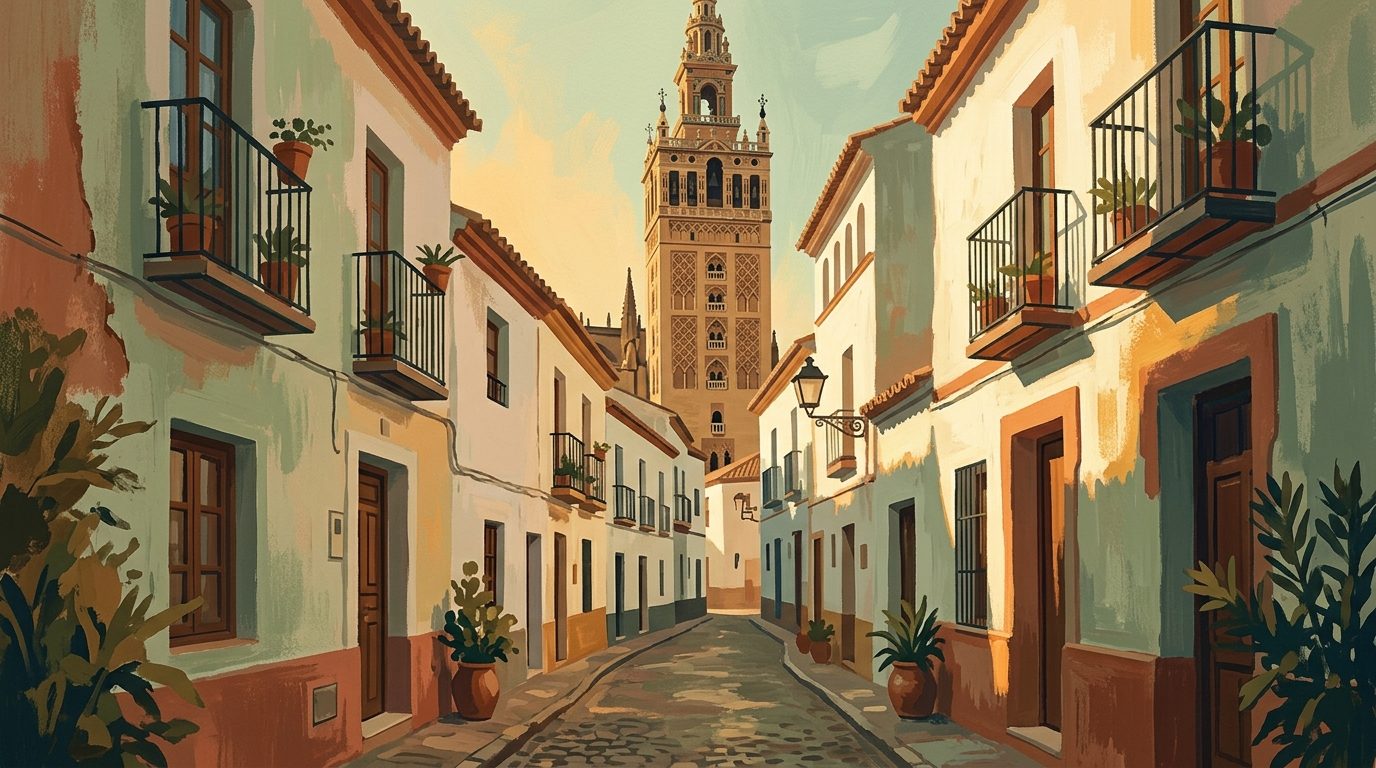
The Berber Empires: Almoravids, Almohads and the Rebuilding of Sevilla
The arrival of the North African Almoravid and Almohad dynasties shifted the centre of Islamic power in the Iberian Peninsula. They brought austere religious reform, immense military strength, and a monumental architectural vision that permanently reshaped Sevilla.
7 min read
The Spanish Inquisition in Andalucía: Orthodoxy and Paranoia
From its very first tribunal in Sevilla to the shadow it cast over centuries of daily life, the Spanish Inquisition demanded absolute religious conformity. Its legacy remains etched in the architecture, archives and even the culinary traditions of southern Spain.
7 min read
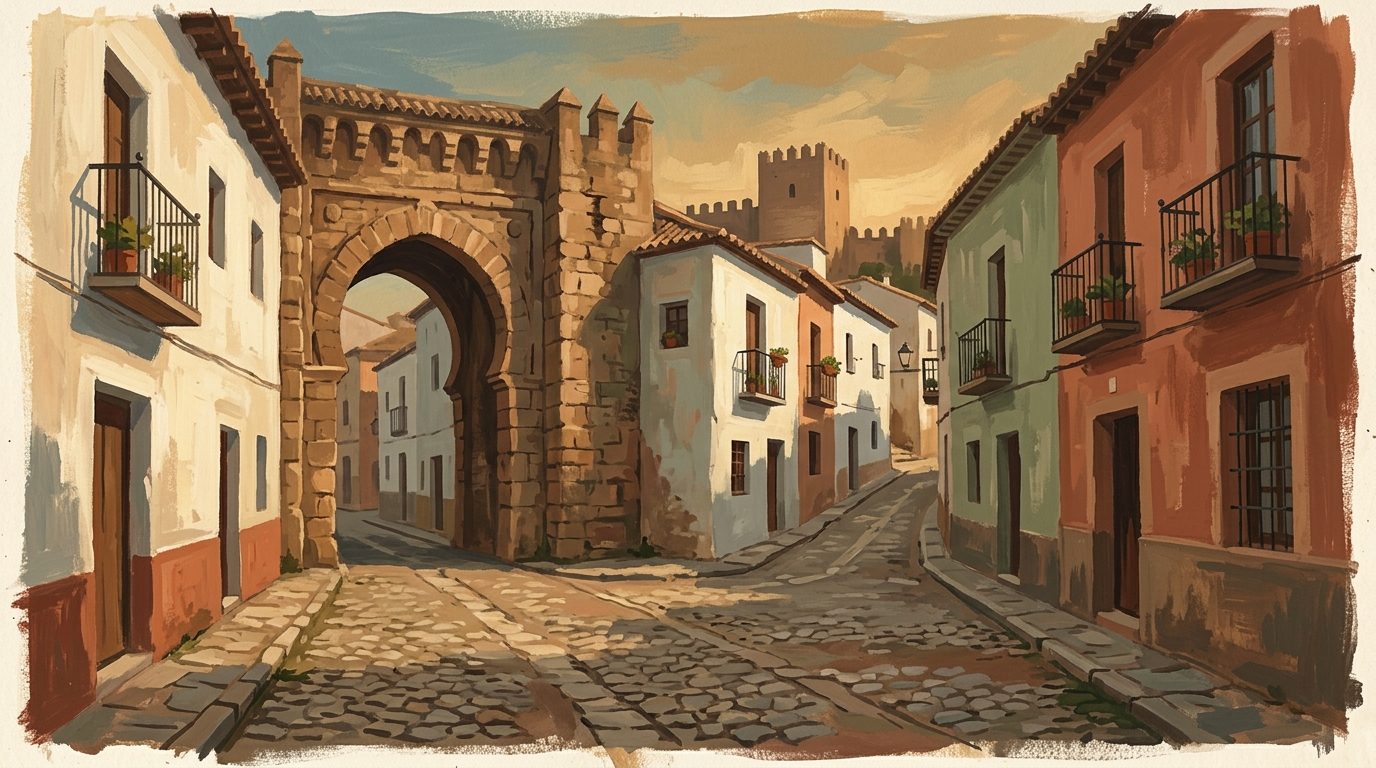
The Reconquista in Andalucía
The centuries-long Christian conquest of southern Iberia redefined the physical and cultural landscape of the peninsula. How did the military campaigns of the northern kingdoms dismantle the Islamic territories of Al-Andalus and forge the modern region of Andalucía?
7 min read
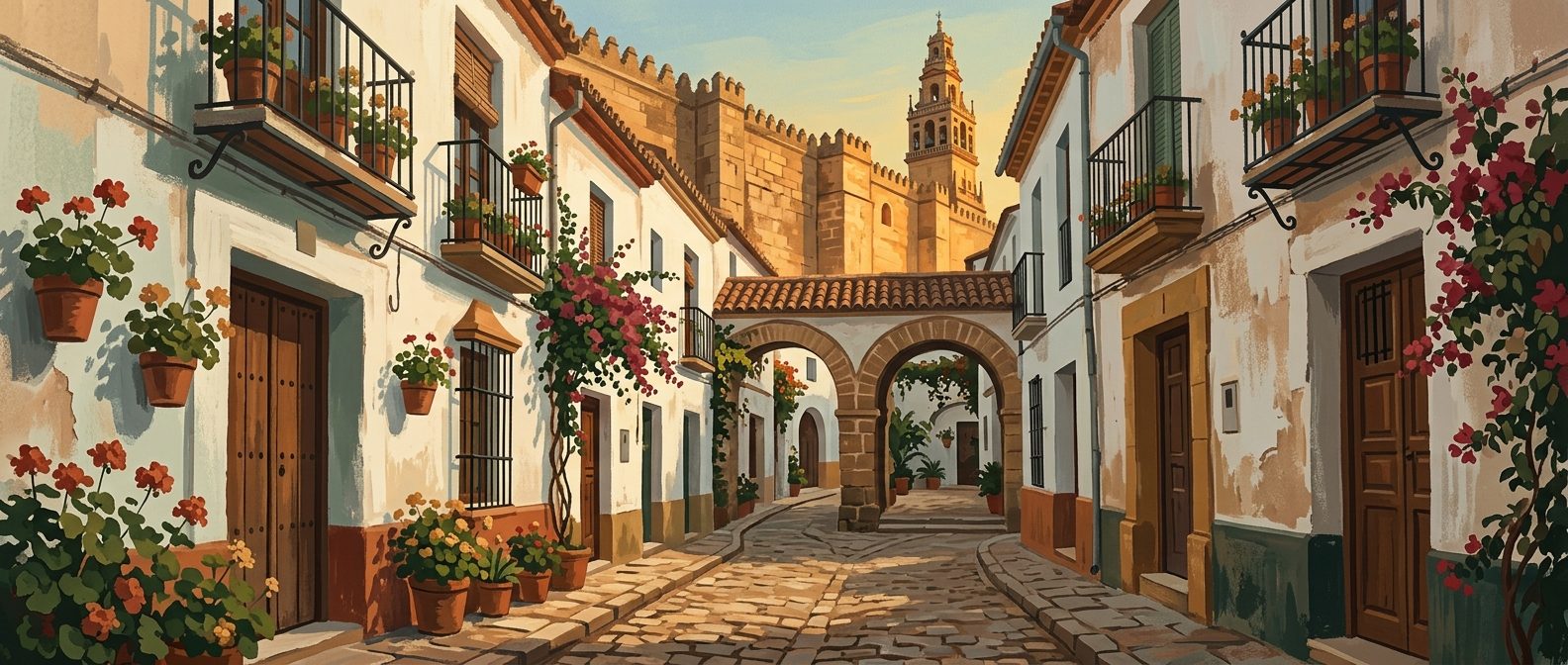
Corduba and Roman Baetica
Discover the political and intellectual might of Corduba, the wealthy administrative capital of Roman Baetica and the birthplace of the philosopher Seneca.
7 min read
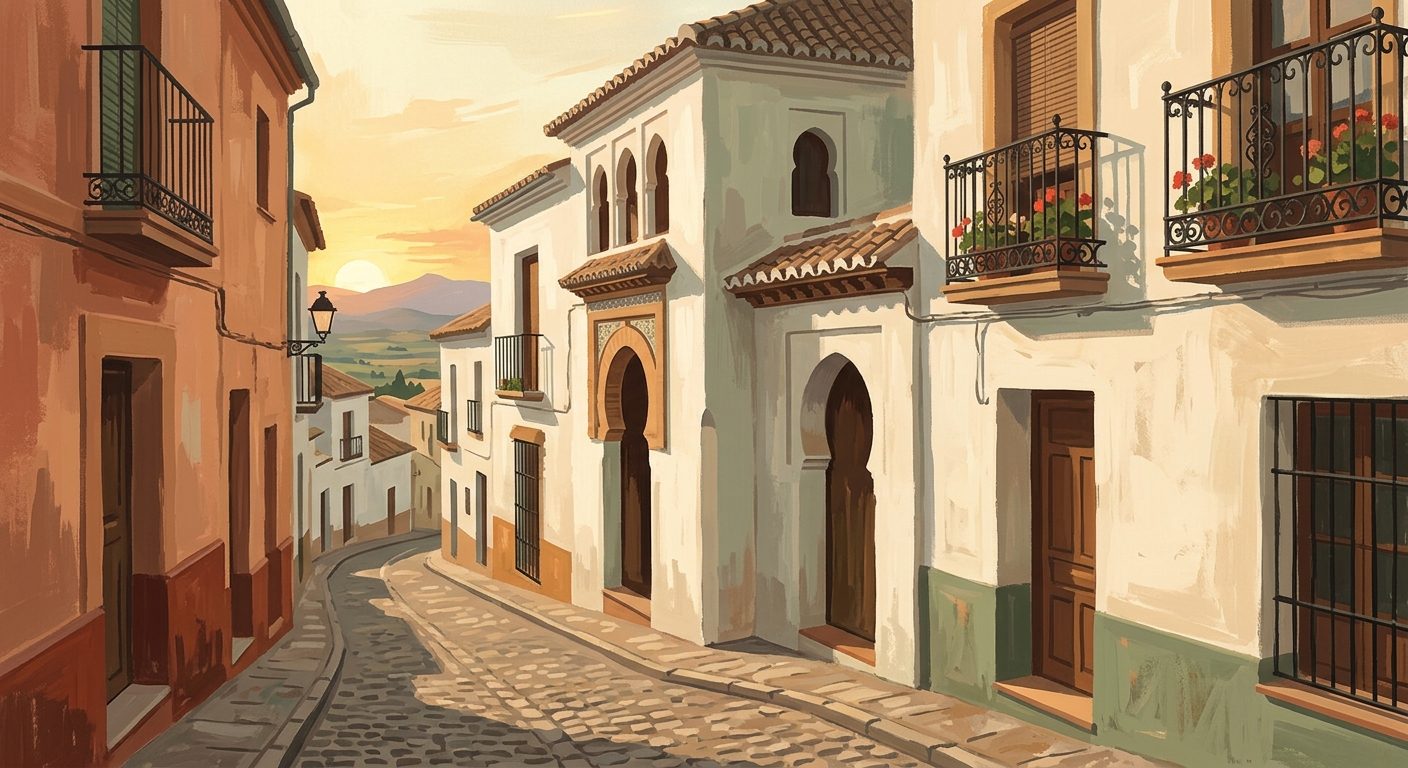
Al-Andalus: Eight Centuries of Moorish Rule in Andalucía
For nearly eight hundred years, Islamic civilisation flourished on the Iberian Peninsula. How did a distant province of the Umayyad empire become a beacon of science, art, and poetry in medieval Europe?
8 min read
More guides
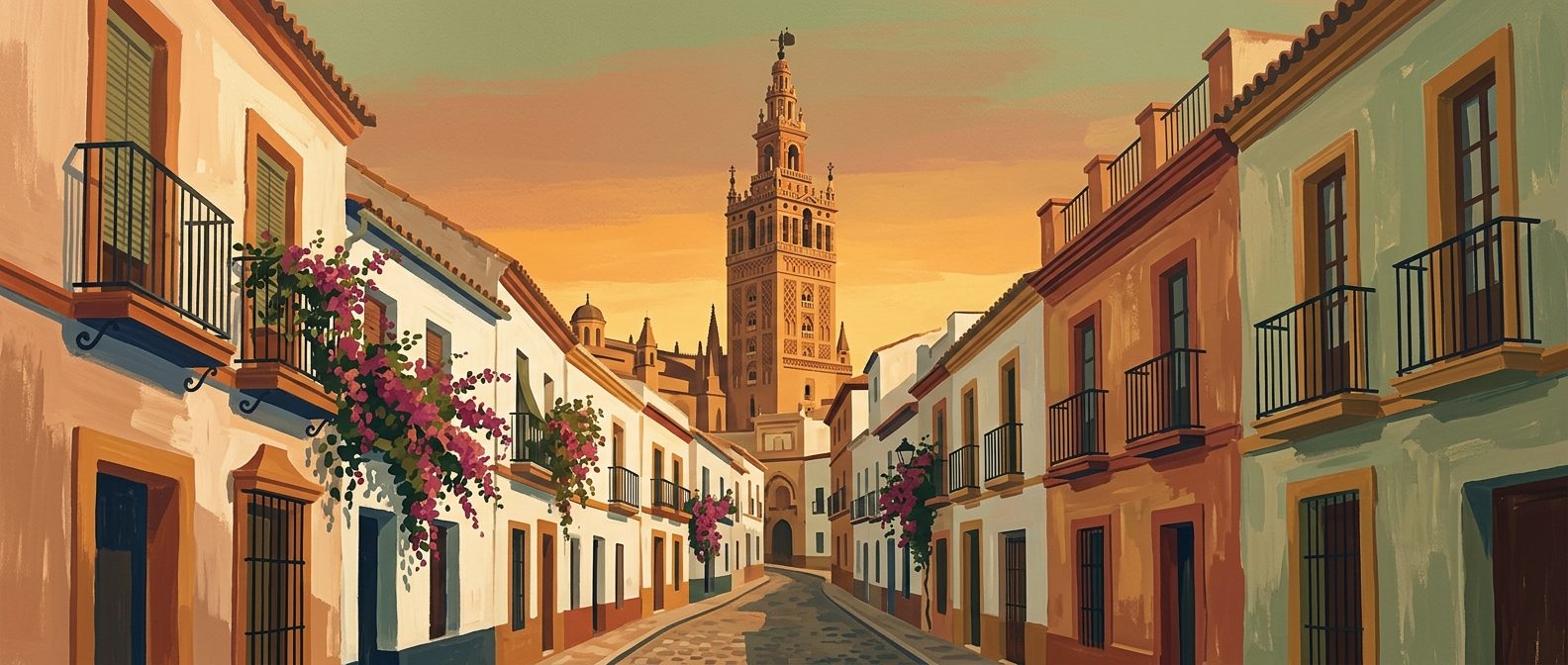
UNESCO World Heritage Sites in Andalucía
A curated guide to the cultural and natural sites in Andalucía recognised by UNESCO for their universal value. These landmarks offer a profound insight into the diverse civilisations of the region.
6 min read
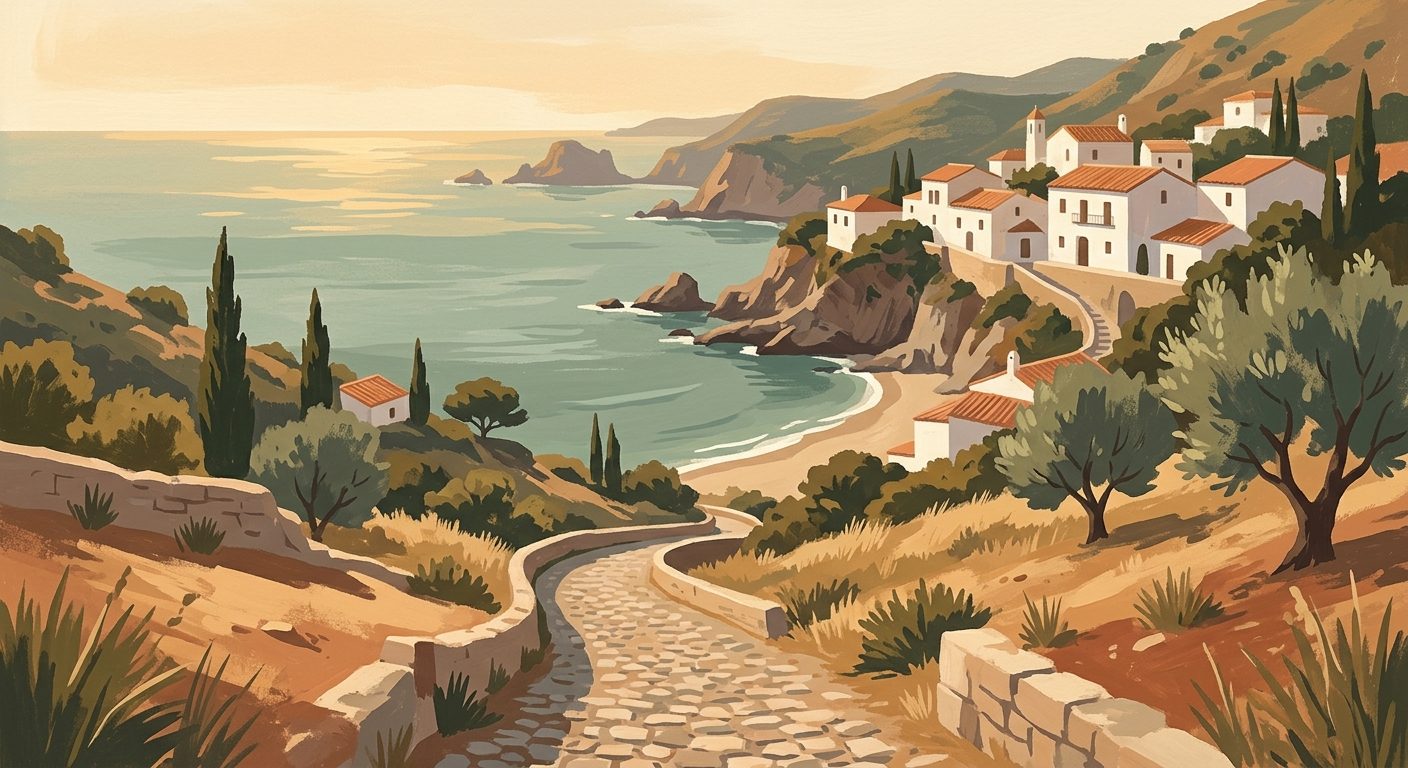
The Best Beaches in Andalucía
From the Atlantic dunes of Huelva to the volcanic coves of Almería, the coastline of southern Spain offers an unparalleled variety of maritime landscapes.
6 min read
Phoenicians and Tartessians in Andalucía
Around three thousand years ago, eastern Mediterranean merchants arrived on the Iberian coast seeking silver and copper. Their arrival sparked a cultural collision that transformed local chiefdoms into the legendary civilisation of Tartessos.
6 min read
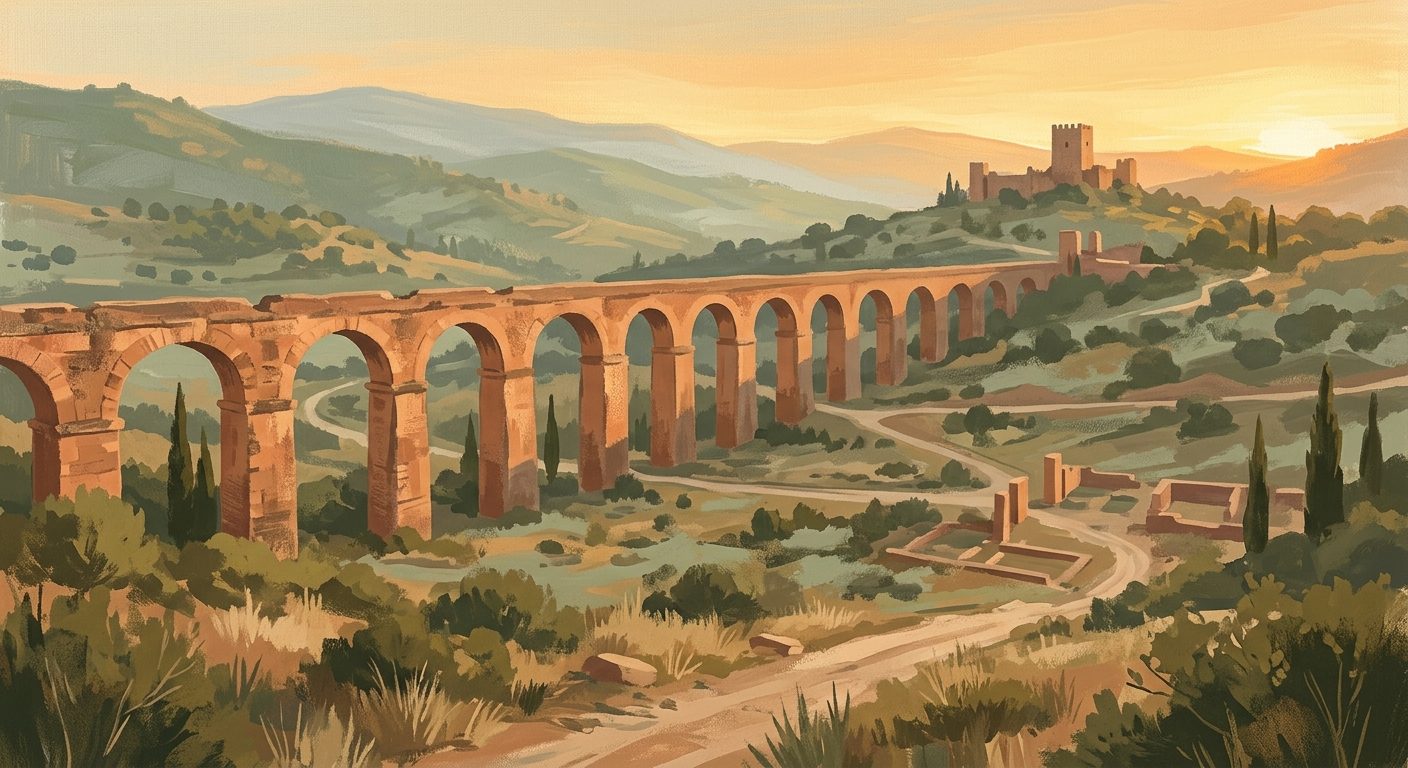
Roman Andalucía: Ruins and Archaeological Sites
Discover the monumental legacy of the Roman province of Baetica, from grand amphitheatres in the Guadalquivir valley to maritime cities on the Atlantic coast.
7 min read
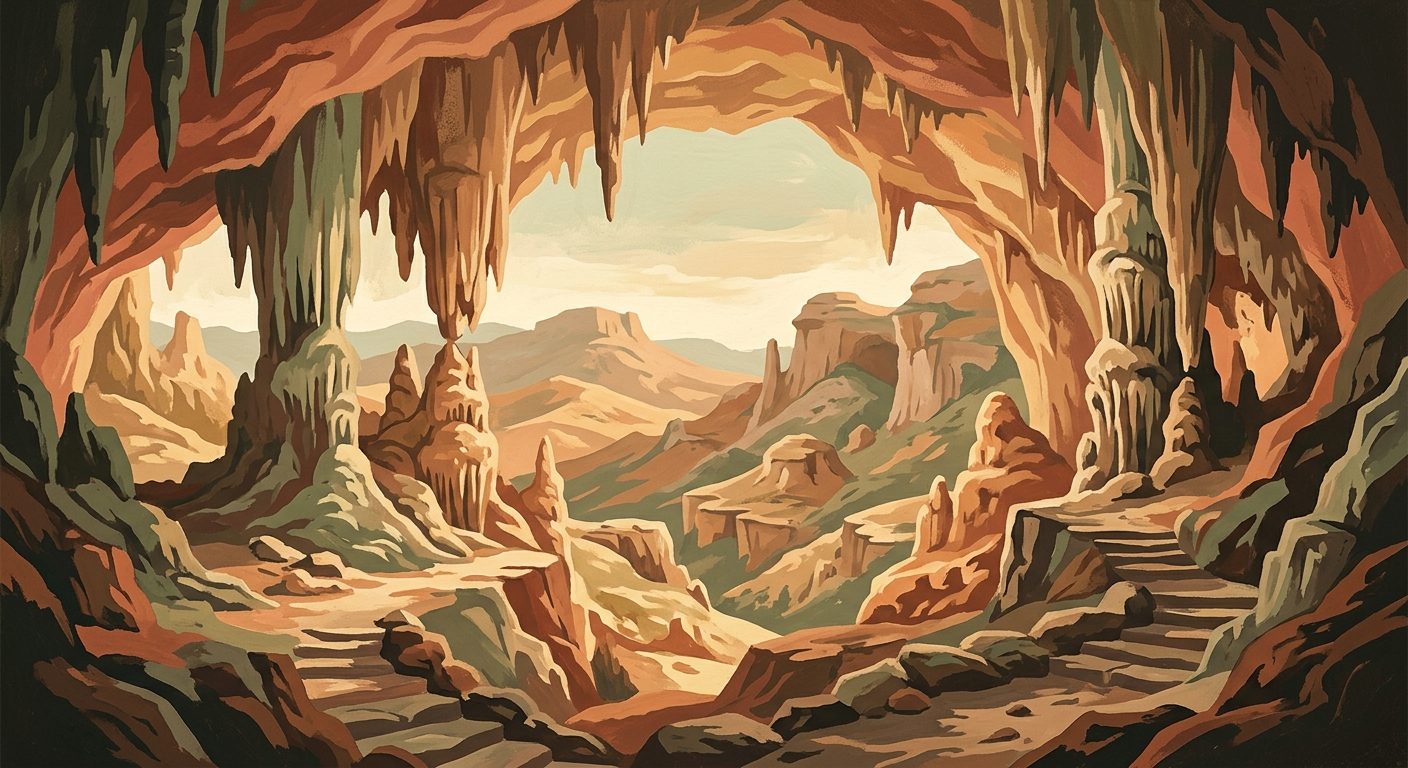
Geological Wonders: Caves and Karst Landscapes of Andalucía
Discover the subterranean wonders and prehistoric secrets preserved within the limestone massifs and gypsum deposits of southern Spain.
6 min read
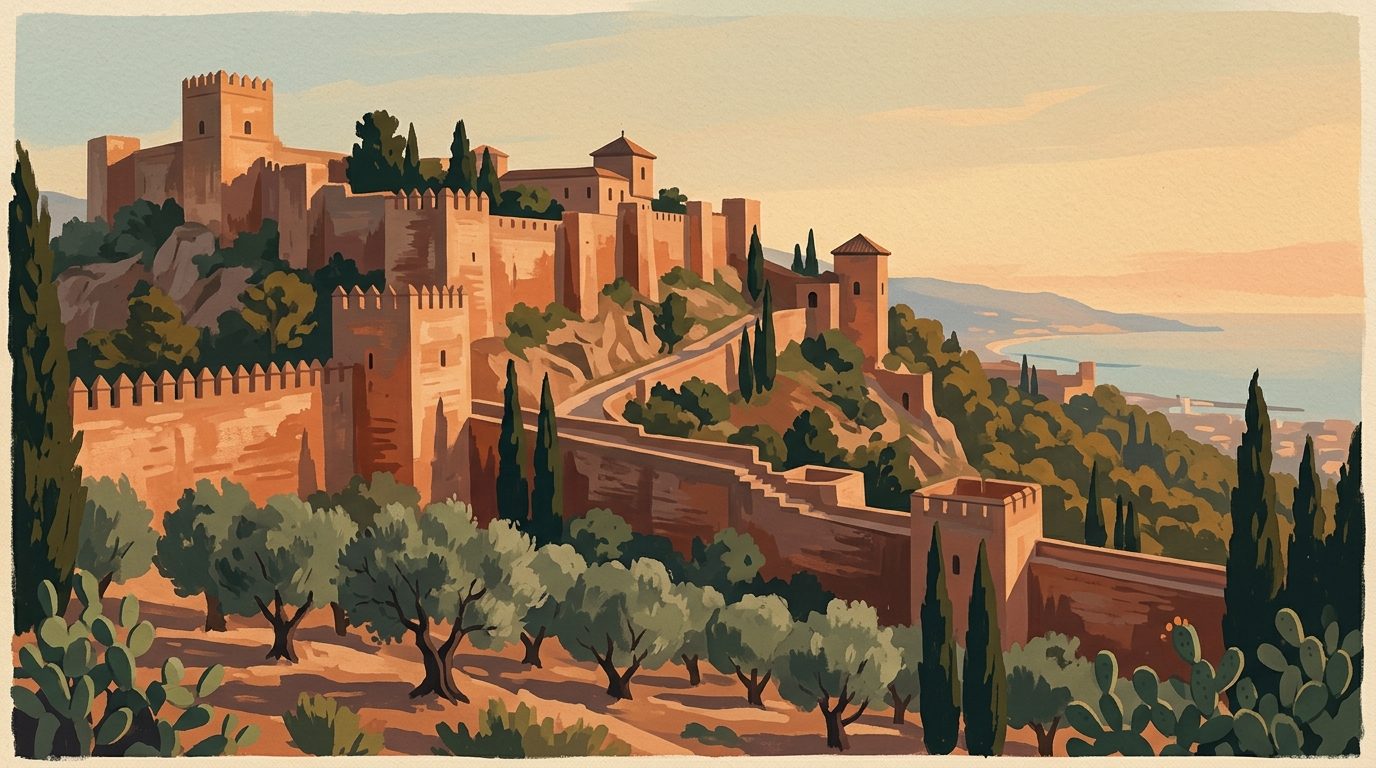
Castles and Fortresses of Andalucía
The fortresses of Andalucía are the stone guardians of a complex past, marking the ancient frontiers between empires and offering some of the most spectacular views in the southern peninsula.
6 min read
The Iberians in Andalucía: Warlords, Sculptors and the Dawn of Iron
Who were the sophisticated, iron-working peoples who controlled southern Spain before the Roman conquest? Their fortified hill towns and striking stone sculptures reveal a formidable culture caught between ancient local traditions and Mediterranean ambition.
6 min read
UNESCO Geoparks and Natural Wonders of Andalucía
Discover the geological heritage of Southern Spain through its UNESCO-designated geoparks and natural wonders. Explore the tectonic history and diverse ecosystems of Almería, Granada, and Cádiz.
6 min read
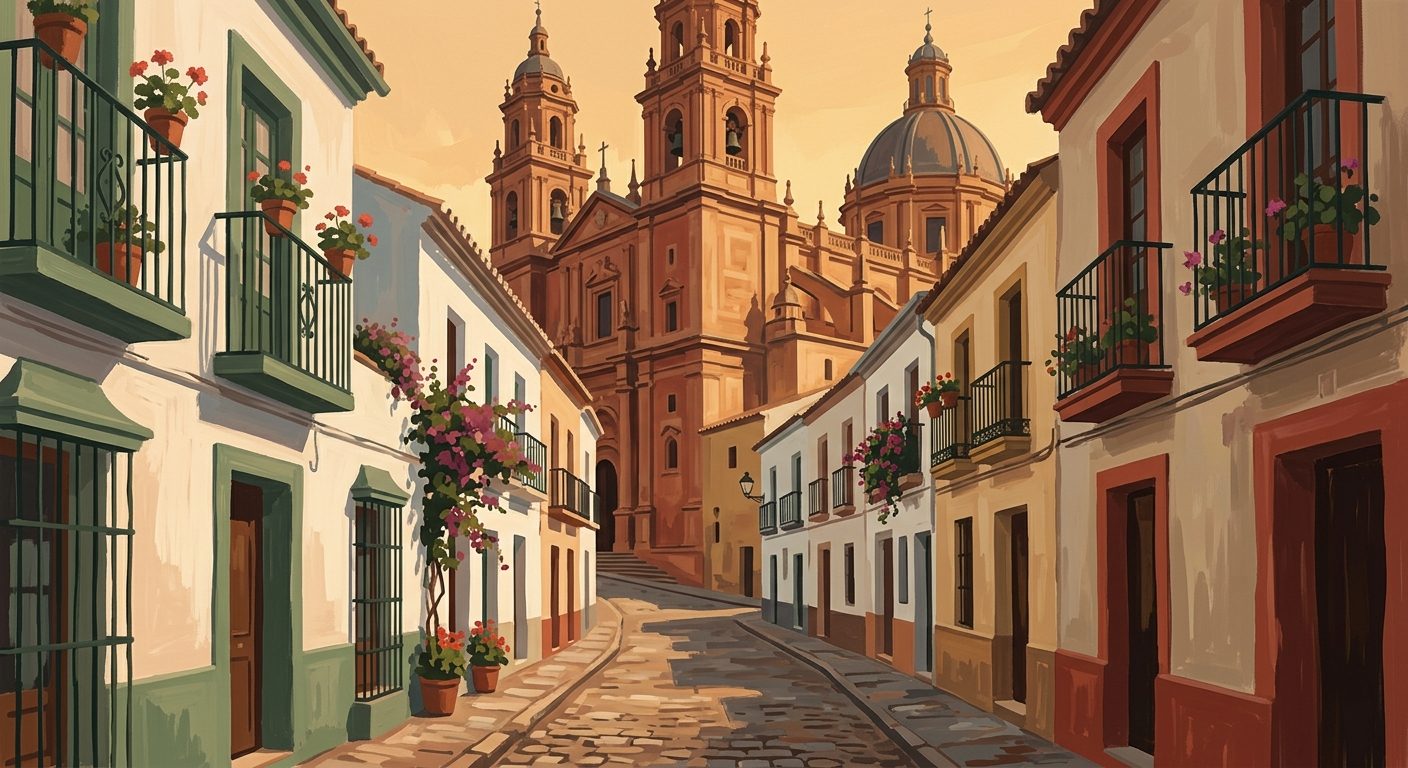
Cathedrals and Great Churches of Andalucía
A guide to the monumental religious architecture of Southern Spain, from the vast Gothic nave of Sevilla to the Renaissance masterworks of Jaén and Granada.
6 min read
Newsletter
More stories from Andalucía
Weekly notes, seasonal picks, and the next guides worth bookmarking.