
19th-20th c.
Industrial Heritage
The nineteenth century brought an industrial boom to Andalucía, fuelled by British capital and ancient mineral wealth. Copper, iron and railways reshaped the landscape, leaving behind a profound legacy of Victorian architecture and vast open-pit mines.
Industrial Andalucía is easy to miss if you only follow palaces, beaches, and white villages. The mining districts of Huelva and Jaén, railway lines, workers quarters, chimneys, ports, and altered river landscapes tell a different story about capital, labour, export routes, and environmental change.
Río Tinto is the clearest visitor route because the mining landscape, railway heritage, and museum interpretation are grouped together. Linares and the Jaén mining district give another angle, linked to lead mining, engineering, and the growth and decline of industrial towns inland.
Treat these visits as landscape history as much as museum history. Access can depend on guided tours, seasonal timetables, and local conservation projects, so check providers before building a route around a mine, railway, or industrial site.
4 chapters in this era
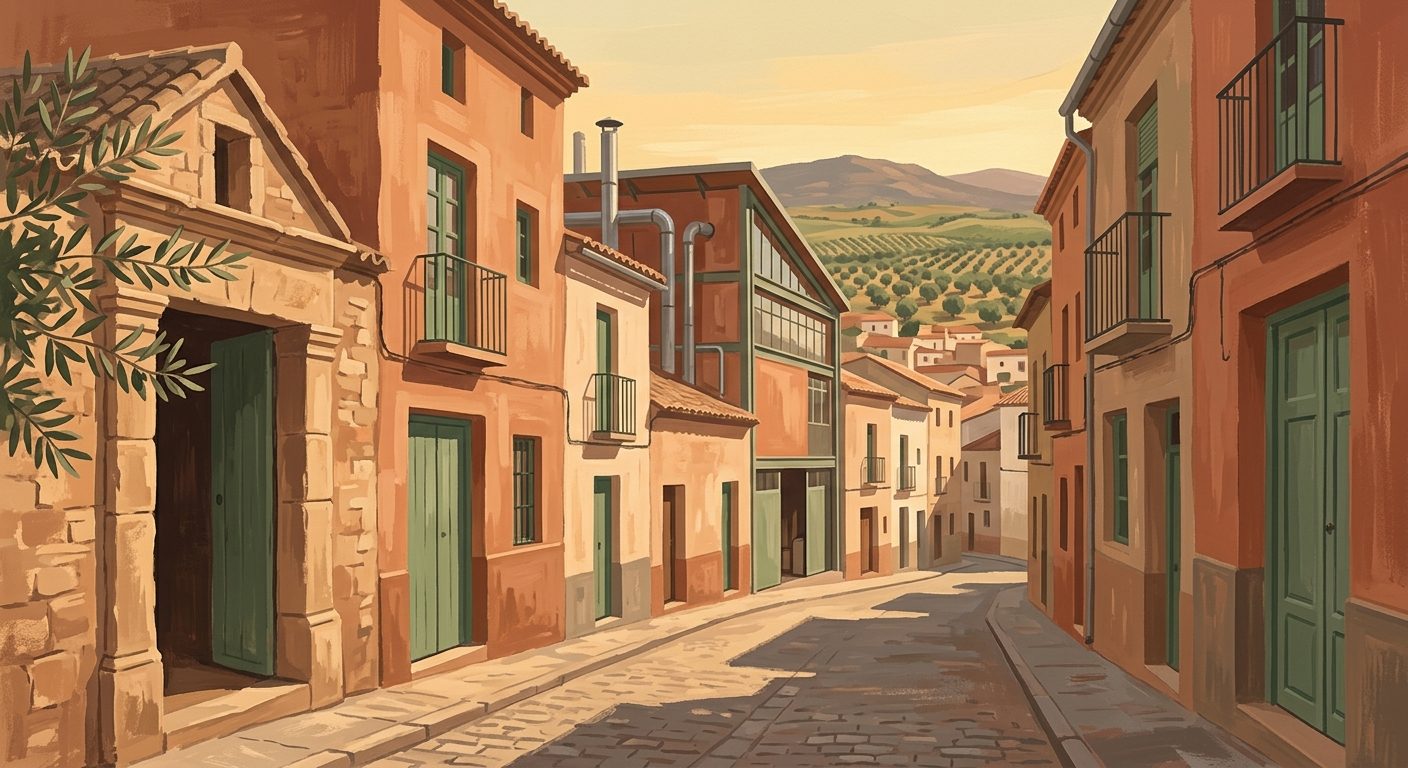
Olive Oil and Industrial Modernisation in Jaén
Discover how 19th-century steam power, hydraulic presses and the rise of agrarian cooperatives transformed the olive groves of Jaén into a modern industrial powerhouse.
7 min read
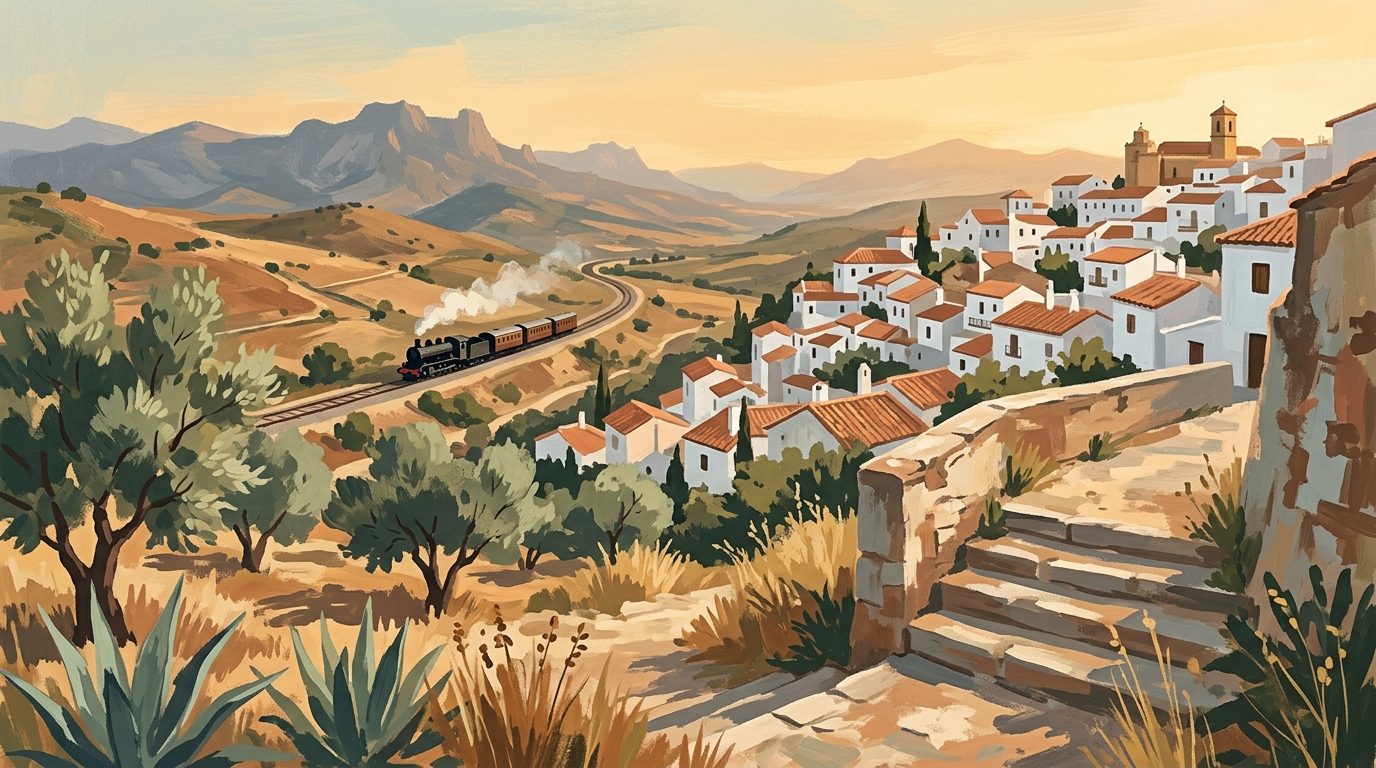
The Railways of Andalucía: Iron, Steam and Industrial Heritage
The arrival of the steam locomotive transformed the southern Spanish landscape, slicing through mountains and bridging wide rivers to connect agricultural plains with busy seaports.
8 min read
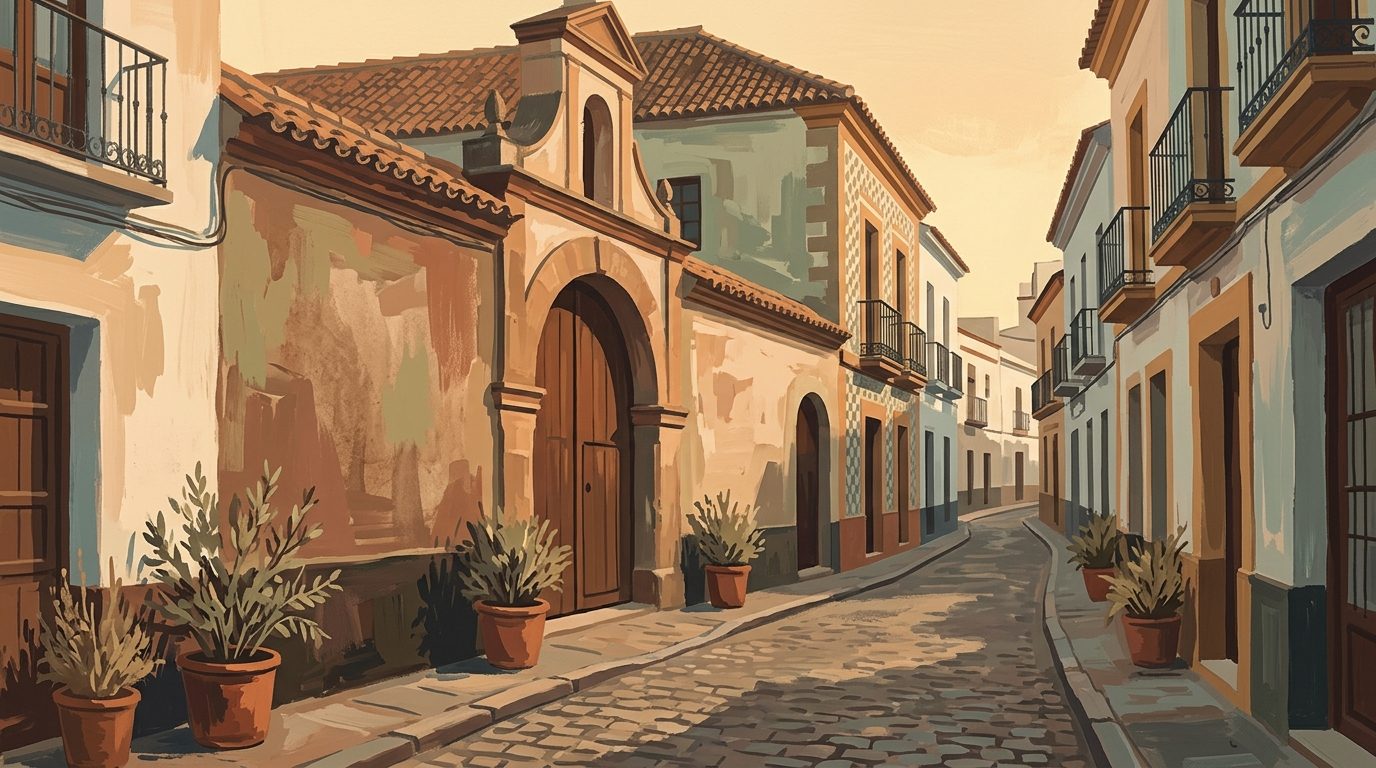
Sherry and the Bodegas: The 19th-Century Anglo-Andalucían Wine Trade
The fortified wines of Jerez reshaped western Andalucía. British merchants and local vineyard owners forged an industrial alliance that built enormous cellars and transformed global drinking habits.
7 min read
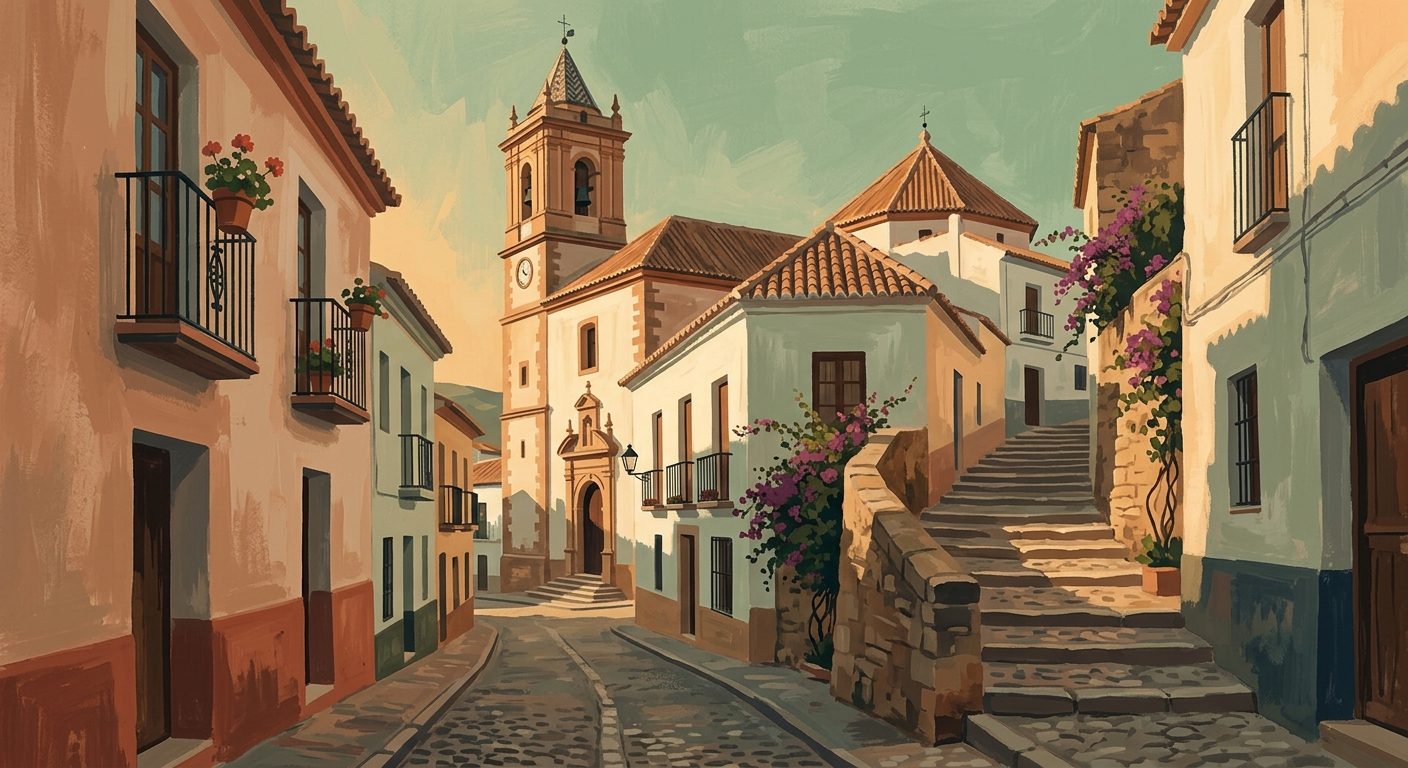
The British in Río Tinto: Copper, Colony and the Rio Tinto Company
In 1873, a British syndicate purchased the ancient copper mines of Huelva from a bankrupt Spanish government. The resulting Rio Tinto Company Limited transformed the landscape into a massive industrial enterprise, leaving behind a profound legacy of Victorian architecture, immense open-pit mines, and pioneering railway engineering in western Andalucía.
8 min read