
Feature
The British in Río Tinto: Copper, Colony and the Rio Tinto Company
In 1873, a British syndicate purchased the ancient copper mines of Huelva from a bankrupt Spanish government. The resulting Rio Tinto Company Limited transformed the landscape into a massive industrial enterprise, leaving behind a profound legacy of Victorian architecture, immense open-pit mines, and pioneering railway engineering in western Andalucía.
By Dan · Updated 16 July 2026 · 8 min read
In 1873, a British syndicate purchased the ancient copper mines of Huelva from a bankrupt Spanish government. The resulting Rio Tinto Company Limited transformed the landscape into a massive industrial enterprise, leaving behind a profound legacy of Victorian architecture, immense open-pit mines, and pioneering railway engineering in western Andalucía.
On 14 February 1873, the Spanish government made a decision that would alter the geography of western Andalucía forever. Bankrupt and desperate for capital during a turbulent political period, the First Spanish Republic sold the ancient state-owned copper mines of Río Tinto to a multinational syndicate led by Scottish industrialist Hugh Matheson. This massive transfer of public assets sits squarely at the heart of the region's Industrial Heritage of the 19th and 20th centuries. Matheson quickly formed the Rio Tinto Company Limited in London, raising the immense capital required to extract copper on a scale never before seen. The British arrived not merely as investors but as a complete colonial enterprise. They brought their own managers, their own engineers, and their own rigid social structures to the remote, rust-coloured hills of Huelva. Over the next eight decades, the company would excavate the earth to create some of the largest open pits in the world, construct a dedicated railway to the Atlantic coast, and build an exclusive Victorian neighbourhood entirely insulated from the local population. It was an era of unprecedented technological advancement and raw exploitation, fundamentally reshaping both the local environment and the lives of the thousands of workers who laboured under the shadow of the British managers.
The 1873 Sale and the Birth of a Giant
The Río Tinto basin had been mined since the Bronze Age. The Romans extracted vast quantities of silver and copper here, leaving behind millions of tonnes of slag that formed artificial mountains. Yet by the mid-19th century, the state-run operations were inefficient and severely underfunded. Spain was crippled by sovereign debt and the political instability of the Carlist Wars. Selling the mines offered a swift, if highly controversial, injection of cash. Matheson and his syndicate, heavily backed by financial institutions such as Deutsche Bank, purchased the mines, the surrounding land, and the outright rights to the minerals for 92 million pesetas.
The Rio Tinto Company Limited was incorporated in London in March 1873. Its board of directors immediately recognised that the ore bodies, which were predominantly massive iron pyrites containing copper, could only be exploited profitably on a truly industrial scale. This required a complete overhaul of the existing infrastructure. The traditional underground mining methods used by the Spanish administration for centuries were slow, hazardous, and yielded relatively little ore. The British introduced modern drilling technology, steam excavators, and eventually the American method of open-cast mining, stripping away the mountain entirely to reveal the ore below. To manage this massive operation, a small army of British engineers, surveyors, and administrators was deployed to Huelva.
Digging the Earth: Railways and Open Casts
The most pressing challenge for the British engineers was transport. The mines were located in rugged, mountainous terrain, some 80 kilometres from the sea. To make the enterprise viable, the raw copper and sulphur had to reach the international markets cheaply and efficiently. By 1875, the company had completed a narrow-gauge railway linking the mines directly to the port of Huelva. British engineer George Barclay Bruce designed the line to navigate the steep descent along the winding course of the Tinto river.
At the Huelva terminus, the company constructed the Muelle del Tinto, a colossal iron loading pier. Trains could run directly onto the structure, dropping the ore straight into the holds of waiting British ships. With the transport bottleneck completely resolved, production skyrocketed. Huelva transitioned from a quiet fishing town into a major industrial port.
Back at the mines, the landscape was subjected to an astonishing physical transformation. The company began carving out Corta Atalaya, an elliptical crater that would eventually plunge over 340 metres into the earth, becoming the largest open-cast mine in Europe at the time. Thousands of local men, women, and children were employed to blast, load, and haul the rock in a continuous, deafening cycle of extraction. The skies were filled with the thick, choking smoke of the "teleras", the highly toxic open-air roasting of sulphur-rich ores used to separate the copper. The fumes killed the surrounding vegetation for miles, turning the landscape into the barren, red terrain seen today.
The Victorian Enclave of Bella Vista
As the British presence grew, the company directors in London determined that their management staff needed living conditions that replicated the comforts of home, isolated from the noise, pollution, and the Spanish working-class population of the mining camps. In 1883, the company established the Barrio de Bella Vista.
Bella Vista was built on a hill specifically chosen to sit upwind of the worst of the toxic smoke from the teleras. It was a gated community, physically separated by a wall from the surrounding Spanish villages, with security guards stationed at the entrance. Inside, it was a slice of Victorian Britain transplanted into Andalucía. The architecture featured typical British colonial elements, including steeply pitched slate roofs, deep verandas to ward off the summer heat, and neatly manicured gardens filled with imported flora.
The social life of Bella Vista was rigidly hierarchical and exclusively British. The community contained a Presbyterian church, a private hospital, a lawn tennis club, a croquet lawn, and the Club Inglés. At the club, British gentlemen gathered to read the London newspapers, play billiards, and drink imported tea and whisky. The British also introduced modern sports to the area. Employees of the Rio Tinto Company founded the Huelva Recreation Club in 1889, known today as Recreativo de Huelva, which is officially recognised as the oldest football club in Spain.
Spanish nationals were strictly forbidden from entering Bella Vista unless they were working as domestic servants, gardeners, or delivery drivers for the British families. This deliberate segregation fostered a deep social divide that characterised the region for decades, creating intense resentment among the local miners who lived in overcrowded, unsanitary conditions just outside the walls.
The Year of the Shots: The 1888 Massacre
The harsh working conditions and the devastating environmental impact of the British operations culminated in one of the darkest events in Andalucían labour history. The open-air calcination of the pyrites released massive clouds of sulphur dioxide, decimating local agriculture and causing widespread respiratory disease among the miners and their families.
In February 1888, the workers, supported by local farmers whose crops had been ruined, went on strike. They demanded an end to the toxic smoke, the elimination of the piece-work system, and an improvement in daily wages. On 4 February, thousands of protesters gathered peacefully in the central plaza of the mining town. The civil governor of Huelva, panicking at the size of the demonstration, summoned the army.
In an event that became known as the "Año de los Tiros" (Year of the Shots), soldiers opened fire on the unarmed crowd. The exact number of casualties remains a subject of intense historical debate, as both the company and the government suppressed the details and buried victims in unmarked mass graves. Official figures claimed 13 dead, but local accounts and subsequent historical investigations suggest that over a hundred people were killed, including women and children.
Despite the massacre, the Rio Tinto Company continued its operations without facing legal consequences. The company only phased out the teleras a decade later, not for humanitarian reasons, but because new chemical processes made alternative extraction methods more profitable. The British retained total control of the mines until 1954, when political pressure from the Franco regime forced the sale of the Spanish assets back to a national consortium.
Where to see it today
The legacy of the British era is remarkably well preserved within the Parque Minero de Riotinto in Huelva province. The primary starting point is the Museo Minero, housed in the former British hospital. The museum provides an extensive overview of the region's history, displaying Victorian medical equipment, original company ledgers, and a spectacular recreation of a Roman mine. One of the highlights of the collection is the opulent Maharajah railway carriage. Built in 1892 for Queen Victoria, it was later brought to Río Tinto for the exclusive use of the British company directors during their site visits.
A short drive from the museum is the Barrio de Bella Vista. Visitors can walk the quiet streets of this Victorian enclave, observing the Presbyterian church and the exterior of the Club Inglés. Casa 21 is open to the public as a museum, fully restored to reflect the daily life of a British manager's family in the early 20th century. The interior is meticulously decorated with period furniture, displaying a children's nursery, a traditional British kitchen, and dining rooms that illustrate the imported lifestyle.
To understand the immense scale of the extraction, the Parque Minero organises guided visits to the viewing platforms above Corta Atalaya. The sheer size of the stepped crater, tinted with surreal shades of purple, red, and yellow, offers a vivid shows the industrial might of the Rio Tinto Company. Finally, a restored section of the 19th-century mining railway operates along the course of the Tinto river. The restored steam and diesel locomotives pull vintage wooden carriages through the otherworldly, rust-coloured landscape, following the exact route once used to transport the ore to the coast.
In the city of Huelva itself, the monumental Muelle del Tinto still extends far into the Odiel river. This massive iron loading pier has been restored as a pedestrian walkway, allowing you to trace the final steps of the copper ore before it was shipped to the foundries of Britain.
If you visit
The Parque Minero de Riotinto requires a full day to explore properly. The site operates on a scheduled ticket system, so it is highly advisable to book your entry online in advance through the official foundation website, especially if you wish to ride the historic mining train, as daily departures are strictly limited. Spring and autumn are the best seasons to visit, as summer temperatures in the Huelva interior frequently exceed 40°C, making the exposed viewpoints and train ride uncomfortable. Start your morning at the Museo Minero to absorb the historical context, then head to Casa 21 in Bella Vista, before taking the afternoon train journey along the rust-coloured river.
Last reviewed: 21 June 2026 · Editorial policy
Related guides
The Spanish Inquisition in Andalucía: Orthodoxy and Paranoia
From its very first tribunal in Sevilla to the shadow it cast over centuries of daily life, the Spanish Inquisition demanded absolute religious conformity. Its legacy remains etched in the architecture, archives and even the culinary traditions of southern Spain.
7 min read
Late-Antique Andalucía: Crisis, Christianity, and the Vandals
The transformation of southern Spain from a classical Roman province to a Christianised landscape was marked by economic crises, religious upheaval, and the sudden arrival of Germanic tribes.
7 min read
Iberian Cities and Oppida: The Fortified Hilltop Towns of Andalucía
The ancient Iberians transformed the landscape of southern Spain with massive fortified settlements known as oppida. These hilltop towns were the centres of a powerful aristocratic society built on agriculture, mining and Mediterranean trade.
7 min read
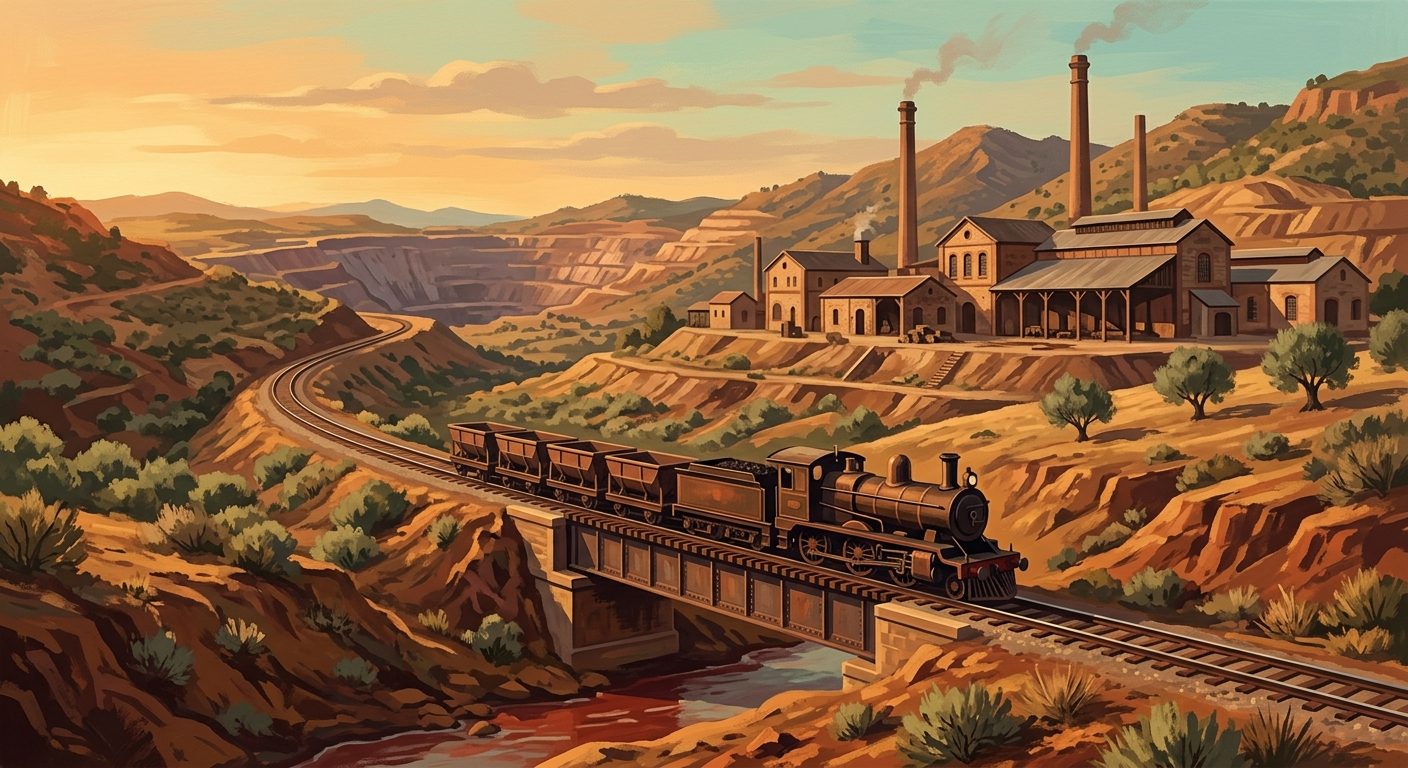
Industrial Heritage in Andalucía: Mines, Railways and the British
The nineteenth century brought an industrial boom to Andalucía, fuelled by British capital and ancient mineral wealth. Copper, iron and railways reshaped the landscape, leaving behind a profound legacy of Victorian architecture and vast open-pit mines.
6 min read
Tartessos and the Silver Trade
Ancient Greek historians wrote of a legendary kingdom in the far west ruled by a monarch of impossible age and wealth. Modern archaeology has stripped away the myth to reveal an indigenous Iberian society transformed by an insatiable Mediterranean demand for silver.
8 min read
Corduba and Roman Baetica
Discover the political and intellectual might of Corduba, the wealthy administrative capital of Roman Baetica and the birthplace of the philosopher Seneca.
7 min read
More guides
UNESCO World Heritage Sites in Andalucía
A curated guide to the cultural and natural sites in Andalucía recognised by UNESCO for their universal value. These landmarks offer a profound insight into the diverse civilisations of the region.
6 min read
The Best Beaches in Andalucía
From the Atlantic dunes of Huelva to the volcanic coves of Almería, the coastline of southern Spain offers an unparalleled variety of maritime landscapes.
6 min read
Phoenicians and Tartessians in Andalucía
Around three thousand years ago, eastern Mediterranean merchants arrived on the Iberian coast seeking silver and copper. Their arrival sparked a cultural collision that transformed local chiefdoms into the legendary civilisation of Tartessos.
6 min read
Roman Andalucía: Ruins and Archaeological Sites
Discover the monumental legacy of the Roman province of Baetica, from grand amphitheatres in the Guadalquivir valley to maritime cities on the Atlantic coast.
7 min read
Geological Wonders: Caves and Karst Landscapes of Andalucía
Discover the subterranean wonders and prehistoric secrets preserved within the limestone massifs and gypsum deposits of southern Spain.
6 min read
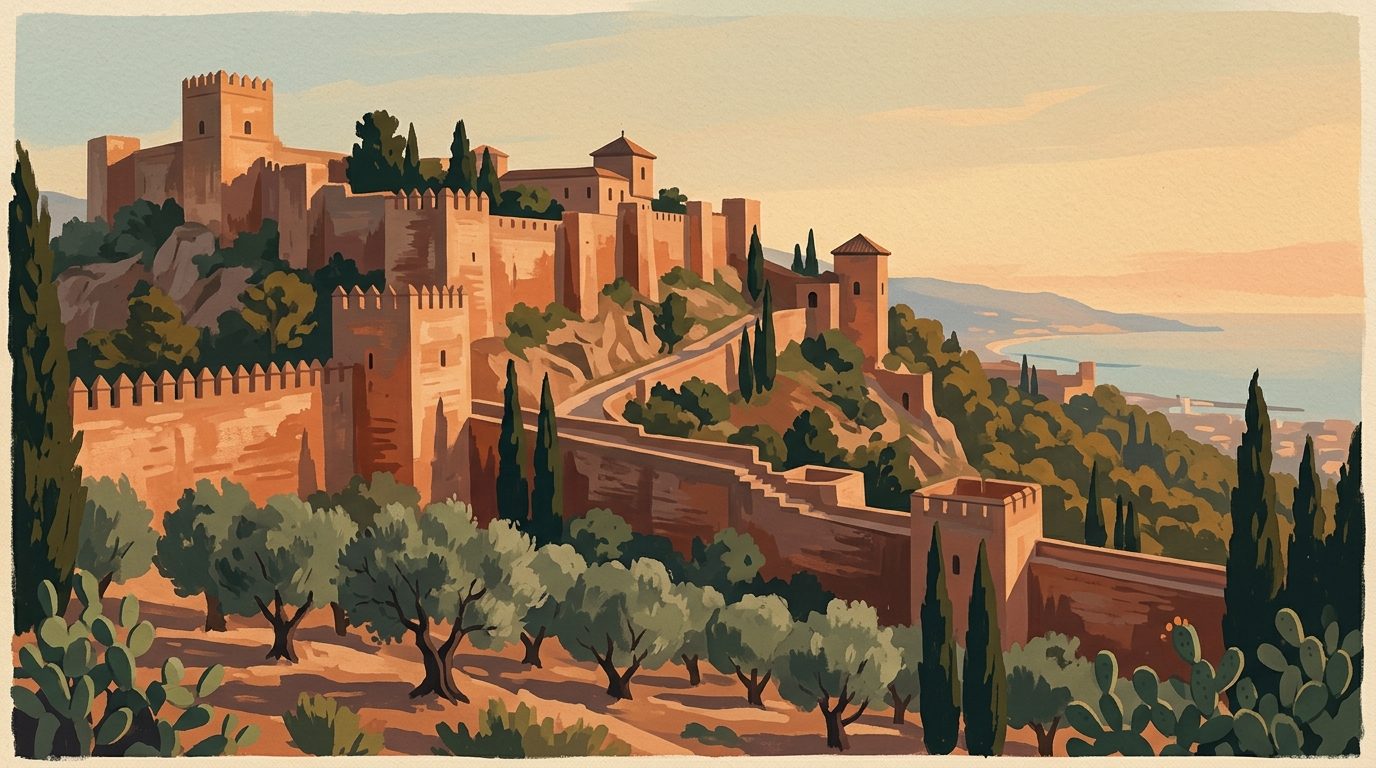
Castles and Fortresses of Andalucía
The fortresses of Andalucía are the stone guardians of a complex past, marking the ancient frontiers between empires and offering some of the most spectacular views in the southern peninsula.
6 min read
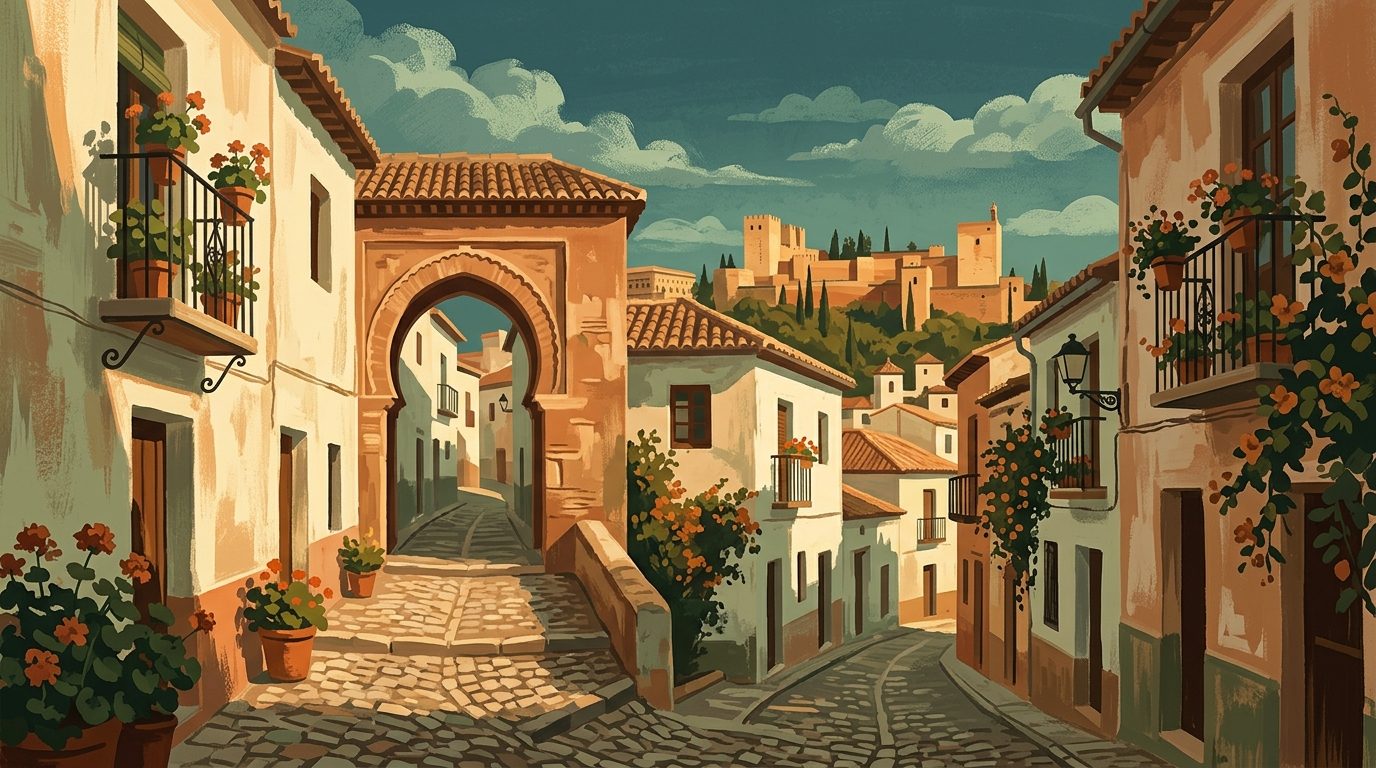
The Iberians in Andalucía: Warlords, Sculptors and the Dawn of Iron
Who were the sophisticated, iron-working peoples who controlled southern Spain before the Roman conquest? Their fortified hill towns and striking stone sculptures reveal a formidable culture caught between ancient local traditions and Mediterranean ambition.
6 min read
UNESCO Geoparks and Natural Wonders of Andalucía
Discover the geological heritage of Southern Spain through its UNESCO-designated geoparks and natural wonders. Explore the tectonic history and diverse ecosystems of Almería, Granada, and Cádiz.
6 min read
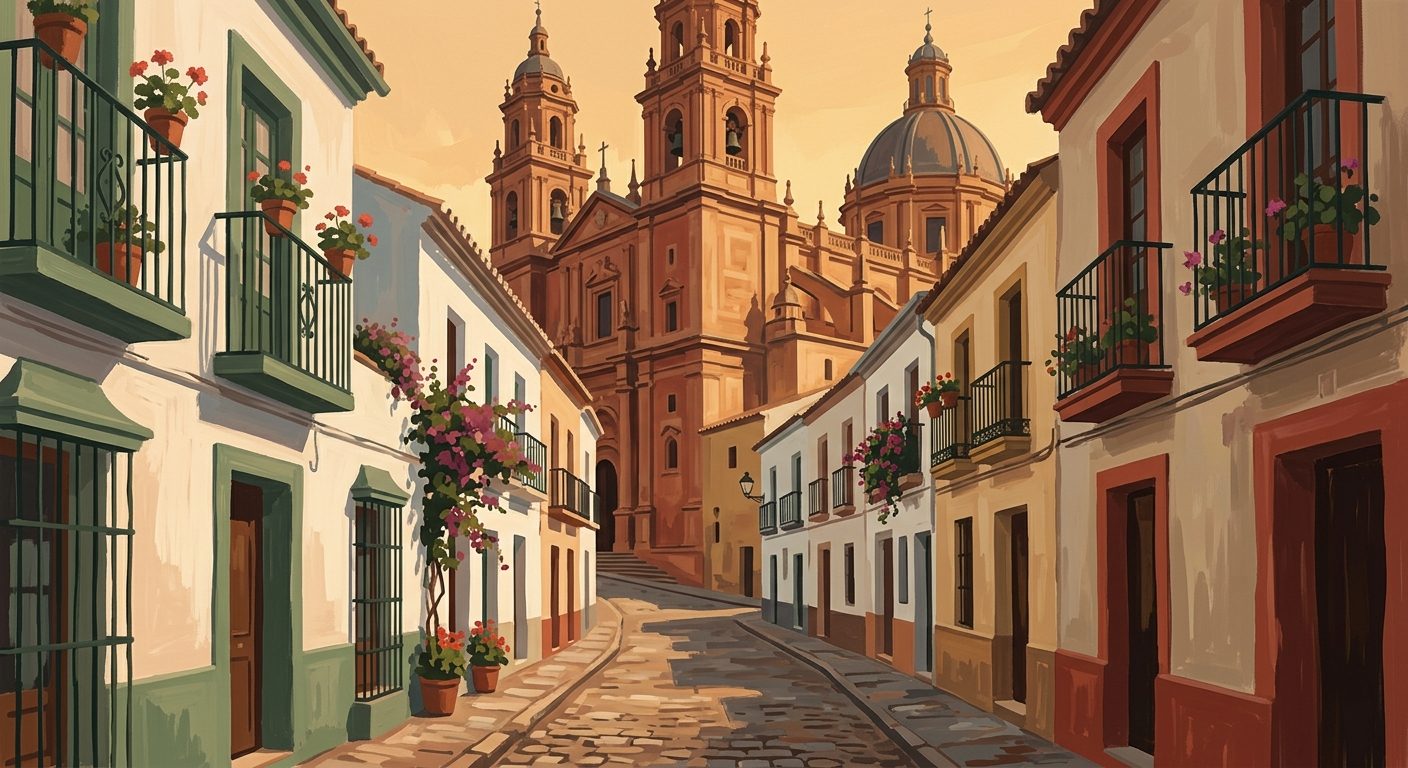
Cathedrals and Great Churches of Andalucía
A guide to the monumental religious architecture of Southern Spain, from the vast Gothic nave of Sevilla to the Renaissance masterworks of Jaén and Granada.
6 min read
Newsletter
More stories from Andalucía
Weekly notes, seasonal picks, and the next guides worth bookmarking.