
1085-1492
The Reconquista
The centuries-long Christian conquest of southern Iberia redefined the physical and cultural landscape of the peninsula. How did the military campaigns of the northern kingdoms dismantle the Islamic territories of Al-Andalus and forge the modern region of Andalucía?
The Reconquista is often described as a single story, but in Andalucía it unfolded through changing frontiers, negotiated surrenders, fortress towns, religious institutions, and local communities that did not all experience the process in the same way.
The end point is easy to remember: Granada surrendered in 1492. The route to that moment is more complex, with frontier zones around Jaén, Córdoba, Sevilla, Málaga, and Granada shaping settlement patterns, architecture, and the legal status of Muslim and Jewish communities.
The period works better as a framework than a checklist. Cathedrals, castles, royal chapels, and old quarters often preserve different layers from the same transition, so the most useful visits are the ones that compare Christian, Islamic, and later Renaissance changes in one place.
5 chapters in this era
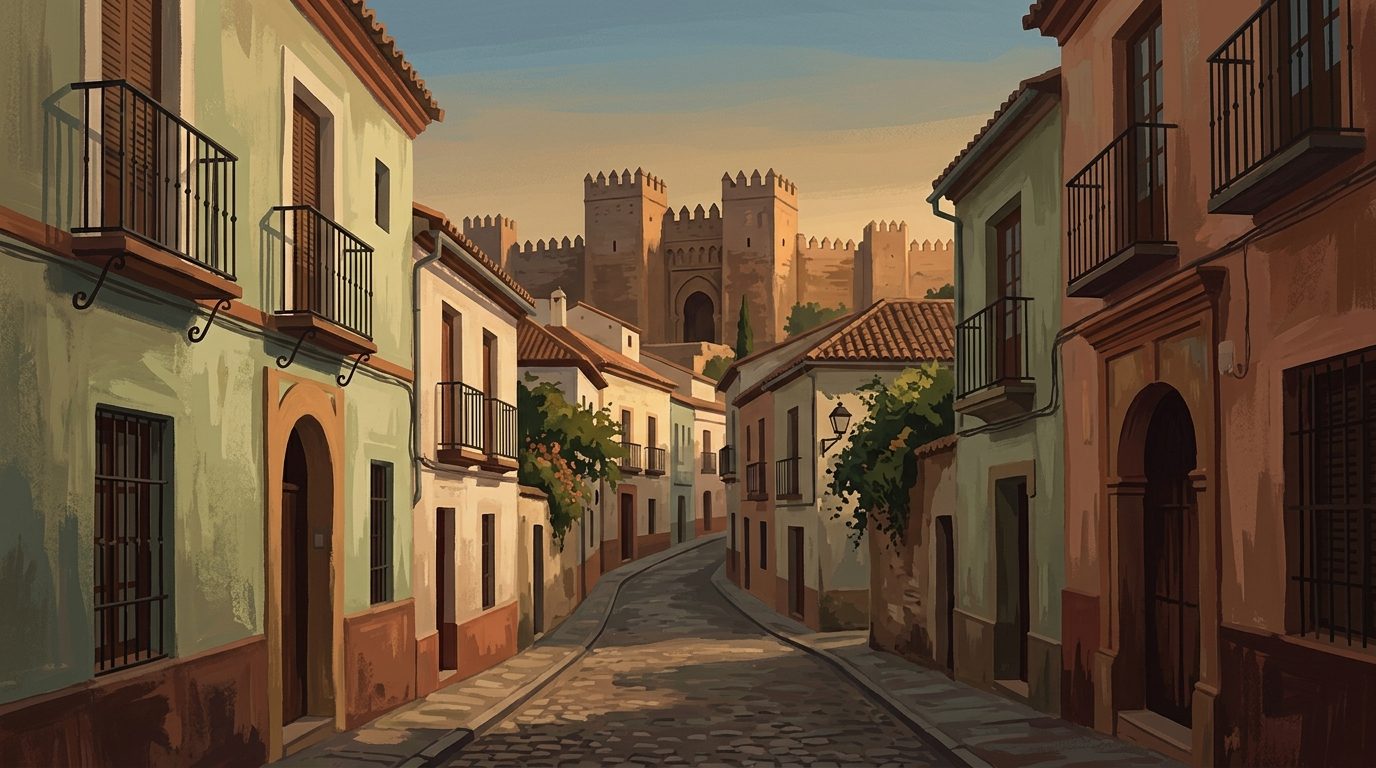
The Fall of Córdoba, 1236
In 1236, a daring winter raid by Castilian frontiersmen escalated into a full siege of the former Umayyad capital. The subsequent surrender of Córdoba marked a decisive turning point in the medieval history of the Iberian Peninsula.
8 min read
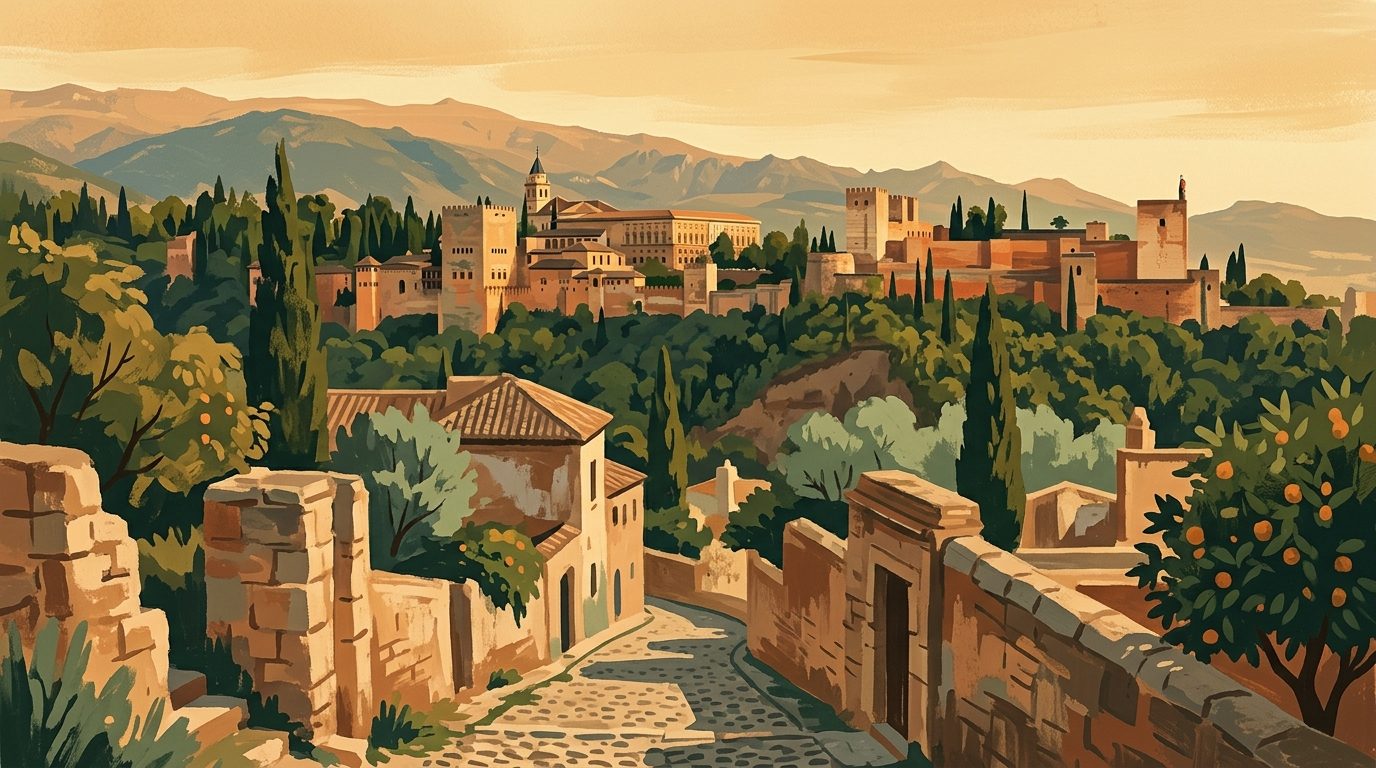
The Fall of Granada, 1492
On the second of January 1492, the keys to the Alhambra were handed over to Ferdinand and Isabella, bringing a close to almost eight centuries of Muslim rule in the Iberian Peninsula. The capitulation of Granada reshaped the political and religious landscape of Europe forever, ending a long war of attrition.
8 min read
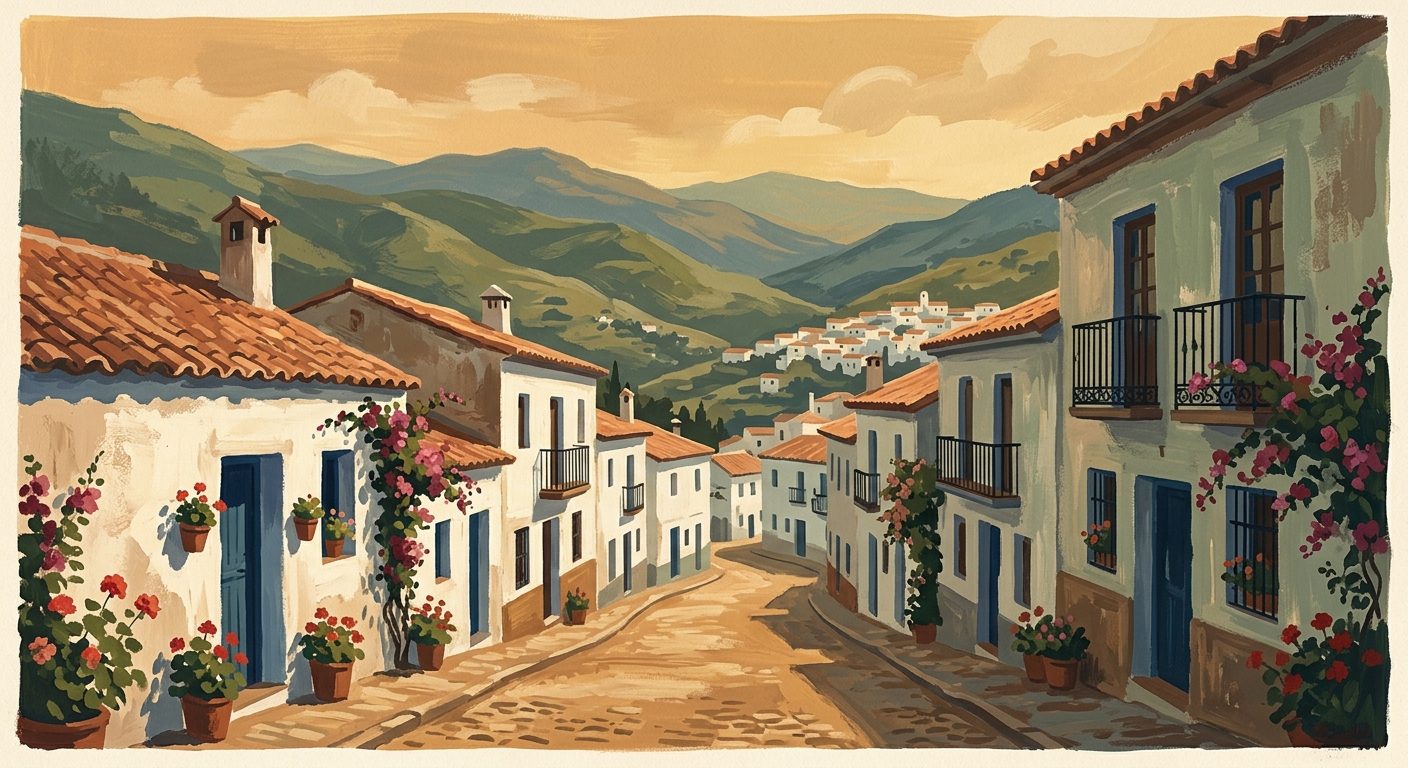
The Morisco Revolt of the Alpujarras
The Morisco Revolt of 1568 transformed the mountainous terrain of the Alpujarras into the theatre of a brutal war. Driven to rebellion by laws erasing their culture, the descendants of Granada's Muslim population fought a desperate campaign against the Spanish Crown.
8 min read
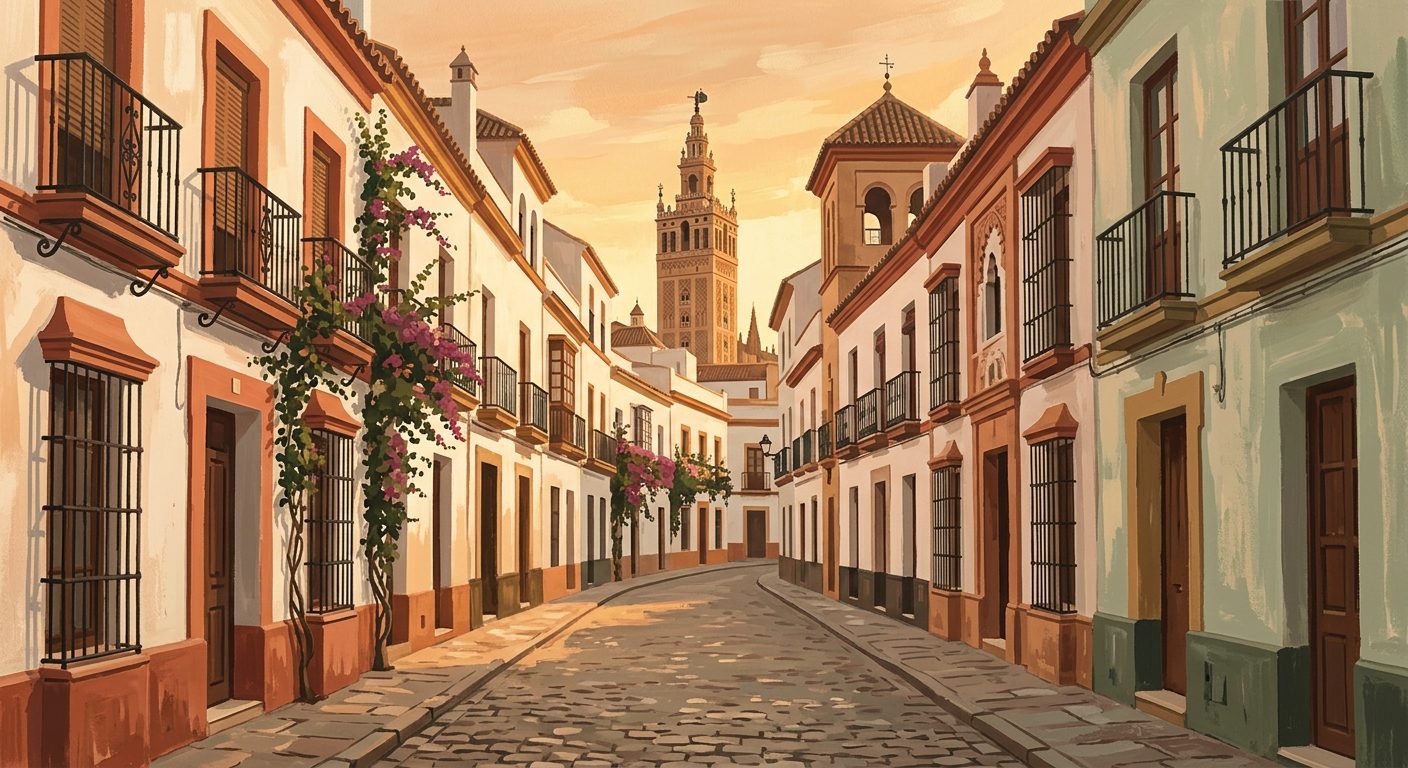
The Fall of Sevilla: The Siege of 1248 and the Mudéjar City
In November 1248, Fernando III of Castile captured the greatest Almohad capital in the Iberian Peninsula. The gruelling fifteen-month siege permanently altered the cultural and architectural landscape of southern Spain.
7 min read
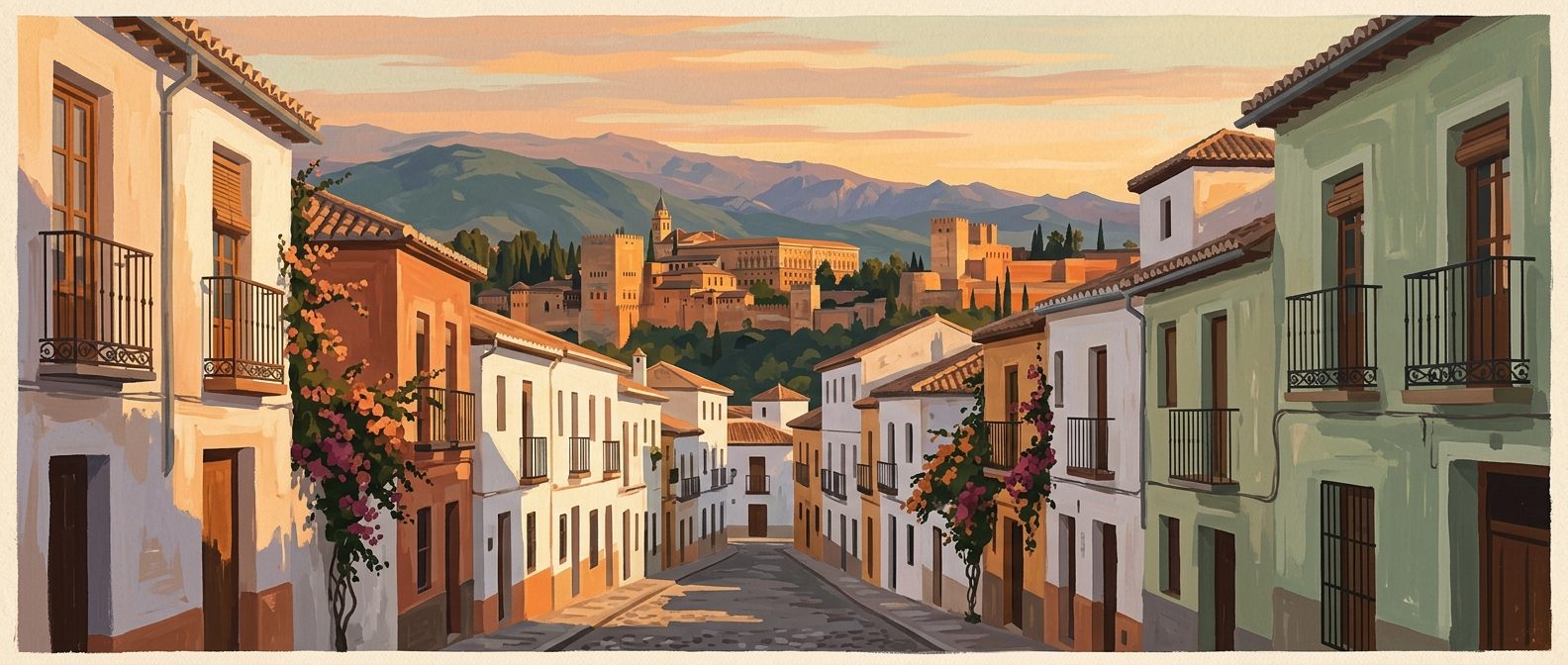
The Frontier of Granada: Life and War on the Edge of Al-Andalus
For over two centuries, the borderland separating the Christian Crown of Castile from the Nasrid Emirate of Granada was defined by watchful towers and sudden raids. Yet this military frontier was equally a zone of profound cultural exchange, where merchants, captives and diplomats negotiated daily survival in a divided land.
7 min read