
Feature · Granada
The Frontier of Granada: Life and War on the Edge of Al-Andalus
For over two centuries, the borderland separating the Christian Crown of Castile from the Nasrid Emirate of Granada was defined by watchful towers and sudden raids. Yet this military frontier was equally a zone of profound cultural exchange, where merchants, captives and diplomats negotiated daily survival in a divided land.
By Dan · Updated 24 June 2026 · 7 min read
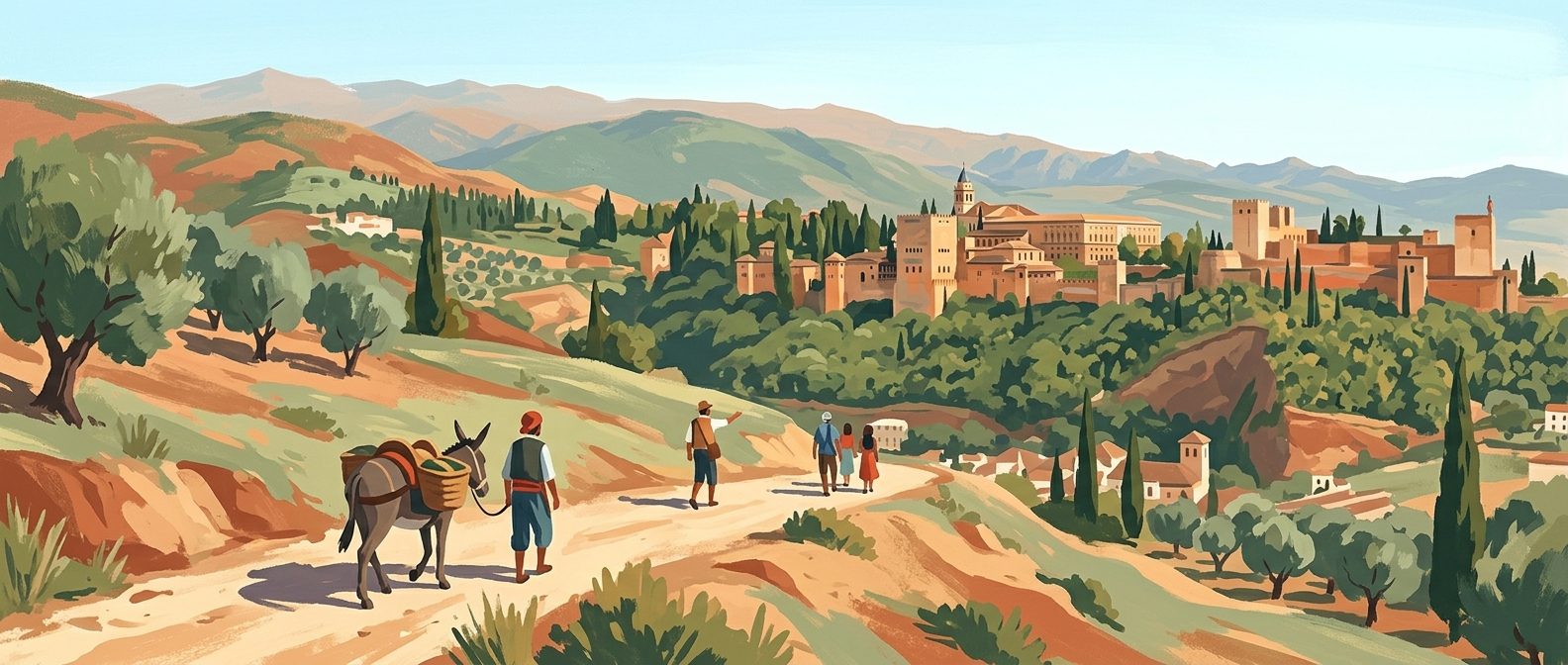
High on the limestone ridge of Alcalá la Real, a solitary sentry peers south towards the snowy peaks of the Sierra Nevada. If a cloud of dust appeared on the horizon, signalling a raid from the Nasrid emirate, the guard would light a beacon fire. Within minutes, the flame would be answered by another tower, and then another, sending a chain of fire racing across the landscape to warn the interior.
This network of watchtowers defined the frontier of Granada. During the late phases of the Reconquista (1085 to 1492), after the great Christian advances of the thirteenth century swallowed Córdoba and Sevilla, the map of the Iberian Peninsula settled into a stubborn stalemate. For more than two hundred years, a heavily fortified line separated the Christian Crown of Castile from the Muslim Emirate of Granada, the last Islamic state in Iberia.
Far from a simple line on a map, this border was a deep, militarised zone known as the Banda Morisca. It was a harsh environment where sudden violence was a constant threat, and agricultural work required an armed escort. Yet it was also a porous boundary. Through the mountain passes and river valleys, a continuous stream of merchants, runaway captives, spies and official negotiators crossed between two very different worlds, forging a unique society shaped entirely by its proximity to the edge.
The Architecture of Vigilance
The physical geography of Andalucía played a decisive role in how the frontier operated. The border ran through some of the most difficult terrain on the peninsula, following the jagged spines of the Subbética mountains and the Serranía de Ronda. In these remote uplands, visual communication was essential. A sophisticated network of stone watchtowers, known as atalayas, dotted the high ground.
These circular, solid-based towers were positioned within line of sight of one another. During the day, guards used smoke signals. At night, they lit beacon fires. A warning of a border incursion could travel from the coastal mountains to the inland capitals in a matter of hours, prompting the local militias to muster and deploy. Because the landscape was so unforgiving, full-scale invasions were logistically difficult. Armies moving through the narrow mountain passes were vulnerable to ambush. Consequently, the frontier settled into a state of low-intensity conflict that lasted for generations.
Entire communities grew up in the shadow of this tension. The towns that survived near the border were heavily fortified, often perched on steep crags where they could control the valleys below while remaining easily defensible. The land immediately between the major fortresses often became a depopulated no-man's-land, where only the most desperate or heavily armed shepherds dared to graze their flocks.
The Economy of Raids and Ransoms
The defining military tactic of the Granadan frontier was the razzia. This was a fast, highly mobile cavalry raid executed by both Christian knights and Nasrid forces. The goal was rarely to occupy land. Instead, war parties struck quickly across the border to seize valuable assets and retreat before a counter-attack could be organised. The primary targets were agricultural. Raiders drove off flocks of sheep, stole cattle, and burned fields to weaken the enemy economy.
Human captives were the most lucrative prize of all. Taking prisoners was an institutionalised aspect of border warfare. A captive could be put to work, sold into slavery, or held for ransom. Because this practice was so widespread, a specialised class of diplomats emerged to manage the release of hostages.
These negotiators, called alfaqueques, were officially licensed by their respective monarchs and enjoyed strict diplomatic immunity. They possessed a deep understanding of both cultures, usually spoke fluent Arabic and Castilian, and were granted safe passage across the hostile border. The alfaqueques travelled into enemy territory carrying gold, silver, or specific trade goods to negotiate the freedom of high-ranking knights or wealthy merchants. Their existence proves that legal frameworks and commerce functioned even amidst perpetual conflict.
The Smugglers and the Balladeers
Despite regular decrees from both the Crown of Castile and the Nasrid emirs forbidding trade with the enemy, the economic reality of the frontier dictated otherwise. The two regions were entirely interdependent. The Emirate of Granada, squeezed between the mountains and the sea, supported a dense population and frequently suffered from grain shortages. They desperately needed Castilian wheat, as well as livestock and leather. In return, Castile hungered for the luxury goods produced in Granadan workshops, particularly fine silk, intricately glazed ceramics, dried figs, and almonds.
Local officials routinely turned a blind eye to the smugglers who facilitated this trade. These merchants navigated the treacherous mountain paths, guiding pack mules loaded with contraband across the border. This illicit economy created a shared material culture in the borderlands, where Castilian nobles wore Granadan silk, and Granadan elites consumed Castilian grain.
The unique environment of the borderlands captured the imagination of the wider Iberian Peninsula, giving birth to a celebrated literary genre. The frontier ballads, or romances fronterizos, were short, dramatic narrative poems transmitted orally by wandering musicians. These ballads recounted tales of daring raids, tragic romances across enemy lines, and the chivalric deeds of specific knights.
Unlike the rigid propaganda of holy war that often emanated from the royal courts, these local ballads frequently portrayed the enemy with dignity and respect. A Nasrid warrior in a frontier ballad was not a faceless villain, but a tragic hero bound by the same codes of honour and bravery as his Christian counterpart. This literature reflects a profound mutual recognition. The people of the frontier, despite their religious differences and the constant threat of violence, understood each other better than they understood the distant kings and clerics in their own capital cities.
The Fall of Antequera
The relative equilibrium of the border was shattered in the early fifteenth century. For decades, the Nasrids had maintained their independence through a combination of military deterrence, brilliant diplomacy, and a willingness to pay heavy financial tribute to Castile when necessary. However, as the Castilian monarchy consolidated its internal power, it began to press harder against the Granadan defences.
The turning point arrived in 1410. The Castilian prince Infante Fernando assembled a massive siege train, complete with the latest gunpowder artillery, and marched on the city of Antequera. Positioned on the edge of a vast, fertile plain, Antequera was the primary agricultural engine for the western half of the emirate and a crucial defensive lynchpin. After a brutal, five-month siege, the city capitulated.
The loss of Antequera was a catastrophe for Granada. It drove a deep wedge into the frontier line, exposing the heart of the emirate to future campaigns. The victory earned the prince the title Fernando de Antequera and signalled the beginning of the end for the Andalucían stalemate. The capture of the city demonstrated that the era of minor, cross-border raids was giving way to a sustained, industrialised war of territorial conquest, one that would finally consume the emirate eight decades later.
Where to see it today
Fortaleza de la Mota (Alcalá la Real)
Dominating a strategic pass between the Guadalquivir valley and the mountains of Granada, this vast fortress was captured by King Alfonso XI in 1341 and became a frontline command centre. It was heavily modified over the centuries to serve as the ultimate border stronghold. Today, visitors can explore the complex urban layout enclosed within its formidable walls. The site includes military housing, defensive gates, and an impressive abbey built directly over the foundations of the original mosque. A highlight is the network of subterranean passages and the interpretation centre, which provides excellent context on the daily routines of the border garrison.
Antequera
The modern city of Antequera still wraps around the base of its imposing medieval Alcazaba. Walking up to the fortress, you pass through the monumental Arco de los Gigantes, a later construction that incorporated Roman masonry to celebrate the city's ancient roots. Inside the Alcazaba, the Torre del Homenaje stands out for its sheer size and the massive bell tower added in the late sixteenth century. The true value of visiting the Alcazaba is geographical. From the ramparts, you can look out across the broad plains of the Vega de Antequera, easily understanding why this specific location was the critical gateway to the Nasrid emirate.
Castillo de Vélez-Blanco
Situated in the rugged province of Almería, this site represents the eastern extreme of the Granadan frontier. Originally an Islamic defensive structure controlling the border with the Kingdom of Murcia, it was transformed into a towering stone castle after the Christian conquest. The exterior remains a stark, unyielding statement of military power, designed to intimidate and defend. While its famous Renaissance inner courtyard was dismantled and sold to the Metropolitan Museum of Art in New York in the early twentieth century, the towering keep and the sheer defensive walls remain. Walking the perimeter offers a visceral sense of the isolation and vigilance required to hold the eastern marches.
If you visit
To truly understand the scale of the frontier, start your journey at the Fortaleza de la Mota in Alcalá la Real. The site is expansive, so allocate at least two hours for your visit and wear sturdy walking shoes to navigate the steep, cobbled paths. Spring or autumn are the best seasons to explore these high-altitude fortresses, as the exposed stone walls offer little shade during the extreme heat of an Andalucían summer. Always check the official municipal websites (such as turismo.antequera.es or alcalalareal.es) for current opening hours, as many provincial castles close on Mondays or observe a long afternoon siesta.
Last reviewed: 21 June 2026 · Editorial policy
Related guides
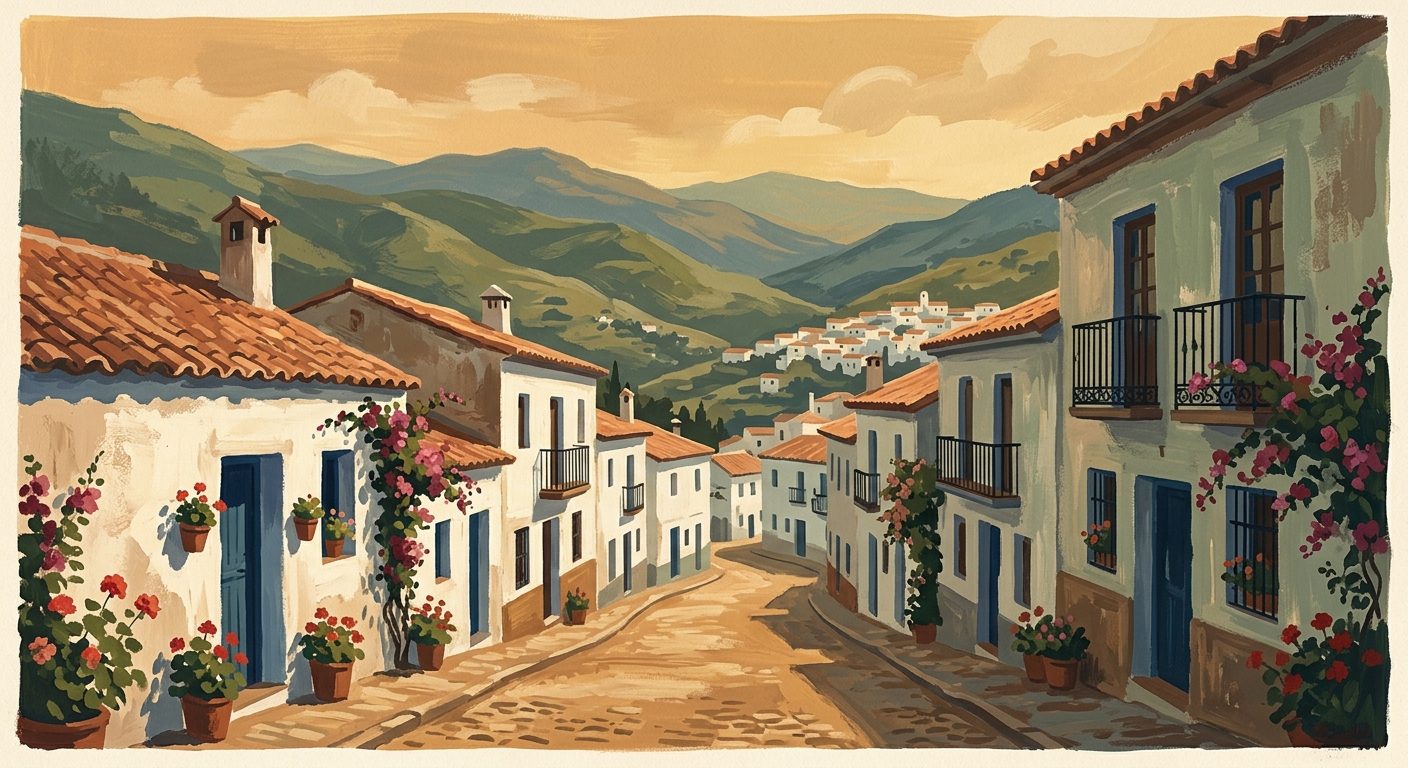
The Morisco Revolt of the Alpujarras
The Morisco Revolt of 1568 transformed the mountainous terrain of the Alpujarras into the theatre of a brutal war. Driven to rebellion by laws erasing their culture, the descendants of Granada's Muslim population fought a desperate campaign against the Spanish Crown.
8 min read
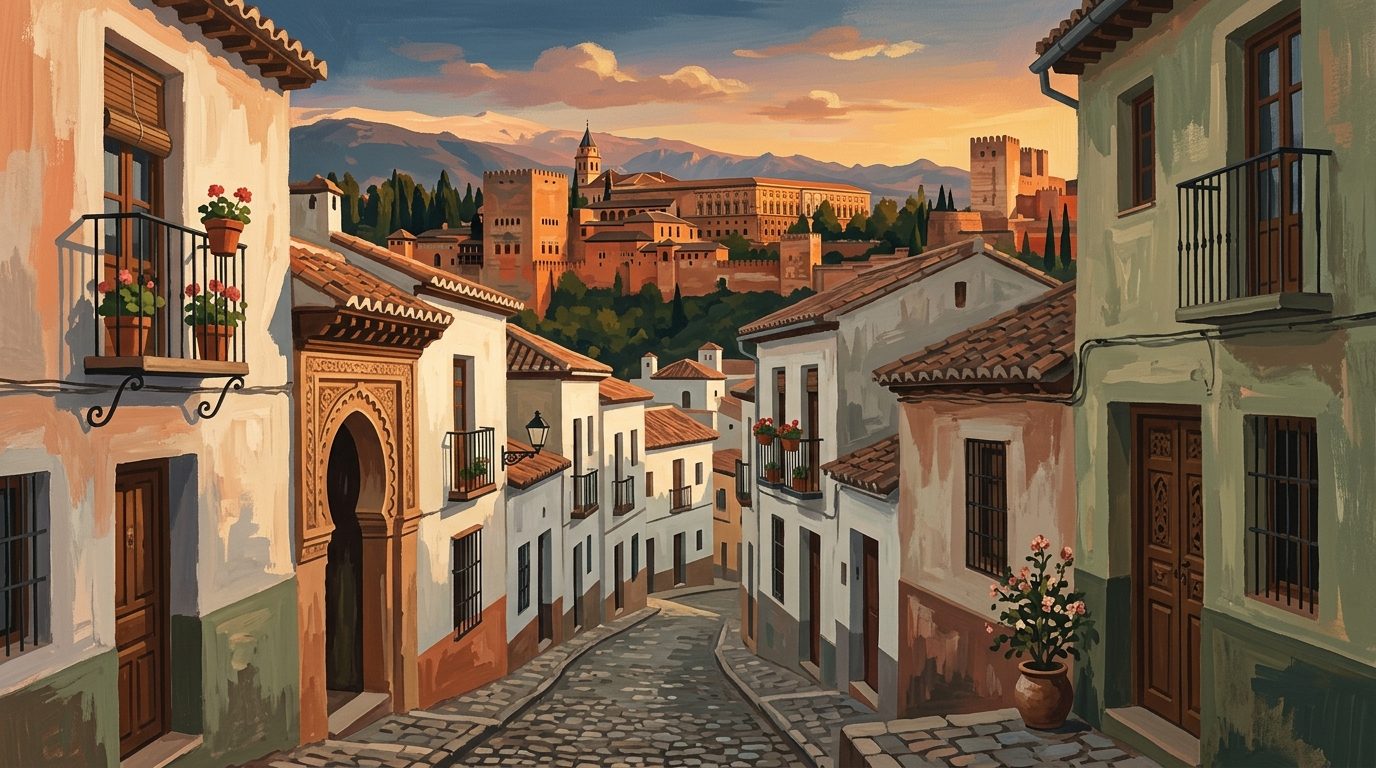
Nasrid Granada: The Last Islamic Kingdom of Iberia
Discover how the Nasrid dynasty forged a pragmatic mountain emirate that survived for over two centuries, creating the Alhambra and leaving a lasting architectural legacy.
8 min read
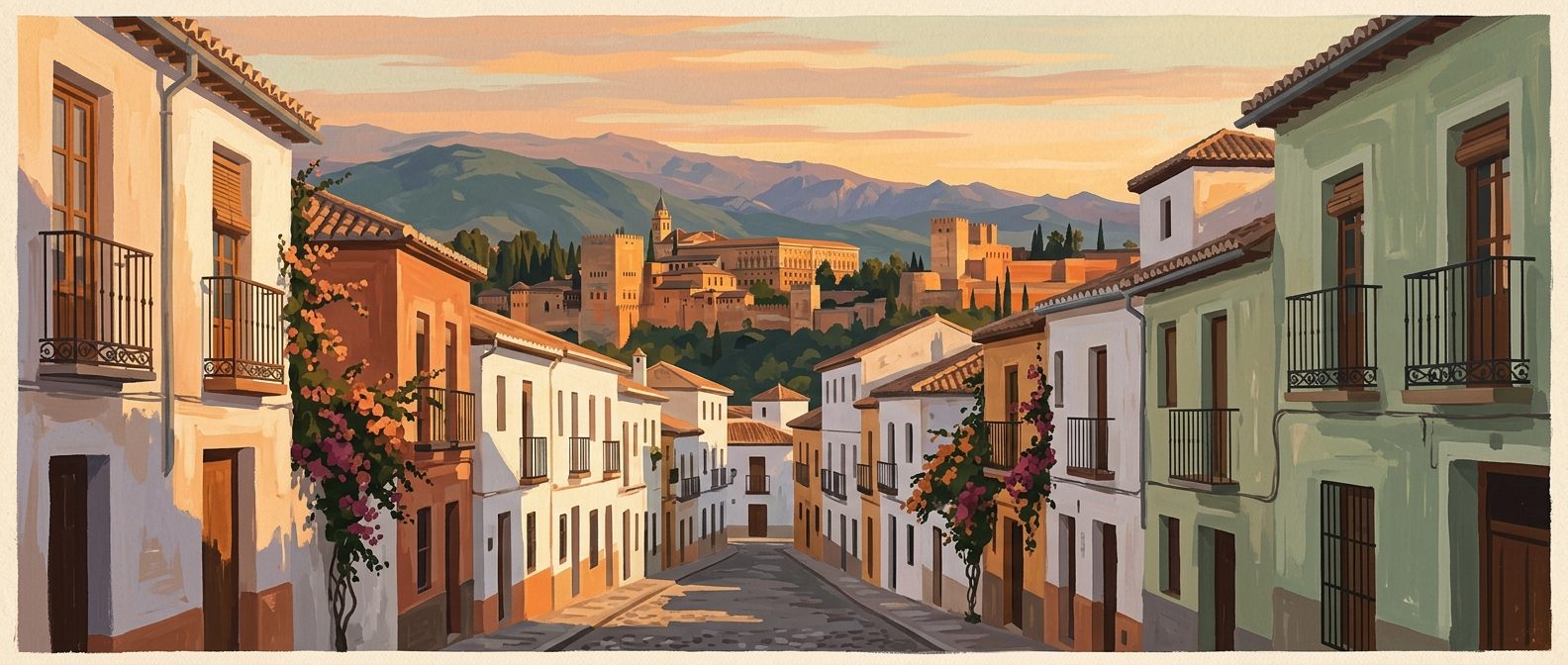
Granada's Enduring Moorish Soul: Beyond the Alhambra
Discover Granada's profound Moorish legacy beyond the Alhambra, delving into the ancient Albaicín quarter, overlooked architecture, and the layered culture that defines the city.
5 min read
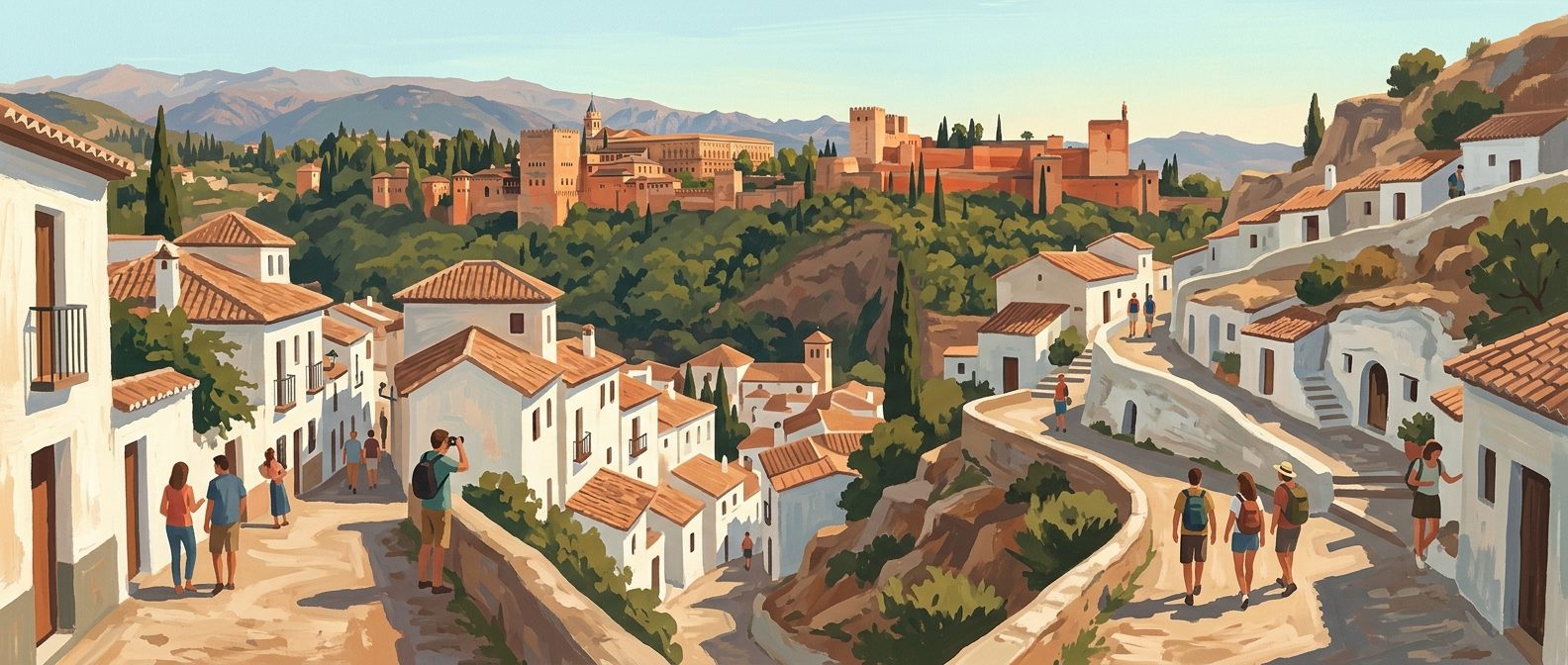
Unveiling Granada's Soul: A Journey Through the Albaicín and Sacromonte Quarters
Walk through Granada’s Albaicín and Sacromonte quarters with context on Moorish streets, cave houses, flamenco heritage, viewpoints and practical routes.
7 min read
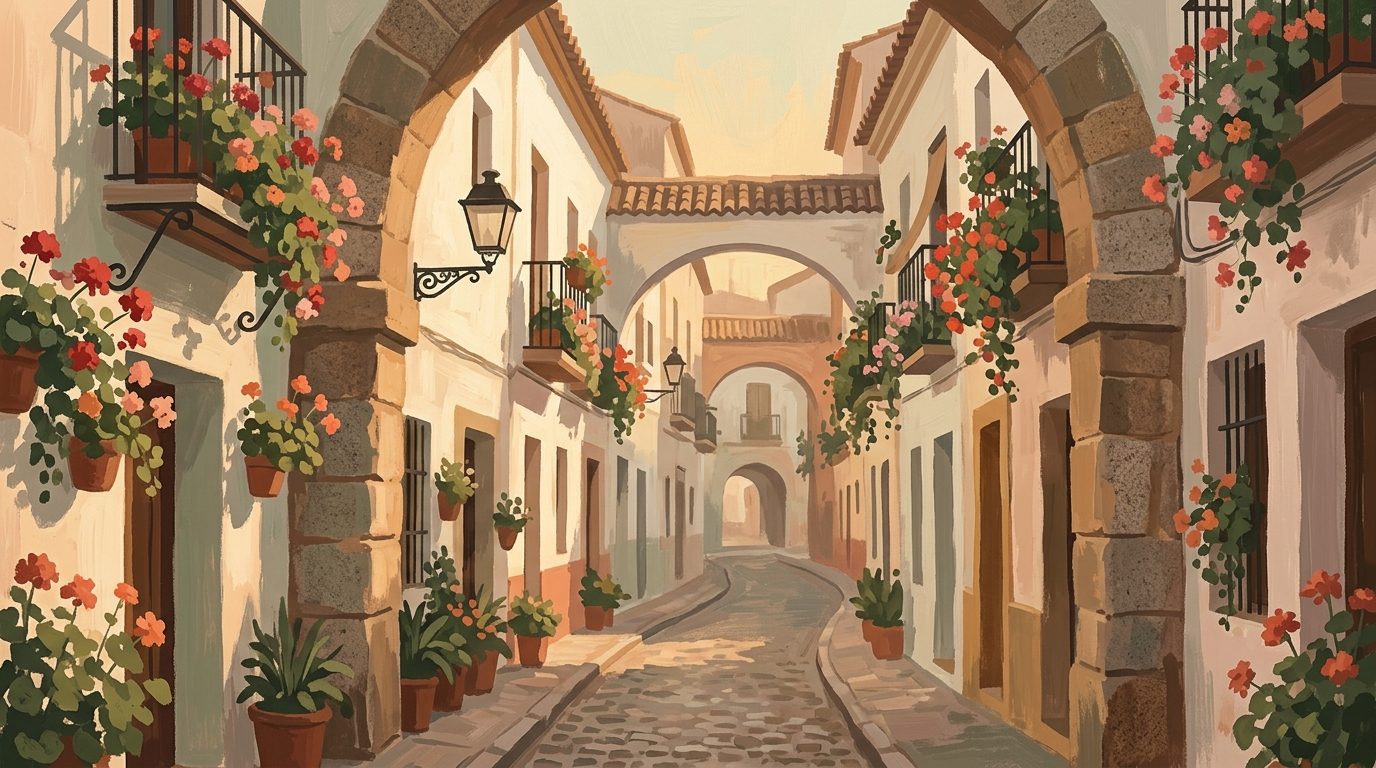
The Granite and the Geranium: The Fragile Geometry of Córdoba’s May
For two weeks in May, Córdoba’s residents throw open the doors of their private courtyards, turning a city of stone into a living, breathing laboratory of botanical obsession.
6 min read
The Ghost in the Garden: Searching for the Al-Andalus Within
Eight centuries of Al-Andalus did not vanish in 1492; they simply moved indoors, into the kitchens, and onto the tip of the tongue.
7 min read
More from Granada
Lorca and the Repression in Granada
The assassination of Spain's most celebrated poet was just one part of a systematic campaign of terror. Today, the ravines of Víznar and Alfacar hold the stories of thousands whose voices were silenced.
7 min read
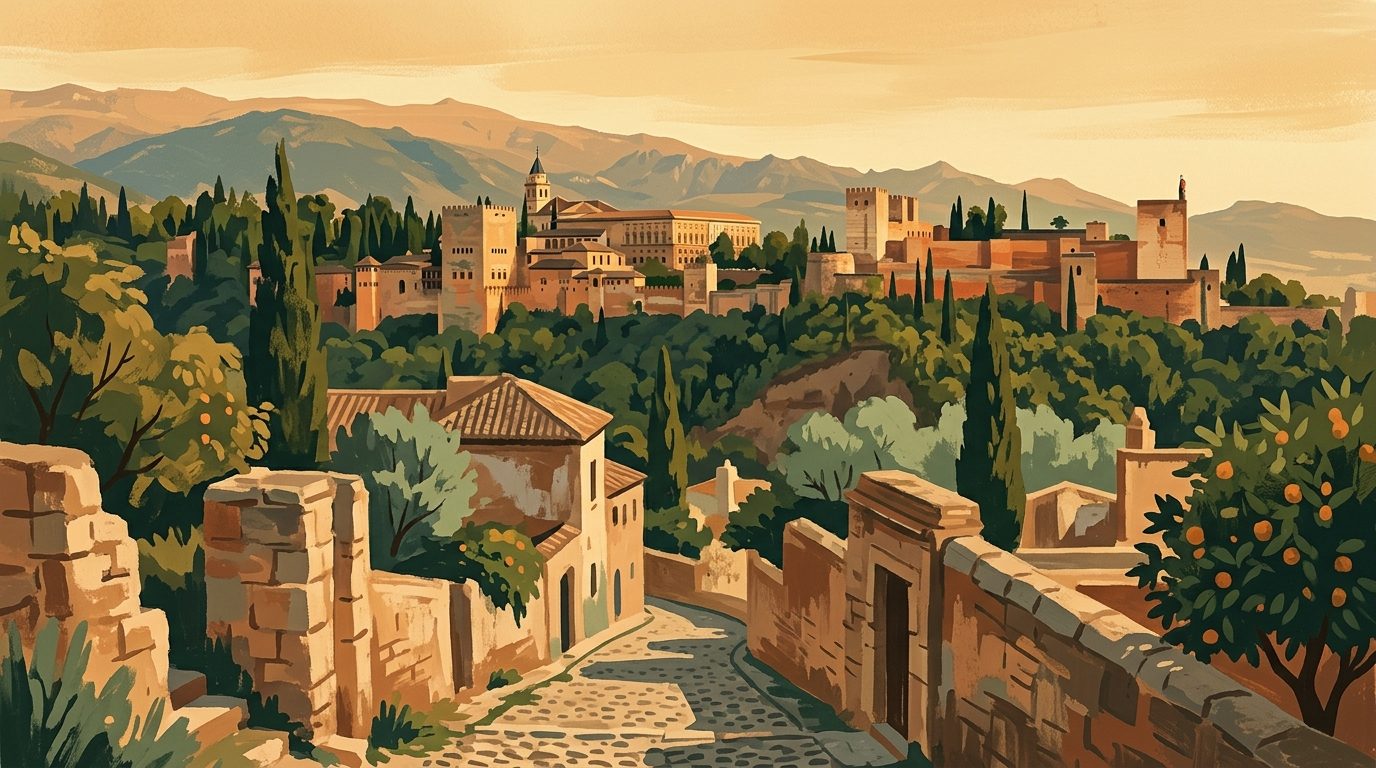
The Fall of Granada, 1492
On the second of January 1492, the keys to the Alhambra were handed over to Ferdinand and Isabella, bringing a close to almost eight centuries of Muslim rule in the Iberian Peninsula. The capitulation of Granada reshaped the political and religious landscape of Europe forever, ending a long war of attrition.
8 min read
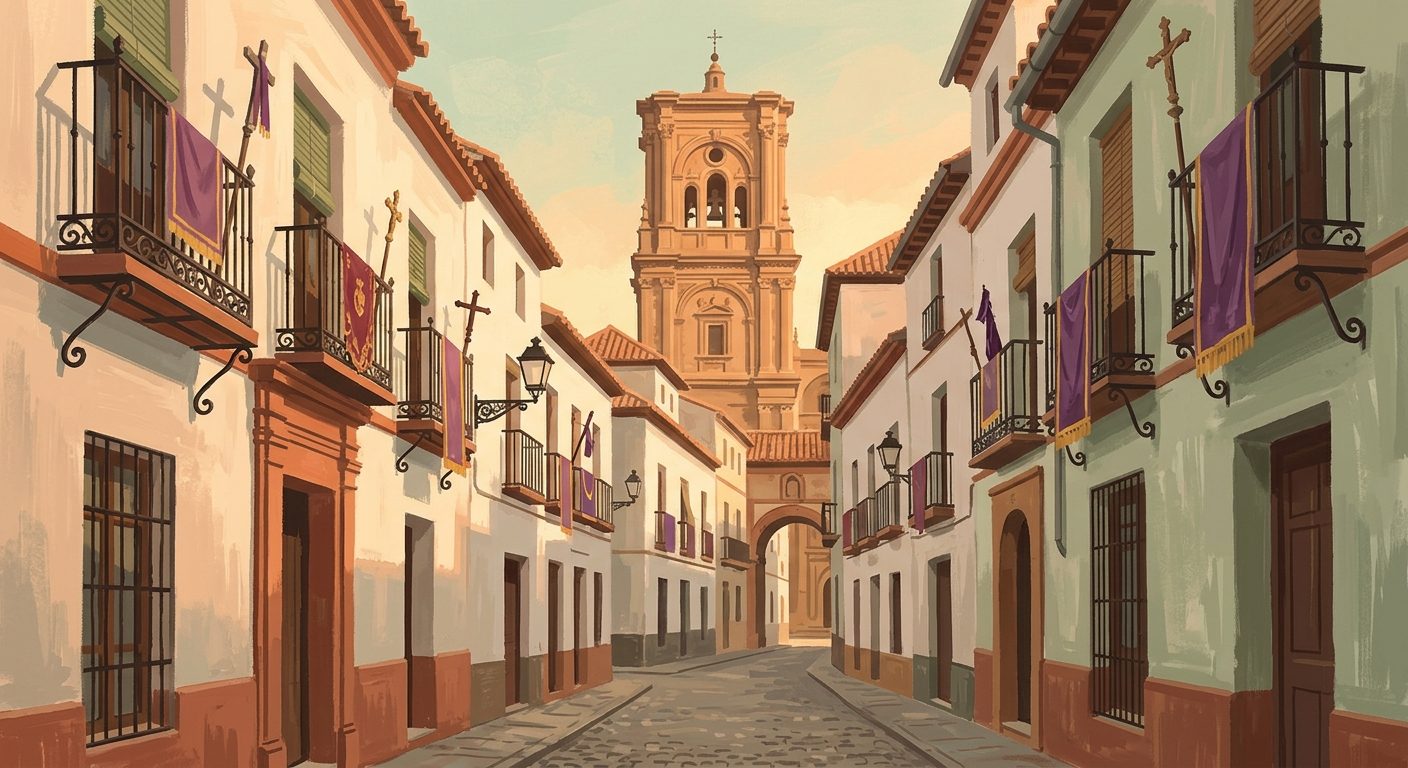
Semana Santa in Granada: A Complete Visitor Guide
Semana Santa in Granada swaps broad avenues for narrow Moorish streets and steep hillsides. Watching an illuminated wooden float emerge from the grounds of the Alhambra or ascend into the caves of Sacromonte offers a profound emotional experience that feels intimately tied to the landscape itself.
8 min read
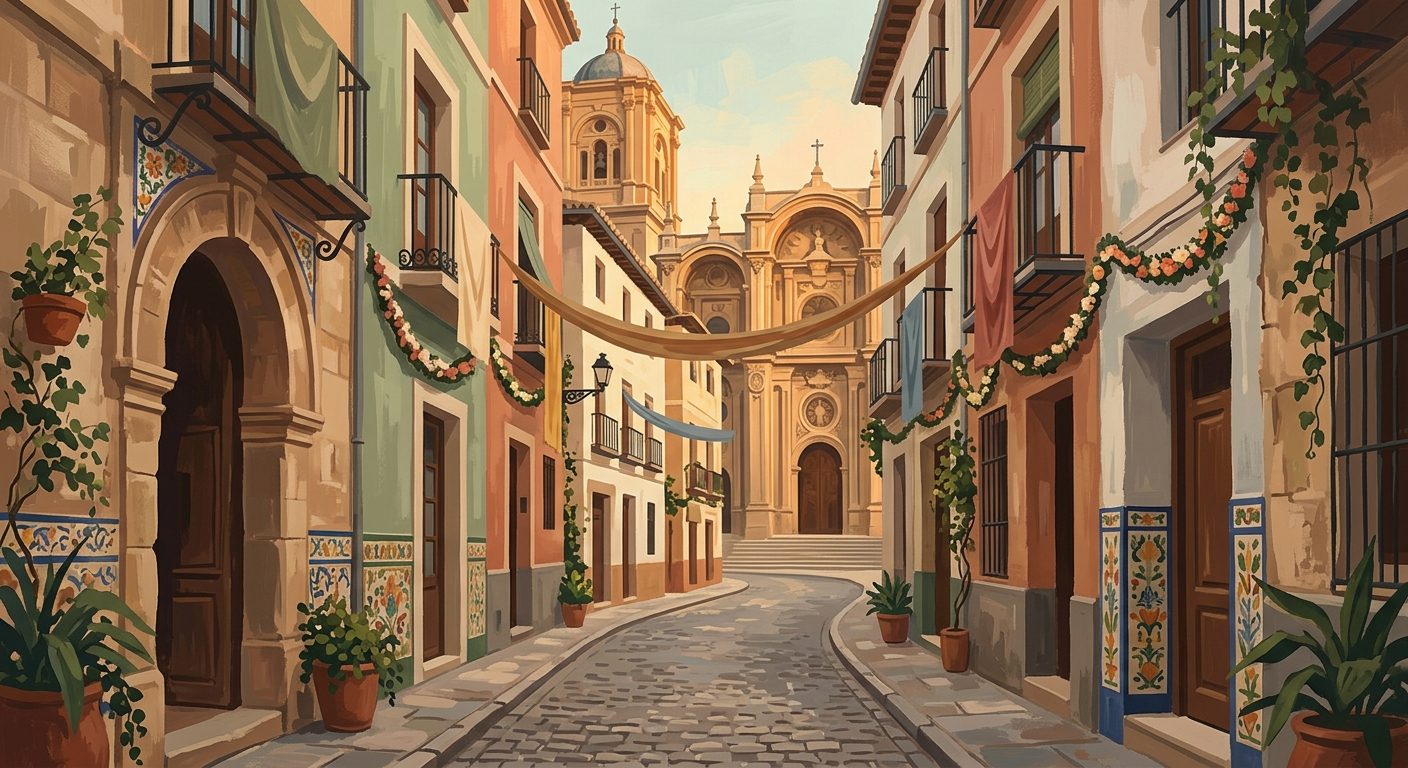
Corpus Christi in Granada: The Definitive Guide
In Granada, Corpus Christi is far more than a solemn religious observance. It is the city's largest annual festival, combining the scent of fresh rosemary crushed underfoot during the sacred Thursday procession with the unapologetic joy of the week-long public feria in Almanjáyar.
10 min read
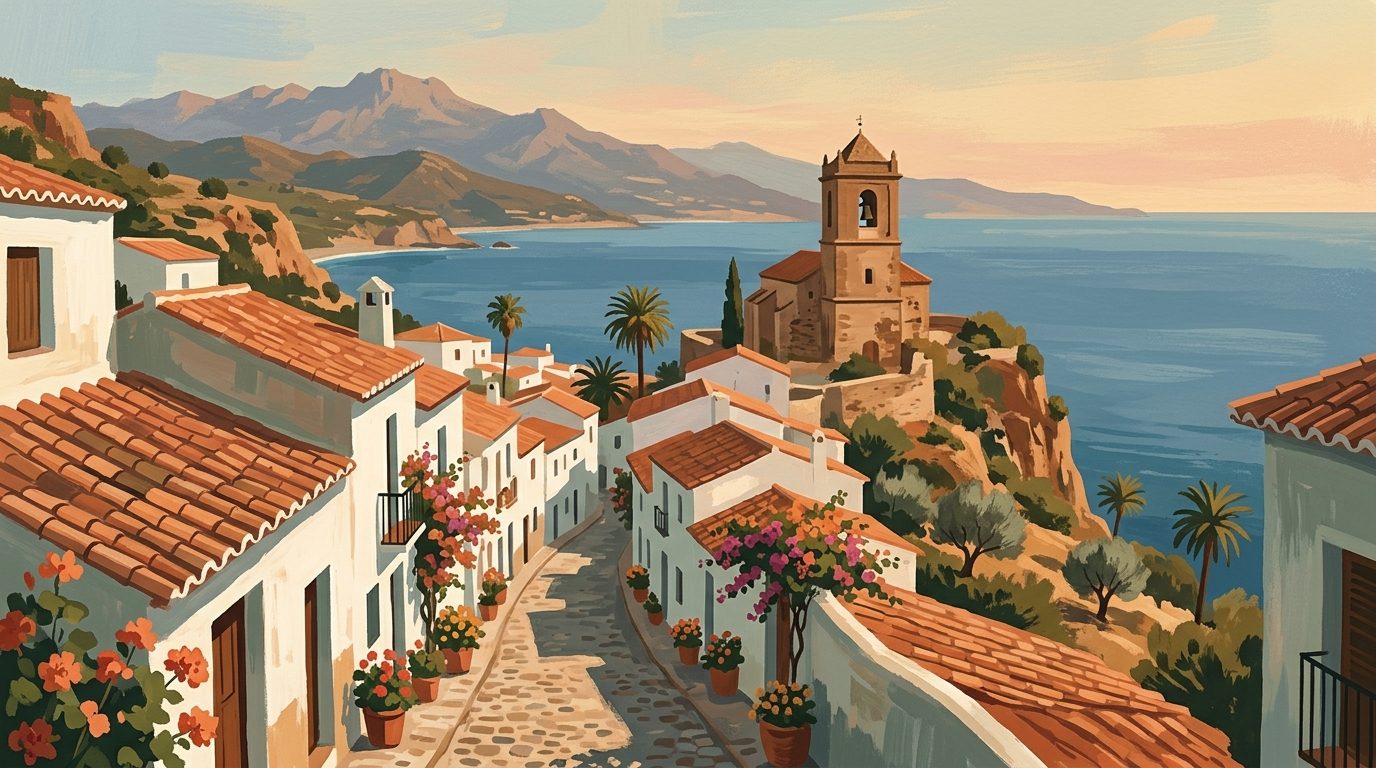
Costa Tropical: The Complete Guide to Granada's Subtropical Coast
Wedged between the foothills of the Sierra Nevada and the Mediterranean Sea, the Costa Tropical is defined by dramatic cliffs, sheltered pebble coves and a unique subtropical microclimate. It offers a quieter, more agricultural alternative to its heavily developed neighbours.
9 min read
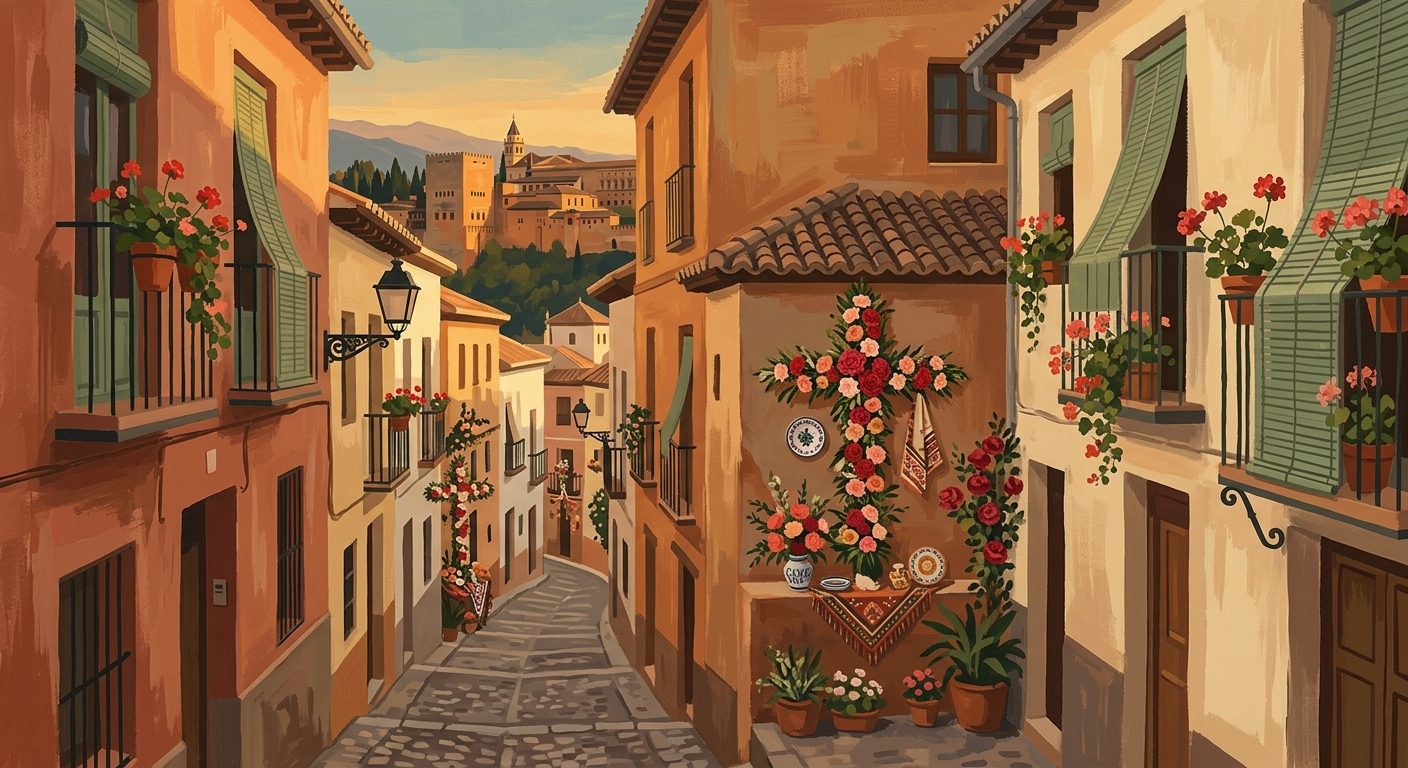
Cruces de Mayo in Granada: A Complete Guide
Discover how Granada transforms during the Cruces de Mayo festival. We detail where to find the most spectacular floral crosses, the local traditions to observe, and how to navigate the celebrations.
9 min read
The Resistance of the Plate: Why Granada Refuses to Sell Its Soul
In a world of monetised moments and rising margins, Granada holds fast to a radical social contract: the gift of a plate with every glass.
7 min read
Beyond the White Caves: The Unseen Struggle of Sacromonte
The whitewash on Curro’s fingers is thick as paste, a seasonal ritual of reclaiming a home from the damp appetite of the hillside.
7 min read
The High Defiance of the Alpujarras
In the shadows of the Sierra Nevada, the sound of water running through ancient stone channels is the heartbeat of a landscape that refused to die. While the rest of Spain’s interior surrenders to silence, these high-altitude villages are learning the language of return.
8 min read
Newsletter
More stories from Andalucía
Weekly notes, seasonal picks, and the next guides worth bookmarking.