
Itinerary · Granada
Seven Days in Andalucía: Sevilla, Córdoba, and Granada
A precise 7-day guide to Andalucía's Moorish heart, covering the essential sights and tastes of Sevilla, Córdoba, and Granada without the fluff.
By Dan · Updated 16 July 2026 · 9 min read
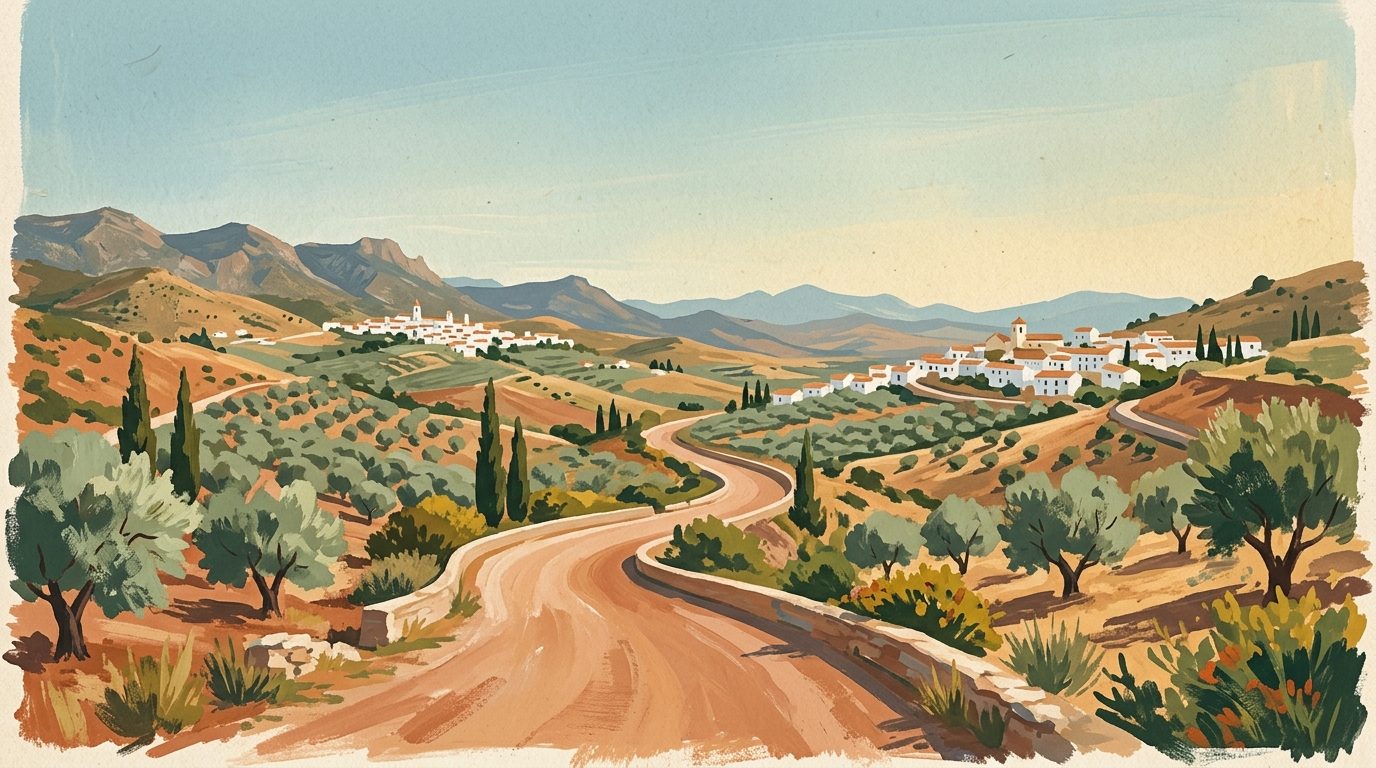
Explore the core of the Al-Andalus legacy through three cities that defined Western Islamic culture. This itinerary eliminates the guesswork, prioritising the essential monuments and logistics for an efficient, culture-heavy week.
This seven-day route focuses on the 'Golden Triangle' of Andalucía. It is designed for those who value architectural depth and historical context over lounging by a hotel pool. By basing yourself in Sevilla and Granada, you avoid the fatigue of constant hotel changes while ensuring you see the three most significant UNESCO World Heritage sites in Spain. You will experience the evolution of the region from the Umayyad Caliphate through the Almohad period to the final Nasrid Kingdom.
This itinerary works because it respects the physical scale of these cities. Many travellers attempt to see Córdoba as a mere stopover between Sevilla and Granada, which often results in missing the city's quiet evening atmosphere or the complexity of its backstreets. Instead, we use the high-speed rail network to treat Córdoba as a dedicated day of study from a Sevilla base, before moving east to the Sierra Nevada foothills.
Day 1: The Almohad Foundations of Sevilla
Begin your journey in the Barrio Santa Cruz. While often crowded, it is the logical starting point for understanding the city's layout. Your first stop is the Sevilla Cathedral (note: on Sundays, tourist entry typically begins at 14:30; check the official site for morning liturgy restrictions). Do not simply walk through; look for the remnants of the Great Mosque that preceded it. The Patio de los Naranjos (Orange Tree Courtyard) and the Giralda bell tower are the primary survivors of the Almohad era. You will climb the Giralda via its thirty-four ramps, designed so the muezzin could ride his horse to the top, for a clear view of the city’s urban density.
For lunch, avoid the tourist menus on Avenida de la Constitución. Walk ten minutes to Casa Morales on Calle García de Vinuesa. This tavern, established in 1850, serves excellent montaditos (small sandwiches) and manzanilla sherry directly from enormous clay vats. Order the bacalao (cod) with orange and the chicharrón.
In the afternoon, head to the Hospital de los Venerables in the heart of the old Jewish quarter. It houses a dedicated Velázquez centre (check current exhibition details before visiting). Spend your evening walking the Calle Mateos Gago as the sun sets, but dine at El Rinconcillo. Founded in 1670, it is the oldest bar in the city. Stand at the mahogany bar where waiters chalk your bill directly onto the wood. Order the spinach with chickpeas (espinacas con garbanzos), a dish that perfectly illustrates the Moorish influence on local legumes and spices.
Day 2: Royal Palaces and the Triana Influence
Your second day is dedicated to the Real Alcázar. You must book the first entry slot at 09:30 to see the Palacio de Don Pedro without the mid-day crush. While built for a Christian King, Pedro I, the palace was constructed by Mudéjar craftsmen from Granada and Toledo. It is the finest example of Mudéjar architecture in the world. Pay close attention to the Ambassador’s Hall (Salón de Embajadores) and its golden cedarwood dome.
After three hours in the Alcázar, exit through the gardens and walk towards the river. Cross the Puente de Isabel II to Triana. This district was historically the home of sailors, potters, and flamenco artists. Visit the Mercado de Triana, built over the remains of the Inquisition’s castle. Eat at one of the market stalls: La Antigua Abacería is a reliable choice for local cheeses and cured meats.
In the evening, head to Casa de la Memoria on Calle Cuna. This is not a 'dinner show' for tourists; it is a serious cultural centre located in a 15th-century courtyard. The performances are intimate and focus on the technical purity of flamenco. Finish the night with a late dinner at Mamarracha near the Cathedral for a modern take on grilled meats and roasted vegetables.
Day 3: The Caliphate of Córdoba
Check current Renfe schedules, but aim for a 09:00 AVANT high-speed train from Sevilla Santa Justa station. The journey to Córdoba takes just 45 minutes. Upon arrival, walk twenty minutes through the Victoria Gardens to reach the Mezquita-Catedral. This is the single most important Islamic monument in the Western world. The mosque was expanded four times over two hundred years, and the 'forest' of 850 columns of jasper, onyx, and marble is an architectural marvel. Focus on the Mihrab, where the Byzantine mosaics remain remarkably intact.
For lunch, walk to Bodegas Mezquita (the Céspedes branch). Order the Salmorejo Cordobés (a thicker, creamier version of gazpacho topped with jamón and hard-boiled egg) and the flamenquín (pork loin rolled with ham and fried). These are the staples of the city.
Spend your afternoon in the Judería (Jewish Quarter). Visit the small 14th-century Synagogue, one of only three remaining in Spain. Walk across the Roman Bridge to the Torre de la Calahorra for a perspective of the city skyline. Catch the 19:00 or 20:00 train back to Sevilla. You will be back in time for a final nightcap at Las Teresas in Santa Cruz.
Day 4: To the Last Kingdom of Granada
You have two choices for the journey to Granada: a three-hour train journey or a 2.5-hour drive. If driving, you can stop in the white town of Antequera to see the Dolmens. Upon arrival in Granada, check into your accommodation and immediately head to the Albaicín, the old Moorish quarter. This district is a labyrinth of steep, narrow streets that follow the original medieval layout.
Walk up to the Mirador de San Nicolás. It is the most famous viewpoint in Spain, offering a direct view of the Alhambra against the backdrop of the Sierra Nevada. It will be crowded, so after taking your photos, retreat to Huerto de Juan Ranas for a drink, or walk further up to the Mezquita Mayor de Granada gardens for a quieter atmosphere.
Granada has a unique tapas tradition: they are served free with every drink. However, for a proper sit-down meal, book El Trillo in the Albaicín. Their garden setting is spectacular, and their cod with honey (bacalao con miel) is a nod to the Sephardic and Moorish flavours that define the region’s culinary history.
Day 5: The Fortress and the Red Palace
Today is dedicated entirely to the Alhambra. You must secure your tickets months in advance, specifically ensuring they include the Nasrid Palaces. Your entry time for the Nasrid Palaces is strict; if you are late, you will not be admitted. Plan to arrive at the main complex at 08:30.
Start with the Generalife, the summer palace and gardens. The water engineering here, using gravity to pull water from the Darro river kilometres away, shows Nasrid ingenuity. Move to the Alcazaba (the fortress) for views over the city, then spend your allocated slot in the Nasrid Palaces. The intricate stucco work and the Court of the Lions represent the peak of Islamic art in Europe.
After descending from the hill via the Cuesta de los Chinos, spend your afternoon in the Realejo, the old Jewish district. It is less steep than the Albaicín and feels more like a lived-in neighbourhood. Have dinner at Los Manueles on Reyes Católicos. Order the sacromonte omelette if you are brave (it contains brains and sweetbreads) or their famous giant croquettes if you are not.
Day 6: The Catholic Monarchs and the Silk Market
In the morning, visit the Granada Cathedral and the adjacent Capilla Real (Royal Chapel). This is where Isabel of Castile and Ferdinand of Aragon, the 'Catholic Monarchs' who ended Moorish rule in 1492, are buried. Their lead coffins are visible in the crypt. The contrast between the austere Gothic chapel and the Renaissance Cathedral is a physical representation of Spain's transition into a global empire.
Afterwards, walk through the Alcaicería. Once the site of the Great Bazaar of Granada where silk was traded, it is now a narrow alleyway of souvenir shops. While touristy, it still retains the proportions of a Moorish souk. Look for taracea, the traditional marquetry work of inlaid wood, bone, and mother-of-pearl that has been produced here for centuries.
In the late afternoon, take a walk along the Carrera del Darro, often called the most beautiful street in the world. It follows the river at the foot of the Alhambra. For your final dinner, head to Bar FM. It is a taxi ride away from the centre in a nondescript neighbourhood, but it serves the best seafood in the city. The grilled squid and quisquillas de Motril (local shrimp) are essential.
Day 7: Sacromonte and Departure
Before leaving, visit the Sacromonte district. This area is famous for its cave dwellings carved into the soft rock of the hillside, historically inhabited by the Roma community. Visit the Museo Cuevas del Sacromonte to understand the history of these dwellings and the development of Zambra flamenco.
If you are flying out of Málaga, the drive takes 90 minutes. If you are returning to Sevilla, the train takes roughly 2.5 to 3 hours. Ensure you leave Granada at least four hours before your flight to account for traffic around Málaga or check-in requirements at Sevilla airport.
Getting Around
For this specific itinerary, public transport is superior to car hire. The high-speed rail (AVE/AVANT) connects Sevilla and Córdoba in 45 minutes, whereas driving takes nearly two hours and involves difficult parking in both cities. Between Sevilla and Granada, the train is comfortable and takes approximately 2 hours and 30 minutes. Both Sevilla and Granada are highly walkable, and the Albaicín in Granada is largely closed to non-resident car traffic. If you do hire a car, use it only for the leg between Sevilla and Granada to stop in the white villages, but expect to pay €20 to €25 per day for parking in city-centre garages.
Where to Stay
In Sevilla, look for accommodation in the Santa Cruz or Arenal districts. Santa Cruz offers the classic narrow-street experience, while Arenal is slightly more open and closer to the river and the bullring. Avoid staying near the Santa Justa train station; it is a functional area with little character.
In Granada, choose between the Albaicín or the Realejo. The Albaicín provides incredible views and historical atmosphere but involves steep climbs and cobblestones. The Realejo is flatter, filled with local tapas bars, and is arguably more convenient for walking to both the Alhambra and the Cathedral. Avoid the modern 'Centro' area near Calle Recogidas, which lacks the historical texture of the older quarters.
Best Time for This Itinerary
Timing is critical in Andalucía. Spring (April to early June) is the ideal window. You will see the orange blossom (Azahar) in Sevilla and the gardens of the Alhambra in full bloom. Autumn (September to October) is also excellent, with mild temperatures and fewer crowds than spring.
Avoid July and August at all costs. Temperatures in Sevilla and Córdoba regularly exceed 40°C (104°F). This heat makes the midday walking required for this itinerary not just unpleasant, but dangerous. Furthermore, many local restaurants close for three weeks in August for their own holidays.
Practical Planning
- Total Budget: Excluding flights, expect to spend €1,200 to €1,600 per person for a mid-range experience including boutique hotels, train tickets, and high-quality dining.
- Advance Bookings: The Alhambra is the bottleneck. Book your tickets as early as possible (often up to a year in advance, but at least 90 days) via the official Patronato de la Alhambra website. During the peak spring season (April to June), book the Sevilla Cathedral and Alcázar at least four to six weeks ahead to ensure preferred time slots.
- Trains: Buy Renfe tickets in advance online to save up to 40% on the 'General' fare. The official Renfe app is the most reliable way to manage tickets.
- Entry Requirements: Most monuments require a passport or national ID for entry (especially the Alhambra), as tickets are now nominative and checked against your ID at various checkpoints.
Last reviewed: 14 July 2026 · Editorial policy
Related guides
Hotels with a Pool in Granada: Rooftop Plunges and Seasonal Tips
Finding a hotel with a pool in Granada requires understanding seasonal limits and the difference between a rooftop plunge and a full-sized basin.
5 min read
A Weekend in Granada: The Perfect Two Days Itinerary
Make the most of 48 hours in Granada with our practical guide. We balance essential palace visits with unhurried tapas crawls through the Albaicín and Realejo neighbourhoods.
9 min read

Exploring the Historic Heart of Granada
Discover the historic heart of Granada, where the grand Renaissance Cathedral and the Royal Chapel stand alongside medieval silk markets and a legendary free tapas culture.
6 min read
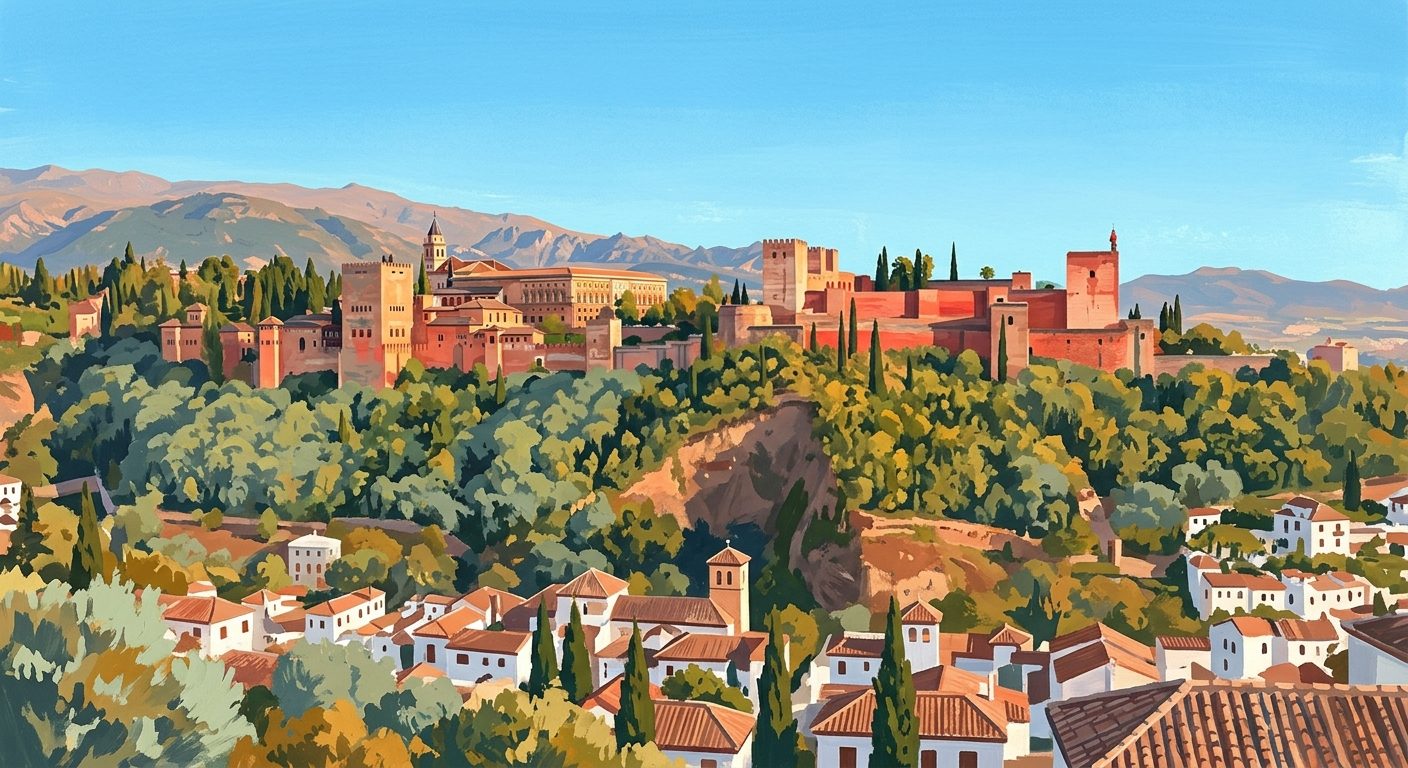
Beyond the Red Fortress: Navigating the Highs and Lows of Granada
Discover the layered history of Granada, from the intricate Nasrid Palaces of the Alhambra to the whitewashed caves of Sacromonte and the lively tapas bars of the city centre.
10 min read
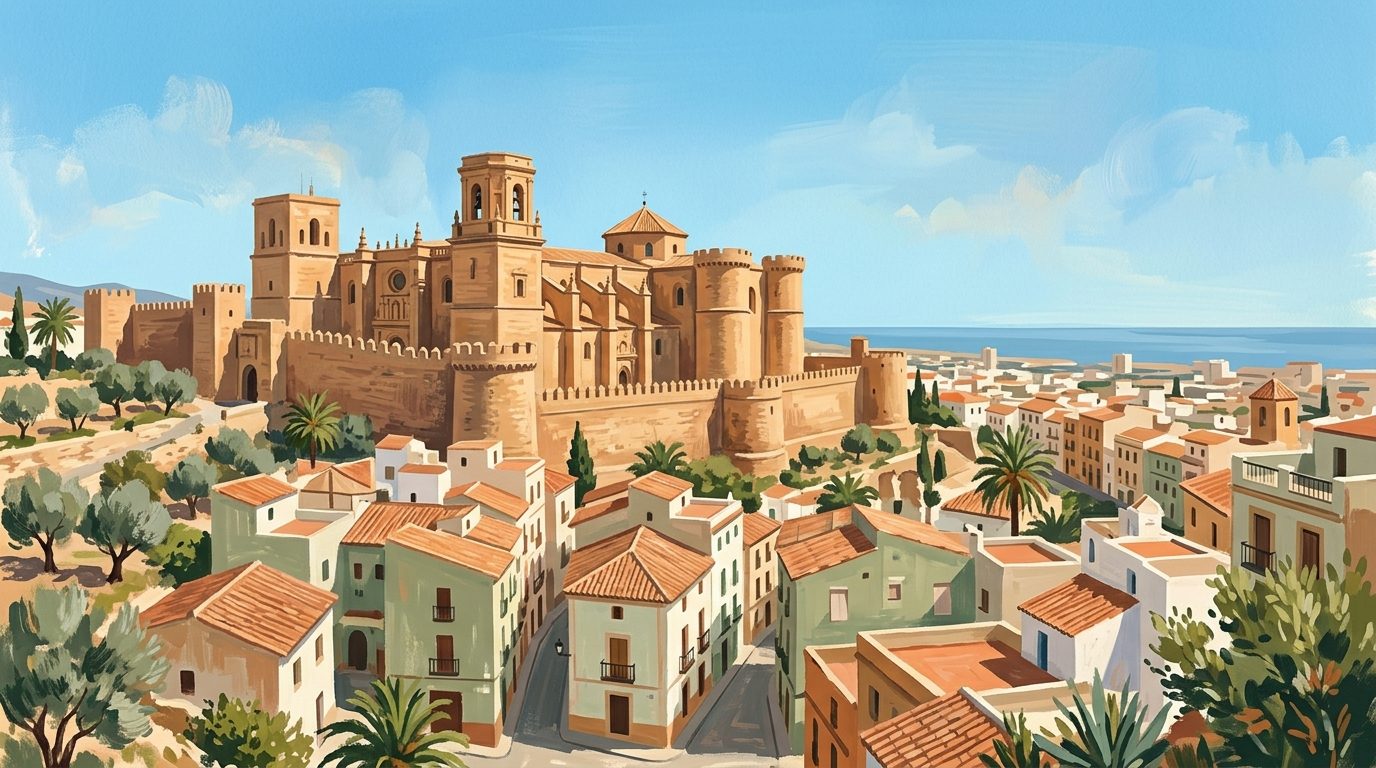
A Guide to Almería Cathedral and the Historic City Centre
Discover the unique fortress-cathedral of Almería and explore the historic centre’s palm-lined squares and traditional tapas bars.
5 min read
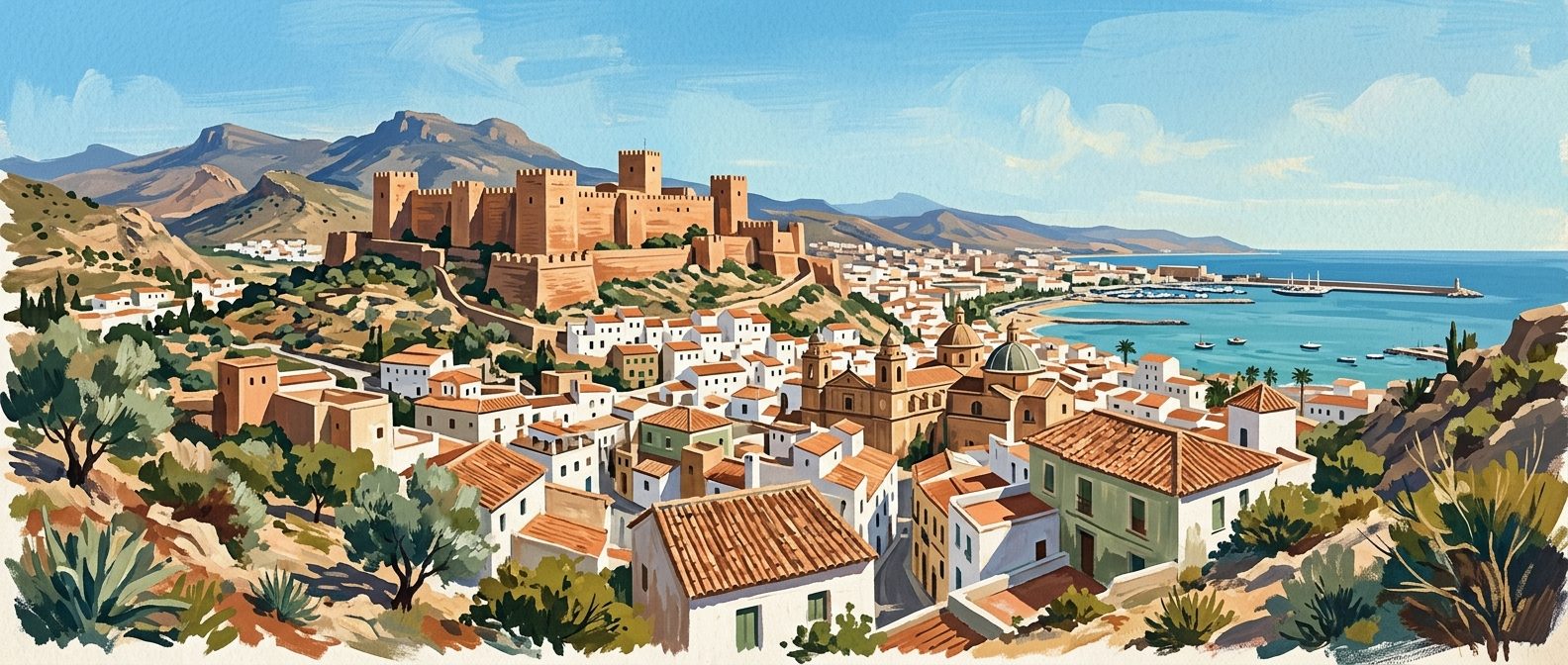
Almería City: Sunlight, Sea Fortresses and the Hollywood of Europe
Discover the sun-drenched grit of Almería City, from the towering Alcazaba fortress to its legendary free tapas culture and cinematic desert history.
8 min read
More from Granada
Two Days in Granada: A Step-by-Step Itinerary
Two days in Granada gives you just enough time to explore the Alhambra and lose yourself in the steep alleys of the Albaicín. This itinerary balances major monuments with the city's legendary free tapas culture.
10 min read
Three Days in Granada: The Perfect Itinerary
Spend three days exploring Granada without the rush. Discover how to pace your visits to the Alhambra, navigate the winding Albaicín, and master the free tapas culture.
8 min read
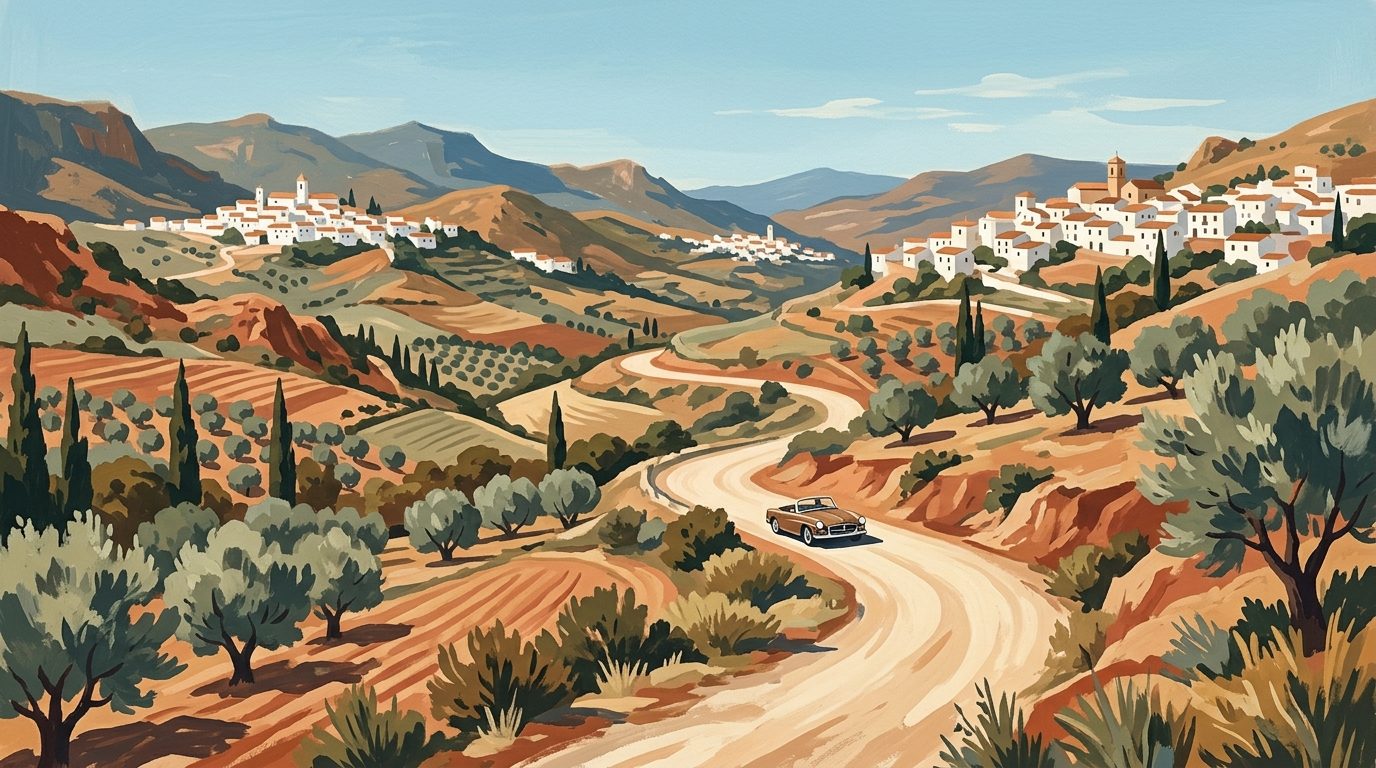
Seven Days in Granada: The Complete Slow Travel Itinerary
Spend a full week in Granada to look beyond the Alhambra and sink into the authentic rhythm of an Andalucían capital. Seven days allows you to hike the Sierra Nevada foothills, wander the winding streets of the Albaicín, and master the city's legendary free tapas culture without rushing.
9 min read
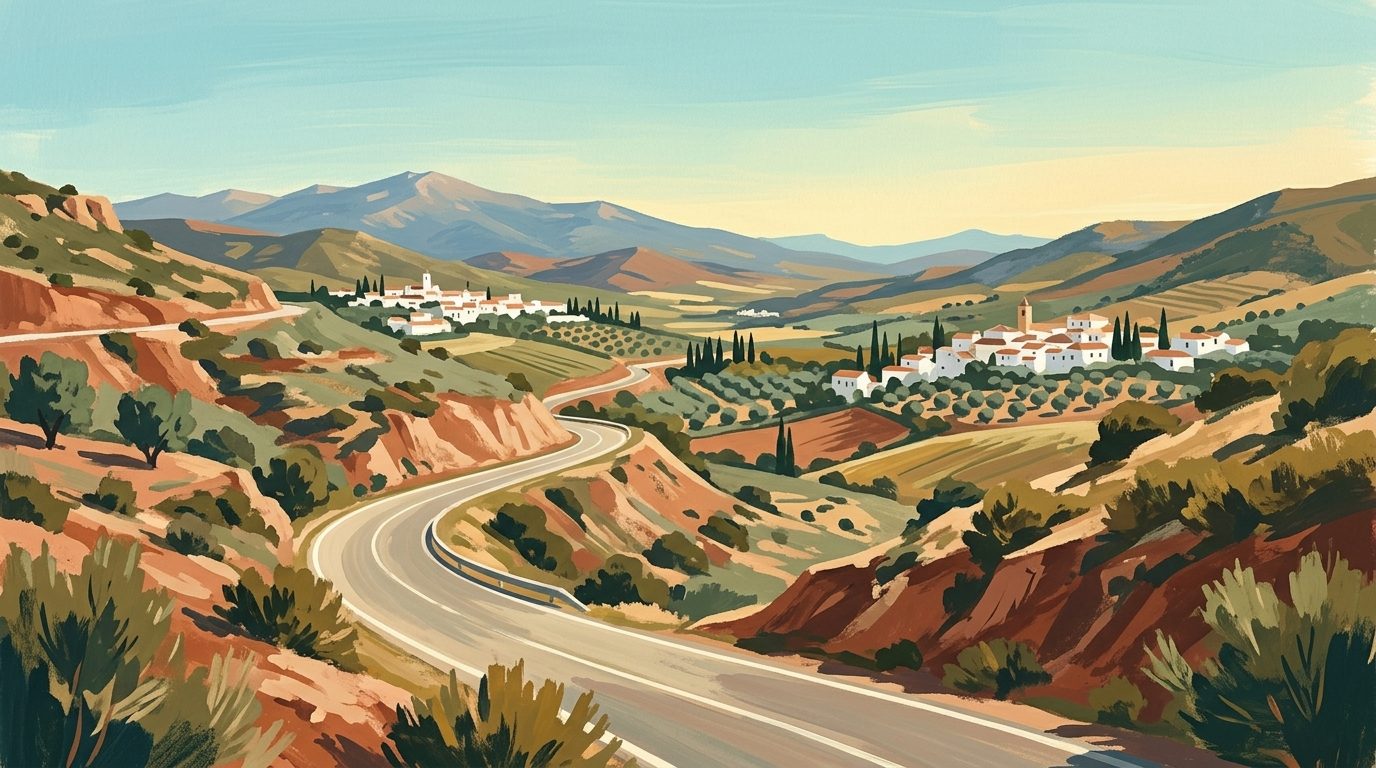
A Perfect Weekend in Granada
A practical three-day guide to Granada, focusing on the Alhambra, the winding lanes of the Albaicín, and the city's unique tapas culture.
8 min read
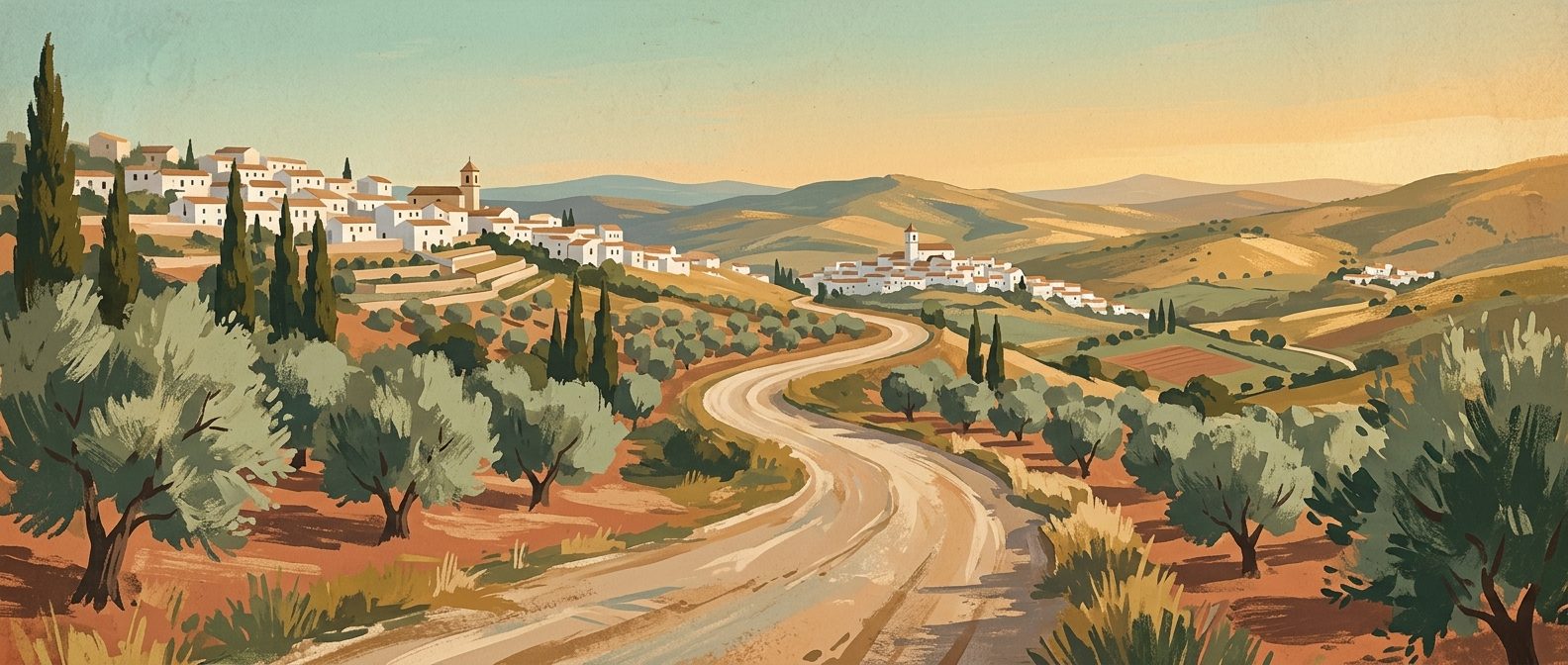
Andalucía by Train: Rail Journey from Málaga to Granada
Ditch the car hire queues and traverse southern Spain using the high-speed AVE network on this 10-day rail adventure from the coast to the Sierra Nevada.
9 min read
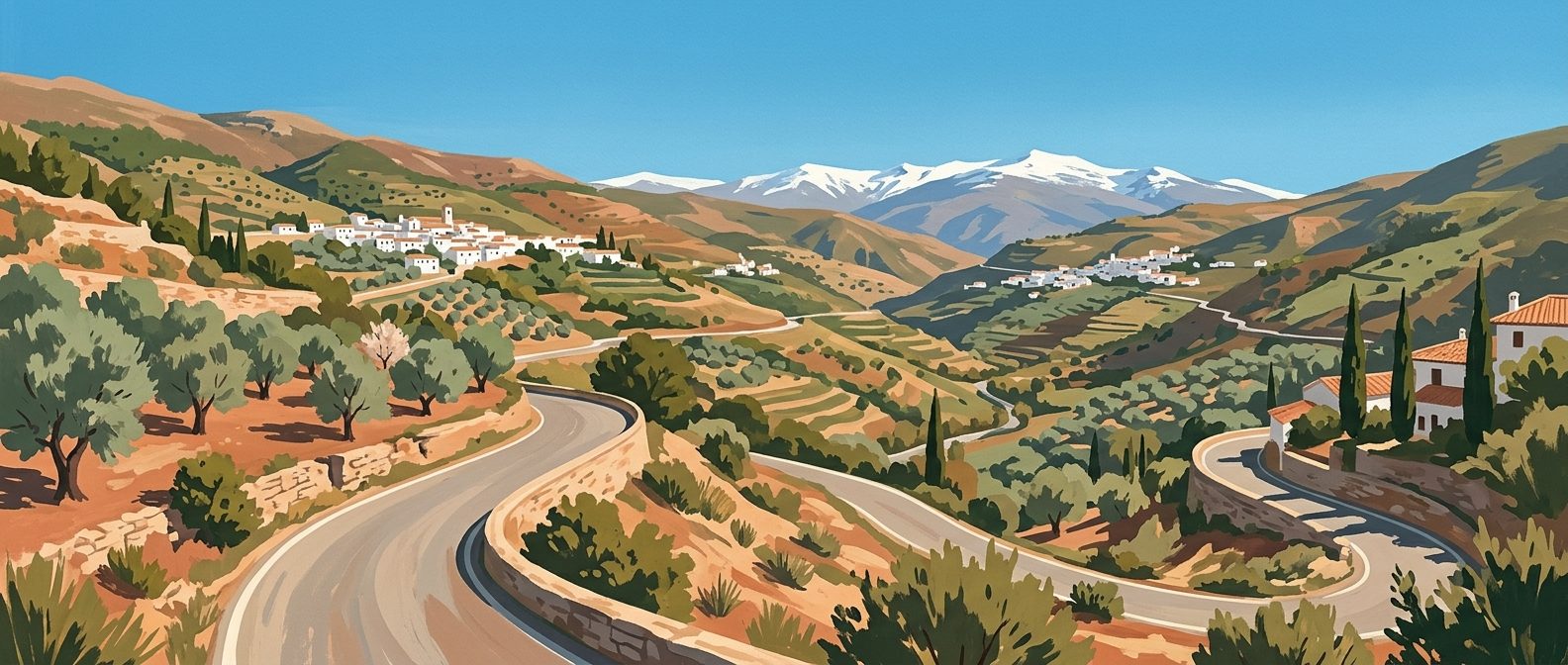
Granada and the Alpujarras: A 5-Day Loop
Combine the architectural majesty of the Nasrid kings with the high-altitude solitude of the Sierra Nevada's southern slopes. This five-day loop transitions from urban tapas culture to the rugged traditions of Spain’s highest white villages.
8 min read
Newsletter
More stories from Andalucía
Weekly notes, seasonal picks, and the next guides worth bookmarking.