
Itinerary
Two Weeks in Andalucía with Kids
A comprehensive 14-day route through Southern Spain designed to balance cultural immersion with the practical needs of families, from the beaches of Almería to the palaces of Sevilla.
By Dan · Updated 7 June 2026 · 9 min read
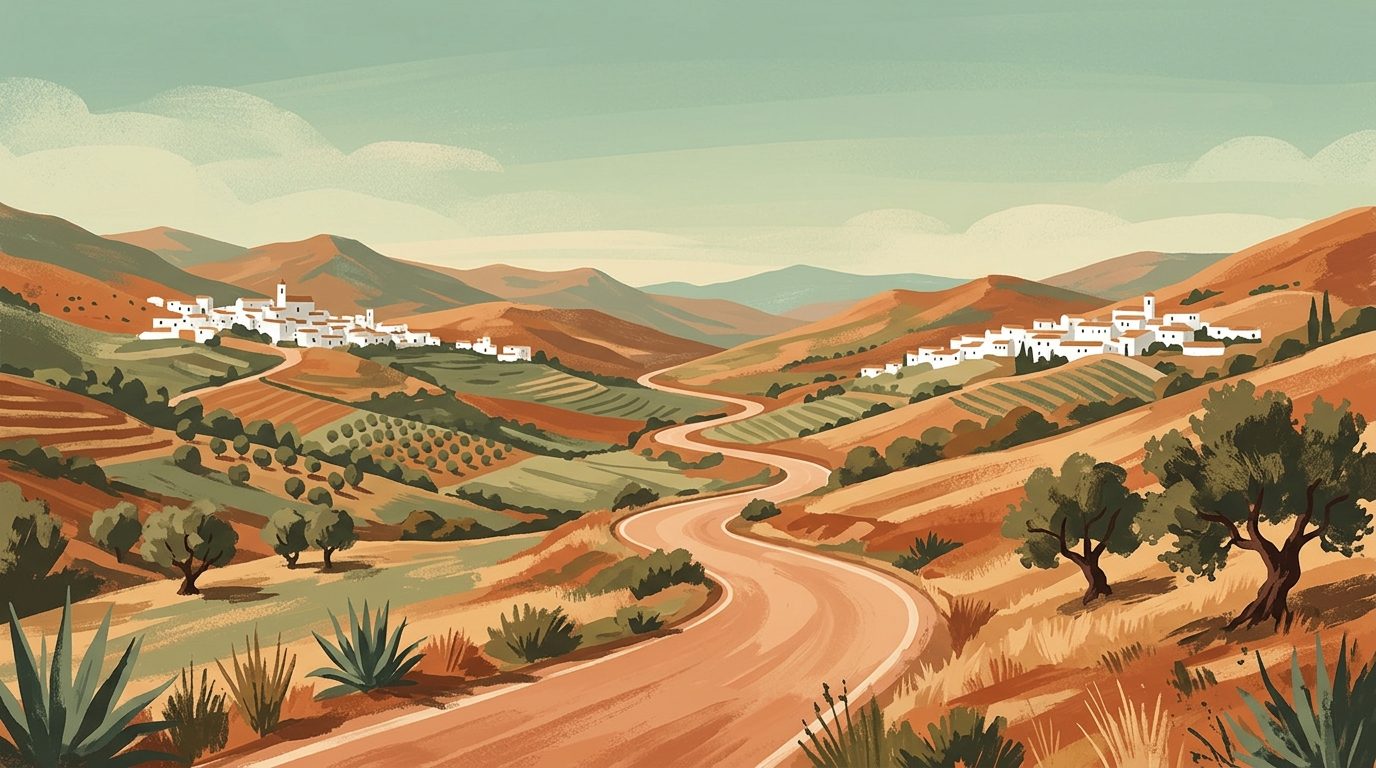
Forget the stress of over-scheduled sightseeing; this route prioritises a slower pace, mixing high-culture monuments with water parks and desert landscapes that will actually keep children engaged.
Andalucía is often presented as a series of solemn historical monuments, but for a family, it is essentially a giant outdoor playground. This 14-day itinerary avoids the common mistake of trying to see every white village in a single week. Instead, it focuses on four distinct hubs: the accessible coast of Málaga, the grand spectacle of Sevilla, the scientific and Moorish wonders of Granada, and the rugged, volcanic beaches of Almería. It is designed for families who want to see the Alhambra and the Giralda without causing a rebellion from the younger travellers.
This plan works because it balances morning "culture slots" with afternoon "reward activities." We have selected locations where the walking distances are manageable for smaller legs and where the dining culture, which starts late in Spain, is most accommodating to families. You will need a car for the coastal stretches, but the city centres are best navigated on foot or by the occasional horse-drawn carriage. Whether your children are five or fifteen, this route provides enough variety to ensure nobody gets bored of "just another old building."
Day 1: Arrival and the Mijas Coast
Land at Málaga-Costa del Sol Airport (AGP) and collect your hire car. Drive 25 minutes south to the Mijas Costa area. Avoid the high-rise sprawl of central Torremolinos and instead base yourself near La Cala de Mijas. This area offers a flat boardwalk (Senda Litoral) which is excellent for an initial stretch of the legs. Spend the afternoon at the beach or the hotel pool to shake off the flight. For dinner, head to a chiringuito (beach bar) like Unico Beach Club; they are used to children playing in the sand while parents finish their grilled sardines (espetos).
Day 2: BioParc and Fuengirola
Start the morning at BioParc Fuengirola. This is not a traditional zoo; it is a "zoo-immersion" park where barriers are invisible, and the enclosures recreate tropical forests. It is small enough to navigate in three hours without exhausting everyone. In the afternoon, take the short drive to the Miramar Shopping Centre (not for the shops, but for the rooftop karting and cinema if the sun is too intense). Book a table at Los Marinos Jose in nearby Carvajal for some of the best fried fish in the region.
Day 3: The Gorge and the Bridge in Ronda
Drive inland for 75 minutes to Ronda. The road is winding, so take it slow if anyone suffers from car sickness. Park at the Plaza del Socorro underground car park. Walk to the Puente Nuevo, the massive bridge spanning the Tajo gorge. For kids, the best part isn’t the view from the top, but the walk down the Camino de los Molinos for a perspective of the bridge from below. Visit the Plaza de Toros, one of the oldest bullrings in Spain; even if you don't agree with the sport, the museum and the empty arena are fascinating for children to run around in. Return to the coast for a late evening swim.
Day 4: The Caves of Nerja
Drive 50 minutes east of Málaga to the Cueva de Nerja. These enormous caverns contain the world’s largest stalactite. It’s cool inside, providing a welcome break from the heat, and the prehistoric paintings (though mostly copies for preservation) spark great conversations about early humans. Afternoon: Head down to Burriana Beach. Hire a kayak to see the Maro-Cerro Gordo cliffs from the water. Stay for dinner in Nerja town centre at La Puntilla, famous for its generous portions of prawns and squid.
Day 5: The Road to Sevilla and Osuna
Check out and drive 2.5 hours towards Sevilla. Break the journey in Osuna. Fans of Game of Thrones will recognise the bullring as the Pit of Daznak. The town is remarkably quiet and offers a great introduction to Baroque architecture without the crowds of the capital. Continue to Sevilla and drop the car at a central car park (you won't need it for the next three days). Check into an apartment in the Arenal or Santa Cruz districts. Evening: A walk to the Sevilla Mushroom (Metropol Parasol) at sunset for views over the city.
Day 6: Palaces and Carriage Rides
Book a morning slot for the Real Alcázar. Focus on the gardens; the water organ and the maze are the highlights for younger visitors. After lunch, take a traditional horse-drawn carriage ride from the Cathedral. It feels touristy because it is, but it’s the most efficient way to see the Maria Luisa Park without hearing anyone complain about sore feet. End at the Plaza de España. Let the kids hire a small boat to row around the canal while you admire the ceramic tiles representing Spain’s provinces.
Day 7: Agua Mágica Water Park
Sevilla is famously hot, so dedicate Day 7 to Isla Mágica (note: the Agua Mágica water park section typically opens from late May; check seasonal dates on the official website if visiting earlier). It is located on the Isla de la Cartuja, accessible by a short taxi ride from the centre. It features a wave pool, sand beaches, and plenty of slides. This is your "buffer day": a reward for the culture of the previous days. If you prefer to stay in the city, visit the Pabellón de la Navegación, an interactive maritime museum that is much more kid-friendly than the formal art galleries. Evening: Watch a family-friendly flamenco show at Casa de la Memoria; it’s shorter (one hour) and held in a small courtyard.
Day 8: Rock Formations and Granada
Collect the car and drive 2.5 hours to Granada. En route, stop at El Torcal de Antequera. This is a limestone karst plateau with rocks weathered into bizarre shapes that look like stacks of pancakes. There is a short, well-marked walking trail (the Green Route) that takes about 45 minutes and is easy for children. Arrive in Granada by late afternoon. Stay in the Realejo district, which is flatter and more accessible than the steep hills of the Albaicín. Dinner: Granada is the land of free tapas; order a round of drinks at Los Manueles and the food arrives automatically.
Day 9: The Alhambra for Families
You must book Alhambra tickets at least two months in advance. Request a specific family-oriented guide who can tell stories of the sultans and palace intrigue rather than just reciting dates. Focus on the Generalife gardens and the Lion Courtyard. Afternoon: Head to the Albaicín district to the Mirador de San Nicolás for the classic view of the palace. If the kids are tired, take the C31 small red bus up the hill rather than walking. Evening: Visit a cave dwelling in the Sacromonte for a different perspective on how people live in the cliffs.
Day 10: Science Park (Parque de las Ciencias)
This is arguably the best science museum in southern Europe. You will need at least five hours here. The Tropical Butterfly House, the BioDome (with monkeys and lemurs), and the Raptor flight demonstration are essential. It is entirely interactive and a perfect antidote to the historical intensity of the Alhambra. Evening: Explore the Alcaicería (the old silk market) near the Cathedral. It’s a narrow maze of shops selling lanterns and spices that feels like a Moroccan souk.
Day 11: To the Desert and the Coast
Drive 90 minutes east into Almería. Stop at Oasys Mini Hollywood in the Tabernas Desert. This was the filming location for many "Spaghetti Westerns" like The Good, the Bad and the Ugly. It includes live cowboy shows, a large pool area, and a surprisingly good zoo. It is unashamedly kitsch but children love the spectacle. Late afternoon: Continue to the Cabo de Gata-Níjar Natural Park. Stay in the village of San José, a low-key hub for the region’s best beaches.
Day 12: The Volcanic Beaches
Spend the day at Playa de los Genoveses or Playa de Mónsul. These are wild, undeveloped beaches within the natural park. There are no facilities, so you must pack a picnic and plenty of water. The sand is dark and volcanic, and the water is exceptionally clear for snorkelling. Mónsul is famous for the large rock in the centre of the beach (seen in Indiana Jones and the Last Crusade). Evening: Dinner in San José harbour; try the local Almerian dish gurullos con conejo (pasta grains with rabbit) if you're feeling adventurous, or fresh grilled sea bass.
Day 13: Kayaking and Coastal Exploration
Book a guided sea kayak tour from San José to explore the hidden coves and sea caves of the Cabo de Gata coastline. The water here is usually very calm, making it safe for children. In the afternoon, drive up to the lighthouse (Faro de Cabo de Gata) to see the Arrecife de las Sirenas (Mermaid’s Reef), a series of jagged rock formations sticking out of the turquoise sea. This is the most easterly point of Andalucía and feels appropriately remote.
Day 14: Return to Málaga
The drive back to Málaga takes approximately 2 hours and 15 minutes via the A-7 motorway. If you have an evening flight, stop in the city of Almería to climb the Alcazaba, a massive fortress that rivals the Alhambra in size but has a fraction of the crowds. Alternatively, stop in Salobreña, a white village topped by a Moorish castle overlooking the sea, for one last Spanish lunch before heading to the airport.
Getting Around
For this itinerary, a hire car is non-negotiable. While the trains (AVE) between Sevilla and Málaga are excellent, they won't help you reach the Nerja caves or the remote beaches of Cabo de Gata. Hire a car from Málaga Airport. Be sure to request a model with a decent-sized boot, as four people plus luggage in a Seat Ibiza is a recipe for a miserable two weeks. Driving in Andalucía is straightforward, but avoid driving inside the old city centres of Sevilla and Granada: these are strict Low Emission Zones (ZBE) restricted to residents and registered vehicles, monitored by cameras with heavy fines.
Where to Stay
- Costa del Sol: Look for an aparthotel in Mijas Costa or Estepona. These provide the space of an apartment with the facilities (pools, kids' clubs) of a hotel.
- Sevilla: Stay in the Arenal district. It is central, close to the river, and slightly less labyrinthine than Santa Cruz, making it easier to find your way back at night.
- Granada: Choose the Realejo district. It’s the old Jewish quarter, full of street art and great cafes, but without the punishing vertical climbs of the Albaicín.
- Almería: Base yourself in San José. It is the most practical village for families, with a pharmacy, small supermarkets, and several restaurants within walking distance of the accommodation.
Best Time for This Itinerary
Avoid July and August at all costs. Sevilla and Granada regularly hit 40°C, which is dangerous for children and miserable for adults. The best windows are May to June and September to October. In late spring, the wildflowers in El Torcal are spectacular and the sea is warm enough for swimming by late May. October offers the benefit of the harvest season and fewer crowds at the major monuments.
Practical Planning
Total Budget Estimate: For a family of four, expect to spend €4,500 to €6,000 including mid-range accommodation, car hire, petrol, and meals.
What to Book in Advance:
- Alhambra tickets (two to three months ahead)
- Real Alcázar tickets (two weeks ahead)
- Car hire (the earlier the better for the best rates)
- Caminito del Rey (if children are over 8 years old; two months ahead)
Entry Requirements: Ensure passports have at least six months validity. UK citizens do not currently need a visa for stays under 90 days, but an ETIAS authorisation is mandatory for entry.
Last reviewed: 21 June 2026 · Editorial policy
Related guides
Fuengirola: A Family Favourite on the Costa del Sol
Discover Fuengirola, the family-friendly heart of the Costa del Sol, where Roman ruins and a Moorish castle meet seven kilometres of sandy beaches and a world-class zoo.
6 min read
Playa de La Caleta: A Guide to the Historic Heart of Cádiz
Playa de La Caleta is a historic urban bay in Cádiz, famous for its calm waters, ancient fortresses, and the stunning white Balneario spa building.
7 min read
Where to Stay: The Best Self-Catering in Andalucía
How to choose self-catering apartments, villas, cortijos and rural cottages in Andalucía, with registration checks, area guidance and practical booking questions.
4 min read
The Costa de la Luz Road Trip: A Raw Atlantic Itinerary
Trade the Mediterranean crowds for raw Atlantic winds, sherry-soaked bodegas, and the finest tuna in Europe on this 6-day drive through Cádiz province.
10 min read
Seven Days in Cadiz: A One-Week Itinerary
Spend a full week absorbing the maritime rhythm of Europe's oldest continuously inhabited city. This seven-day plan balances morning markets and long beach walks with easy day trips across the Bay of Cadiz.
14 min read
Coastal Drive: Cádiz to Almería
Driving the coastline of southern Spain is an exercise in geological and cultural whiplash, taking you from the wind-whipped Atlantic shores of Cádiz to the scorched volcanic deserts of Almería. This route traces the very edge of the continent, offering a masterclass in coastal navigation along the legendary N-340 and beyond.
10 min read
More guides

5 Days in Jaén: Renaissance Cities and Cazorla
A realistic five-day driving itinerary through Jaén province, balancing the monumental Renaissance architecture of Úbeda and Baeza with the rugged mountain wilderness of the Sierra de Cazorla.
11 min read
5 Days in Huelva: Atlantic Coast, Doñana and Sierra
A realistic five-day driving route through Huelva province, linking the maritime history of the capital with the tidal wetlands of Doñana and the chestnut forests of the Sierra de Aracena.
12 min read
5 Days in Almería: City, Desert and Cabo de Gata
A realistic five-day driving itinerary through Almería province, balancing the historic capital, the cinematic Tabernas badlands, and the protected volcanic shores of Cabo de Gata.
13 min read
One Week in Sevilla: A Complete Seven Days Itinerary
Spending a full week in Sevilla allows you to slow down and adopt the local rhythm. You can explore the monumental centre, wander through neighbourhood markets, and take the train to nearby Andalucían cities without feeling rushed.
13 min read
Two Days in Granada: A Step-by-Step Itinerary
Two days in Granada gives you just enough time to explore the Alhambra and lose yourself in the steep alleys of the Albaicín. This itinerary balances major monuments with the city's legendary free tapas culture.
10 min read
48 Hours in Sevilla: A Weekend Itinerary
Spend a weekend in Sevilla navigating the royal palaces, historic tapas bars and shaded plazas. This two-day plan balances major architectural sights with long lunches and evening walks along the river.
8 min read
Three Days in Sevilla: The Complete Itinerary
Spend 72 hours exploring the heart of the Andalucían capital. This pacing allows time for the Real Alcázar, late tapas in Triana and the essential afternoon siesta.
9 min read
Two Days in Sevilla: A Complete Itinerary
Two days in Sevilla requires strict prioritisation to avoid exhaustion under the Andalucían sun. This itinerary balances the grand monuments of the historic centre with the slower, more local rhythm of Triana and Santa Cruz.
10 min read
A Weekend in Cordoba: Two Days in Andalucía's Caliphate City
Spend 48 hours in Cordoba exploring the mesmerising Mezquita, getting lost in the whitewashed streets of the Judería, and eating excellent salmorejo.
9 min read
Newsletter
More stories from Andalucía
Weekly notes, seasonal picks, and the next guides worth bookmarking.