
Itinerary · Granada
Andalucía by Train: Rail Journey from Málaga to Granada
Ditch the car hire queues and traverse southern Spain using the high-speed AVE network on this 10-day rail adventure from the coast to the Sierra Nevada.
By Dan · Updated 7 June 2026 · 9 min read
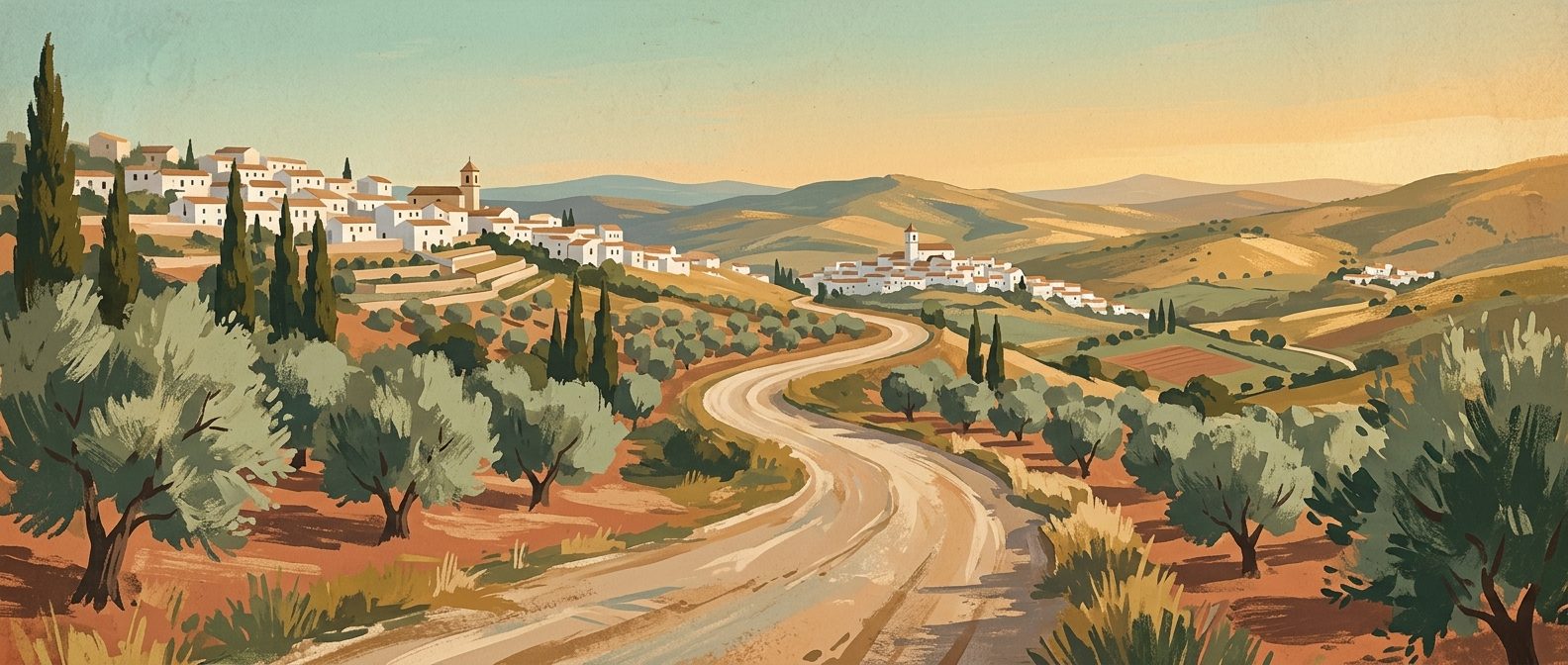
Forget the stress of navigating narrow white-village streets in a rental car. This itinerary uses Spain’s efficient rail network to connect the great Moorish capitals with the Mediterranean coast.
This ten-day journey is designed for travellers who value efficiency and urban immersion over the logistics of driving. By utilising the AVE (high-speed) and Avant (mid-distance high-speed) networks, you eliminate the dead time of parking and motorway navigation. This route focuses on the 'Big Four' (Málaga, Sevilla, Córdoba, and Granada) while adding a coastal outlier, Almería, to see the arid landscapes of the east. It is an itinerary for those who want to see the heavy-hitting monuments (the Alhambra, the Mezquita, and the Alcázar) without the burden of a steering wheel.
Andalucía’s rail infrastructure has seen significant investment, meaning you can now travel from the centre of Sevilla to the heart of Granada in under three hours. This itinerary works because it treats the train stations as gateways to the historic centres. You will arrive refreshed, usually within walking distance of your accommodation, and ready to eat. It suits culture seekers, architectural photographers, and anyone who prefers a glass of Jerez sherry over a map and a gearstick.
Day 1: Arrival in Málaga’s Cultural Hub
Arrive at Málaga-Costa del Sol Airport and take the C1 Cercanías train directly to Málaga Centro Alameda (12 minutes). Avoid taxis; the train is faster and costs less than three Euros. Walk ten minutes into the Soho district, the city's arts quarter, to drop your bags.
Morning: Head to the Picasso Museum (open 10:00 to 19:00). Picasso was born here, and this collection, housed in the Palacio de Buenavista, provides a personal look at his evolving styles. Book the 11:00 slot to avoid the early morning groups.
Afternoon: Walk up to the Gibralfaro Castle. The climb is steep, but the view over the circular bullring and the Mediterranean is the best orientation you can get. Descend via the Alcazaba, the 11th-century Moorish fortress, which costs only a few Euros and serves as a quiet prelude to the Alhambra you will see later.
Evening: Eat at Los Mellizos in the city centre. Order the fritura malagueña (a platter of fried local fish). It is local, loud, and honest. Follow this with a sweet wine at Antigua Casa de Guardia, the oldest tavern in the city, where they still chalk your bill directly onto the wooden bar.
Day 2: Málaga to Sevilla via the High-Speed Line
Morning: Visit the Atarazanas Market. It is a 19th-century iron-clad structure with a stunning stained-glass window. Buy a cone of almonds and watch the fishmongers. This is where the city’s heart beats before the tourists arrive.
Afternoon: Take a mid-afternoon AVE or Avant train from Málaga María Zambrano to Sevilla Santa Justa (approx. 1 hour 55 minutes; check current timetables on the official Renfe website). Upon arrival, take a 10-minute taxi to the Barrio Santa Cruz. It is the old Jewish quarter and the most atmospheric place to stay, despite the narrow alleys.
Evening: Walk to the Plaza de San Francisco. For dinner, avoid the tourist menus on Avenida de la Constitución. Instead, find Casa Morales, a bar dating back to 1850 where you can eat montaditos (small sandwiches) surrounded by giant clay wine tinajas.
Day 3: The Grandeur of Sevilla
Morning: The Real Alcázar is non-negotiable. You must book the 09:30 entry weeks in advance. Spend three hours here. Pay particular attention to the Patio de las Doncellas. The mudéjar architecture, built by Christian kings using Moorish craftsmen, is the peak of Sevillano style.
Afternoon: Visit the Sevilla Cathedral and the Giralda tower. It is the largest Gothic cathedral in the world. The climb up the Giralda is via ramps, not stairs, originally designed so the muezzin could ride his horse to the top. Afterwards, walk to the Metropol Parasol (Las Setas) at sunset. This wooden structure provides a stark, modern contrast to the Gothic city.
Evening: Book a table at Cañabota for high-end seafood, or for something traditional, head to El Rinconcillo, established in 1670. Order the espinacas con garbanzos (spinach with chickpeas); it is the definitive Sevilla dish.
Day 4: The Mezquita of Córdoba
Morning: Take a morning Avant train from Santa Justa to Córdoba (approx. 45 minutes). The station is a 15-minute walk from the historic centre. Check into a hotel in the Judería (Jewish Quarter).
Afternoon: Enter the Mezquita-Catedral between 14:00 and 16:00 when the light hits the red-and-white arches perfectly. This building, a mosque with a cathedral built into its centre, is the most important site in the Islamic West. Don't rush. Sit in the Orange Tree Courtyard (Patio de los Naranjos) afterwards to process the scale of it.
Evening: Walk across the Roman Bridge at dusk for the classic view of the city skyline. For dinner, you are eating rabo de toro (oxtail stew) or salmorejo (a thick, cold tomato and bread soup topped with ham and egg). Taberna San Miguel (El Pisto) is the correct choice for an authentic, unpretentious atmosphere.
Day 5: Transit to the City of the Pomegranate
Morning: Before leaving, visit the Palacio de Viana. It features twelve distinct patios and is often overlooked by those rushing to the Mezquita. It captures the essence of Córdoba's patio culture without the crowds.
Afternoon: Take the direct Avant train from Córdoba to Granada (approx. 1 hour 35 minutes). This route passes the Antequera-Santa Ana junction, where the high-speed lines converge. You will see the dramatic limestone landscapes of the Torcal mountains from your window.
Evening: Arrive in Granada and head to the Albaicín district. This is the old Moorish quarter on the hill opposite the Alhambra. Have dinner at Restaurante El Trillo. It has a garden terrace where you can eat bacalao (salt cod) while looking up at the fortress walls.
Day 6: The Alhambra Experience
Morning: This day is entirely about the Alhambra. You need a 'Generalife and Nasrid Palaces' ticket (book directly via the official Alhambra portal). If you do not have this booked at least two months in advance, you will likely miss out. Your entry time to the Nasrid Palaces is strict: do not be late. Focus on the intricate stucco work and the symbolic use of water in the Courtyard of the Lions.
Afternoon: Walk down the Cuesta de Gomérez into the city centre. Visit the Royal Chapel (Capilla Real), where the Catholic Monarchs, Isabella and Ferdinand, are buried. The transition from the Moorish Palaces to the heavy, solemn Renaissance tombs of their conquerors is the story of Spain in a single afternoon.
Evening: In Granada, tapas are free with every drink. Head to Calle Elvira or Calle Navas. Order a cane (small beer) at Los Diamantes and expect a plate of fried shrimp to appear. This is the local way to eat; three drinks usually constitute a full dinner.
Day 7: Sacromonte and the Caves
Morning: Hike up to the Sacromonte district. This is the traditional home of the city's Roma community, where houses are carved directly into the hillside caves. Visit the Museo Cuevas del Sacromonte (open 10:00 to 18:00) to understand how these dwellings function.
Afternoon: Visit the Monasterio de San Jerónimo. It is often empty compared to the Cathedral but the gold-leaf altar is one of the most impressive displays of Spanish Baroque in the country. It is a place for quiet reflection away from the main tourist trail.
Evening: Return to the Albaicín for the sunset at Mirador de San Nicolás. It is crowded, yes, but the view of the Alhambra turning red against the snow-capped Sierra Nevada is essential. Skip the tourist restaurants here and walk ten minutes further up to Plaza Larga for a more local vibe.
Day 8: To the Arid East: Almería
Morning: Take the MD (Media Distancia) train from Granada to Almería (approx. 2 hours 30 minutes). This journey is slow but spectacular, crossing the only desert in Europe (Tabernas). The landscape changes from the lush mountains of Granada to the bleached, volcanic terrain of the east.
Afternoon: Almería is often ignored by tourists, which is its primary appeal. Visit the Alcazaba of Almería. It is a massive 10th-century fortress, even larger than the one in Málaga. It served as a filming location for Indiana Jones and Game of Thrones. Entry is free for EU citizens and very cheap for others.
Evening: Walk the Paseo de Almería. For dinner, go to Casa Puga. It has been open since 1870 and serves the best gambas rojas (red prawns) from the nearby coast. The atmosphere is traditional and brisk.
Day 9: Almería Market and Return
Morning: Visit the Mercado Central de Almería. It is a cathedral of local produce. Look for the Raf tomatoes; they are a local speciality, grown in the salty soils nearby, and are considered the best in Spain. Buy some local cheese and ham for the journey back.
Afternoon: While there is a train, the Alsa bus from Almería to Granada or Málaga is actually more frequent and often faster (approx. 2 hours to Granada, 3 hours 30 minutes to Málaga). Take the bus back to your final departure city. For the sake of this itinerary, we suggest returning to Málaga to complete the loop.
Evening: Spend your final night in Málaga’s El Pimpi. It is unashamedly famous, but the barrels signed by Antonio Banderas and the maze of rooms make it a fitting place for a final glass of Pedro Ximénez.
Day 10: Departure
Morning: Enjoy a final breakfast of churros y chocolate at Casa Aranda. Unlike the tourist versions elsewhere, these are thick, salty, and served in a narrow alleyway that has remained unchanged for decades. Take the C1 train back to the airport for your flight home.
Getting Around
This itinerary relies on the Renfe network. You do not need a car. High-speed trains (AVE/Avant) connect Málaga, Sevilla, Córdoba, and Granada. For these, booking in advance on the official Renfe website or via an app like Trainline is essential to secure seats and lower prices. For the Granada to Almería leg, the train is scenic but infrequent; the Alsa bus network is a reliable and faster alternative for this specific connection. Walking is the primary mode of transport within each city, as the historic centres are largely pedestrianised.
Where to Stay
- Málaga: Look for apartments or hotels in Soho or the Centro Histórico. Avoid the beachfront high-rises if you want to be close to the rail station and museums.
- Sevilla: Book in Barrio Santa Cruz for atmosphere or El Arenal for better access to the river and contemporary dining.
- Córdoba: Stay within the Judería (old Jewish Quarter). It allows you to walk to the Mezquita in minutes before the day-trippers arrive.
- Granada: The Albaicín offers the best views but involves steep climbs. If you have heavy luggage, stay in the Centro near the Cathedral.
- Almería: Stay near the Paseo de Almería to be within walking distance of the Alcazaba and the best tapas bars.
Best Time for This Itinerary
The ideal windows are April to June and September to October. July and August in Sevilla and Córdoba are oppressive, with temperatures frequently exceeding 40°C, making the walk from the train stations uncomfortable. May is particularly special in Córdoba due to the Patios Festival, though you must book accommodation months in advance. Winter is clear and sunny but can be surprisingly cold in Granada and Almería once the sun sets.
Practical Planning
Budget: Expect to spend approximately €120 to €150 per day per person, including mid-range accommodation, train tickets, and dining. Tapas in Granada and Almería will significantly lower your food costs.
Advance Bookings: The Alhambra (Granada) and the Real Alcázar (Sevilla) are the two bottlenecks. Book these the moment you confirm your flights. Train tickets go on sale approximately 60 to 90 days in advance; booking early can save you up to 60% on AVE fares.
Hiring: You do not need to hire anything. A pair of high-quality walking shoes is your most important piece of equipment. The cobbles in Sevilla and the hills of the Albaicín are unforgiving on flimsy footwear.
Last reviewed: 21 June 2026 · Editorial policy
Related guides
Hotels with a Pool in Granada: Rooftop Plunges and Seasonal Tips
Finding a hotel with a pool in Granada requires understanding seasonal limits and the difference between a rooftop plunge and a full-sized basin.
5 min read
Two Days in Ronda: The Complete Itinerary
Two days in Ronda allows you to explore the dramatic gorge, walk the ancient walls, and sample local wines at a relaxed pace. This itinerary balances major landmarks with quiet local squares and traditional dining.
8 min read
Seven Days in Cordoba: The Complete One-Week Itinerary
Seven days in Cordoba allows you to sink into the slow rhythm of Southern Spain. Beyond the famous Mosque Cathedral, a full week gives you time to explore aristocratic palaces, sip local wines in ancient taverns, and venture out to the olive groves and castles of the surrounding province.
13 min read
A Weekend in Cordoba: Two Days in Andalucía's Caliphate City
Spend 48 hours in Cordoba exploring the mesmerising Mezquita, getting lost in the whitewashed streets of the Judería, and eating excellent salmorejo.
9 min read
A Perfect Weekend in Granada
A practical three-day guide to Granada, focusing on the Alhambra, the winding lanes of the Albaicín, and the city's unique tapas culture.
8 min read
Seven Days in Granada: The Complete Slow Travel Itinerary
Spend a full week in Granada to look beyond the Alhambra and sink into the authentic rhythm of an Andalucían capital. Seven days allows you to hike the Sierra Nevada foothills, wander the winding streets of the Albaicín, and master the city's legendary free tapas culture without rushing.
9 min read
More from Granada
Two Days in Granada: A Step-by-Step Itinerary
Two days in Granada gives you just enough time to explore the Alhambra and lose yourself in the steep alleys of the Albaicín. This itinerary balances major monuments with the city's legendary free tapas culture.
10 min read
Three Days in Granada: The Perfect Itinerary
Spend three days exploring Granada without the rush. Discover how to pace your visits to the Alhambra, navigate the winding Albaicín, and master the free tapas culture.
8 min read
A Weekend in Granada: The Perfect Two Days Itinerary
Make the most of 48 hours in Granada with our practical guide. We balance essential palace visits with unhurried tapas crawls through the Albaicín and Realejo neighbourhoods.
9 min read
Granada and the Alpujarras: A 5-Day Loop
Combine the architectural majesty of the Nasrid kings with the high-altitude solitude of the Sierra Nevada's southern slopes. This five-day loop transitions from urban tapas culture to the rugged traditions of Spain’s highest white villages.
8 min read
Seven Days in Andalucía: Sevilla, Córdoba, and Granada
A precise 7-day guide to Andalucía's Moorish heart, covering the essential sights and tastes of Sevilla, Córdoba, and Granada without the fluff.
9 min read
Newsletter
More stories from Andalucía
Weekly notes, seasonal picks, and the next guides worth bookmarking.