
Itinerary · Granada
A Perfect Weekend in Granada
A practical three-day guide to Granada, focusing on the Alhambra, the winding lanes of the Albaicín, and the city's unique tapas culture.
By Dan · Updated 7 June 2026 · 8 min read
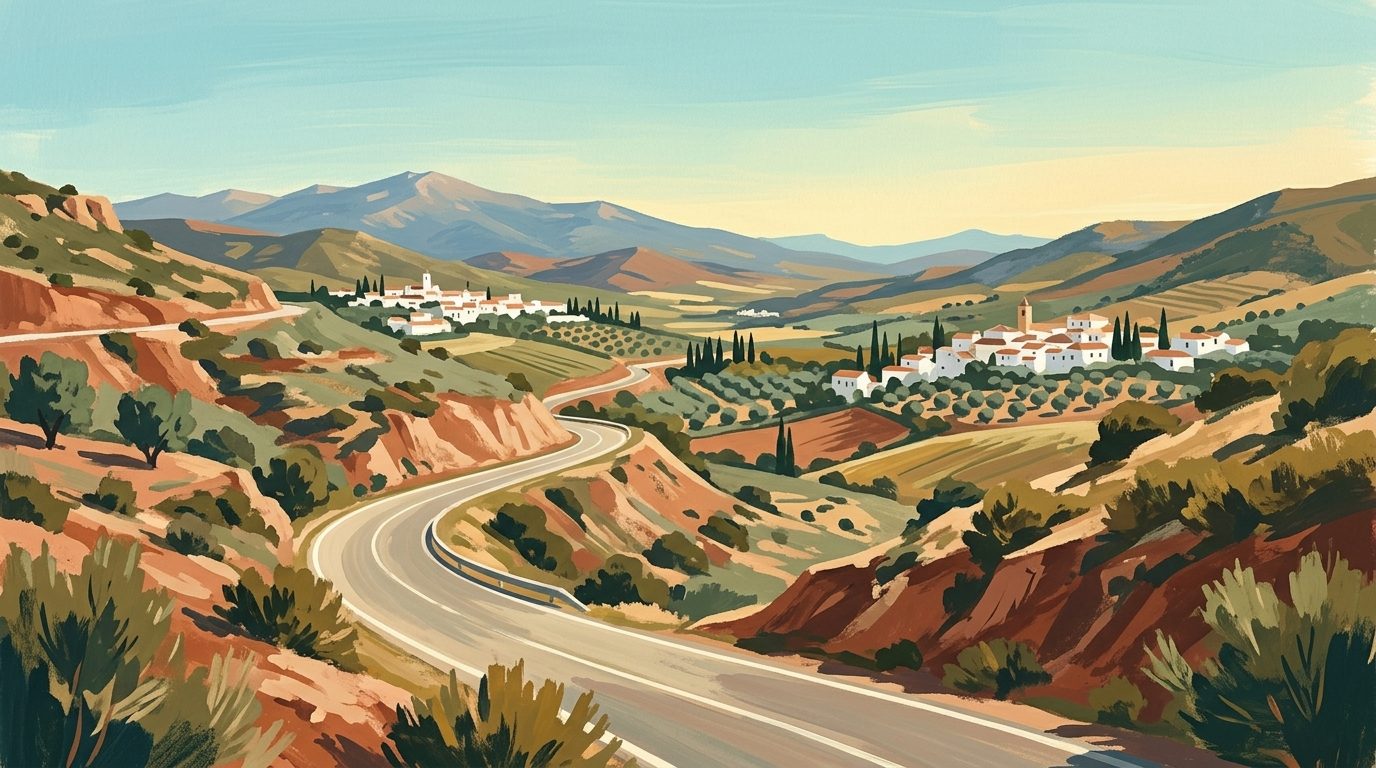
Forget the idea of a relaxing stroll; Granada is a city of vertical climbs, intense history, and the best free food in Spain. If you do not book your Alhambra tickets three months in advance, you are doing it wrong.
Granada is the most atmospheric city in Andalucía, but it is also the most likely to frustrate the poorly prepared. It is a city defined by the Sierra Nevada mountains looming over the red walls of the Alhambra, and by a history that shifted the course of the world in 1492. This itinerary is designed for those who want to experience the city’s Moorish soul and its Catholic grandeur without getting trapped in the tourist-menu madness of Plaza Nueva.
This plan works because it balances the heavy lifting of the major monuments with the slow-burn charm of the residential quarters. It avoids the midday heat and the peak tour-bus crowds by sequencing visits logically. It is suited for travellers who are comfortable walking 15,000 steps a day and who prefer a glass of local Garnacha or a robust red from the Sierra de la Contraviesa and a plate of jamón over a generic hotel buffet. We will focus on the Albaicín’s labyrinthine alleys, the baroque excess of the Cartuja, and the definitive way to navigate the Alhambra complex.
Day 1: The Red Fortress and the White Quarter
Morning: The Alhambra and Generalife
Your weekend starts with the reason everyone comes to Granada: the Alhambra. You must book the 'Alhambra General' ticket well in advance. Your entry time for the Nasrid Palaces (Palacios Nazaríes) is the only fixed point in your day; miss it by five minutes, and you will be denied entry. Aim for a 09:30 or 10:00 slot.
Start at the Generalife, the Sultan’s summer estate. The gardens are an exercise in the use of water as a cooling element and a musical instrument. Walk through the Patio de la Acequia, where the cross-shaped water channels reflect the architecture. Move then to the Alcazaba, the military fortress, to climb the Torre de la Vela for the best view of the city layout. Finally, enter the Nasrid Palaces. Look up at the muqarnas (honeycomb) ceilings in the Hall of the Abencerrajes and the Court of the Lions. The detail is staggering, but do not linger too long in one spot or the guards will usher you along. The entire complex takes about four hours to see properly.
Practical Note: Take the C30 or C32 minibus from Plaza Isabel la Católica rather than walking up the steep Cuesta de Gomérez. Save your legs for the afternoon.
Afternoon: The Albaicín Descent
Exit the Alhambra via the Cuesta de los Chinos, a dramatic stone path that drops you down into the valley of the River Darro. Cross the bridge and enter the Albaicín, the old Moorish quarter. This is a UNESCO World Heritage site and a genuine maze. Avoid the main tourist street (Carrera del Darro) for a moment and climb towards Plaza Larga. This is where the locals actually live and shop.
Eat lunch at Restaurante El Trillo. Sit in their walled garden and order the salt cod (bacalao). It is quiet, refined, and far removed from the noise of the riverfront. After lunch, wander to the Mirador de San Nicolás. Yes, it is crowded. Yes, there are buskers. But the view of the Alhambra against the backdrop of the Sierra Nevada is non-negotiable. For a quieter version, walk five minutes further to the Mirador de San Cristóbal.
Evening: Tea and Tapas
Descend back towards the centre via Calle Calderería Nueva, often called 'Little Morocco'. The air smells of incense and mint tea. Stop at Tetería Kasbah for a traditional Moroccan tea and pastries. It is an authentic nod to the city’s past.
For dinner, engage in the Granadino tradition of the free tapa. Unlike the rest of Spain, here, when you buy a drink, a plate of food arrives for free. Start at Bodegas Castañeda on Calle Almireceros. Order a 'Calicasas' (a potent house wine blend) and wait for your snack. Then, head to Los Diamantes on Calle Navas for fried fish. It is loud, you will be standing, and the floor will be covered in napkins. This is the real Granada.
Day 2: Kings, Caves, and Sacred Hills
Morning: The Christian Heart
Today is about the city’s transition from Islamic to Christian rule. Start at the Cathedral of Granada. It is a massive Renaissance structure built over the site of the main mosque. It is impressive, but the real interest lies next door at the Capilla Real (Royal Chapel). This is the final resting place of Queen Isabel I and King Fernando II, the Catholic Monarchs. Their lead coffins are visible in the crypt below their ornate marble monuments. It is a sombre, powerful space that explains the religious fervour of 15th-century Spain.
After the chapel, walk through the Alcaicería. Once the Great Bazaar of Granada, it is now a narrow grid of souvenir shops. Most of it is kitsch, but look for the Fajalauza ceramics: blue and green tin-glazed pottery that has been made in the city since the 1500s.
Afternoon: The Caves of Sacromonte
Take the C34 bus or a long, uphill walk to Sacromonte. This is the traditional gitano (gypsy) quarter, famous for its cave dwellings dug into the soft rock of the hillside. Visit the Museo Cuevas del Sacromonte to understand how these caves functioned as climate-controlled homes. The views from here, looking across the valley to the Alhambra’s north face, are superior to the Albaicín views because they include the Generalife gardens.
At the top of the hill sits the Abadía de Sacromonte. It is a bit of a trek, but the 17th-century cloisters and the 'leaden books' (forged tablets intended to blend Islam and Christianity) are fascinating for history buffs. The abbey is open until 18:00, but check the last guided tour time, usually around 17:00.
Evening: A Structured Tapas Crawl
Tonight, we avoid the tourist traps of Plaza Nueva. Head instead to the Realejo district, the old Jewish quarter. Start at La Taberna de Kafka for modern twists on tapas, then move to Puesto 43 for high-quality seafood. If you want a full sit-down meal, Damasqueros offers a tasting menu that is frequently cited as the best value high-end dining in the province. You must book this at least a week in advance.
Finish your night at Zambra María la Canastera in Sacromonte if you must see flamenco. It is the most legitimate of the 'cave shows', focusing on the Zambra style native to Granada.
Day 3: The Baroque Masterpiece and the Elvira Exit
Morning: Monasterio de la Cartuja
Most visitors ignore the Monasterio de la Cartuja because it is a 20-minute walk (or a short bus ride on the U1 or U3) north of the centre. This is a mistake. The church and the sacristy represent the peak of Spanish Baroque architecture. The sacristy, in particular, is a dizzying explosion of white stucco, marble, and intricate woodwork. It is the visual antithesis of the Alhambra’s geometric restraint. It opens at 10:00 and provides a quiet, meditative start to your final day.
Afternoon: Calle Elvira and the University District
Walk back towards the centre through the university district, stopping at the Monasterio de San Jerónimo. The altarpiece here is one of the most significant in Spain. For lunch, find a spot near Plaza de la Trinidad. La Botillería is a fantastic choice for traditional meat dishes and excellent local wines.
Spend your final afternoon on Calle Elvira. This long, narrow street was once the main entrance to the city. It is now a mix of bohemian bars, craft shops, and antique stores. It is the best place to find hand-marquetry (taracea) boxes. Look for shops where you can see the artisans working at the back. This craft is a direct legacy of the Moorish period.
Before you leave, buy a box of Piononos from Pastelería Ysla. These small, syrupy sponge cakes topped with toasted cream are from the nearby town of Santa Fe and are the definitive taste of Granada.
Getting Around
Do not hire a car if you are only staying in Granada. The city centre is heavily restricted, with 'cameras of doom' that issue automatic fines to non-resident vehicles. The streets of the Albaicín are often barely wider than a wing mirror. Granada is a walking city. For hills, use the Alhambra Bus system (red and white minibuses, routes C30, C31, C32, C34). You can pay by contactless card or cash on board. Taxis are plentiful and relatively cheap; a ride from the centre to the Cartuja should cost less than €10.
Where to Stay
For the quintessential experience, book an Albaicín Carmen (a traditional villa with a garden). This area offers the best views and historical immersion, but be prepared for steep walks and luggage logistics. If you prefer convenience and accessibility, stay in the Centro district near the Town Hall (Ayuntamiento) or Plaza Bib-Rambla. This puts you within walking distance of the Cathedral and the main shopping streets, with flat ground for your suitcases. Avoid staying directly on Plaza Nueva, as it is noisy until the early hours of the morning.
Best Time for This Itinerary
May and October are the goldilocks months: warm enough for outdoor dining, but without the suffocating 40°C heat of July and August. April is beautiful but prone to sudden rain showers and massive crowds during Semana Santa (Holy Week). Winter is underrated; the air is crisp, the Sierra Nevada is capped with snow, and the Alhambra is significantly less crowded. Just bring a heavy coat, as the temperature drops sharply once the sun goes behind the mountains.
Practical Planning
Total Budget Estimate: For a mid-range weekend, expect to spend €400 to €600 per person, including boutique accommodation, monument entries, and plenty of tapas and wine.
What to Book in Advance:
- Alhambra Tickets: 3 months ahead via the official Patronato de la Alhambra website.
- Capilla Real: 1 week ahead.
- High-end Dining: 1 to 2 weeks ahead for places like Damasqueros.
- Train Tickets: If coming from Madrid or Sevilla, the AVE (high-speed train) fills up; book 4 weeks ahead on Renfe.
Entry Requirements: You must carry your physical passport (not a photocopy) when entering the Alhambra. They scan the QR code on your ticket and match it to your ID at several checkpoints throughout the complex.
Last reviewed: 21 June 2026 · Editorial policy
Related guides
Hotels with a Pool in Granada: Rooftop Plunges and Seasonal Tips
Finding a hotel with a pool in Granada requires understanding seasonal limits and the difference between a rooftop plunge and a full-sized basin.
5 min read
Three Days in Granada: The Perfect Itinerary
Spend three days exploring Granada without the rush. Discover how to pace your visits to the Alhambra, navigate the winding Albaicín, and master the free tapas culture.
8 min read
Two Days in Granada: A Step-by-Step Itinerary
Two days in Granada gives you just enough time to explore the Alhambra and lose yourself in the steep alleys of the Albaicín. This itinerary balances major monuments with the city's legendary free tapas culture.
10 min read
A Long Weekend in Sevilla: The Definitive Four Days Itinerary
A precise 4-day guide to Sevilla, covering the Gothic Cathedral, royal palaces, Triana's pottery workshops, and the best tapas bars in the city.
8 min read
Three Days in Cadiz: The Ultimate Itinerary for Independent Travellers
Three days allows you to completely sink into the maritime rhythm of Europe's oldest city. You can cover the historic centre, explore the twin seaside fortresses, and still have time for a sherry tasting afternoon across the bay.
7 min read
Three Days in Sevilla: The Complete Itinerary
Spend 72 hours exploring the heart of the Andalucían capital. This pacing allows time for the Real Alcázar, late tapas in Triana and the essential afternoon siesta.
9 min read
More from Granada
A Weekend in Granada: The Perfect Two Days Itinerary
Make the most of 48 hours in Granada with our practical guide. We balance essential palace visits with unhurried tapas crawls through the Albaicín and Realejo neighbourhoods.
9 min read
Seven Days in Granada: The Complete Slow Travel Itinerary
Spend a full week in Granada to look beyond the Alhambra and sink into the authentic rhythm of an Andalucían capital. Seven days allows you to hike the Sierra Nevada foothills, wander the winding streets of the Albaicín, and master the city's legendary free tapas culture without rushing.
9 min read
Andalucía by Train: Rail Journey from Málaga to Granada
Ditch the car hire queues and traverse southern Spain using the high-speed AVE network on this 10-day rail adventure from the coast to the Sierra Nevada.
9 min read
Granada and the Alpujarras: A 5-Day Loop
Combine the architectural majesty of the Nasrid kings with the high-altitude solitude of the Sierra Nevada's southern slopes. This five-day loop transitions from urban tapas culture to the rugged traditions of Spain’s highest white villages.
8 min read
Seven Days in Andalucía: Sevilla, Córdoba, and Granada
A precise 7-day guide to Andalucía's Moorish heart, covering the essential sights and tastes of Sevilla, Córdoba, and Granada without the fluff.
9 min read
Newsletter
More stories from Andalucía
Weekly notes, seasonal picks, and the next guides worth bookmarking.