
Itinerary · Cádiz
The Pueblos Blancos Road Trip: A Five-Day Route Through Andalucía’s White Villages
A definitive five-day driving route from the cliffs of Ronda to the Atlantic-facing walls of Vejer de la Frontera, focusing on limestone peaks and Moorish history.
By Dan · Updated 7 June 2026 · 9 min read
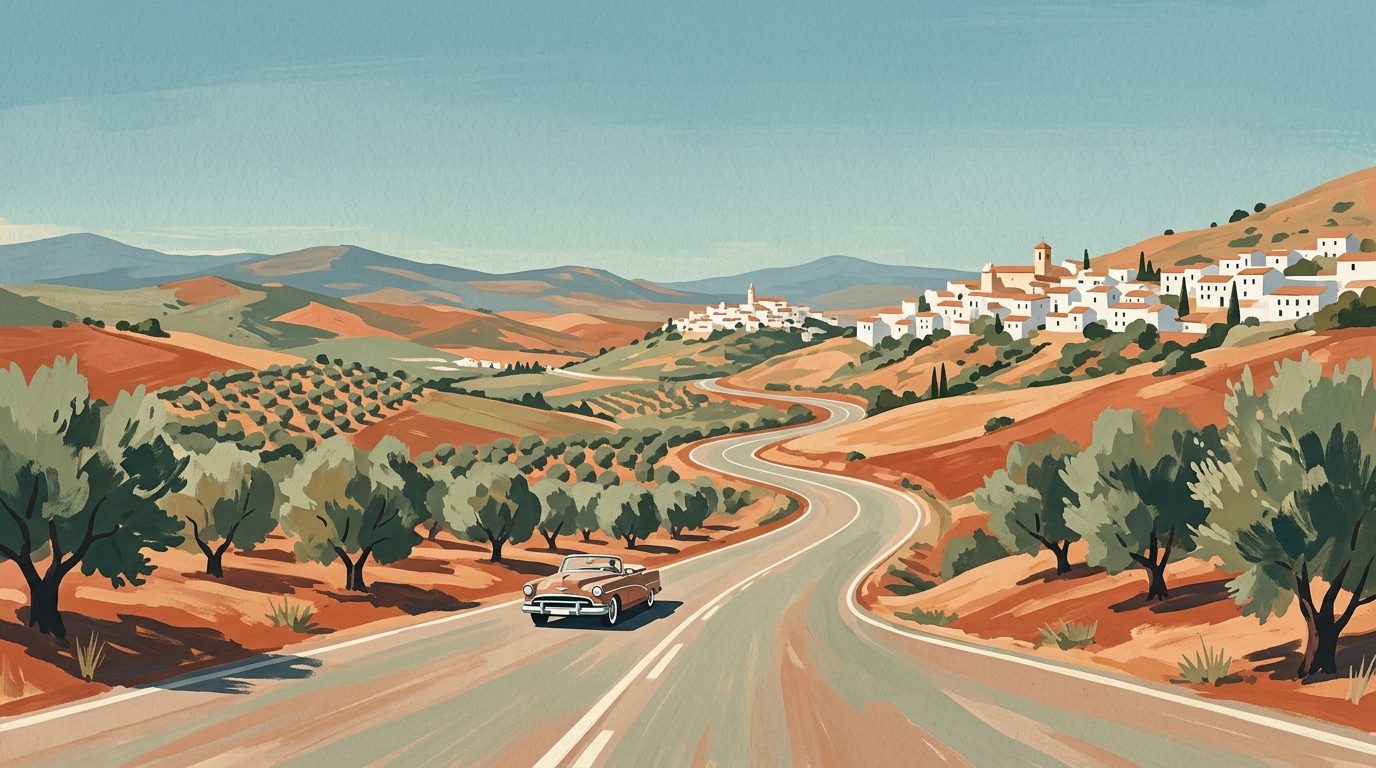
Forget the coastal resorts; the soul of the south resides in the limestone crags of the Sierra de Cádiz and the Serranía de Ronda. This five-day drive takes you from the precipice of Ronda to the Atlantic-facing walls of Vejer de la Frontera.
The Pueblos Blancos (White Villages) are more than just a collection of photogenic settlements; they represent a frontier history where the Christian and Muslim worlds collided for centuries. This itinerary works because it avoids the common mistake of trying to see ten villages in two days. Instead, it prioritises the high-altitude drama of the Sierra de Grazalema before finishing on the cooler, wind-swept hills near the Atlantic coast.
This route suits independent travellers who are comfortable with narrow, winding mountain roads and who prefer a glass of local Sherry on a quiet plaza over a crowded beach club. You will start in Ronda, the heavy hitter of the region, and work your way west and south through the heart of the Cádiz province. By the end of day five, you will have transitioned from the rugged interior mountains to the sophisticated, seafaring atmosphere of Vejer.
Day 1: The Rhythms of Ronda
Ronda is the logical starting point, sitting on a massive limestone plateau split by the Guadalevín River. Most day-trippers arrive at noon and leave by five; you will stay the night to see the Tajo gorge when the light turns gold and the crowds vanish.
Morning: Begin at the Real Maestranza de Caballería de Ronda. This is one of the oldest and most beautiful bullrings in Spain. Even if you dislike the spectacle, the architecture and the museum, which details the history of the Romero and Ordóñez dynasties, are essential for understanding the local culture. It opens at 10:00; arrive then to beat the tour buses.
Afternoon: Walk across the Puente Nuevo, the 18th-century bridge that spans the 120-metre deep gorge. Do not just look over the edge. Follow the path from Plaza de María Auxiliadora down into the valley. The walk takes about 20 minutes and provides the iconic view of the bridge looking up. For lunch, avoid the restaurants on the bridge itself. Walk five minutes to Tragatá in Calle Nueva. Order the salmonete (red mullet) or the rabo de toro (oxtail) sandwich. It is modern, sharp, and far superior to the tourist menus nearby.
Evening: Explore the Jardines de Cuenca for views of the Palacio de Salvatierra. For dinner, book a table at Casa María in the Barrio de San Francisco. There is no menu; they simply bring out what is fresh from the market. It is the most honest meal in the city.
Day 2: Cave Houses and Fortress Peaks
Today involves about 90 minutes of total driving, taking you from the Serranía de Ronda into the province of Cádiz. You are heading for Setenil de las Bodegas and Olvera.
Morning: Drive 30 minutes to Setenil de las Bodegas. This village is unique because the houses are built into the overhanging limestone cliffs. Focus your walk on Calle Cuevas del Sol and Calle Cuevas de la Sombra. The names are literal: one side gets the sun, the other is permanently shaded by the rock. Grab a coffee at one of the cafes under the rock, but do not stay for lunch, as it gets incredibly crowded by midday.
Afternoon: Drive another 20 minutes to Olvera. As you approach, the silhouette of the Castillo Árabe and the Neoclassical church of Nuestra Señora de la Encarnación creates the most dramatic skyline in the region. Pay the €2 to climb the castle towers; the 360-degree view of the olive groves is unparalleled. If you have energy, a short section of the Vía Verde de la Sierra, a disused railway line turned hiking path, starts here.
Evening: End your day by driving to Grazalema (about 45 minutes). This is the highest village in the sierra and has a distinct microclimate. It is often cooler and greener here. Spend the evening in the Plaza de España. The village is famous for its wool production; visit the Mantas de Grazalema factory shop if you want a high-quality, traditional souvenir.
Day 3: The Mountain Pass and the Reservoir
This is the most scenic driving day. You will tackle the Puerto de las Palomas, a mountain pass that reaches 1,357 metres.
Morning: From Grazalema, take the CA-9104 road toward Zahara de la Sierra. This road is not for the faint-hearted. It is narrow with tight hairpins, but there are several designated 'miradores' (viewpoints) where you can stop to see vultures circling the peaks. At the top of the pass, you can see all the way to the coast on a clear day.
Afternoon: Descend into Zahara de la Sierra. The village sits above a turquoise reservoir. Visit the 13th-century castle ruins at the top of the town. For lunch, find Al Lago. It is run by a chef who uses local ingredients with a contemporary touch. Order the goat’s cheese salad: the Sierra de Grazalema is famous for its Payoyo cheese, a blend of goat and sheep milk that is consistently voted among the best in the world.
Evening: Drive 40 minutes to Arcos de la Frontera. Arcos is the western gateway to the White Villages, perched on a sheer sandstone cliff. The driving inside the old town is notoriously difficult; park in the underground car park at Plaza de España in the 'new' part of town and walk or take the local shuttle bus up.
Day 4: Ducal History and the Hill of Vejer
Today you leave the high mountains and head toward the Atlantic, stopping at one of the most overlooked towns in the province.
Morning: Spend your morning in Arcos de la Frontera. Visit the Basílica de Santa María de la Asunción and the Plaza del Cabildo. The view from the 'Balcón de Arcos' at the edge of the square drops 150 metres straight down to the Guadalete River. It is a dizzying introduction to your day.
Afternoon: Drive 45 minutes south to Medina Sidonia. This was the seat of the Dukes of Medina Sidonia, once the most powerful family in Spain. It is a town of grand facades and ancient Roman sewers. Visit the Conjunto Arqueológico Romano to see the 1st-century tunnels. Before you leave, stop at Pastelería Nuestra Señora de la Paz. They are famous for Amarguillos (almond biscuits) and Alfajores, a spiced honey and nut sweet that dates back to the Moorish era.
Evening: Drive the final 30 minutes to Vejer de la Frontera. Vejer is arguably the most beautiful of all the white villages. It feels more Moroccan than Spanish in parts of the old quarter. For dinner, book well in advance for El Jardín del Califa. Set in a 16th-century courtyard, it serves exceptional North African cuisine. The pastela de pollo (chicken pie with cinnamon and almonds) is the signature dish.
Day 5: The Walled City and the Atlantic
On your final day, enjoy the slower pace of the coast-facing hills.
Morning: Walk the perimeter of Vejer’s walls. The town is a labyrinth of whitewashed alleys and hidden courtyards. Look for the 'Cobijada' statue, a woman dressed in a traditional black cloak that covers everything but one eye. Visit the Castillo, which has a beautiful horseshoe arch entrance. The views from the walls out toward the Atlantic and, on clear days, the coast of Africa, are spectacular.
Afternoon: If you have a car, drive 15 minutes down to the beach at El Palmar for a walk along the sand, or head to the Roman ruins of Baelo Claudia in Bolonia (30 minutes away). Baelo Claudia is one of the most complete Roman towns in Spain, featuring a theatre, forum, and fish-salting factory right on the edge of the beach. It is open Tuesday to Sunday; it usually closes at 15:00 on Sundays and holidays, and at 18:00 or 20:00 on other days depending on the month (check on the operator's website before travelling).
Evening: Return to Vejer for a final meal. Skip the formal restaurants and go to La Judería de Vejer. It offers a more intimate setting with views over the valley. Order a glass of chilled Amontillado sherry and the local retinto beef, which comes from the cattle you likely saw grazing on the drive in.
Getting Around
Public transport is not a viable option for this itinerary. While buses connect Ronda and Arcos, they do not serve the smaller mountain passes or the remote villages like Zahara with any frequency.
Car Hire: Collect your car from Málaga Airport or Sevilla. Request the smallest car you can comfortably fit into. The streets in the Pueblos Blancos were designed for donkeys, not SUVs. A compact car will save you significant stress when navigating the narrow gateways of Arcos or Vejer. Manual cars are standard; if you require an automatic, book months in advance.
Driving Times:
- Málaga to Ronda: 1 hour 30 mins
- Ronda to Setenil: 30 mins
- Zahara to Arcos: 40 mins
- Arcos to Vejer: 1 hour
Where to Stay
Ronda: Book in the La Ciudad (Old Town) district. While the newer Mercadillo area has more shops, staying in the old Moorish quarter allows you to walk the quiet streets after the day-trippers have left. Look for converted palacetes with courtyard views.
Grazalema: Stay near the Plaza de España. This is the heart of the village. Because it is a mountain town, ensure your accommodation offers heating if visiting between November and March, as it gets surprisingly cold at night.
Vejer de la Frontera: Focus on the Casco Antiguo (Old Town) within the walls. Be aware that many hotels here are old buildings with steep stairs. If you have mobility issues, look for options near the Corredera, which is flatter and offers easier access to the main parking areas.
Best Time for This Itinerary
Avoid July and August. The temperatures in Ronda and Arcos can easily exceed 40°C, making the steep climbs up to the castles punishing rather than pleasant. Furthermore, Vejer becomes extremely crowded with domestic tourists in August.
Spring (April to June): The wildflowers in the Sierra de Grazalema are spectacular, and the reservoir levels are high. This is the best time for photography.
Autumn (September to October): The light is softer, and it is harvest season for the olives and grapes. The weather remains warm enough for outdoor dining but without the searing heat of summer.
Practical Planning
Total Budget Estimate: Expect to spend €180 to €260 per day for two people. This includes a mid-range hotel (€100 to €150), car hire and fuel, and two meals out. Most monuments have small entry fees (usually €2 to €8).
What to Book in Advance:
- El Jardín del Califa (Vejer): At least 2 weeks ahead in peak season.
- Ronda Bullring: Not strictly necessary, but buying tickets online saves time.
- Car Hire: Prices spike significantly if booked less than a month before travel.
Entry Requirements: Most castle ruins and small museums in the villages close for 'siesta' between 14:00 and 16:00 or 17:00. Plan your driving during these hours and your sightseeing in the mornings.
Last reviewed: 21 June 2026 · Editorial policy
Related guides
Hotels with Pet-Friendly Rooms in Jerez: Best Stays Near City Parks
Find the best pet-friendly accommodation in Jerez, from central boutique hotels to spacious stays near the city parks.
6 min read
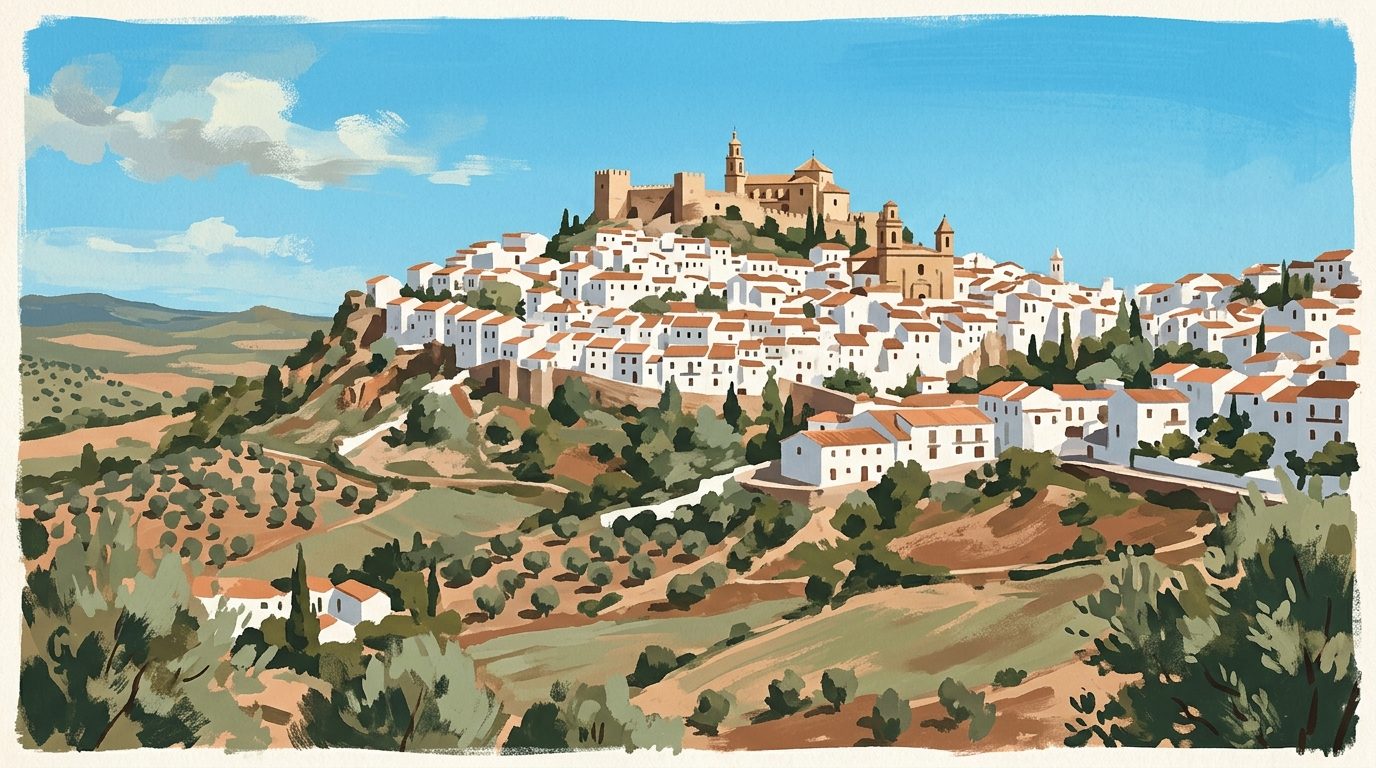
A Guide to Olvera: The Dramatic Silhouette of the Sierra de Cádiz
Discover Olvera, the dramatic white village of Cádiz known for its spectacular hilltop castle, grand neoclassical church, and the scenic Vía Verde de la Sierra.
6 min read
Ubrique: The Industrial Heart of the Sierra de Cádiz
Discover the leather-working capital of Spain, where high-end luxury manufacturing meets ancient Roman ruins and dramatic mountain scenery in the Sierra de Cádiz.
6 min read
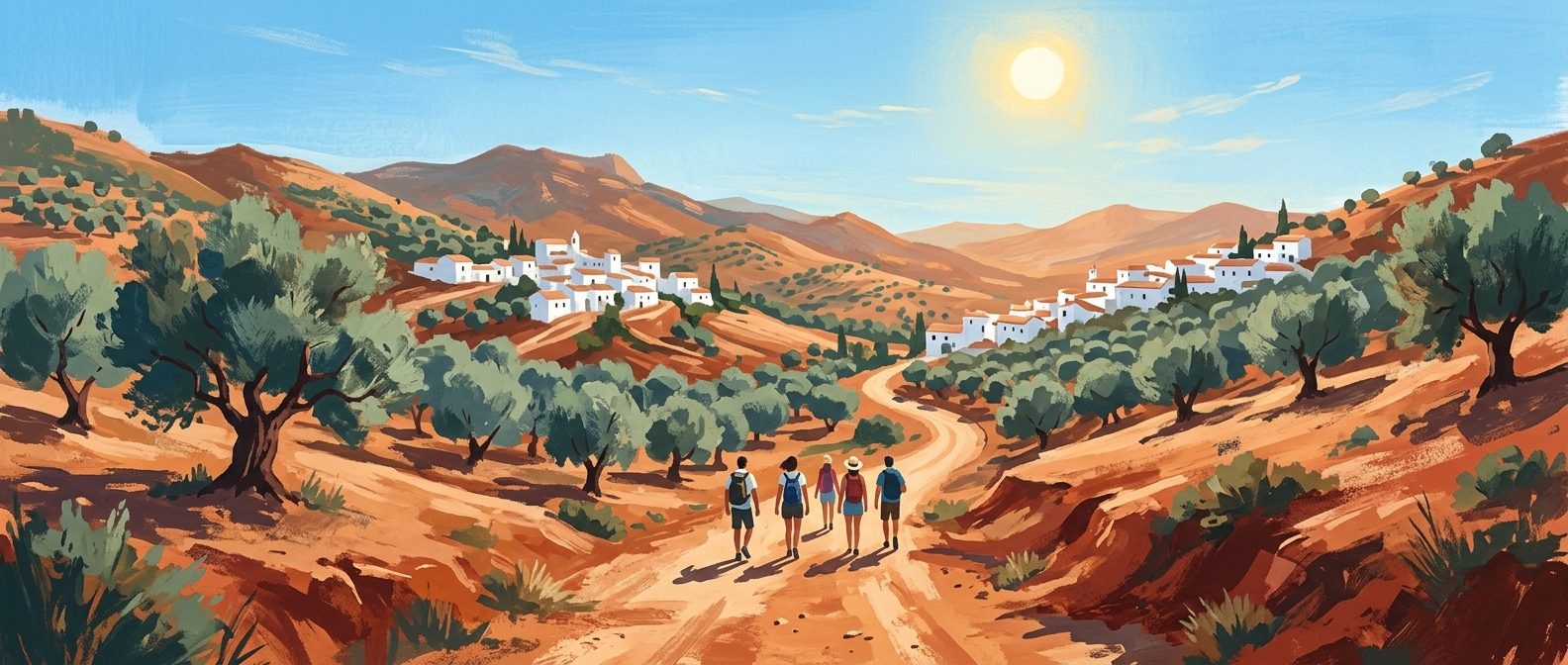
Discover the Enchanting Pueblos Blancos: Andalucía's Whitewashed Gems Await
Journey through Andalucía's iconic Pueblos Blancos, where historic whitewashed villages cling to dramatic hillsides, offering wide views and authentic Spanish charm.
5 min read
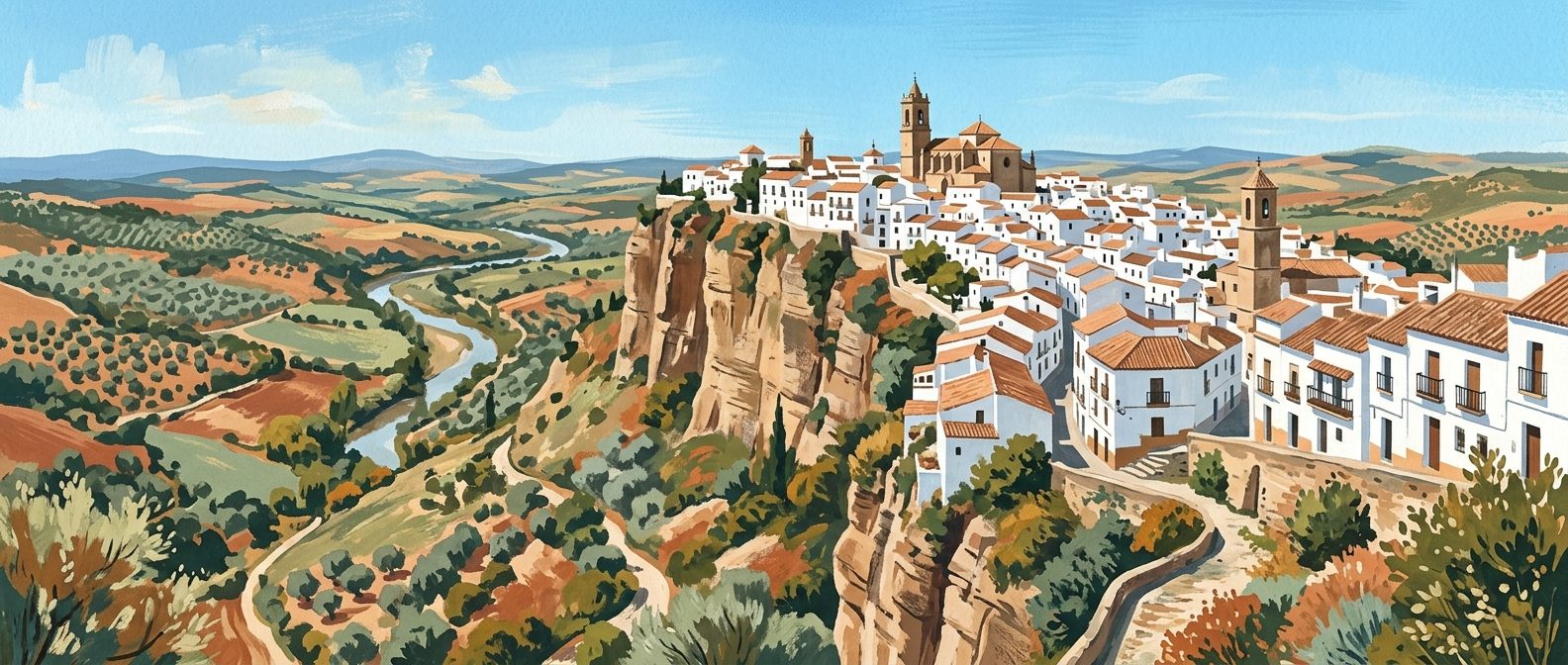
Exploring Arcos de la Frontera: The Gateway to the White Villages
Perched on a sheer limestone ridge, Arcos de la Frontera provides a dramatic introduction to the White Villages of Cádiz, where narrow streets end in vertical drops.
5 min read
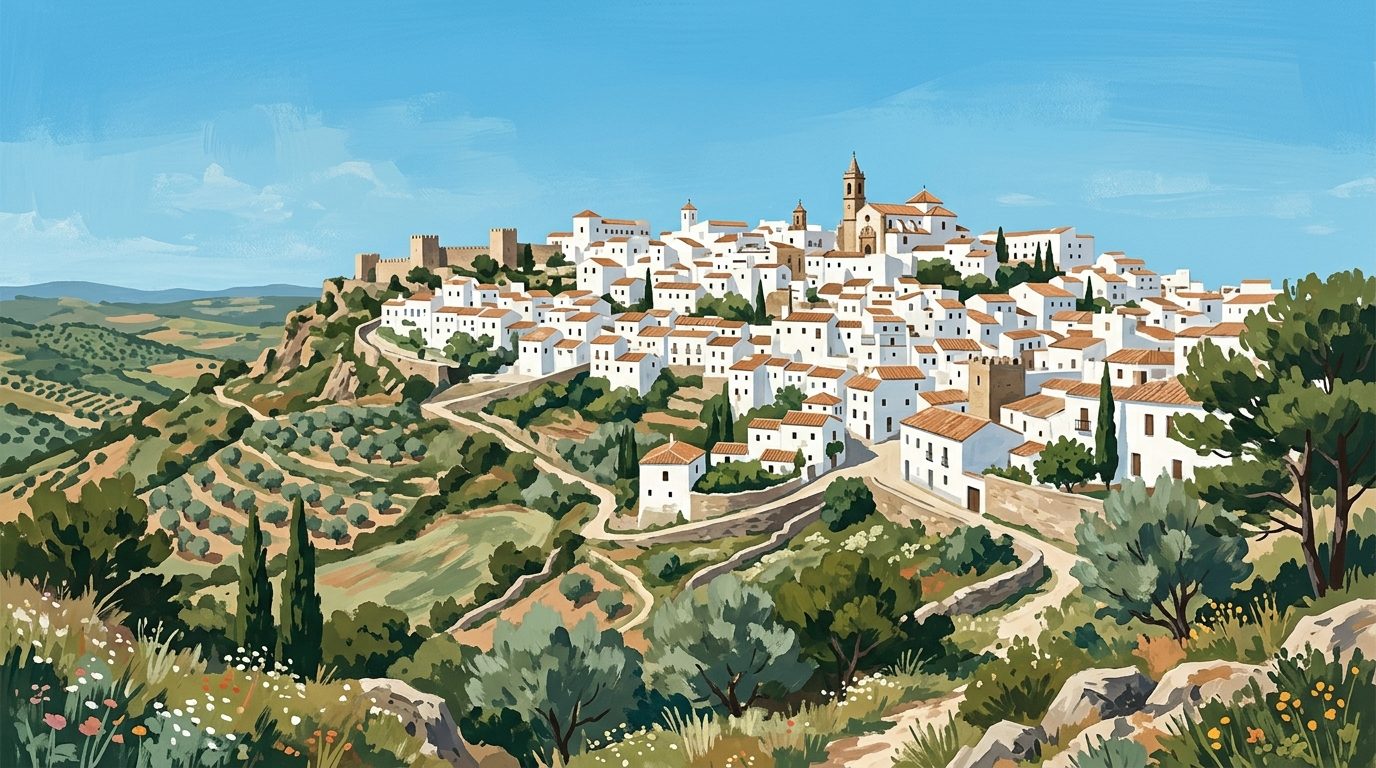
A Guide to Vejer de la Frontera: The Hilltop Sentinel of Cádiz
Perched on a limestone cliff overlooking the Atlantic, Vejer de la Frontera is a perfectly preserved white village where Moorish history and modern gastronomy meet.
6 min read
More from Cádiz
Three Days in Cadiz: The Ultimate Itinerary for Independent Travellers
Three days allows you to completely sink into the maritime rhythm of Europe's oldest city. You can cover the historic centre, explore the twin seaside fortresses, and still have time for a sherry tasting afternoon across the bay.
7 min read
48 Hours in Cadiz: A Two Days Itinerary for Spain's Oldest City
Forty-eight hours in Cadiz allows you to properly absorb the rhythm of a city almost entirely surrounded by the Atlantic Ocean. You will have time to climb the historic watchtowers, eat freshly fried fish in the central market, and walk the coastal forts without feeling rushed.
9 min read
A Weekend in Cadiz: The Perfect Two Days Itinerary
Spend 48 hours exploring the oldest continuously inhabited city in Western Europe. This guide balances historic watchtowers and golden domes with long seafood lunches and sunset walks along the Atlantic.
9 min read
Seven Days in Cadiz: A One-Week Itinerary
Spend a full week absorbing the maritime rhythm of Europe's oldest continuously inhabited city. This seven-day plan balances morning markets and long beach walks with easy day trips across the Bay of Cadiz.
14 min read
The Costa de la Luz Road Trip: A Raw Atlantic Itinerary
Trade the Mediterranean crowds for raw Atlantic winds, sherry-soaked bodegas, and the finest tuna in Europe on this 6-day drive through Cádiz province.
10 min read
Newsletter
More stories from Andalucía
Weekly notes, seasonal picks, and the next guides worth bookmarking.