
Itinerary
Andalucía for Food Lovers: A 7-Day Gastronomic Route
Forget the tourist menus; this is a rigorous seven-day map of Andalucía’s most authentic kitchens, from the sherry bodegas of Jerez to the olive groves of Jaén.
By Dan · Updated 7 June 2026 · 8 min read
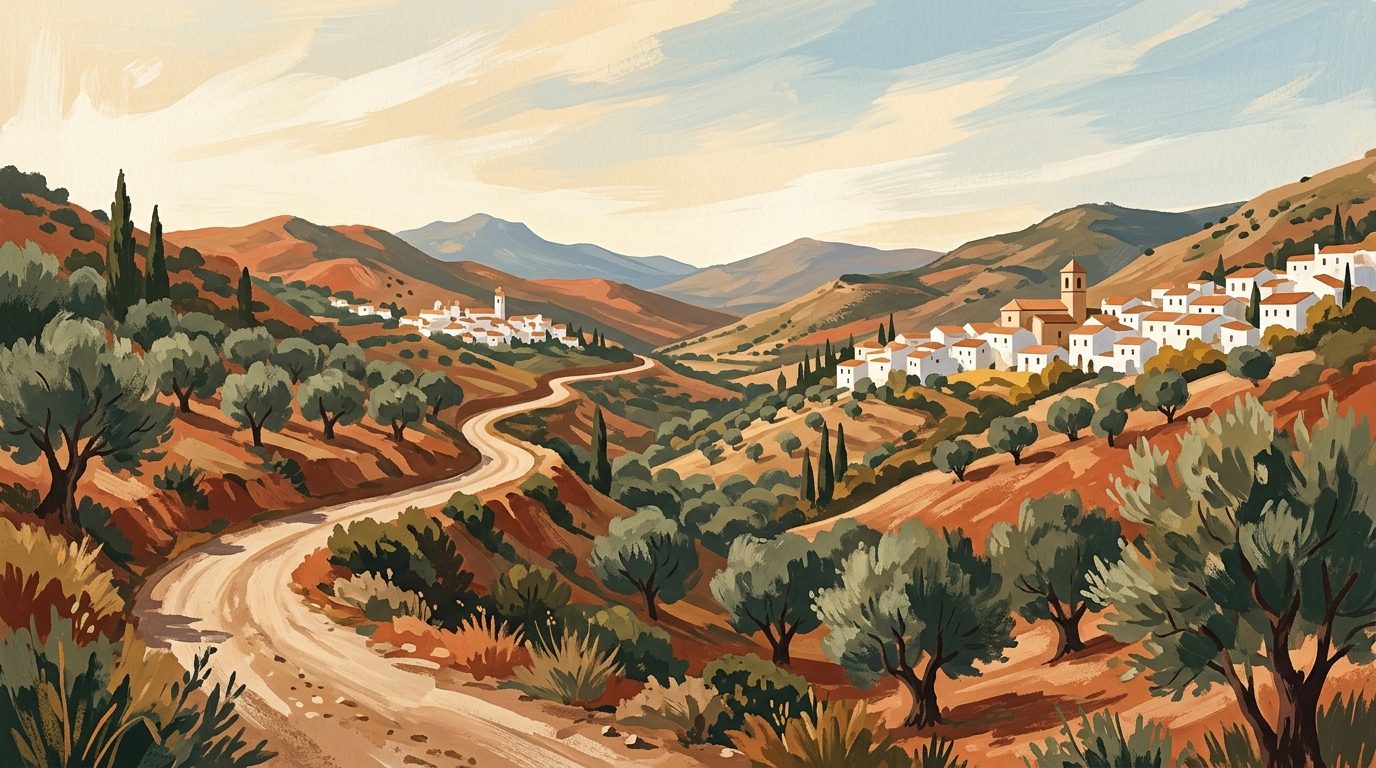
Forget the tourist menus and the generic paella; this is a rigorous seven-day map of Andalucía’s most authentic kitchens. From the bone-dry sherries of the ‘Sherry Triangle’ to the high-altitude olive oils of Jaén, this route is designed for those who travel with their stomachs first.
This itinerary is not a general sightseeing tour. While you will pass the great monuments of the south, they serve as the backdrop to the real business of the week: understanding the complex, produce-driven culinary identity of Andalucía. This route works because it respects the regionality of Spanish food. You do not eat the same thing in Sevilla as you do in Almería. We have structured this trip to move from the saline, Atlantic influences of the west to the rugged, mountain-harvested flavours of the east.
This suits travellers who are comfortable standing at a crowded bar with a glass of Manzanilla in one hand and a plate of Iberian ham in the other. It requires a hire car for the second half of the trip and a willingness to adhere to the Spanish clock: eating lunch at 2:30 pm and dinner no earlier than 9:00 pm. If you try to eat at 6:00 pm, you will find only the worst tourist traps open.
Day 1: The Sevilla Tapas Trail
Arrival in Sevilla. Do not waste time with a hotel breakfast; head straight to the Mercado de Triana (Opening times: 09:00 to 17:00; Note: produce stalls close by 14:30). This market is built over the ruins of the Inquisition Castle and is the best place to see the morning’s haul from the Huelva coast.
Morning: Walk through the stalls of Jamón Ibérico de Bellota and pick up a paper cone of chicharrones (fried pork belly). Cross the Isabel II Bridge into the city centre. Visit the Cathedral and Giralda (Book tickets for 11:30 am) to clear your conscience before the afternoon’s indulgence.
Afternoon: Lunch is a moving feast. Start at Las Golondrinas in Triana. Order the punta de solomillo (sirloin tip) and the caballitos (fried peppers). Walk over to the El Arenal district for Bodeguita Romero. You are here for one specific item: the Montadito de Pringá. This small sandwich of slow-cooked pork, chorizo, and morcilla is arguably the best bite of food in the city.
Evening: Avoid the Calle Mateos Gago. Instead, head to La Brunilda for modern interpretations of tapas, or Casa Morales, where you drink wine from massive clay tinajas. Finish the night with a glass of Naranja (orange-infused wine) at Álvaro Peregil.
Day 2: Jerez Sherry Bodegas and Cádiz Pescaíto Frito
Take the morning Renfe train from Santa Justa to Jerez de la Frontera (1 hour). Jerez is the world capital of Sherry, a wine frequently misunderstood and undervalued.
Morning: Book a private tour at Bodega Tradición. Unlike the mass-market producers, Tradición focuses on VORS (Very Old Rare Sherry) wines aged over 30 years. The bodega also houses one of Spain’s best private art collections, featuring Goya and Velázquez. Taste the difference between a sharp Fino and a nutty Amontillado.
Afternoon: Eat at La Carboná. This is a "Sherry restaurant" where every dish is cooked with or paired with specific local wines. Order the Oloroso-braised beef cheeks. Afterwards, take the short train ride (30 mins) to Cádiz, the oldest city in the Western world.
Evening: Walk to the Barrio de la Viña. This is the heart of Cádiz’s seafood culture. Your destination is Freiduría Las Flores. Order the surtido variado (mixed fried fish) and tortillitas de camarones (shrimp fritters). Eat them on the street or at a high table with a cold Cruzcampo beer. The fish is caught that morning and fried in high-quality olive oil; it is light, crisp, and essential.
Day 3: The Road to Granada and the Free Tapas Tradition
Pick up your hire car in Cádiz and drive towards Granada (approx. 3 hours). Break the journey in Antequera. This town is the home of Porra Antequerana, a thicker, more aggressive version of Salmorejo topped with tuna and hard-boiled egg. Eat it at Arte de Cozina, a restaurant dedicated to recovering lost Andalucían recipes.
Afternoon: Arrive in Granada and check into the Realejo district. Walk up to the Mirador de San Nicolás for the sunset view of the Alhambra, but do not eat in the surrounding restaurants: they are overpriced and underwhelming.
Evening: Granada is one of the few places left in Spain where the "free tapas" culture remains authentic. When you order a drink, food arrives for free. Start at Los Manueles on Calle Elvira for their famous giant croqueta. Move to Bodegas Castañeda for a Calicasas (a potent house wine blend) and a platter of mountain cheeses. Be prepared to stand; these bars are always packed with locals.
Day 4: The Alhambra and Sacromonte Flavours
Morning: You must book Alhambra tickets months in advance. Request the 09:00 slot for the Nasrid Palaces to avoid the heat and the largest crowds. Spend three hours exploring the gardens and the Generalife.
Afternoon: For lunch, seek out Restaurante Chikito. This was the meeting place for Federico García Lorca’s literary circle. Order the Habitas con Jamón (broad beans with cured ham), a staple of the Granada mountains.
Evening: Head to the Sacromonte district, the traditional gypsy quarter. While many go for the flamenco shows, you are here for the Tortilla de Sacromonte, an omelette made with brains and sweetbreads. It is not for the faint-hearted, but it is the definitive dish of the district. Try it at Casa Juanillo, which offers views of the Alhambra that rival the food.
Day 5: Córdoba: Salmorejo and the Mezquita
Drive 2 hours west to Córdoba. This city was once the most sophisticated capital in Europe, and the food reflects a legacy of Moorish spices mixed with Christian mountain traditions.
Morning: Visit the Mezquita-Catedral (Opening times: 10:00 to 19:00). The forest of arches is a distraction from the hunger you will feel by 1:00 pm.
Afternoon: Lunch at Taberna San Miguel (El Pisto). This tavern dates back to 1880 and is a temple to Cordobés cooking. You must order three things: Salmorejo (a cold, thick tomato and bread purée), Berenjenas con miel (fried aubergines with cane honey), and Rabo de Toro (oxtail stew). Wash it down with a glass of Montilla-Moriles, the local fortified wine that is technically not sherry but shares many characteristics.
Evening: Walk through the Jewish Quarter (Judería) after the day-trippers have left. For dinner, head to Noor if you have booked months ahead for a Michelin-starred recreation of Caliphate-era cuisine. If not, Regadera offers a superb modern take on local produce right by the river.
Day 6: Jaén’s Liquid Gold and Úbeda
Drive north-east into the province of Jaén. This is the largest olive oil-producing region in the world. The landscape changes into an endless sea of silver-green trees.
Morning: Book an Oleotourism experience at Oro Bailén or Picualia. You will walk through the groves and learn why "Early Harvest" oil is green, not yellow. A tasting here will ruin supermarket olive oil for you forever.
Afternoon: Continue to the Renaissance town of Úbeda. This is a UNESCO World Heritage site and remarkably quiet compared to Sevilla. For lunch, go to Antique. They specialise in Andrajos, a traditional rabbit and flour-paste stew that is the epitome of Spanish comfort food.
Evening: Explore the Plaza Vázquez de Molina. For dinner, Cantina la Estación is a railway-themed restaurant that serves some of the most creative food in the province. Focus on any dish featuring the local Picual olive oil.
Day 7: Almería and the Seafood of Cabo de Gata
On your final day, drive south to Almería and the Cabo de Gata-Níjar Natural Park (2 hours). This is a desert landscape that meets the Mediterranean.
Morning: Visit the Alcazaba of Almería, a massive Moorish fortress. Afterwards, drive 40 minutes into the heart of the Cabo de Gata park to the village of San José.
Afternoon: Lunch is at Chiringuito El Playazo or La Palma in Las Negras. The star of the show in Almería is the Gamba Roja (red prawn). They are expensive and worth every cent. They should be grilled simply with sea salt. Also, try the Gallopedro, a local white fish that is rarely found outside this province.
Evening: Return to Almería city for a final tapas run. Almería also gives free tapas with every drink. Visit Casa Puga, open since 1870. Stand at the marble bar and order huevas de maruca (dried ling roe) and grilled red peppers. It is the perfect, salt-tinged end to a week of intensive eating.
Getting Around
For the first two days (Sevilla, Jerez, Cádiz), the Renfe train network is superior to driving. Parking in Sevilla or Cádiz is a nightmare and expensive. However, for Day 3 onwards, a hire car is essential. The olive groves of Jaén and the beaches of Cabo de Gata are not efficiently served by public transport. Hire a car from Sevilla Santa Justa station on the morning of Day 3 and return it at Almería Airport on Day 7. Use an automatic if you aren't comfortable with the steep, narrow streets of Granada’s Albaicín.
Where to Stay
- Sevilla: Book in El Arenal. It is more authentic than Santa Cruz and closer to the best tapas bars.
- Cádiz: Stay in the Old Town (Casco Antiguo) near La Caleta beach to be within walking distance of the fish fryers.
- Granada: Look for a boutique hotel in the Realejo district. It is the old Jewish quarter, quieter than the centre but perfectly positioned for eating.
- Córdoba: Stay in the San Marina or San Andrés neighbourhoods to escape the tourist menus of the Judería.
- Úbeda: Any hotel near the Plaza Vázquez de Molina puts you in the heart of the Renaissance architecture.
Best Time for This Itinerary
Avoid July and August. The heat in Sevilla, Córdoba, and Jaén frequently exceeds 40°C, which makes heavy stews and walking between tapas bars physically draining. The best months are April, May, September, and October. If you travel in late February, you will catch the wild asparagus season and the Carnaval in Cádiz, which is a spectacle in its own right.
Practical Planning
- Total Budget: Excluding flights, allow €150 to €200 per day for two people to eat and drink exceptionally well, including mid-range accommodation.
- Book in Advance: The Alhambra (3 months), Bodega Tradición (2 weeks), and any Michelin-starred restaurants (1 month).
- Logistics: Most restaurants close their kitchens between 4:30 pm and 8:30 pm. Plan your hunger accordingly.
- Entry Requirements: Check current Schengen area rules for UK or non-EU citizens. Standard travel insurance should cover hire car excess (always check the policy).
Last reviewed: 21 June 2026 · Editorial policy
Related guides
Ten Days in Andalucía: The Classic Route
A definitive ten-day guide through Málaga, Ronda, Sevilla, and Granada, focusing on the essential sights, the best sherry bodegas, and the most authentic tapas bars.
11 min read
The Art of the Tapeo: A Local Guide to Tapas Culture in Andalucía
Discover the unwritten rules of the Andalucían tapeo, from the legendary free tapas of Granada to the historic tabernas of Sevilla.
6 min read
The Ultimate Sherry Triangle Route: A 3-Day Bodega Itinerary
Forget everything you think you know about sweet cream sherry gathering dust in a vicar’s cupboard. The true Sherry Triangle is a serious, terroir-driven journey through chalk-white soils, coastal winds, and centuries-old cathedral bodegas.
10 min read
A Local’s Guide to Eating and Drinking in Jerez de la Frontera
Discover the authentic taste of Jerez de la Frontera, from the traditional tabancos serving sherry from the cask to the rich, slow-cooked stews of the Santiago quarter.
7 min read
A Serious Eater's Guide to Granada: From Free Tapas to Fine Dining
Beyond the Alhambra lies a city where the drink-to-food ratio remains the best in Spain, anchored by a free tapas culture that rewards the adventurous diner.
7 min read
A Guide to Eating and Drinking in Córdoba
Discover the culinary heart of Córdoba, from the creamy depths of salmorejo cordobés to the historic wine taverns serving Montilla-Moriles.
7 min read
More guides
5 Days in Jaén: Renaissance Cities and Cazorla
A realistic five-day driving itinerary through Jaén province, balancing the monumental Renaissance architecture of Úbeda and Baeza with the rugged mountain wilderness of the Sierra de Cazorla.
11 min read
5 Days in Huelva: Atlantic Coast, Doñana and Sierra
A realistic five-day driving route through Huelva province, linking the maritime history of the capital with the tidal wetlands of Doñana and the chestnut forests of the Sierra de Aracena.
12 min read
5 Days in Almería: City, Desert and Cabo de Gata
A realistic five-day driving itinerary through Almería province, balancing the historic capital, the cinematic Tabernas badlands, and the protected volcanic shores of Cabo de Gata.
13 min read
One Week in Sevilla: A Complete Seven Days Itinerary
Spending a full week in Sevilla allows you to slow down and adopt the local rhythm. You can explore the monumental centre, wander through neighbourhood markets, and take the train to nearby Andalucían cities without feeling rushed.
13 min read
Two Days in Granada: A Step-by-Step Itinerary
Two days in Granada gives you just enough time to explore the Alhambra and lose yourself in the steep alleys of the Albaicín. This itinerary balances major monuments with the city's legendary free tapas culture.
10 min read
48 Hours in Sevilla: A Weekend Itinerary
Spend a weekend in Sevilla navigating the royal palaces, historic tapas bars and shaded plazas. This two-day plan balances major architectural sights with long lunches and evening walks along the river.
8 min read
Three Days in Sevilla: The Complete Itinerary
Spend 72 hours exploring the heart of the Andalucían capital. This pacing allows time for the Real Alcázar, late tapas in Triana and the essential afternoon siesta.
9 min read
Two Days in Sevilla: A Complete Itinerary
Two days in Sevilla requires strict prioritisation to avoid exhaustion under the Andalucían sun. This itinerary balances the grand monuments of the historic centre with the slower, more local rhythm of Triana and Santa Cruz.
10 min read
A Weekend in Cordoba: Two Days in Andalucía's Caliphate City
Spend 48 hours in Cordoba exploring the mesmerising Mezquita, getting lost in the whitewashed streets of the Judería, and eating excellent salmorejo.
9 min read
Newsletter
More stories from Andalucía
Weekly notes, seasonal picks, and the next guides worth bookmarking.