
Itinerary · Granada
Granada and the Alpujarras: A 5-Day Loop
Combine the architectural majesty of the Nasrid kings with the high-altitude solitude of the Sierra Nevada's southern slopes. This five-day loop transitions from urban tapas culture to the rugged traditions of Spain’s highest white villages.
By Dan · Updated 7 June 2026 · 8 min read
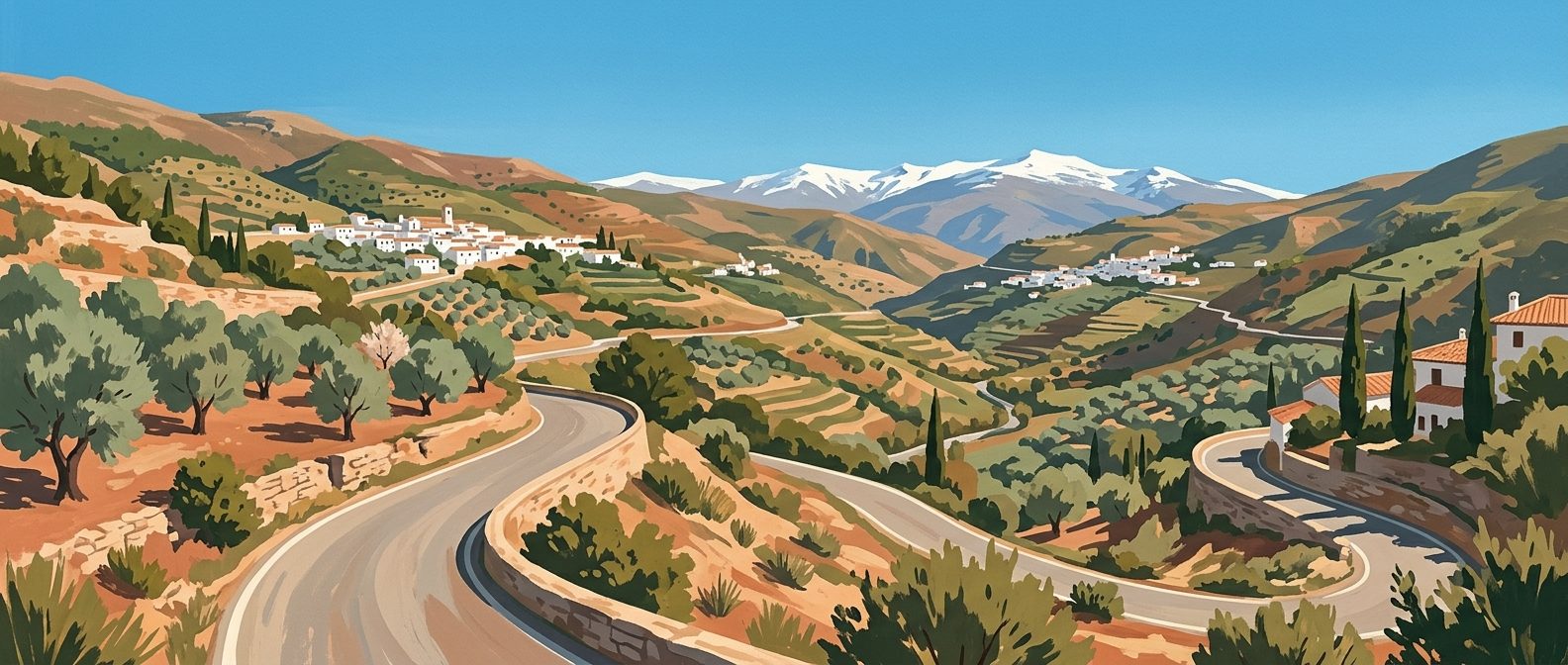
Combine the architectural majesty of the Nasrid kings with the high-altitude solitude of the Sierra Nevada’s southern slopes. This five-day loop transitions from urban tapas culture to the rugged traditions of Spain’s highest white villages.
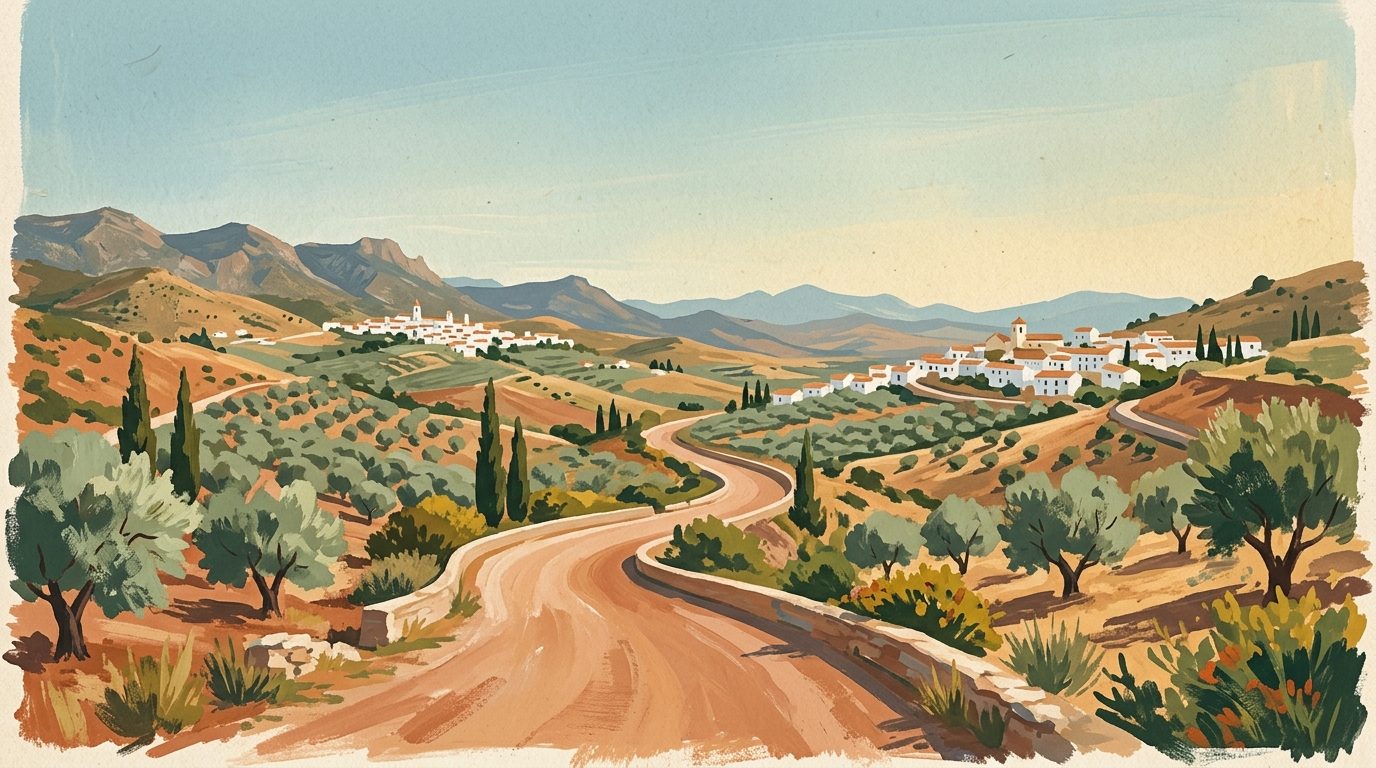
This itinerary is designed for those who find the idea of a beach holiday tedious. It pairs the intense, historical weight of Granada with the bracing air of the Alpujarras, a region on the southern flanks of the Sierra Nevada mountains. This area was the last refuge of the Moors before their final expulsion from Spain, and the architecture here reflects a distinct Berber influence: flat roofs, chimney pots shaped like top hats, and narrow, winding streets that defy modern navigation.
What makes this loop work is the contrast. You begin with the sophisticated sensory overload of the Alhambra and the Albaicín, before driving into a landscape where the pace is dictated by goat herders and the curing time of mountain hams. It is a route for active travellers; expect steep climbs, winding mountain roads, and a significant amount of walking. You will need a hire car to complete the second half of the loop effectively, as public transport in the high mountains is infrequent and slow.
Day 1: The Albaicín and the Caves of Sacromonte
Arrive in Granada and head straight to the Albaicín, the old Moorish quarter. Do not attempt to drive here; the streets are restricted to residents and taxis, and you will inevitably get stuck in a narrow alleyway. Start your morning at Plaza Nueva and walk up the Carrera del Darro, which follows the river. Stop at the Bañuelo (open 10:00 to 17:00; check the official Granada Tur website for seasonal adjustments), 11th-century Arab baths that are among the oldest in Spain.
For lunch, avoid the restaurants with picture menus on the main river path. Instead, climb the stairs to Plaza Larga and find Bar Aliatar. Order the caracoles (snails) if they are in season, or a simple plate of habas con jamón (broad beans with ham). This square is the heart of the neighbourhood and feels entirely removed from the tourist crowds down by the cathedral.
In the afternoon, continue your ascent to the Mirador de San Cristóbal. Everyone goes to the Mirador de San Nicolás for the Alhambra view, but San Cristóbal is higher, quieter, and offers a wider panorama that includes the city walls. As evening falls, walk over to Sacromonte. This is the traditional Gypsy quarter where houses are carved directly into the hillside rock. While many flamenco shows here are staged for tourists, the Museo Cuevas del Sacromonte (open until 18:00 or 20:00 depending on the season) provides a legitimate look at cave-dwelling history. Finish the night with a walk back down the hill for a flamenco show in Sacromonte, which provides a dramatic setting within a natural cave.
Day 2: The Alhambra and Realejo
The Alhambra is the non-negotiable centrepiece of any Granada visit. We recommend booking your tickets at least 90 days in advance to secure a slot for the Nasrid Palaces. If you miss your timed entry for the palaces, you will not be let in. Spend at least four hours here. Start with the Generalife gardens to see the water gardens before the midday heat, then move to the Alcazaba fortress for views over the city, and end with the Palaces. Pay attention to the intricate mocarabe (honeycomb) vaulting; it is the pinnacle of Islamic art in Europe.
After the intensity of the Alhambra, descend via the Cuesta de Gomérez into the Realejo, the old Jewish quarter. This area is less vertical than the Albaicín and feels more like a lived-in neighbourhood. Have a late lunch at Chikito on Plaza del Campillo. It was a favourite of Federico García Lorca and serves classic Granadino cuisine. Order the Tortilla de Sacromonte, a local speciality made with brains and sweetbreads: it is not for everyone, but it is authentic.
Spend your evening on a tapas crawl. In Granada, tapas are still served free with every drink. Head to Calle Navas or Calle Rosario. Start at Los Diamantes for fried fish (expect to stand and elbow your way to the bar) and then move to La Botillería for more refined meat dishes. Consider a local food tour if you want to skip the guesswork and find the specific barrels of vermouth favoured by locals.
Day 3: Lanjarón, Órgiva, and the Poqueira Gorge
Collect your hire car and leave Granada heading south on the A-44, then take the A-348 towards the Alpujarras. Your first stop is Lanjarón, famous across Spain for its spring water. The town is linear, stretching along a single main road. Park and walk to the Museo del Agua, or simply fill your water bottle at one of the many tiled fountains, each inscribed with a short poem by Lorca. The local honey here is exceptional; buy a jar of chestnut honey from one of the roadside stalls.
Continue to Órgiva, the administrative capital of the region. It has a slightly eccentric, bohemian atmosphere due to its large international community. Stop at the 16th-century Parish Church of Our Lady of Expectation with its twin spires. Don't linger too long; the real magic lies higher up.
Drive north into the Poqueira Gorge. The road (A-4132) becomes a series of dramatic hairpins. You will pass through Pampaneira, Bubión, and finally Capileira. These three villages are the quintessential Alpujarran settlements. Check into your accommodation in Capileira, the highest of the three. It offers the best views and the most immediate access to mountain trails. For dinner, find a terrace overlooking the gorge and order the Plato Alpujarreño: a hearty mountain plate of potatoes, fried eggs, ham, longaniza (sausage), and morcilla (black pudding).
Day 4: Hiking the Three Villages
Today is for walking. The PR-A 70 is a circular trail that connects Pampaneira, Bubión, and Capileira. It is a moderate hike of about 8 kilometres, but the steep descents and ascents between the villages make it feel longer. Start in Capileira and walk down to Bubión. The trail takes you through terraced farmland and past ancient irrigation channels (acequias) established by the Moors.
In Pampaneira, visit the Taller de Telar to see traditional jarapas (colourful rugs) being woven on wooden looms. This is the best place to buy local crafts. The village square is an excellent spot for a coffee, but for lunch, hike back up to Bubión to eat at Teide. This restaurant is famous for its slow-cooked meats and views from the balcony.
In the afternoon, explore the tinaos of Capileira, these are covered walkways created by houses built over the streets. They are unique to this region and provide essential shade and shelter. If you have any energy left, walk to the Mirador del Perchel on the northern edge of the village for a view that extends all the way down to the Mediterranean on a clear day. Consider hiring a guide if you prefer to tackle the higher peaks of the Sierra Nevada, such as Mulhacén, which is accessible from here via a national park shuttle bus in the summer months.
Day 5: Trevélez and the Puerto de la Ragua
Drive east from the Poqueira Gorge to Trevélez, which claims to be the highest village in Spain (though several others dispute this). The altitude and the dry air make it the perfect place for curing ham. Visit Jamones Vallejo, one of the oldest drying houses, for a tour and a tasting. The ham here is cured without artificial preservatives, using only sea salt and mountain air. It has a distinctively sweet, nutty flavour.
Instead of heading back the way you came, continue east towards the Puerto de la Ragua. This is a high mountain pass at 2,000 metres above sea level that divides the provinces of Granada and Almería. The landscape changes dramatically from the lush terraces of the Alpujarras to alpine pine forests. In winter, there is cross-country skiing here; in summer, it is a cool, windswept plateau with incredible views over the Marquesado de Zenete plateau to the north.
Descend the northern side of the pass, where you will see the Castillo de La Calahorra, a formidable fortress standing on a red hill. It is privately owned and only open on Wednesdays (check with the Guadix tourist office or local town hall before travelling), but even from the outside, its Italian Renaissance interior and medieval exterior are striking. From here, take the A-92 motorway back to Granada. It is an easy hour-long drive on a flat, fast road, providing a necessary mental transition from the rugged mountains back to the city.
Getting Around
For the first two days in Granada, a car is a liability. Use the C30 or C32 Alhambra buses or simply walk. For the Alpujarras, a hire car is essential. Pick it up from Granada city centre or the airport on Day 3. The mountain roads (A-348 and A-4132) are well-maintained but extremely winding. If you suffer from motion sickness, take precautions. Expect driving times to be double what they would be on flat terrain; 20 kilometres in the Alpujarras can easily take 45 minutes.
Where to Stay
In Granada, stay in the Albaicín if you want traditional charm and views, but be prepared for a lot of uphill walking and carrying your luggage through narrow streets. Alternatively, stay in the Realejo for a more local, central feel with better access to tapas bars and shops.
In the Alpujarras, base yourself in Capileira. It is the most practical of the high villages, with the best selection of small hotels and apartments, and it feels more authentic and less day-trip oriented than Pampaneira.
Best Time for This Itinerary
The best months are May, June, September, and October. In July and August, Granada city is punishingly hot (often exceeding 40°C), though the mountains remain pleasant. Winter is beautiful and clear, but the Puerto de la Ragua can be closed by snow, and the high mountain villages are genuinely cold, often with ice on the streets. If you visit in spring, you will see the cherry and almond blossoms in the lower valleys, which is spectacular.
Practical Planning
- Budget: Budget approximately €120 to €150 per day per couple for mid-range accommodation and meals. Granada's free tapas system makes evening dining very affordable.
- Booking in advance: The Alhambra is the only thing that requires months of planning. Book tickets at least 90 days out via the official Patronato de la Alhambra website.
- Clothing: Even in summer, the Alpujarras can be cool in the evening. Bring a windproof jacket and sturdy hiking boots with good grip for the village trails, which are often made of slick, worn stone.
- Fuel: Fill your tank in Granada or Órgiva. Petrol stations are scarce once you climb into the Poqueira Gorge and towards Trevélez.
Last reviewed: 21 June 2026 · Editorial policy
Related guides
Hotels with a Pool in Granada: Rooftop Plunges and Seasonal Tips
Finding a hotel with a pool in Granada requires understanding seasonal limits and the difference between a rooftop plunge and a full-sized basin.
5 min read
The Alpujarras Complete Guide: High Altitudes and Moorish Footpaths
South of the Sierra Nevada, the Alpujarras is a high-altitude network of steep ravines, ancient irrigation channels, and white villages clinging to the mountainside. This guide covers how to navigate the hairpin bends, where to find the best hiking trails, and which village suits your basecamp needs.
9 min read
Seven Days in Granada: The Complete Slow Travel Itinerary
Spend a full week in Granada to look beyond the Alhambra and sink into the authentic rhythm of an Andalucían capital. Seven days allows you to hike the Sierra Nevada foothills, wander the winding streets of the Albaicín, and master the city's legendary free tapas culture without rushing.
9 min read
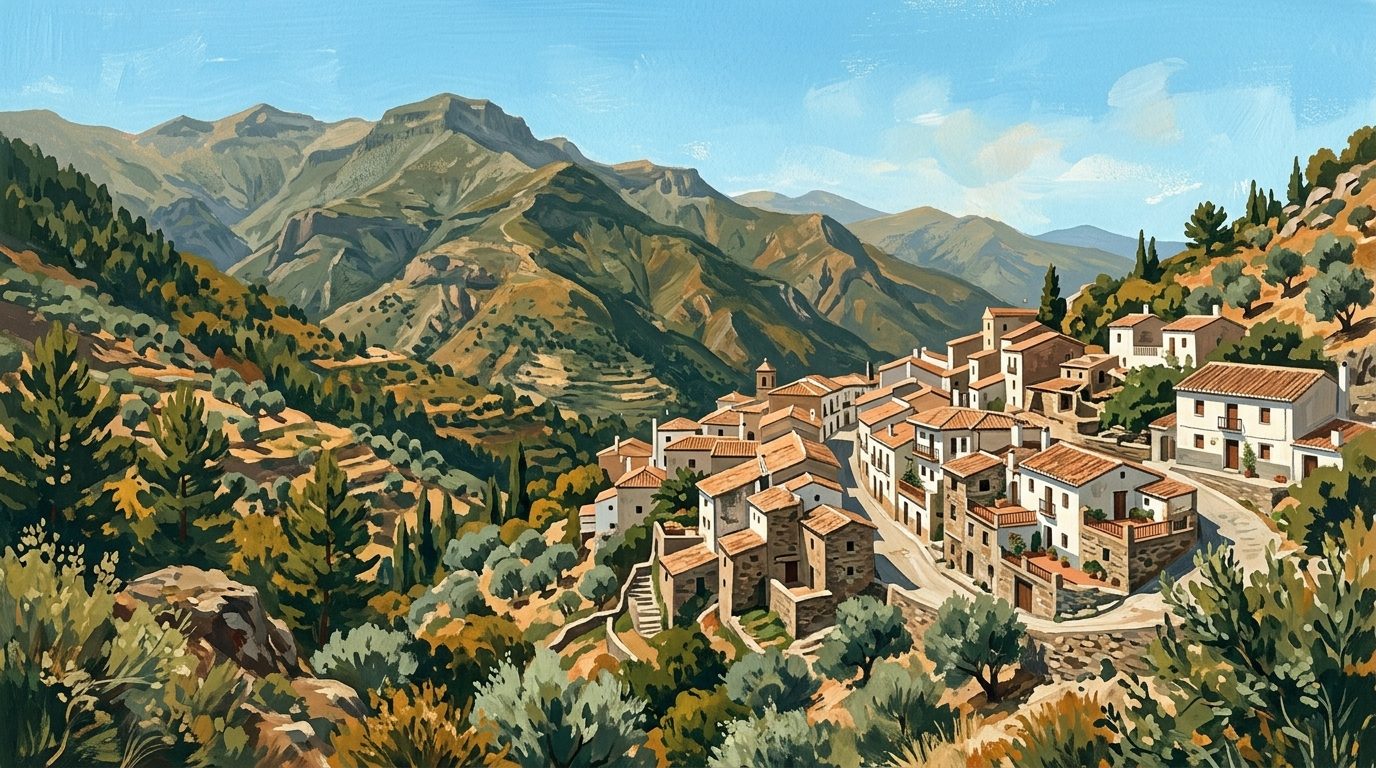
Güéjar Sierra: A Gateway to the High Sierra Nevada
Discover Güéjar Sierra, a rugged mountain village in the Sierra Nevada that serves as the ultimate base for hiking the Vereda de la Estrella and exploring the historic tramway route.
6 min read
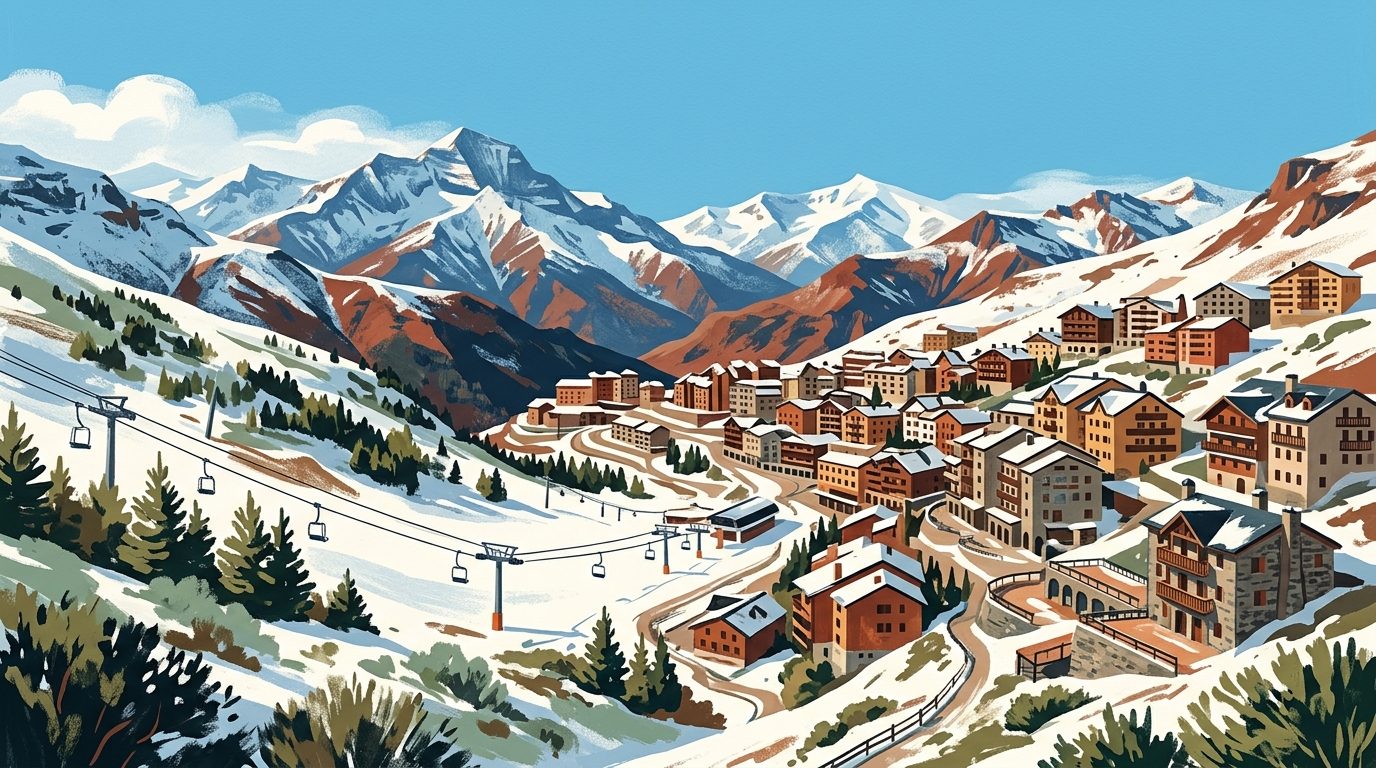
A Guide to Pradollano: Skiing and Summer in the Sierra Nevada
Discover Pradollano, the sun-soaked hub of the Sierra Nevada ski resort, offering 110km of pistes and stunning high-altitude summer hiking.
6 min read
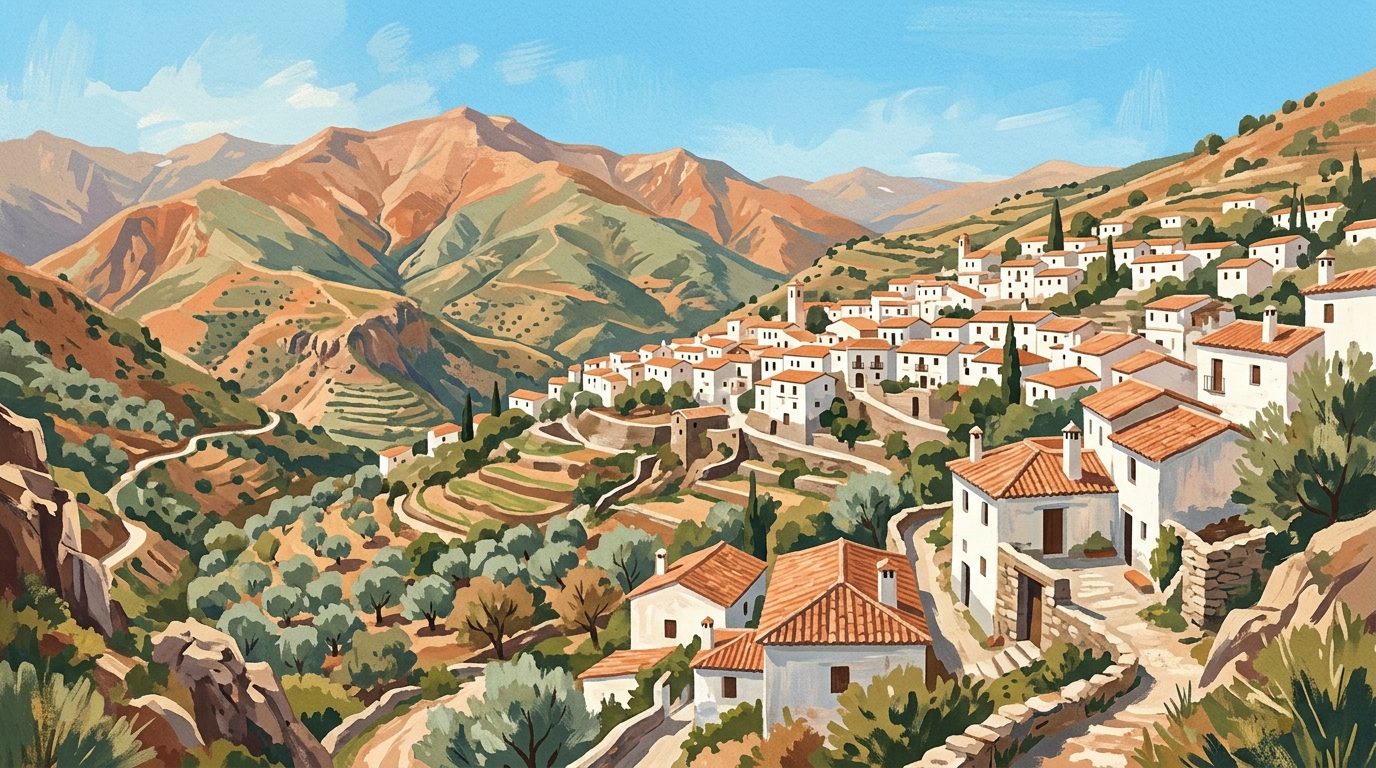
High Altitudes and Berber Roots: A Local Guide to the Alpujarra Granadina
Discover the high-altitude white villages of the Alpujarra Granadina, where Berber history meets mountain tradition in the shadows of the Sierra Nevada.
10 min read
More from Granada
Two Days in Granada: A Step-by-Step Itinerary
Two days in Granada gives you just enough time to explore the Alhambra and lose yourself in the steep alleys of the Albaicín. This itinerary balances major monuments with the city's legendary free tapas culture.
10 min read
Three Days in Granada: The Perfect Itinerary
Spend three days exploring Granada without the rush. Discover how to pace your visits to the Alhambra, navigate the winding Albaicín, and master the free tapas culture.
8 min read
A Weekend in Granada: The Perfect Two Days Itinerary
Make the most of 48 hours in Granada with our practical guide. We balance essential palace visits with unhurried tapas crawls through the Albaicín and Realejo neighbourhoods.
9 min read
A Perfect Weekend in Granada
A practical three-day guide to Granada, focusing on the Alhambra, the winding lanes of the Albaicín, and the city's unique tapas culture.
8 min read
Andalucía by Train: Rail Journey from Málaga to Granada
Ditch the car hire queues and traverse southern Spain using the high-speed AVE network on this 10-day rail adventure from the coast to the Sierra Nevada.
9 min read
Seven Days in Andalucía: Sevilla, Córdoba, and Granada
A precise 7-day guide to Andalucía's Moorish heart, covering the essential sights and tastes of Sevilla, Córdoba, and Granada without the fluff.
9 min read
Newsletter
More stories from Andalucía
Weekly notes, seasonal picks, and the next guides worth bookmarking.