
Itinerary
Moorish Andalucía: A Cultural History Route
A definitive 7-day guide through the architectural and political legacy of al-Andalus, tracing the evolution from the Caliphate of Córdoba to the Nasrid Kingdom of Granada.
By Dan · Updated 7 June 2026 · 8 min read

This 7-day expedition tracks the rise and fall of Islamic power in the Iberian Peninsula, from the monumental mosques of the Caliphate to the defensive citadels of the Nasrid kings. Forget the beach; this is a focused architectural and political history of al-Andalus.
To understand Andalucía, you must first understand al-Andalus. This itinerary does not attempt to cover every white village or coastal resort. Instead, it follows a logical chronological and geographical progression through the most significant remnants of Islamic civilisation in Europe. You will start in Sevilla, the Almohad capital; move to Córdoba, the seat of the Umayyad Caliphate; visit the defensive frontier of Jaén; and conclude in Granada, the final outpost of the Nasrid Dynasty.
This is a route for those who want to see the evolution of the horseshoe arch, understand the complex water engineering of the 10th century, and trace the political shifts that defined the Mediterranean for seven hundred years. It requires pre-planning, specifically regarding monument entry times, but the reward is a deep comprehension of one of history’s most sophisticated cultures.
Day 1: The Almohad Capital (Sevilla)
Start your journey in the Barrio Santa Cruz. Your morning must be dedicated to the Catedral de Sevilla. While it is now a Gothic behemoth, its foundations are Almohad. The Giralda, the cathedral’s bell tower, was originally the minaret of the Great Mosque, completed in 1198. Look for the sebka pattern, the interlacing brickwork, which was a signature of Almohad architecture. Climb the internal ramps (designed for a muezzin to ride a horse to the top) for a view of the city’s Islamic layout.
After the Giralda, walk through the Patio de los Naranjos, the original mosque courtyard. For lunch, head to Bodega Santa Cruz (Las Columnas) for pringá montaditos and spinach with chickpeas (espinacas con garbanzos), a dish with clear Moorish culinary roots.
In the afternoon, enter the Real Alcázar. While much of the palace is Mudéjar (built by Christian kings in Islamic style), the Patio del Yeso is an original 12th-century Almohad survival. Pay close attention to the intricate plasterwork and the transition from Almohad austerity to later decorative excess. Book the 'Cuarto Real Alto' for a view of the upper royal apartments.
Day 2: Gold Towers and the Guadalquivir (Sevilla to Córdoba)
Spend the morning at the Torre del Oro. This dodecagonal military watchtower was part of the city’s defensive walls, designed to control access to the port via a large chain across the river. It represents the late Almohad period’s focus on fortification. Afterwards, walk to the Torre de la Plata nearby, a less-restored octagonal tower that provides a grittier look at the city's 13th-century defences.
Eat a quick lunch in the Arenal district at Postiguillo Bar before heading to the Santa Justa train station. Take the high-speed AVE train to Córdoba (45 minutes). Do not drive this leg; the train is more efficient and drops you near the centre.
In the evening, walk across the Roman Bridge in Córdoba. Although Roman in origin, the Calahorra Tower at the far end was significantly rebuilt by the Almohads. It now houses a museum dedicated to the coexistence of cultures in al-Andalus. This provides the necessary intellectual framework for tomorrow's visits.
Day 3: The Caliphate’s Peak (Córdoba)
Today is the highlight for architecture enthusiasts. Begin early (09:00) at the Mezquita-Catedral. This is the most significant Islamic monument in the Western world. Observe the four stages of expansion, from the original columns of Abd al-Rahman I to the opulent maqsura of al-Hakam II. The latter features the most stunning mosaic work in the peninsula, executed by Byzantine craftsmen. The insertion of the Renaissance cathedral in the 16th century is a jarring but fascinating study in political and religious superposition.
For lunch, avoid the tourist traps directly outside the mosque. Walk ten minutes north to Taberna Luque for salmorejo, a thick tomato soup that is a local staple.
In the afternoon, take the shuttle bus from Avenida del Alcázar to Madinat al-Zahra. This 10th-century palatine city was the Versailles of its day, built by Abd al-Rahman III. It was only inhabited for 70 years before being sacked. The museum on-site is excellent, explaining the sophisticated drainage and administrative systems of the Caliphate. The Salón Rico, now open to the public following extensive restoration, is the most decorated space in the complex.
Day 4: Hammams and High Frontiers (Córdoba to Jaén)
Before leaving Córdoba, visit the Baños del Alcázar Califal near the river. These 10th-century baths were part of the Caliph's palace and show the importance of ritual purity and social gathering. Spend the rest of the morning in the Judería (Jewish Quarter), visiting the 14th-century synagogue, built in Mudéjar style, proving that the Islamic aesthetic persisted long after the Reconquista.
After lunch, pick up a hire car and drive 90 minutes east to Jaén. This is the 'frontier' territory between the expanding Christian kingdoms and the shrinking Nasrid Kingdom. The landscape shifts to endless olive groves and rugged hills.
Check into your accommodation and head to the Baños Árabes (Arab Baths) located in the basement of the Villardompardo Palace. These are the largest and best-preserved baths in Spain. The star-shaped vents in the ceiling (lumbreras) create a haunting light that evokes the 11th-century atmosphere perfectly.
Day 5: The Fortress City (Jaén to Granada)
Spend the morning at the Castillo de Santa Catalina. This fortress sits on a ridge overlooking Jaén. While the current structure is largely Christian, the site was a vital Moorish alcazaba. The defensive positioning explains why Jaén was such a difficult prize for the Castilians to win. The views across the Guadalquivir valley are essential for understanding the strategic geography of the region.
Drive 1 hour 15 minutes south to Granada. The approach is spectacular as the Sierra Nevada mountains come into view. Granada was the last Islamic kingdom in Spain, surviving until 1492.
In the evening, book a session at Hammam Al Ándalus. These are modern baths built on the site of original ruins, using authentic water temperatures and scents. It is the best way to decompress before the intensity of the Alhambra tomorrow. Eat dinner in the Plaza de la Romanilla at Bar Oliver; order the grilled octopus.
Day 6: The Nasrid Dream (Granada)
You must book your Alhambra tickets at least three months in advance. Ensure your ticket includes the Nasrid Palaces and note your specific entry time: they will not let you in even one minute late.
Spend the morning in the palaces: the Patio de los Arrayanes and the Patio de los Leones. Look for the muqarnas (honeycomb) vaulting, which represents the pinnacle of Islamic geometric art. Move on to the Generalife, the summer palace and gardens. The use of water here is not merely decorative; it is a display of engineering mastery and a physical representation of the Quranic descriptions of paradise.
After a late lunch of 'habas con jamón' (broad beans with ham), walk down to the Carrera del Darro. This street follows the river at the foot of the Alhambra. Visit El Bañuelo, 11th-century baths that survived because they were built over by a private house after the conquest.
For sunset, hike or take the C31 bus to the Mirador de San Nicolás. Yes, it is crowded, but the view of the Alhambra against the snow-capped Sierra Nevada is the only way to end this day.
Day 7: The Last Stronghold (Granada)
Dedicate your final morning to the Albaicín, the old Moorish quarter. This is a labyrinth of narrow streets and carmens (walled villas with gardens). Visit the Palacio de Dar al-Horra, the 15th-century residence of the mother of Boabdil, the last Sultan. It is often overlooked but contains excellent Nasrid plasterwork without the crowds of the Alhambra.
Finally, visit the Madraza (Palacio de la Madraza) near the Cathedral. This was the first university in Granada, founded by Yusuf I in 1349. The prayer hall is a small but exquisite example of Nasrid design, featuring a brilliantly painted wooden dome.
End your journey with a visit to the Alcaicería. Once the Great Bazaar of Granada where silk was traded, it is now a narrow passage of souvenir shops, but the layout remains a faithful replica of the original Moorish market structure.
Getting Around
For the first half of the trip, do not hire a car. The high-speed AVE train from Sevilla to Córdoba is faster and avoids the nightmare of parking in Sevilla’s historic centre. Hire a car on Day 4 in Córdoba to drive to Jaén and then Granada. Once in Granada, park the car in a public garage (such as Parking APK2 Triunfo) and leave it there; the city centre is restricted to residents and taxis, and the Albaicín is best explored on foot or via the small 'Alhambra Bus' network.
Driving Times:
- Sevilla to Córdoba (Train): 45 mins
- Córdoba to Jaén (Car): 1h 30 mins
- Jaén to Granada (Car): 1h 15 mins
Where to Stay
Sevilla: Stay in the Barrio Santa Cruz or El Arenal. You want to be within a 10-minute walk of the Giralda to catch the early entry times. Avoid the area near the Macarena for this specific itinerary as it is too far from the Moorish core.
Córdoba: Look for a traditional courtyard house in the Judería (Jewish Quarter). The streets are narrow, but staying here allows you to see the Mezquita at night when it is illuminated, which is a different experience entirely.
Jaén: Stay near the Plaza de Santa María. This puts you halfway between the Arab Baths and the ascent to the Castle.
Granada: The Albaicín is the most atmospheric choice, but be prepared for steep walks and cobbles. If you prefer easier access, stay in the Realejo district, the old Jewish quarter, which has excellent tapas bars and is a manageable walk to the Alhambra entrance.
Best Time for This Itinerary
This route is best tackled in April, May, or October. The heat in Sevilla and Córdoba during July and August is oppressive, often exceeding 40°C, which makes walking between monuments physically draining. In May, you also benefit from the Córdoba Patios Festival, where private homes open their flower-filled courtyards, a tradition that evolved from the Islamic domestic architectural style.
Practical Planning
Budget: Expect to spend approximately €150 to €200 per day for two people, including mid-range accommodation, monument entries, and meals. Granada is famous for its 'free tapas' with every drink, which can significantly lower your dinner costs.
Advance Booking: This is non-negotiable.
- Alhambra: At least 90 days in advance via the official alhambra-patronato.es website.
- Mezquita: 1 to 2 weeks in advance via the official Mezquita-Catedral website for the night tour ('The Soul of Córdoba').
- AVE Train: Book via the official Renfe website 30 days ahead for the best prices.
Entry Requirements: Most monuments require a passport or ID number for the booking process and you must carry the physical ID with you for entry (especially at the Alhambra).
Last reviewed: 21 June 2026 · Editorial policy
Related guides
Game of Thrones Filming Locations: The Ultimate Andalucían Road Trip
For years, fantasy tourists flocked to the freezing coastlines of Northern Ireland and the medieval streets of Croatia. But it was the sun-baked architecture and cracked deserts of southern Spain that brought the most exotic kingdoms of Westeros to life.
10 min read
Roman Andalucía Heritage Trail
Before the Moorish emirs reshaped southern Spain, this territory was the fiercely wealthy Roman province of Baetica, a crucial supplier of olive oil and emperors to the empire. This seven-day route traces the classical footprint across Andalucía, leading you from coastal fish-salting ruins and lonely mountain amphitheatres to the architectural remnants that bridged the fall of Rome and the rise of Al-Andalus.
9 min read
One Week in Andalucía Itinerary: The Classic Triangle & Ronda
Seven days in southern Spain is just enough time to trace the defining Moorish capitals and mountain roads of Andalucía. This itinerary strips away the coastal sprawl to focus entirely on the essential cities of Málaga, Granada, Córdoba, and Sevilla, returning via the dramatic mountain gorge of Ronda.
9 min read
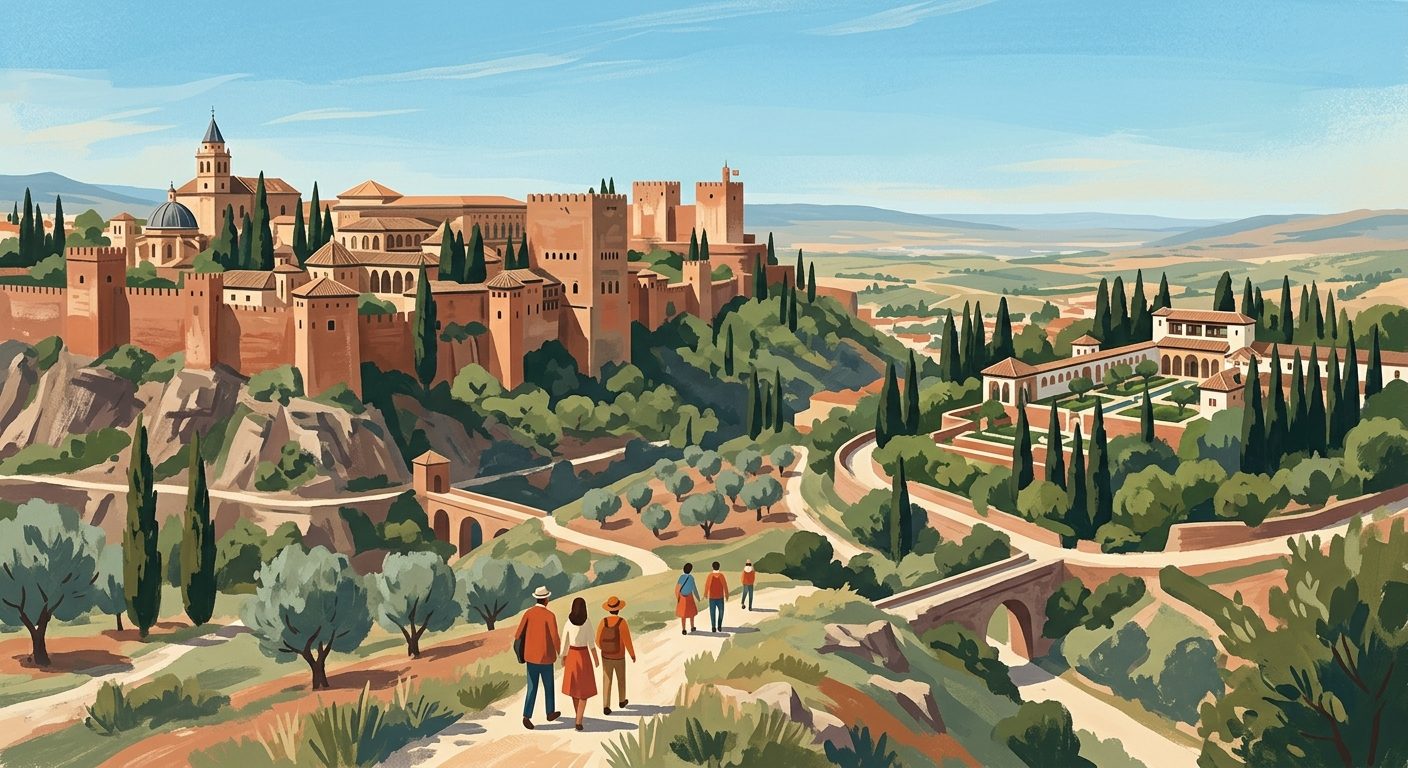
The Alhambra and Generalife: A Detailed Guide to Granada's Moorish Masterpiece
Explore the Alhambra and Generalife in Granada, from the Nasrid Palaces and beautiful courtyards to practical ticket, timing, and essential ID entry tips.
6 min read
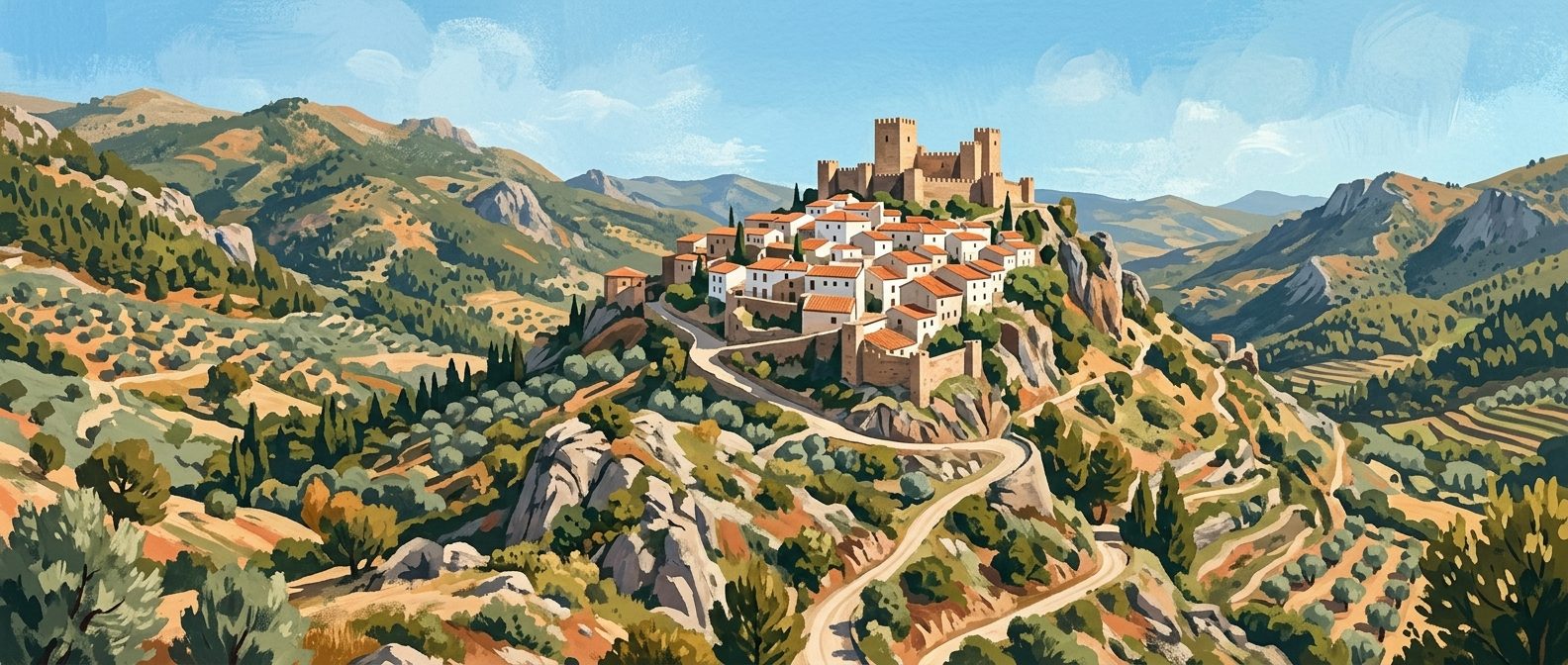
A Guide to Segura de la Sierra: The Defensive Heart of the Jaén Highlands
Perched on a jagged peak at 1,145 metres, Segura de la Sierra offers some of the most expansive views in Jaén. This fortified village preserves its medieval layout and remains the historical heart of the Sierra de Segura.
5 min read
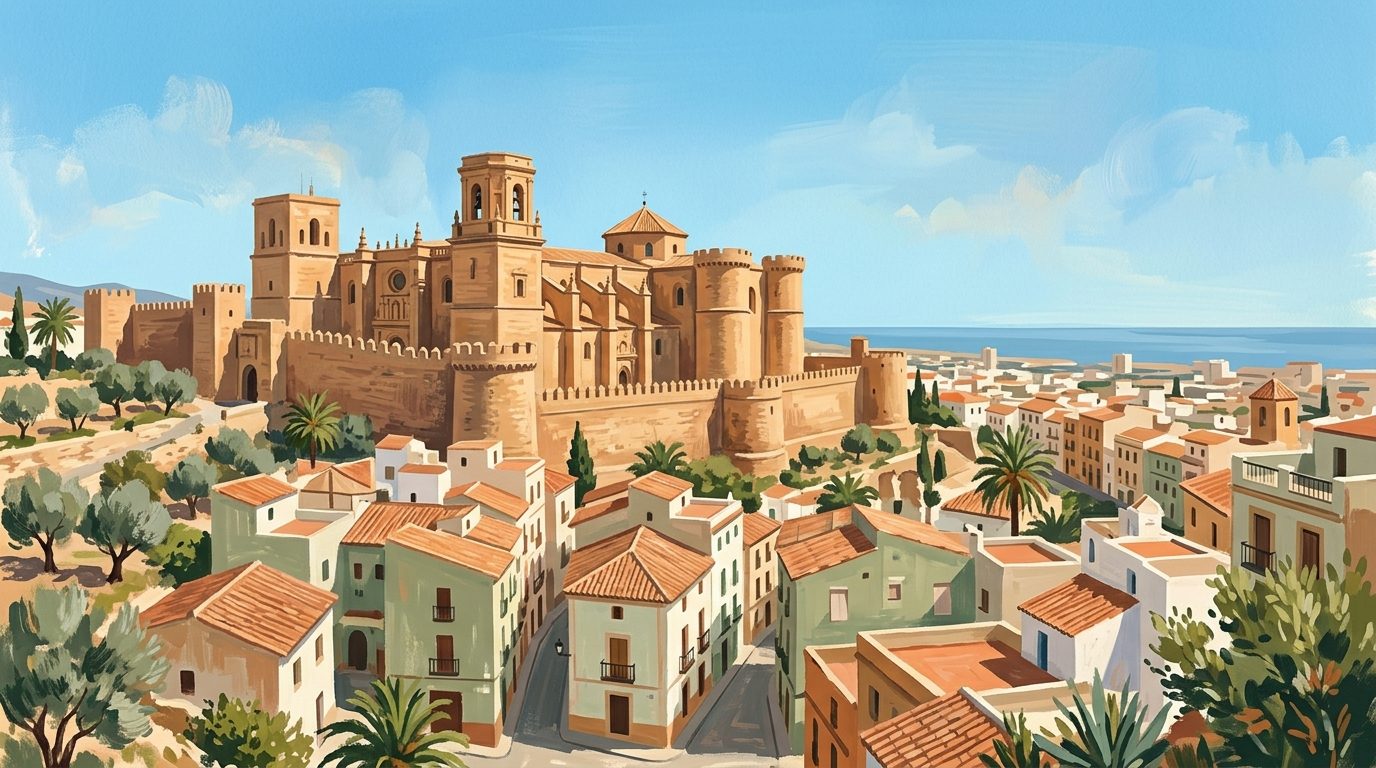
A Guide to Almería Cathedral and the Historic City Centre
Discover the unique fortress-cathedral of Almería and explore the historic centre’s palm-lined squares and traditional tapas bars.
5 min read
More guides

5 Days in Jaén: Renaissance Cities and Cazorla
A realistic five-day driving itinerary through Jaén province, balancing the monumental Renaissance architecture of Úbeda and Baeza with the rugged mountain wilderness of the Sierra de Cazorla.
11 min read
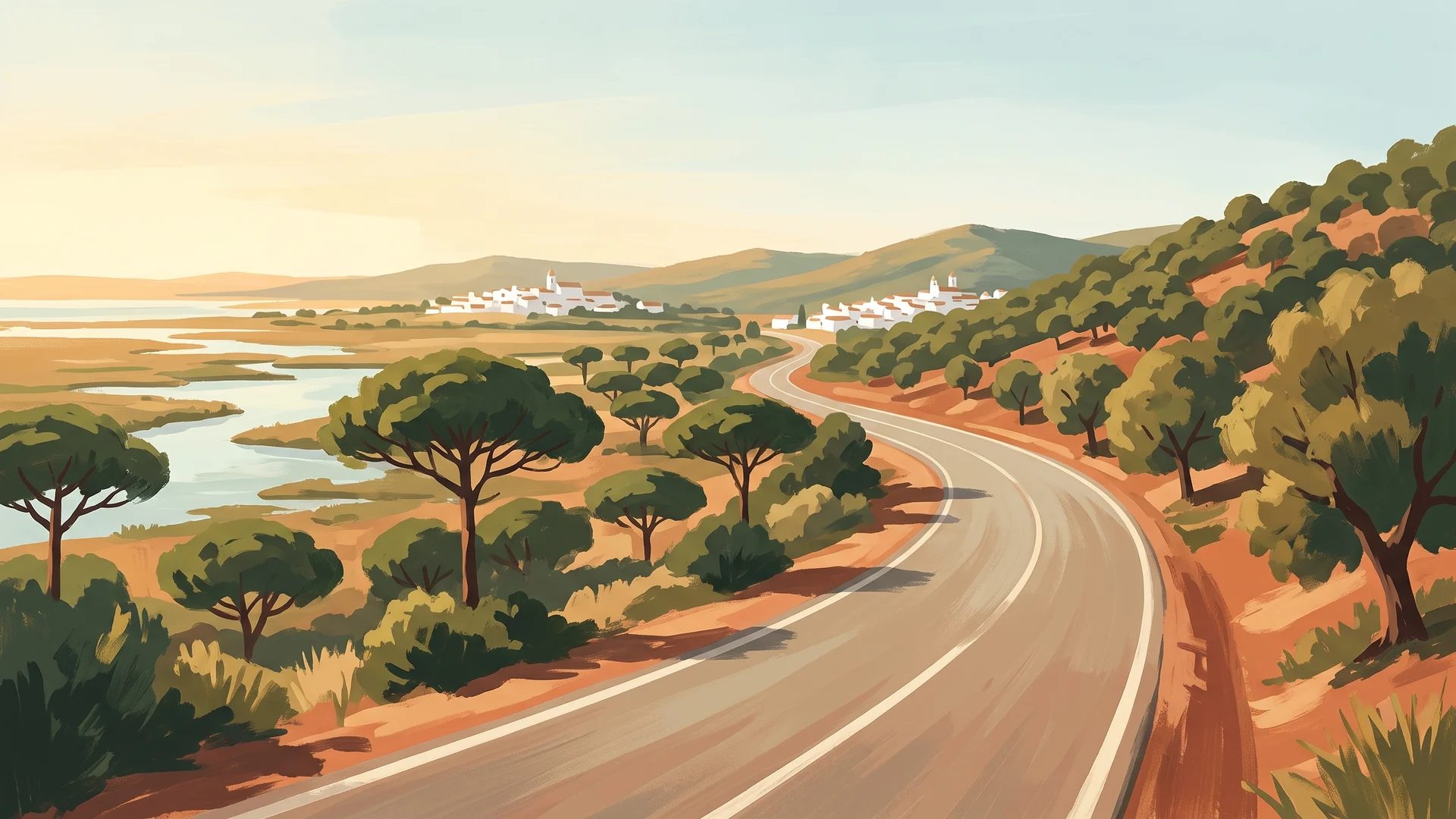
5 Days in Huelva: Atlantic Coast, Doñana and Sierra
A realistic five-day driving route through Huelva province, linking the maritime history of the capital with the tidal wetlands of Doñana and the chestnut forests of the Sierra de Aracena.
12 min read
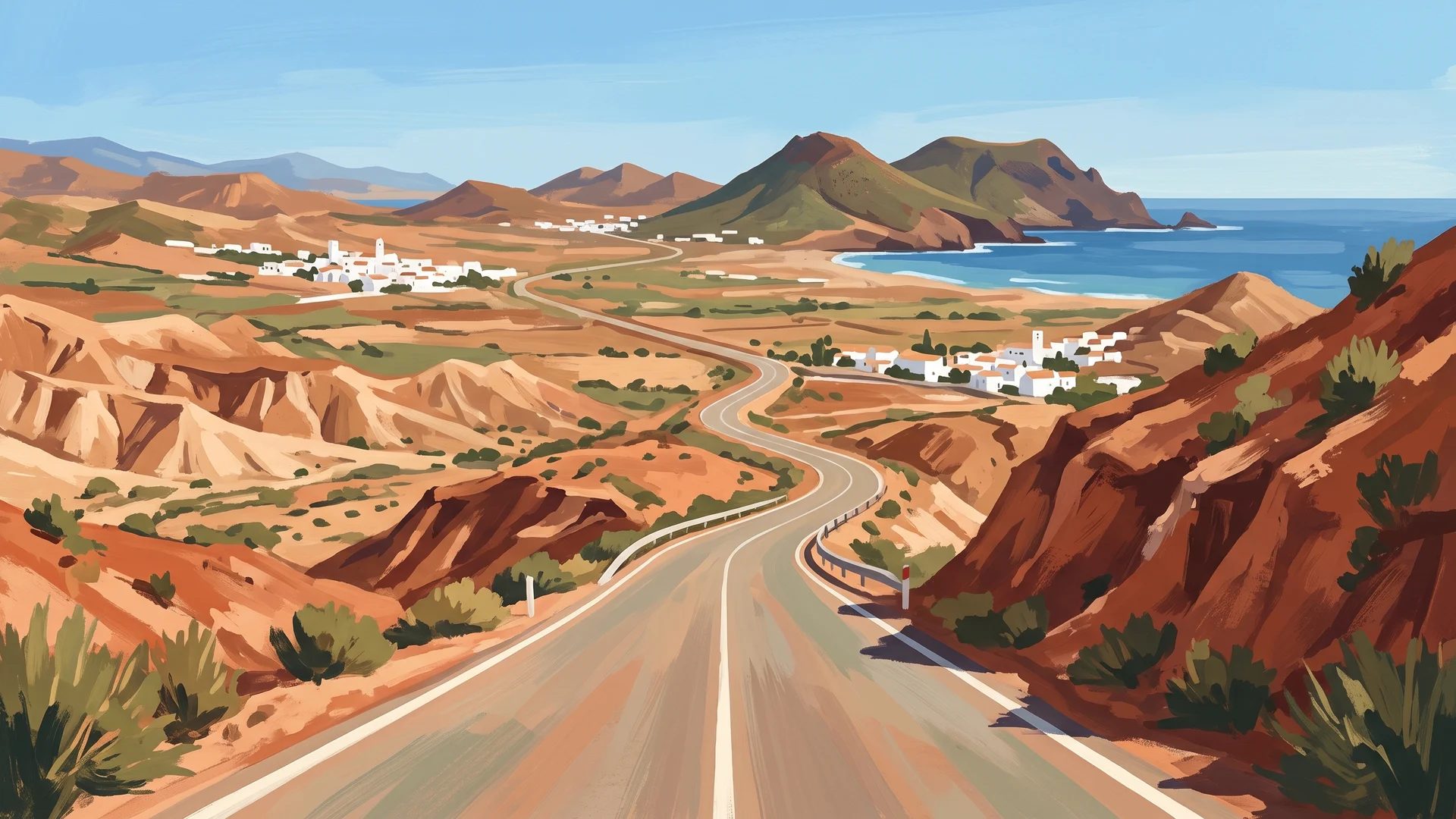
5 Days in Almería: City, Desert and Cabo de Gata
A realistic five-day driving itinerary through Almería province, balancing the historic capital, the cinematic Tabernas badlands, and the protected volcanic shores of Cabo de Gata.
13 min read
One Week in Sevilla: A Complete Seven Days Itinerary
Spending a full week in Sevilla allows you to slow down and adopt the local rhythm. You can explore the monumental centre, wander through neighbourhood markets, and take the train to nearby Andalucían cities without feeling rushed.
13 min read
Two Days in Granada: A Step-by-Step Itinerary
Two days in Granada gives you just enough time to explore the Alhambra and lose yourself in the steep alleys of the Albaicín. This itinerary balances major monuments with the city's legendary free tapas culture.
10 min read
48 Hours in Sevilla: A Weekend Itinerary
Spend a weekend in Sevilla navigating the royal palaces, historic tapas bars and shaded plazas. This two-day plan balances major architectural sights with long lunches and evening walks along the river.
8 min read
Three Days in Sevilla: The Complete Itinerary
Spend 72 hours exploring the heart of the Andalucían capital. This pacing allows time for the Real Alcázar, late tapas in Triana and the essential afternoon siesta.
9 min read
Two Days in Sevilla: A Complete Itinerary
Two days in Sevilla requires strict prioritisation to avoid exhaustion under the Andalucían sun. This itinerary balances the grand monuments of the historic centre with the slower, more local rhythm of Triana and Santa Cruz.
10 min read
A Weekend in Cordoba: Two Days in Andalucía's Caliphate City
Spend 48 hours in Cordoba exploring the mesmerising Mezquita, getting lost in the whitewashed streets of the Judería, and eating excellent salmorejo.
9 min read
Newsletter
More stories from Andalucía
Weekly notes, seasonal picks, and the next guides worth bookmarking.