
Itinerary
Wild Andalucía: A Nature and National Parks Route
A specialist ten-day circuit through the Iberian Peninsula’s most diverse ecosystems, from the Doñana wetlands to the volcanic cliffs of Cabo de Gata.
By Dan · Updated 22 June 2026 · 10 min read
Forget the coastal resorts and city plazas; this route prioritises the sightings of Iberian lynx, griffon vultures, and the silence of the high sierras. It is a logistical undertaking that rewards those who prefer binoculars and hiking boots to tapas crawls and museums.
Andalucía contains more protected natural space than any other region in Spain, yet most visitors never venture beyond the urban centres. This 10-day itinerary connects the western marshes of the Atlantic with the volcanic deserts of the eastern Mediterranean. It is designed specifically for wildlife enthusiasts and hikers who want to see the Iberian lynx, the Spanish imperial eagle, and the unique flora of the high peaks.
This is a demanding route. You will cover significant distances, often on winding mountain roads. It works because it transitions through distinct biological zones: the cork oak forests of Huelva, the limestone peaks of Jaén, the alpine tundra of the Sierra Nevada, and the arid coastline of Almería. You will need a rental car (preferably one with decent clearance) and a willingness to start your days at dawn when the fauna is most active.
Day 1: The Doñana Delta and Atlantic Marshes
Start your journey in Huelva, but do not linger in the city. Head immediately to the Centro de Visitantes El Acebuche near Matalascañas. This is the primary gateway to the Doñana National Park. You must pre-book a 4x4 guided tour through the restricted northern or southern zones; independent vehicle access is strictly prohibited in the park core.
Morning: Take the 08:00 4x4 tour from the Acebuche centre. This four-hour excursion covers the moving dunes, the pine forests, and the marismas (marshes). Depending on the season, you will see thousands of flamingos, spoonbills, and if you are lucky, the Iberian lynx stalking through the scrub.
Afternoon: Walk the Laguna del Acebuche boardwalks for close-up birdwatching. Afterward, drive to the Rocina Visitor Centre to see the freshwater streams that feed the park. End the day at El Rocío, a village with sand-covered streets that looks like a frontier town. It overlooks the Madre de las Marismas, where wild horses graze in the shallow water.
Evening: Eat at Restaurante Aires de Doñana. Request a table on the terrace overlooking the marsh. Order the coquinas (small local clams) and the Atlantic sea bass. Stay in the Matalascañas area to be positioned for an early departure north.
Day 2: Into the Sierra de Aracena
Drive two hours north from the coast into the Sierra de Aracena y Picos de Aroche. The landscape shifts dramatically from sand and scrub to dense forests of cork oak and chestnut trees.
Morning: Arrive in Aracena and head straight to the Gruta de las Maravillas. This underground cave system features immense limestone formations and turquoise lakes. Tours depart every 30 minutes, but booking online via the official portal is essential as capacity is limited.
Afternoon: Drive to the village of Linares de la Sierra. From here, walk the Sendero Linares-Alájar. This 4km trail takes you through ancient stone-walled paths shaded by oaks. It is a prime location for spotting the hoopoe and the azure-winged magpie.
Evening: Dine in Aracena’s Plaza Alta. Focus entirely on the local Ibérico de Bellota ham, which is the finest in the world here. Order a plate of presas (pork shoulder) at Casas de Aracena.
Day 3: The Chestnut Forests and Ham Villages
Spend the day deeper in the park to understand the relationship between the ecosystem and the local economy.
Morning: Hike the circular route from Castaño del Robledo. The 10km loop through the Ribera del Jabugo is spectacular in autumn when the leaves turn gold, but it offers deep shade and cooling streams in summer. Keep an eye out for the black pigs roaming freely among the trees.
Afternoon: Visit Almonaster la Real to see the 10th-century mosque built into the hillside, then head to Jabugo. Visit a secadero (ham curing cellar) such as Cinco Jotas to see the traditional curing process that takes up to three years.
Evening: Return to Aracena. Seek out a local bar serving setas (wild mushrooms), which are a local obsession. The tanas (Amanita caesarea) are the most prized.
Day 4: The Long Road to Cazorla
This is your longest driving day (approximately 4.5 hours). You are crossing the Guadalquivir valley to reach the Sierra de Cazorla, Segura y Las Villas, Spain’s largest protected area.
Morning/Afternoon: Take the A-4 towards Bailén, then the A-32. Stop in Úbeda for a quick lunch of ochíos (olive oil bread) in the Plaza de Vázquez de Molina, then continue to the village of Cazorla. The road into the park becomes progressively steeper and more scenic.
Evening: Base yourself in the higher part of Cazorla village near the Castillo de la Yedra. The air here is noticeably cooler and thinner. Eat at Mesón Leandro; the mountain trout or the gamo (fallow deer) are the specialities here.
Day 5: The Borosa River and High Peaks
The Río Borosa walk is the most famous in the park for a reason, but you must start by 08:30 to avoid the weekend crowds and the heat.
Morning: Park at the Coto Ríos visitor centre. The trail follows the turquoise river through limestone gorges. Continue past the Cerrada de Elías (a series of wooden walkways suspended over the water) and push on to the Laguna de Valdeazores if you have the stamina (21km return). You will likely see Spanish ibex perched on the cliffs.
Afternoon: Drive to El Chorro, a massive cliff face near the village of Quesada. This is a nesting site for griffon vultures. Use the designated lookout point; at dusk, you can watch dozens of these birds of prey circling the thermals.
Evening: Stay in the Arroyo Frío area if you want to be deep in the forest, or return to Cazorla village for more dining options.
Day 6: Tracking the Lynx in Sierra de Andújar
Drive 1 hour 45 minutes west to the Sierra de Andújar. While Doñana is famous for the lynx, the rocky hills of Andújar offer arguably better sighting opportunities because the vegetation is less dense.
Morning: Focus your efforts on the Encinarejo Dam area and the La Lancha road. These are the two most reliable spots for spotting the Iberian lynx. You will need binoculars and patience. Look for the silhouettes of photographers with long lenses; they usually know where a cat has been sighted.
Afternoon: Visit the Santuario de la Virgen de la Cabeza, which sits atop a high peak in the centre of the park. The views over the Mediterranean forest are expansive. This is also a primary territory for the Spanish imperial eagle.
Evening: Stay in a rural cottage or lodge within the park. This area is remote, so ensure you have a full tank of fuel before leaving the town of Andújar.
Day 7: The Alpine Heights of Sierra Nevada
Drive 2 hours south to the Sierra Nevada National Park, home to the highest peaks in mainland Spain.
Morning: Approach the park via Monachil. Hike the Los Cahorros trail. It involves crossing several hanging bridges and squeezing through narrow limestone tunnels carved by the Monachil River. It is a dramatic entry into the mountain landscape.
Afternoon: Drive up the A-395, the highest paved road in Europe. Park at Hoya de la Mora (2,500m). From here, you can walk towards the Veleta peak. The vegetation here is alpine tundra: endemic plants found nowhere else on earth survive in this harsh environment.
Evening: Stay in the Monachil area or the Alpujarra side (villages like Capileira) for a more traditional mountain experience. Order Plato Alpujarreño, a hearty mix of potatoes, eggs, ham, and sausage.
Day 8: The High Alpujarra
Spend the day on the southern slopes of the Sierra Nevada, where the white villages cling to the mountainside.
Morning: Hike the circular route between Capileira, Bubión, and Pampaneira in the Poqueira Gorge. The trail drops into the valley floor and climbs back up, offering views of the Mulhacén peak (the highest in the peninsula).
Afternoon: Visit the Puerto de la Ragua if you want to see the more forested, less-visited eastern side of the park. It is a high mountain pass that separates the provinces of Granada and Almería.
Evening: Stay in Capileira. It is the highest of the three villages and offers the clearest night skies for stargazing.
Day 9: The Volcanic Coast of Cabo de Gata
Drive 2 hours 15 minutes east into Almería. The landscape turns from snow-capped peaks to a volcanic desert. The Cabo de Gata-Níjar Natural Park is one of the few remaining wild stretches of the Spanish Mediterranean.
Morning: Head to the Salinas de Cabo de Gata. These salt flats are a critical stopover for migratory birds. From the hides, you can see hundreds of flamingos year-round. Afterward, drive to the Faro de Cabo de Gata (lighthouse) to see the Arrecife de las Sirenas, sharp volcanic rock formations rising from the sea.
Afternoon: Hike from San José to Playa de los Genoveses and Playa de Mónsul. These beaches are undeveloped and flanked by massive fossilised sand dunes and basalt cliffs. You will recognise the landscape from numerous films, including Indiana Jones.
Evening: Stay in San José. It is a low-rise fishing village that serves as the park’s hub. Eat at El Pez Rojo for fresh Almería prawns.
Day 10: The Cliffs of Mesa Roldán
End your journey by exploring the northern end of the park.
Morning: Visit the Mesa Roldán, a flat-topped volcanic mesa with a lighthouse and tower. The cliffs here are some of the highest in the park and offer a vantage point for spotting dolphins and seabirds.
Afternoon: Visit the Cortijo del Fraile, an abandoned farmhouse in the desert that was the setting for Federico García Lorca’s Blood Wedding. The surrounding plains are home to the rare Dupont’s Lark.
Evening: Finish with a sunset at Isleta del Moro, a tiny hamlet where the volcanic hills meet the sea. Reflect on the 1,000km you have covered across Spain's wild south.
Getting Around
You cannot execute this itinerary using public transport. A rental car is mandatory. Collect your vehicle at Sevilla or Huelva and return it at Almería airport. Driving times are often longer than GPS estimates due to the winding nature of mountain roads in Cazorla and the Sierra Nevada. Ensure your rental has a spare tyre; the gravel roads in Andújar and Cabo de Gata can be sharp.
Where to Stay
- Doñana: Book in Matalascañas for park access or El Rocío for atmosphere. Avoid the large resort hotels; look for smaller guesthouses on the village periphery.
- Sierra de Aracena: Stay in Aracena itself to be within walking distance of restaurants, or Linares de la Sierra if you want complete isolation.
- Sierra de Cazorla: The village of Cazorla is best for evening life. For immediate trail access, stay in Arroyo Frío inside the park boundaries.
- Sierra Nevada: Capileira is the choice for serious hikers. Monachil is better if you want to be closer to Granada city for a final evening.
- Cabo de Gata: San José is the most practical base. Las Negras is a smaller, more bohemian alternative further north.
Best Time for This Itinerary
The ideal window is April to June or September to October. If travelling in late June, be prepared for rapidly rising temperatures; ensure you have high-capacity water storage and start hikes before 07:30. In spring, the Doñana marshes are full of water and birdlife, and the wildflowers in the Sierra Nevada are in bloom. Autumn is the best time for the chestnut forests of Aracena and the deer rut in Cazorla. Avoid July and August; the heat in Andújar and the lowland valleys can exceed 40°C, making hiking dangerous and wildlife sightings rare as animals retreat to the shade.
Practical Planning
Budget: Expect to spend €180 to €210 per day for two people, including a mid-range rental car, fuel, rural accommodation, and meals. Guided 4x4 tours in Doñana cost approximately €35 per person (check on the operator's website before travelling).
Booking: We recommend checking live calendars via the official links provided in the text. You must book the Doñana 4x4 tour and the Gruta de las Maravillas well in advance (check on the operator's website before travelling). During peak spring weeks, two months is safer. For park visitor centres in Cazorla and Sierra Nevada, verify details on the official reservations portal. Entry to the Alhambra is not included here, but if you plan to add it during your time in Granada, that requires three months' notice.
Gear: Bring high-quality binoculars (8x42 is the standard for birding), a reusable water filtration bottle for mountain streams, and broken-in hiking boots. Many of the trails in Cazorla and Sierra Nevada involve loose scree where trainers will fail.
Last reviewed: 14 July 2026 · Editorial policy
Related guides
The Complete Caminito del Rey Guide: How to Walk Spain's Most Famous Gorge
Walking the precipitous boardwalks of the Caminito del Rey is a thrilling encounter with sheer limestone cliffs and fascinating engineering heritage. This guide details exactly how to secure tickets, navigate the linear route, and plan your logistics.
10 min read
Best Time to Visit Andalucía
Deciding when to visit southern Spain dictates everything from the price of your cortado to whether you can comfortably hike the Sierra de Grazalema or face 45°C afternoons in Córdoba. This guide cuts through the averages to tell you exactly what each month feels like on the ground.
10 min read
Andalucía in April
April brings the intoxicating scent of orange blossom and the dramatic spectacle of Semana Santa to Andalucía, offering the perfect balance of warm weather and cultural depth.
7 min read
Andalucía in May: A Guide to Spring Weather and Festivals
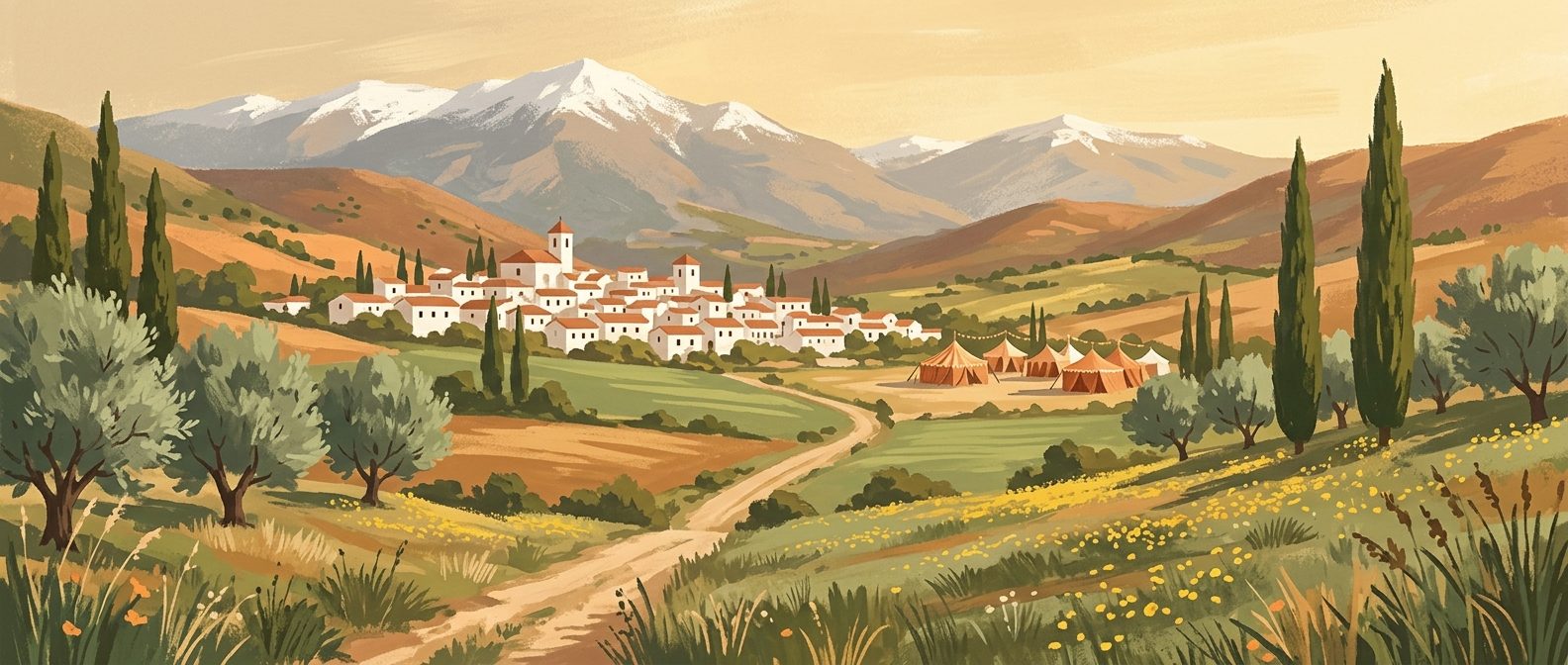
May is the peak of spring in Andalucía, offering the perfect balance of warm sunshine and famous cultural events like the Córdoba Patio Festival.
6 min read
Andalucía in March: A Guide to the Scent of Spring
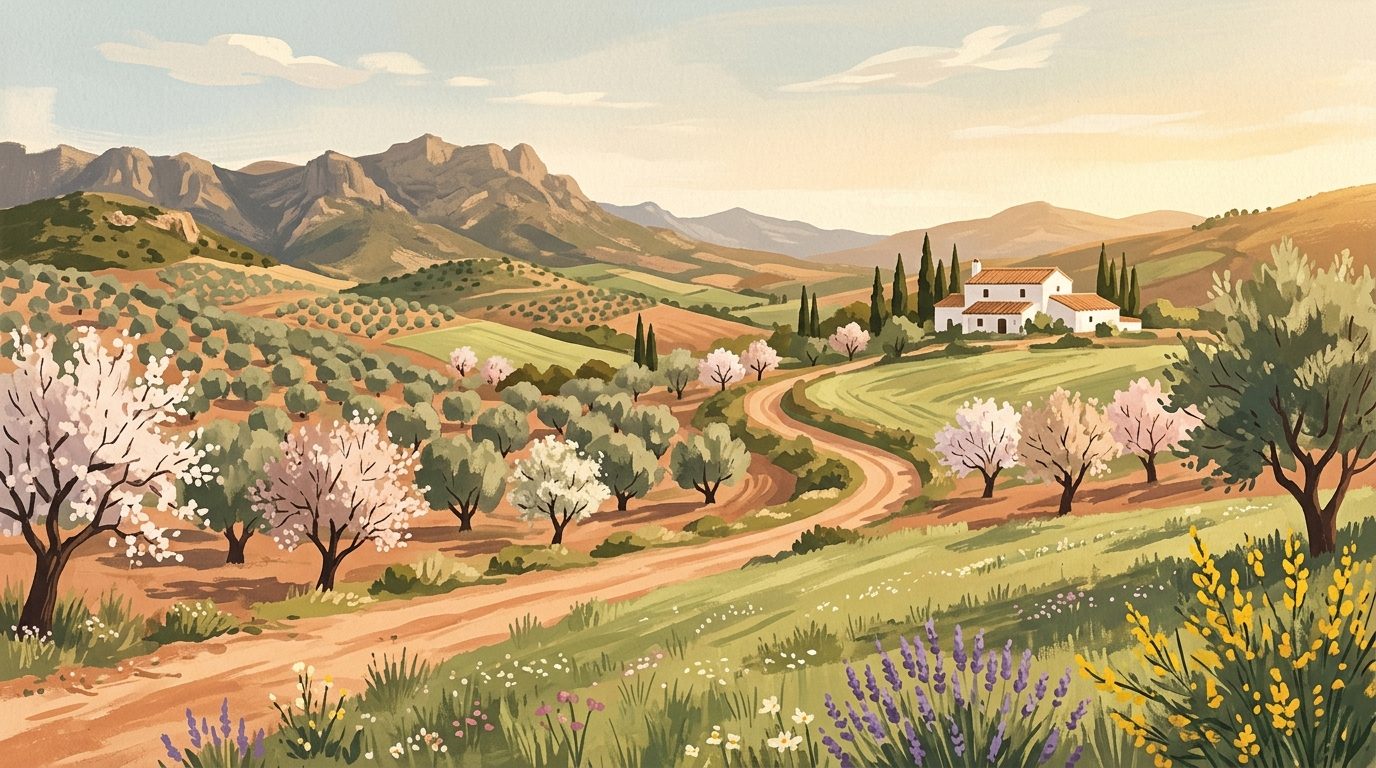
March is a month of transition where the scent of orange blossom fills the air and the first warmth of spring touches the southern Spanish landscape.
6 min read
Andalucía in October
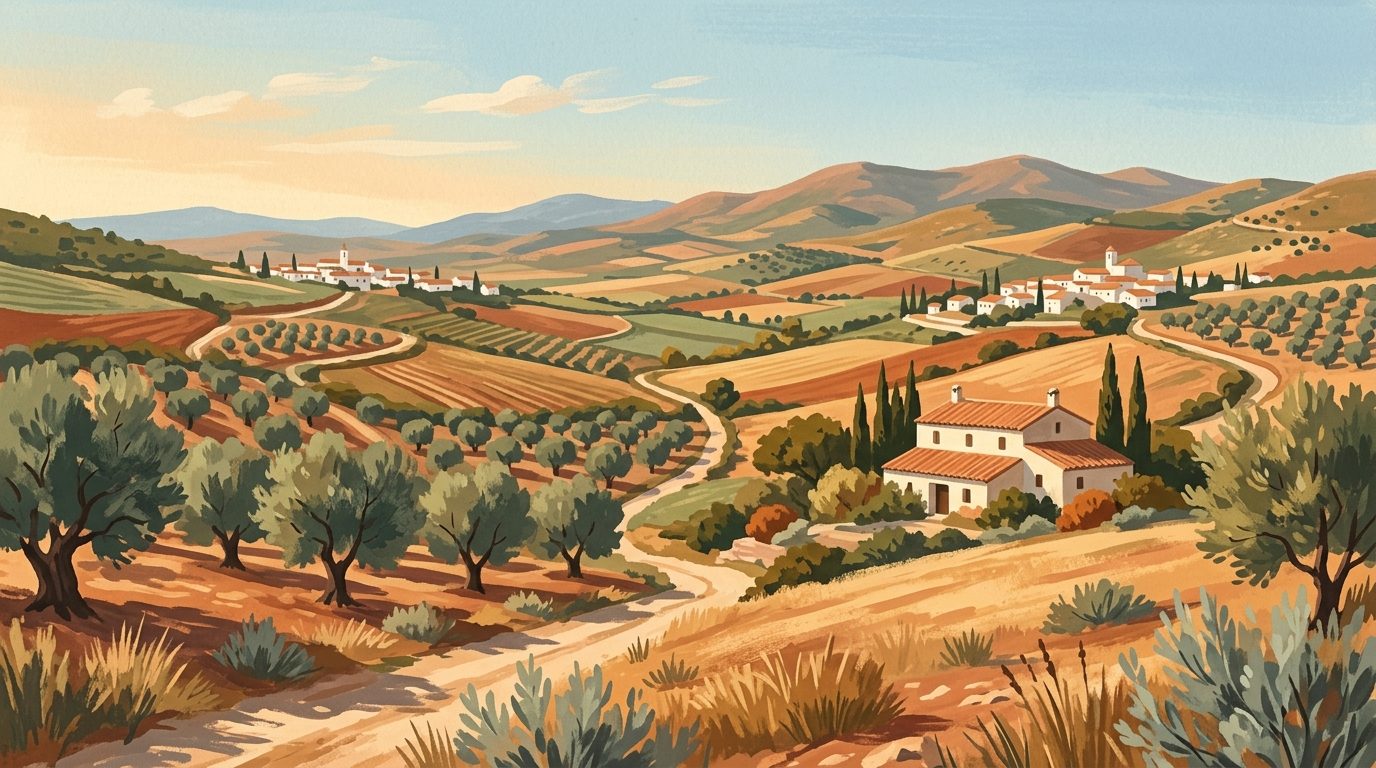
October brings a soft, golden light to the olive groves and a fresh clarity to the mountain air. This is the month of the second spring, where parched landscapes recover their greenery and the coastal waters remain warm enough for a final swim.
6 min read
More guides
5 Days in Jaén: Renaissance Cities and Cazorla
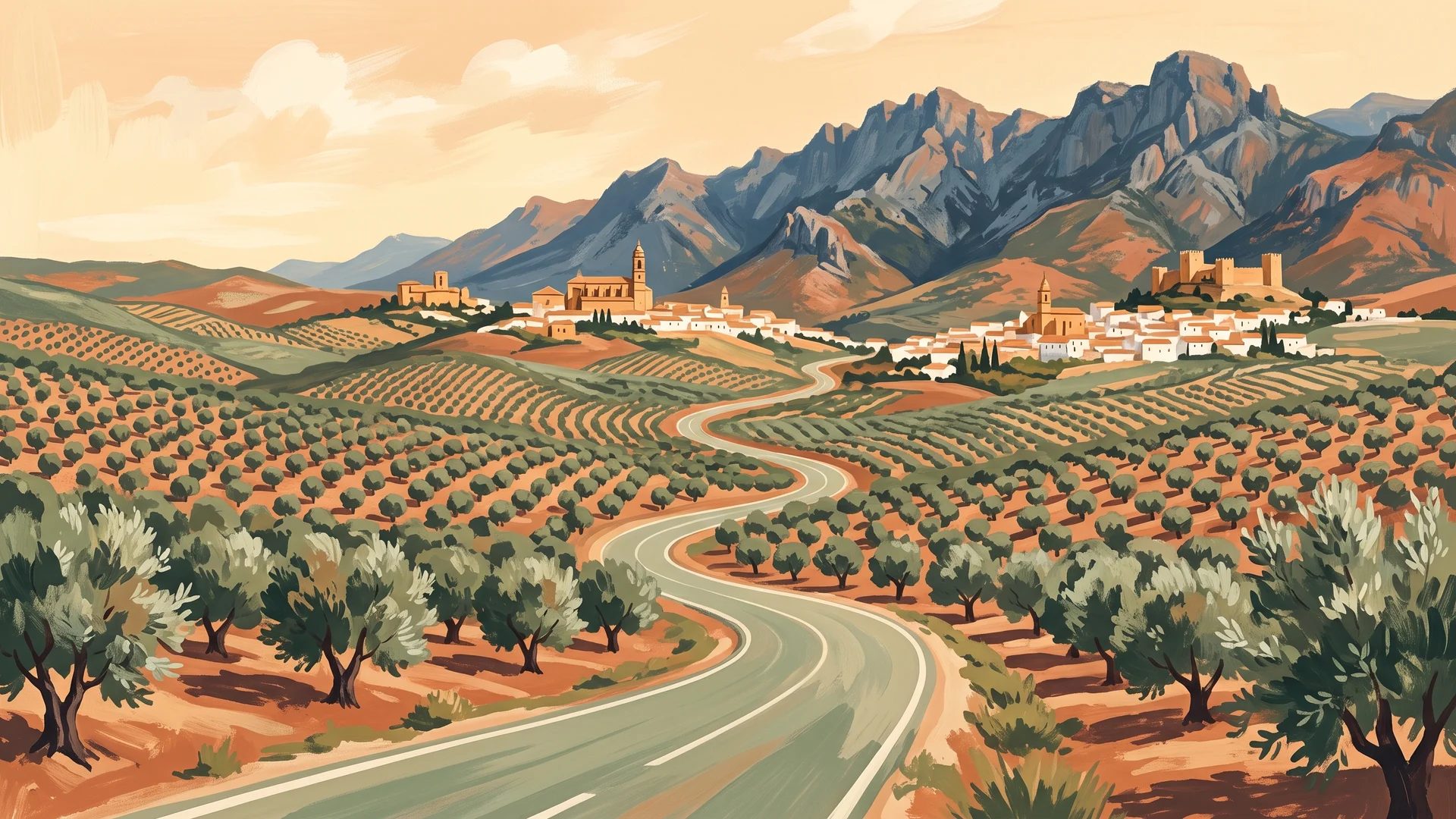
A realistic five-day driving itinerary through Jaén province, balancing the monumental Renaissance architecture of Úbeda and Baeza with the rugged mountain wilderness of the Sierra de Cazorla.
11 min read
5 Days in Huelva: Atlantic Coast, Doñana and Sierra
A realistic five-day driving route through Huelva province, linking the maritime history of the capital with the tidal wetlands of Doñana and the chestnut forests of the Sierra de Aracena.
12 min read
5 Days in Almería: City, Desert and Cabo de Gata
A realistic five-day driving itinerary through Almería province, balancing the historic capital, the cinematic Tabernas badlands, and the protected volcanic shores of Cabo de Gata.
13 min read
One Week in Sevilla: A Complete Seven Days Itinerary
Spending a full week in Sevilla allows you to slow down and adopt the local rhythm. You can explore the monumental centre, wander through neighbourhood markets, and take the train to nearby Andalucían cities without feeling rushed.
13 min read
Two Days in Granada: A Step-by-Step Itinerary
Two days in Granada gives you just enough time to explore the Alhambra and lose yourself in the steep alleys of the Albaicín. This itinerary balances major monuments with the city's legendary free tapas culture.
10 min read
48 Hours in Sevilla: A Weekend Itinerary
Spend a weekend in Sevilla navigating the royal palaces, historic tapas bars and shaded plazas. This two-day plan balances major architectural sights with long lunches and evening walks along the river.
8 min read
Three Days in Sevilla: The Complete Itinerary
Spend 72 hours exploring the heart of the Andalucían capital. This pacing allows time for the Real Alcázar, late tapas in Triana and the essential afternoon siesta.
9 min read
Two Days in Sevilla: A Complete Itinerary
Two days in Sevilla requires strict prioritisation to avoid exhaustion under the Andalucían sun. This itinerary balances the grand monuments of the historic centre with the slower, more local rhythm of Triana and Santa Cruz.
10 min read
A Weekend in Cordoba: Two Days in Andalucía's Caliphate City
Spend 48 hours in Cordoba exploring the mesmerising Mezquita, getting lost in the whitewashed streets of the Judería, and eating excellent salmorejo.
9 min read
Newsletter
More stories from Andalucía
Weekly notes, seasonal picks, and the next guides worth bookmarking.