
Itinerary · Cádiz
The Costa de la Luz Road Trip: A Raw Atlantic Itinerary
Trade the Mediterranean crowds for raw Atlantic winds, sherry-soaked bodegas, and the finest tuna in Europe on this 6-day drive through Cádiz province.
By Dan · Updated 7 June 2026 · 10 min read
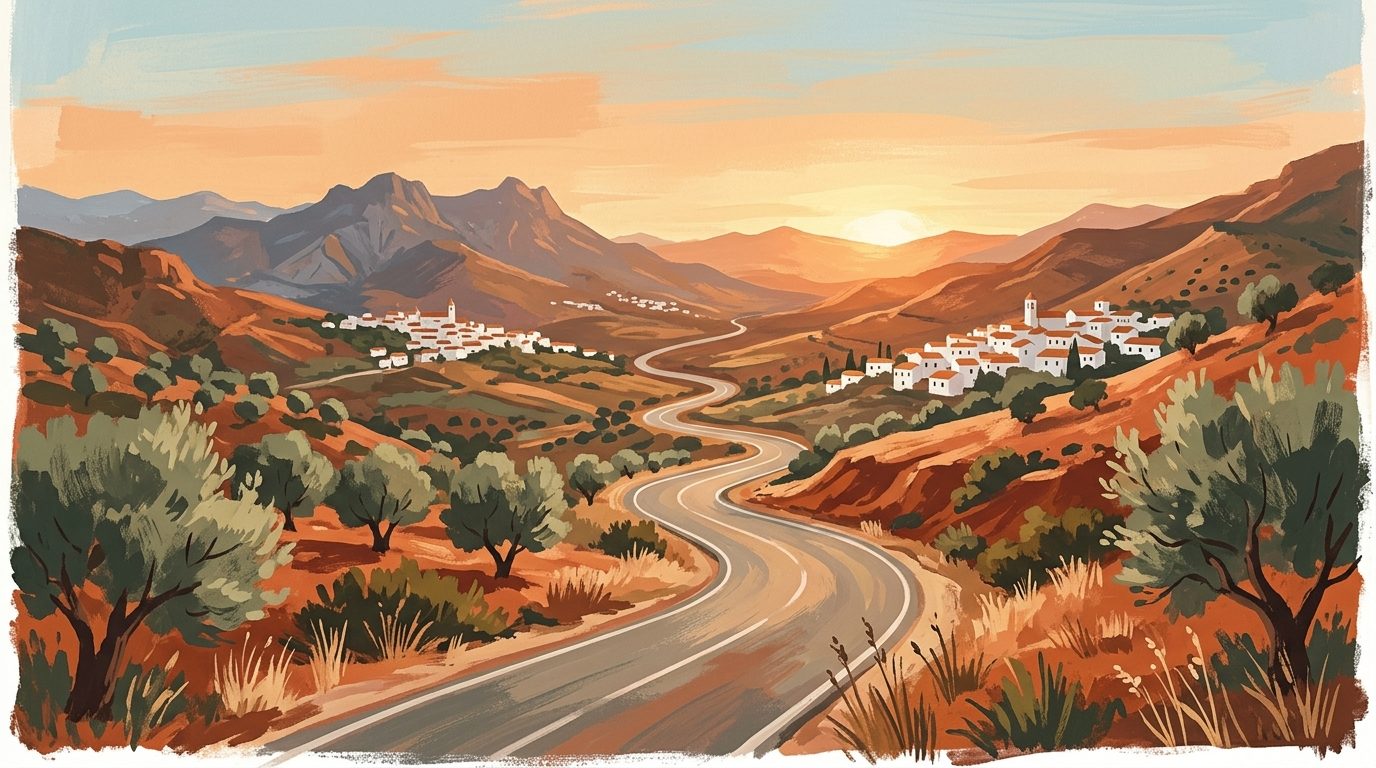
Forget the manicured resorts of the Costa del Sol; this is a journey through a landscape defined by the Levante wind and the ancient Almadraba tuna harvest. This 6-day route takes you from the oldest city in the West to the southernmost point of Europe, focusing on salt-crusted seafood and untamed horizons.
This itinerary works because it balances the sophisticated urbanity of the Sherry Triangle with the rugged, wind-blown isolation of the Atlantic coast. Unlike the Mediterranean coast of Andalucía, the Costa de la Luz (Coast of Light) has resisted high-rise development, largely due to the fierce winds that keep the casual sunbather at bay. This makes it the perfect territory for a road trip: the distances are short, but the cultural shifts between a sherry bodega in Jerez and a surf shack in El Palmar are profound.
This route is designed for travellers who value authenticity over artifice. You will spend your mornings in 18th-century watchtowers and your afternoons eating bluefin tuna that was caught just miles from your table. It suits those comfortable with a hire car and those who prefer the sound of the Atlantic crashing against the shore to the thrum of a beach club. We have avoided the inland detours to focus strictly on the coastal identity of Cádiz and Huelva, ensuring you never lose sight of the ocean for more than an hour.
Day 1: The Silver Cup, Cádiz
Start your journey in Cádiz, known locally as the 'Tacita de Plata' (Silver Cup). This city is almost entirely surrounded by water, and its light is unlike anywhere else in Spain. Parking in the old centre is a fool’s errand; park your car at the Muelle or the San Antonio underground car park and leave it there for the day.
Morning: Begin at the Cádiz Cathedral. Its yellow-tiled dome is the city's landmark. Pay the €7 entry fee which includes access to the Torre de Poniente. Climb the ramp (not stairs) for the best view of the city's flat roofs and watchtowers. Walk from there to the Mercado Central de Abastos. This isn't a museum; it’s a working market. Go to the 'Rincón Gastronómico' section and order chicharrón de Cádiz (thinly sliced slow-roasted pork) from one of the stalls.
Afternoon: Head to the Torre Tavira. You must book your slot for the Camera Obscura at least 48 hours in advance. It provides a real-time projection of the city’s streets and is the most honest way to see Cádiz. Afterwards, walk through the Barrio de la Viña to La Caleta beach. This is the city’s urban beach, framed by two castles (San Sebastián and Santa Catalina). It is where the locals spend their afternoons.
Evening: Dinner must be at Taberna Casa Manteca. It is a legendary taurine-themed bar in La Viña. Stand at the bar, order a glass of Manzanilla, and eat their cured meats served on wax paper. If you want a formal sit-down meal, head to El Faro de Cádiz for their famous tortillitas de camarones (shrimp fritters).
Day 2: The Sherry Triangle, Jerez and El Puerto
Drive 30 minutes north-east to Jerez de la Frontera. This is the heart of the sherry world. The air here literally smells of fermenting grapes and old oak.
Morning: Visit Bodegas Tradición. While the larger houses like Tío Pepe are impressive for their scale, Tradición focuses on VOS and VORS sherries (aged 20 and 30 years). They also house one of the best private Spanish art collections in the country, featuring Goya and Velázquez. Booking is essential. After the tasting, walk to the Alcázar of Jerez, an 11th-century Moorish fortress with a beautifully preserved darkroom and mosque.
Afternoon: Drive 15 minutes to El Puerto de Santa María. This town forms the third point of the Sherry Triangle. Visit the Castillo de San Marcos, built on the foundations of a mosque. If you have any interest in maritime history, the town's riverfront (Guadalete) was the departure point for many of the voyages to the New World.
Evening: For dinner, you have two distinct choices. If you are a high-end diner, Angel León’s Aponiente (3 Michelin stars) is located in a converted tide mill here. It is an expensive, seafaring culinary experience. For something more grounded, go to Romerijo. It is a local institution where you buy your seafood by weight from the 'cocedero' (boiling station) and eat it at the tables across the street.
Day 3: Sanlúcar and the Tallest Light, Sanlúcar and Chipiona
Drive west to Sanlúcar de Barrameda, where the Guadalquivir River meets the Atlantic. This is the home of Manzanilla sherry, which can only be produced here due to the specific humidity provided by the river and the sea.
Morning: Visit the Barrio Bajo and walk to the Bajo de Guía beach. From here, you can see the Doñana National Park across the water. Visit Bodegas Barbadillo, located next to the castle. Their museum of Manzanilla explains why the 'flor' (yeast) behaves differently here than in Jerez.
Afternoon: Lunch in Sanlúcar is non-negotiable: Casa Bigote in Bajo de Guía. Order the langostinos de Sanlúcar. They are world-renowned for their sweet, firm flesh. After lunch, take the short 15-minute drive to Chipiona to see the Faro de Chipiona. At 62 metres, it is the tallest lighthouse in Spain. You can climb the 322 steps if you book in advance with the local tourism office.
Evening: Return to Sanlúcar for the evening. If you are lucky enough to be there in August, the horse races on the beach are a spectacle. Otherwise, enjoy the sunset from a 'chiringuito' (beach bar) with a bottle of cold Manzanilla and some local olives.
Day 4: Surf and Sand, Conil and El Palmar
Heading south from the bay of Cádiz, the landscape becomes wilder. The pine forests meet the sand dunes as you approach Conil de la Frontera.
Morning: Explore the old centre of Conil. It is a classic white-washed fishing village that has managed to retain its character despite its popularity. Walk down to the Playa de los Bateles. If the wind is low, it’s a perfect swimming spot. If the wind is high, head to the Roche Coves (Calas de Roche) to the north, which offer shelter from the Levante wind.
Afternoon: Drive 10 minutes south to El Palmar. This is the surf capital of Andalucía. It is a long, straight stretch of beach with a laid-back, bohemian atmosphere. There are no high-rise hotels here, just surf schools and wooden bars. Book a two-hour surf lesson or simply walk the length of the beach to Torre de Puerco.
Evening: Sunset at El Palmar is an event. The bars along the road, such as El Dorado or La Torre, host live music as the sun dips below the Atlantic. Eat dinner at La Chanca in Conil, which specialises in Atún de Almadraba (wild bluefin tuna caught using ancient Phoenician net techniques).
Day 5: The Hilltop and the Bluefin, Vejer and Zahara
On Day 5, you move slightly inland to one of the most beautiful villages in Spain before returning to the coast for the ultimate tuna experience.
Morning: Drive up to Vejer de la Frontera. This hilltop town is a labyrinth of white alleys and Moorish arches. Park at the Los Remedios car park at the entrance to the town. Walk to the Plaza de España, with its tiled fountain and palm trees. Visit the 14th-century church of Divino Salvador, which was built over a mosque. You can still see the minaret's structure in the bell tower.
Afternoon: Lunch must be at El Jardín del Califa. It is the most famous restaurant in the province, serving North African and Middle Eastern cuisine in a stunning courtyard. You must book at least two weeks in advance. After lunch, drive down to Zahara de los Atunes. This village was built around the Tuna Palace (Palacio de la Chanca), where the harvest was processed for centuries.
Evening: Spend the evening on the beach at Zahara. It is wide, pristine, and often less crowded than Conil. For dinner, Restaurante Antonio is the gold standard for tuna. Try the 'tarantelo' or the 'ventresca' (belly) of the bluefin. This is the heart of the Almadraba tradition, and the quality of the fish here is unparalleled.
Day 6: The Edge of Europe, Baelo Claudia and Tarifa
The final leg takes you to the southernmost tip of the Iberian Peninsula, where the Atlantic meets the Mediterranean.
Morning: Drive to Bolonia. This beach is famous for two things: its massive shifting sand dune and the Roman ruins of Baelo Claudia. The ruins are remarkably well-preserved, featuring a theatre, a forum, and the remains of a factory where the Romans made garum (fermented fish sauce). Entry is free for EU citizens (bring your ID), while UK and other non-EU visitors pay a nominal fee of approximately €1.50. Walk to the top of the dune afterwards for a view across to Morocco.
Afternoon: Continue to Tarifa. This is a walled town with a distinct North African feel. Walk through the Puerta de Jerez and get lost in the narrow streets. Visit the Castillo de Guzmán el Bueno, which has defended the town since 960 AD. Walk out onto the causeway (Isla de las Palomas) that separates the two seas. You cannot enter the island itself as it is a military zone, but the walk gives you a clear view of the African coast, just 14km away.
Evening: Tarifa’s nightlife is concentrated in the old town. Eat at El Francés; their atún en manteca (tuna in lard) is a local delicacy. Finish your trip with a drink at one of the bars in the Plaza de la Rana. You are now at the end of the road, looking out at the lights of Tangier.
***
Getting Around
A hire car is essential for this itinerary. While Cádiz, Jerez, and El Puerto are connected by a reliable Cercanías train line, the best parts of the Costa de la Luz (the beaches of El Palmar, the ruins of Bolonia, and the town of Vejer) are difficult to reach by public transport. Buses are infrequent and slow.
Pick up your car at Jerez Airport or Sevilla Airport. Driving is straightforward, but be aware of the wind. When the Levante blows hard, driving a high-sided vehicle can be challenging. From Cádiz to Tarifa, the N-340 is the main artery; it is a scenic road but can be slow behind trucks. Do not expect fast motorways once you leave the Bay of Cádiz area.
Where to Stay
- Cádiz (Nights 1-2): Book in the Casco Antiguo (Old Town). Look for properties near Plaza de San Antonio or the Cathedral. Staying in the 'new' part of town (near Playa de la Victoria) is easier for parking but lacks the character of the old walls.
- Vejer de la Frontera (Nights 3-4): Staying inside the walled village is a magical experience. Look for traditional 'casas de vecinos' that have been converted into boutique hotels. It serves as a great base for visiting Conil, El Palmar, and Zahara, all within a 15-20 minute drive.
- Tarifa (Night 5): Book a place within the old town walls if you want to be near the restaurants and bars. If you prefer quiet, look for accommodation along the Carretera Cádiz-Málaga (the beach road), which offers more space and easy beach access.
Best Time for This Itinerary
The shoulder seasons (May to June and September to October) are the ideal windows. During these months, the weather is warm enough for swimming, but the massive crowds of Madrid and Sevilla locals haven't yet descended on the coast. In July and August, the towns of Conil and Zahara can become unbearably crowded, and hotel prices triple.
Winter is beautiful for hiking and photography, but many of the best chiringuitos and restaurants in the smaller beach towns close from November until Easter. Also, be mindful of the wind; check the forecast for 'Levante' (east wind). If it’s blowing above 40km/h, beach days in Tarifa and Bolonia will be uncomfortable due to flying sand.
Practical Planning
- Budget: Expect to spend €120-€180 per day for a couple, including a mid-range car hire, petrol, boutique accommodation, and two meals out. Fine dining at Aponiente or El Faro will significantly increase this.
- Advance Bookings: You must book the following at least two weeks in advance: El Jardín del Califa (Vejer), Bodegas Tradición (Jerez), and the Torre Tavira (Cádiz).
- Tuna Season: If you want to experience the fresh Almadraba tuna (not frozen), visit in May or June during the harvest, which is happening right now.
- What to Pack: Even in summer, bring a windproof jacket. The Atlantic breeze can be chilly the moment the sun goes down.
Last reviewed: 21 June 2026 · Editorial policy
Related guides
Hotels with Pet-Friendly Rooms in Jerez: Best Stays Near City Parks
Find the best pet-friendly accommodation in Jerez, from central boutique hotels to spacious stays near the city parks.
6 min read
A Guide to Zahara de los Atunes: Where the Atlantic Meets the Almadraba Tradition
Discover a coastal village where ancient tuna-fishing traditions blend with high-end gastronomy and vast Atlantic beaches. Zahara de los Atunes offers a sophisticated yet laid-back escape on the rugged Costa de la Luz.
5 min read
A Guide to Conil de la Frontera: Beaches, Tuna and White Streets
Discover Conil de la Frontera, a classic white town on the Costa de la Luz famous for its golden Atlantic beaches and ancient bluefin tuna tradition.
6 min read
Chiclana de la Frontera: Fine Sands and Fino Sherry on the Cádiz Coast
Discover Chiclana de la Frontera, a unique destination on the Costa de la Luz featuring the 8km La Barrosa beach, historic sherry bodegas, and the ancient Castillo de Sancti Petri.
5 min read
Costa de la Luz: The Complete Guide
The Costa de la Luz is an untamed stretch of Atlantic shoreline defined by wild dunes, pine forests and stiff sea breezes. Spanning the coastlines of Huelva and Cádiz, it offers a stark alternative to the concrete resorts of the Mediterranean.
9 min read
A Local Guide to Playa de la Fontanilla in Conil de la Frontera
Playa de la Fontanilla is a wide, golden expanse of Atlantic coastline in Conil de la Frontera, famous for its shallow waters and exceptional seafood restaurants.
7 min read
More from Cádiz
Three Days in Cadiz: The Ultimate Itinerary for Independent Travellers
Three days allows you to completely sink into the maritime rhythm of Europe's oldest city. You can cover the historic centre, explore the twin seaside fortresses, and still have time for a sherry tasting afternoon across the bay.
7 min read
48 Hours in Cadiz: A Two Days Itinerary for Spain's Oldest City
Forty-eight hours in Cadiz allows you to properly absorb the rhythm of a city almost entirely surrounded by the Atlantic Ocean. You will have time to climb the historic watchtowers, eat freshly fried fish in the central market, and walk the coastal forts without feeling rushed.
9 min read
A Weekend in Cadiz: The Perfect Two Days Itinerary
Spend 48 hours exploring the oldest continuously inhabited city in Western Europe. This guide balances historic watchtowers and golden domes with long seafood lunches and sunset walks along the Atlantic.
9 min read
Seven Days in Cadiz: A One-Week Itinerary
Spend a full week absorbing the maritime rhythm of Europe's oldest continuously inhabited city. This seven-day plan balances morning markets and long beach walks with easy day trips across the Bay of Cadiz.
14 min read
The Pueblos Blancos Road Trip: A Five-Day Route Through Andalucía’s White Villages
A definitive five-day driving route from the cliffs of Ronda to the Atlantic-facing walls of Vejer de la Frontera, focusing on limestone peaks and Moorish history.
9 min read
Newsletter
More stories from Andalucía
Weekly notes, seasonal picks, and the next guides worth bookmarking.