
Nature & wildlife · Jaén
Sierra de Cazorla: Spain's Largest Protected Area
Covering over 200,000 hectares of rugged limestone peaks and deep river canyons, the Sierra de Cazorla forms the green heart of the Iberian Peninsula.
By Dan · Updated 16 July 2026 · 7 min read
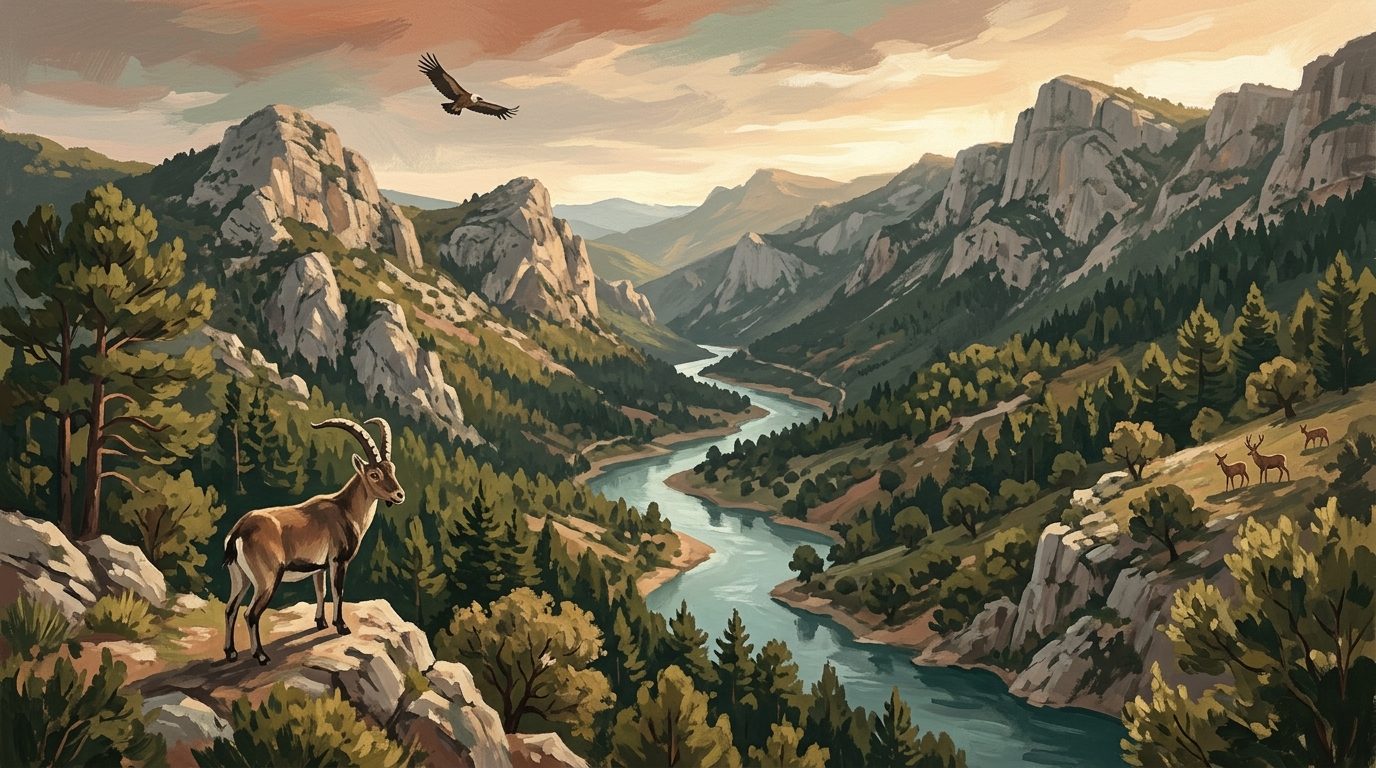
Covering over 200,000 hectares of rugged limestone peaks and deep river canyons, the Sierra de Cazorla forms the green heart of the Iberian Peninsula. It is the birthplace of the mighty Guadalquivir and a final stronghold for Europe's most impressive avian and mammalian species.
The Sierras de Cazorla, Segura y Las Villas Natural Park in the province of Jaén represents the largest expanse of protected forest in Spain and the second largest in Europe. Spanning some 2,143 square kilometres, this mountain wilderness is a labyrinth of limestone crags, deep-cut river valleys, and dense pine forests that feel a world away from the olive-oil-producing plains that surround it. Its sheer scale provides a refuge for species that have struggled elsewhere in the Mediterranean south, making it a primary destination for serious wildlife observers and hikers.
What distinguishes Cazorla is not just its size, but its verticality. Elevation ranges from 500 metres to the 2,107-metre summit of Empanadas, creating a variety of microclimates. This is the hydrographical knot of the south; here, the Guadalquivir River begins its 657-kilometre journey to the Atlantic, and the Segura River departs towards the Mediterranean. For the visitor, this means a landscape defined by water: turquoise reservoirs, plunging waterfalls, and crystal-clear mountain streams that support an array of specialist flora and fauna.
The Ecosystem
The park is predominantly a karstic landscape. Millions of years of water erosion on limestone have created a perforated geology of caves, sinkholes, and dramatic canyons. This subterranean drainage system feeds the massive river systems of southern Spain. The vegetation is dominated by extensive forests of pine, particularly the Aleppo pine (Pinus halepensis) at lower altitudes, giving way to the Black pine (Pinus nigra) as the elevation increases. These forests are interspersed with Mediterranean scrub, including rosemary, thyme, and mastic, which provide essential cover for small mammals and reptiles.
Above the treeline, the ecosystem shifts to high-altitude dolomitic grasslands and rocky scree slopes. These harsh environments are home to some of the park's most specialized inhabitants, including endemic plants that have survived here since the last ice age. The riverine corridors provide a further distinct habitat, where galleries of willow, poplar, and alder create cool, shaded environments that contrast sharply with the sun-baked cliffs above. This mosaic of habitats is why the park was designated a UNESCO Biosphere Reserve in 1983.
Key Species
The Spanish Ibex
The Spanish ibex (Capra pyrenaica hispanica) is the undisputed symbol of these mountains. These sure-footed ungulates are frequently seen on the high rocky outcrops and even occasionally near the mountain roads. Males are particularly striking with their large, lyre-shaped horns. Sighting likelihood is very high, especially if you head to the higher elevations of the Sierra de Castril or the upper reaches of the Borosa River. Early morning or late evening are the best times to observe them as they descend from the crags to graze.
The Bearded Vulture (Lammergeier)
Perhaps the most significant conservation success story in the park is the reintroduction of the Bearded vulture (Gypaetus barbatus). Once extinct in the region, a dedicated breeding and release programme has successfully established a small but growing population. Unlike other vultures, the Lammergeier feeds primarily on bones, which it drops from great heights onto rocks to shatter. Sightings are never guaranteed but are increasingly common around the Nava de San Pedro. Look for their distinct diamond-shaped tails and enormous wingspans against the blue thermals.
Deer and Wild Boar
Red deer (Cervus elaphus) and Fallow deer (Dama dama) are extremely common throughout the park. They are most easily spotted in the open meadows known as 'navas' during the twilight hours. Wild boar (Sus scrofa) are also numerous, though they are more nocturnal and often only leave behind evidence of their 'rooting' in the soil. In areas like Coto Ríos, these animals have become somewhat habituated to human presence, though they remain wild and should be observed from a distance.
Flora: The Cazorla Violet
The park is a botanical powerhouse with over 2,300 species of vascular plants. The most famous is the Cazorla violet (Viola cazorlensis), a delicate purple flower with a long spur that is endemic to these mountains. It grows directly out of limestone crevices at high altitudes. It is a rare sight and highly protected; hikers should stay on marked paths to avoid trampling these fragile relics of the Tertiary period.
Elusive Predators and Riparian Life
The Wild cat (Felis silvestris) and the Eurasian otter (Lutra lutra) are present but difficult to spot. Otters are best sought in the quieter stretches of the upper Guadalquivir or near the Aguascebas reservoir. The park also hosts a significant population of Griffon vultures (Gyps fulvus) and Cinereous vultures (Aegypius monachus), which can be seen in large numbers circling the cliffs of El Chorro.
Best Time to Visit
Spring (April to June): This is the prime window for botany and birdwatching. The Cazorla violet blooms in May, and the air is filled with the calls of nightingales and various warblers. The waterfalls are at their most powerful due to snowmelt and spring rains.
Autumn (September to October): This period is defined by 'La Berrea', the red deer rut. The deep, guttural roars of competing stags echo through the valleys, particularly in the areas around the Tranco reservoir. The changing colours of the deciduous trees in the river valleys provide a sharp contrast to the evergreen pines.
Winter (November to March): While some high-altitude tracks may be closed due to snow, winter offers the best visibility for raptors. The lack of leaf cover on deciduous trees makes it easier to spot smaller birds and mammals. It is also the quietest time for tourism, offering a more solitary experience.
Summer (July and August): Temperatures can be high, though the mountains remain cooler than the surrounding lowlands. This is the busiest time for the park, particularly around water-based recreation areas. Wildlife viewing is best restricted to the very early morning or late dusk.
How to Explore
Guided Tours and Restricted Access
Large portions of the park are classified as 'Restricted Zones' to protect sensitive habitats. Access to these areas, such as the upper Segura valley, is only possible on foot or via authorized 4x4 tour companies based in Cazorla or Arroyo Frío. These guided tours are highly recommended for those wanting to see the Bearded vulture or reach the more remote interior plateaus without navigating the complex permit system.
Self-Guided Routes
The Río Borosa trail is the most popular walk in the park. It follows the river through the Cerrada de Elías, a narrow canyon with a wooden walkway suspended over the water, leading up to the Laguna de Valdeazores. For a bird's-eye view, the Mirador del Puerto de las Palomas offers a spectacular vantage point over the Guadalquivir valley without requiring a long hike.
Wildlife Viewpoints
The Félix Rodríguez de la Fuente viewpoint, named after Spain's most famous naturalist, overlooks the Tranco reservoir and is an excellent spot for scanning the hillsides for ibex and deer with binoculars.
Practical Information
Access: The primary gateway is the town of Cazorla, though the village of Arroyo Frío is more centrally located for the main trails. Access is via the A-319 road which winds through the heart of the park.
Permits: Most standard hiking trails are open access. However, if you plan on canyoning, mountaineering, or entering restricted biological zones, you must apply for a permit from the Park Office in Cazorla or via the Junta de Andalucía's electronic portal at least two weeks in advance.
Facilities: The Torre del Vinagre Visitor Centre is an essential first stop. It houses a museum of natural history, a botanical garden, and provides up-to-date information on trail conditions and sightings.
Equipment: Even in summer, mountain weather is unpredictable. Carry layers, sturdy hiking boots, and a minimum of two litres of water per person. High-quality binoculars are essential for raptor and ibex identification.
Conservation Note
While the Sierra de Cazorla is a stronghold for biodiversity, it faces ongoing challenges. The success of the Bearded vulture reintroduction is a reminder of what can be achieved with international cooperation. However, the park deals with significant tourism pressure in the summer months, which can lead to habitat degradation and disturbance of wildlife. Water management remains a sensitive issue, as the park's rivers are vital for the intensive agriculture in the lower valleys. Visitors are encouraged to practice 'Leave No Trace' principles and respect restricted areas to ensure this wilderness remains intact for the species that depend upon it.
Last reviewed: 21 June 2026 · Editorial policy
Related guides
Exploring Arroyo Frío: The Natural Hub of the Sierra de Cazorla
Arroyo Frío serves as the primary base for exploring the wild heart of the Sierras de Cazorla, Segura y Las Villas Natural Park. It provides a central point from which to launch excursions into the deep river valleys and high limestone peaks of Jaén’s wilderness.
5 min read
Deep Into the Wilderness: A Guide to the Sierra de Cazorla, Segura y Las Villas
Discover Spain's largest protected wilderness, a landscape of limestone peaks, turquoise rivers, and high-altitude villages in the heart of Jaén.
7 min read
Jaén in April: Wildflowers, Wildlife, and Local Devotion
April in Jaén is a time of rushing mountain rivers, carpets of wildflowers, and authentic religious traditions that remain untouched by mass tourism.
6 min read
Jaén in March: Mountain Waters and Renaissance Rites
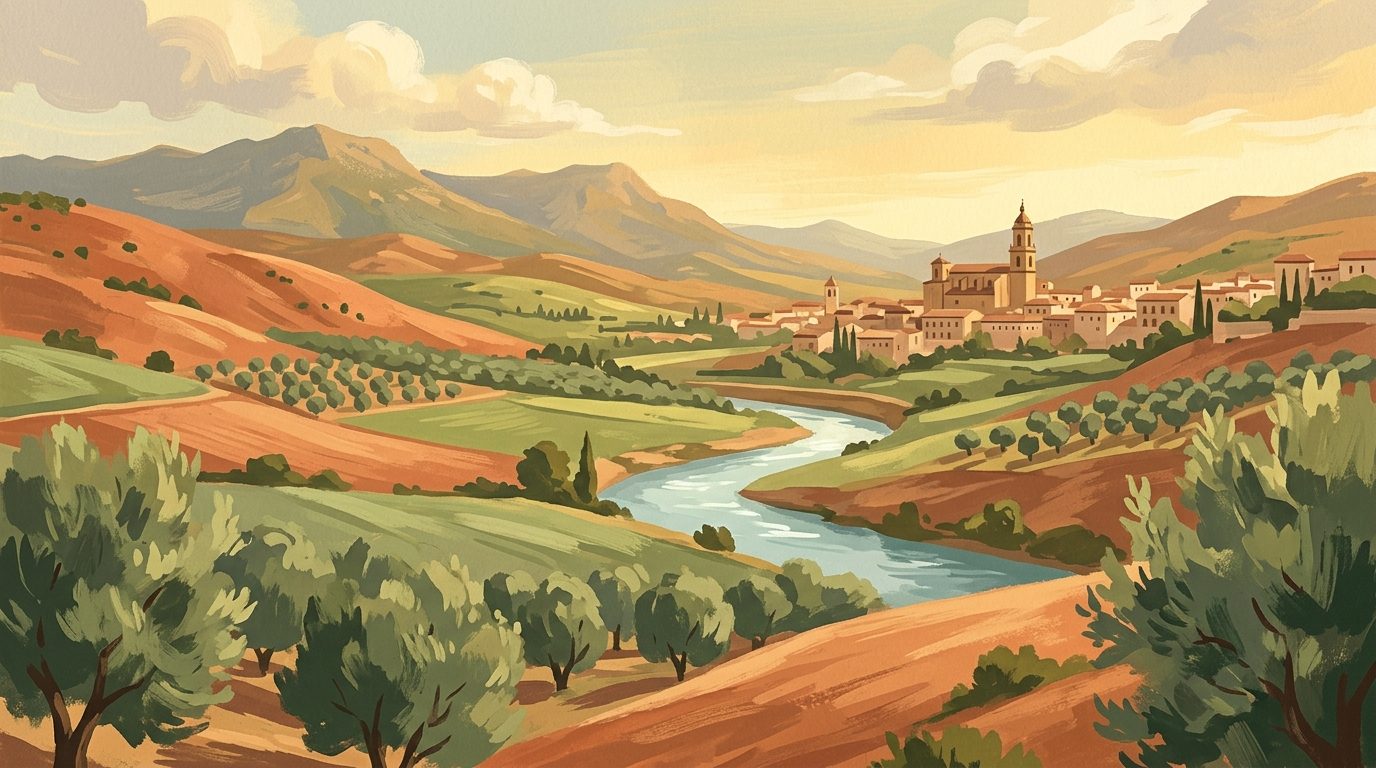
March in Jaén is a month of renewal, where the high sierras shed their winter snows to feed the headwaters of the Guadalquivir.
6 min read
Tabernas Desert: Europe's Only True Desert
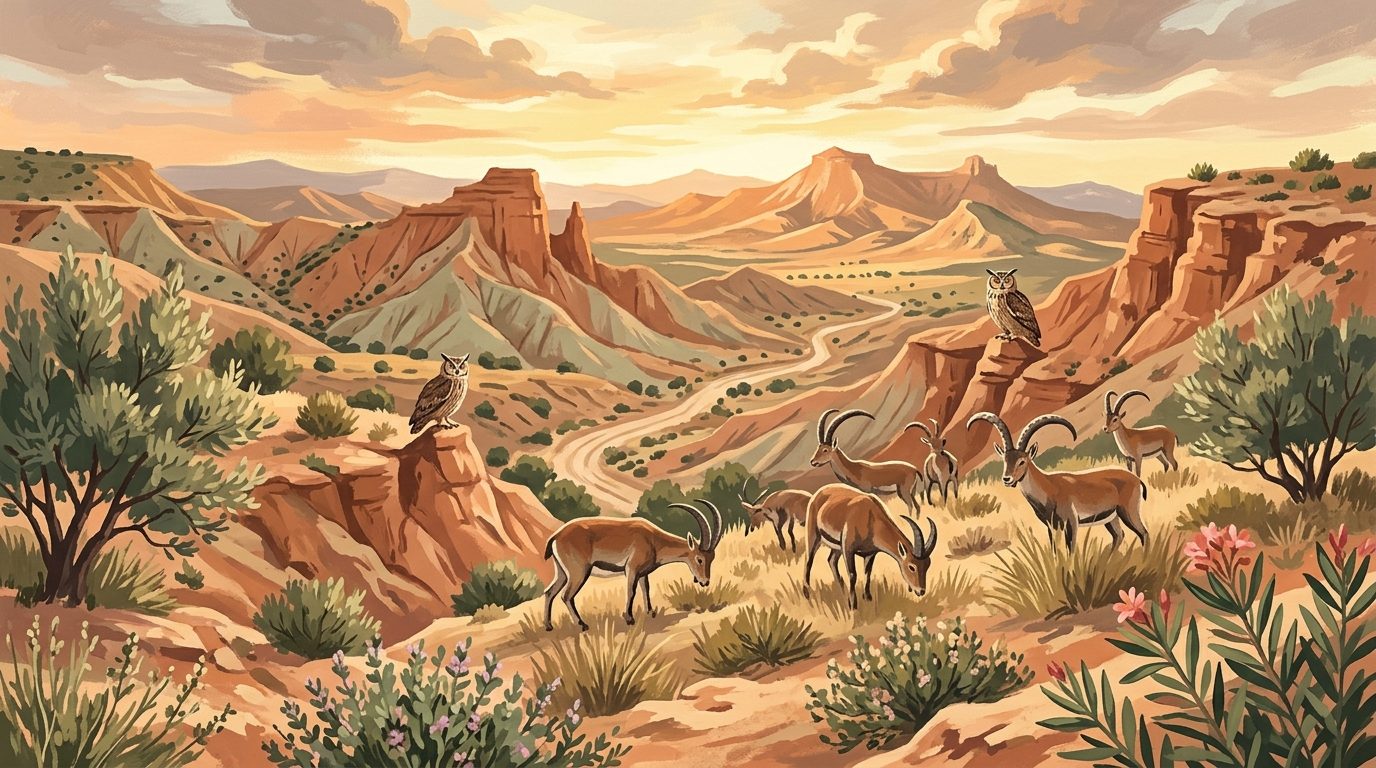
Explore the unique ecology of the Tabernas Desert, Europe's only true desert, where Saharan-style badlands provide a sanctuary for rare Trumpeter Finches and specialist flora.
7 min read
Cabo de Gata Natural Park: Wild Coast Guide
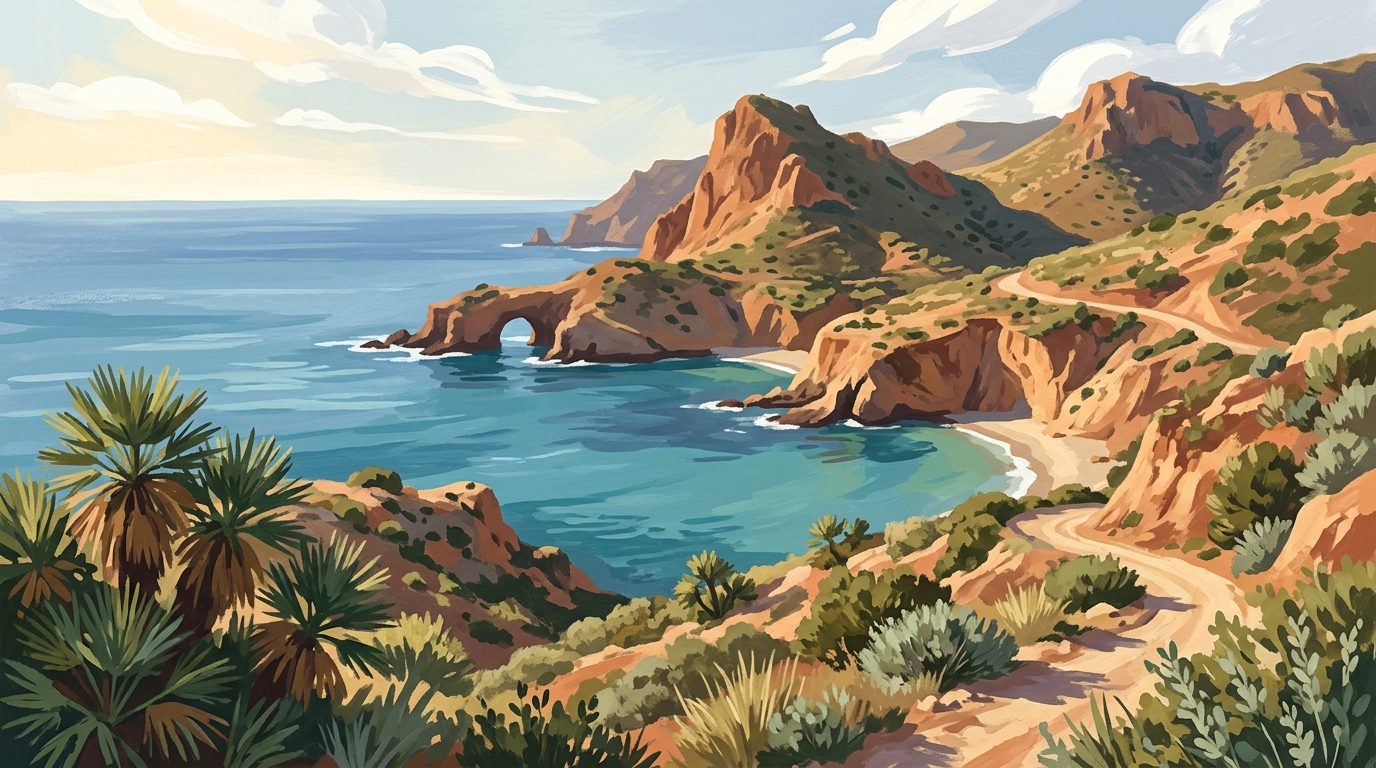
Discover the volcanic cliffs, salt lagoons, and crystalline waters of Cabo de Gata-Níjar Natural Park, Europe’s only warm desert landscape and a haven for rare Mediterranean wildlife.
7 min read
More from Jaén
Newsletter
More stories from Andalucía
Weekly notes, seasonal picks, and the next guides worth bookmarking.