
Nature & wildlife · Sevilla
Sierra Morena: The Forgotten Wild of Andalucía
Discover the rugged beauty of the Sierra Morena, a vital sanctuary for the Iberian lynx and Europe's rarest raptors in the heart of northern Sevilla.
By Dan · Updated 7 June 2026 · 8 min read
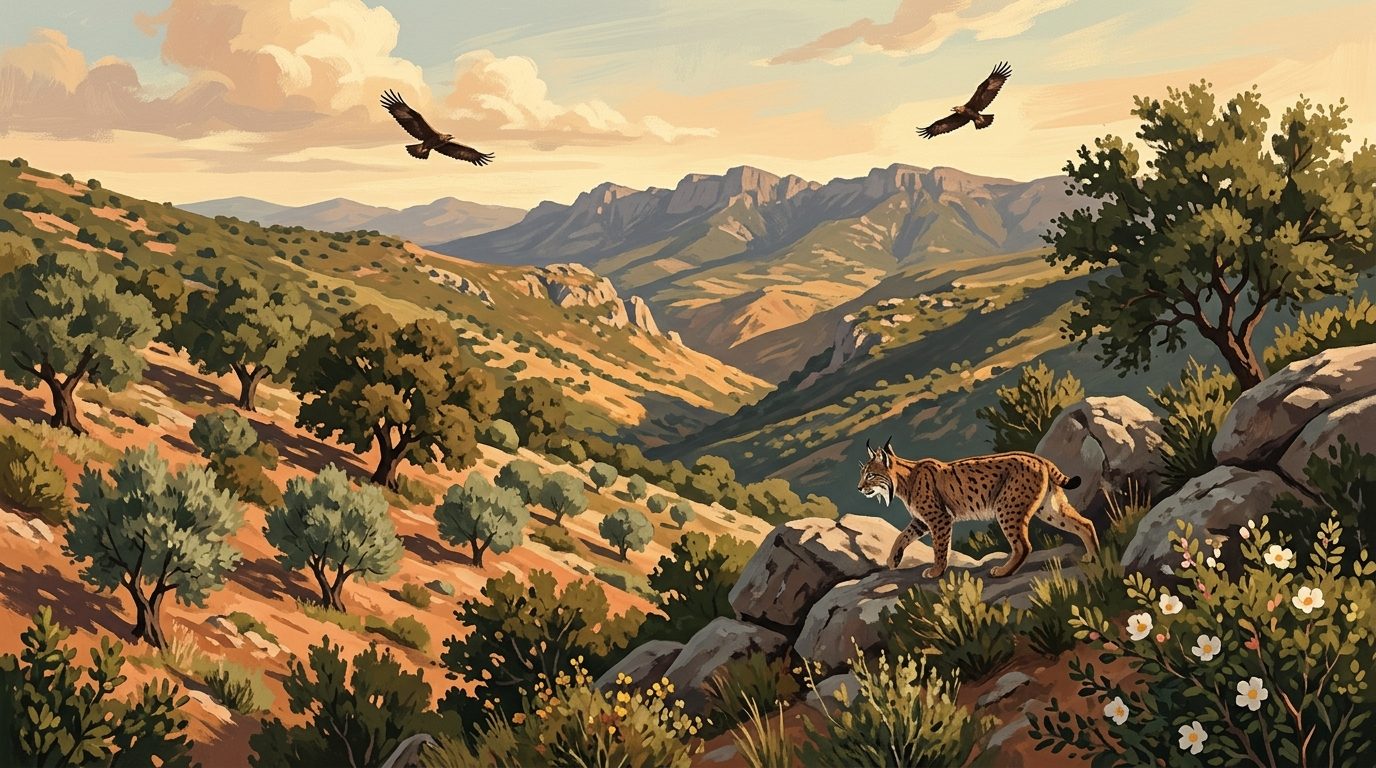
A vast expanse of dehesa and granite peaks, the Sierra Morena serves as one of the last true strongholds for Europe’s most endangered feline and rarest raptors. Unlike the crowded coastal sierras, this northern frontier offers a raw, quiet encounter with the Mediterranean’s ancestral wilderness.
While the snow-capped peaks of the Sierra Nevada and the wetlands of Doñana often dominate the natural narrative of Southern Spain, the Sierra Morena remains the quiet, rugged backbone of the region. Stretching across the northern reaches of the Sevilla province, this ancient mountain range forms a natural barrier between the central Meseta and the Guadalquivir valley. It is a landscape defined not by alpine height, but by its sheer scale and the persistence of a Mediterranean ecosystem that has largely vanished elsewhere in Europe.
For the naturalist, the Sierra Morena, specifically the Sierra Norte de Sevilla Natural Park, represents a rare opportunity to observe wildlife in a setting that feels genuinely untamed. This is a place of silence, broken only by the rasping call of a hoopoe or the distant bell of a Retinto cow. The absence of mass tourism has preserved a delicate balance where traditional human land use and high-priority conservation species coexist. Here, the shadows of the holm oaks hide the Iberian lynx, and the thermal currents above the river gorges support the largest raptors on the continent.
The Ecosystem: The Dehesa and the Granite Uplands
The defining feature of the Sierra Morena is the dehesa. This is a managed savannah-like ecosystem that provides a blueprint for sustainable land use. Primarily composed of Holm oak (Quercus rotundifolia) and Cork oak (Quercus suber), the dehesa is the result of centuries of thinning the original Mediterranean forest to allow for a mix of forestry, grazing, and small-scale agriculture. For wildlife, the dehesa is a biological engine. The acorns provide essential winter fuel for everything from wild boar (Sus scrofa) to the Common crane (Grus grus), while the open canopy allows for a diverse understorey of grasses and aromatic shrubs like rockrose (Cistus ladanifer).
Geologically, the Sevilla sector of the range is a complex mix of shale and granite. In areas like the Cerro del Hierro, the earth has been turned inside out by both ancient geological shifts and Roman-era mining, creating a karst landscape of needles and caves. These geological formations are vital for cliff-nesting species and provide thermal mass for reptiles. The river systems, such as the Rivera del Huéznar, cut deep galleries through the mountains, lined with gallery forests of alder (Alnus glutinosa) and willow (Salix alba), creating cool corridors that allow species to move across the landscape even during the searing heat of August.
Key Species: The Kings of the Scrubland
The Iberian Lynx (Lynx pardinus)
The Iberian lynx is the undisputed icon of the Sierra Morena. Once the rarest cat in the world, its recovery is one of the greatest successes in European conservation, supported by initiatives like Lynx-Connect. While the populations in Andújar (Jaén) are more famous, the corridors connecting the Sierra Norte de Sevilla with eastern sections are becoming increasingly vital. These cats are specialist predators of the European rabbit (Oryctolagus cuniculus) and require the dense scrub of the Mediterranean maquis for cover.
Sighting Likelihood: Low. The lynx is crepuscular and exceptionally secretive. However, sightings are increasing in the eastern reaches of the park near the borders with Córdoba. Your best chance is at dawn or dusk during the winter mating season (December and January) when males are more mobile and vocal. Look for them on quiet firebreaks or patrolling the edges of dense lentisc thickets.
Spanish Imperial Eagle (Aquila adalberti)
Endemic to the Iberian Peninsula, the Spanish imperial eagle is a massive raptor with distinctive white patches on its leading wing edges. The Sierra Morena is its global heartland. Unlike the Golden eagle, which prefers high mountain crags, the Imperial eagle nests in large cork oaks or pines within the dehesa, surveying the undulating hills for rabbits and pigeons.
Sighting Likelihood: Moderate to High. With a bit of patience and a good pair of binoculars, you can often spot them soaring over the dehesa. The area around Alanís and Guadalcanal provides excellent vantage points. They are resident year-round, though activity peaks during the spring breeding season.
Vultures and Scavengers
The Sierra Morena supports significant colonies of the Cinereous (Black) vulture (Aegypius monachus), the largest bird of prey in Europe, with a wingspan reaching nearly three metres. Unlike the Griffon vulture (Gyps fulvus), which nests on cliffs, the Black vulture is a tree-nester, favouring the most remote and undisturbed stands of oak. You will also find the Egyptian vulture (Neophron percnopterus) during the summer months, a smaller, migratory species with a striking yellow face.
Sighting Likelihood: High. On any clear day with good thermals, you can see these birds circling at great heights. The road between Cazalla de la Sierra and Constantina offers several wide-open vistas where vultures are frequently seen scanning the ground for carrion.
The Red Deer (Cervus elaphus) and Wild Boar
The large mammal population here is substantial, driven by the management of the hills for monterías (traditional Spanish hunts). Red deer are ubiquitous across the Sierra Norte. During the day, they remain in the dense cover of the river valleys, but they emerge into the dehesa pastures as the sun sets.
Sighting Likelihood: Guaranteed. If you are in the park at dawn or dusk, you will see deer. The wild boar is more elusive but often leaves behind clear signs of its presence: freshly turned soil where it has been rooting for bulbs and insects.
Best Time to Visit
The Sierra Morena is a seasonal landscape, and the experience changes dramatically throughout the year.
- Autumn (September to October): This is the time of the Berrea, or the Red deer rut. The mountains echo with the guttural roars of stags competing for mates. It is one of the most primal wildlife spectacles in Europe. The first autumn rains also bring a flush of green to the parched earth and the emergence of diverse fungi.
- Winter (November to February): The air is crisp and visibility is often at its best. This is the peak time for Iberian lynx activity, as the breeding season begins. It is also when the Common cranes arrive from Northern Europe to feed on the fallen acorns of the dehesa.
- Spring (March to May): The landscape explodes with wildflowers: purple lavender, white rockrose, and various orchids. This is the prime window for birdwatching, as migratory species return from Africa and resident raptors are busy at their nests.
- Summer (June to August): Temperatures can be extreme, often exceeding 40°C. Wildlife activity is largely restricted to the hours before 9:00 AM and after 9:00 PM. Nightjar (Caprimulgus europaeus) and various bat species are active during the warm nights.
How to Explore
To see the best of the Sierra Morena, you must get off the main roads. The park is crossed by an extensive network of senderos (marked trails) and vías verdes (disused railway lines converted for cycling and walking).
Vía Verde de la Sierra Norte: This 18km trail follows the old railway line along the Rivera del Huéznar. It is flat, accessible, and runs through some of the best-preserved gallery forest in the province. It is an excellent route for spotting Kingfishers (Alcedo atthis) and Grey wagtails (Motacilla cinerea).
Cerro del Hierro: This natural monument features a 2km circular walk through a labyrinth of limestone and iron-rich rock. It is a prime location for spotting Black wheatear (Oenanthe leucura) and Blue rock thrush (Monticola solitarius).
Guided Tours and Hides: For the best chance of seeing the Iberian lynx or the Spanish imperial eagle, consider booking a specialist wildlife guide. Several small companies operate out of Cazalla de la Sierra and El Real de la Jara (check local operator listings before travelling). They have access to private estates and established photographic hides that are otherwise inaccessible to the public.
Practical Information
Getting There: The main gateway to the Sierra Norte is the town of Cazalla de la Sierra, located approximately 80km north of Sevilla. The A-432 is the primary artery through the park. While there is a train service (the C3 Cercanías from Sevilla to Guadalcanal), a car is essential for reaching the more remote trailheads and viewpoints.
Access and Permits: Most marked trails are free to access without a permit. However, certain areas are restricted during the hunting season (October to February) or during periods of high fire risk in the summer. Always check the local Centro de Visitantes in Constantina (El Robledo) via the Ventana del Visitante portal for current trail statuses.
Accommodation: The region is famous for its turismo rural. Options range from converted monasteries in Cazalla to rustic farmhouses (cortijos) in the heart of the dehesa. Staying in these rural locations increases your chances of spotting nocturnal wildlife like the Scops owl (Otus scops).
What to Bring: High-quality binoculars are essential. Even if you aren't a dedicated birder, the distances involved in scanning the hillsides require magnification. Sturdy hiking boots are recommended for the rocky terrain of the granite uplands.
Conservation Note
The Sierra Morena is a landscape under pressure. While lynx numbers are rising, the species remains vulnerable to the fluctuating populations of rabbits, which have been devastated by various strains of Rabbit Haemorrhagic Disease (RHDV). Furthermore, climate change and the resulting prolonged droughts threaten the health of the oak trees that form the basis of the dehesa ecosystem. Visitors are encouraged to stick to marked paths, strictly observe fire bans, and support the local economy by purchasing regional products like organic honey or Iberian ham, which provides the financial incentive for landowners to maintain the dehesa rather than converting it to more intensive agriculture.
Last reviewed: 21 June 2026 · Editorial policy
Related guides
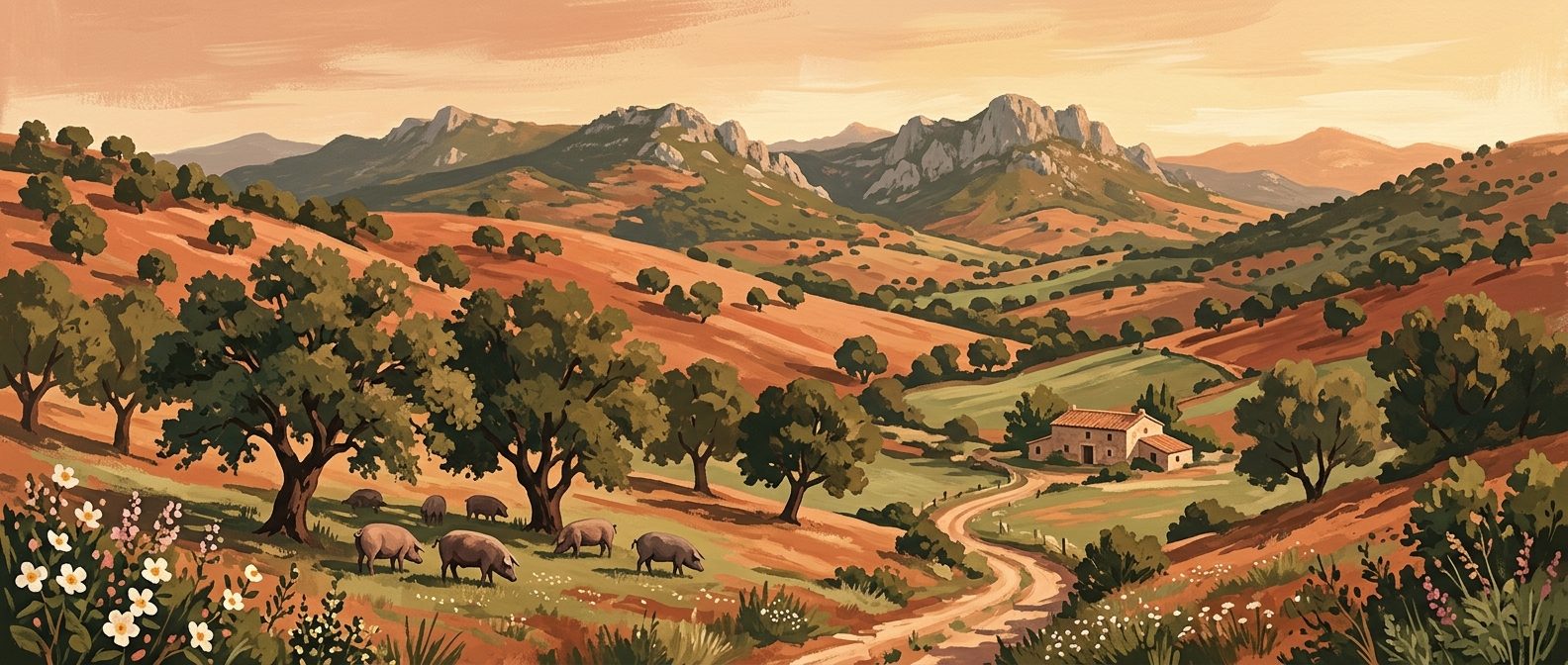
Sierra de Aracena: Huelva's Green Highland
An ancient managed landscape where holm oak and chestnut forests meet rare raptors and the iconic Iberian pig. This northern Huelva highland provides one of Andalucía's most intact examples of the dehesa ecosystem.
8 min read
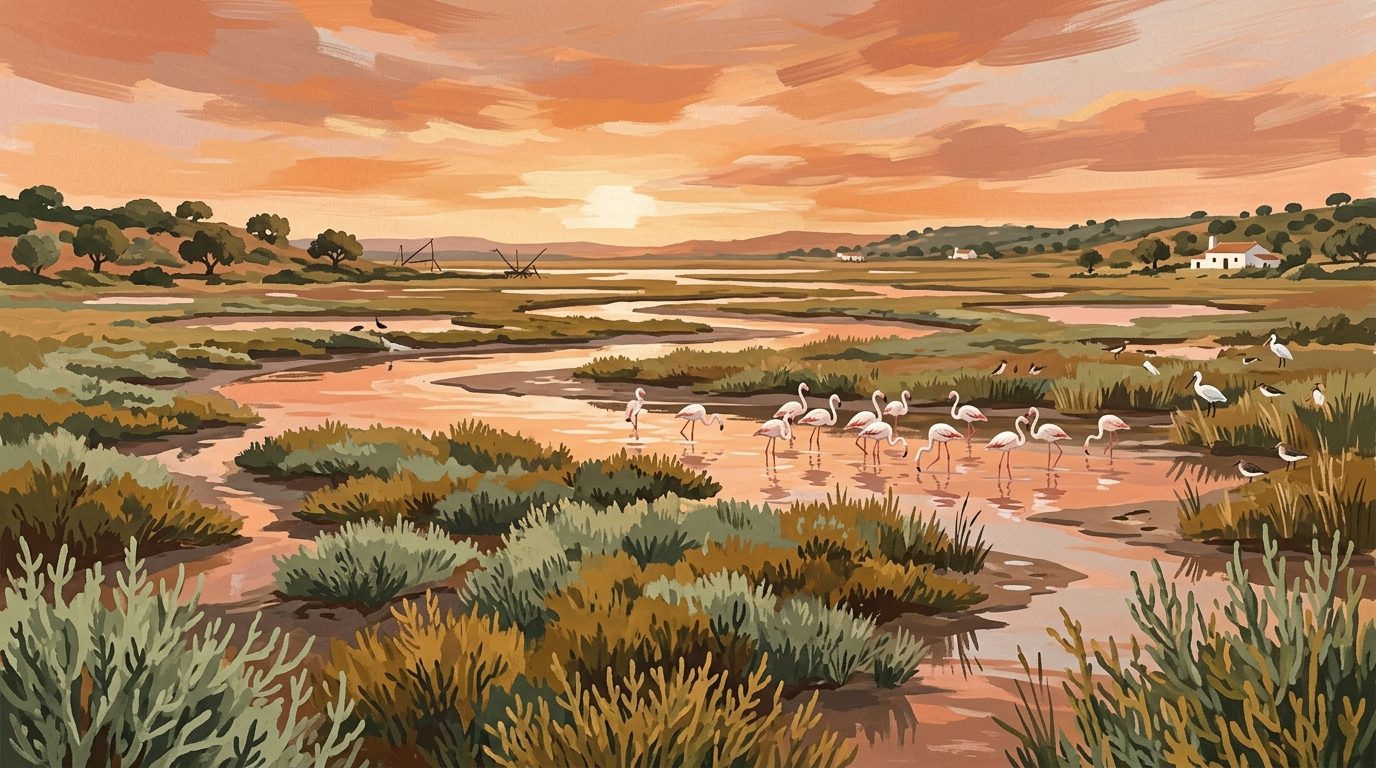
Odiel Marshes: Huelva's Overlooked Wetland
Discover the Marismas del Odiel, a tidal powerhouse in Huelva that hosts Europe's largest spoonbill colony and a spectacular array of flamingos and ospreys.
7 min read
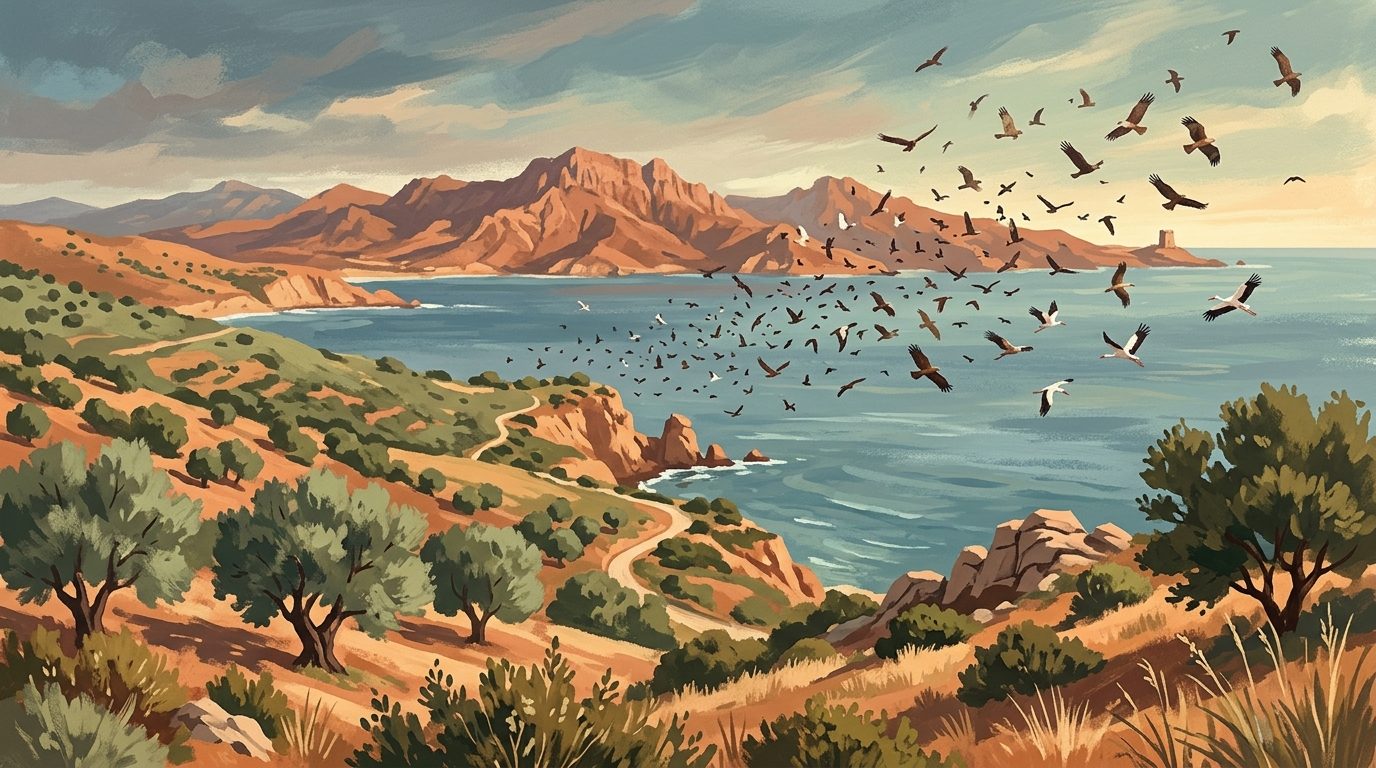
The Gibraltar Strait: Europe's Greatest Bird Migration
Discover the biological funnel where millions of raptors and storks cross between Europe and Africa, creating one of the world's most significant wildlife spectacles.
7 min read
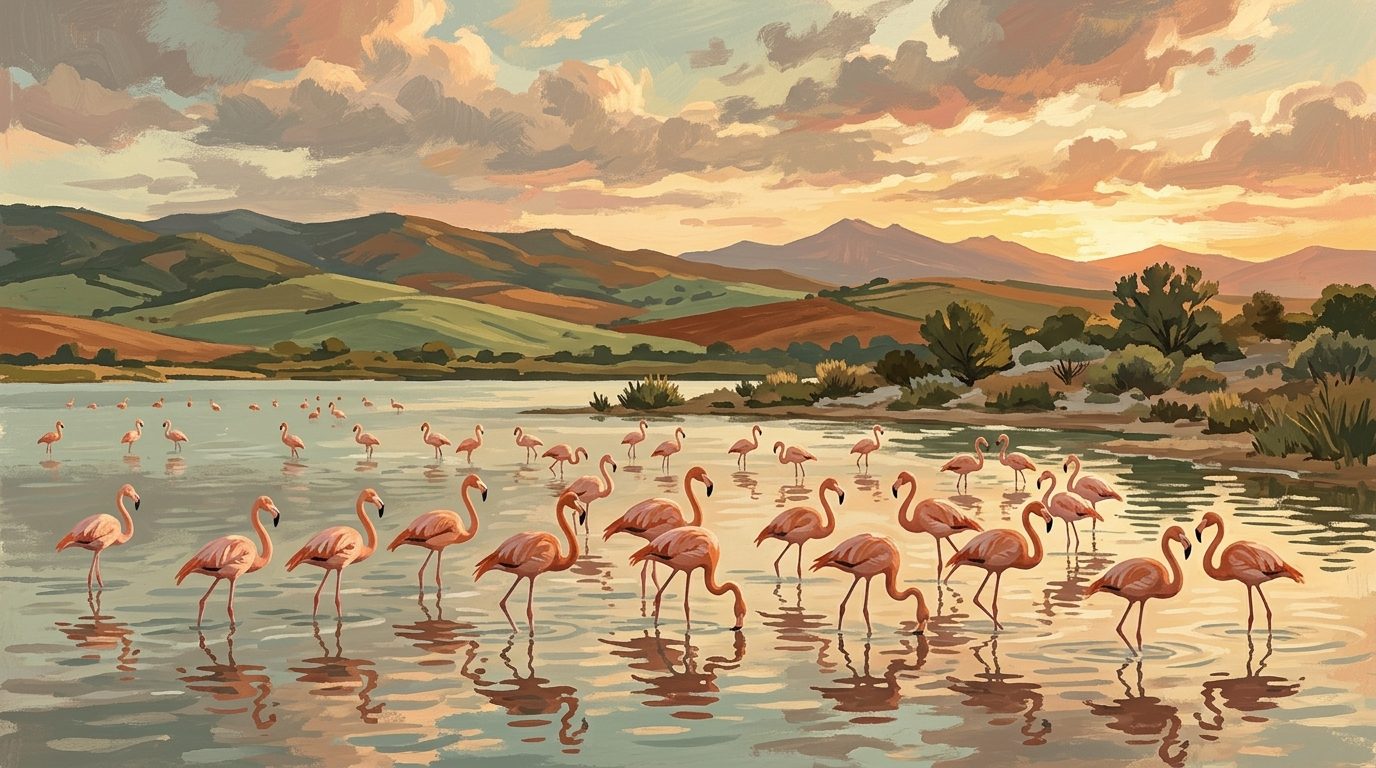
Fuente de Piedra: Andalucía's Flamingo Lake
Discover the vital breeding grounds of the Greater Flamingo at the Laguna de Fuente de Piedra, a hypersaline wetland in the heart of Málaga province.
7 min read
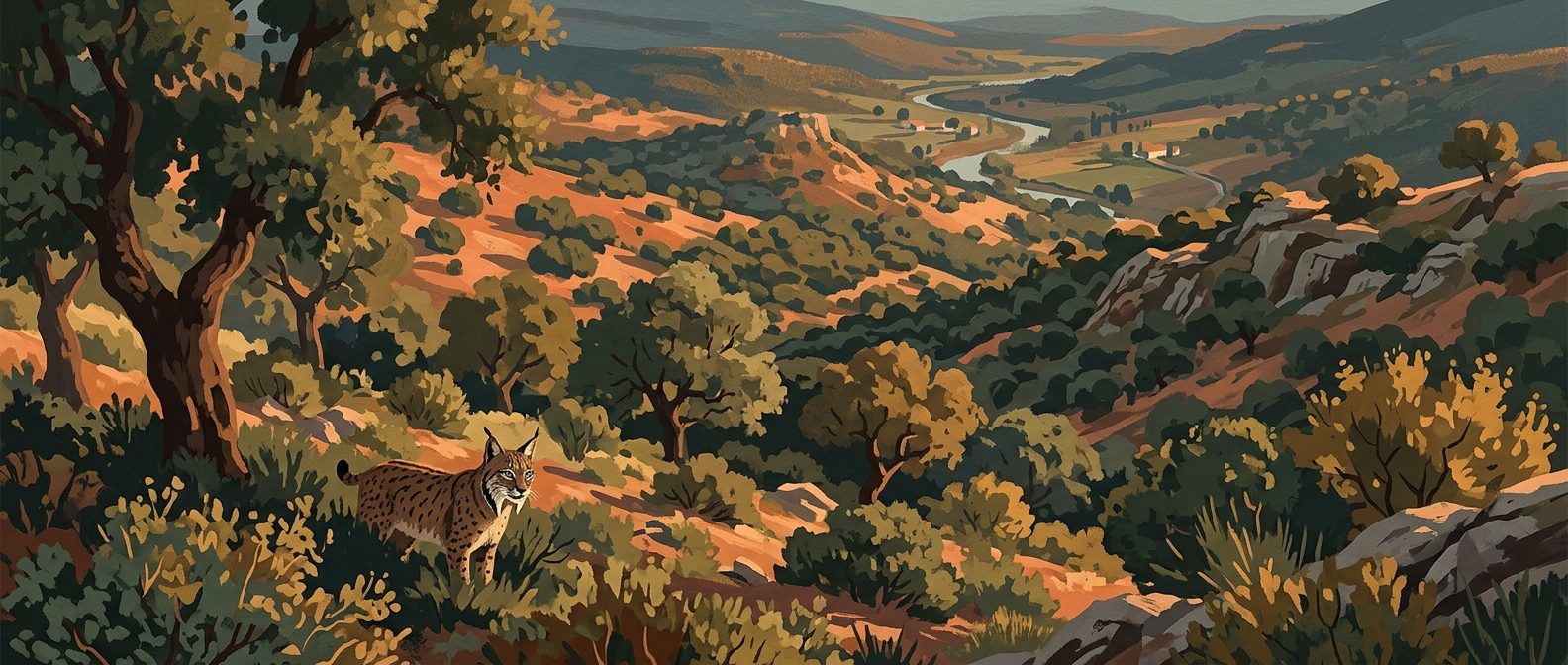
Where to See the Iberian Lynx: Andújar and Beyond
Discover the best ways to see the world's rarest cat in the Sierra de Andújar. This guide covers the best viewing spots, seasonal timing, and the diverse wildlife of Jaén's rugged Mediterranean scrubland.
6 min read
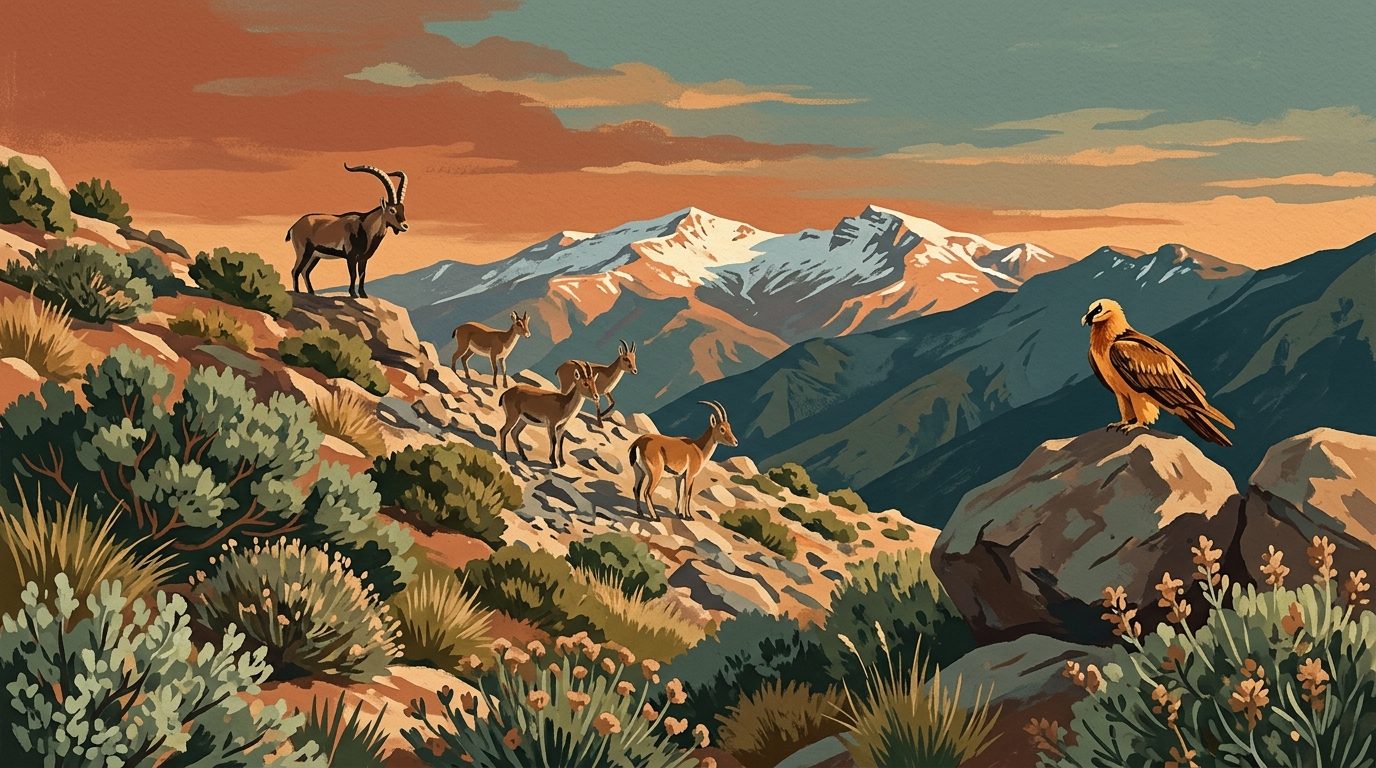
Wildlife of the Sierra Nevada: High Altitude Biodiversity in Southern Spain
Discover the unique biodiversity of the Sierra Nevada, from the iconic Spanish ibex and Golden eagles to rare endemic flowers found nowhere else on Earth.
7 min read
Newsletter
More stories from Andalucía
Weekly notes, seasonal picks, and the next guides worth bookmarking.