
Nature & wildlife · Jaén
Where to See the Iberian Lynx: Andújar and Beyond
Discover the best ways to see the world's rarest cat in the Sierra de Andújar. This guide covers the best viewing spots, seasonal timing, and the diverse wildlife of Jaén's rugged Mediterranean scrubland.
By Dan · Updated 7 June 2026 · 6 min read
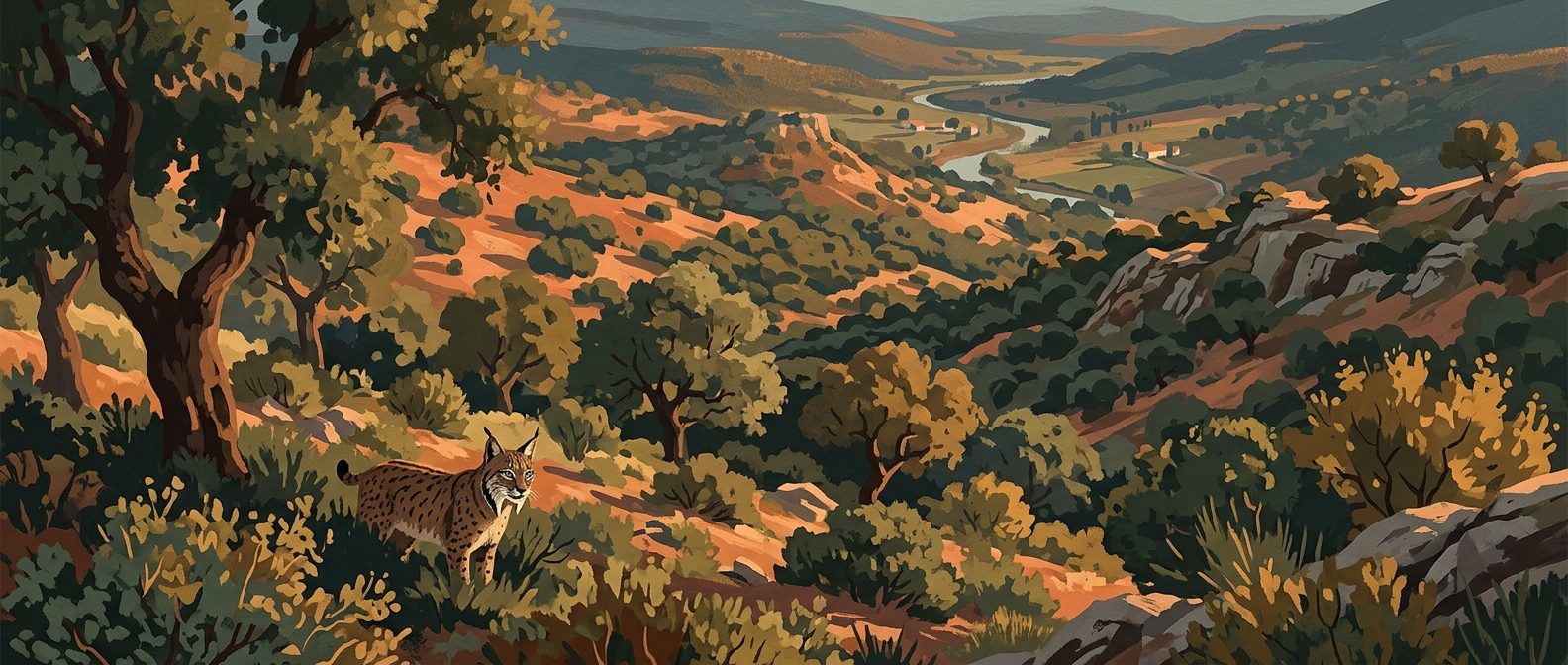
In the granite-strewn hills of the Sierra Morena, the world’s rarest cat has staged a remarkable recovery. For the dedicated naturalist, the Sierra de Andújar provides the highest probability of a wild encounter with the Iberian lynx.
Two decades ago, the Iberian lynx (Lynx pardinus) was on the precipice of extinction. With fewer than 100 individuals remaining in the wild, the species was classified as the most endangered feline on the planet. Today, thanks to intensive conservation efforts and habitat restoration, the population has surpassed 2,000 (as of the 2024 census), leading the IUCN to downlist the species from Endangered to Vulnerable. While they are being reintroduced to various corners of the Iberian Peninsula, the Sierra de Andújar Natural Park in the province of Jaén remains the undisputed capital for those seeking to observe this elusive predator in its natural environment.
This is not a landscape of easy sightings or manicured trails. It is a rugged, authentic wilderness of Mediterranean mountains, where the silence is broken only by the alarm call of a magpie or the bell of a distant goat herd. For the wildlife enthusiast, Andújar represents a chance to witness a functional Mediterranean ecosystem where the apex predator still reigns. Unlike the marshes of Doñana, where lynx are often obscured by dense scrub, the open dehesa and granite boulders of Andújar offer the visibility required for meaningful observation. Here, the lynx is more than a conservation icon; it is a ghost that has begun to walk in the daylight once more.
The Ecosystem: Mediterranean Dehesa and Macchia
The habitat of the Sierra de Andújar is a classic representation of the Mediterranean forest. It is defined by two primary landscape types: the dehesa and the cistus macchia. The dehesa is a human-managed but ecologically significant woodland of Holm oaks (Quercus ilex) and Cork oaks (Quercus suber), spaced widely enough to allow a grassland understory. This system supports a high biomass of wild ungulates and, crucially, the European rabbit (Oryctolagus cuniculus).
The steeper slopes and ravines are covered in dense Mediterranean scrub, or macchia, dominated by Rockrose (Cistus ladanifer), Mastic (Pistacia lentiscus), and Strawberry trees (Arbutus unedo). This thicket provides the essential cover the lynx needs for breeding and daytime resting. Interspersing these habitats are massive granite batholiths, rounded boulders that absorb the sun's heat and provide elevated lookout points for the cats. The presence of the Jándula and Yeguas rivers adds a riparian dimension, with deep gorges and gallery forests of alders and willows that serve as corridors for wildlife movement during the dry summer months.
Key Species of the Sierra Morena
Iberian Lynx (Lynx pardinus)
The star of the region is unmistakable with its leopard-like spots, short tail with a black tip, and characteristic ear tufts. Sighting Likelihood: Moderate to High (with patience). Unlike many felids, the Iberian lynx is not strictly nocturnal. During the winter months, they are frequently active during the day. Success usually requires long hours behind a spotting scope at established viewpoints. Look for them patrolling territory boundaries or sunning themselves on granite outcrops. They are masters of camouflage; often, it is the alarm calls of Azure-winged magpies (Cyanopica cooki) or Blackbirds (Turdus merula) that betray their presence.
Spanish Imperial Eagle (Aquila adalberti)
Andújar is one of the global strongholds for this endemic raptor. It is easily distinguished from the Golden eagle by its white 'shoulders' or leading edges of the wings. Sighting Likelihood: High. These eagles are territorial and can often be seen soaring over the dehesa or perched atop high pylons and cork oaks. Their population here is stable, and they are frequently seen engaging in aerial displays during the early spring.
Red Deer and Wild Boar
Large mammals are ubiquitous in the park. Red deer (Cervus elaphus) and Wild boar (Sus scrofa) are seen daily. During the 'Berrea' or rutting season in late September, the valleys echo with the bellows of stags. Fallow deer (Dama dama) are also present in significant numbers. Sighting Likelihood: Very High. These species are a vital part of the ecosystem, though they can pose a road hazard after dusk.
Birds of the River Gorges
The rocky cliffs near the Encinarejo dam and the Jándula river provide nesting sites for the Black stork (Ciconia nigra), a much more reclusive relative of the White stork. You may also spot the Blue rock thrush (Monticola solitarius) and the Griffon vulture (Gyps fulvus). In the water, Eurasian otters (Lutra lutra) are surprisingly common and can often be seen fishing in the early morning light. Sighting Likelihood: Moderate.
Best Time to Visit
Wildlife watching in Andalucía is heavily dictated by temperature and the breeding cycles of the key species.
- December to January: This is the peak season. It coincides with the lynx rut (mating season). The cats are highly active, vocal, and move frequently during the day to find mates. Temperatures are crisp, and the light is excellent for photography.
- February to March: Activity remains high, and this is the best time for spotting raptors as they begin nesting. The landscape is lush and green.
- April to June: Lynx sightings become more difficult as the females retreat to dens to raise kittens. However, the wildflowers in the dehesa are spectacular during this period.
- July to August: Extremely hot. Activity for most mammals is restricted to the first and last hour of light. Many public tracks have restricted access during this time due to high fire risk.
- September to October: The Red deer rut takes centre stage. The first rains of autumn bring a second flush of life to the park.
How to Explore
Access to the Sierra de Andújar is generally open via public roads, but much of the prime lynx habitat is situated on large private estates (fincas). Respecting these boundaries is vital for conservation and local relations.
Public Viewpoints and Routes
The most famous location is the La Lancha track (the road leading to the Encinarejo reservoir). There are several elevated points along this road where enthusiasts gather with telescopes. Another prime area is the Los Escoriales road (JH-5002), which offers expansive views over the valleys where lynx are known to hunt. The Encinarejo Dam area provides a lovely walking trail along the river, excellent for otters and water birds.
Guided Tours
For those serious about a sighting, hiring a professional guide is highly recommended. Local operators have up-to-the-minute knowledge of recent sightings and territory shifts. Many also have access to private estates and photography hides that are otherwise closed to the public. These hides are particularly useful for those wanting to see the cats without disturbing their natural behaviour.
Practical Information
Getting There: The gateway to the park is the town of Andújar in Jaén province. From the town, take the A-6177 north. It is a winding mountain road that takes approximately 30-40 minutes to reach the heart of the park.
Parking and Facilities: There are designated parking areas at the Encinarejo dam and various trailheads. Facilities within the park are limited; there are a few traditional restaurants (ventas) along the A-6177 serving local game, but you should carry plenty of water and food for a full day in the field.
Accommodation: Most visitors stay in Andújar or in one of the rural hotels located within the park boundaries. The Los Pinos area contains several options ranging from wooden cabins to traditional hotels. Booking well in advance is essential for the December-January period.
What to Bring: High-quality binoculars are the bare minimum; a spotting scope on a tripod is significantly better for scanning distant hillsides. Wear neutral-coloured clothing and prepare for significant temperature swings: it can be freezing at dawn and quite warm by midday.
Conservation Note
While the recovery of the Iberian lynx is a success story, the species remains vulnerable. The primary threats are outbreaks of Rabbit Haemorrhagic Disease (RHDV), which can decimate their food supply, and road strikes. When visiting, it is imperative to adhere to the speed limits (typically 40km/h in sensitive zones) and never leave designated tracks. Your presence should be as silent and non-intrusive as possible. Supporting local eco-tourism ensures that the presence of the lynx remains an economic asset to the community, further incentivising the protection of this Mediterranean wilderness.
Last reviewed: 21 June 2026 · Editorial policy
Related guides
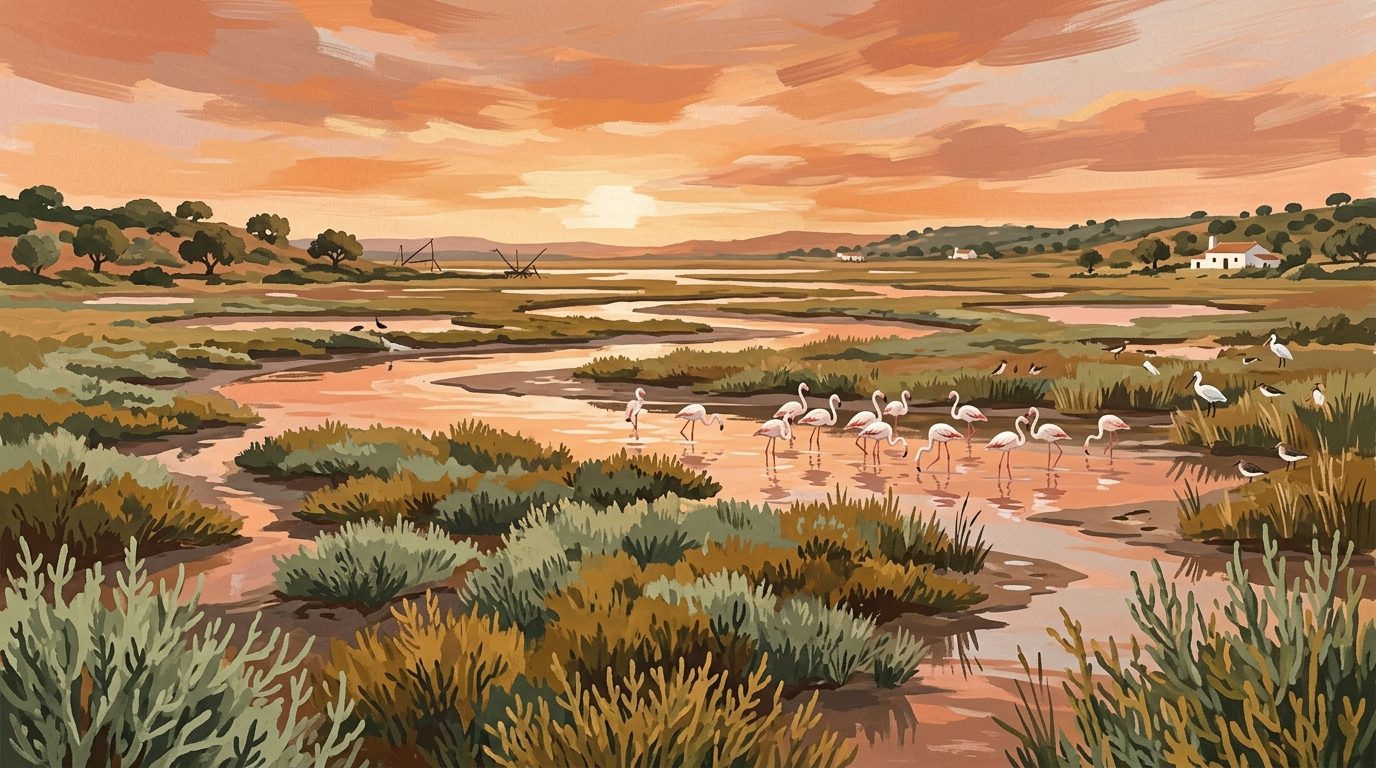
Odiel Marshes: Huelva's Overlooked Wetland
Discover the Marismas del Odiel, a tidal powerhouse in Huelva that hosts Europe's largest spoonbill colony and a spectacular array of flamingos and ospreys.
7 min read
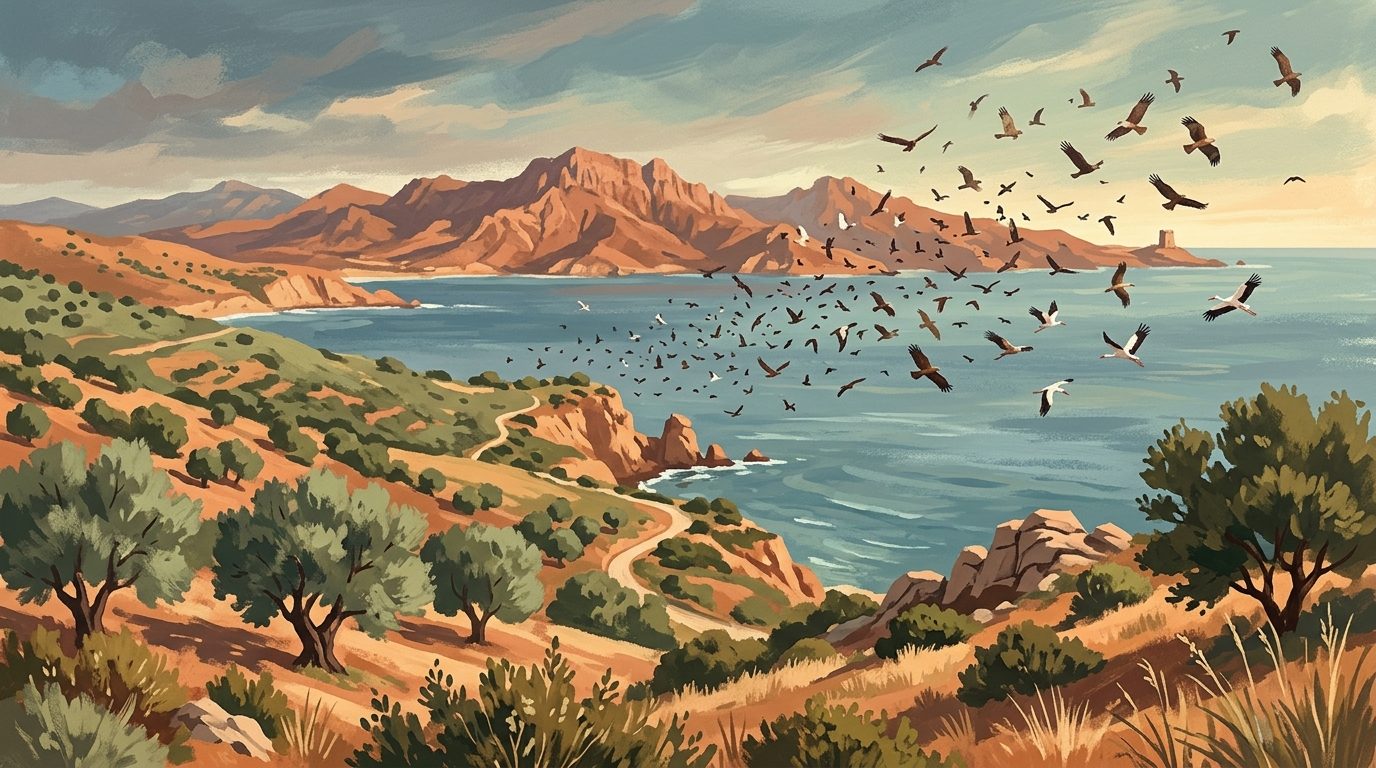
The Gibraltar Strait: Europe's Greatest Bird Migration
Discover the biological funnel where millions of raptors and storks cross between Europe and Africa, creating one of the world's most significant wildlife spectacles.
7 min read
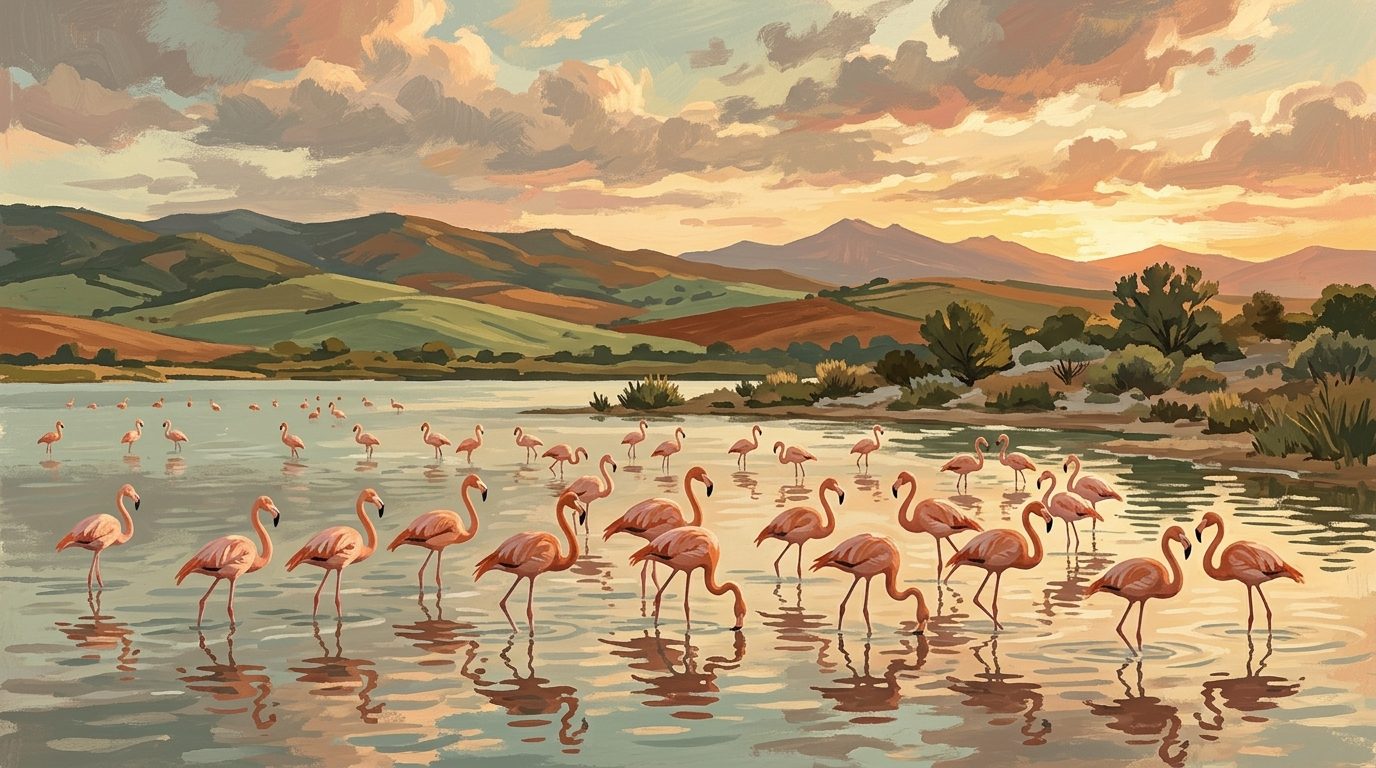
Fuente de Piedra: Andalucía's Flamingo Lake
Discover the vital breeding grounds of the Greater Flamingo at the Laguna de Fuente de Piedra, a hypersaline wetland in the heart of Málaga province.
7 min read
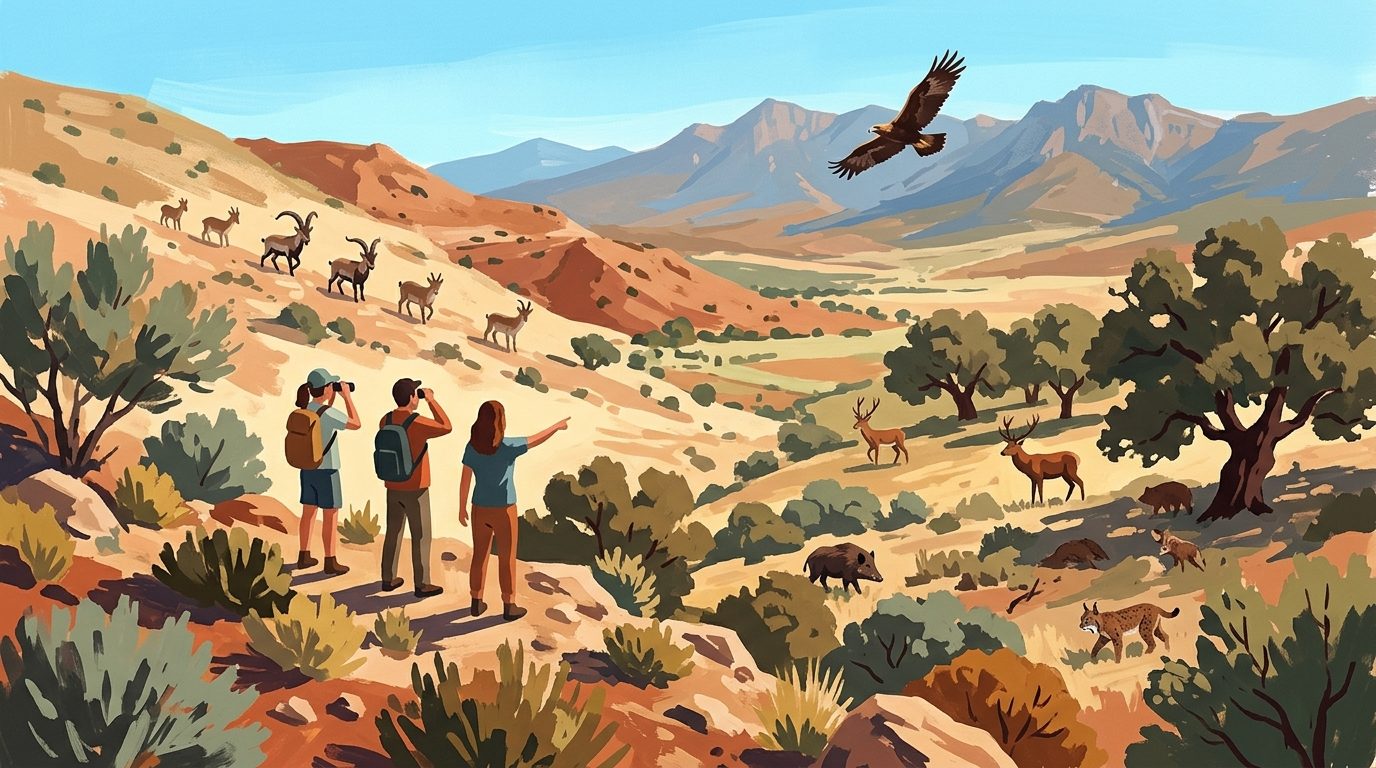
Where to Find Andalucía’s Most Remarkable Wildlife
Discover the best spots in Andalucía to see rare species like the Iberian lynx, migratory whales in the Strait of Gibraltar, and pink flamingos in natural lagoons.
6 min read
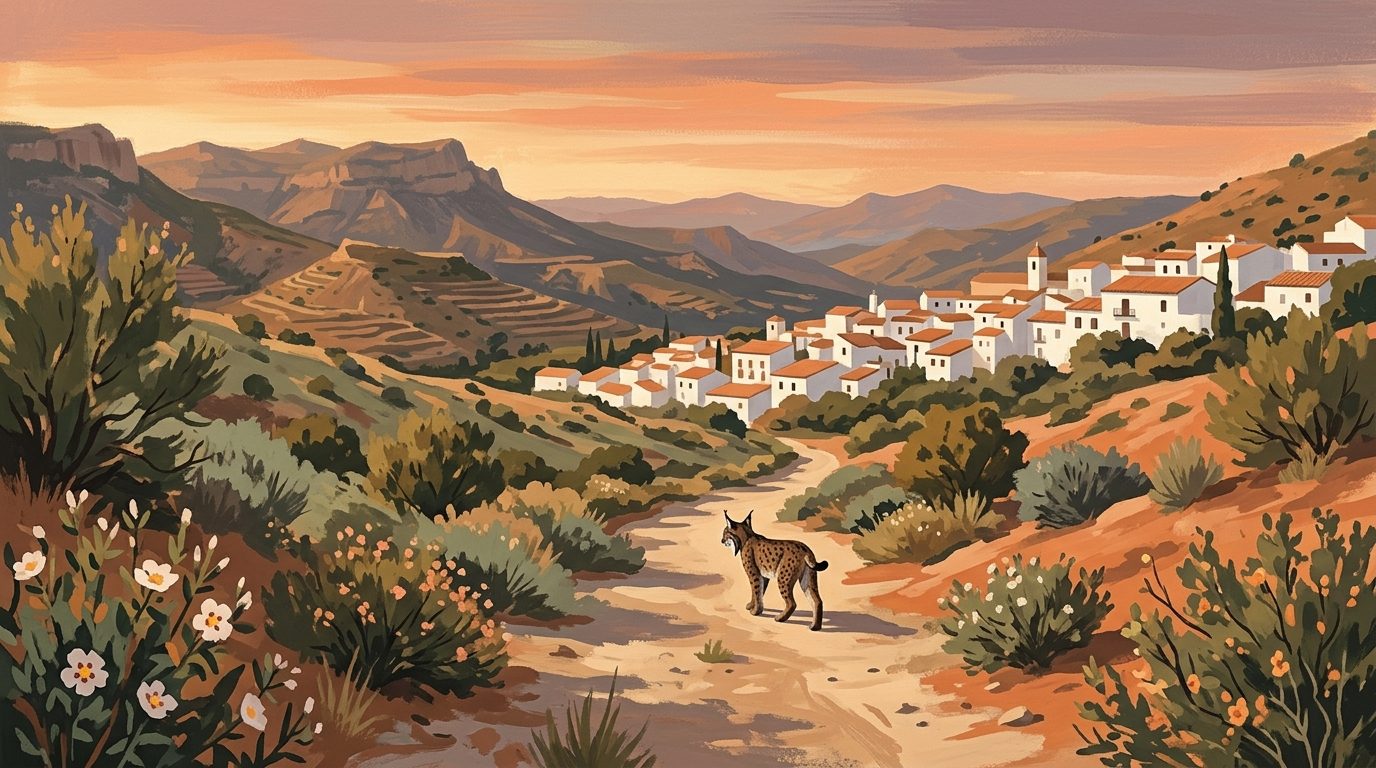
Ghost of the Rockrose: The Long Walk Back for the Iberian Lynx
A ghost in the rockrose, the Iberian lynx has returned from a historical precipice to reclaim the granite slopes of Jaén.
7 min read
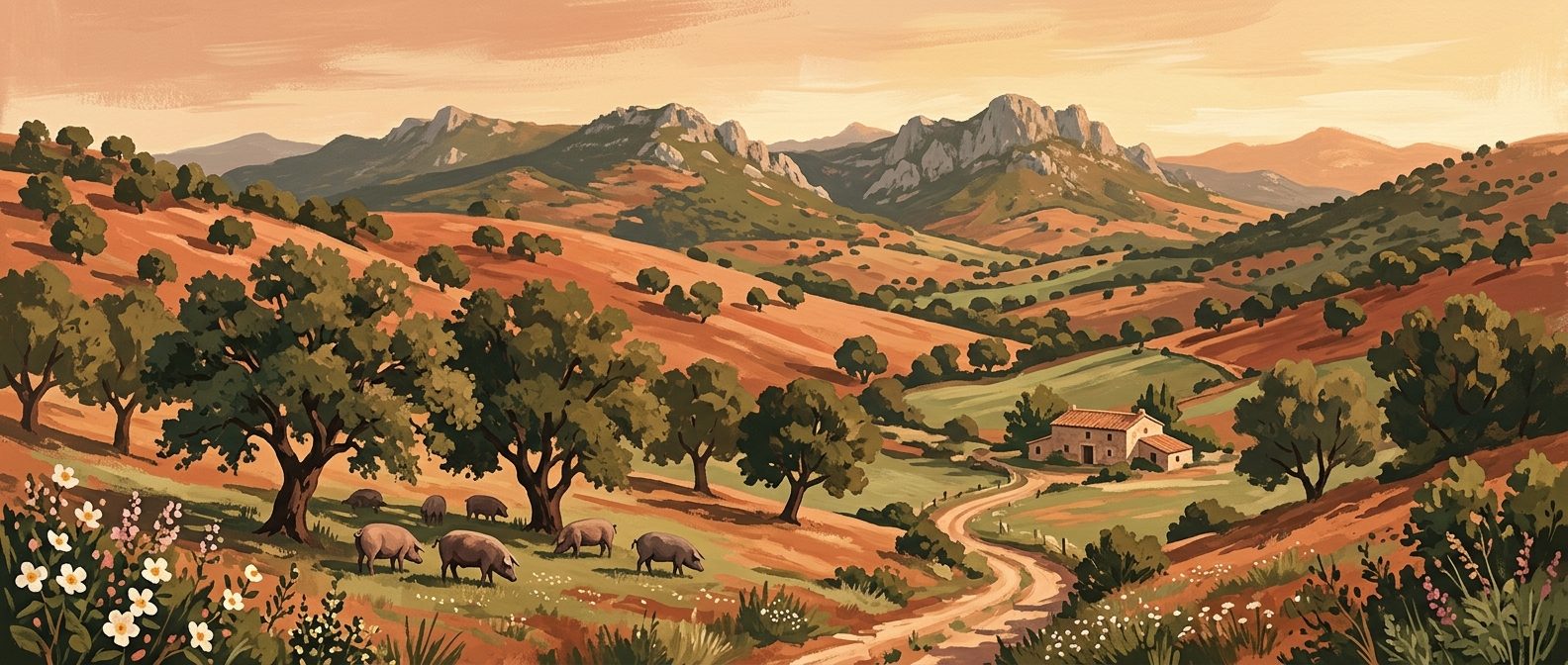
Sierra de Aracena: Huelva's Green Highland
An ancient managed landscape where holm oak and chestnut forests meet rare raptors and the iconic Iberian pig. This northern Huelva highland provides one of Andalucía's most intact examples of the dehesa ecosystem.
8 min read
More from Jaén
Newsletter
More stories from Andalucía
Weekly notes, seasonal picks, and the next guides worth bookmarking.