
Nature & wildlife · Almería
Cabo de Gata Natural Park: Wild Coast Guide
Discover the volcanic cliffs, salt lagoons, and crystalline waters of Cabo de Gata-Níjar Natural Park, Europe’s only warm desert landscape and a haven for rare Mediterranean wildlife.
By Dan · Updated 16 July 2026 · 7 min read
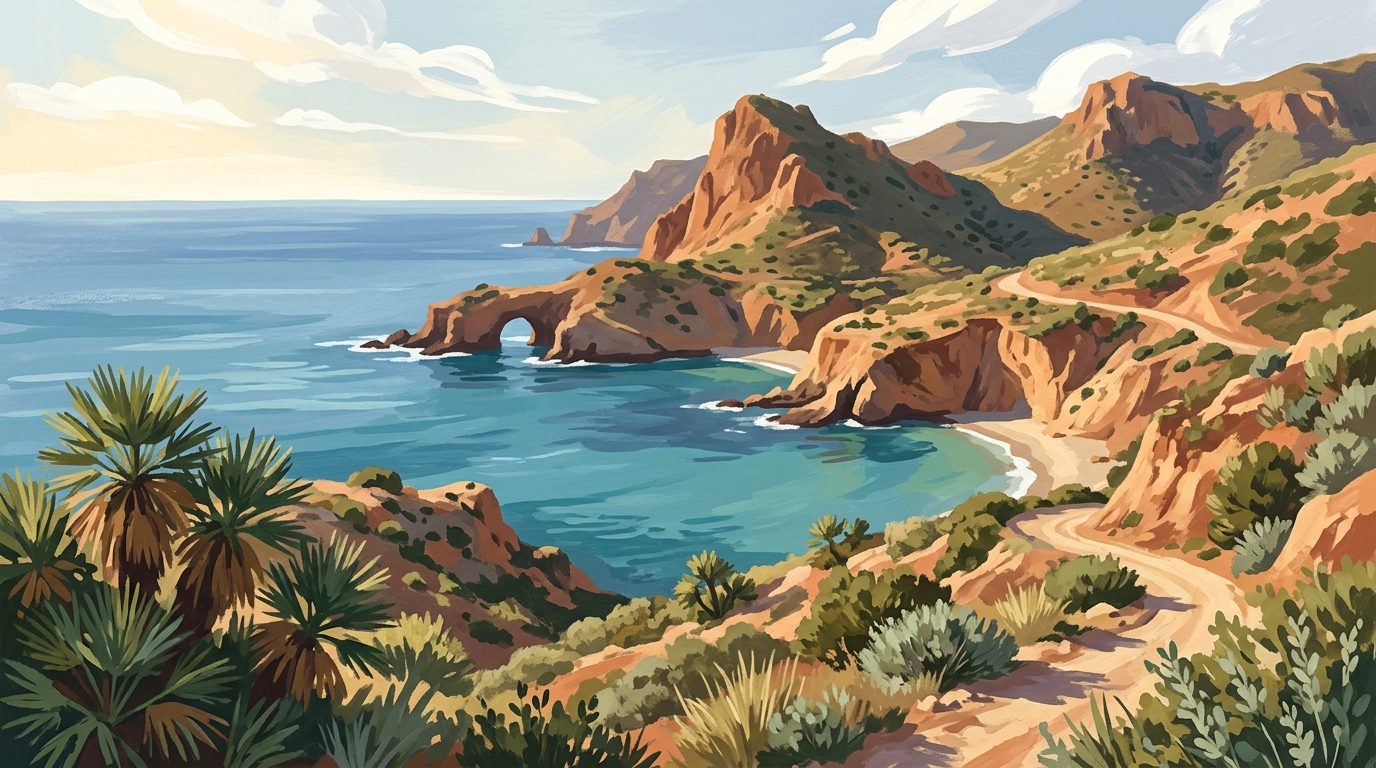
Cabo de Gata-Níjar Natural Park represents the most arid corner of Europe, a landscape where volcanic serranías collide with a transparent Mediterranean. It is a sanctuary of biological extremes, supporting species that have adapted to high salinity and minimal rainfall.
Cabo de Gata-Níjar Natural Park is a geological anomaly on the Iberian Peninsula. Located in the south-eastern corner of Almería, this 38,000-hectare terrestrial park and its accompanying 12,000-hectare marine reserve offer a stark departure from the typical Mediterranean landscape. Here, the green pine forests of the north are replaced by ochre-coloured volcanic domes, fields of dwarf fan palms, and salt-encrusted lagoons. It is the only place in Europe with a climate classified as 'Warm Desert', yet it supports a surprising density of life.
For the naturalist, the park offers a dual experience. On land, the semi-arid scrubland provides a habitat for rare steppe birds and reptiles that are difficult to find elsewhere in Europe. Below the surface of the water, the lack of river runoff ensures exceptional clarity, allowing the seagrass meadows to thrive and support a complex marine food web. For anyone scanning the salt pans for migratory waders or snorkelling over volcanic reefs, the park demands a slow, observant approach to appreciate its subtle ecological intricacies.
The Ecosystem: Volcanics, Salt and Seagrass
The foundation of Cabo de Gata is its volcanic past. Approximately 12 to 15 million years ago, tectonic activity under the Alboran Sea resulted in massive underwater eruptions. As the sea level changed and the land rose, these volcanic structures emerged to form the Sierra del Cabo de Gata. The dark, jagged cliffs of andesite and dacite that drop into the sea are the skeletons of these ancient volcanoes. This mineral-heavy soil, combined with an average annual rainfall of less than 200mm, dictates the flora: drought-resistant species like the Jujube (*Ziziphus lotus*) and the Dwarf Fan Palm (*Chamaerops humilis*) dominate the interior hills.
Along the coast, the ecosystem shifts dramatically. The Salinas de Cabo de Gata are a series of active salt pans that have been harvested for centuries. They represent a critical transition zone between land and sea, acting as a high-protein refuelling station for birds migrating between Europe and Africa. The hypersaline environment supports specialised invertebrates, such as brine shrimp, which in turn attract large numbers of flamingos.
Submerged beneath the waves is perhaps the park's most vital habitat: the Neptune Grass (*Posidonia oceanica*) meadows. These are not seaweed but flowering plants that form dense underwater forests. They stabilise the seabed, oxygenate the water, and provide a nursery for hundreds of species of fish and molluscs. The health of the entire coastal ecosystem relies on the preservation of these meadows, which are protected within the Marine Reserve boundaries.
Key Species: From Steppe to Sea
Greater Flamingo (Phoenicopterus roseus)
The Salinas de Cabo de Gata are one of the most reliable places in southern Spain to observe the Greater Flamingo. While a small population remains year-round, numbers swell significantly during the spring and late summer migrations. Sighting likelihood: High (typically around 95%) from the designated hides along the AL-3115 road. Look for them in the shallow lagoons, often standing in groups of several dozen. Their presence is a biological indicator of the health of the salt pans' invertebrate population.
Audouin's Gull (Ichthyaetus audouinii)
Unlike the ubiquitous Yellow-legged Gull (*Larus michahellis*), the Audouin's Gull is a specialist of the Mediterranean and was once one of the world's rarest gulls. It is distinguished by its dark red bill with a black band near the tip and its greyish legs. In Cabo de Gata, they are often seen resting on the rocky islets or following small fishing boats. Sighting likelihood: Moderate (around 40%). The best chance for a sighting is near the fishing village of Cabo de Gata or the cliffs around the lighthouse during the breeding season (May to July).
Bonelli's Eagle (Aquila fasciata)
This powerful raptor is the apex predator of the park's terrestrial interior. It hunts across the scrubland, preying on rabbits and partridges. The Sierra de Gata provides ideal nesting sites on its inaccessible volcanic crags. Sighting likelihood: Low (around 20%). They are elusive and require a good pair of binoculars to spot as they soar on thermals over the interior peaks like El Fraile. The best time for sightings is on clear winter mornings when they are most active in territorial displays.
Marine Life and Seagrass Meadows
Snorkelling in the Marine Reserve offers a window into a highly productive ecosystem. Within the Posidonia meadows, you are likely to see the Ornate Wrasse (*Thalassoma pavo*), Painted Comber (*Serranus scriba*), and the Mediterranean Parrotfish (*Sparisoma cretense*). Sighting likelihood for these species: High (typically around 90%) in areas like Isleta del Moro or Cala Higuera. Occasionally, Loggerhead Turtles (*Caretta caretta*) are sighted in the deeper channels, particularly in late summer when water temperatures are at their peak, though sightings from the shore are rare.
The Mediterranean Chameleon (Chamaeleo chamaeleon)
Finding a chameleon in the wild requires extreme patience. They inhabit the coastal scrub and ramblas (dry riverbeds) where they blend perfectly with the grey-green foliage of the Retama shrubs. Sighting likelihood: Very low (around 10%). They are most active during the late summer mating season, but even then, their camouflage is nearly impenetrable. Your best chance is in the quieter areas around the Amoladeras visitor centre at dusk.
Best Time to Visit
The timing of your visit should depend entirely on your natural history interests. For birdwatching, April to June is exceptional, as resident species are joined by migrants, and the desert landscapes are briefly green with wildflowers. This is the best time for spotting the Trumpeter Finch (*Bucanetes githagineus*) and the Black-bellied Sandgrouse (*Pterocles orientalis*) in the interior plains.
For those focused on the marine reserve, June to September offers the best water clarity and temperatures (often reaching 26°C). However, the heat on land can be punishing during these months, with temperatures frequently exceeding 35°C, making midday hiking dangerous.
October to May is the ideal window for hiking and exploring the geological features. The light is softer, the crowds are gone, and the temperature is comfortable for long treks across the volcanic plateaus. Winter is also the best time for botanical enthusiasts to see some of the park's rare succulent plants in bloom.
How to Explore
The Birding Hides
The Salinas de Cabo de Gata feature several strategically placed wooden hides. Access is free and they are located just off the main road (AL-3115) between the village of San Miguel and the lighthouse. No permits are required, but a tripod or a high-quality spotting scope is recommended as the birds often congregate in the centre of the lagoons.
Guided Marine Tours
To truly understand the Marine Reserve, consider a guided kayak or snorkelling tour from Las Negras or San José. Expert guides can navigate you to sea caves and explain the importance of the Posidonia meadows. Clear-bottom boat tours also operate from San José for those who prefer to stay dry while viewing the underwater reefs.
Walking Routes
The Sendero de las Amoladeras (5km) is a flat, easy walk through the semi-arid interior that provides the best opportunity to see steppe birds and the unique 'barchan' dune formations. For a more rugged coastal experience, the path from San José to Genoveses and Mónsul follows the volcanic shoreline, offering spectacular views of the columnar basalt formations at the water's edge.
Practical Information
Access and Parking: During the peak summer months (July and August), vehicle access to the most popular beaches like Mónsul and Los Genoveses is restricted once parking quotas are reached. A shuttle bus service operates from the town of San José during these months; check the official 'Ventana del Visitante' portal for the current year's timetable and fares. Parking at the Salinas hides is generally available year-round.
Facilities: San José is the main hub for accommodation and services. Smaller villages like Isleta del Moro and Las Negras offer a more authentic atmosphere but fewer facilities. Ensure you carry at least two litres of water per person when hiking, as there are no natural springs and the arid environment leads to rapid dehydration.
What to Bring: High-SPF sunscreen and wide-brimmed hats are essential year-round. For birding, a 10x42 pair of binoculars is ideal for the distances involved in the salt pans. For snorkelling, bring your own fins and mask to ensure a good fit, as rental equipment varies in quality.
Conservation Note
Cabo de Gata is a UNESCO Biosphere Reserve, but it faces significant pressure from tourism and intensive agriculture in the surrounding Almería province. The main threats include the encroachment of plastic greenhouses (invernáculos) on the park boundaries and the impact of illegal anchoring on the delicate Posidonia meadows. Visitors are urged to stick to marked trails to prevent soil erosion in this fragile desert environment and to never remove volcanic rocks or plants. The Marine Reserve is strictly 'no-take', meaning fishing and the collection of shells are prohibited to maintain the ecological balance.
Last reviewed: 21 June 2026 · Editorial policy
Related guides
Tabernas Desert: Europe's Only True Desert
Explore the unique ecology of the Tabernas Desert, Europe's only true desert, where Saharan-style badlands provide a sanctuary for rare Trumpeter Finches and specialist flora.
7 min read
Los Alcornocales: Europe's Finest Cork Oak Forest
Spanning the Cádiz mountains, Los Alcornocales preserves a prehistoric ecosystem of subtropical cloud forests and vast cork oak woodlands unique in Europe.
7 min read
Almería in October: Desert Hikes and Coastal Solitude
October in Almería brings a soft, golden light and a gentle 23°C warmth, making it the perfect month for desert hiking, birdwatching, and enjoying the secluded beaches of Cabo de Gata.
6 min read
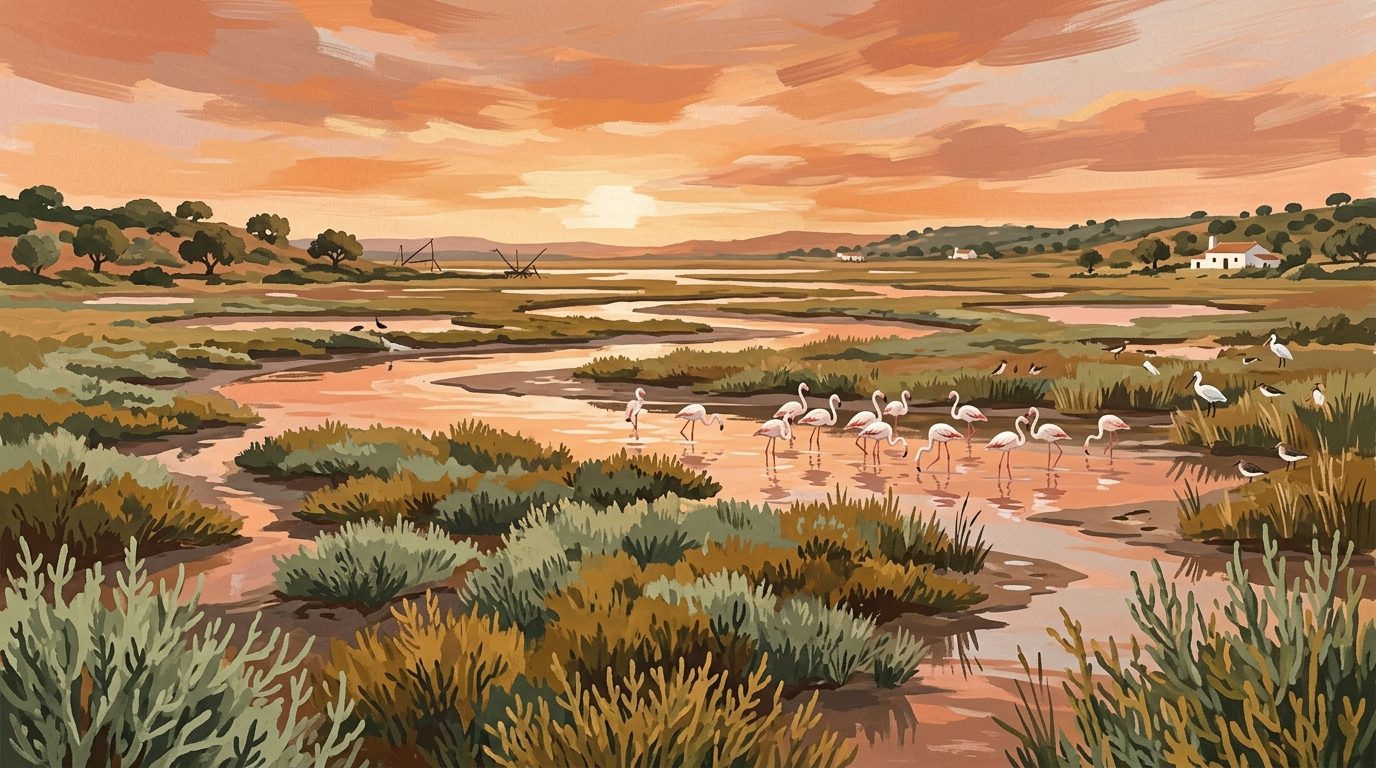
Odiel Marshes: Huelva's Overlooked Wetland
Discover the Marismas del Odiel, a tidal powerhouse in Huelva that hosts Europe's largest spoonbill colony and a spectacular array of flamingos and ospreys.
7 min read
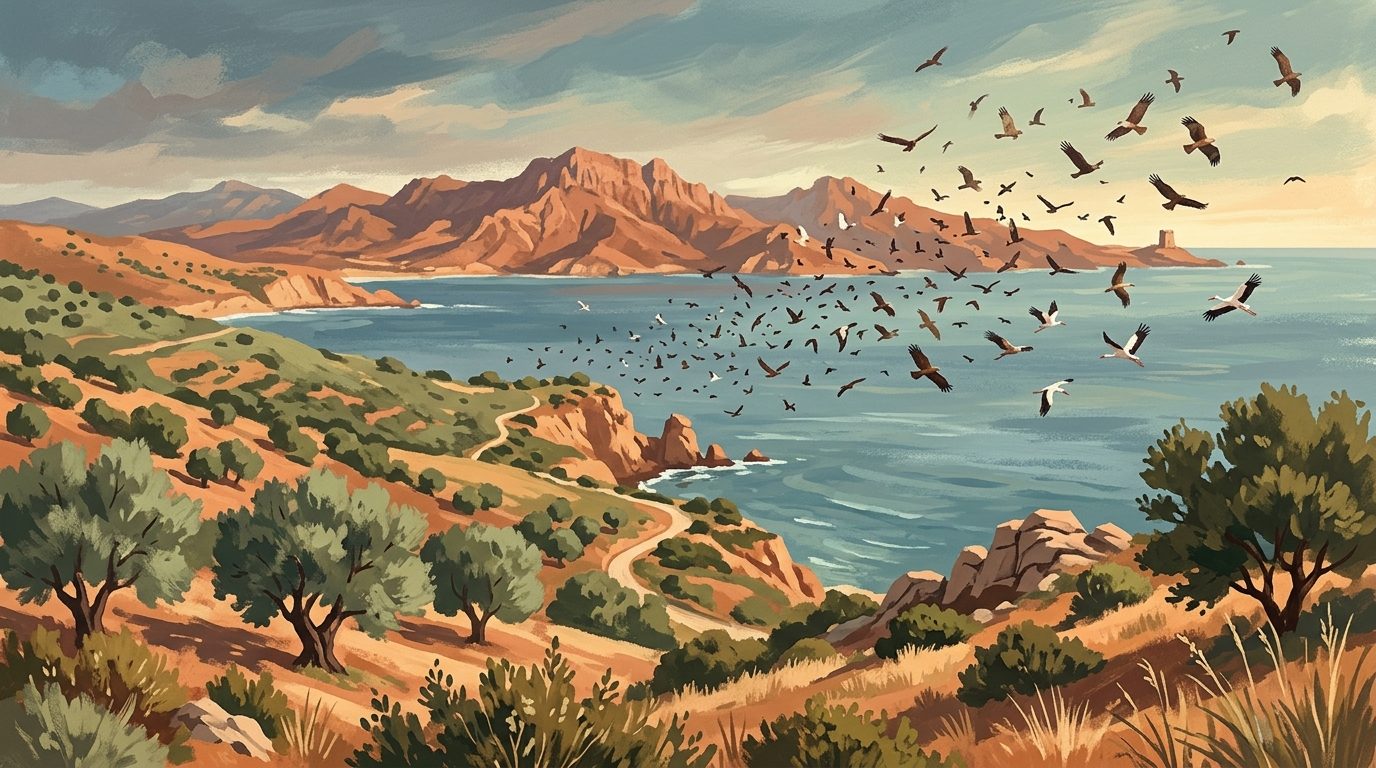
The Gibraltar Strait: Europe's Greatest Bird Migration
Discover the biological funnel where millions of raptors and storks cross between Europe and Africa, creating one of the world's most significant wildlife spectacles.
7 min read
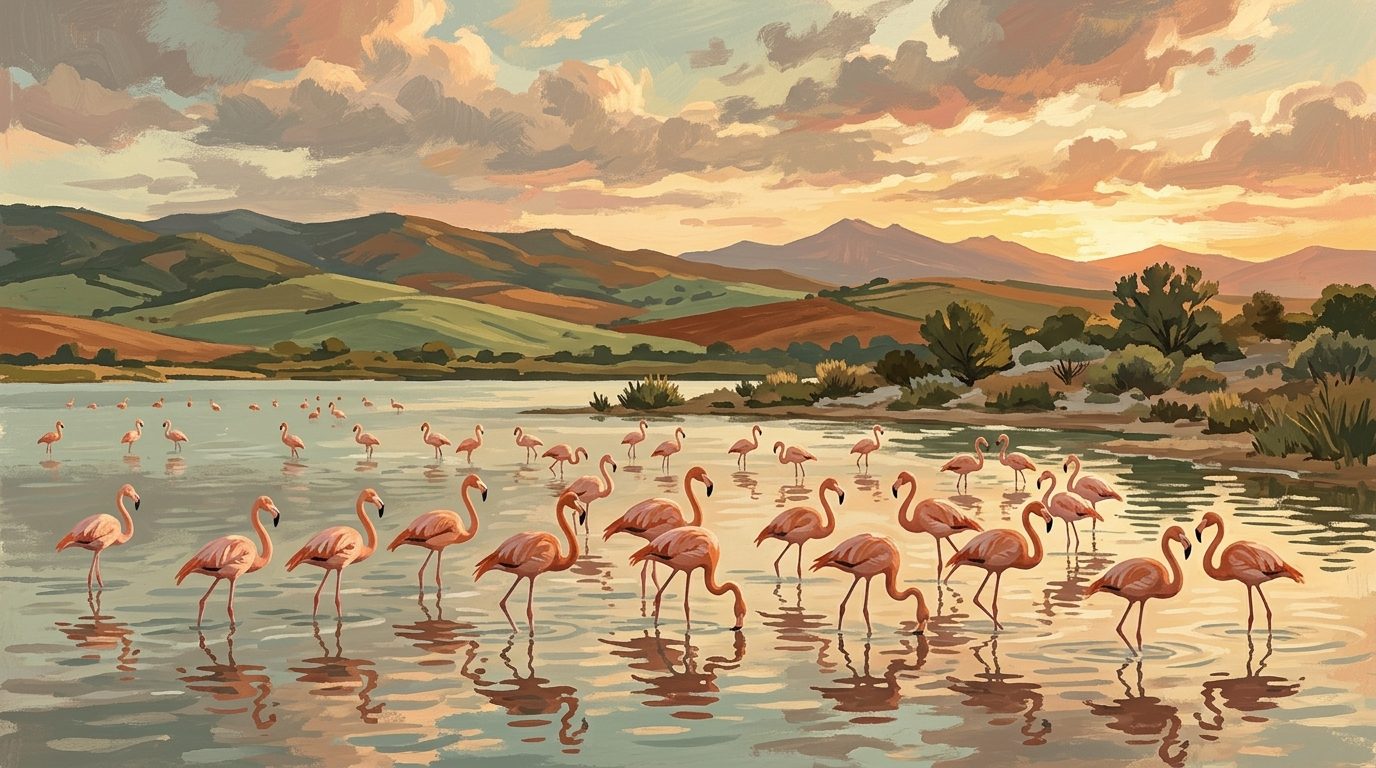
Fuente de Piedra: Andalucía's Flamingo Lake
Discover the vital breeding grounds of the Greater Flamingo at the Laguna de Fuente de Piedra, a hypersaline wetland in the heart of Málaga province.
7 min read
Newsletter
More stories from Andalucía
Weekly notes, seasonal picks, and the next guides worth bookmarking.