Attractions in Andalucía

The Alhambra, the Mezquita, flamenco tablaos, natural parks and prehistoric caves — every must-see across southern Spain.

3 attractions in Huelva

Espadaña Puerta del Castillo

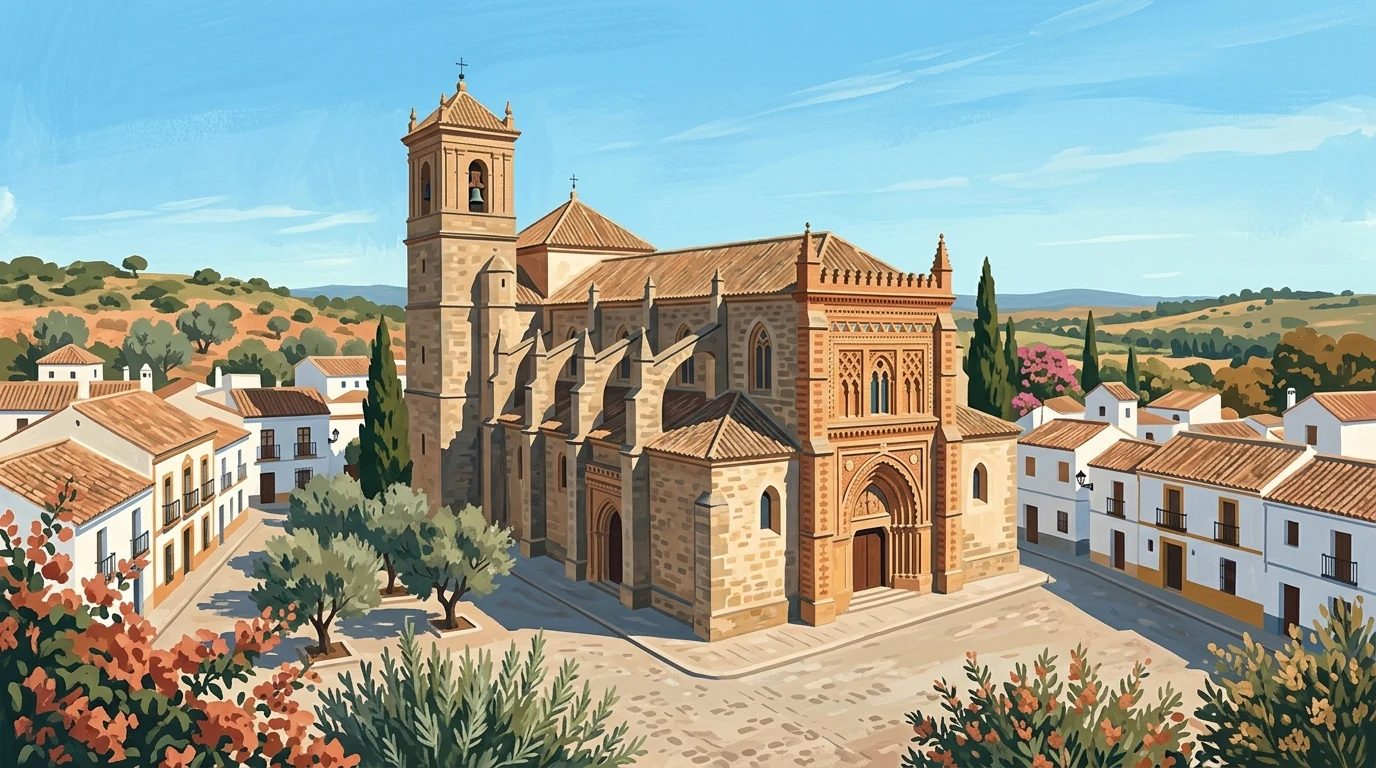
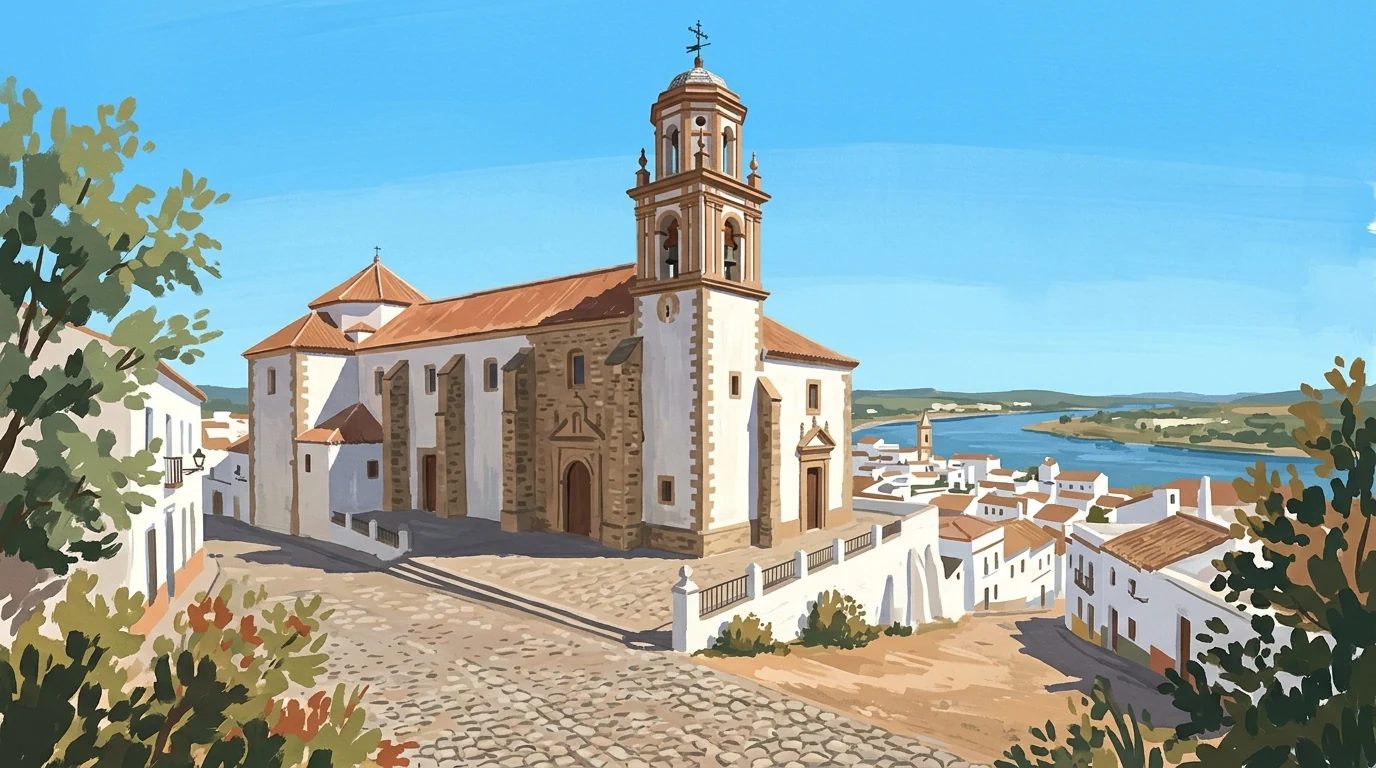
The Espadaña Puerta del Castillo stands as a significant landmark within the historic hilltop precinct of Aracena. This belfry, associated with the Castle-Church of Nuestra Señora del Mayor Dolor, represents the architectural convergence of defensive military structures and religious devotion. It matters because it is one of the most photographed spots in the Sierra de Aracena, offering a dramatic silhouette against the sky. It suits visitors who appreciate Almohad-influenced Mudéjar architecture and those who enjoy exploring the higher elevations of a town to understand its strategic past. Walking up to this point provides a sense of the Reconquista history that shaped the region, making it ideal for history enthusiasts and photographers looking for the perfect vantage point over the white-washed rooftops of the town below. When you approach the structure, the most striking feature is the intricate brickwork that defines its Mudéjar style. Look closely at the sebka decoration, which consists of a pattern of overlapping lozenges or diamond shapes that were common in Islamic architecture and later adopted by Christian builders. This specific belfry is detached from the main body of the church, acting as a standalone gateway and bell tower. You should pay attention to the transition between the solid stone base and the more ornamental brick sections above. The bells themselves are still used for local liturgical purposes, and seeing them framed by the blue Andalucían sky is a highlight. The textures of the aged lime mortar and the weathered clay bricks tell a story of centuries of exposure to the mountain air. Beyond the brickwork, the panoramic views from the base of the Espadaña are exceptional. From this height, you can trace the layout of the medieval town and see the modern expansion of Aracena stretching into the valley. If you visit during the late afternoon, the setting sun casts a warm glow over the red-tiled roofs, creating a peaceful atmosphere. It is also worth observing the relationship between the belfry and the nearby castle walls, as it illustrates how the town's religious identity was built upon its former military fortifications. The quietness of the hilltop provides a necessary contrast to the busier streets near the entrance to the Grotto of Marvels down in the valley. To reach the Espadaña Puerta del Castillo, you must climb the winding paths that lead up from the Plaza Alta in the historic centre of Aracena. The walk is steep but paved, and most visitors can reach the summit in about fifteen minutes from the town square. Access to the exterior of the tower and the surrounding church grounds is generally free, though there may be small fees if you wish to enter the interior of the Priory Church. You should plan to spend roughly forty-five minutes to an hour exploring the hilltop area, including the belfry and the adjacent castle ruins. Check the official website for current opening times and prices if you intend to join a guided tour of the castle fortifications. The best time to visit is during the early morning or late afternoon to avoid the midday heat, especially as the climb involves little shade. Sturdy walking shoes are recommended because the stone paths can be uneven and slippery in wet weather. If you are visiting in autumn, the surrounding chestnut forests of the Sierra de Aracena turn a deep gold, making the views from the tower particularly beautiful. Bring water with you, as facilities at the very top of the hill are limited compared to those in the town centre.

Mirador aracena
attraction

Mirador aracena

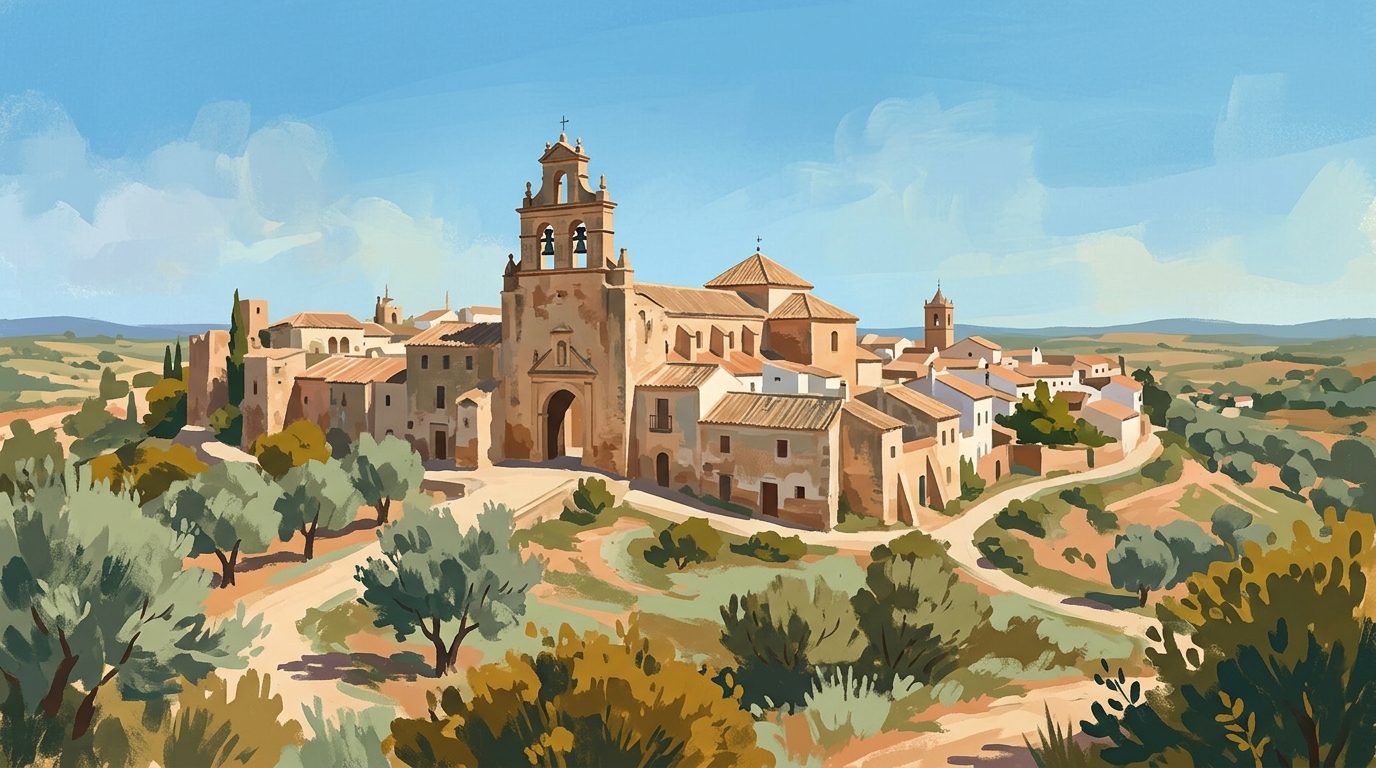
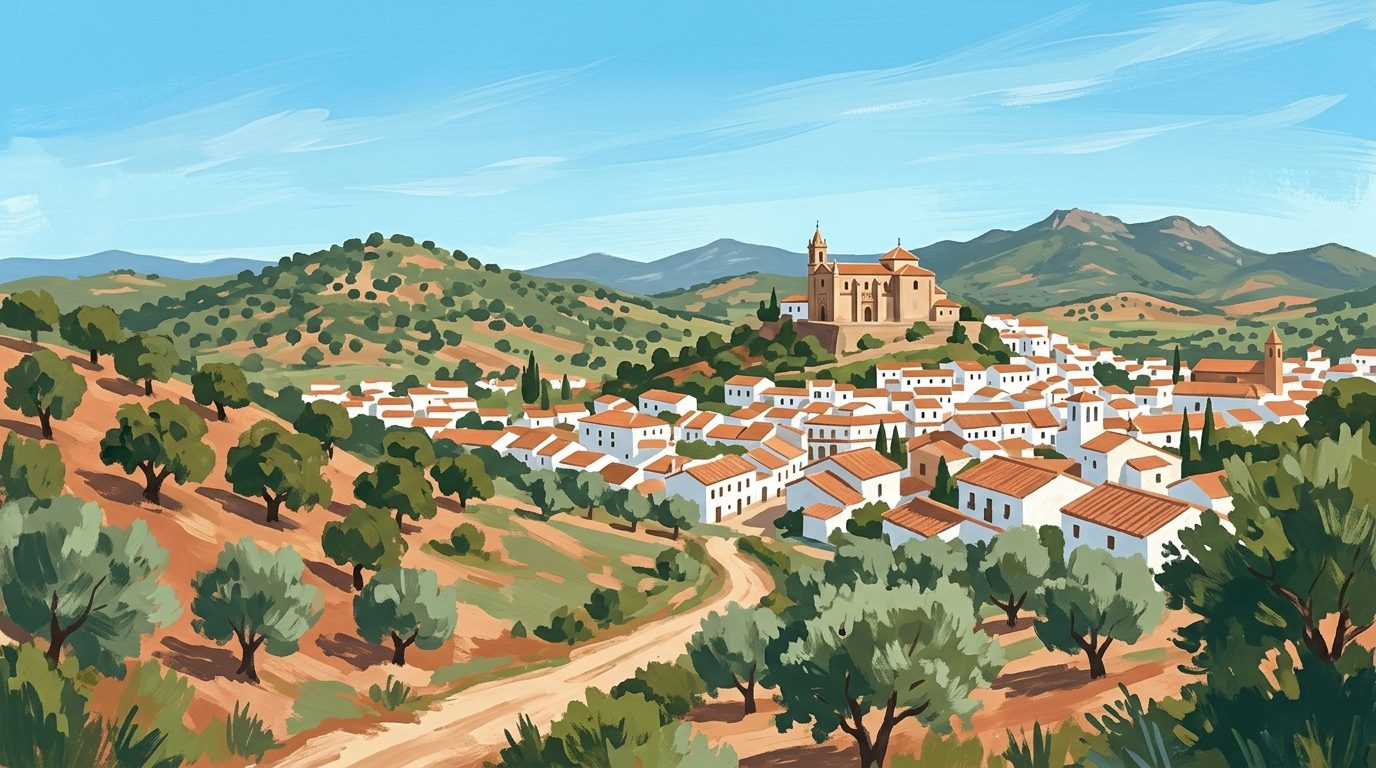
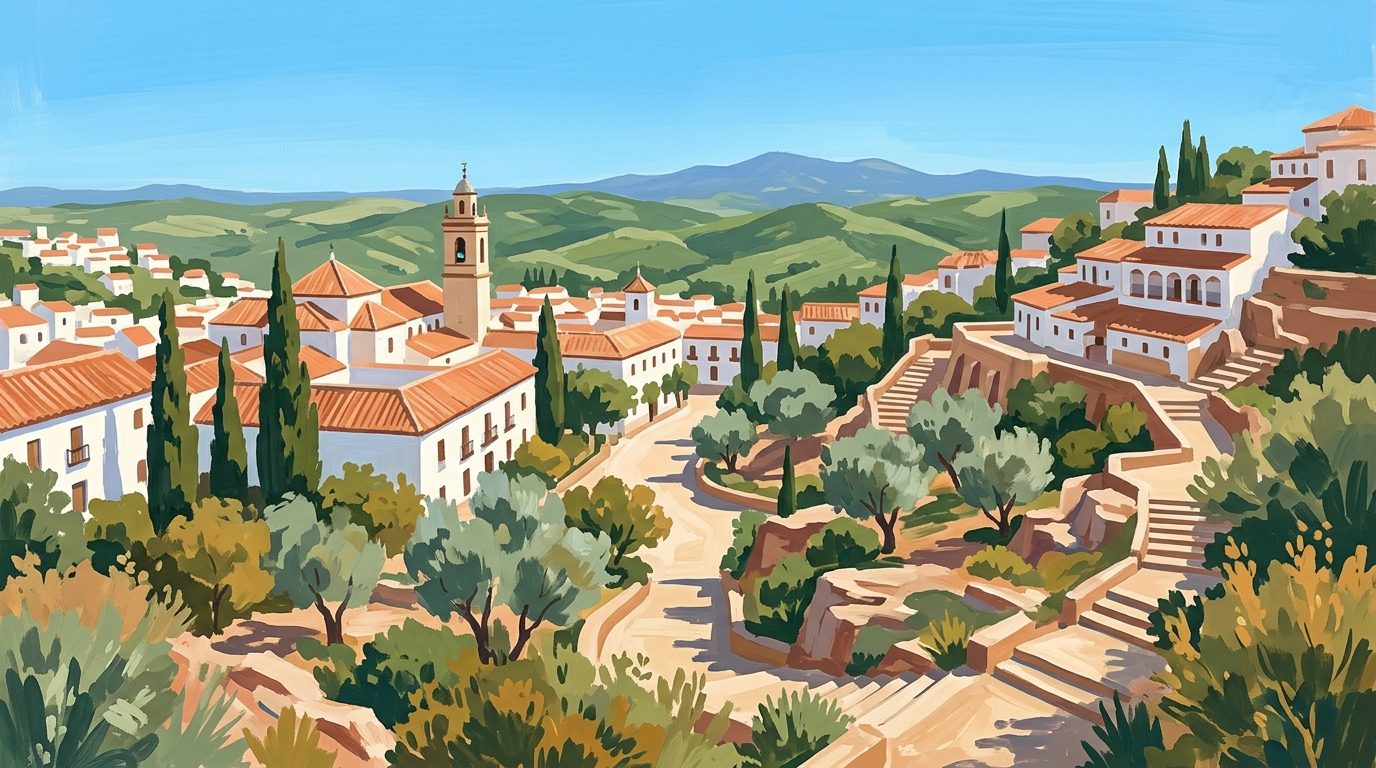
The Mirador de Aracena, situated at the highest point of the town near the mediaeval castle, offers a comprehensive perspective of the Sierra de Aracena y Picos de Aroche. It serves as an essential orientation point for anyone visiting this corner of Huelva, providing a visual summary of the region's white-washed architecture and dense holm oak forests. This spot is particularly suited to photographers, historians, and those who enjoy a gentle climb to appreciate the relationship between the town and its rugged natural surroundings. It is a place for quiet reflection where the scale of the northern Huelva landscape becomes immediately apparent to the observer. From this vantage point, the primary focus is the sweeping view across the terracotta rooftops of the town below, punctuated by the distinctive bell towers of local churches. To the north and west, the landscape transforms into a sea of green, dominated by the cork oaks and chestnut trees that define the local economy and gastronomy. Visitors should look for the remains of the thirteenth-century castle walls and the adjacent Priory Church of Nuestra Señora del Mayor Dolor, which stands as a sentinel over the valley. The contrast between the weathered stone of these ancient structures and the bright white facades of the domestic dwellings provides a clear visual history of the area's defensive and religious past. Beyond the immediate town views, the viewpoint allows you to trace the contours of the mountain range stretching towards the Portuguese border. It is worth timing your visit to observe the play of light across the dehesa, the traditional Mediterranean pastureland where Iberian pigs roam. If you look closely towards the horizon, you can identify the narrow, winding paths that connect Aracena to neighbouring villages like Los Marines or Linares de la Sierra. This experience offers a sense of the isolation and beauty that characterises this part of Andalucía, far removed from the more frequented coastal resorts of the south. To reach the viewpoint, you can follow the well-marked pedestrian path that climbs from the Plaza Alta. The walk takes approximately fifteen minutes from the town centre, though it requires a reasonable level of fitness due to the incline. Access to the general viewpoint areas is typically free, though entering the interior of the castle fortifications or the church may require a small fee or have specific visiting hours. Check the official website for current opening times and prices if you plan to enter the historic buildings. Most visitors find that forty-five minutes to an hour is sufficient to take in the views and explore the immediate vicinity of the hilltop. Late afternoon is arguably the best time to visit, as the setting sun casts a warm glow over the town and lengthens the shadows across the mountains. Wear sturdy walking shoes with good grip, as the stone paths can be slippery, especially after autumn rain. It is also wise to carry a light layer of clothing, as the wind often picks up at this elevation even during the summer months. To avoid the midday heat, aim for an early morning ascent when the air is crisp and the visibility is often at its clearest.

Parque Arias Montano

Parque Arias Montano serves as a central green lung for the town of Aracena, providing a shaded retreat that reflects the natural beauty of the Sierra de Aracena and Picos de Aroche Natural Park. Named after the sixteenth-century humanist and theologian Benito Arias Montano, who had close ties to this region, the park acts as a social hub for locals and a restful stop for travellers. It is particularly suited to those who want to experience the slower pace of life in Huelva's highlands or families looking for a safe space for children to play. The park combines landscaped gardens with the ruggedness of the surrounding mountains, offering a glimpse into the local flora and the town's historical connection to the land. One of the most striking features of the park is its rich collection of trees, including species typical of the dehesa landscape such as cork oaks and holm oaks. As you walk through the shaded paths, you will encounter various monuments and sculptures that pay tribute to historical figures and local traditions. The sound of running water is a constant companion here, with several traditional fountains providing a sense of coolness even during the warmer summer months. It is important to look out for the statue of Arias Montano himself, which stands as a reminder of the intellectual heritage of the area. The integration of regional stone in the low walls and benches gives the space a cohesive, natural feel that matches the architecture of the surrounding village. Beyond the central paths, the park offers several quiet corners for reading or enjoying a coffee from one of the nearby establishments. The children's playground is a popular spot for local families, making it an excellent place to observe the daily rhythms of Aracena life. If you walk towards the edges of the park, you can catch glimpses of the white-washed houses that climb the hillside towards the medieval castle. The park often serves as a venue for local festivals and markets, so visitors might find themselves encountering craft fairs or open-air concerts depending on the time of year. It provides a necessary contrast to the subterranean experience of the nearby Gruta de las Maravillas. Finding the park is straightforward as it is located on the Avenida de Andalucía, within easy walking distance of the town centre and the famous cave entrance. Entry to Parque Arias Montano is free of charge, and it remains open throughout the day, usually from early morning until late in the evening. Most visitors find that an hour is sufficient to stroll through the grounds and take in the main sights, though you might stay longer if you decide to stop for refreshments. Since it is a public space, you do not need to book ahead, but it is wise to check the official website for current opening times and prices regarding any specific seasonal events or changes to access during local holidays. The best time to visit is during the spring or autumn when the temperatures are mild and the foliage is at its most colourful. In the height of summer, the deep shade of the mature trees provides a welcome escape from the midday sun. I recommend wearing comfortable walking shoes as some of the paths are surfaced with traditional cobbles or gravel. For a complete morning out, combine your visit with a trip to the castle or the local ham museum to understand the full cultural context of the Sierra.