Attractions in Andalucía

The Alhambra, the Mezquita, flamenco tablaos, natural parks and prehistoric caves — every must-see across southern Spain.

14 attractions in Córdoba

Alcázar de los Reyes Cristianos

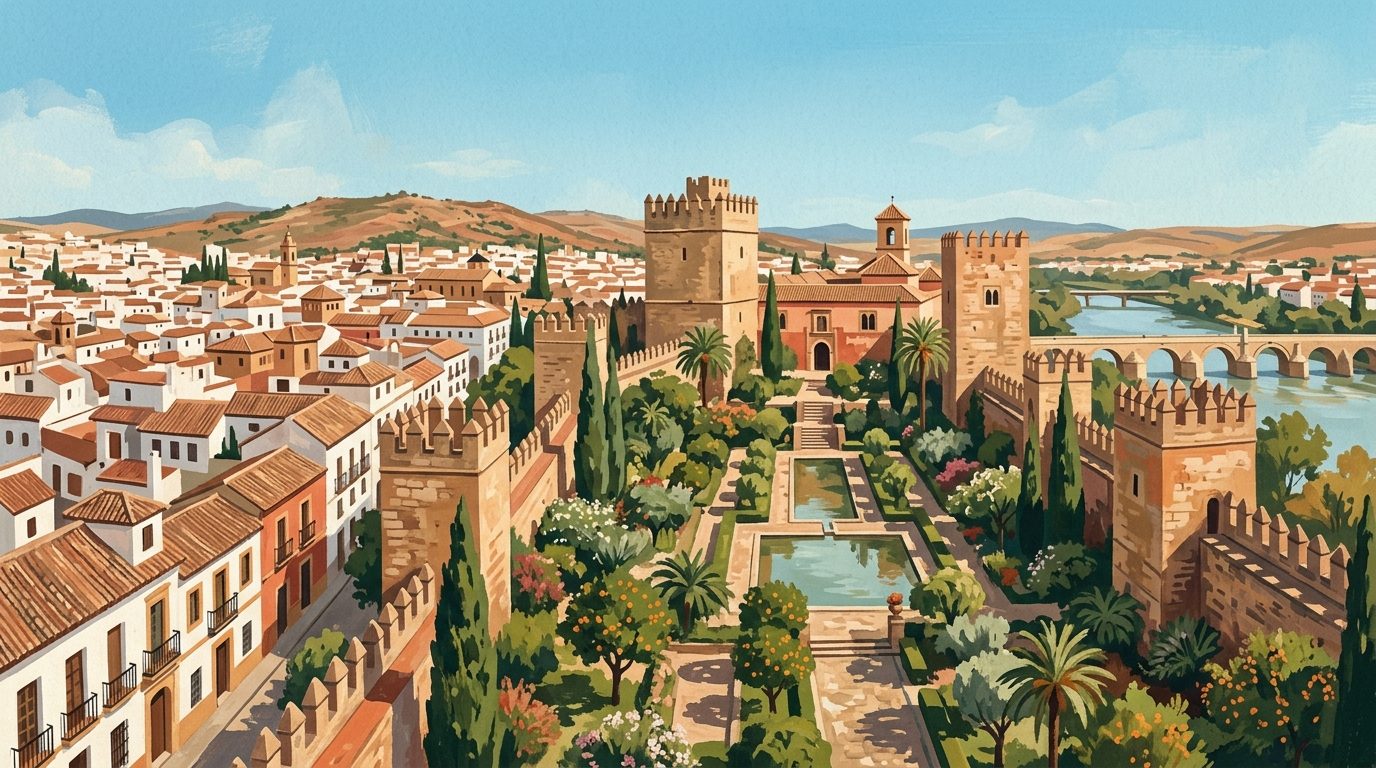
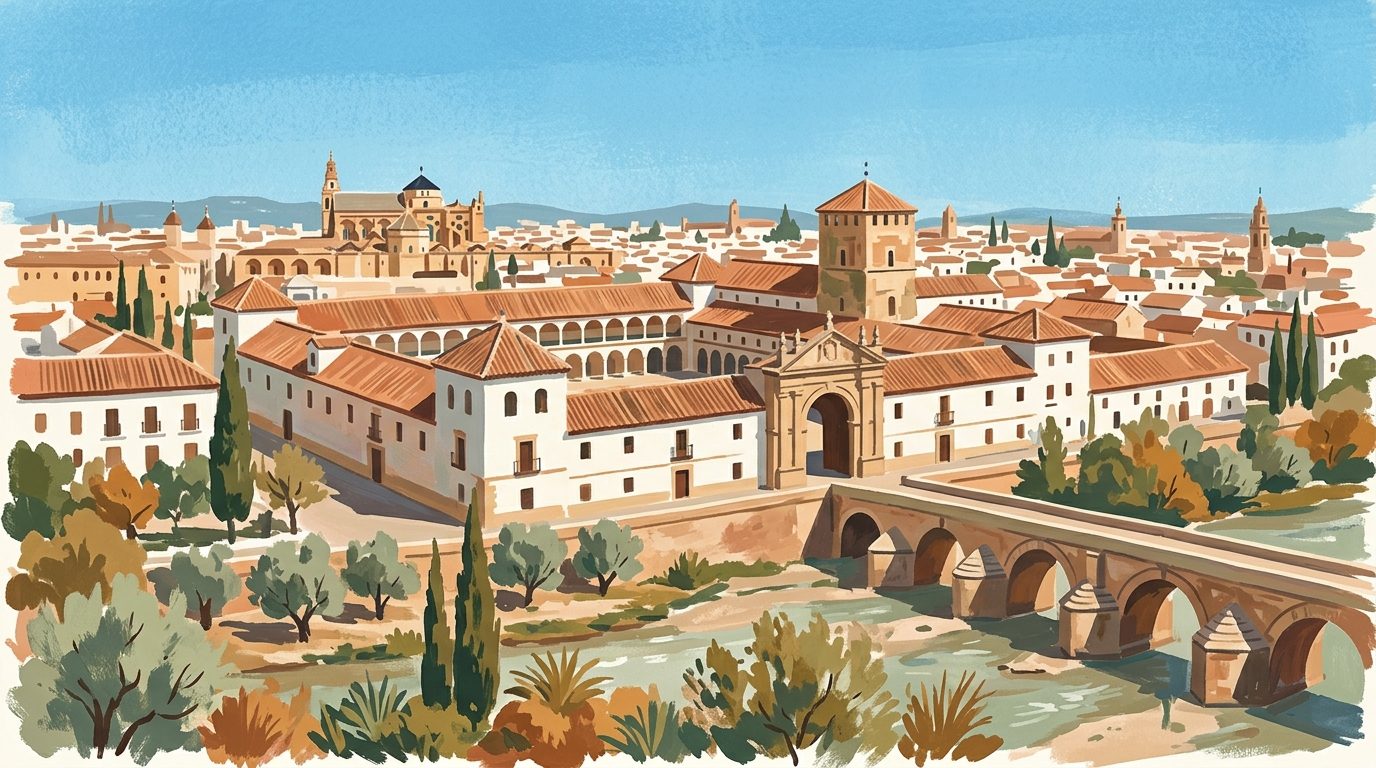
The Alcázar de los Reyes Cristianos stands as a formidable fortress and palace on the banks of the Guadalquivir River in Córdoba. It served as a primary residence for the Catholic Monarchs, Isabella and Ferdinand, for nearly a decade while they planned the final stages of the Reconquista. Its history is layered, having been built upon the remains of Roman and Visigothic structures before becoming a Moorish palace and later the headquarters of the Spanish Inquisition. It suits visitors fascinated by the transition between Islamic and Christian rule and those who enjoy exploring historical narratives through architecture. This site offers a more intimate and defensive atmosphere compared to the grand scale of the nearby Mosque-Cathedral. The architectural layout reflects its military origins through solid stone walls and four distinct towers. You should climb the Tower of the Lions to reach the ramparts, which offer expansive views across the river and the old city. Within the palace walls, the Hall of Mosaics contains a remarkable collection of Roman floor mosaics discovered beneath the Plaza de la Corredera, showcasing intricate mythological scenes. Below this hall, the Royal Baths are an impressive feature, built in the Mudéjar style with star-shaped skylights that filter soft light into the cool, vaulted rooms. These baths provide a quiet space to reflect on the private lives of the royalty who once resided here. Beyond the stone structures, the extensive gardens represent the most notable element of the estate. These tiered terraces are arranged around large rectangular pools and narrow water channels that create a tranquil atmosphere. Statues of the Catholic Monarchs, including one depicting their meeting with Christopher Columbus, are placed among the cypress, orange, and lemon trees. Walking through these gardens allows you to appreciate the sophisticated irrigation systems inherited from the Moorish era. The balance of aromatic plants and symmetrical water features makes the outdoor space a central part of the experience rather than a mere backdrop. The entrance is located on Calle Caballerizas Reales, making it easy to reach on foot from the Roman Bridge or the Judería. You should check the official website for current opening times and prices, as these change according to the season. It is advisable to book tickets in advance to secure a specific entry slot, particularly during the busy spring and autumn months. Most visitors find that ninety minutes to two hours is sufficient to see the Roman mosaics, climb the towers, and walk through the entirety of the garden terraces. To escape the peak temperatures and the largest tour groups, aim to arrive for the first entry slot of the day. The early morning light is especially flattering for the garden views and the stone textures of the towers. Wear sensible shoes with plenty of grip, as the narrow staircases within the towers can be slippery and steep. If your visit falls in the height of summer, prioritise the gardens early before the sun becomes too intense.

Baños del Alcázar Califal

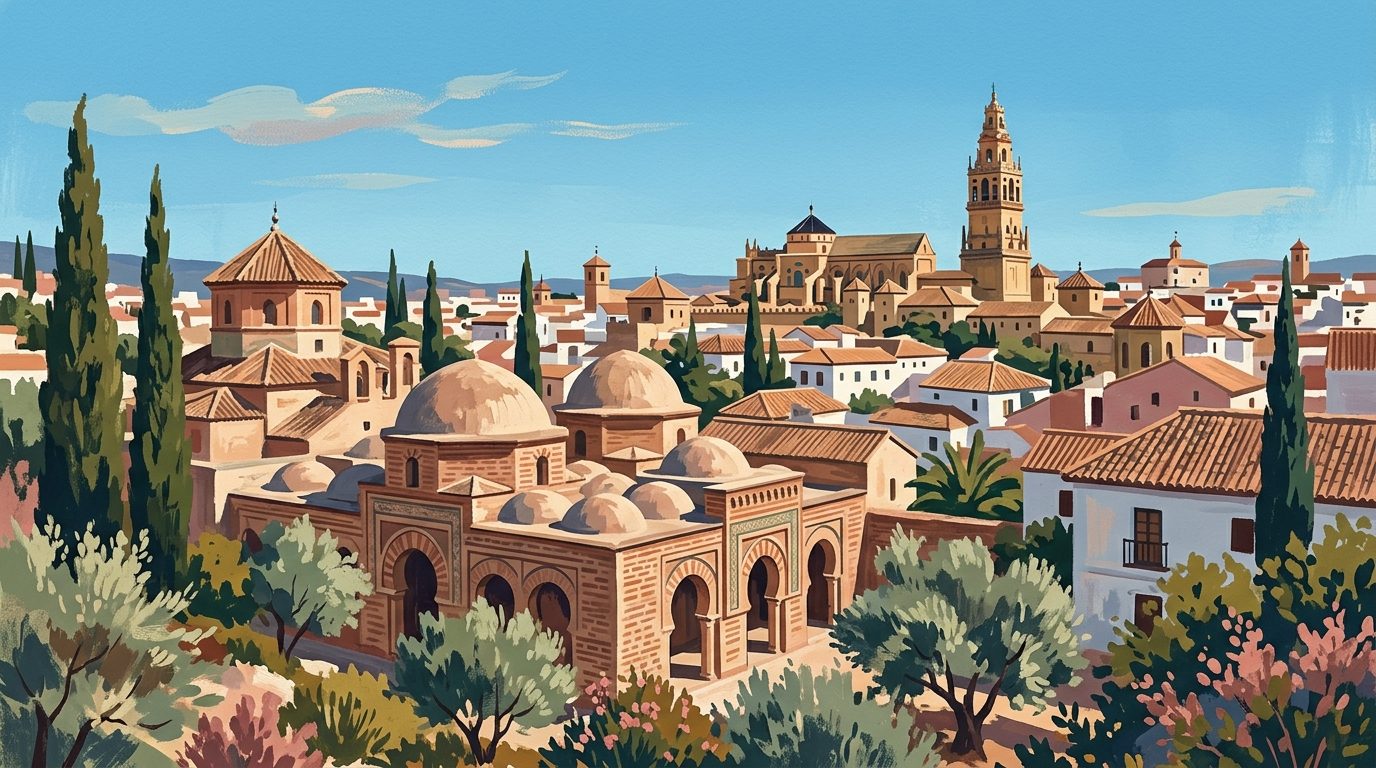
The Baños del Alcázar Califal, or Caliphal Baths, represent the most significant remains of the civil architecture of the Umayyad Caliphate in Córdoba. Situated near the Alcázar de los Reyes Cristianos, these tenth-century hammams were an integral part of the royal palace complex. They served as essential spaces for hygiene, social interaction, and political discourse among the caliphate's elite. This site is particularly suited for history enthusiasts and those who wish to understand the sophisticated urban life of Al-Andalus beyond the grand scale of the Mosque-Cathedral. It provides a quiet, subterranean look at the private lives of the caliphs, focusing on the refined engineering and cultural rituals of the Islamic Golden Age. The site is divided into several chambers that follow the traditional Roman bath layout adapted for Islamic use. You begin in the changing room before moving through the cold, warm, and hot rooms. Look closely at the ceiling to see the star-shaped skylights, known as lucernas, which provided both ventilation and a soft, dappled light that would have reflected off the marble floors and tiled walls. The horseshoe arches supported by reused Roman and Visigothic columns are architectural highlights, demonstrating how the Caliphate integrated previous cultures into their own aesthetic. In the hot room, or caldarium, you can observe the remains of the hypocaust system, the underfloor heating mechanism that circulated steam to maintain the high temperatures required for the bath. Beyond the medieval structures, the museum includes later additions from the Almohad and Almoravid periods, showing how the baths were extended and modified over the centuries. A particularly interesting feature is the reception hall, which would have been decorated with intricate stucco work and served as a place for the caliph to receive guests in a relaxed environment. The interpretation centre at the entrance provides a short audiovisual presentation that reconstructs the baths in their prime, helping visitors visualise the original marble cladding and the complex water delivery systems that are now stripped back to their bare stone foundations. The baths are located on the Plaza Campo Santo de los Mártires, directly across from the entrance to the Alcázar de los Reyes Cristianos and a short walk from the Mezquita. This central location makes them easy to include in a walking tour of the historic quarter. You should allow approximately forty-five minutes to an hour for a thorough visit. Tickets are reasonably priced and can often be purchased at the door, though you should check the official website for current opening times and prices as these vary between the summer and winter seasons. The site is generally open Tuesday through Sunday, closing on Mondays. To avoid the largest crowds, try to visit during the mid-morning or late afternoon, as the site is relatively small and can feel cramped when large tour groups arrive simultaneously. Because the baths are located underground, they offer a cool retreat from the intense heat of a Córdoba summer afternoon. Wear sensible shoes as the floors are uneven in places, and be sure to watch your head in some of the lower arched doorways.

Bodegas Cruz Conde

Located in Montilla, within the province of Córdoba, Bodegas Cruz Conde is an essential stop for anyone interested in the Montilla-Moriles wine region. Founded in 1902 by Rafael Cruz Conde, this winery represents over a century of viticultural tradition in southern Spain. It is particularly well-suited for enthusiasts of fortified wines and spirits who want to understand the unique crianza system used in this part of Andalucía. Unlike many industrial operations, this bodega maintains an air of historical gravity, making it a compelling destination for those who appreciate architecture, local heritage, and the slow maturation process of fine Pedro Ximénez grapes. One of the most striking features of the complex is its subterranean cellar, often referred to as the El Sótano. Walking through these cool, darkened aisles, you will notice rows upon rows of American oak barrels stacked in the traditional solera and criaderas system. Pay close attention to the scale of the arches and the way the temperature drops naturally, providing the perfect microclimate for the wine to age. The bodega is also famous for its production of brandy and aniseed liqueurs, so keep an eye out for the historic distilling equipment. The architecture itself reflects a blend of industrial utility and classic Andalusian aesthetics, with whitewashed walls and heavy wooden beams that have seen generations of winemakers pass through. Beyond the rows of wine barrels, visitors should seek out the dedicated space for their famous vermouth and high-quality brandies. The tasting experience is where the history truly comes to life, allowing you to sample the range from dry Finos to the incredibly rich, dark, and sweet Pedro Ximénez. Tasting the wine in the very environment where it has matured for decades adds a layer of depth that a standard restaurant setting cannot provide. Ensure you take a moment to look at the vintage labels and bottling machinery on display, which offer a window into how the brand and its techniques have evolved since the early twentieth century. Reaching the winery is straightforward if you are based in Córdoba, as Montilla is roughly a forty-minute drive south via the A-45 motorway. Public transport options include regular bus services from Córdoba bus station, though a car provides more flexibility for exploring the surrounding countryside. Visitors should allow approximately ninety minutes for a full guided tour and tasting. It is essential to book your visit in advance through their website or by telephone, as they often host private events or professional tours. Check the official website for current opening times and prices, as these can vary depending on the season and the type of tasting package you choose. The most atmospheric time to visit is during the autumn months when the heat of the Andalusian summer has faded but the local harvest spirit is still in the air. Wear a light jacket or jumper even in summer, as the underground cellars remain significantly cooler than the outdoors. To make the most of your trip, consider pairing your visit with a lunch in Montilla town centre to try local dishes that complement the wines you have just sampled.

Caballerizas Reales

The Royal Stables of Córdoba represent the birthplace of the Pure Spanish Horse, also known as the Andalusian horse. Established by King Philip II in 1570 on a site formerly occupied by the Caliphate's stables, this monument is a cornerstone of Spanish equestrian history. It is situated adjacent to the Alcázar de los Reyes Cristianos and served as the royal stud where the breed was meticulously refined for the Spanish crown. This attraction appeals to history enthusiasts, architecture lovers, and anyone with an interest in equestrian culture. The building itself is a masterpiece of functional architecture, designed to reflect the prestige of the monarchy through the nobility of its animals. It offers a unique connection to the heritage of a city where horse breeding was once central to imperial power. The central courtyard provides an immediate sense of the scale and grandeur of the facility. You should pay particular attention to the Main Stable, which features a vaulted ceiling supported by sturdy sandstone columns. This area remains the heart of the complex and maintains an atmosphere of quiet dignity. The architecture reflects the transition from the Renaissance to the Baroque style, with a clear focus on symmetry and durability. Beyond the stables, the riding school and the arena are central to the experience. Visitors can observe the horses in their stalls or being prepared for training sessions. The intricate ironwork and the historical layout have been preserved carefully, allowing you to see how the space functioned centuries ago as a premier breeding and training facility. A highlight of many visits is the equestrian performance titled Passion and Spirit of the Andalusian Horse. This show combines traditional dressage and flamenco to demonstrate the agility and intelligence of the breed. It is worth checking the schedule in advance to align your visit with one of these evening performances. Watching the riders in traditional costume executing complex movements provides a living link to the historical training methods developed on these very grounds. Even if you do not attend a show, walking through the collection of historical carriages offers a fascinating look at how these animals were integral to social and political life in previous centuries. Located at Calle Caballerizas Reales 1, the stables are easily reached on foot from the Mosque-Cathedral or the Jewish Quarter. Most visitors spend between forty-five minutes and an hour exploring the grounds, though this increases if you attend a performance. Tickets can be purchased at the entrance or via the official website, which you should consult for the most accurate opening times and pricing structures. The complex usually opens in the morning for general visits and reopens later for evening shows. It is a central part of any tour of the San Basilio or Alcázar area, making it a convenient stop during a day spent in the historic centre of Córdoba. To avoid the most intense heat and the largest crowds, try to visit during the morning or late afternoon. If you plan to see the horse show, booking your seat in advance is recommended, especially during the spring festivals when the city is particularly busy. Wear comfortable walking shoes as the stone floors can be uneven. Photography is generally allowed in the outdoor areas and the main stables, but ensure you follow any specific instructions regarding flash during training sessions to avoid startling the horses.

Casa del Inca Garcilaso

The Casa del Inca Garcilaso is a significant historical residence located in the town of Montilla, approximately forty kilometres south of Cordoba. This sixteenth-century manor house was the home of Gomez Suarez de Figueroa, better known as Inca Garcilaso de la Vega, for thirty years of his life. As the son of a Spanish conquistador and an Inca princess, he is celebrated as the first mestizo author in the Americas to be published in Europe. This site is particularly well-suited for those interested in the complex intersection of Spanish and Indigenous American history, as well as literature enthusiasts who wish to walk through the rooms where one of the most important chronicles of the conquest was written. The house serves as a bridge between two worlds, offering a quiet, scholarly atmosphere that reflects the intellectual pursuits of its most famous resident. Inside the building, visitors will find a beautifully preserved example of Renaissance civil architecture. The central courtyard is the heart of the house, featuring traditional columns and a sense of serenity that characterises many aristocratic dwellings of the period. One of the most important areas to explore is the library, which contains an extensive collection of works related to the life and era of the Inca Garcilaso, including research into his literary output such as The Florida of the Inca and Royal Commentaries of the Incas. You should also pay close attention to the wine cellar, or bodega, which is a common feature in Montilla houses. Here, the barrels and the cool, shadowed space offer a glimpse into the agricultural traditions that have sustained this region for centuries, long before the house became a museum. Beyond the main rooms, the museum displays a variety of artefacts that illustrate daily life during the sixteenth and seventeenth centuries. The study is especially evocative, as it is designed to recreate the environment in which Garcilaso de la Vega translated the Dialogues of Love and drafted his historical accounts. The walls are adorned with portraits and maps that trace his journey from Cuzco to the Iberian Peninsula. It is worth spending time in the upper rooms to see the temporary exhibitions that often focus on the linguistic connections between Spain and Peru. The integration of the local tourist office within the building makes it an excellent starting point for understanding the wider heritage of Montilla. To reach the Casa del Inca Garcilaso, you can take a bus or train from Cordoba city centre to Montilla, which is a journey of around forty-five minutes. Once in the town, the house is situated on Calle Capitan Alonso de Vargas, a short walk from the central plaza. Most visitors find that ninety minutes is sufficient to see the exhibits and appreciate the architecture. Check the official website for current opening times and prices, as the house sometimes closes during the early afternoon for the traditional siesta. The entrance fee is generally modest, making it an accessible addition to a day trip through the Cordoban countryside. The best time to visit Montilla is during the spring or autumn months when the temperatures are mild enough for exploring the town on foot. To make the most of your trip, consider pairing your visit with a tour of a nearby Montilla-Moriles winery to understand the full context of the region’s culture. It is wise to arrive early in the morning to enjoy the quietest conditions before any small groups arrive and to avoid the strongest heat of the day.

Córdoba Synagogue

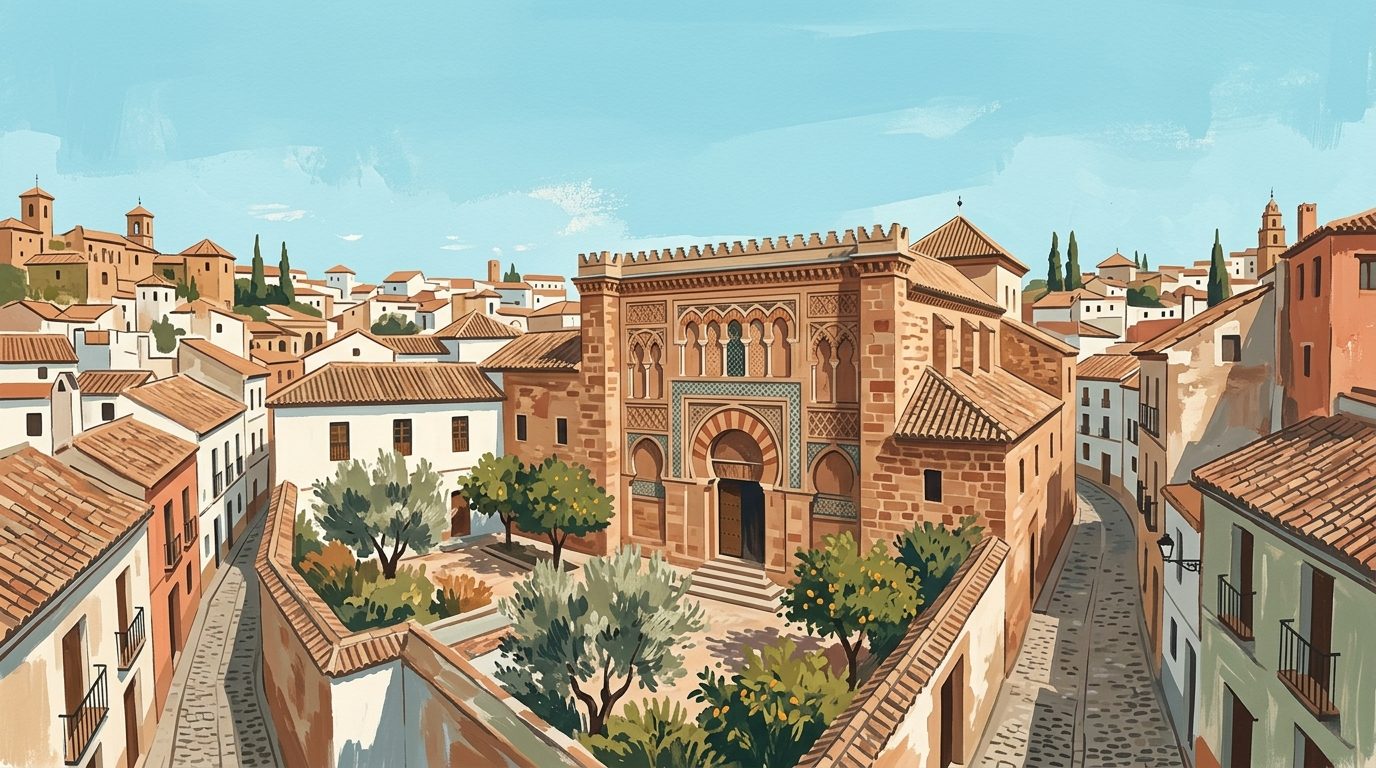
Located in the historic Jewish Quarter of Córdoba, this building is a unique survivor of the city's medieval past. Completed in 1315, it stands as one of the few authentic synagogues remaining in Spain from the period before the expulsion of the Jewish population in 1492. It is an essential stop for anyone interested in the Sephardic heritage of Andalucía or the intricate Mudéjar architecture that defines so much of the region. Though small in scale, the site offers a profound sense of history and provides a quiet space for reflection away from the larger crowds found at the nearby Mosque-Cathedral. Upon entering through the small courtyard, visitors find themselves in a square prayer hall that showcases exceptional examples of Mudéjar plasterwork. The walls are decorated with intricate geometric and floral patterns, known as yesería, which reflect the artistic exchange between Jewish and Muslim cultures during the Middle Ages. You should pay close attention to the Hebrew inscriptions that adorn the upper parts of the walls, featuring excerpts from the Psalms. On the eastern wall, there is a small niche where the Torah scrolls were once kept, still clearly visible despite the centuries of change. The upper level contains the women's gallery, which overlooks the main hall through arched windows, offering a glimpse into the traditional layout of the space. One of the most fascinating aspects of the building is its layers of history. After its use as a place of Jewish worship ended, it served as a hospital, a chapel for the shoemakers' guild, and even a nursery school. These changes in function helped preserve the core structure until its rediscovery in the nineteenth century. Look for the remnants of Christian paintings that were added during its time as a chapel, which provide a visual record of how the building was adapted over time. The intimate atmosphere of the interior makes it easy to appreciate the craftsmanship of the fourteenth-century builders who used brick and stone to create such a lasting monument. Finding the synagogue is straightforward as it is situated on Calle Judíos, a short walk from the Puerta de Almodóvar and the Zoco Municipal. It is centrally located within the pedestrianised streets of the old city, making it a natural addition to a walking tour of the area. Check the official website for current opening times and prices, though entry is often free for citizens of the European Union. Most visitors find that twenty to thirty minutes is sufficient to see the interior and read the informative panels provided on-site. The site is generally closed on Mondays, so plan your itinerary accordingly to ensure you do not miss it. To enjoy a more peaceful experience, try to arrive shortly after the doors open in the morning or during the mid-afternoon lull when many people are at lunch. Combining a visit here with the Casa de Sefarad directly across the street will provide a deeper context for the Jewish history of Córdoba. Wear comfortable walking shoes as the surrounding streets are paved with traditional cobbles that can be uneven, and keep a map handy as the narrow lanes of the Judería can be confusing for first-time visitors.

Mosque-Cathedral Monumental Site of Córdoba

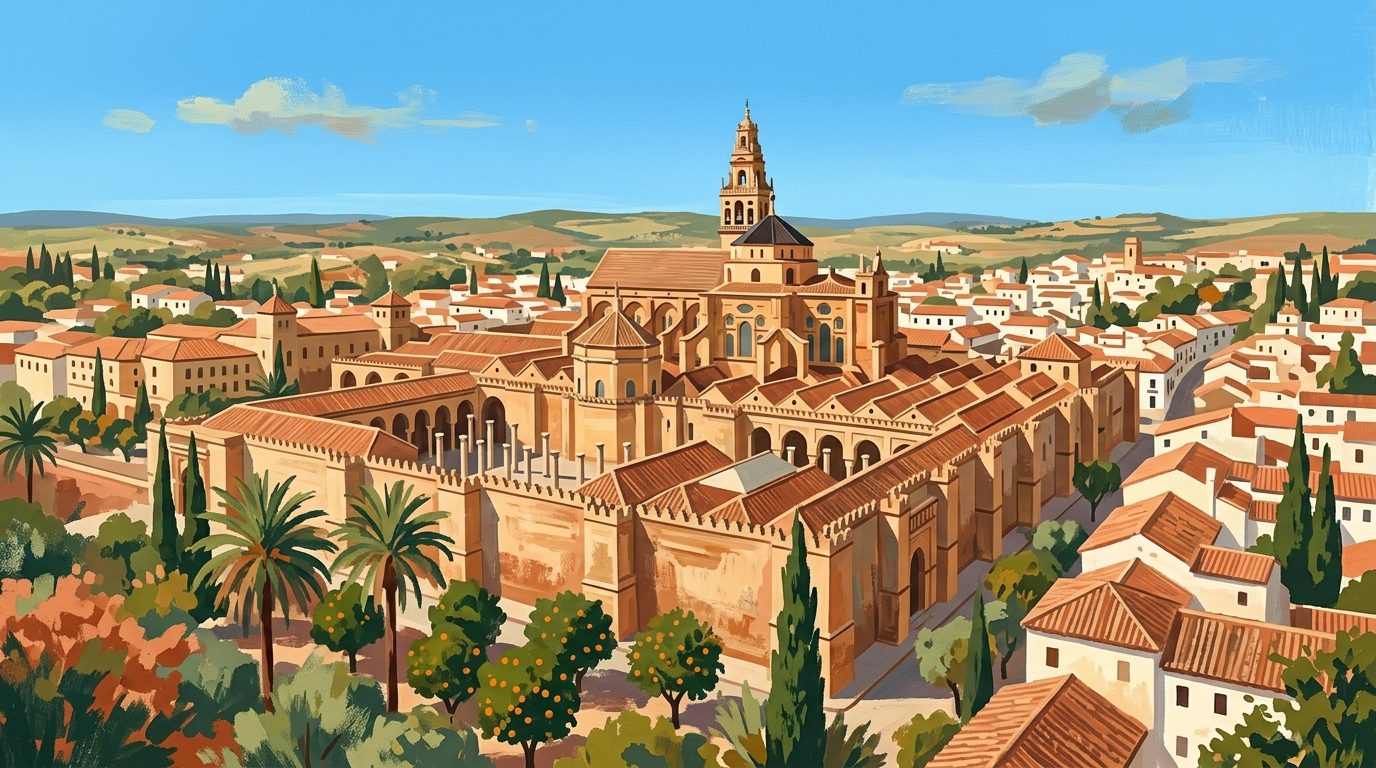
The Mosque-Cathedral of Córdoba represents one of the most significant architectural hybrids in the world, tracing the religious and political shifts of Spain through the centuries. Originally a Visigothic church, it was transformed into a grand mosque during the Umayyad Caliphate before being converted into a Christian cathedral after the Reconquista. This site is essential for anyone interested in history, religious art, or the complex cultural legacy of Al-Andalus. It suits travellers who appreciate the physical layering of different eras, where Islamic horse-shoe arches meet Renaissance choir stalls. Its scale and aesthetic complexity make it a priority for those who want to understand the unique historical identity of Andalucía and the overlapping faiths that have shaped its landscape. The most striking feature upon entering is the vast prayer hall, defined by an endless forest of double-tiered arches. These columns, made of jasper, onyx, marble, and granite, were often recycled from Roman and Visigothic ruins. Look specifically for the Mihrab, the prayer niche that faces south rather than towards Mecca, which is decorated with exquisite Byzantine mosaics gifted by the Emperor of Constantinople. The intricate gold and glass work here creates a luminous focal point that contrasts with the surrounding shadows. Above the central space, the Christian cathedral nave rises sharply from the middle of the mosque. The transition from the Islamic geometric precision to the ornate Baroque and Renaissance details of the High Altar provides a visual history of the city evolving faith and power structures. Step outside the main building into the Patio de los Naranjos, or Court of the Oranges. This tranquil courtyard, filled with rows of orange trees and fountains, served as the traditional space for ritual ablutions before prayer. It remains a peaceful place to reflect before or after entering the monument. You should also consider climbing the Bell Tower, which was originally the minaret of the mosque. From the top, you gain a panoramic view across the city, the Roman Bridge, and the winding streets of the Jewish Quarter. Inside the cathedral section, the mahogany choir stalls are a masterpiece of eighteenth-century woodcarving that deserve close inspection for their detailed biblical scenes. The monument is located in the heart of the historic centre, easily reached on foot from most central accommodation. If arriving by train, local buses and taxis run frequently from the station to the vicinity of the Mezquita. You should allow at least two hours for a thorough visit, though those with a keen interest in art history may wish for longer. Tickets can be purchased online in advance, which is highly recommended to ensure entry during busy periods. Check the official website for current opening times and prices, as these can vary for religious holidays and special evening tours. Entrance to the bell tower requires a separate ticket and has specific time slots. To experience the building at its most atmospheric, arrive early in the morning when the light first filters through the high windows. If you prefer a quieter atmosphere, the first hour of opening often sees fewer crowds. Dress respectfully, as this remains an active place of worship. Avoid the midday heat of summer by planning your visit for the cooler morning hours, and remember that photography is permitted but tripods are generally restricted.

Museo Garnelo
attraction

Museo Garnelo

The Museo Garnelo, located in the town of Montilla within the province of Córdoba, is dedicated to the life and work of José Santiago Garnelo y Alda. Born in the mid-nineteenth century, Garnelo became one of the most respected academic painters of his era, serving as a deputy director at the Prado Museum and a teacher to the young Pablo Picasso. This museum is an essential stop for visitors who appreciate fine art and want to understand the transition between classical academicism and the early stages of modern Spanish painting. It is housed in the Casa de las Aguas, a restored neoclassical mansion that provides a sophisticated backdrop for his expansive body of work. Art enthusiasts will find a comprehensive collection that reflects the technical mastery and intellectual depth of an artist who was celebrated across Europe during his lifetime. The collection is spread across several rooms, showcasing Garnelo’s versatility in various genres including historical scenes, religious compositions, and intimate portraits. One of the most significant pieces is Lourdes, a large-scale work that demonstrates his ability to handle complex lighting and crowd dynamics. You should also look for his preparatory sketches and smaller studies, which offer a glimpse into his creative process and his meticulous attention to anatomical detail. His mastery of the human form is particularly evident in his mythological and historical paintings, such as the dramatic depictions of classical figures. The museum does an excellent job of categorising his output, allowing you to follow his development from a gifted student at the San Fernando Royal Academy to a seasoned master of international renown. Beyond the individual canvases, the museum experience is enhanced by the setting of the Casa de las Aguas. This building also houses the Manuel Ruiz Luque Library, which contains an extraordinary collection of rare books and manuscripts. In the Garnelo galleries, pay close attention to the portraits of his family members and the Spanish aristocracy, where his brushwork often becomes more relaxed and expressive compared to his formal commissions. The interplay of light in his landscape studies also reveals a more personal side of his artistry. Taking the time to explore these quieter corners of the museum helps to round out the portrait of a man who was deeply integrated into the cultural and intellectual life of Spain at the turn of the century. Reaching Montilla is straightforward from Córdoba, with the journey taking roughly forty minutes by car or an hour by local bus services. The museum is situated on the Plaza de la Cultura in the heart of the town. You should allow approximately ninety minutes to two hours to view the collection comfortably and explore the building. The museum generally operates with morning and late afternoon sessions, often closing during the middle of the day in accordance with local customs. Admission fees are modest, but it is advisable to check the official website for current opening times and prices before your visit to ensure the galleries are not closed for private events or seasonal changes. The most pleasant time to visit Montilla is during the spring or autumn when the temperatures are mild enough to enjoy a walk through the town. To make the most of your trip, consider pairing a morning at the museum with an afternoon visit to one of the local Montilla-Moriles wineries. Photography is generally restricted in certain areas, so always look for signage or ask the staff before taking pictures of the artworks.

Museo Histórico Local de Montilla

The Local Historical Museum of Montilla, situated in the heart of the Campiña Sur cordobesa, serves as a gateway to the region’s long and layered past. Housed within the former granary of the Dukes of Medinaceli, this museum provides an essential context for anyone interested in the transition from prehistoric settlements to the Roman period and eventually the mediaeval lordship of the area. It is particularly suited for curious travellers who want to look beyond the town’s famous wine heritage and understand the archaeological foundations that shaped its identity. The collection is thoughtfully arranged to guide you through the various civilisations that have left their mark on these fertile lands, offering a quiet and scholarly retreat from the sun-drenched streets outside. One of the most significant sections of the museum focuses on the Roman era, which defines much of the local archaeological record. You should pay close attention to the impressive collection of funerary steles and the remarkable ceramic pieces recovered from nearby excavations. The Roman oil lamps and everyday household items provide a tangible connection to the lives of people who lived here two millennia ago. Another standout is the Iberian collection, featuring votive offerings and stone sculptures that demonstrate the artistic and religious sophistication of the pre-Roman inhabitants. The display cases are curated to highlight the evolution of local craftsmanship, from basic flint tools found in Palaeolithic sites to the refined pottery of later eras. Beyond the ancient artefacts, the museum explores the mediaeval and modern history of Montilla through its association with the powerful house of Aguilar and later the Marquises of Priego. The displays include architectural fragments and heraldic shields that once decorated the town's grandest buildings. You will also find an intriguing selection of objects related to the traditional industries of the region, which help bridge the gap between the archaeological past and the agricultural present. Look for the early agricultural implements that offer a glimpse into the labour-intensive history of local viticulture and olive oil production before the industrial age changed the landscape forever. Reaching the museum is straightforward as it is located on Calle Rita Pérez, just a short walk from the central Plaza de la Rosa. If you are arriving by car from Córdoba or Málaga, there is public parking available within walking distance, though the narrow streets of the old town are best explored on foot. Visitors should plan to spend around an hour to ninety minutes exploring the exhibits at a steady pace. Regarding access, you should check the official website for current opening times and prices, as these can vary depending on the season or local holidays. Generally, the museum follows a typical Andalucian schedule with a midday break for lunch. To make the most of your visit, aim to arrive shortly after the museum opens in the morning when the galleries are quietest and the light is softest. Combine your trip with a walk to the nearby ruins of the Castle of Montilla to see where many of the displayed artefacts were originally found. Wearing comfortable shoes is advisable as the historical centre features uneven pavements. Remember that photography without flash is usually permitted, which is helpful for capturing the intricate details of the Roman inscriptions.

Palacio de Viana

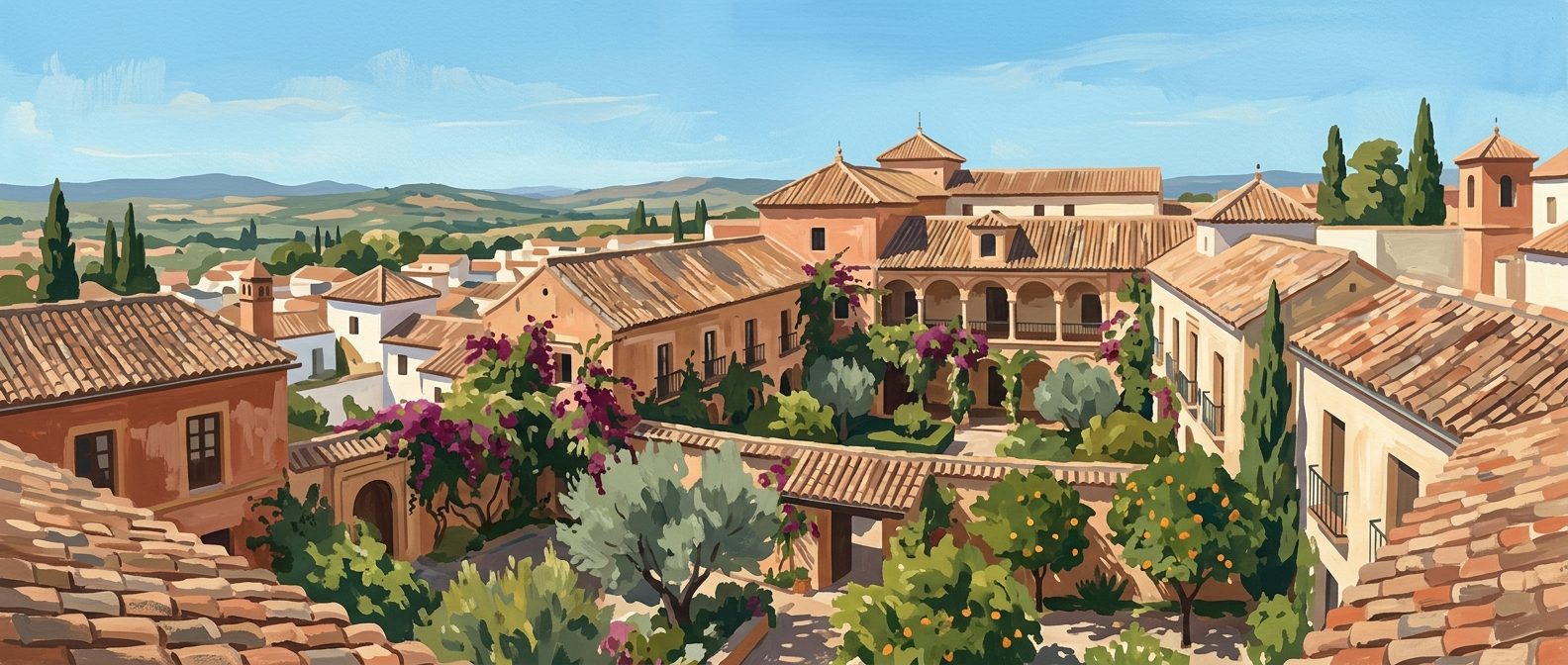
Located in the Santa Marina district, the Palacio de Viana is a sprawling manor house that serves as a living museum of Cordoban domestic architecture. Spanning five centuries, the estate evolved from a modest medieval dwelling into a grand noble residence, eventually earning its reputation as the museum of courtyards. It is an essential stop for visitors who want to understand the private side of the city's history, moving beyond the public monuments to explore how the local aristocracy lived and entertained. Garden enthusiasts and history students will find the site particularly rewarding, as it illustrates the development of the traditional Andalucian patio from a functional utility space into an elaborate sensory retreat. The true heart of the palace lies in its twelve distinct courtyards and its extensive garden, each offering a different atmosphere and architectural style. The Patio de Recibo welcomes visitors with its impressive Renaissance colonnade, designed to impress guests upon their arrival. As you move through the complex, look for the Patio de los Naranjos, which retains the feel of a medieval garden with its citrus trees and the sound of running water. The Patio de la Madama is more intimate, featuring a central statue surrounded by a ring of cypress trees. Each space is carefully planted to ensure there is interest throughout the seasons, with a mix of aromatic herbs, climbing roses, and traditional flowering pots that define the aesthetic of the city. Beyond the outdoor spaces, the interior of the palace contains a significant collection of art and historical artefacts. The guided tour of the upper floor reveals how the Viana family lived, showcasing Cordoban leatherwork, Flemish tapestries, and an extensive library. The ground floor rooms are equally impressive, housing collections of firearms, porcelain, and traditional furniture. Do not miss the Courtyard of the Columns, which was added in the twentieth century and serves as a grand space for events. The transition between the domestic interior and the lush greenery of the courtyards provides a constant contrast that keeps the experience engaging throughout the visit. You can find the palace at Plaza de Don Gome in the northern part of the historic centre. It is easily reachable on foot from the Mosque-Cathedral, though it takes about twenty minutes to walk through the winding streets. You should allow at least ninety minutes to two hours to see both the patios and the house interior properly. There are two types of tickets available: one for the courtyards only and a combined ticket that includes a guided tour of the palace rooms. Check the official website for current opening times and prices, as these can vary between the summer and winter seasons. While the palace is beautiful year-round, visiting in May during the Cordoban Courtyards Festival is particularly special, though this is also the busiest period. To avoid the largest crowds, try to arrive when the gates first open in the morning. If you visit during the summer months, the shaded courtyards provide a natural respite from the heat. Wear comfortable walking shoes, as the stone floors and uneven paving in some older sections require careful footing.

Puerta del Puente

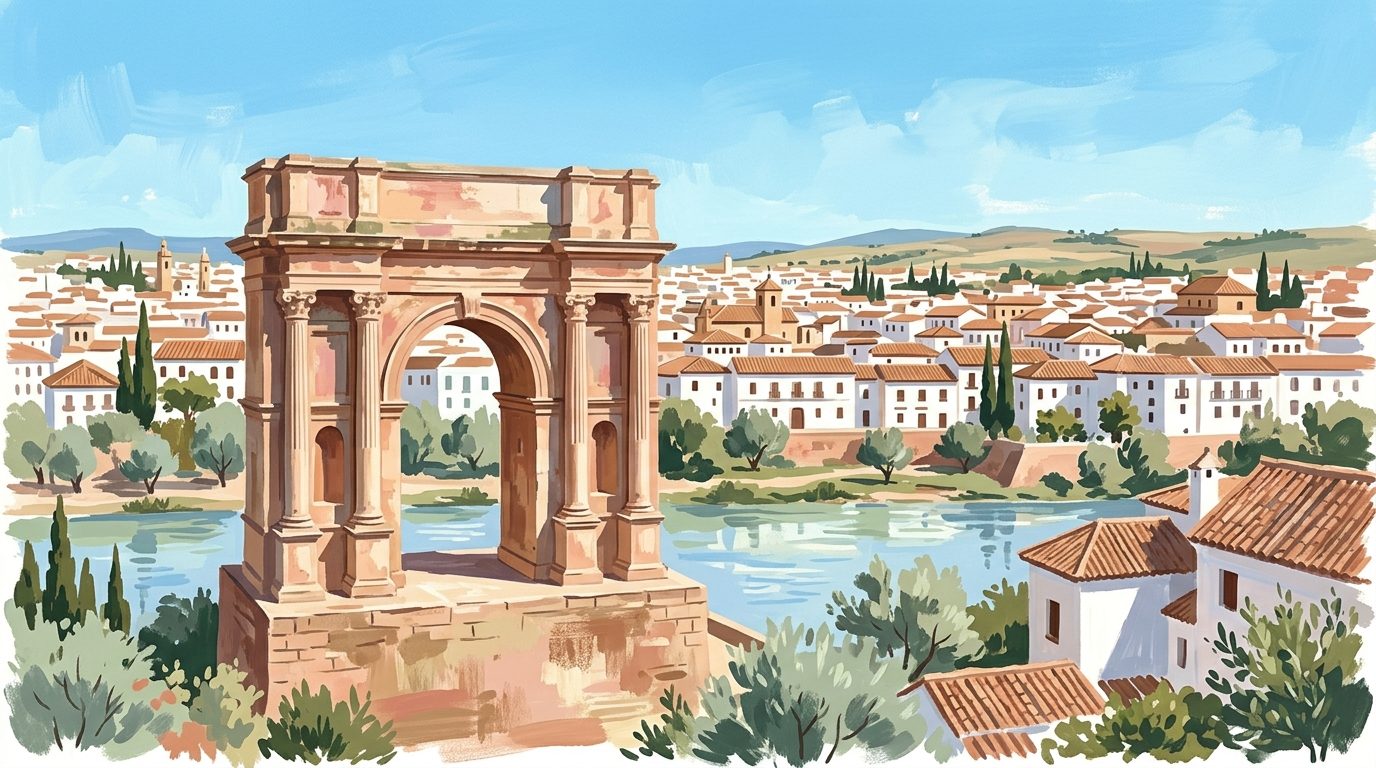
The Puerta del Puente stands as a monumental gateway connecting the Roman Bridge to the historic heart of Cordoba. Originally part of the city walls, the current structure is a sixteenth-century Renaissance triumphal arch designed by Hernan Ruiz III to commemorate a visit by King Philip II. It marks the transition between the river crossing and the Mosque-Cathedral, serving as a symbolic entry point for centuries. This attraction suits travellers interested in architectural history, urban evolution, and those who appreciate grand civic monuments. It provides a sense of scale to the city's defensive past while acting as a focal point for the surrounding UNESCO World Heritage site. Upon approaching the gate, look for the four pairs of fluted Doric columns that give the structure its classical authority. The central arch is topped by a pediment featuring the coat of arms of King Philip II, flanked by relief carvings. The gate was heavily restored in the early twentieth century, which separated it from the adjacent buildings to stand as a free-standing monument. Inside, visitors can access a small interpretation centre that explains the history of the gate through various eras, from its Roman origins to the Moorish period and its eventual Renaissance redesign. A narrow staircase leads to the upper gallery, offering a unique vantage point over the bridge and the river, providing a perspective different from the street-level view. One of the most rewarding aspects of visiting the Puerta del Puente is climbing to the top terrace. From this elevated position, you can see the rhythmic arches of the Roman Bridge stretching across the Guadalquivir towards the Calahorra Tower. Looking the other way, you get a clear view of the Plaza del Triunfo and the massive walls of the Mosque-Cathedral. It is an ideal spot for photography, capturing the intersection of Roman, Islamic, and Christian architectural layers. The small museum inside houses archaeological remains and models that illustrate how the gateway evolved from a defensive fortification into a ceremonial arch. The gate is located at the northern end of the Roman Bridge in the city centre. It is easily reached on foot from any part of the Jewish Quarter or the riverside. There is a small fee to enter the interpretation centre and access the roof, though the exterior can be viewed for free at any time. Check the official website for current opening times and prices, as these can vary seasonally. Most visitors find that thirty to forty-five minutes is sufficient to explore the internal exhibition and enjoy the views from the terrace. It is a logical stop either before or after walking across the bridge. Late afternoon is the best time to visit, as the setting sun casts a warm light over the stone and the bridge. To avoid the largest crowds, try to go during the middle of the week. Wear comfortable shoes, as the stairs inside are somewhat steep and narrow. Combining a visit here with the Calahorra Tower at the opposite end of the bridge provides a complete historical overview of Cordoba's riverfront defences.

Roman Bridge of Córdoba

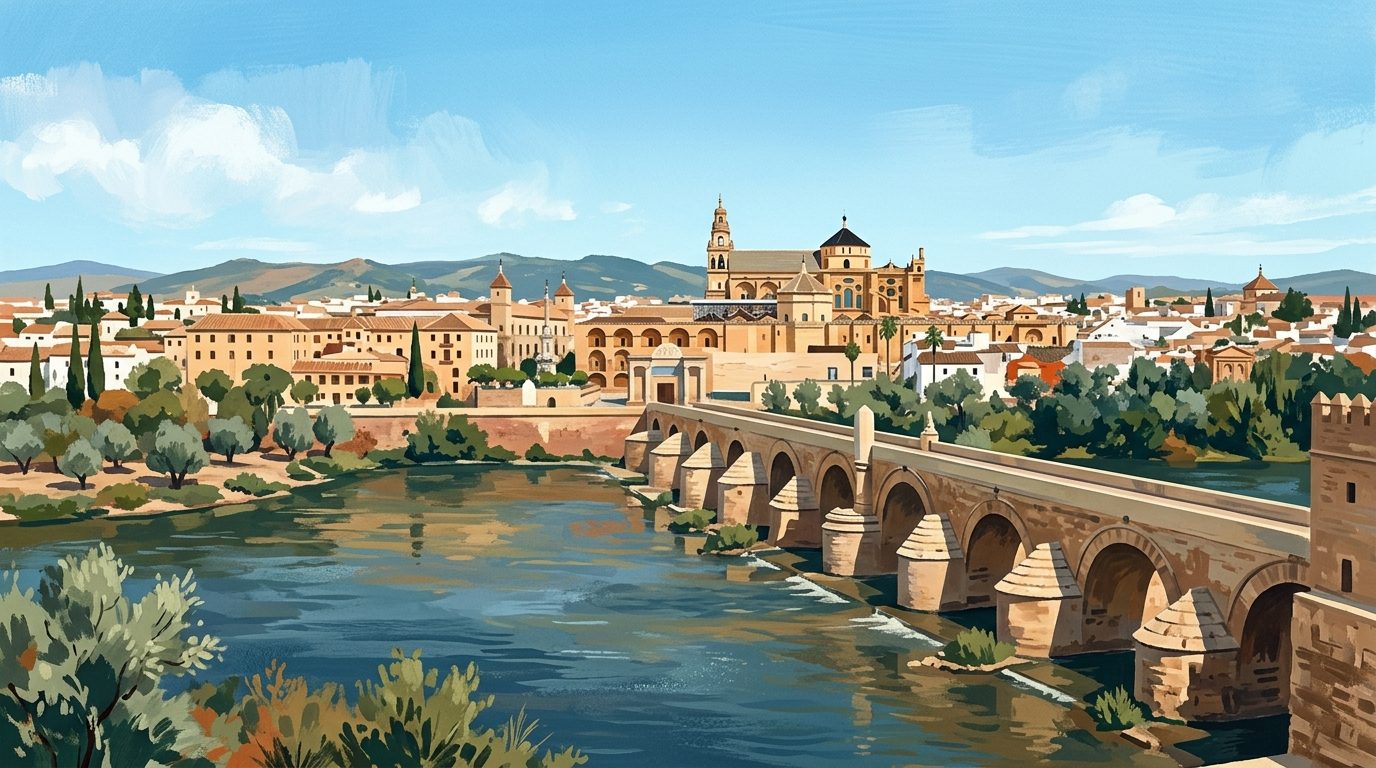
The Roman Bridge of Córdoba stands as one of the most enduring symbols of the city, spanning the Guadalquivir river with sixteen sturdy arches. Originally constructed in the early 1st century BC, it formed a vital part of the Via Augusta, connecting Rome to Cádiz. While much of the present structure dates from the Islamic reconstruction in the 8th century, its foundations remain Roman, representing a layered history of engineering and power. It is an essential stop for anyone interested in the Roman and Moorish heritage of Andalucía, offering a pedestrian-only route that links the historic centre with the southern districts. Photographers and casual travellers alike will find it provides some of the most famous views of the city skyline, framing the Mosque-Cathedral against the water. As you walk across the bridge, pay close attention to the various architectural elements that bookend the passage. At the southern end sits the Torre de la Calahorra, a fortified gate house of Islamic origin that now houses a museum dedicated to the coexistence of cultures in medieval Córdoba. At the northern entrance, you pass through the Puerta del Puente, a grand Renaissance gateway built in the 16th century to replace the original Roman and Moorish gates. Near the centre of the bridge, you will find a 17th-century statue of San Rafael, the city’s guardian angel. Local tradition often sees residents pausing here to light a candle or offer a short prayer, and the weathered stone around the base tells the story of centuries of devotion. Beyond the stone structures, the bridge offers a prime vantage point to observe the Sotos de la Albolafia. This protected natural area consists of small islands and reeds in the riverbed, providing a habitat for a diverse range of bird species including herons and egrets. Look out for the old Moorish water mills, such as the Molino de la Albolafia, which once raised water for the palace gardens. Fans of modern culture might recognise the bridge from its appearance as the Long Bridge of Volantis in the television series Game of Thrones, though digital effects were used to expand its size. Standing on the bridge today allows you to appreciate both the natural flow of the river and the urban development of the city. Reaching the bridge is straightforward as it is located directly in front of the Mosque-Cathedral in the heart of the old town. It is a public thoroughfare and is free to access at any time of day or night. While the bridge itself requires no tickets, the Calahorra Tower and the Puerta del Puente do have entry fees and specific operating hours; check the official website for current opening times and prices. A walk across the bridge at a leisurely pace usually takes about twenty to thirty minutes, though you should allow an hour if you intend to take photographs or visit the museum inside the tower at the far end. The best time to visit is during the golden hour just before sunset when the stone arches take on a deep honey hue. It is also striking at night when the bridge is illuminated, providing a quieter experience. As the bridge offers no shade, avoid the midday sun during the summer. Wearing comfortable walking shoes is recommended as the paving can be uneven in places, and always carry water if walking during the day.

Templo Romano
attraction

Templo Romano

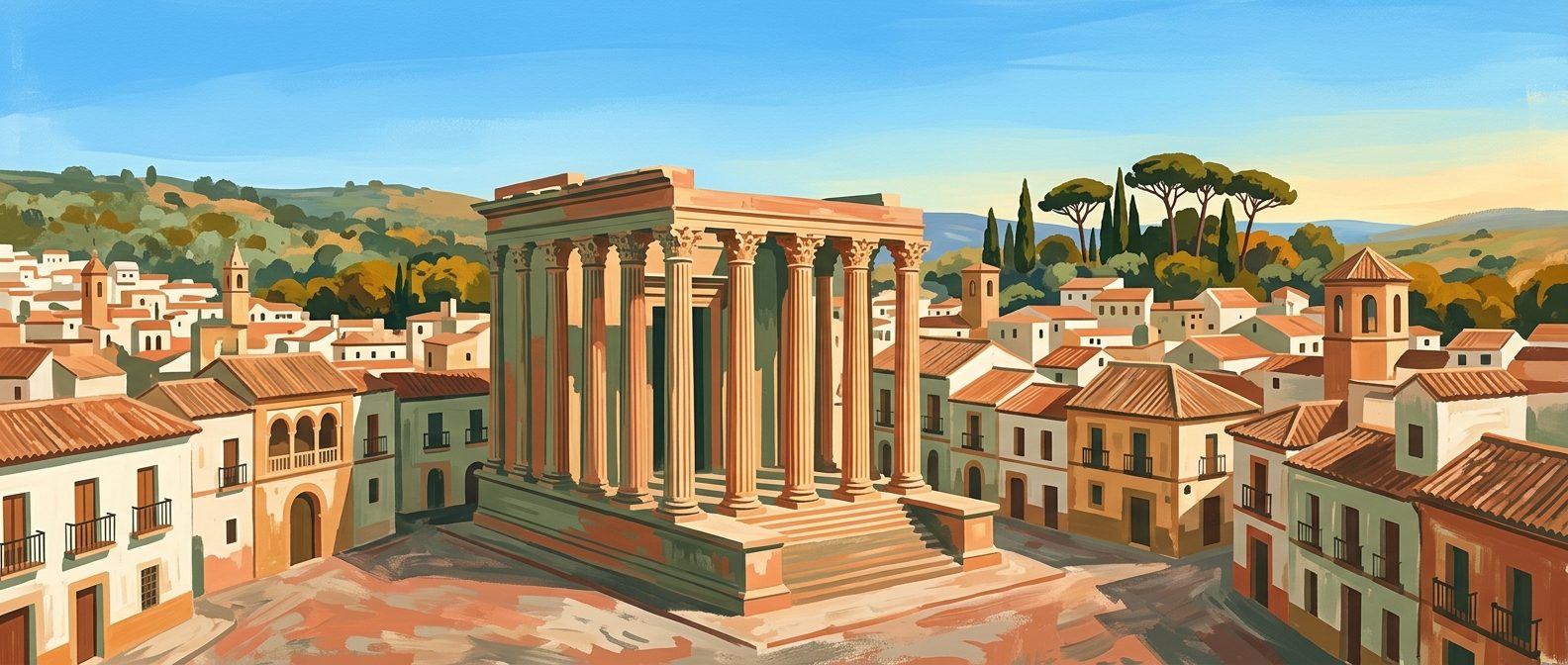
The Roman Temple of Córdoba stands as a striking reminder of the city’s imperial importance during its time as the capital of Hispania Baetica. Dating back to the middle of the first century, it was likely dedicated to the imperial cult, honouring the Roman emperor. This site is particularly suited to history enthusiasts and those fascinated by urban archaeology, as it represents one of the few visible remains of the Roman forum in a city more often associated with its later Islamic and Christian periods. While the temple is now largely a reconstruction, it provides a sense of the sheer scale and architectural ambition that the Romans brought to the Iberian Peninsula. Visitors will find it an evocative stop that adds another layer to their understanding of the city’s complex, multi-layered heritage. The primary draw of the site is the collection of eleven Corinthian columns that rise dramatically from their podium against the backdrop of modern administrative buildings. Constructed primarily from marble, these columns were part of a larger structure that once measured thirty-two metres in length and sixteen metres in width. When looking at the site from the elevated walkway on Calle Capitulares, pay close attention to the base of the structure. You can see the original foundations and the massive support walls designed to bear the weight of the enormous stone temple. Fragmentary pieces of the architrave and capitals are also visible, offering a glimpse into the intricate stonework that once decorated the edifice. The height of the columns gives a true impression of how this temple would have dominated the surrounding skyline two thousand years ago. While the temple itself is the focal point, the surrounding area contains further evidence of Roman engineering. Look down into the excavated sections to see the remains of the drainage systems and the perimeter walls of the original forum area. A particularly atmospheric way to experience the site is to observe it from the adjacent street at different heights, as the perspective changes the perceived scale of the columns. For those interested in the portable artefacts found during the excavation, a visit to the nearby Archaeological Museum is essential. Many of the original capitals and smaller decorative elements are housed there, providing a more detailed look at the craftsmanship that the outdoor ruins only hint at through their sheer size. The Roman Temple is located in the heart of Córdoba, situated on Calle Capitulares right next to the City Hall. It is easily accessible on foot from the Plaza de la Corredera or the Plaza de las Tendillas, making it a convenient stop between other major landmarks. Because the ruins are open to the street, you can view them at any time of day or night without needing to purchase a ticket or adhere to strict opening hours. Most visitors spend about fifteen to twenty minutes here, taking in the views and reading the informative panels nearby. If you wish to learn more about the specific archaeological findings, check the official website for current opening times and prices regarding any future access to the interpretive space. To see the temple at its most impressive, visit during the evening when the columns are illuminated by floodlights. This lighting creates sharp shadows that emphasise the texture of the stone and the height of the pillars. For photography, the early morning light provides a clearer view of the marble details without the crowds that often gather in the square later in the day. Always wear comfortable shoes as the surrounding streets are paved with traditional cobblestones.

Torre de la Calahorra

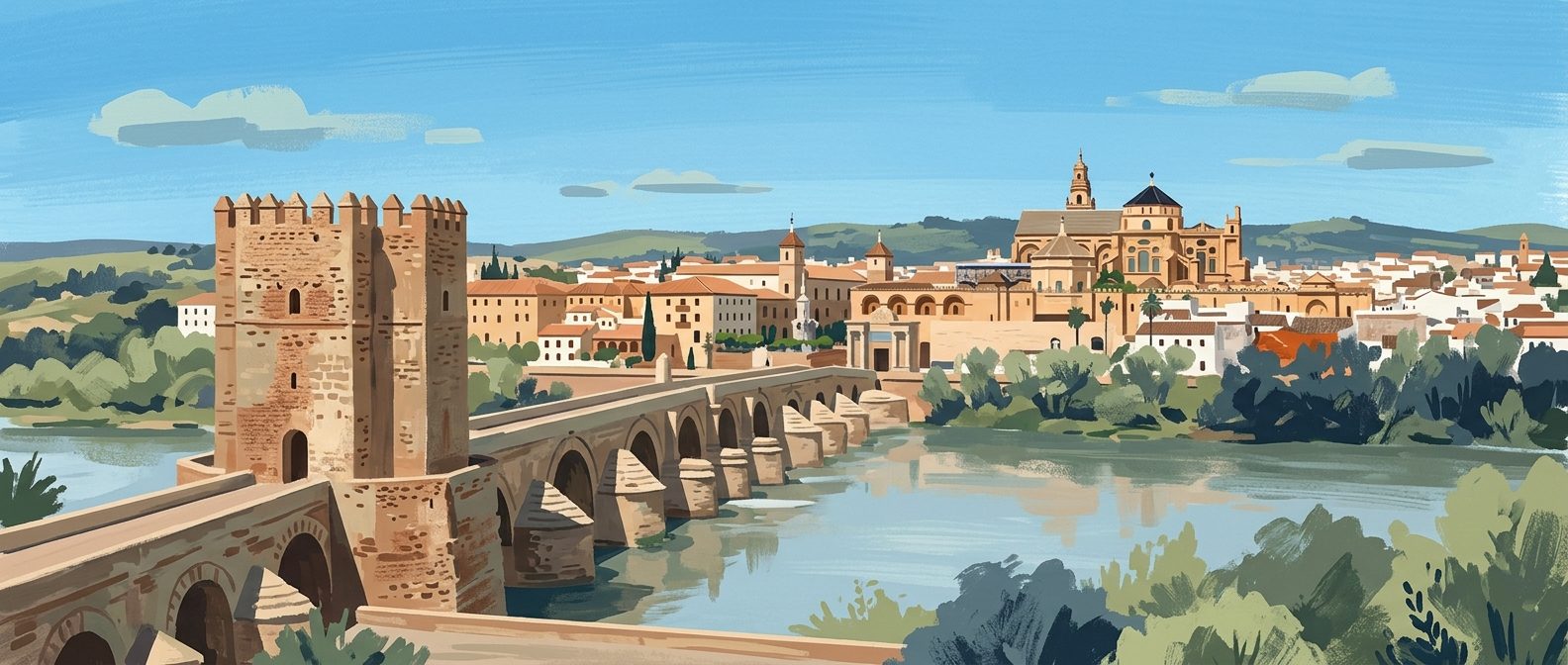
The Torre de la Calahorra stands as a fortified gatehouse at the southern end of the Roman Bridge in Córdoba. Originally built by the Almohad Caliphate to protect the bridge and the city beyond, it underwent significant expansion during the reign of Enrique II of Castile in the fourteenth century. Today, it houses the Museo Vivo de Al-Andalus, a museum dedicated to the coexistence of the Christian, Jewish, and Muslim cultures during the Middle Ages. This attraction suits travellers interested in religious history, architectural evolution, and those who appreciate panoramic city views. It serves as a physical reminder of the strategic military importance of the Guadalquivir River and the cultural fusion that defines the identity of Andalucía. Inside the tower, the museum provides a series of exhibits that use digital technology and traditional models to depict the height of the Caliphate of Córdoba. You should pay close attention to the detailed scale models of the Great Mosque, which illustrate how the structure evolved over several centuries. The museum focuses on the intellectual achievements of Al-Andalus, highlighting advances in medicine, philosophy, and engineering. As you move through the chambers, the thick stone walls and narrow defensive windows offer a sense of the original purpose of the building as a defensive bastion. The journey through the rooms is designed to be immersive, with audio guides provided to explain the significance of the figures and philosophies that shaped the region during its golden age. The crowning experience of a visit is ascending to the roof terrace. From this vantage point, you have an uninterrupted view across the Roman Bridge toward the Mosque-Catedral and the historic centre. It is a superb spot in the city to appreciate the scale of the bridge and the way the urban landscape integrates with the riverbank. Look for the different architectural phases of the tower itself, particularly the horseshoe arches and the later crenellations added during the Christian Reconquest. The contrast between the rugged defensive exterior and the educational, serene atmosphere inside provides a unique perspective on the multifaceted past of the city. Finding the tower is straightforward as it marks the southern terminus of the Puente Romano, a short walk from the historic core. It is located on the southern bank of the Guadalquivir, making it a practical starting or finishing point for a walk across the bridge. Visitors should allow approximately one hour to explore the exhibits and enjoy the views from the summit. Regarding access, the tower is generally open daily, though hours can vary between the summer and winter seasons. Check the official website for current opening times and prices to ensure you have the latest information. Tickets can usually be purchased at the entrance, and the fee includes an audio guide available in several languages. To experience the tower at its most atmospheric, plan your visit for the late afternoon when the sun begins to lower over the river. The light at this time provides excellent conditions for photography from the roof, casting long shadows across the arches of the bridge. Since the climb involves some steep and narrow stairs, wear comfortable shoes. If you are visiting during the peak summer months, the interior provides a welcome respite from the midday heat, though the roof will be fully exposed.